
Search
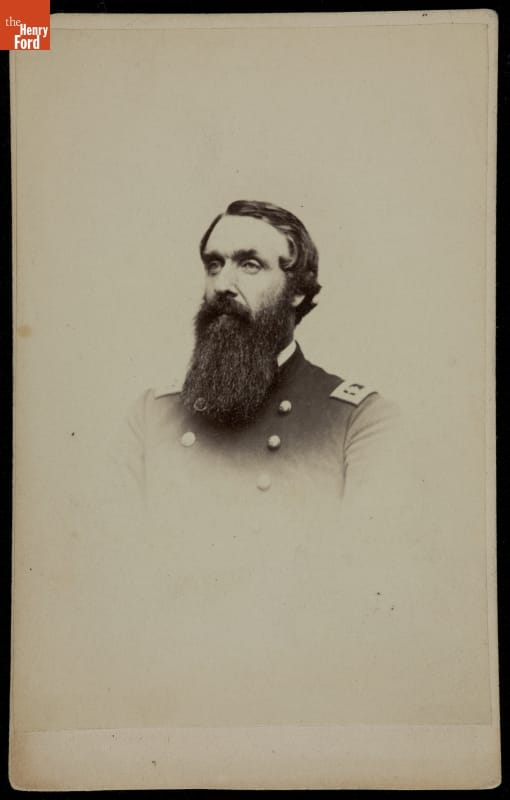
- Union Army Officer, 1861-1865 - This carte-de-visite made by B. F. Smith and Son, Portland, Maine, shows an unknown Union Army officer. Carte-de-visite was a small photographic print on cardboard stock made by professional photographers. Popular in the United States during the Civil War, soldiers often sent these inexpensive images back home as a reminder to friends and family members of their loved ones in service.
- 1861-1865
- Collections - Artifact
Union Army Officer, 1861-1865
This carte-de-visite made by B. F. Smith and Son, Portland, Maine, shows an unknown Union Army officer. Carte-de-visite was a small photographic print on cardboard stock made by professional photographers. Popular in the United States during the Civil War, soldiers often sent these inexpensive images back home as a reminder to friends and family members of their loved ones in service.
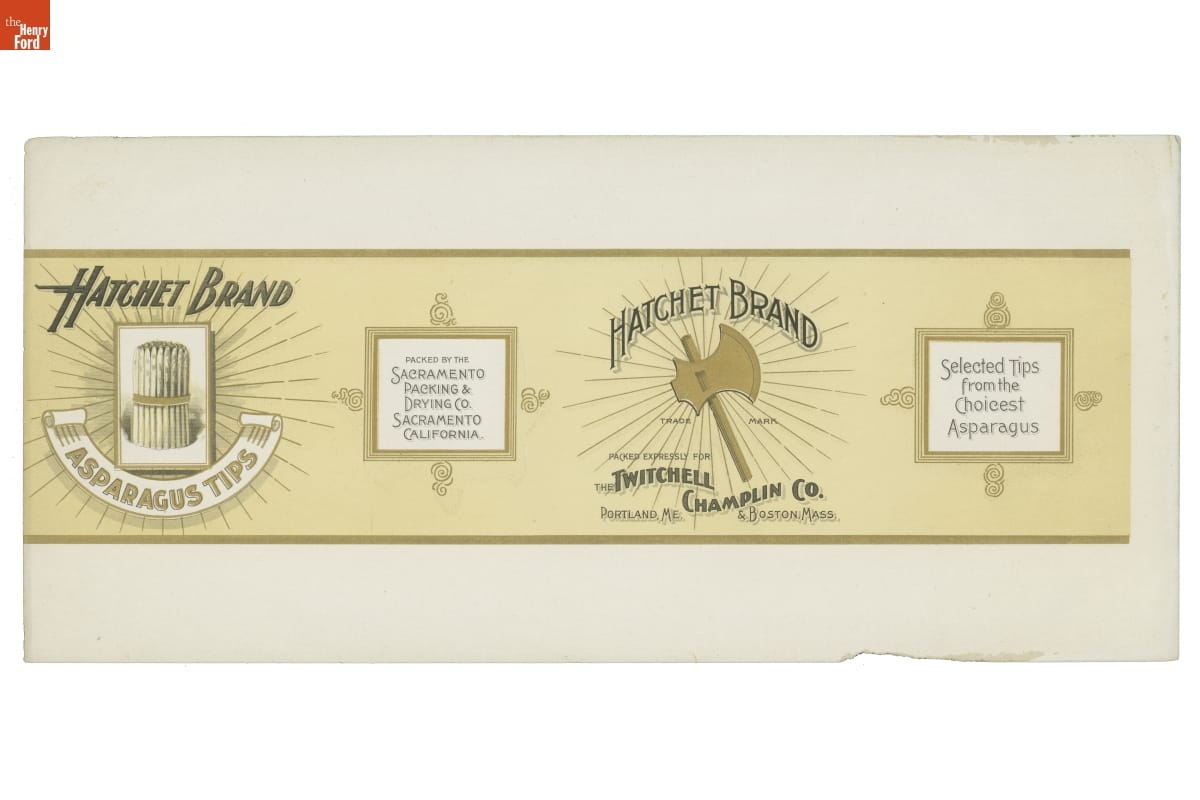
- Can Label, "Hatchet Brand Asparagus Tips," circa 1900 - Manufacturers of similar products sought ways to make their company's goods stand out on store shelves. Attractive labels, like this design for Hatchet Brand Asparagus Tips, helped catch the attention of potential customers, familiarize them with the brand image, and encourage them to purchase the company's product rather than that of a competitor.
- circa 1900
- Collections - Artifact
Can Label, "Hatchet Brand Asparagus Tips," circa 1900
Manufacturers of similar products sought ways to make their company's goods stand out on store shelves. Attractive labels, like this design for Hatchet Brand Asparagus Tips, helped catch the attention of potential customers, familiarize them with the brand image, and encourage them to purchase the company's product rather than that of a competitor.
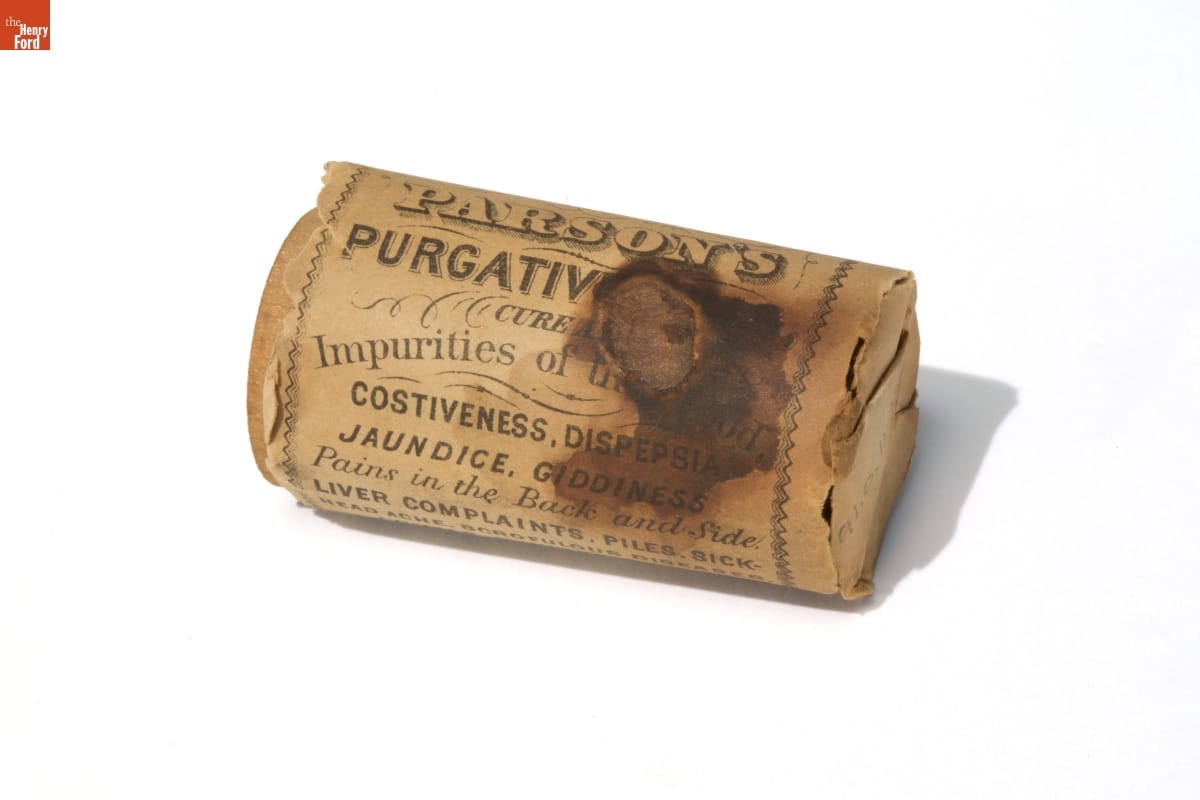
- Parson's Purgative Pills, 1870-1890 - Nineteenth-century entrepreneurs promised cures with patent medicines. Some of these concoctions, however, contained harmful ingredients or ingredients used in unsafe quantities -- the industry was unregulated and manufacturers were secretive about their recipes. Beginning with the Pure Food and Drug Act of 1906, national legislation increasingly prohibited misleading health claims and required manufacturers to list their product's contents.
- 1870-1890
- Collections - Artifact
Parson's Purgative Pills, 1870-1890
Nineteenth-century entrepreneurs promised cures with patent medicines. Some of these concoctions, however, contained harmful ingredients or ingredients used in unsafe quantities -- the industry was unregulated and manufacturers were secretive about their recipes. Beginning with the Pure Food and Drug Act of 1906, national legislation increasingly prohibited misleading health claims and required manufacturers to list their product's contents.
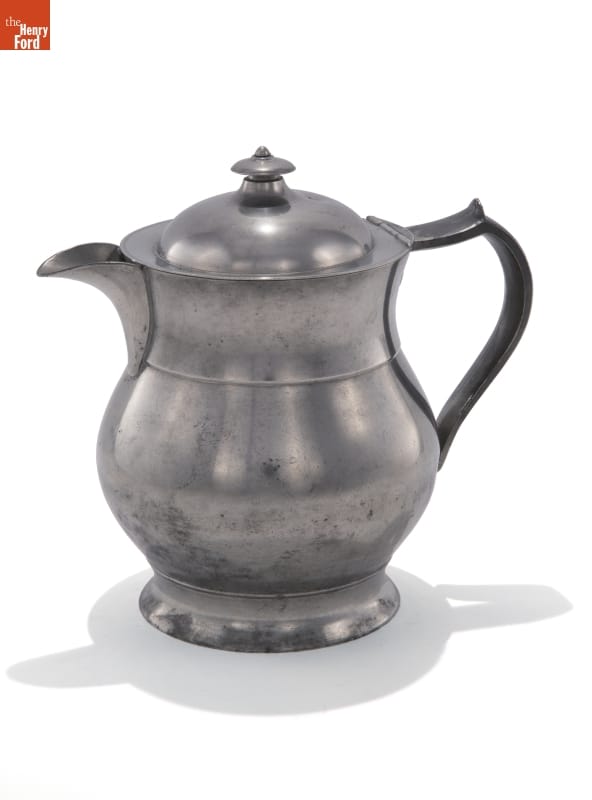
- Pitcher, 1837-1861 - Pewter goods could be found in many American homes and public buildings in the late 18th and early 19th centuries. Most Americans of modest means could afford to have pewter spoons, tankards, dishes, plates or other items, such as this covered pitcher.
- 1837-1861
- Collections - Artifact
Pitcher, 1837-1861
Pewter goods could be found in many American homes and public buildings in the late 18th and early 19th centuries. Most Americans of modest means could afford to have pewter spoons, tankards, dishes, plates or other items, such as this covered pitcher.
- Burning Fluid Lamp, 1835-1860 - Pewter goods could be found in many American homes and public buildings in the late 18th and early 19th centuries. Most Americans of modest means could afford to buy pewter spoons, tankards, dishes, plates, porringers, or other household items. Oil or burning fluid lamps provided light on cloudy days or after the sun went down.
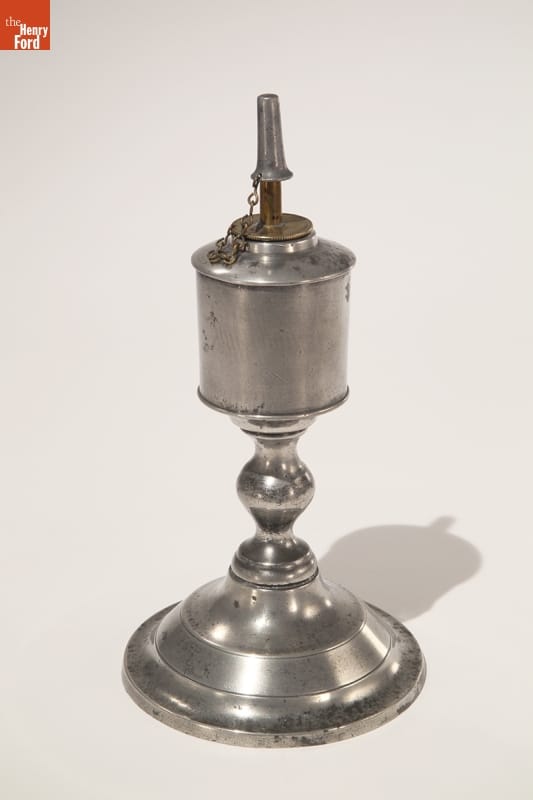
- 1835-1860
- Collections - Artifact
Burning Fluid Lamp, 1835-1860
Pewter goods could be found in many American homes and public buildings in the late 18th and early 19th centuries. Most Americans of modest means could afford to buy pewter spoons, tankards, dishes, plates, porringers, or other household items. Oil or burning fluid lamps provided light on cloudy days or after the sun went down.
- "Newagen Inn and Cottages, Cape Newagen, Maine," 1956 -
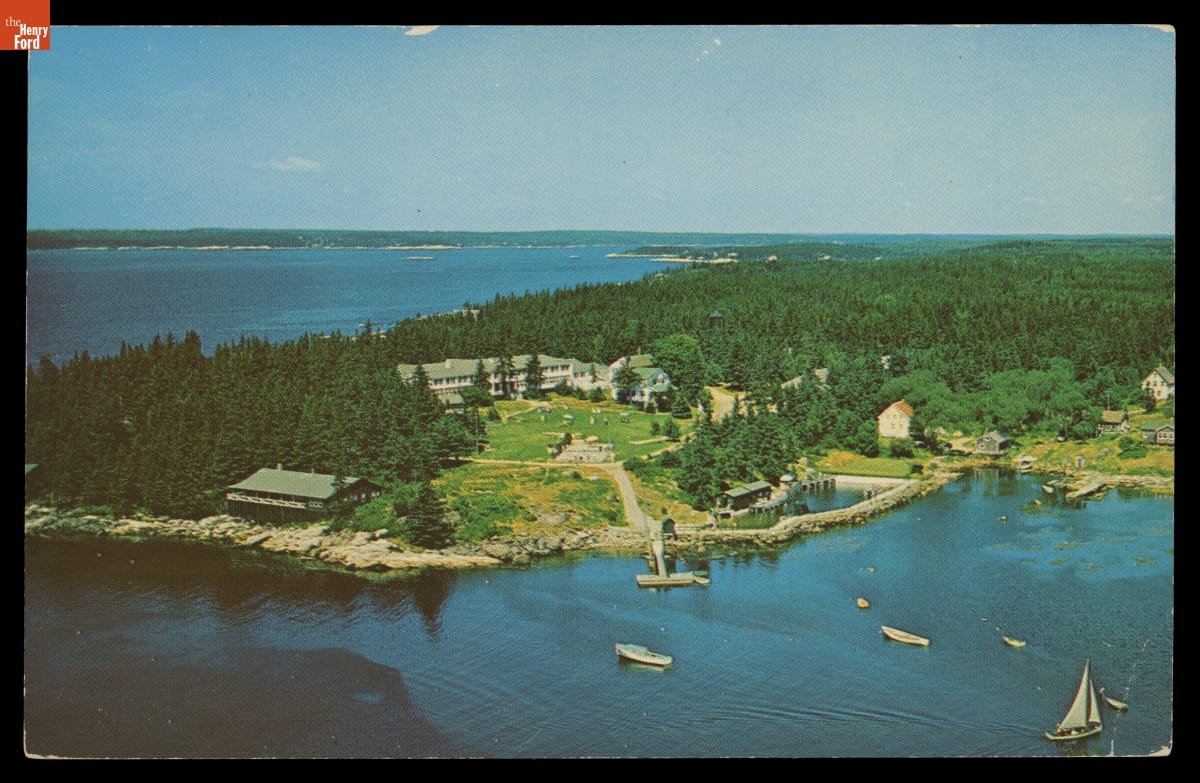
- 1947-1956
- Collections - Artifact
"Newagen Inn and Cottages, Cape Newagen, Maine," 1956
- Ladies' Shoes -
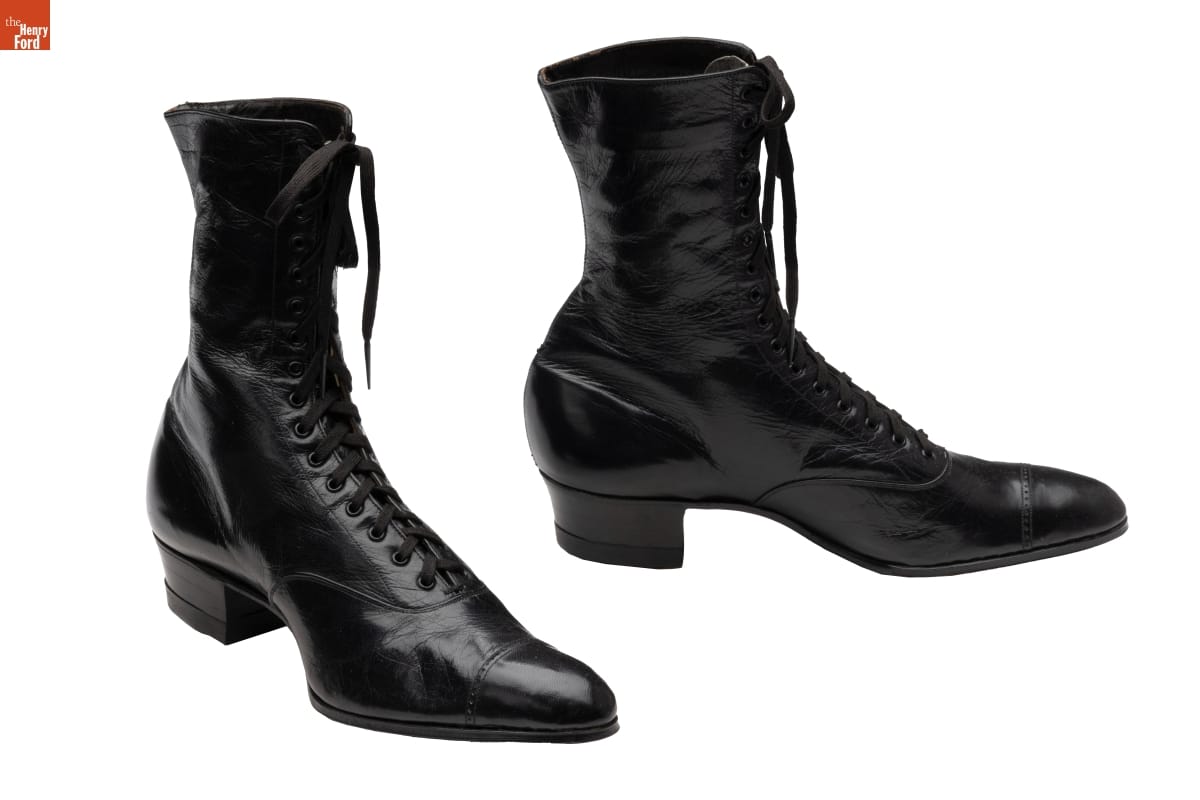
- Collections - Artifact
Ladies' Shoes
- Portrait of Charles L. Clarke, circa 1880 -
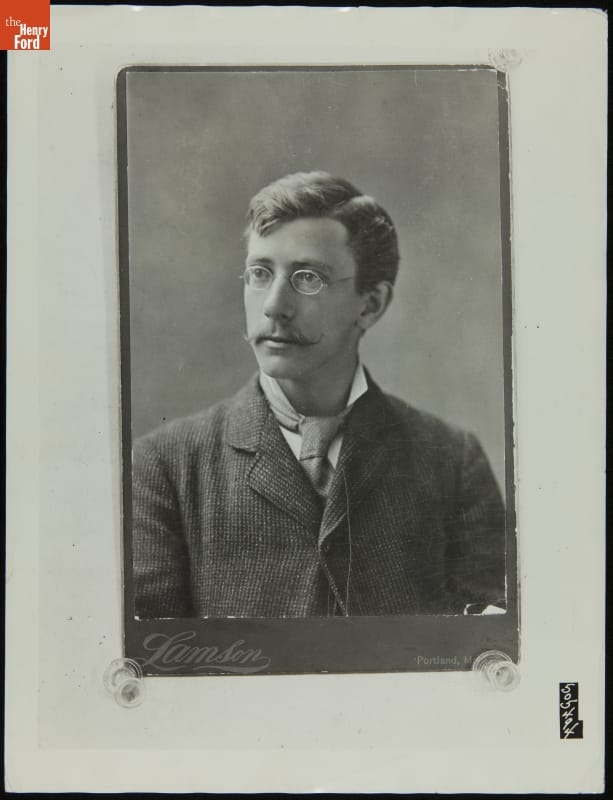
- circa 1880
- Collections - Artifact
Portrait of Charles L. Clarke, circa 1880
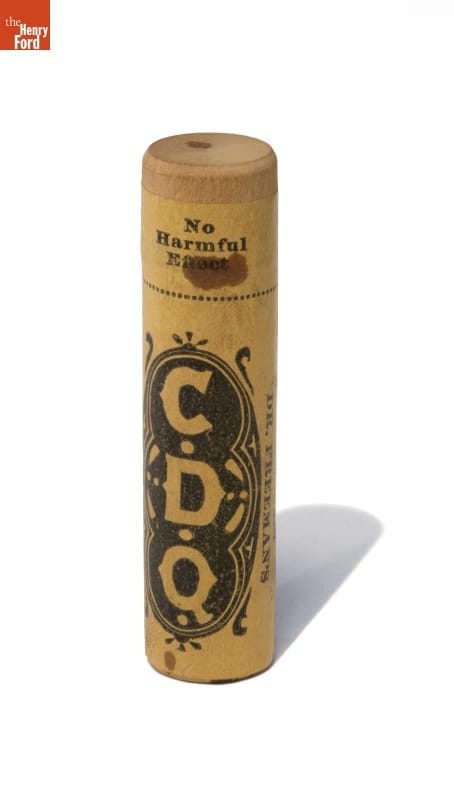
- Dr. Freeman's C.D.Q., circa 1915 - Nineteenth-century entrepreneurs promised cures with patent medicines. Some of these concoctions, however, contained harmful ingredients or ingredients used in unsafe quantities -- the industry was unregulated and manufacturers were secretive about their recipes. Beginning with the Pure Food and Drug Act of 1906, national legislation increasingly prohibited misleading health claims and required manufacturers to list their product's contents.
- circa 1915
- Collections - Artifact
Dr. Freeman's C.D.Q., circa 1915
Nineteenth-century entrepreneurs promised cures with patent medicines. Some of these concoctions, however, contained harmful ingredients or ingredients used in unsafe quantities -- the industry was unregulated and manufacturers were secretive about their recipes. Beginning with the Pure Food and Drug Act of 1906, national legislation increasingly prohibited misleading health claims and required manufacturers to list their product's contents.
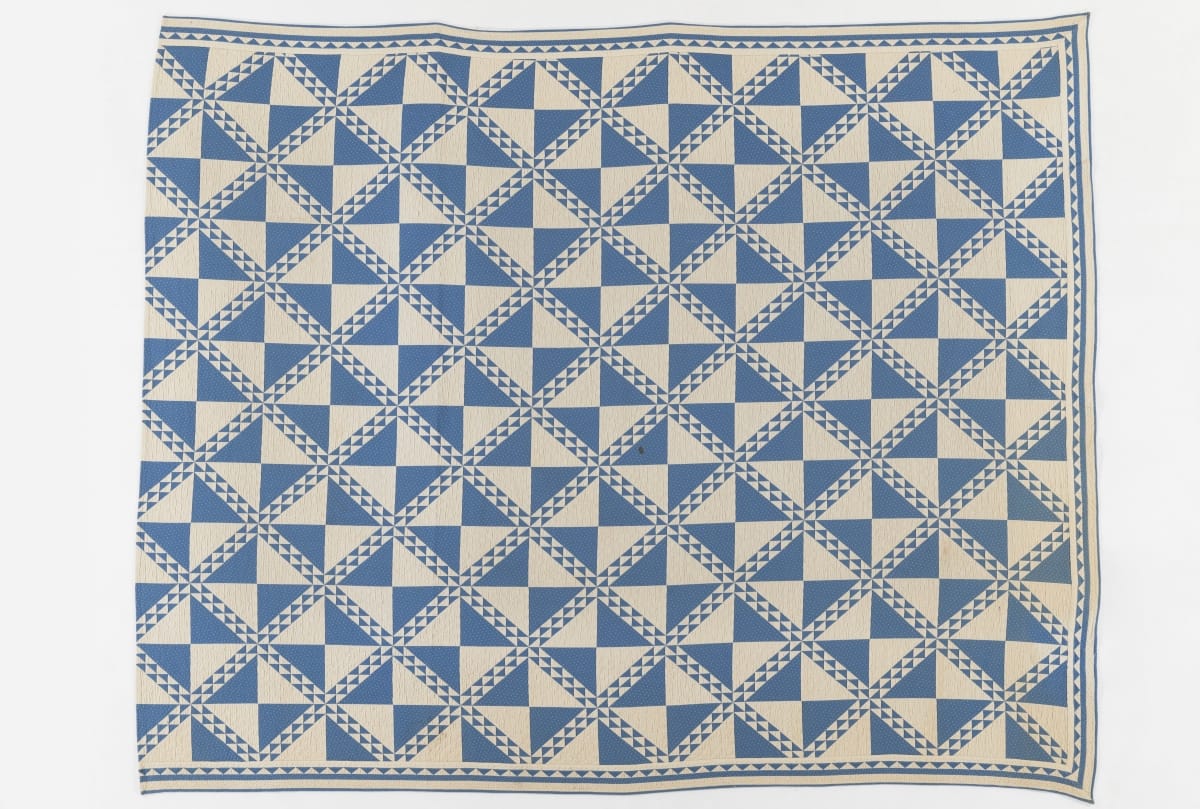
- Quilt, circa 1935 -
- circa 1935
- Collections - Artifact
Quilt, circa 1935