
Search
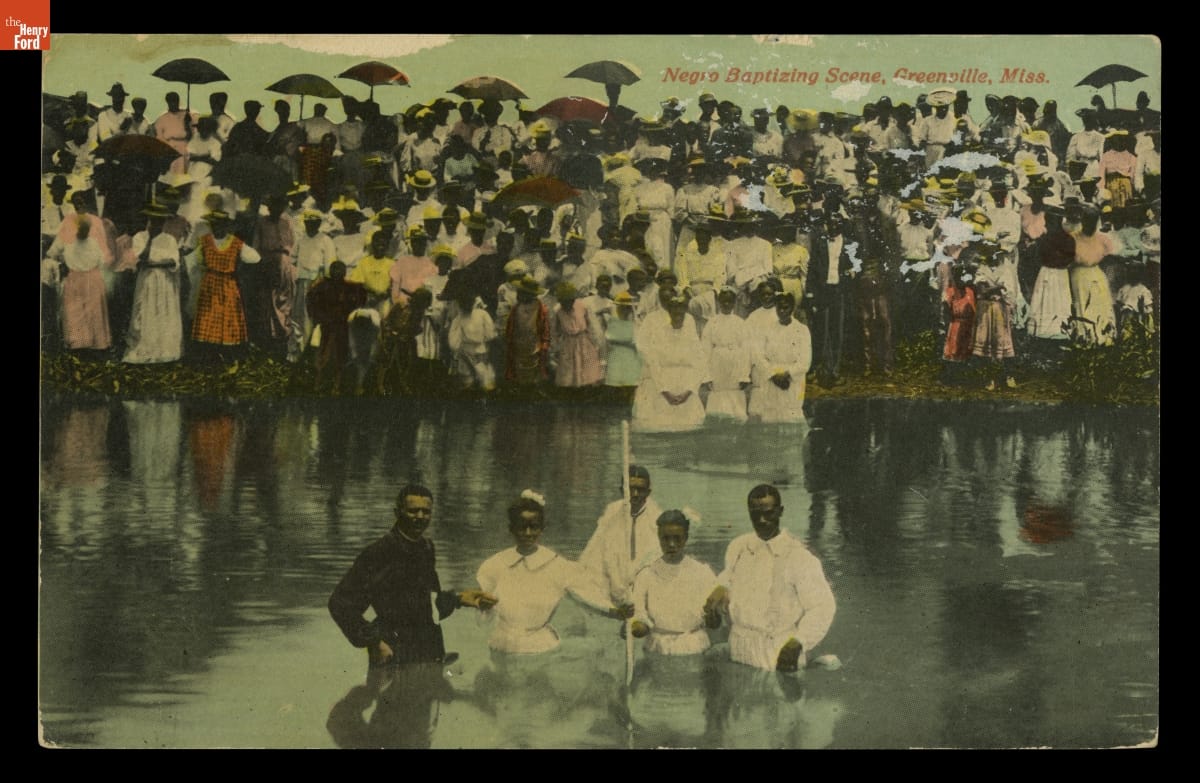
- "Negro Baptizing Scene, Greenville, Miss.," Postcard, circa 1915 -
- circa 1915
- Collections - Artifact
"Negro Baptizing Scene, Greenville, Miss.," Postcard, circa 1915
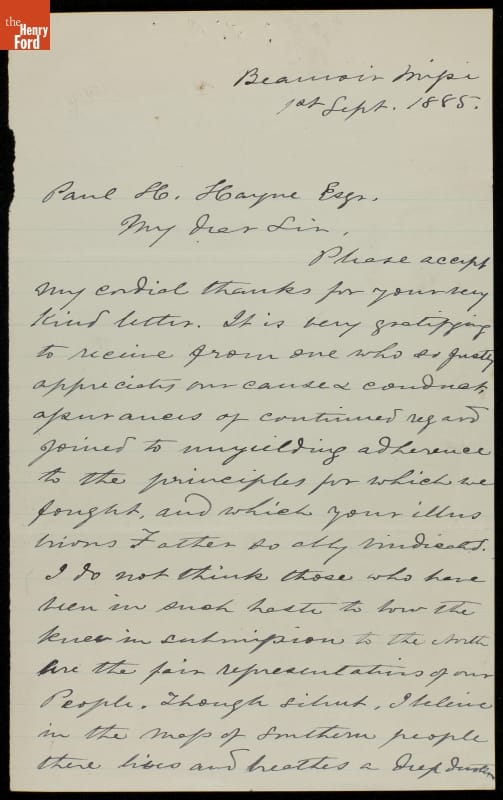
- Letter from Jefferson Davis to Paul Hamilton Hayne, 1885 -
- September 01, 1885
- Collections - Artifact
Letter from Jefferson Davis to Paul Hamilton Hayne, 1885
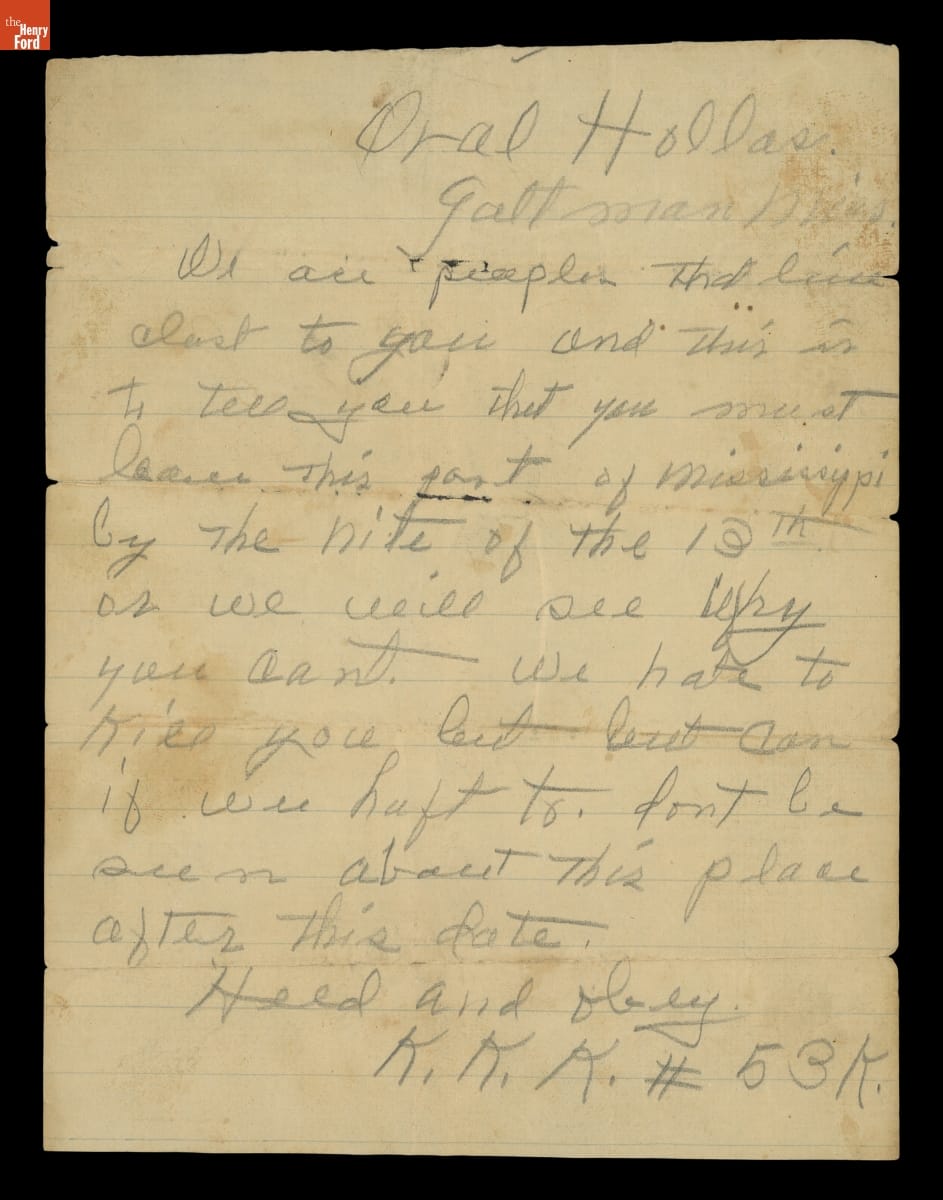
- Handwritten Note to Uril Franklin Hollis from the Ku Klux Klan, circa 1924 - Uril Franklin Hollis, a Black man, received this threatening note from the local KKK in Gattman, Mississippi, sometime in the early 1920s. Hollis heeded his white neighbors' warning and moved to Hamtramck, Michigan, where he found work in the auto industry. Life was precarious for Black Americans in the South, while jobs in northern cities offered hope of economic security and a seeming respite from threats and violence.
- circa 1924
- Collections - Artifact
Handwritten Note to Uril Franklin Hollis from the Ku Klux Klan, circa 1924
Uril Franklin Hollis, a Black man, received this threatening note from the local KKK in Gattman, Mississippi, sometime in the early 1920s. Hollis heeded his white neighbors' warning and moved to Hamtramck, Michigan, where he found work in the auto industry. Life was precarious for Black Americans in the South, while jobs in northern cities offered hope of economic security and a seeming respite from threats and violence.
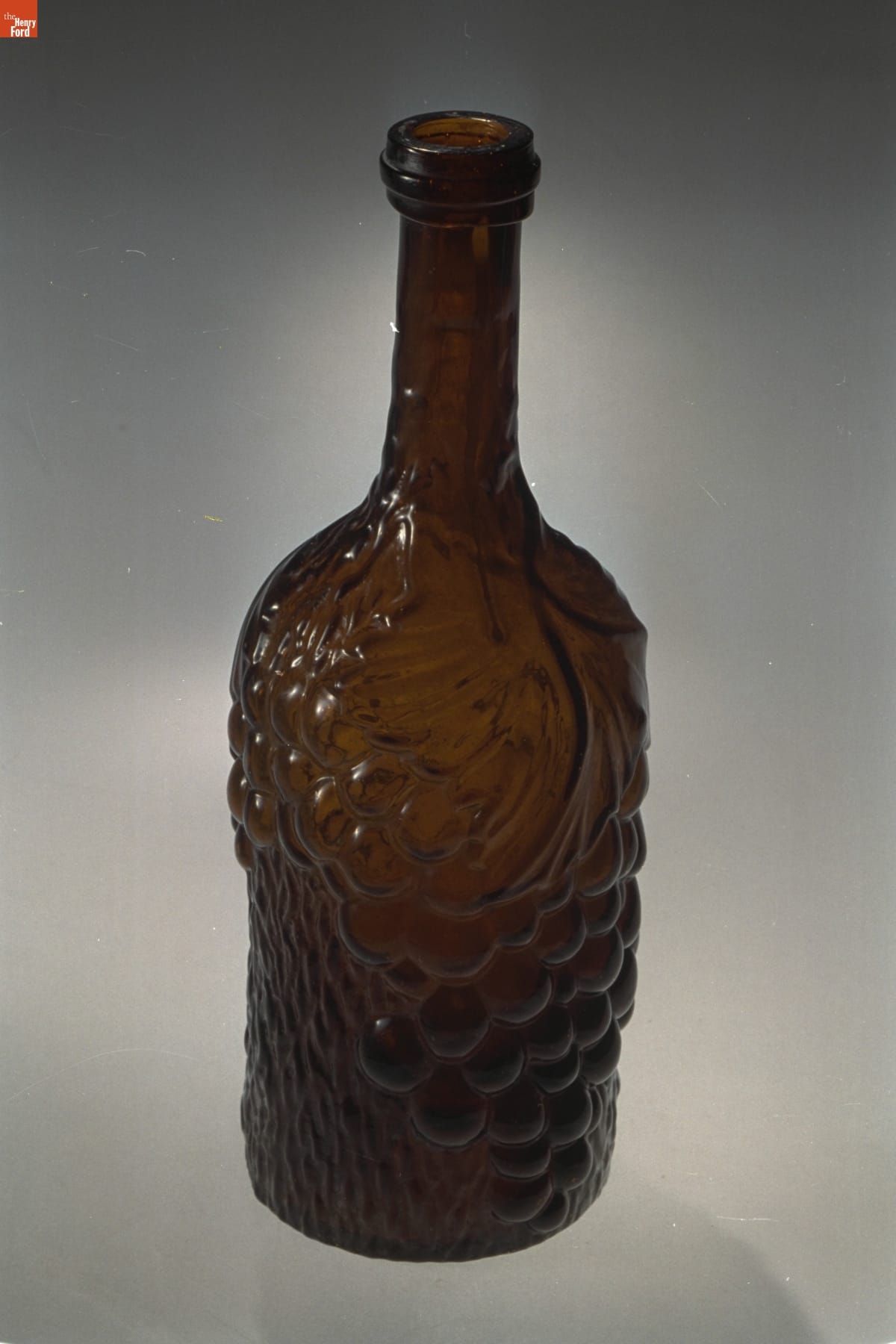
- Wine Bottle, 1846-1852 -
- 1846-1852
- Collections - Artifact
Wine Bottle, 1846-1852
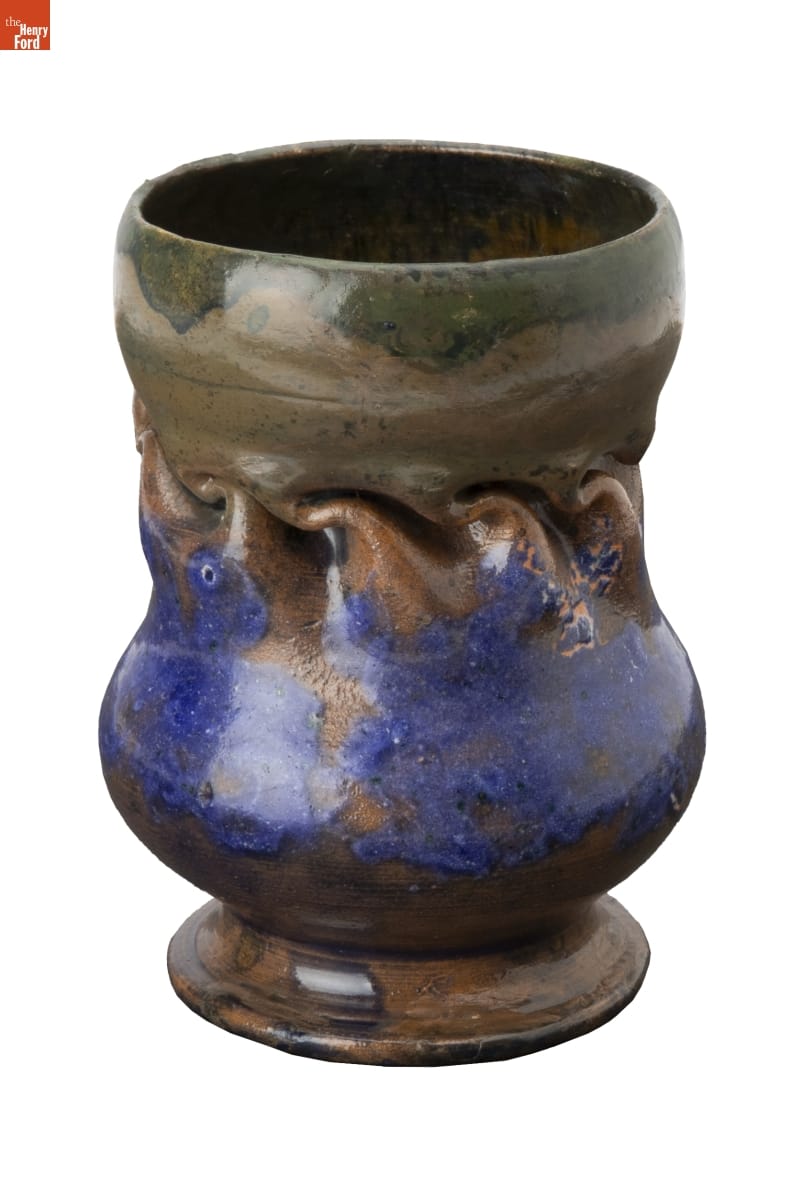
- Vase by George Ohr, 1897-1900 - George Ohr is regarded as the father or grandfather of Studio Ceramics in America. This highly expressive vase is a good example of Ohr's style and technique -- simple earthenware shaped into Ohr's uniquely twisted form. His creations, regarded as "ugly" in his own time, are now seen as the precursor to work by today's contemporary ceramic artists.
- 1897-1900
- Collections - Artifact
Vase by George Ohr, 1897-1900
George Ohr is regarded as the father or grandfather of Studio Ceramics in America. This highly expressive vase is a good example of Ohr's style and technique -- simple earthenware shaped into Ohr's uniquely twisted form. His creations, regarded as "ugly" in his own time, are now seen as the precursor to work by today's contemporary ceramic artists.
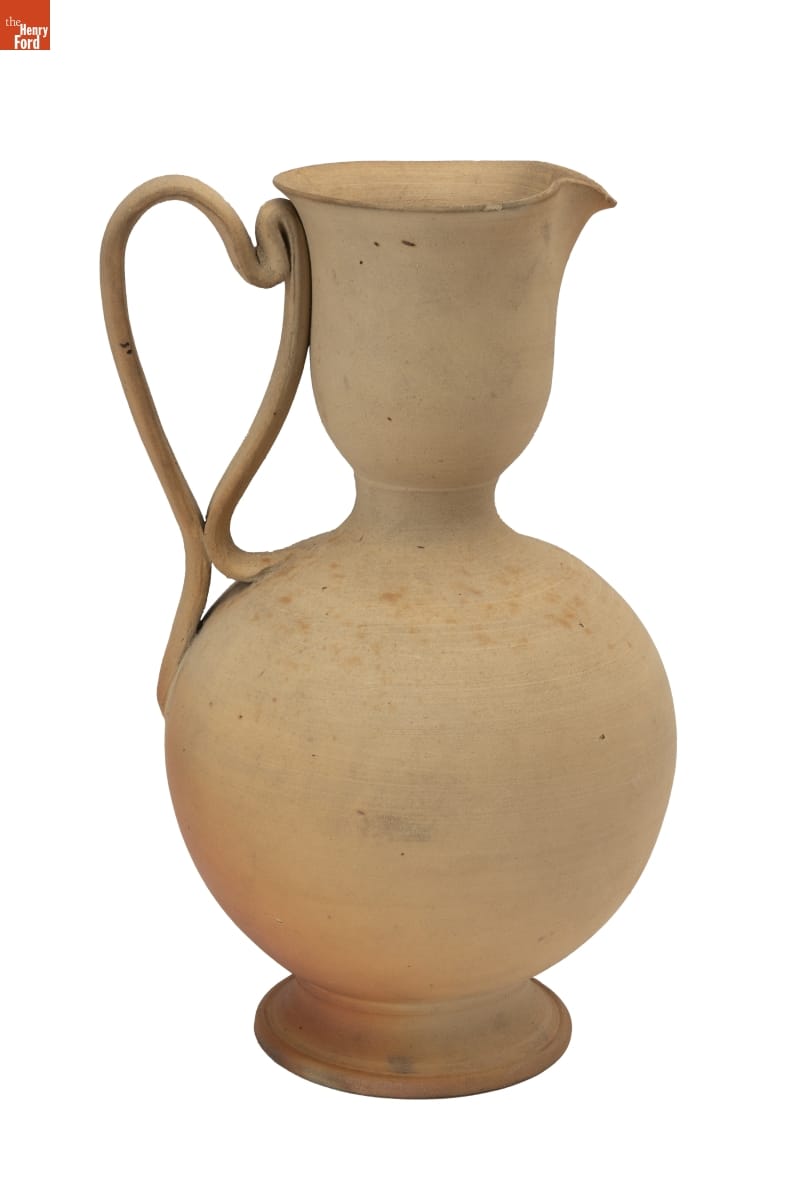
- Pitcher by George Ohr and Susan Frackelton, 1899 - Artist Susan Frackelton visited the eccentric ceramicist Geroge Ohr in the late 1890s. Together, they produced a body of work that expresses their highly original approach to ceramics. This unglazed pitcher is a good example of their collaboration.
- 1899
- Collections - Artifact
Pitcher by George Ohr and Susan Frackelton, 1899
Artist Susan Frackelton visited the eccentric ceramicist Geroge Ohr in the late 1890s. Together, they produced a body of work that expresses their highly original approach to ceramics. This unglazed pitcher is a good example of their collaboration.
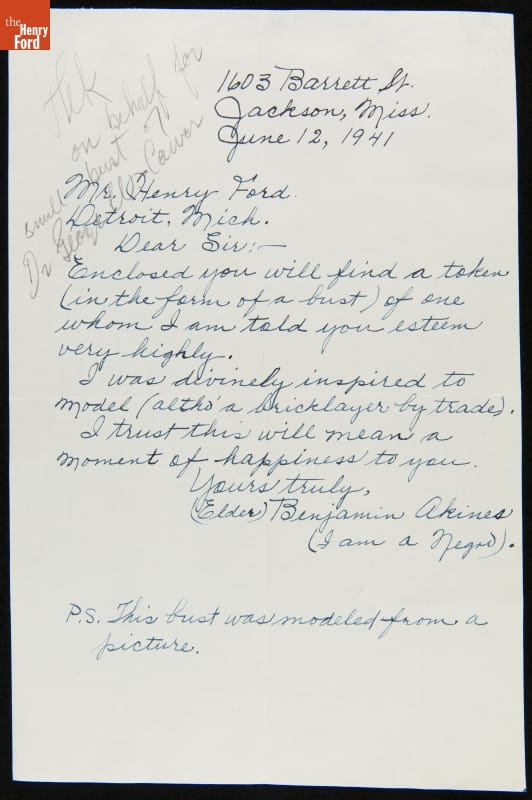
- Correspondence between Benjamin Akines and Henry Ford regarding a George Washington Carver Sculpture, June 1941 -
- 12 June 1941-24 June 1941
- Collections - Artifact
Correspondence between Benjamin Akines and Henry Ford regarding a George Washington Carver Sculpture, June 1941
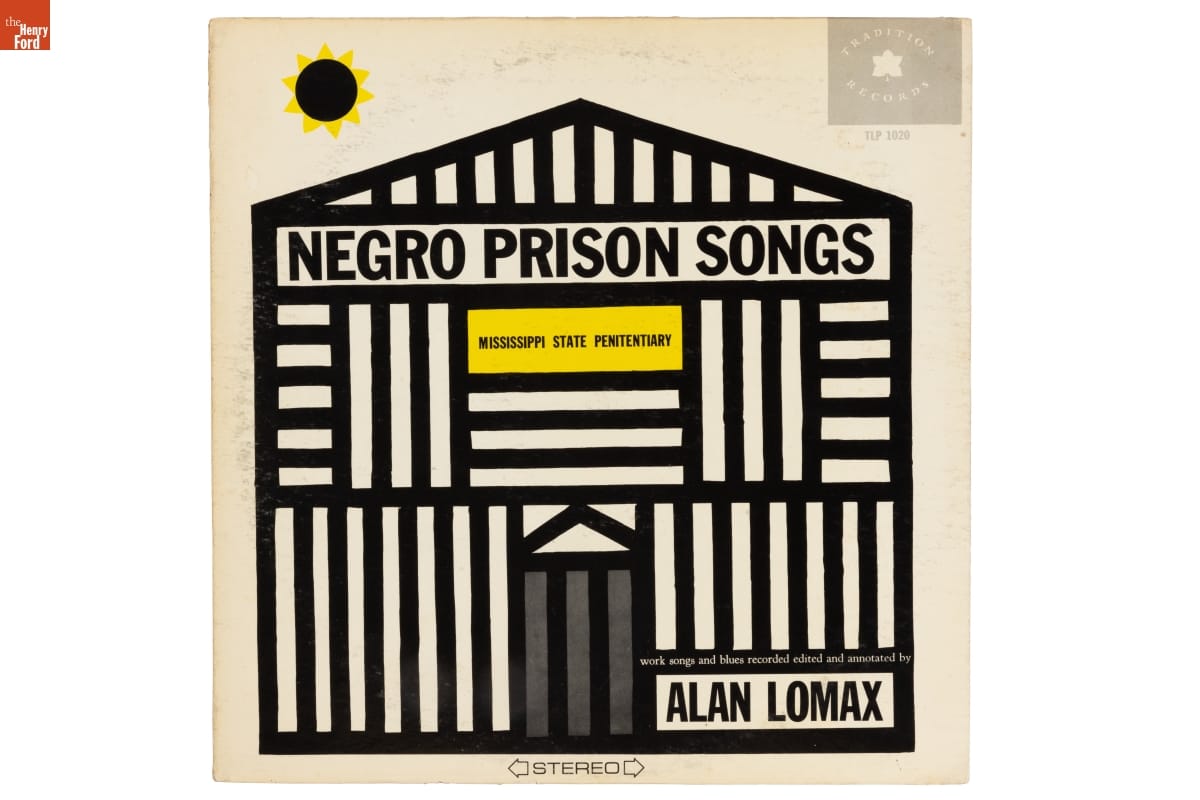
- Record Album "Negro Prison Songs from the Mississippi State Penitentiary" circa 1968 - Folklorist Alan Lomax, believing all people and cultures deserved equal respect, spent his career documenting remote musical traditions. This record's powerful songs, collected 1947-8 at the Mississippi State Penitentiary, attest to the parallels between the Deep South's oppressive prison system--requiring arduous physical labor under constant threat of physical punishment--and the experiences of enslaved work groups on 19th-century plantations.
- 1947
- Collections - Artifact
Record Album "Negro Prison Songs from the Mississippi State Penitentiary" circa 1968
Folklorist Alan Lomax, believing all people and cultures deserved equal respect, spent his career documenting remote musical traditions. This record's powerful songs, collected 1947-8 at the Mississippi State Penitentiary, attest to the parallels between the Deep South's oppressive prison system--requiring arduous physical labor under constant threat of physical punishment--and the experiences of enslaved work groups on 19th-century plantations.
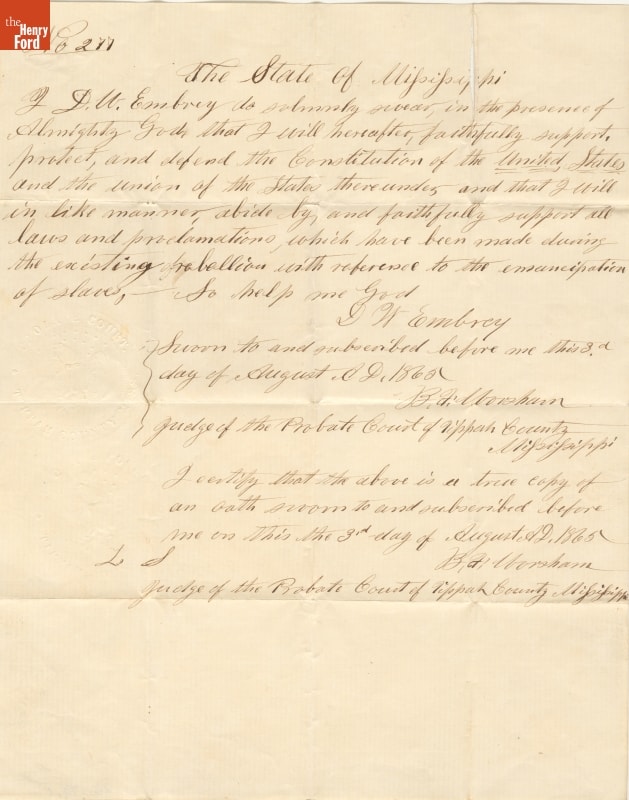
- Loyalty Oath to the United States of America, August 3, 1865 - To be re-admitted into the Union after the Civil War, a majority of citizens in each Confederate state had to formally renounce secession and show support of the Constitution. The signer of this loyalty oath proclaimed his allegiance to the Constitution of the United States, the union of those states, and laws regarding the emancipation of slaves.
- August 03, 1865
- Collections - Artifact
Loyalty Oath to the United States of America, August 3, 1865
To be re-admitted into the Union after the Civil War, a majority of citizens in each Confederate state had to formally renounce secession and show support of the Constitution. The signer of this loyalty oath proclaimed his allegiance to the Constitution of the United States, the union of those states, and laws regarding the emancipation of slaves.
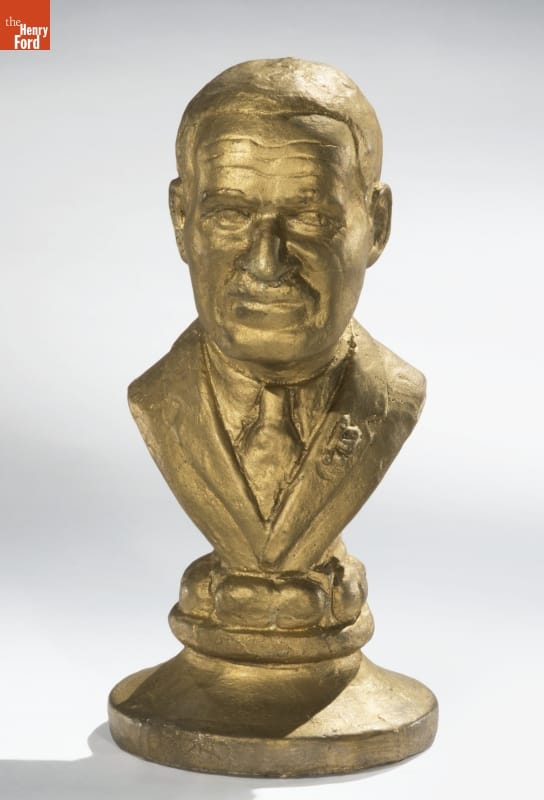
- Bust of George Washington Carver, circa 1941 - Benjamin Akines, an African-American bricklayer and amateur artist from Mississippi, created this bust of noted agricultural scientist George Washington Carver. He sculpted Carver's image based only on a photograph. Akines, a church elder, credited his modeling skill to divine inspiration. Knowing that Henry Ford held Carver in high esteem, Akines presented this work to him in 1941.
- circa 1941
- Collections - Artifact
Bust of George Washington Carver, circa 1941
Benjamin Akines, an African-American bricklayer and amateur artist from Mississippi, created this bust of noted agricultural scientist George Washington Carver. He sculpted Carver's image based only on a photograph. Akines, a church elder, credited his modeling skill to divine inspiration. Knowing that Henry Ford held Carver in high esteem, Akines presented this work to him in 1941.