
Search
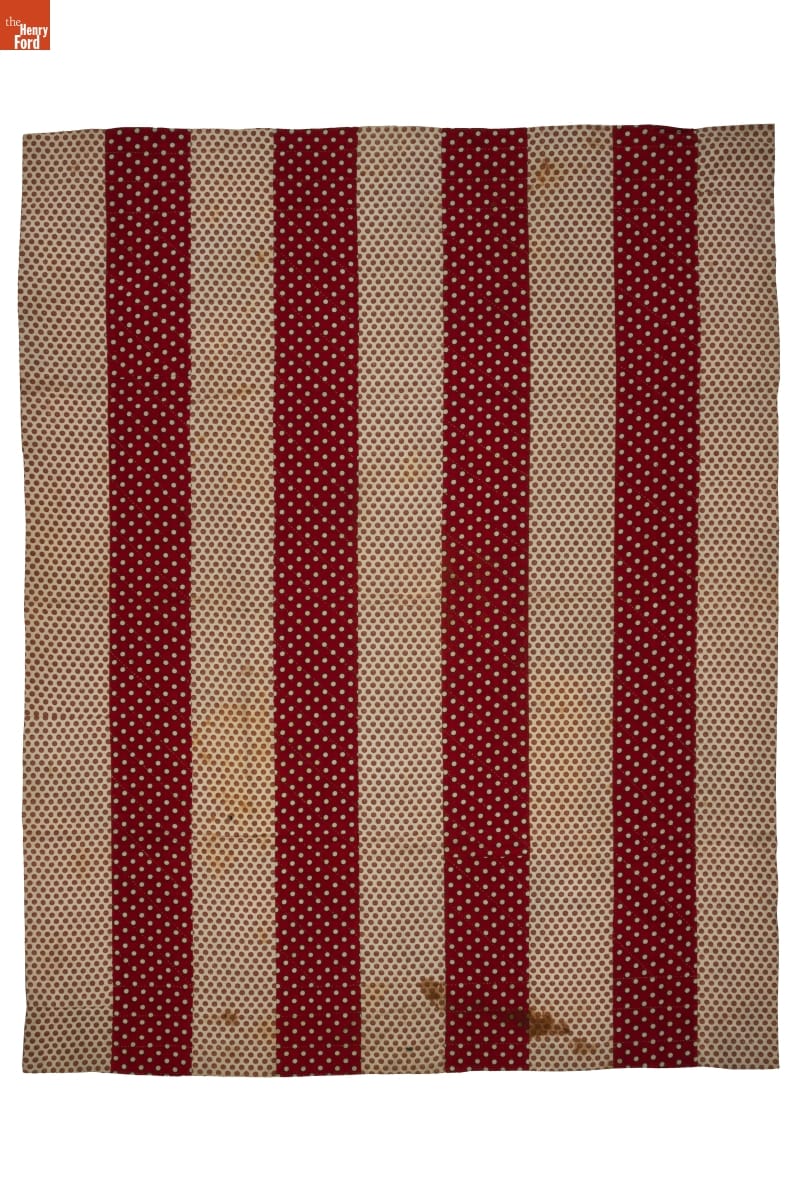
- Bars Crib Quilt, 1860-1870 -
- 1860-1870
- Collections - Artifact
Bars Crib Quilt, 1860-1870
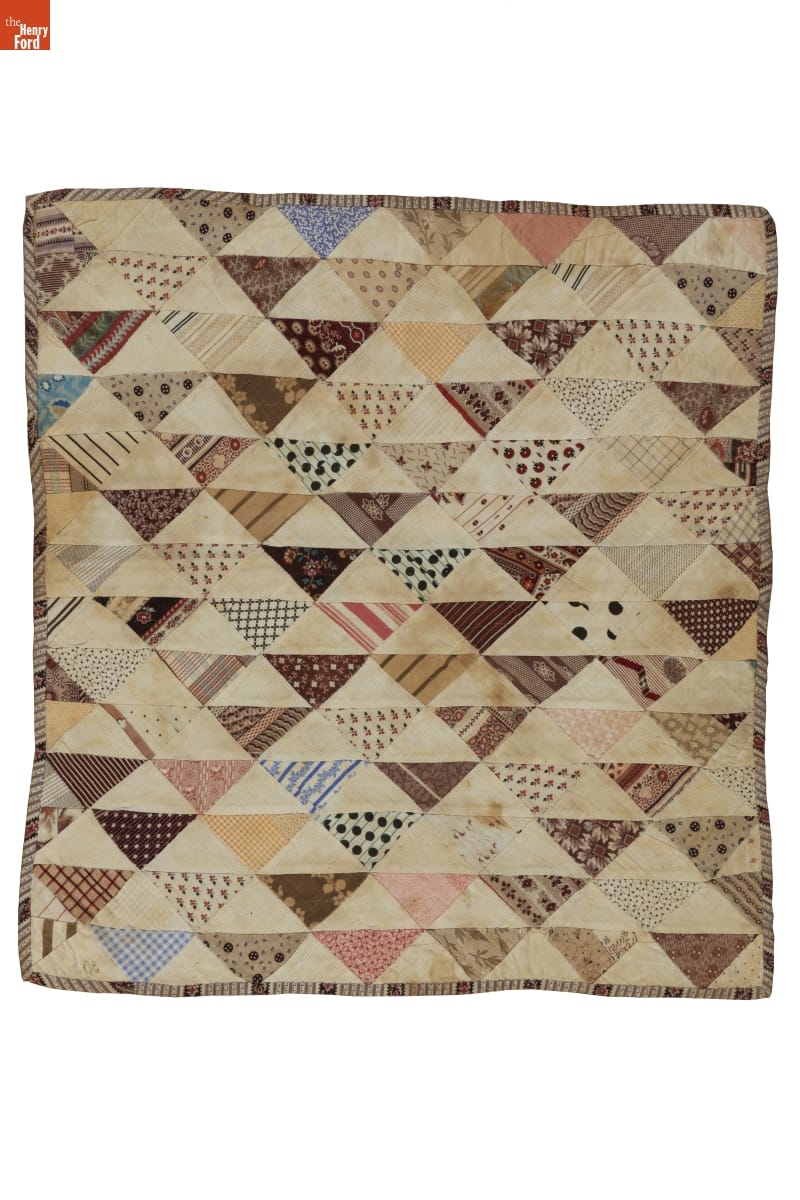
- 1000 Pyramids Doll Quilt, circa 1860 -
- circa 1860
- Collections - Artifact
1000 Pyramids Doll Quilt, circa 1860
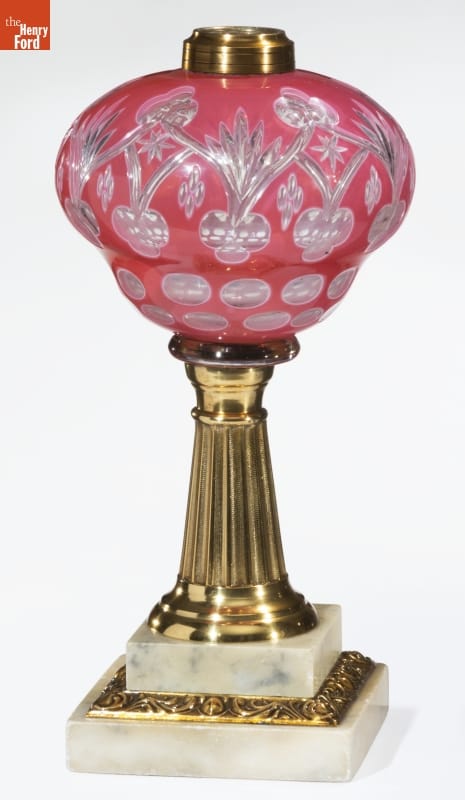
- Kerosene Lamp, 1860-1875 -
- 1860-1875
- Collections - Artifact
Kerosene Lamp, 1860-1875
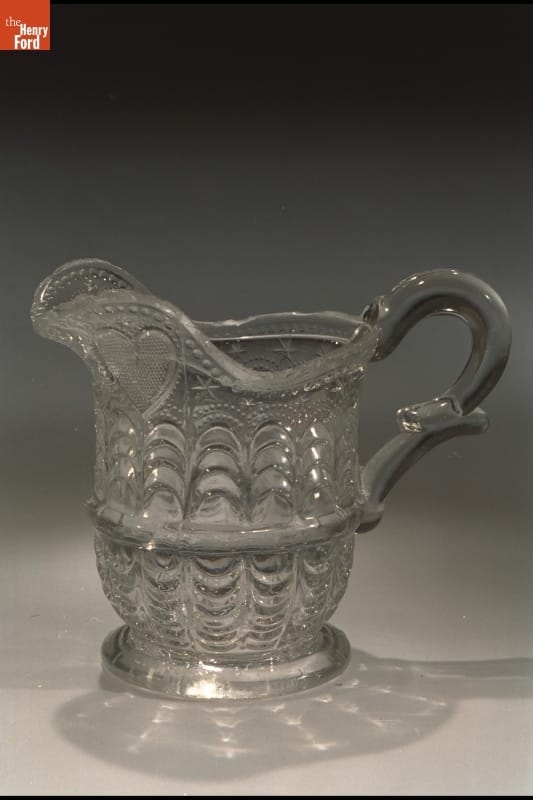
- Creamer, 1830-1845 - Mechanically pressed glass was an innovation in glass history, making decorative, "patterned" glass available to a broad audience. One of the earliest types of pressed glass, dating to the 1830s is known as "Lacy Glass". Complex stippled patterns were developed to help hide technical defects caused by early presses, when the glass gather was cut off and dropped into a mold.
- 1830-1845
- Collections - Artifact
Creamer, 1830-1845
Mechanically pressed glass was an innovation in glass history, making decorative, "patterned" glass available to a broad audience. One of the earliest types of pressed glass, dating to the 1830s is known as "Lacy Glass". Complex stippled patterns were developed to help hide technical defects caused by early presses, when the glass gather was cut off and dropped into a mold.
- Miniature Pitcher, 1830-1845 -
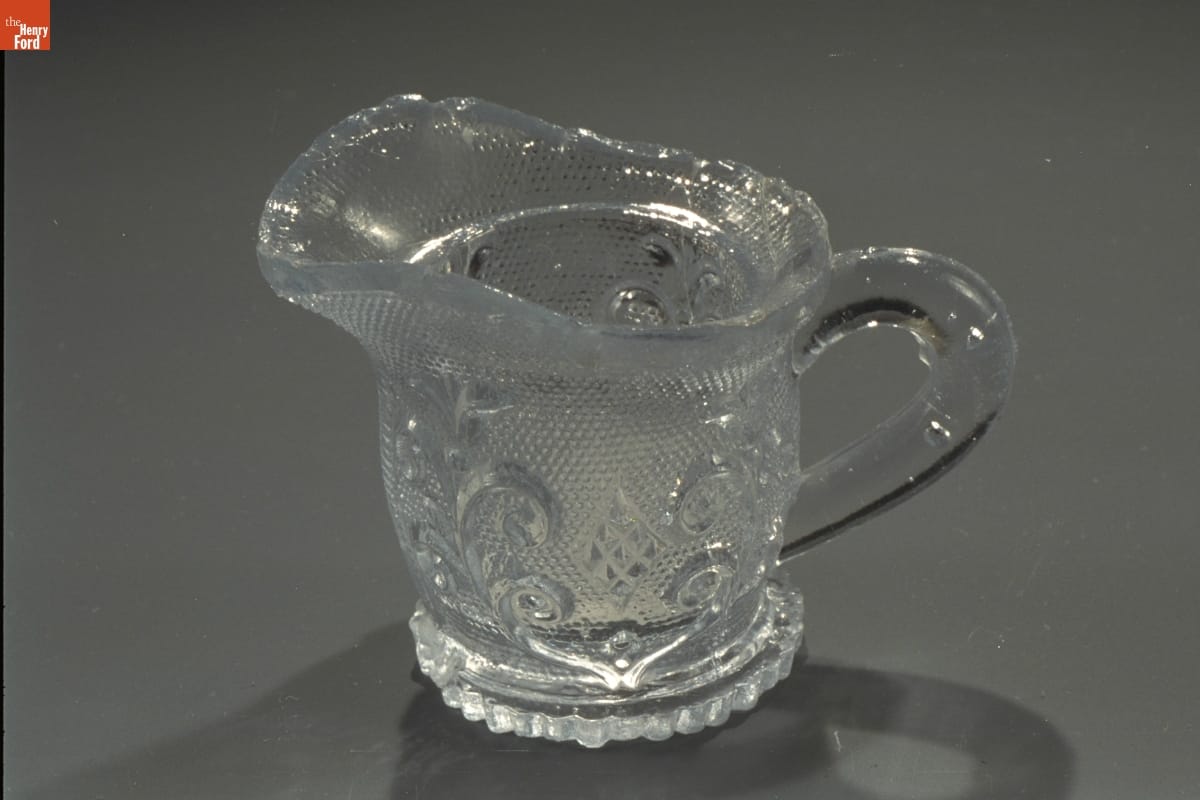
- 1830-1845
- Collections - Artifact
Miniature Pitcher, 1830-1845
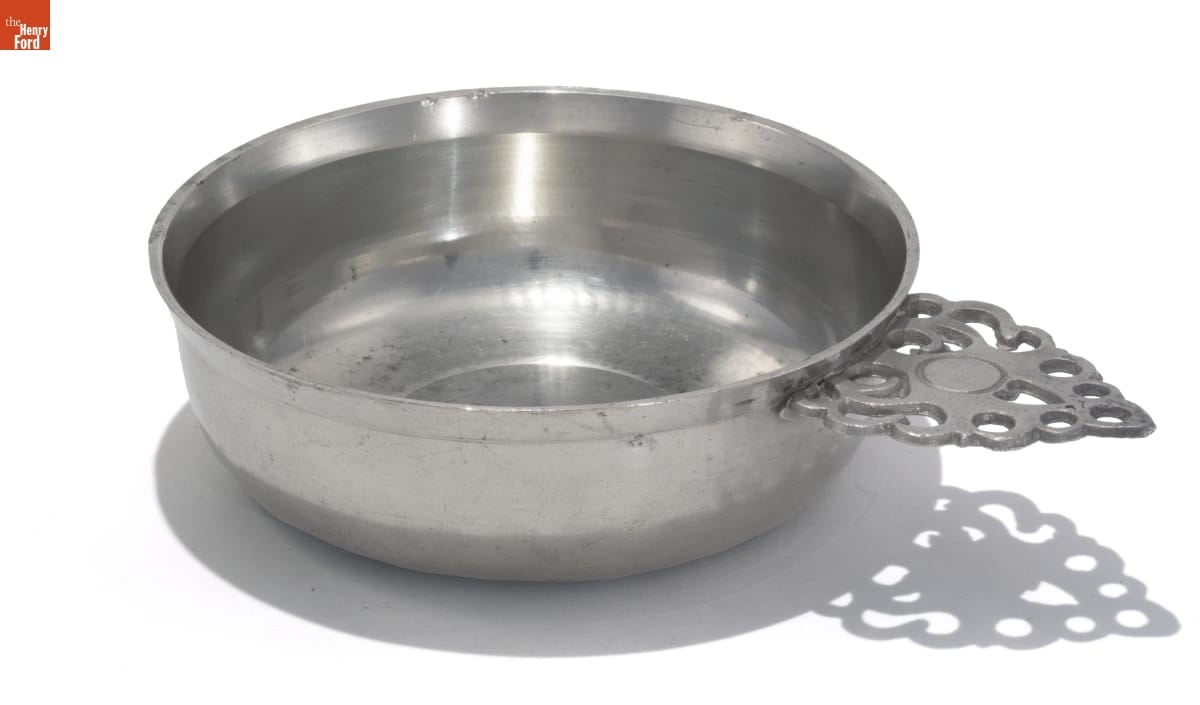
- Porringer, 1788-1816 - Porringers have many uses. They could be used to mix or serve food. People ate meals or drank wine, beer or other beverages from porringers. These small bowls have a flat decorative handle--sometimes two; and were made from silver, cast iron, pottery, or like this one, pewter. These versatile bowls served the needs of many 18th and 19th-century American households.
- 1788-1816
- Collections - Artifact
Porringer, 1788-1816
Porringers have many uses. They could be used to mix or serve food. People ate meals or drank wine, beer or other beverages from porringers. These small bowls have a flat decorative handle--sometimes two; and were made from silver, cast iron, pottery, or like this one, pewter. These versatile bowls served the needs of many 18th and 19th-century American households.
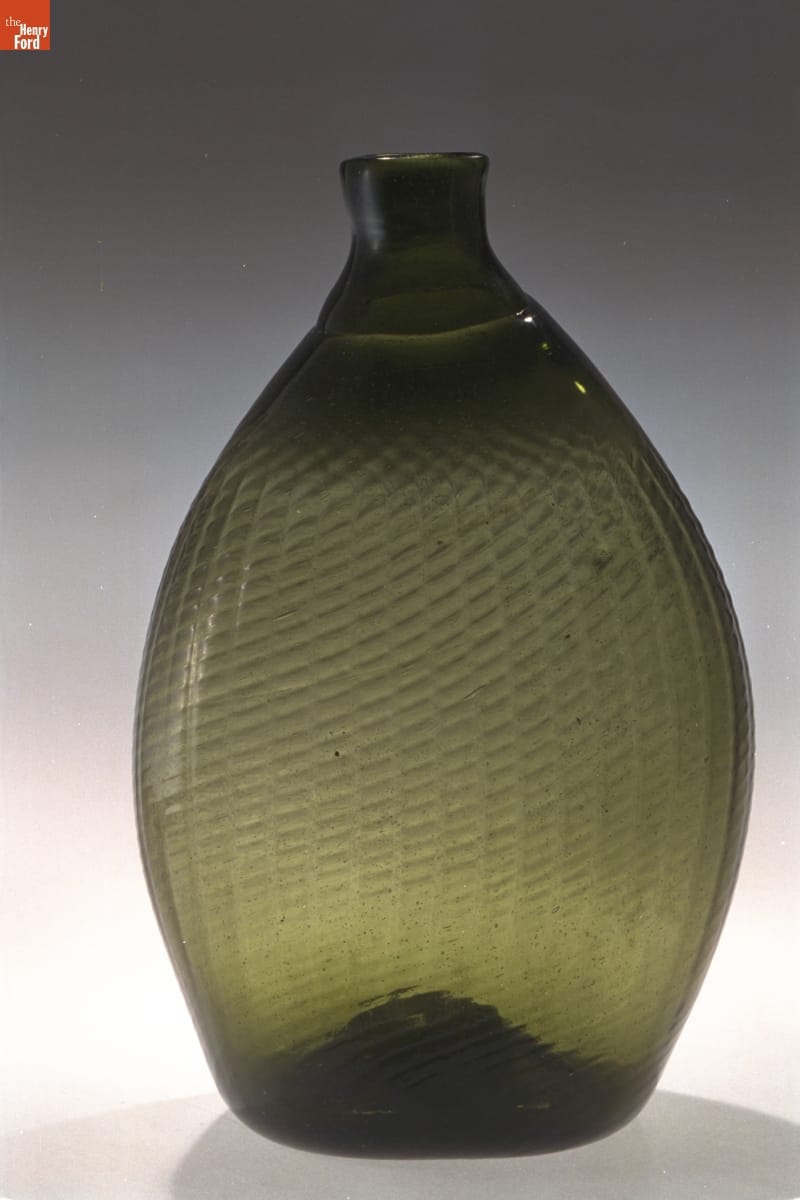
- Flask, 1790-1830 - American glass factories produced flasks, like this one, from the late 1700s well into the mid-1800s. The pint-sized flask could hold water but more likely contained alcoholic beverages. Its textured decorative exterior -- formed when the hot glass was dipped into a pattern mold before it was blown -- made the flask easier to grasp. And its flattened shape fit nicely into pockets providing ready access to the liquid refreshment.
- 1790-1830
- Collections - Artifact
Flask, 1790-1830
American glass factories produced flasks, like this one, from the late 1700s well into the mid-1800s. The pint-sized flask could hold water but more likely contained alcoholic beverages. Its textured decorative exterior -- formed when the hot glass was dipped into a pattern mold before it was blown -- made the flask easier to grasp. And its flattened shape fit nicely into pockets providing ready access to the liquid refreshment.
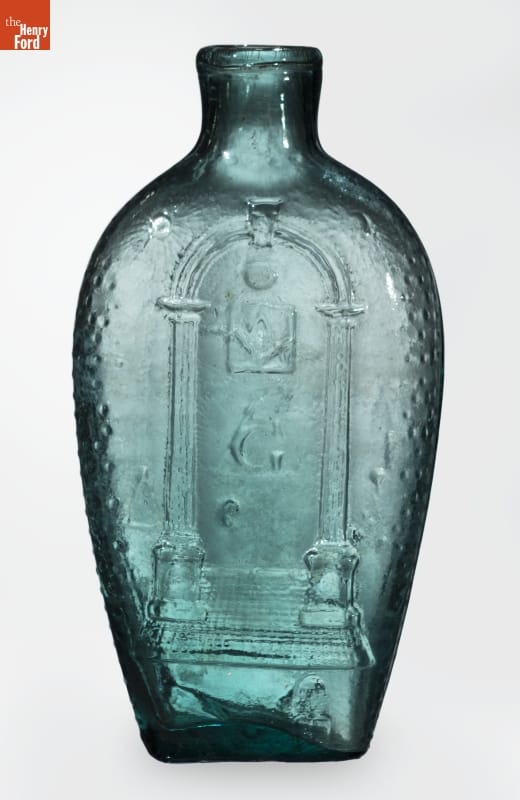
- Flask, 1815-1830 - Glass factories in America began producing inexpensive, mold-formed flasks in the early 1800s. These figured flasks, often decorated with symbols of national pride or political or cultural affiliation, appealed to America's common man. Membership in the Freemasons grew in the early decades of the 1800s. Supporters of the Masonic order would recognize the ritualistic symbols on this and other similar flasks.
- 1815-1830
- Collections - Artifact
Flask, 1815-1830
Glass factories in America began producing inexpensive, mold-formed flasks in the early 1800s. These figured flasks, often decorated with symbols of national pride or political or cultural affiliation, appealed to America's common man. Membership in the Freemasons grew in the early decades of the 1800s. Supporters of the Masonic order would recognize the ritualistic symbols on this and other similar flasks.
- Pitcher, circa 1825 - Pewter goods could be found in many American homes and public buildings in the late 18th and early 19th centuries. Most Americans of modest means could afford to have pewter spoons, tankards, dishes, plates or other items, such as this covered pitcher.
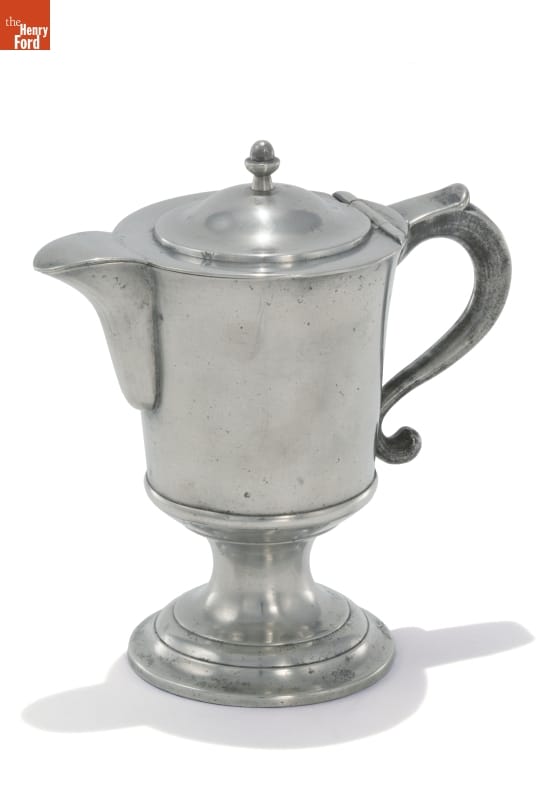
- circa 1825
- Collections - Artifact
Pitcher, circa 1825
Pewter goods could be found in many American homes and public buildings in the late 18th and early 19th centuries. Most Americans of modest means could afford to have pewter spoons, tankards, dishes, plates or other items, such as this covered pitcher.
- Joint Stool, 1710-1730 - After simply made benches, joint stools were the most common form of seating furniture. This is a very well made joint stool. Most would have been plainer, without the nicely turned and rounded legs
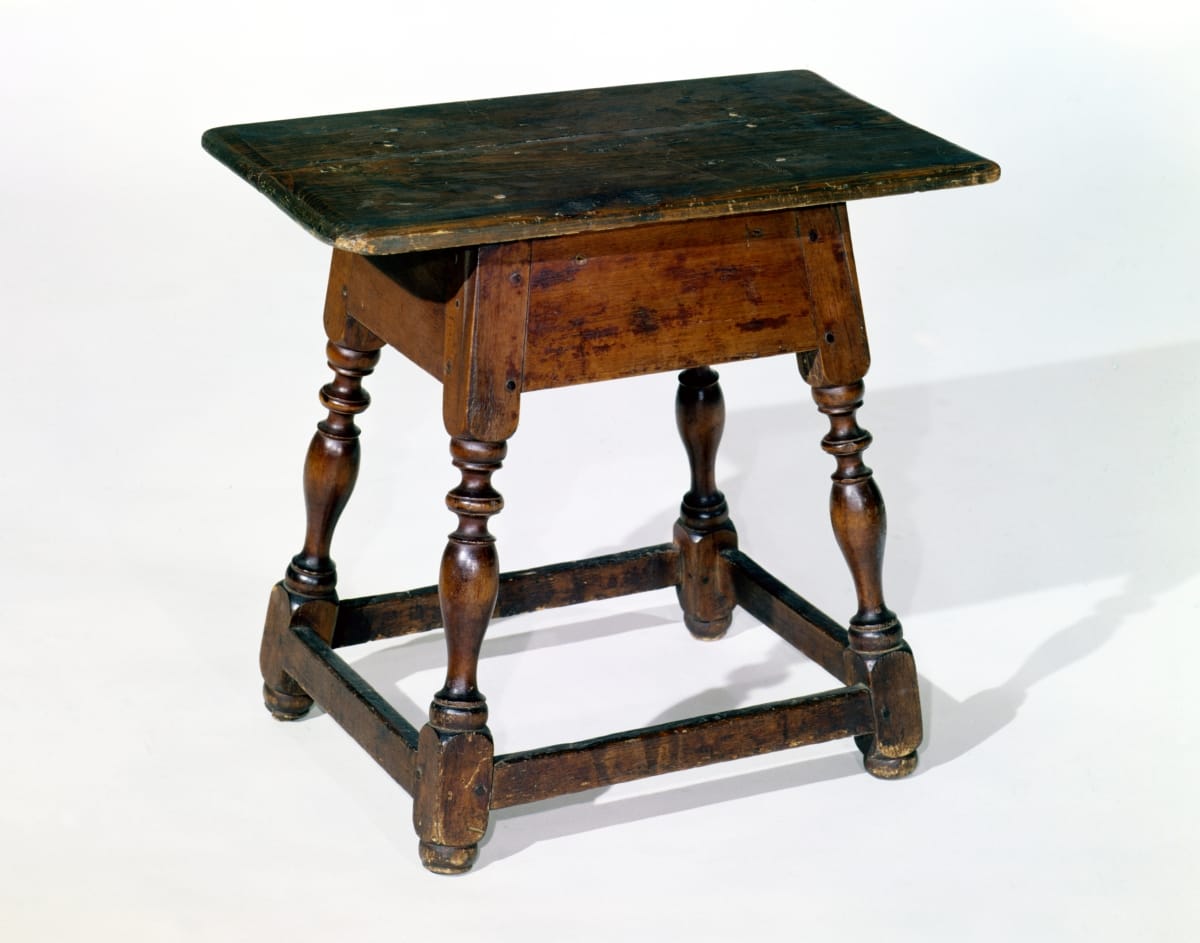
- 1710-1730
- Collections - Artifact
Joint Stool, 1710-1730
After simply made benches, joint stools were the most common form of seating furniture. This is a very well made joint stool. Most would have been plainer, without the nicely turned and rounded legs