
Search
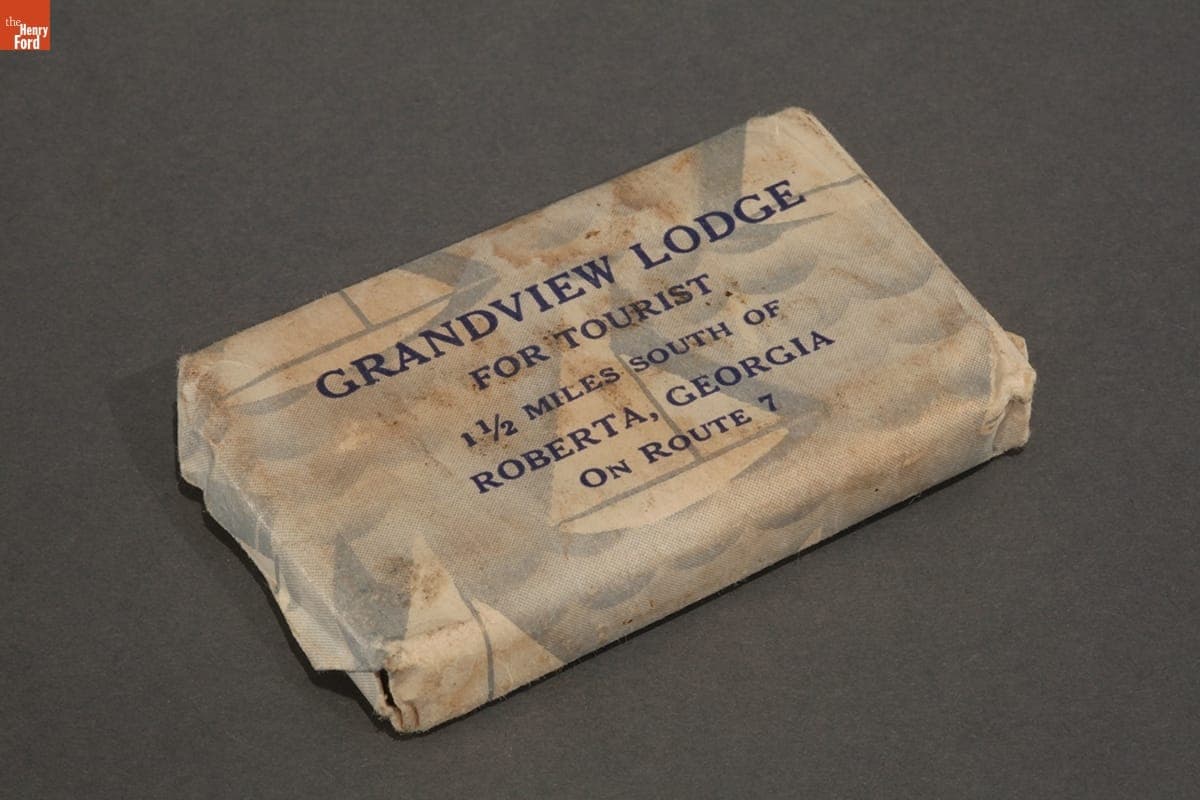
- Complimentary Bar Soap from Grandview Lodge, 1946-1953 -
- 1946-1953
- Collections - Artifact
Complimentary Bar Soap from Grandview Lodge, 1946-1953
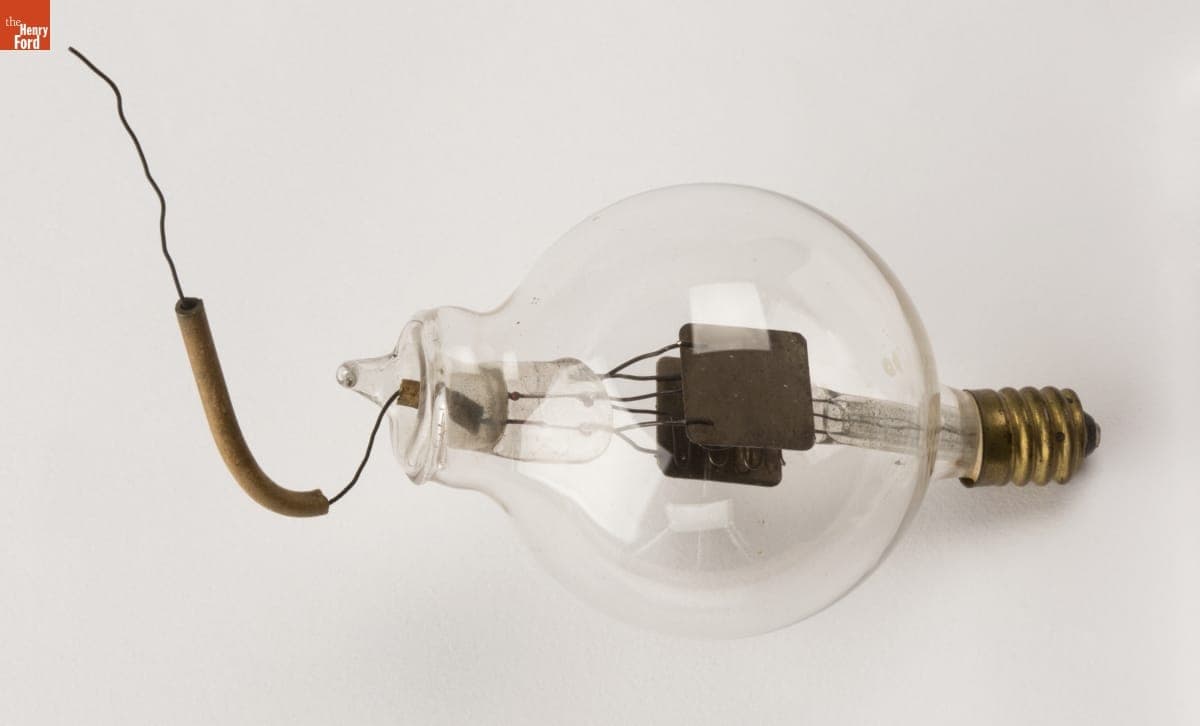
- De Forest Audion Tube, circa 1908 - Dr. Lee De Forest was an inventor, engineer, and the self-styled "Father of Radio." In 1906, De Forest invented the Audion tube, allowing the detection and amplification of weak radio signals. As the first triode vacuum tube, the Audion revolutionized radio broadcasting--and made it more practical. By the late 1920s, vacuum tube radios were the widespread in people's homes.
- circa 1908
- Collections - Artifact
De Forest Audion Tube, circa 1908
Dr. Lee De Forest was an inventor, engineer, and the self-styled "Father of Radio." In 1906, De Forest invented the Audion tube, allowing the detection and amplification of weak radio signals. As the first triode vacuum tube, the Audion revolutionized radio broadcasting--and made it more practical. By the late 1920s, vacuum tube radios were the widespread in people's homes.
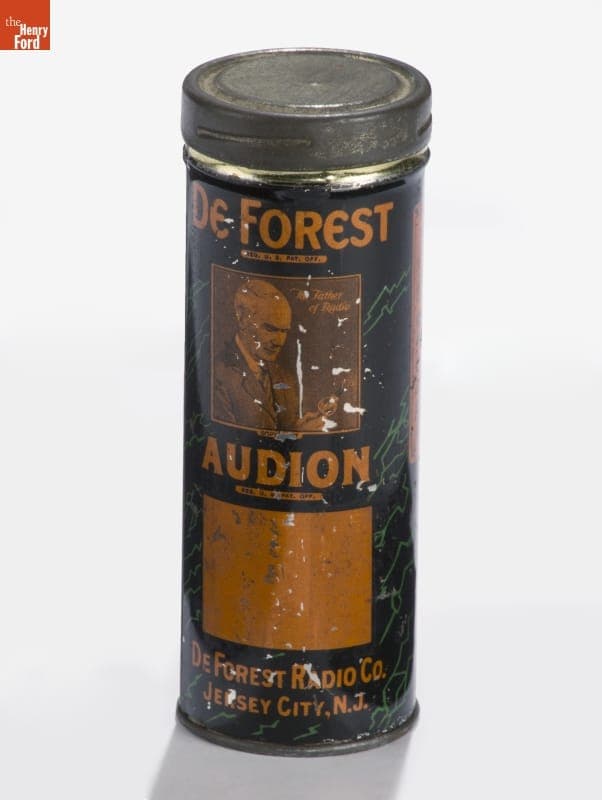
- DeForest Audion Tube, Type D-01A, circa 1924 - Dr. Lee De Forest was an inventor, engineer, and the self-styled "Father of Radio." In 1906, De Forest invented the Audion tube, allowing the detection and amplification of weak radio signals. As the first triode vacuum tube, the Audion revolutionized radio broadcasting--and made it more practical. By the late 1920s, vacuum tube radios were the widespread in people's homes.
- circa 1924
- Collections - Artifact
DeForest Audion Tube, Type D-01A, circa 1924
Dr. Lee De Forest was an inventor, engineer, and the self-styled "Father of Radio." In 1906, De Forest invented the Audion tube, allowing the detection and amplification of weak radio signals. As the first triode vacuum tube, the Audion revolutionized radio broadcasting--and made it more practical. By the late 1920s, vacuum tube radios were the widespread in people's homes.
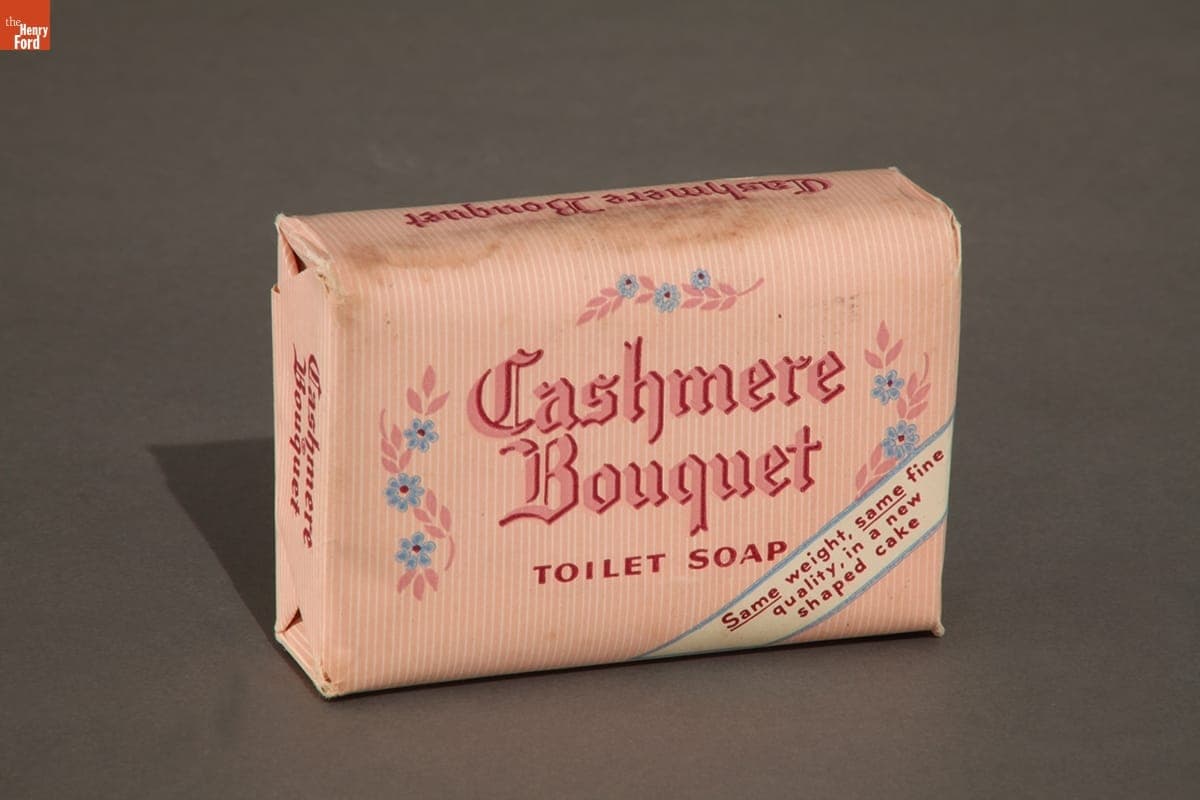
- Cashmere Bouquet Toilet Soap, 1935-1950 -
- 1935-1950
- Collections - Artifact
Cashmere Bouquet Toilet Soap, 1935-1950
- Mandolin Guitar, circa 1923 -
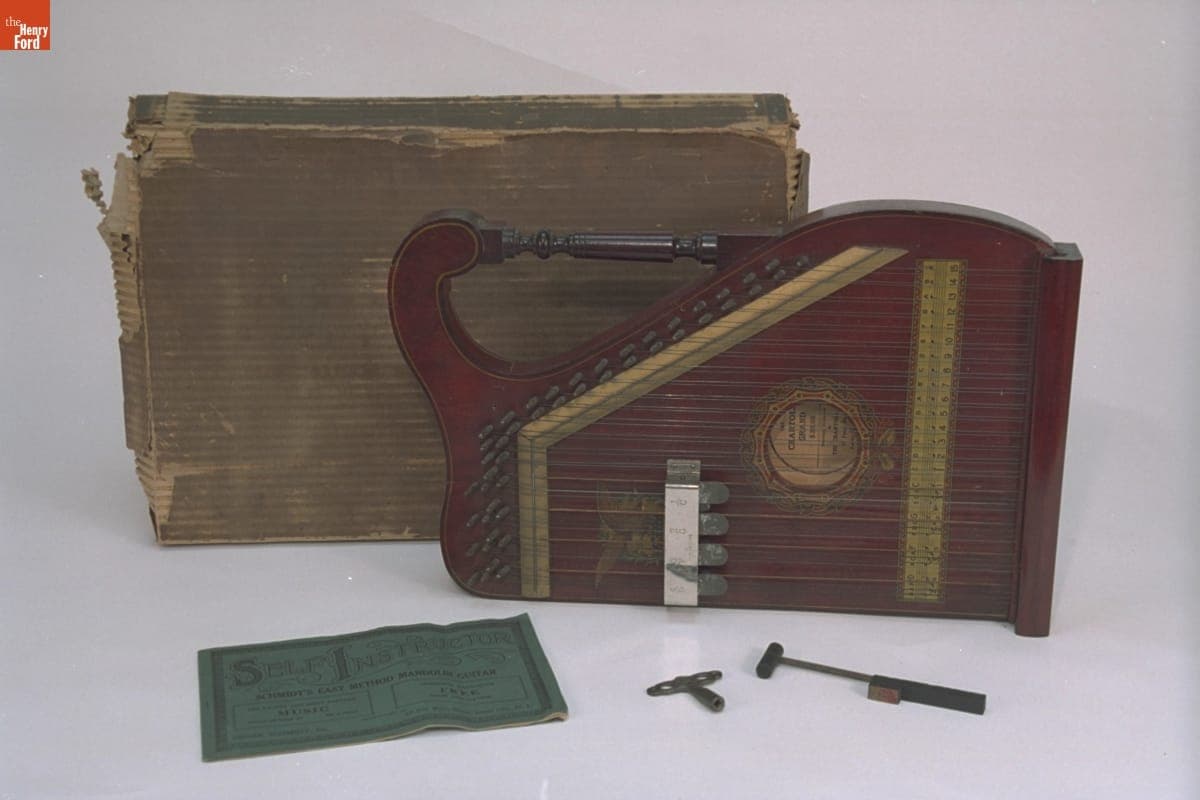
- circa 1923
- Collections - Artifact
Mandolin Guitar, circa 1923
- Palmolive Soap, 1930-1949 -
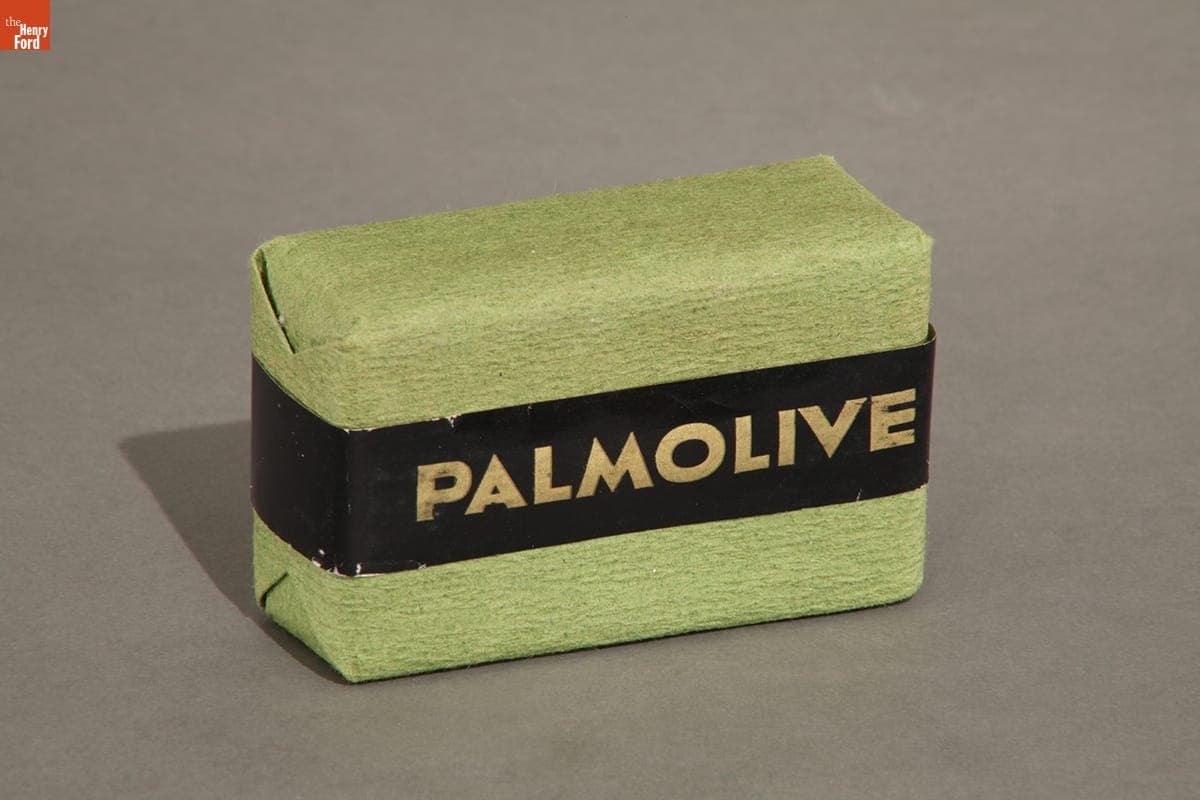
- 1930-1949
- Collections - Artifact
Palmolive Soap, 1930-1949
- Matzo Ball Soup Mix Box, 1998-2008 - In 1888, Behr Manischewitz began baking matzo, a special unleavened bread, in Cincinnati, Ohio. His operation grew quickly, as Manischewitz incorporated new machinery and other improvements that revolutionized the baking process. Throughout the twentieth century, the Manischewitz Company expanded its product line and applied innovative methods for production, packaging, distribution, and marketing to become one of America's largest kosher brands.

- 1998-2008
- Collections - Artifact
Matzo Ball Soup Mix Box, 1998-2008
In 1888, Behr Manischewitz began baking matzo, a special unleavened bread, in Cincinnati, Ohio. His operation grew quickly, as Manischewitz incorporated new machinery and other improvements that revolutionized the baking process. Throughout the twentieth century, the Manischewitz Company expanded its product line and applied innovative methods for production, packaging, distribution, and marketing to become one of America's largest kosher brands.
- Bond Electric Corp. Flashlight with Reflector, 1930-1955 -
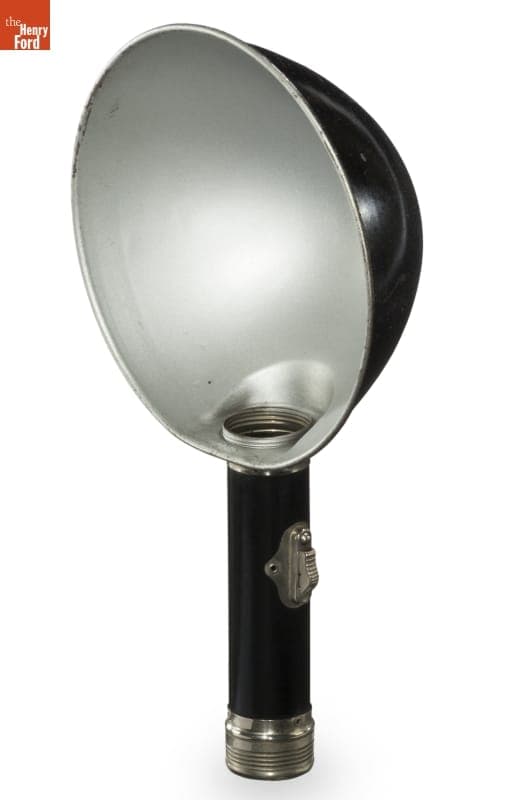
- 1930-1955
- Collections - Artifact
Bond Electric Corp. Flashlight with Reflector, 1930-1955
- Kirkman Flakes, Half Price Sale, 1945-1950 -
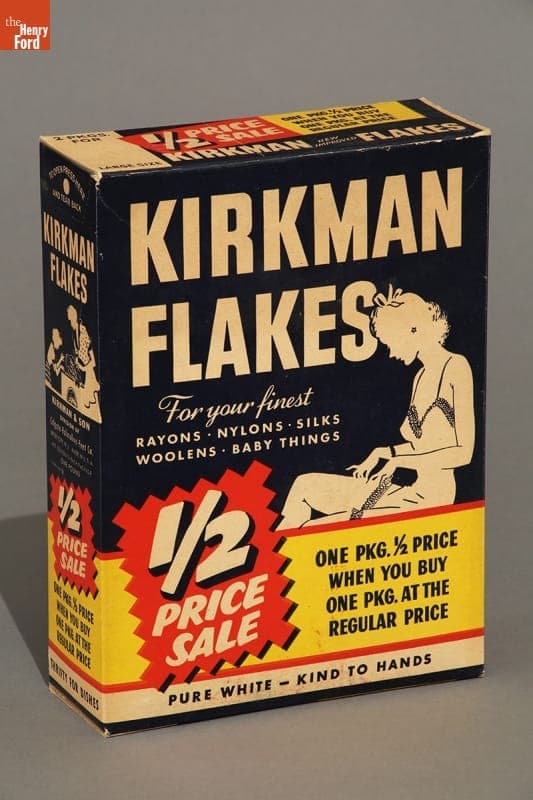
- 1945-1950
- Collections - Artifact
Kirkman Flakes, Half Price Sale, 1945-1950
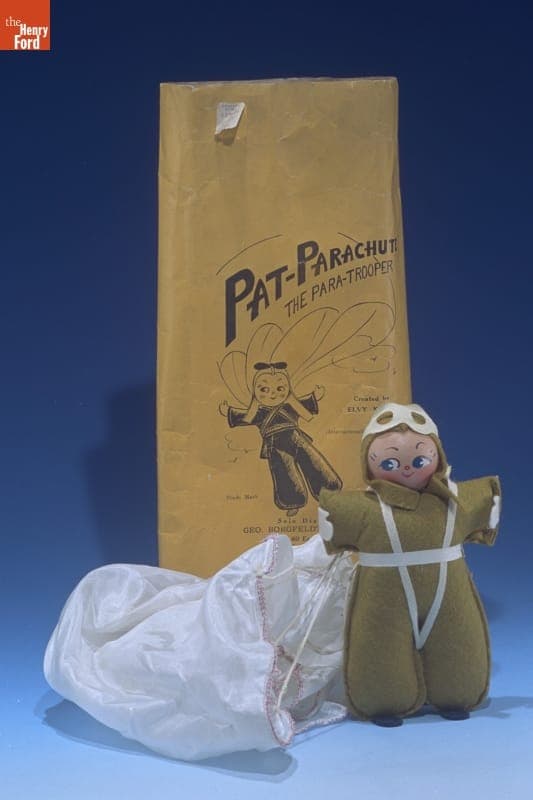
- Pat-Parachute: the Para-Trooper, 1942-1945 - Military toys and play sets became particularly popular during and just after World War II. With material shortages during the war, toymakers used their ingenuity to create products of wood, cardboard, and paper, such as this set, which was produced when the use of metal and rubber was restricted. Elvy Kalep, this toy's designer, was a female aviator.
- 1942-1945
- Collections - Artifact
Pat-Parachute: the Para-Trooper, 1942-1945
Military toys and play sets became particularly popular during and just after World War II. With material shortages during the war, toymakers used their ingenuity to create products of wood, cardboard, and paper, such as this set, which was produced when the use of metal and rubber was restricted. Elvy Kalep, this toy's designer, was a female aviator.