
Search
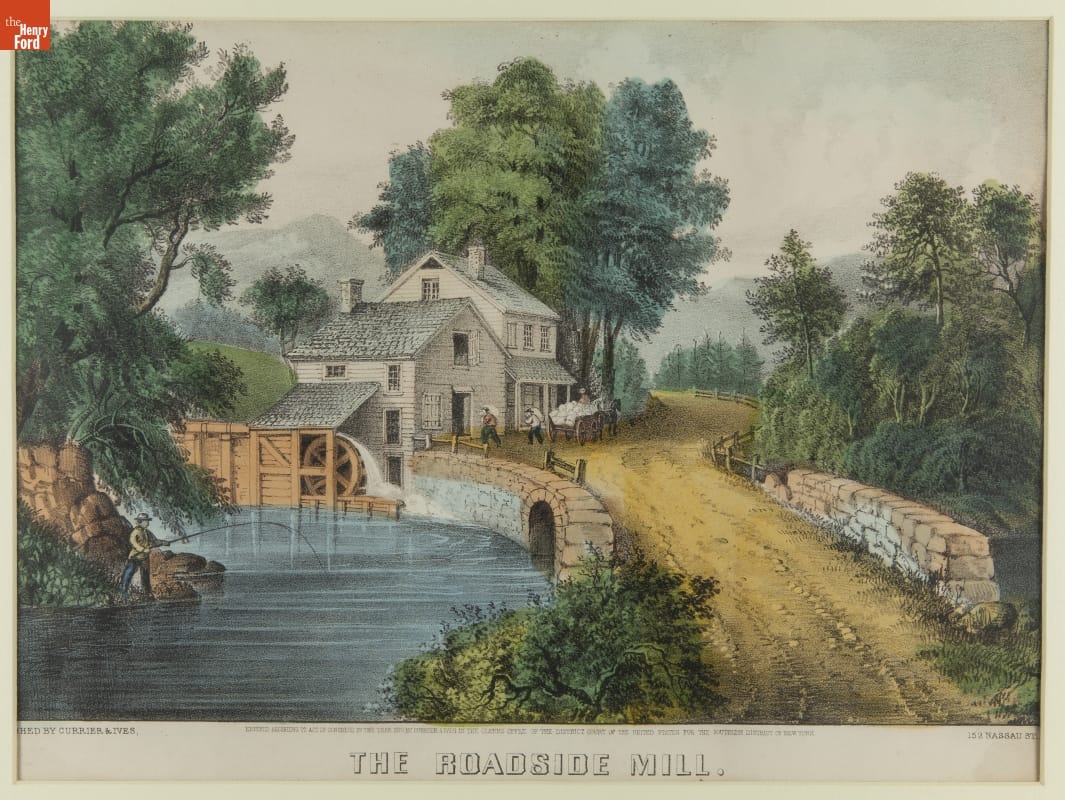
- Lithograph by Currier & Ives, "The Roadside Mill," 1870 -
- 1870
- Collections - Artifact
Lithograph by Currier & Ives, "The Roadside Mill," 1870
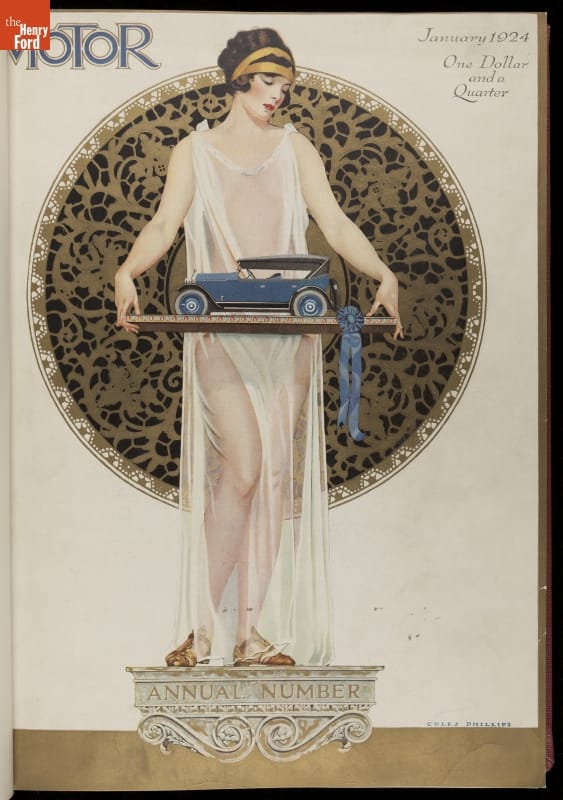
- Magazine, "Motor," January 1924 - <em>Motor</em> magazine was filled with useful information for car owners. In this issue is an ad for the "Safe-T-Arm," a device to help drivers indicate whether they were going to turn left or right, drive forward -- or stop. It was one of many signaling systems on the market. In the early 1920s, hand or mechanical signals were not legally required of drivers!
- January 01, 1924
- Collections - Artifact
Magazine, "Motor," January 1924
Motor magazine was filled with useful information for car owners. In this issue is an ad for the "Safe-T-Arm," a device to help drivers indicate whether they were going to turn left or right, drive forward -- or stop. It was one of many signaling systems on the market. In the early 1920s, hand or mechanical signals were not legally required of drivers!
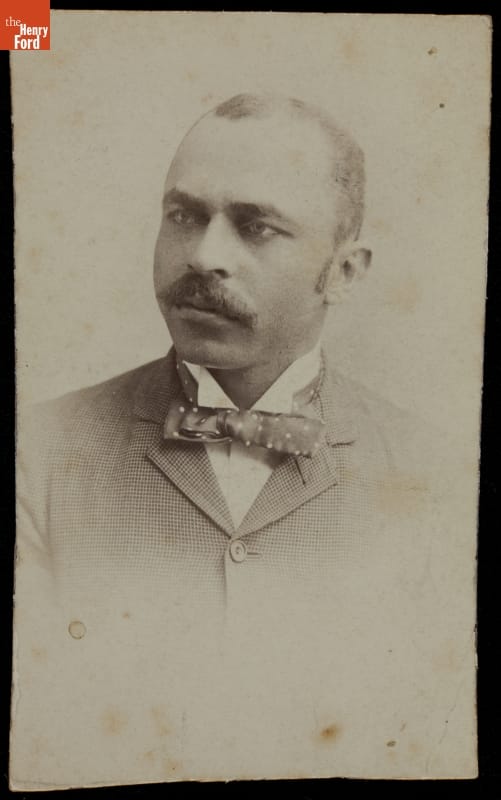
- Portrait of a Young Man Wearing a Bow Tie, circa 1890 -
- circa 1890
- Collections - Artifact
Portrait of a Young Man Wearing a Bow Tie, circa 1890
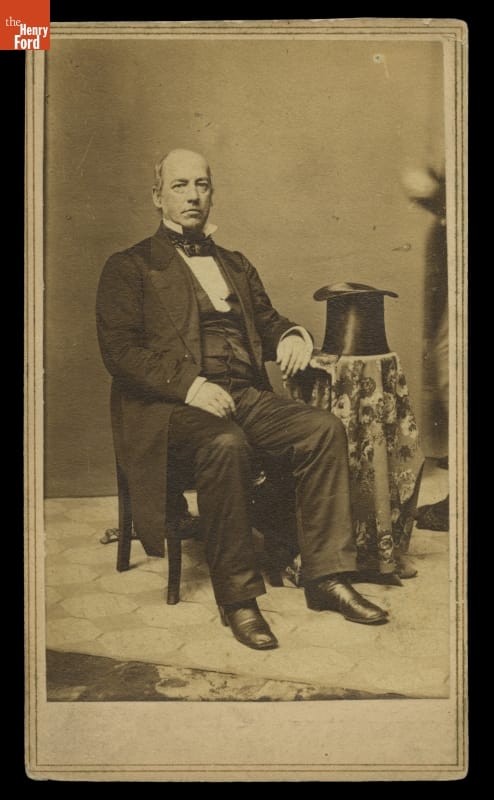
- Portrait of Caleb B. Smith, 1861-1863 - Cartes-de-visite, small, professionally made photographs on cardboard stock, remained popular in the United States from the Civil War in the 1860s through the 1880s. Many were given to friends and loved ones, but enterprising photographers also produced images of famous individuals to sell to the collecting-crazed public. Celebrities, military officers and politicians, such as Caleb Smith, President Abraham Lincoln's first Secretary of the Interior, were popular subjects.
- 1861-1863
- Collections - Artifact
Portrait of Caleb B. Smith, 1861-1863
Cartes-de-visite, small, professionally made photographs on cardboard stock, remained popular in the United States from the Civil War in the 1860s through the 1880s. Many were given to friends and loved ones, but enterprising photographers also produced images of famous individuals to sell to the collecting-crazed public. Celebrities, military officers and politicians, such as Caleb Smith, President Abraham Lincoln's first Secretary of the Interior, were popular subjects.
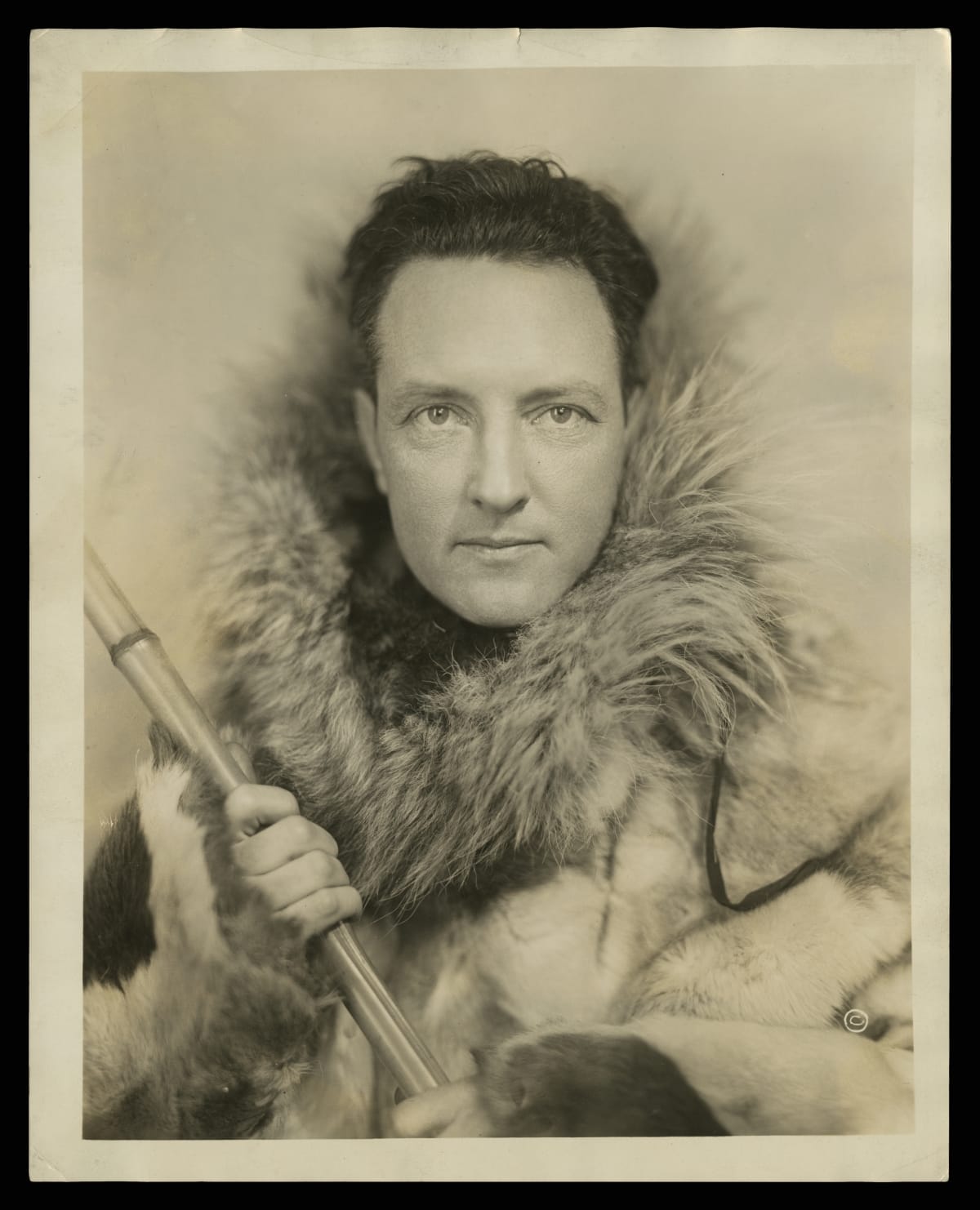
- Portrait of Richard Byrd, 1928 - Richard E. Byrd learned to fly while serving as an officer in the U.S. Navy during World War I. In 1926, he led a flight toward the North Pole and is generally credited with success, though controversy remains over whether Byrd reached the actual pole. Three years later, Byrd led a verified flight over the South Pole.
- 1928
- Collections - Artifact
Portrait of Richard Byrd, 1928
Richard E. Byrd learned to fly while serving as an officer in the U.S. Navy during World War I. In 1926, he led a flight toward the North Pole and is generally credited with success, though controversy remains over whether Byrd reached the actual pole. Three years later, Byrd led a verified flight over the South Pole.
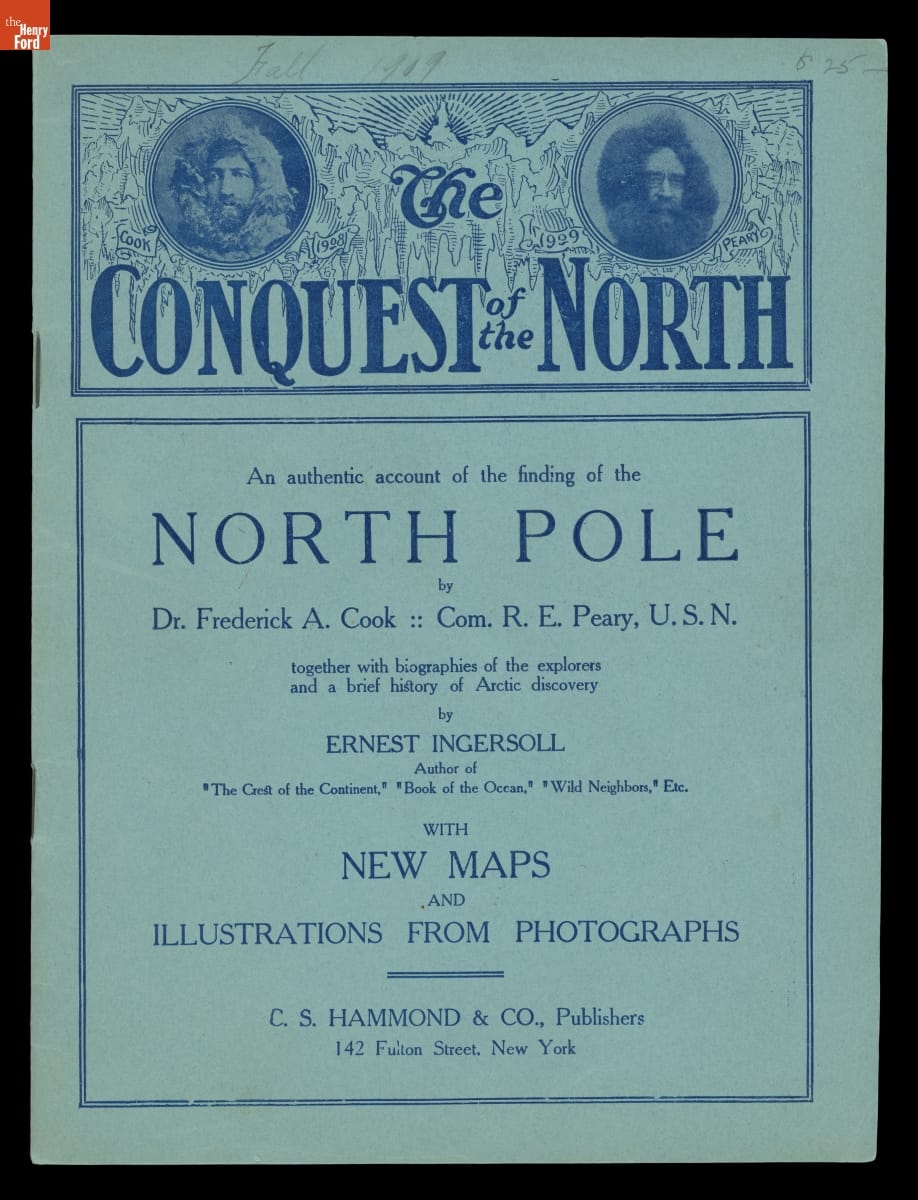
- "The Conquest of the North : An Authentic Account of the Finding of the North Pole," 1909 - In 1909, two Americans claimed to have reached the North Pole: Dr. Frederick Cook and Robert Peary. But who was first? Cook asserted he arrived at the pole in April 1908; Peary declared he made it in April 1909. Both explorers had their supporters and detractors. This publication recounts the story of each explorer's dash for the pole.
- 1909
- Collections - Artifact
"The Conquest of the North : An Authentic Account of the Finding of the North Pole," 1909
In 1909, two Americans claimed to have reached the North Pole: Dr. Frederick Cook and Robert Peary. But who was first? Cook asserted he arrived at the pole in April 1908; Peary declared he made it in April 1909. Both explorers had their supporters and detractors. This publication recounts the story of each explorer's dash for the pole.
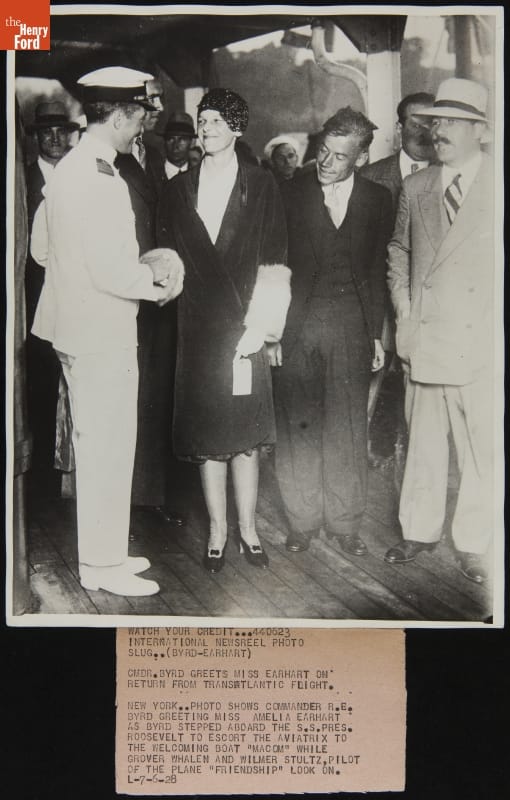
- Amelia Earhart Meets Richard Byrd aboard SS President Roosevelt, Returning from the Transatlantic Flight, July 6, 1928 - Amelia Earhart was congratulated by explorer Richard Byrd for her 1928 flight across the Atlantic Ocean. Earhart, riding as a passenger with pilot Wilmer Stultz and mechanic Louis Gordon, made the crossing in a Fokker F.VII Tri-Motor airplane. Byrd used a similar Fokker on his North Pole flight in 1926.
- July 06, 1928
- Collections - Artifact
Amelia Earhart Meets Richard Byrd aboard SS President Roosevelt, Returning from the Transatlantic Flight, July 6, 1928
Amelia Earhart was congratulated by explorer Richard Byrd for her 1928 flight across the Atlantic Ocean. Earhart, riding as a passenger with pilot Wilmer Stultz and mechanic Louis Gordon, made the crossing in a Fokker F.VII Tri-Motor airplane. Byrd used a similar Fokker on his North Pole flight in 1926.
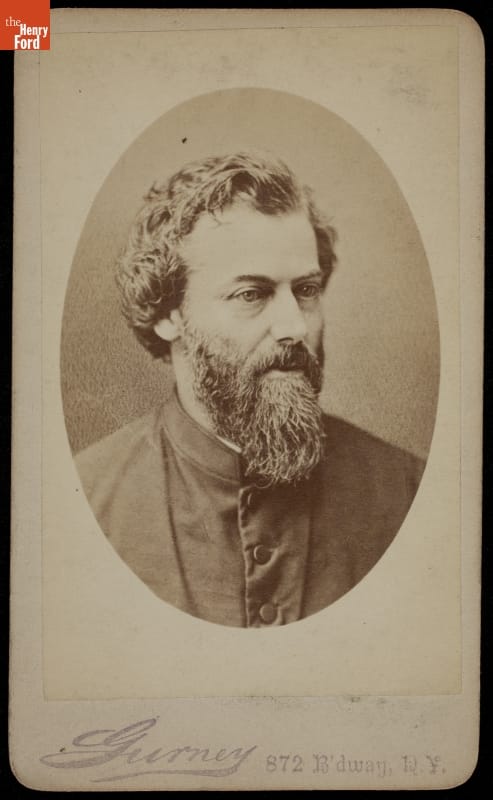
- Portrait of a Clergyman, circa 1865 -
- circa 1865
- Collections - Artifact
Portrait of a Clergyman, circa 1865
- Portrait of a Clergyman, circa 1860 -
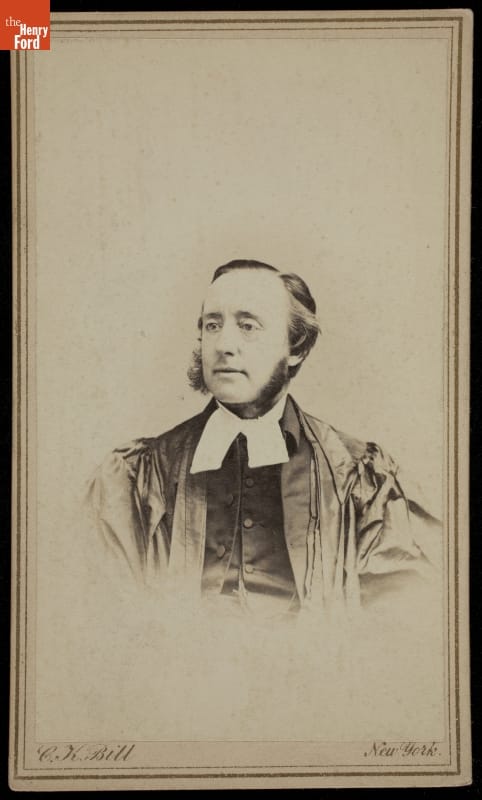
- circa 1860
- Collections - Artifact
Portrait of a Clergyman, circa 1860
- Elinor Smith after Record-Breaking Women's Endurance Flight, 1929 - Elinor Smith took her first flight at age six and earned a pilot's license at 16. She made headlines flying under New York City bridges in 1928, but more serious pursuits earned Smith a series of endurance, speed, and altitude records for a female pilot. Smith piloted an airplane for the last time in 2001, at the age of 89.
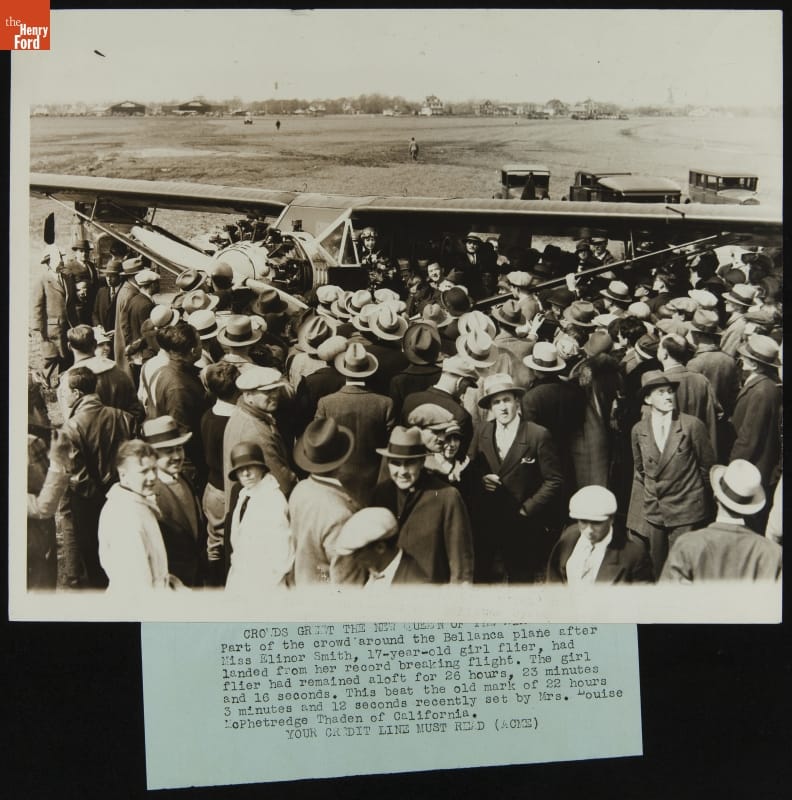
- April 23, 1929
- Collections - Artifact
Elinor Smith after Record-Breaking Women's Endurance Flight, 1929
Elinor Smith took her first flight at age six and earned a pilot's license at 16. She made headlines flying under New York City bridges in 1928, but more serious pursuits earned Smith a series of endurance, speed, and altitude records for a female pilot. Smith piloted an airplane for the last time in 2001, at the age of 89.