
Search
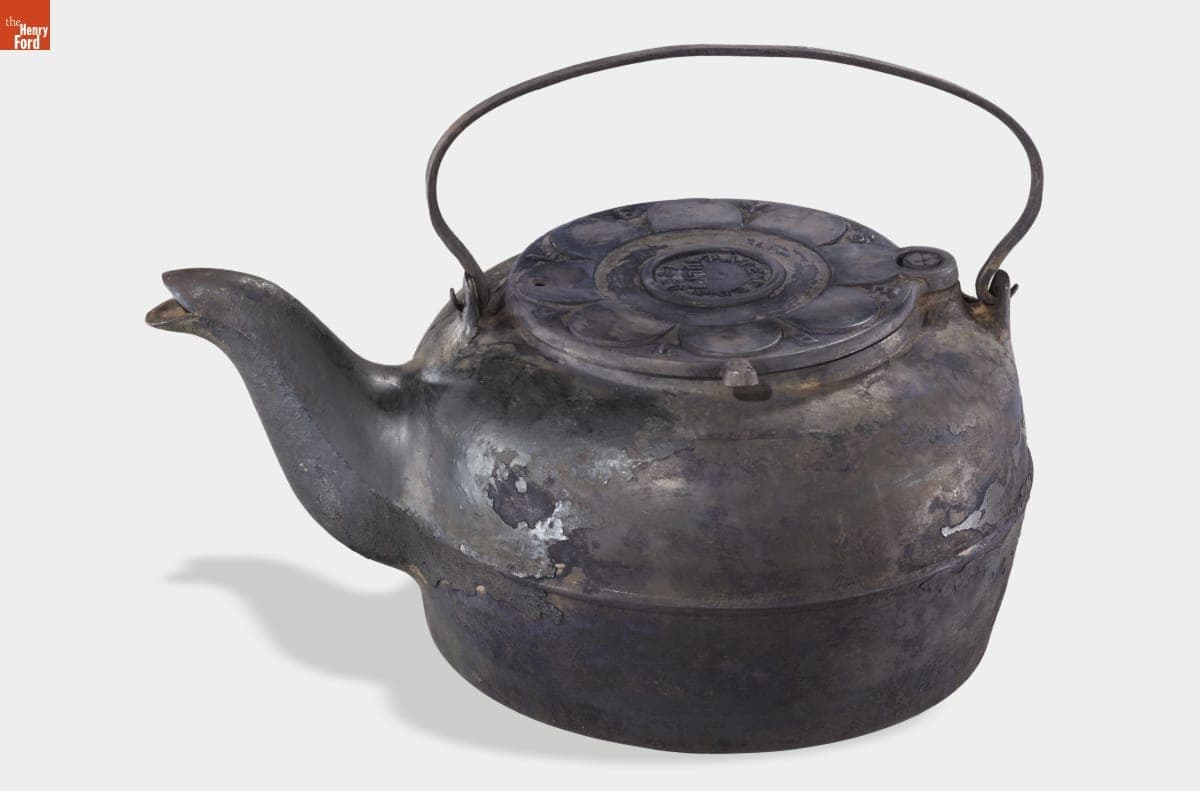
- Teakettle, 1868-1881 - Cast iron pots, pans, kettles, skillets, and other utensils have been essential in American kitchens for centuries. Cooks used these utilitarian objects to prepare meals and heat water in hearths or -- by the mid-1800s -- atop coal or wood-burning stoves. Lighter and easier-to-clean materials began replacing heavy cast iron cookware beginning in the late 19th century, but cast iron still has a place in many cooks' kitchens.
- 1868-1881
- Collections - Artifact
Teakettle, 1868-1881
Cast iron pots, pans, kettles, skillets, and other utensils have been essential in American kitchens for centuries. Cooks used these utilitarian objects to prepare meals and heat water in hearths or -- by the mid-1800s -- atop coal or wood-burning stoves. Lighter and easier-to-clean materials began replacing heavy cast iron cookware beginning in the late 19th century, but cast iron still has a place in many cooks' kitchens.
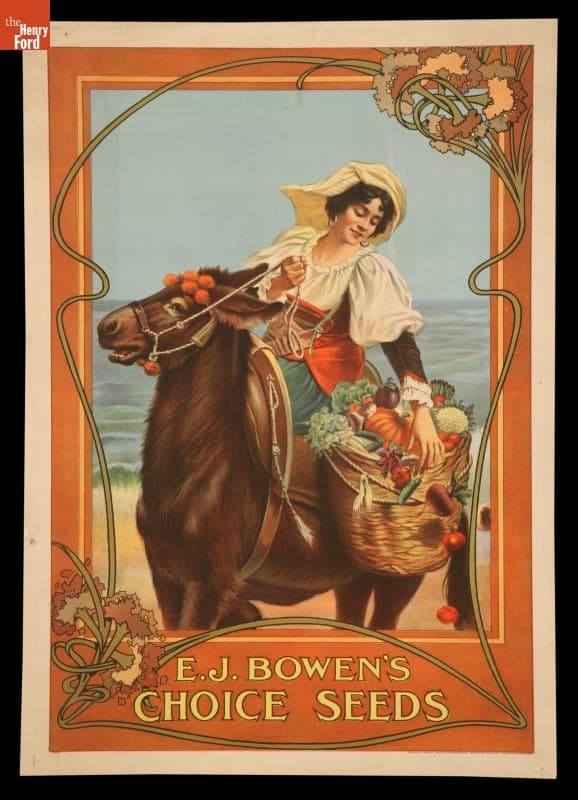
- Advertising Poster, "E.J. Bowen's Choice Seeds," 1904 -
- 1904
- Collections - Artifact
Advertising Poster, "E.J. Bowen's Choice Seeds," 1904
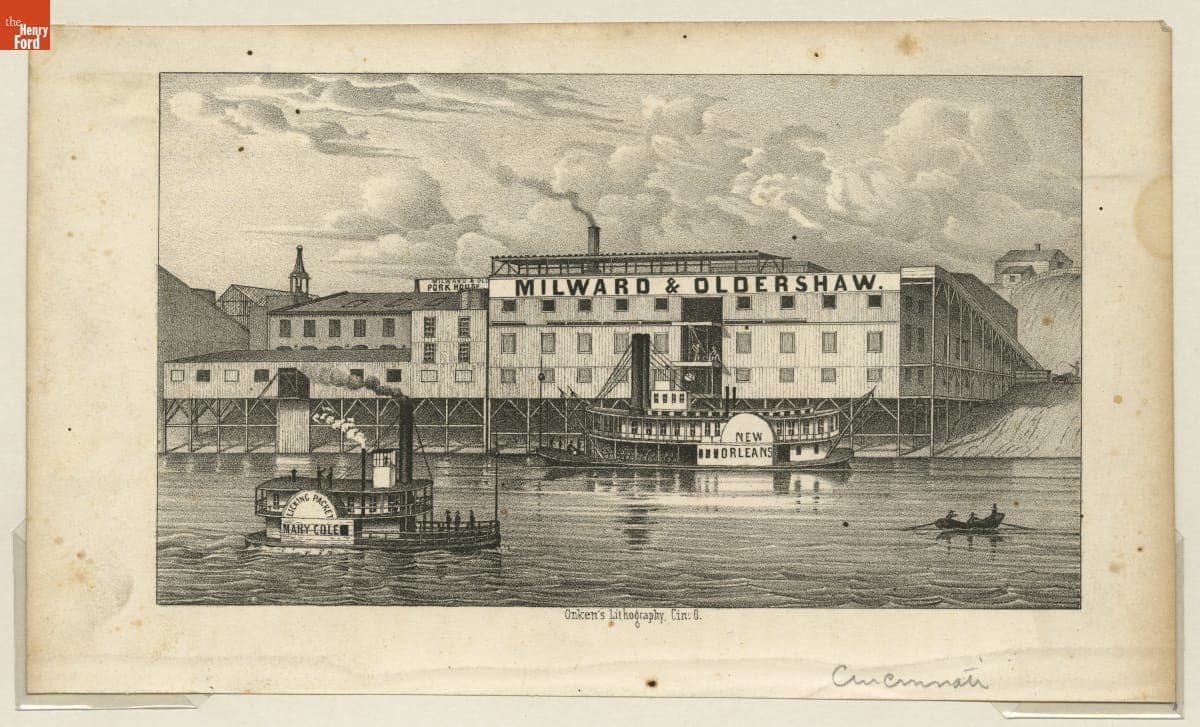
- Lithographed Book Illustration, Milward & Oldershaw's Pork Packing Plant on the Ohio River, Covington, Kentucky, 1851 -
- 1842
- Collections - Artifact
Lithographed Book Illustration, Milward & Oldershaw's Pork Packing Plant on the Ohio River, Covington, Kentucky, 1851
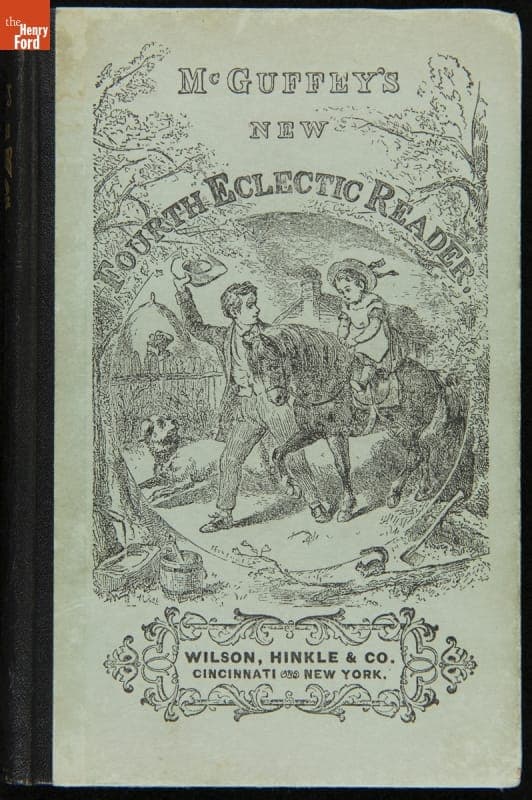
- "McGuffey's New Fourth Eclectic Reader," Originally Published 1885, Reprinted by Henry Ford, 1930 - Henry Ford remembered fondly the McGuffey Readers he studied in the one-room schools of his youth. He even had them reprinted in 1930, so that students in his Edison Institute Schools could learn from them as well. Ford -- having looked up some of his childhood classmates -- gave this reprinted Reader to Olive Burdeno, who had attended school with Ford in the 1870s.
- 1930
- Collections - Artifact
"McGuffey's New Fourth Eclectic Reader," Originally Published 1885, Reprinted by Henry Ford, 1930
Henry Ford remembered fondly the McGuffey Readers he studied in the one-room schools of his youth. He even had them reprinted in 1930, so that students in his Edison Institute Schools could learn from them as well. Ford -- having looked up some of his childhood classmates -- gave this reprinted Reader to Olive Burdeno, who had attended school with Ford in the 1870s.
- Telephone, 1880-1883 -
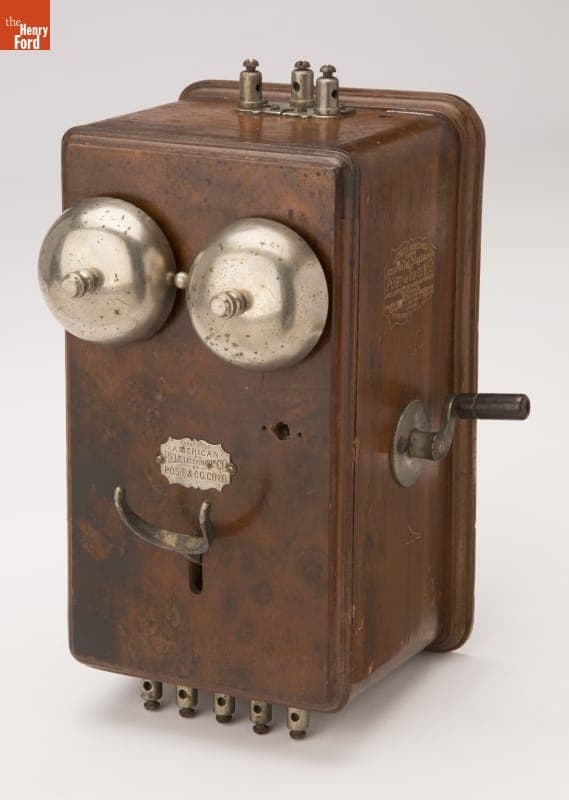
- 1880-1883
- Collections - Artifact
Telephone, 1880-1883
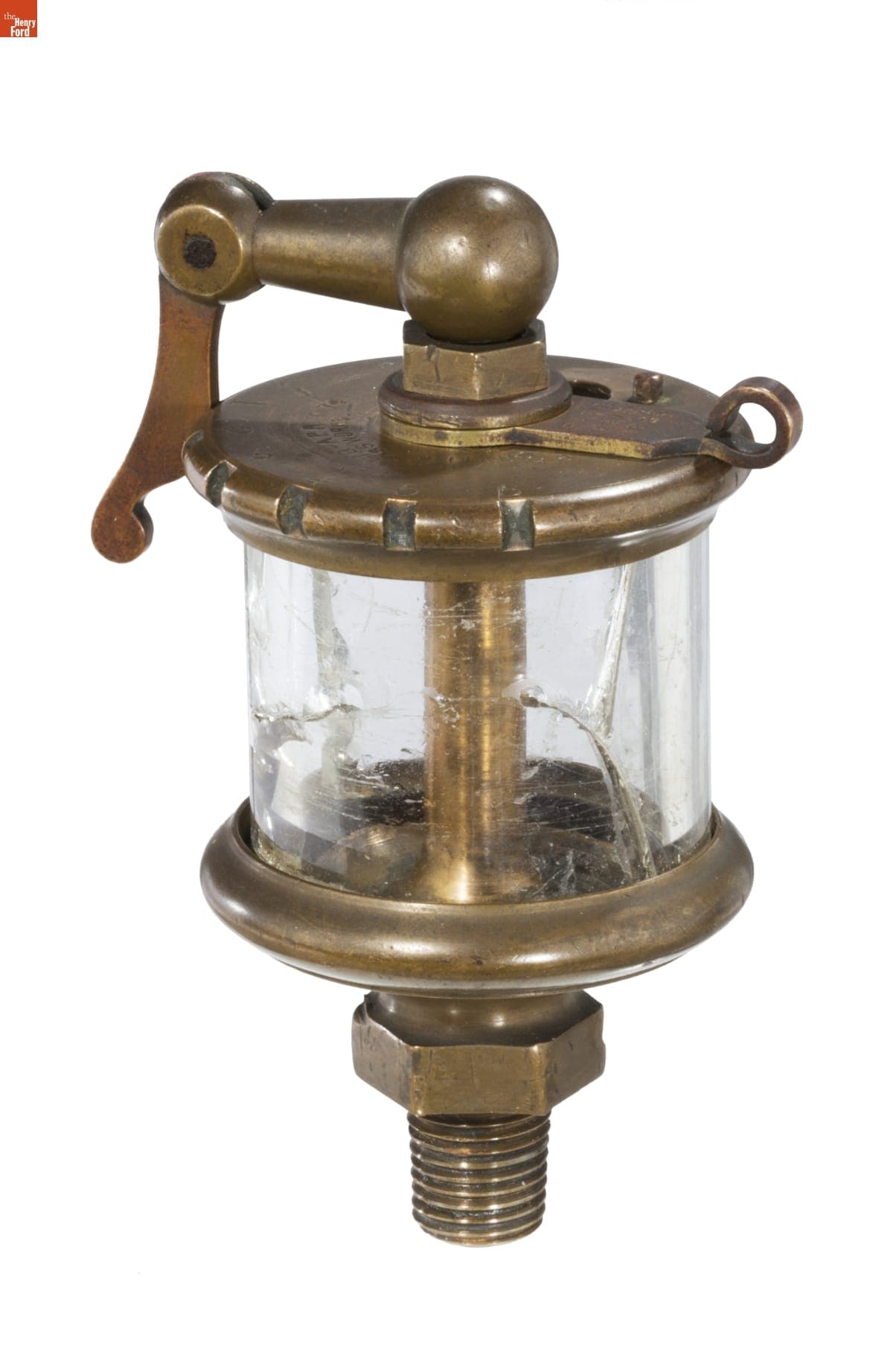
- Lubricator Cup -
- Collections - Artifact
Lubricator Cup
- Beaker, 1836-1850 -
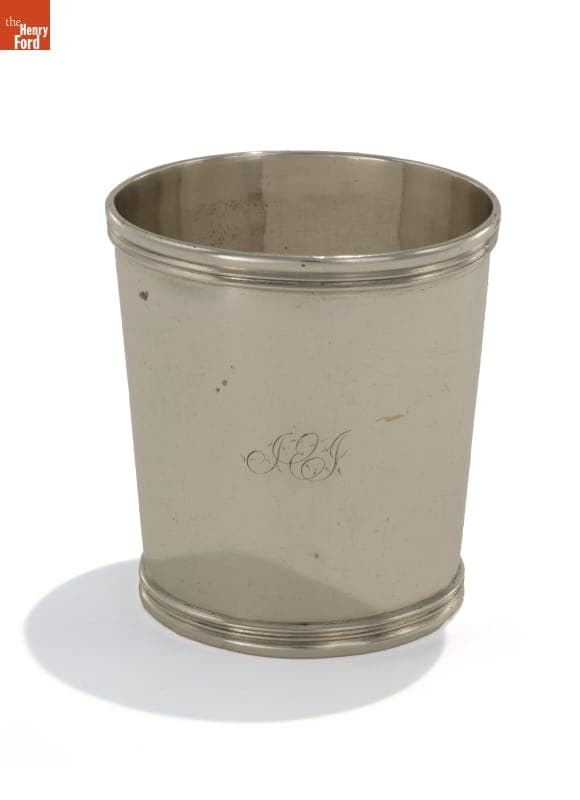
- 1836-1850
- Collections - Artifact
Beaker, 1836-1850
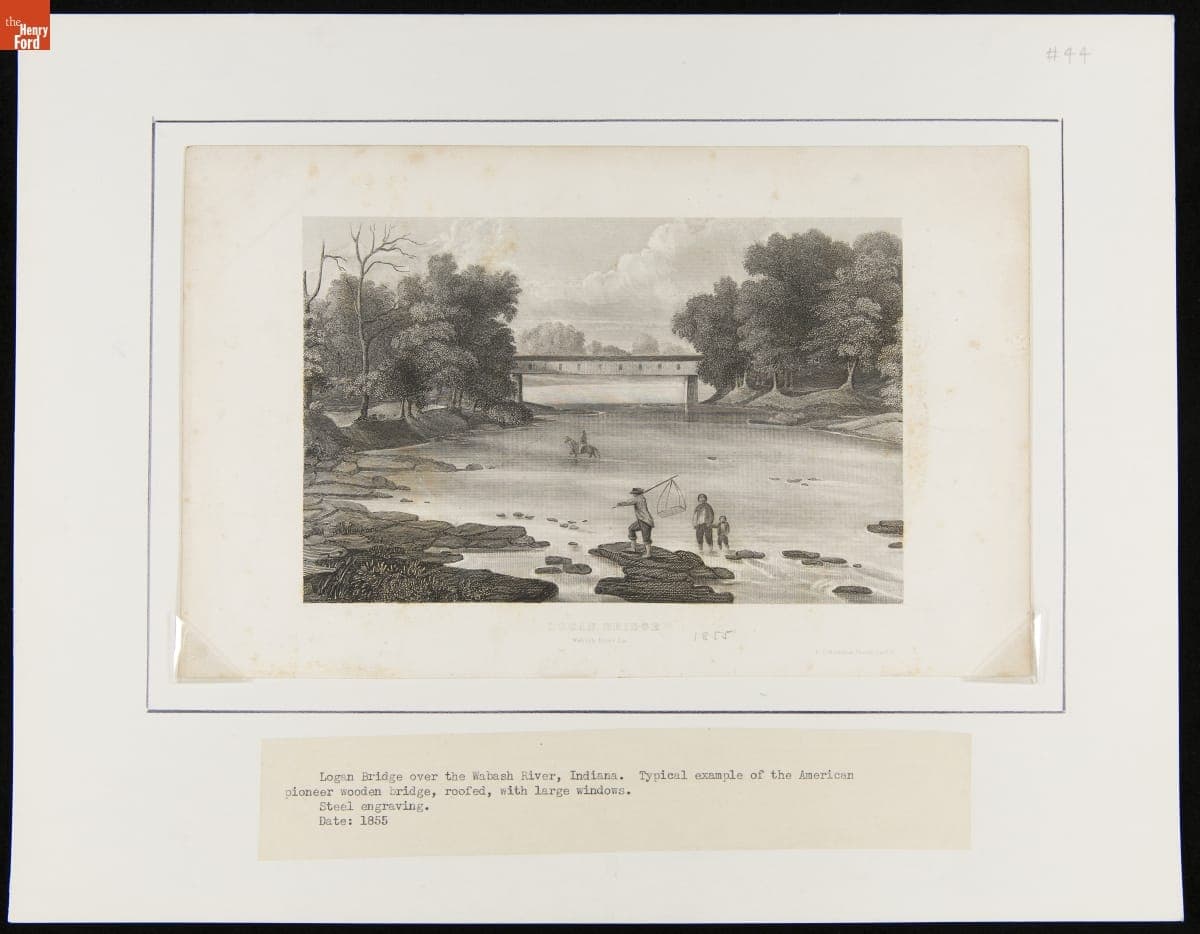
- "Logan Bridge, Wabash River, Ia.," Steel Engraving, 1855 - Covered bridges were built across the United States throughout the 19th and into the early 20th centuries. Bridges provided important commercial and community connections, but constructing them required careful planning and a substantial investment of time, labor, and materials. Walls and a roof helped preserve these valuable structures by protecting the truss system and keeping structural timbers dry.
- 1855
- Collections - Artifact
"Logan Bridge, Wabash River, Ia.," Steel Engraving, 1855
Covered bridges were built across the United States throughout the 19th and into the early 20th centuries. Bridges provided important commercial and community connections, but constructing them required careful planning and a substantial investment of time, labor, and materials. Walls and a roof helped preserve these valuable structures by protecting the truss system and keeping structural timbers dry.
- Tile with Glaze Samples, 1930-1940 - Maria Longworth Nichols (1849-1932) founded Rookwood Pottery--the pioneering art pottery company in America--in Cincinnati in 1880. Innovative imagery and glazes made Rookwood famous and helped establish the look of art pottery. During the Great Depression of the 1930s, when these glaze samples were likely made, Rookwood and other art potteries adopted cost-saving production methods to stay in business.
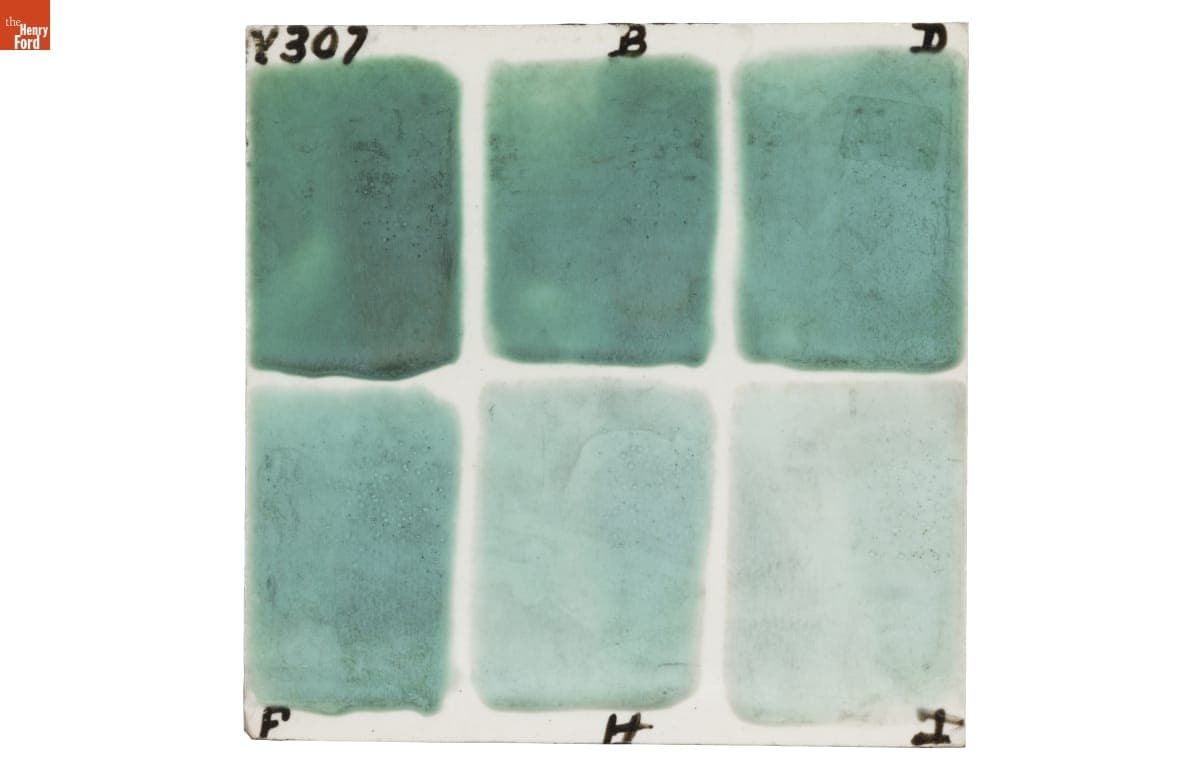
- 1930-1940
- Collections - Artifact
Tile with Glaze Samples, 1930-1940
Maria Longworth Nichols (1849-1932) founded Rookwood Pottery--the pioneering art pottery company in America--in Cincinnati in 1880. Innovative imagery and glazes made Rookwood famous and helped establish the look of art pottery. During the Great Depression of the 1930s, when these glaze samples were likely made, Rookwood and other art potteries adopted cost-saving production methods to stay in business.
- Circus Poster, Arlington & Beckmann's Oklahoma Ranch Presents "Equestrian Football," 1913 -
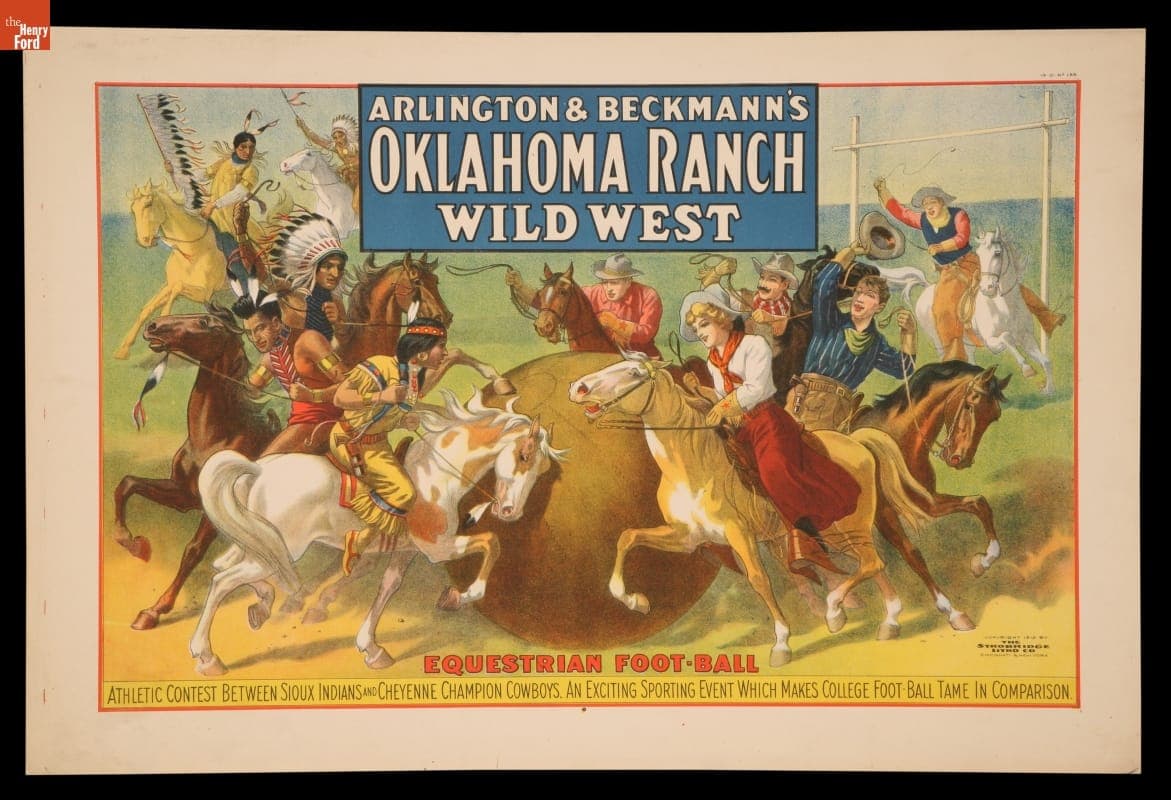
- 1913
- Collections - Artifact
Circus Poster, Arlington & Beckmann's Oklahoma Ranch Presents "Equestrian Football," 1913