
Search
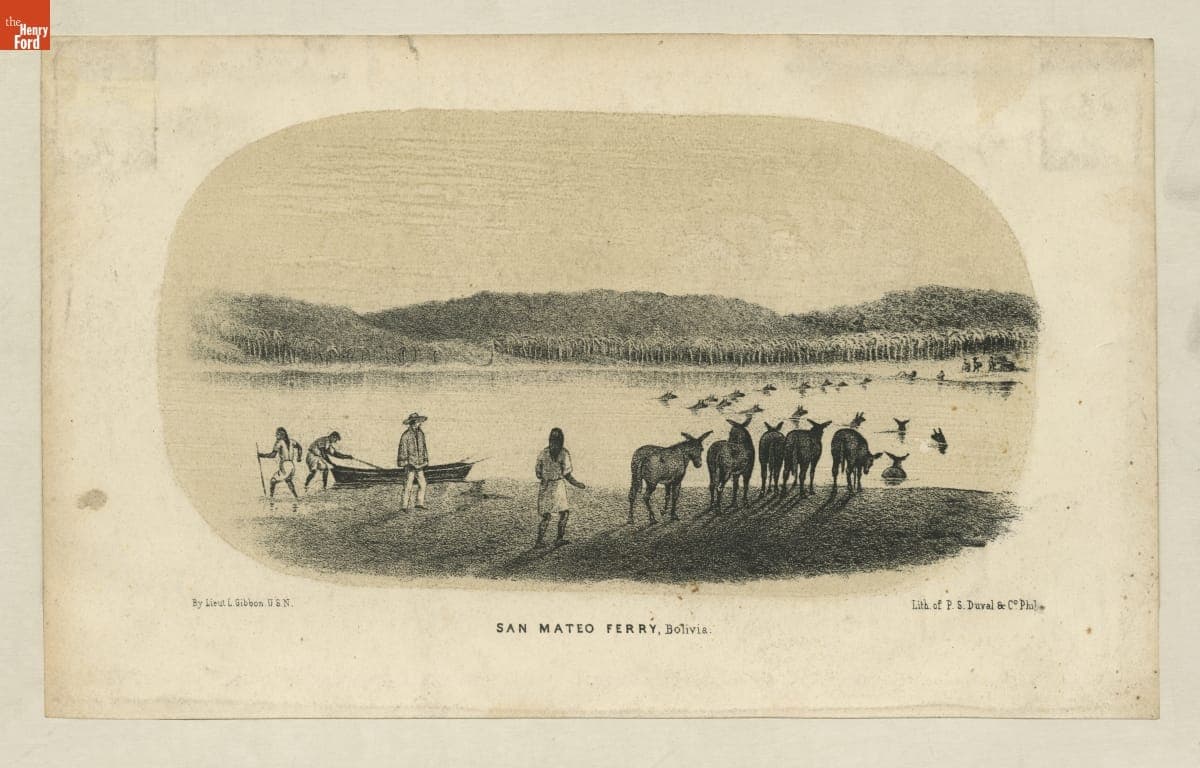
- Lithograph, "San Mateo Ferry, Bolivia," circa 1855 -
- circa 1855
- Collections - Artifact
Lithograph, "San Mateo Ferry, Bolivia," circa 1855
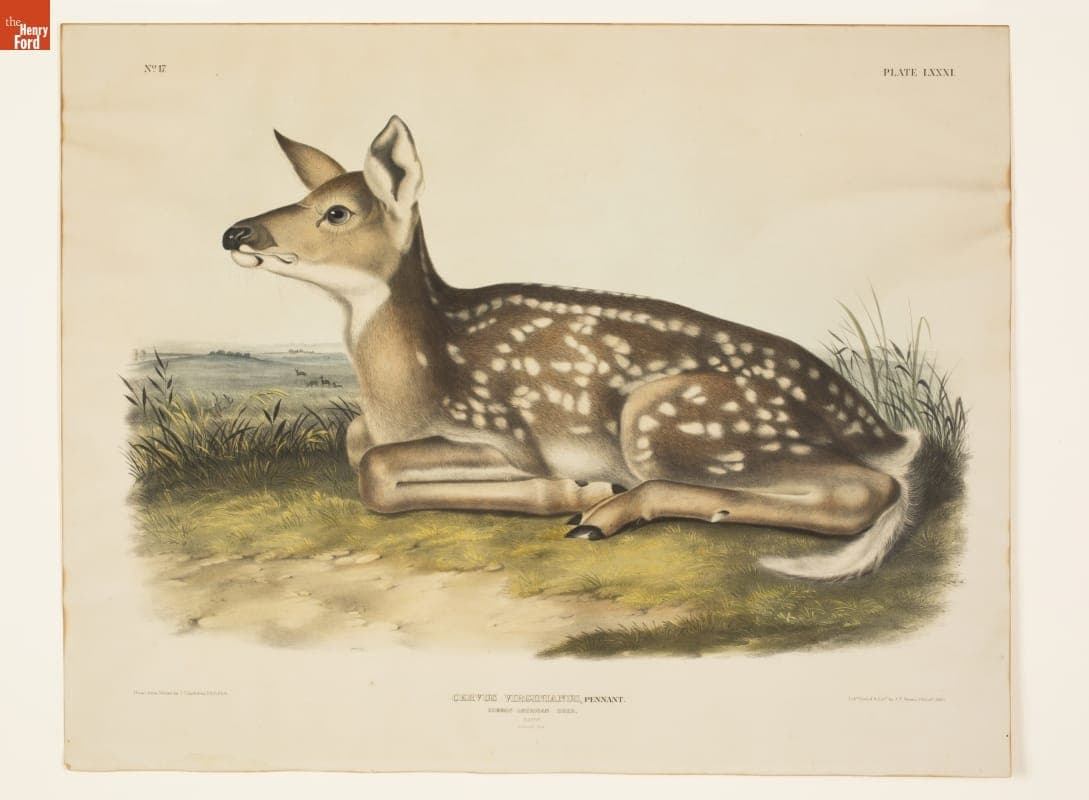
- Lithograph, "Cervus Virginianus, Pennant. Common American Deer, Fawn," 1845 -
- 1845
- Collections - Artifact
Lithograph, "Cervus Virginianus, Pennant. Common American Deer, Fawn," 1845
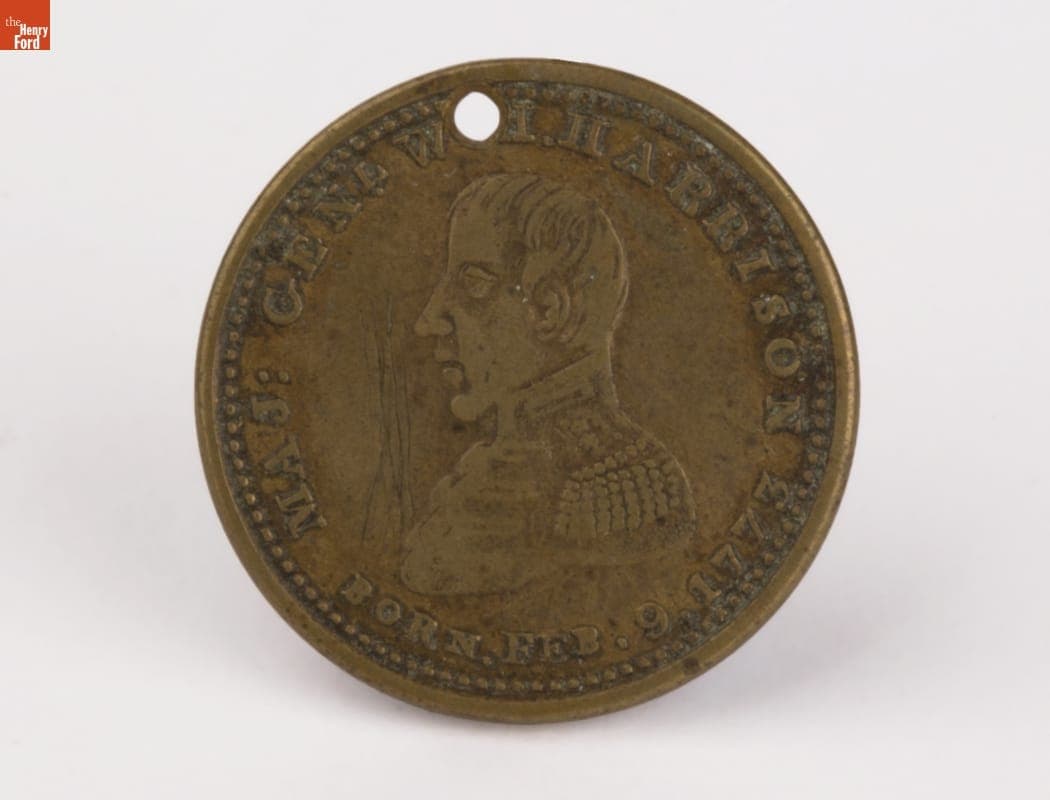
- William Henry Harrison Campaign Medal, 1840 - William Henry Harrison gained national fame in 1811 when he defeated a band of Native Americans at Tippecanoe near present-day Lafayette, Indiana. Though Harrison retired from the army in 1814, most Americans remembered his military service. When he ran for president in 1840, campaign slogans, songs and materials, such as this coin, constantly referred to Harrison as Tippecanoe.
- 1840
- Collections - Artifact
William Henry Harrison Campaign Medal, 1840
William Henry Harrison gained national fame in 1811 when he defeated a band of Native Americans at Tippecanoe near present-day Lafayette, Indiana. Though Harrison retired from the army in 1814, most Americans remembered his military service. When he ran for president in 1840, campaign slogans, songs and materials, such as this coin, constantly referred to Harrison as Tippecanoe.
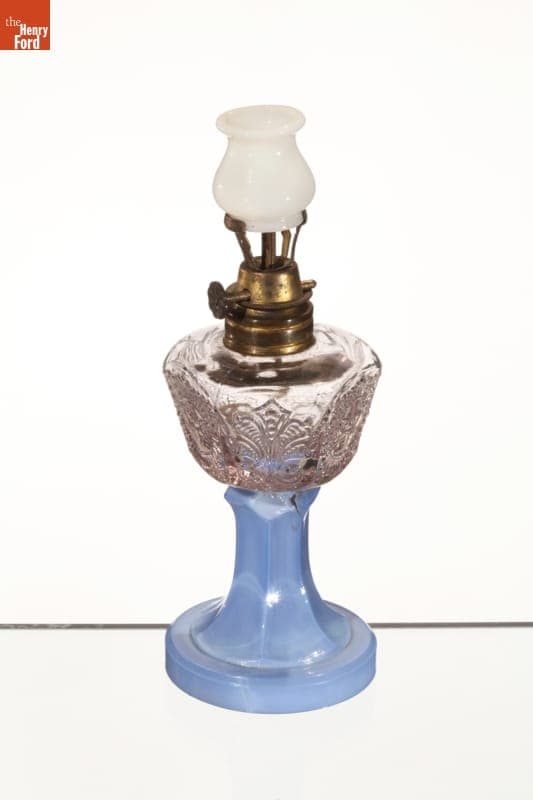
- Kerosene Lamp, circa 1880 - Miniature lamps burned kerosene, a fuel popular after the Civil War. These lamps were marketed with a pressed glass font in a variety of colors -- white, milk glass or teal. It would be used as a bedside lamp or carried from room to room.
- circa 1880
- Collections - Artifact
Kerosene Lamp, circa 1880
Miniature lamps burned kerosene, a fuel popular after the Civil War. These lamps were marketed with a pressed glass font in a variety of colors -- white, milk glass or teal. It would be used as a bedside lamp or carried from room to room.
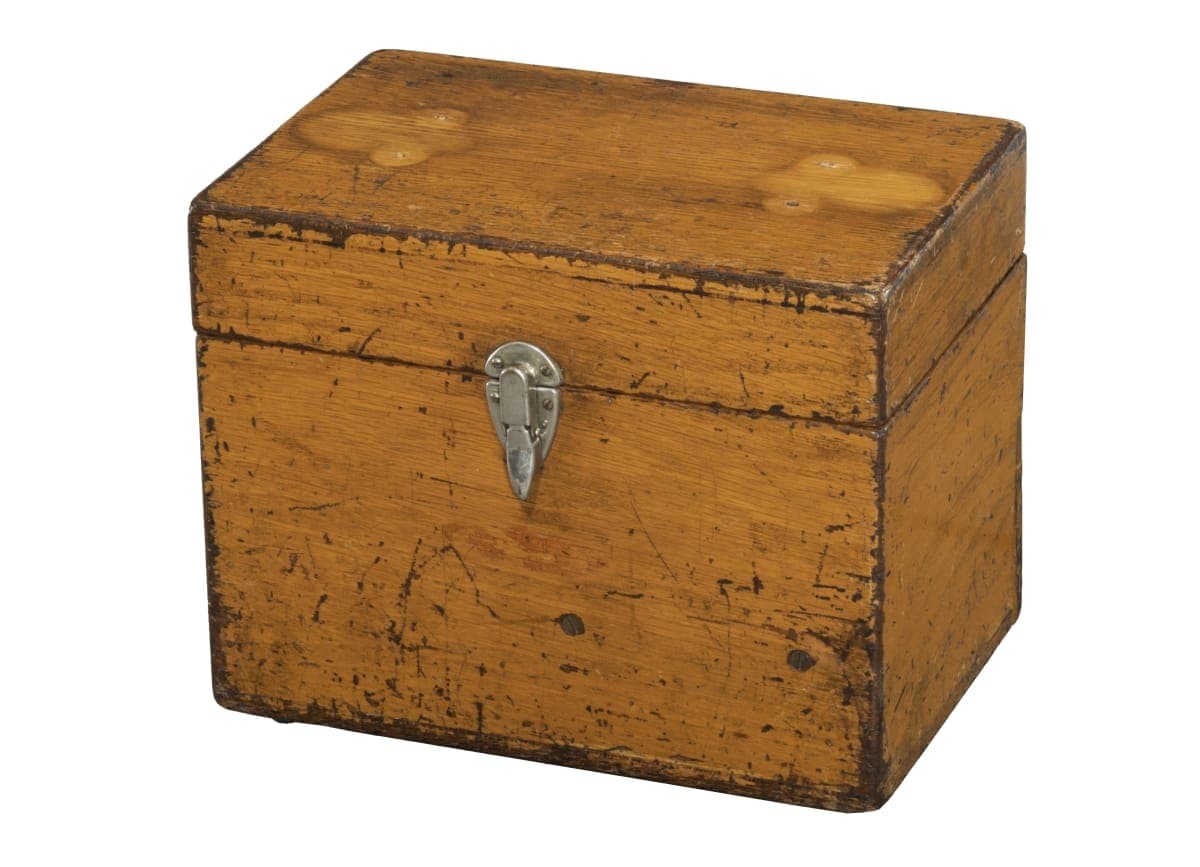
- Leeds & Northrup Co. Potentiometer, Used at Ford Motor Company -
- Collections - Artifact
Leeds & Northrup Co. Potentiometer, Used at Ford Motor Company
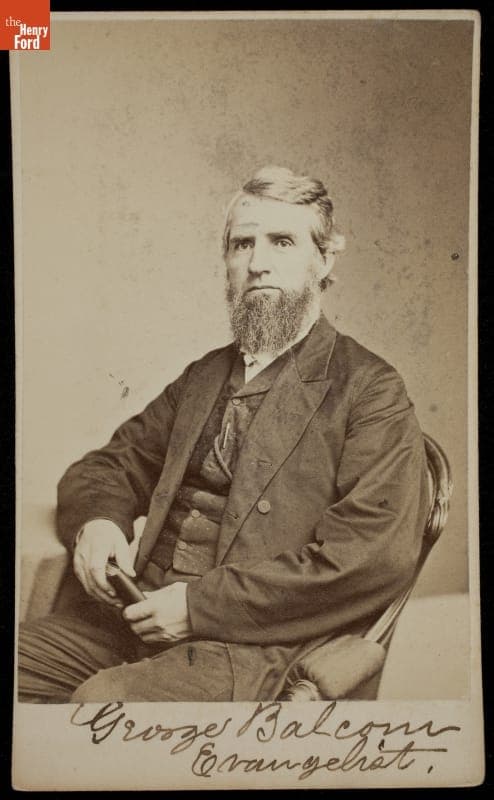
- Portrait of Evangelist George Bascom, circa 1865 -
- circa 1865
- Collections - Artifact
Portrait of Evangelist George Bascom, circa 1865
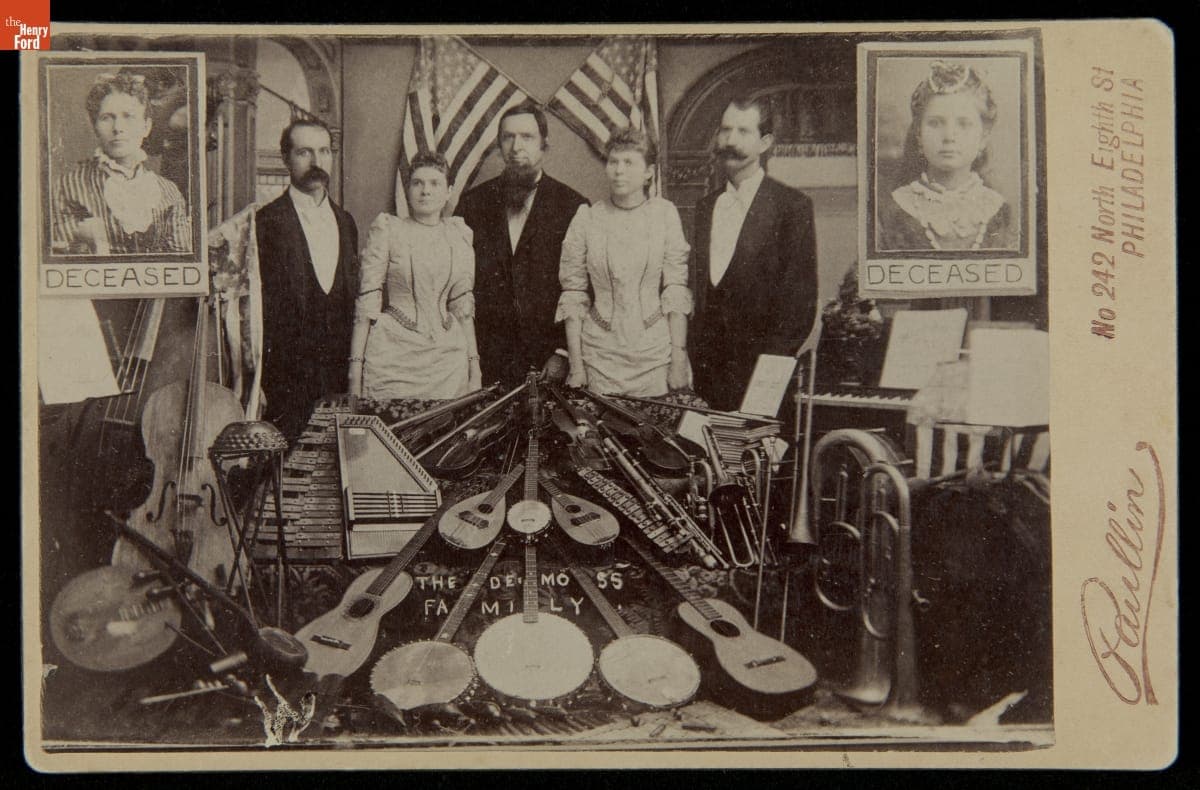
- The DeMoss Family Lyric Bards, circa 1890 -
- circa 1890
- Collections - Artifact
The DeMoss Family Lyric Bards, circa 1890
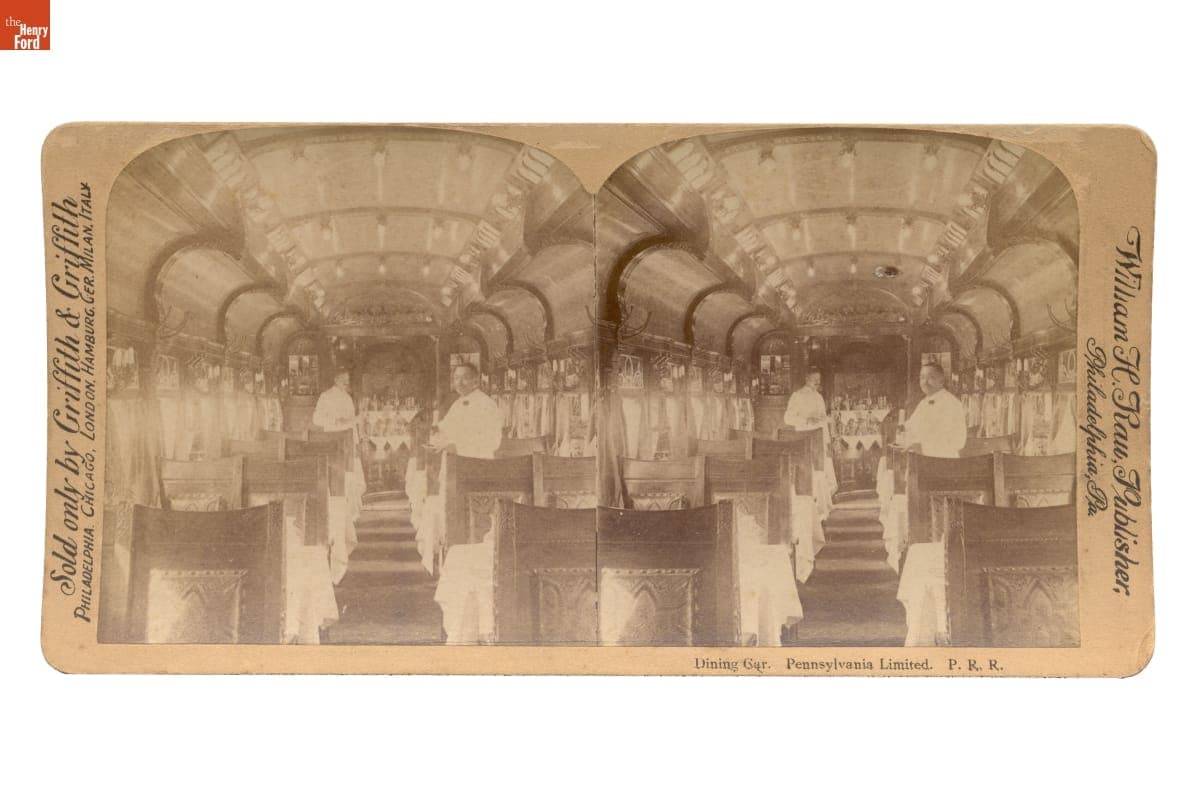
- Dining Car, Pennsylvania Limited, Pennsylvania Railroad, circa 1900 - Railroads took pride in their dining cars. They were expensive to operate, but quality food and service helped a railroad distinguish itself from competitors. For African Americans, working on a railroad dining car was one of the few avenues available to enter the Black middle class in the 19th and early 20th centuries.
- circa 1900
- Collections - Artifact
Dining Car, Pennsylvania Limited, Pennsylvania Railroad, circa 1900
Railroads took pride in their dining cars. They were expensive to operate, but quality food and service helped a railroad distinguish itself from competitors. For African Americans, working on a railroad dining car was one of the few avenues available to enter the Black middle class in the 19th and early 20th centuries.
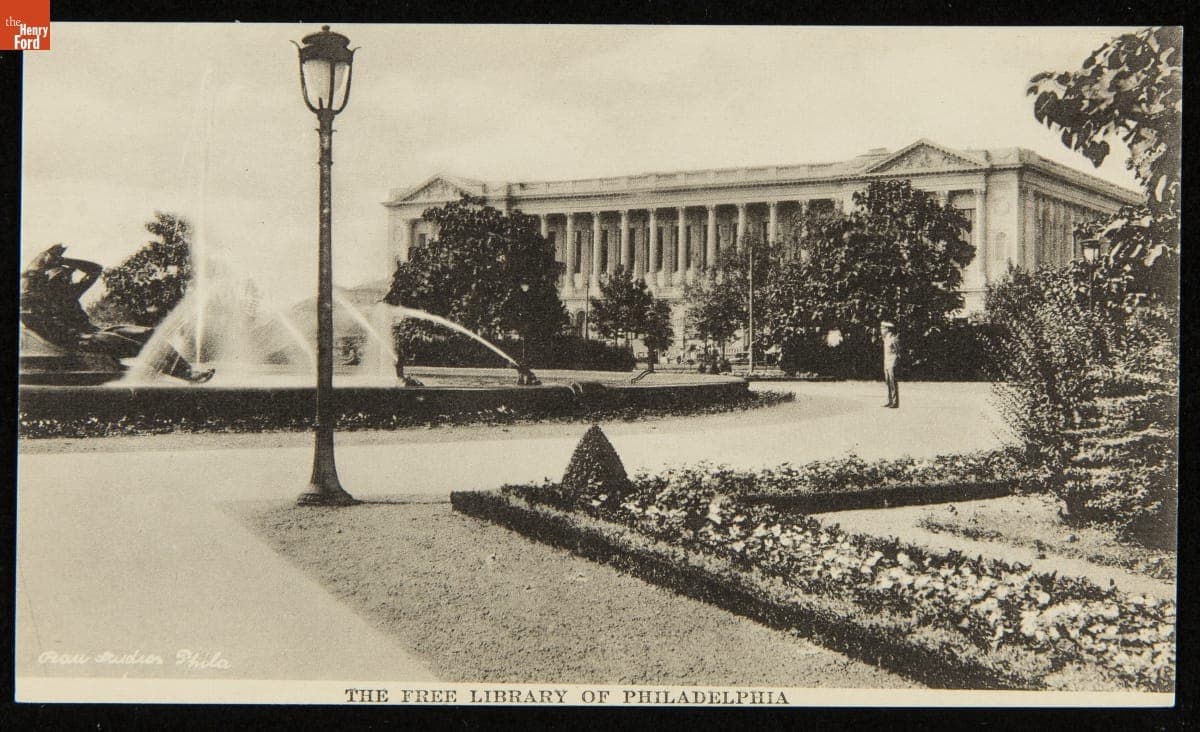
- Postcard, "The Free Library of Philadelphia," circa 1930 - Until the 20th century, most book collections were not available to everyday Americans. They were either privately owned, accessible only by paid subscription, or stored away haphazardly. In some communities, wealthy citizens funded libraries. Philadelphia philanthropist George Seckel Pepper bequeathed $225,000 in 1889 to establish The Free Library of Philadelphia. The Free Library system's massive Central Library, pictured here, opened in 1927.
- circa 1930
- Collections - Artifact
Postcard, "The Free Library of Philadelphia," circa 1930
Until the 20th century, most book collections were not available to everyday Americans. They were either privately owned, accessible only by paid subscription, or stored away haphazardly. In some communities, wealthy citizens funded libraries. Philadelphia philanthropist George Seckel Pepper bequeathed $225,000 in 1889 to establish The Free Library of Philadelphia. The Free Library system's massive Central Library, pictured here, opened in 1927.
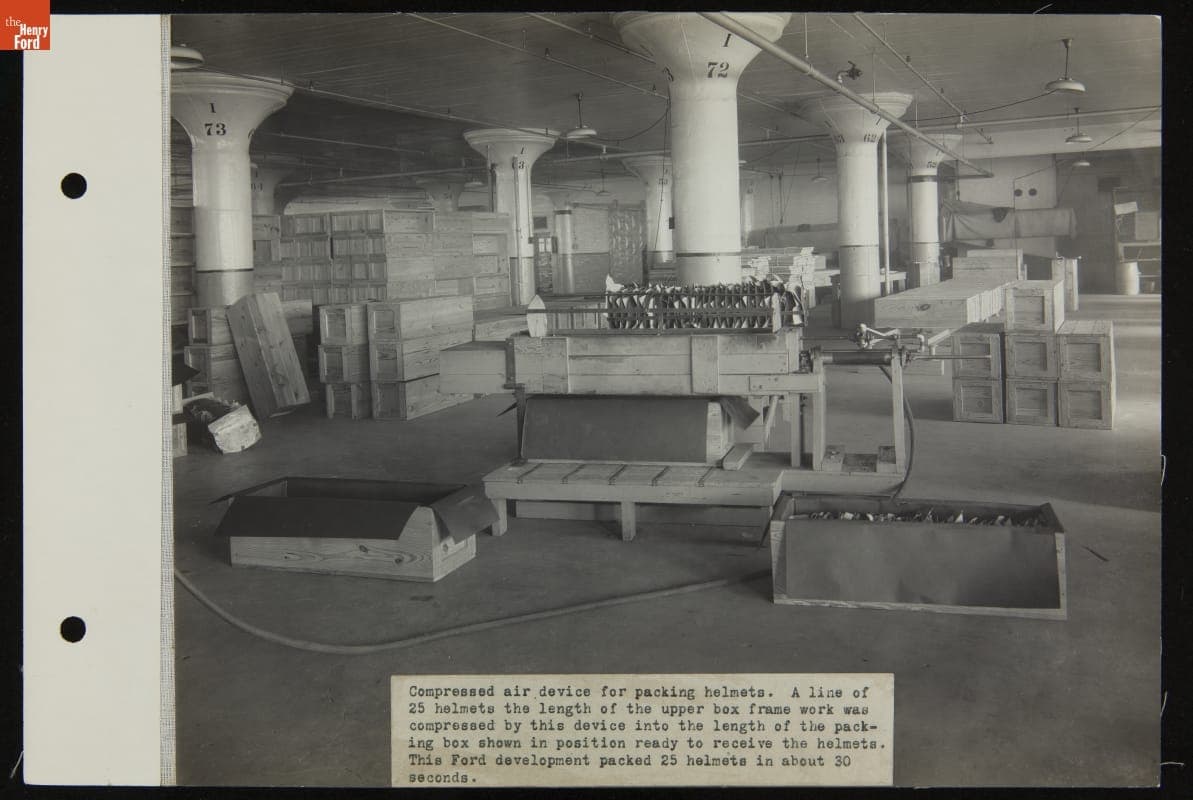
- Compressed Air Device for Packing Helmets during World War I, Ford Motor Company Philadelphia Plant, 1917-1918 - When the United States entered World War I, American automobile companies turned some of their manufacturing capacity to the production of war materiel. Ford Motor Company received a contract to paint, assemble, and crate steel helmets for American soldiers. Altogether, Ford's Philadelphia plant processed more than 2.7 million helmets at a rate as high as 40,000 each day.
- 1917-1918
- Collections - Artifact
Compressed Air Device for Packing Helmets during World War I, Ford Motor Company Philadelphia Plant, 1917-1918
When the United States entered World War I, American automobile companies turned some of their manufacturing capacity to the production of war materiel. Ford Motor Company received a contract to paint, assemble, and crate steel helmets for American soldiers. Altogether, Ford's Philadelphia plant processed more than 2.7 million helmets at a rate as high as 40,000 each day.