
Search
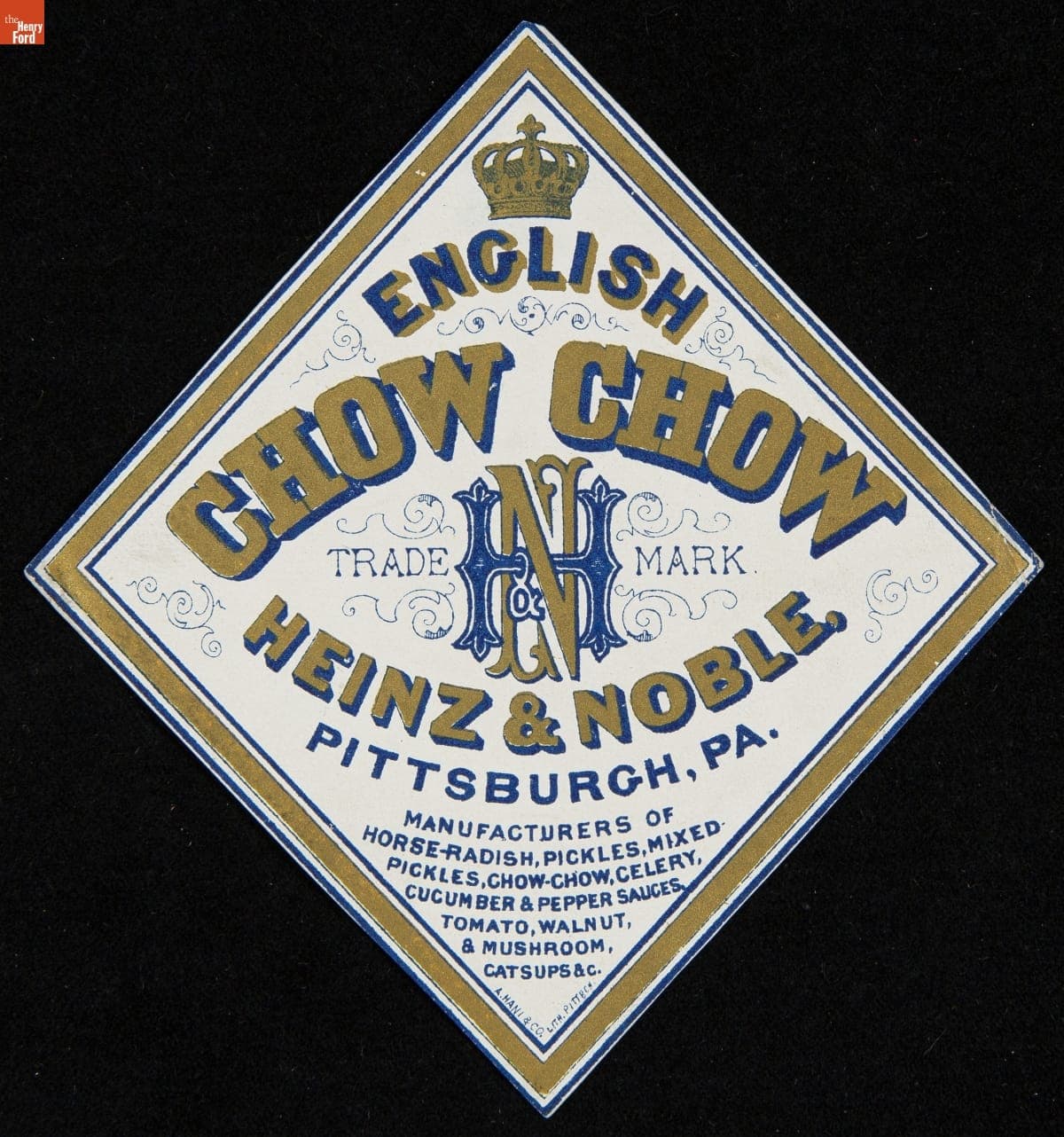
- Label, "Heinz & Noble Brand English Chow Chow," 1869-1872 - In 1869, entrepreneur H.J. Heinz entered the processed food business with L.C. Noble to form Heinz & Noble. Horseradish was their first product, quickly followed by celery sauce and pickled cucumbers (pickles today). The company's product line continued to expand to include other varieties of pickled foods and condiments, like English Chow Chow.
- 1869-1872
- Collections - Artifact
Label, "Heinz & Noble Brand English Chow Chow," 1869-1872
In 1869, entrepreneur H.J. Heinz entered the processed food business with L.C. Noble to form Heinz & Noble. Horseradish was their first product, quickly followed by celery sauce and pickled cucumbers (pickles today). The company's product line continued to expand to include other varieties of pickled foods and condiments, like English Chow Chow.
- A.J. Nellis & Co. Hay Grapple, 1870-1880 -
- 1870-1880
- Collections - Artifact
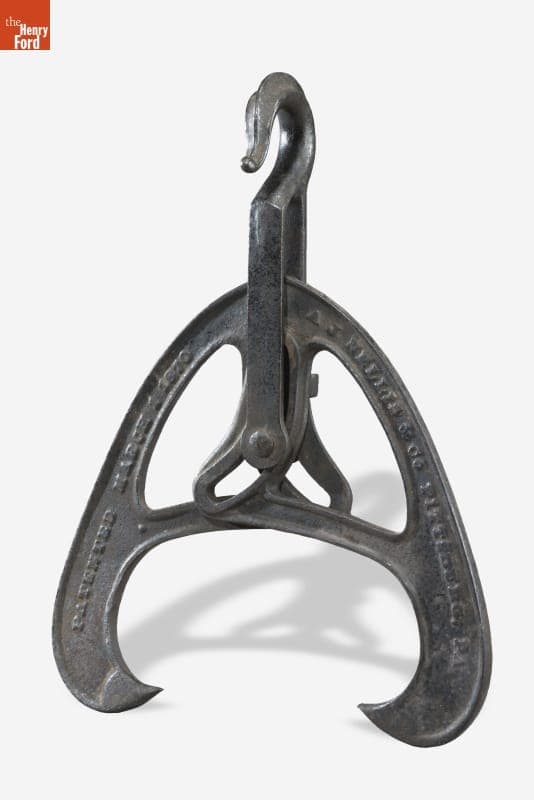
A.J. Nellis & Co. Hay Grapple, 1870-1880
- Knoblock Pyramid Toaster, circa 1909 -
- circa 1909
- Collections - Artifact
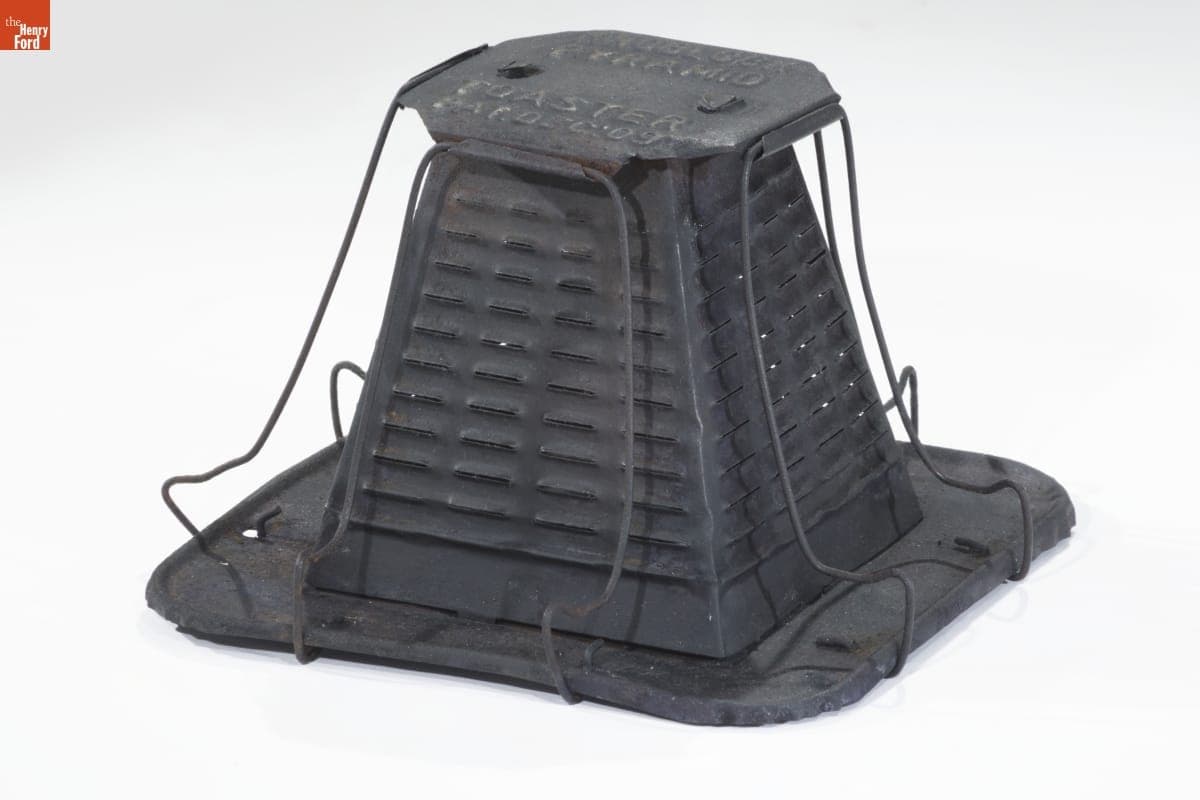
Knoblock Pyramid Toaster, circa 1909
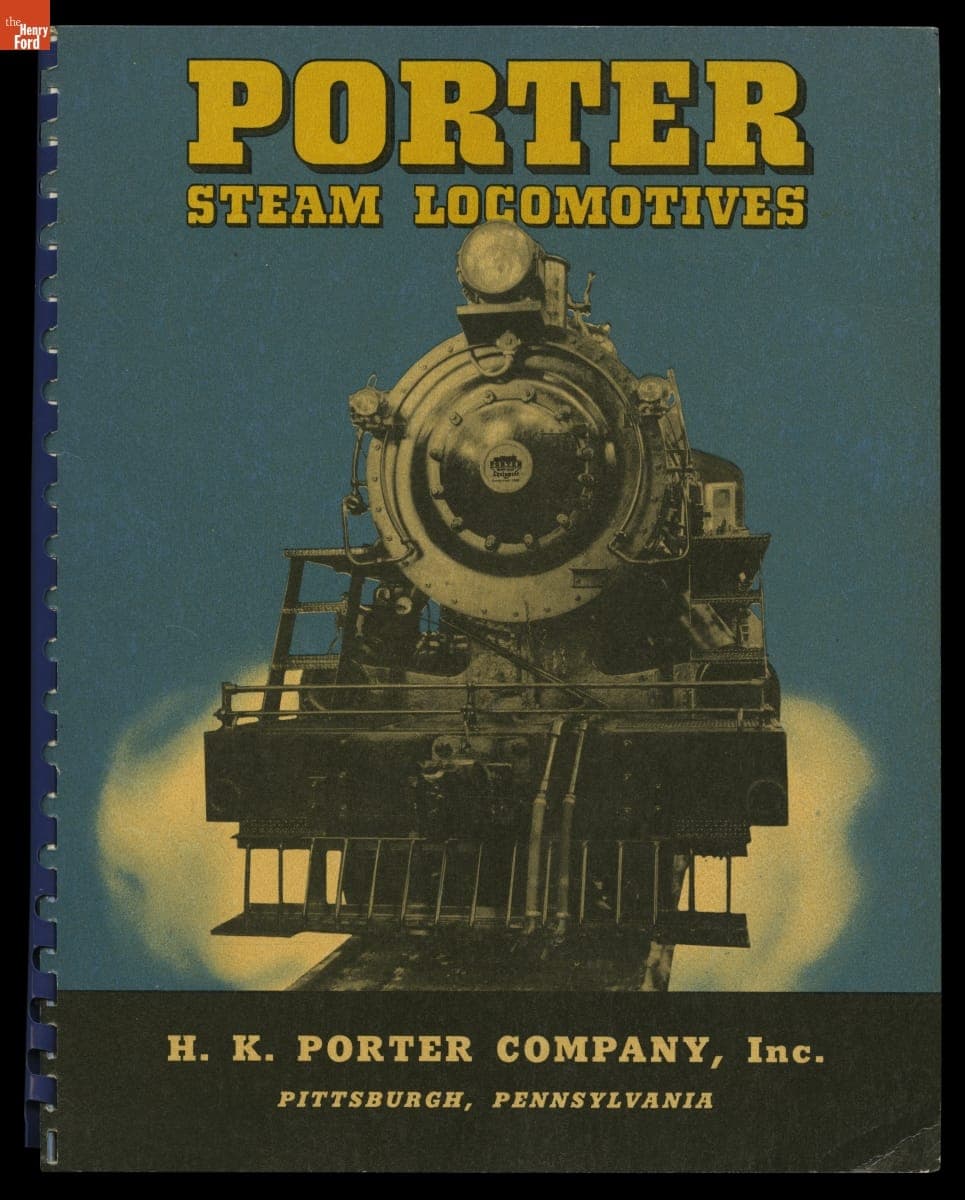
- H.K. Porter Company Catalog, "Porter Steam Locomotives," 1943 - Founded in 1866, the H.K. Porter Company of Pittsburgh, Pennsylvania, built light industrial locomotives. These smaller engines were used in mines, mills, factories, construction sites, agricultural operations, and other specialized applications. Porter manufactured more than 8,000 steam, gasoline, and diesel-powered locomotives before exiting the business in 1950.
- 1943
- Collections - Artifact
H.K. Porter Company Catalog, "Porter Steam Locomotives," 1943
Founded in 1866, the H.K. Porter Company of Pittsburgh, Pennsylvania, built light industrial locomotives. These smaller engines were used in mines, mills, factories, construction sites, agricultural operations, and other specialized applications. Porter manufactured more than 8,000 steam, gasoline, and diesel-powered locomotives before exiting the business in 1950.
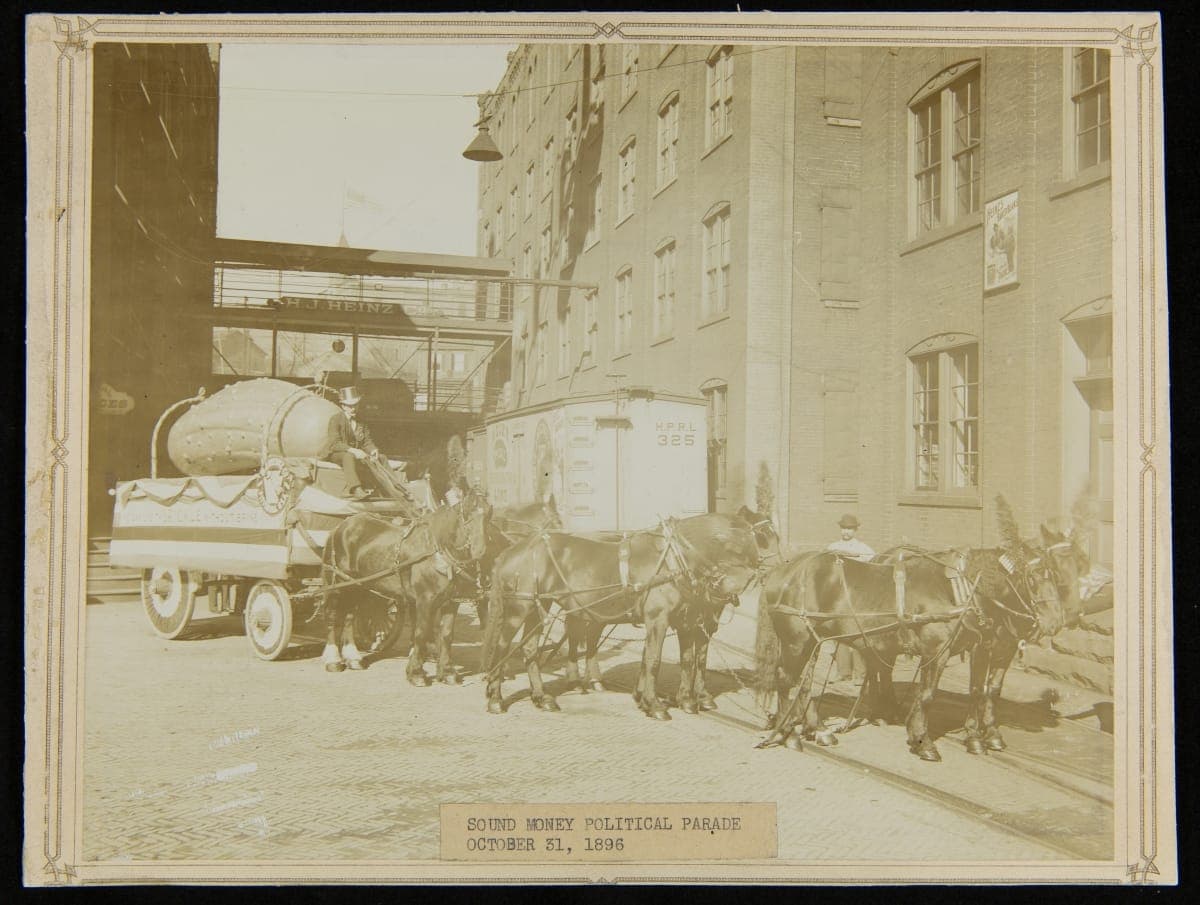
- Heinz Float for the Sound Money Political Parade in Pittsburgh, Pennsylvania, October 31, 1896 - During the 1896 election campaign, "Sound Money" political parades were held in San Francisco and New York City in support of presidential candidate William McKinley. The H.J. Heinz Company participated in the parade held in New York with this float featuring a giant pickle. McKinley would go on to defeat candidate William Jennings Bryan to become President.
- October 31, 1896
- Collections - Artifact
Heinz Float for the Sound Money Political Parade in Pittsburgh, Pennsylvania, October 31, 1896
During the 1896 election campaign, "Sound Money" political parades were held in San Francisco and New York City in support of presidential candidate William McKinley. The H.J. Heinz Company participated in the parade held in New York with this float featuring a giant pickle. McKinley would go on to defeat candidate William Jennings Bryan to become President.
- Westinghouse Electric Iron, 1908-1918 -
- 1908-1918
- Collections - Artifact
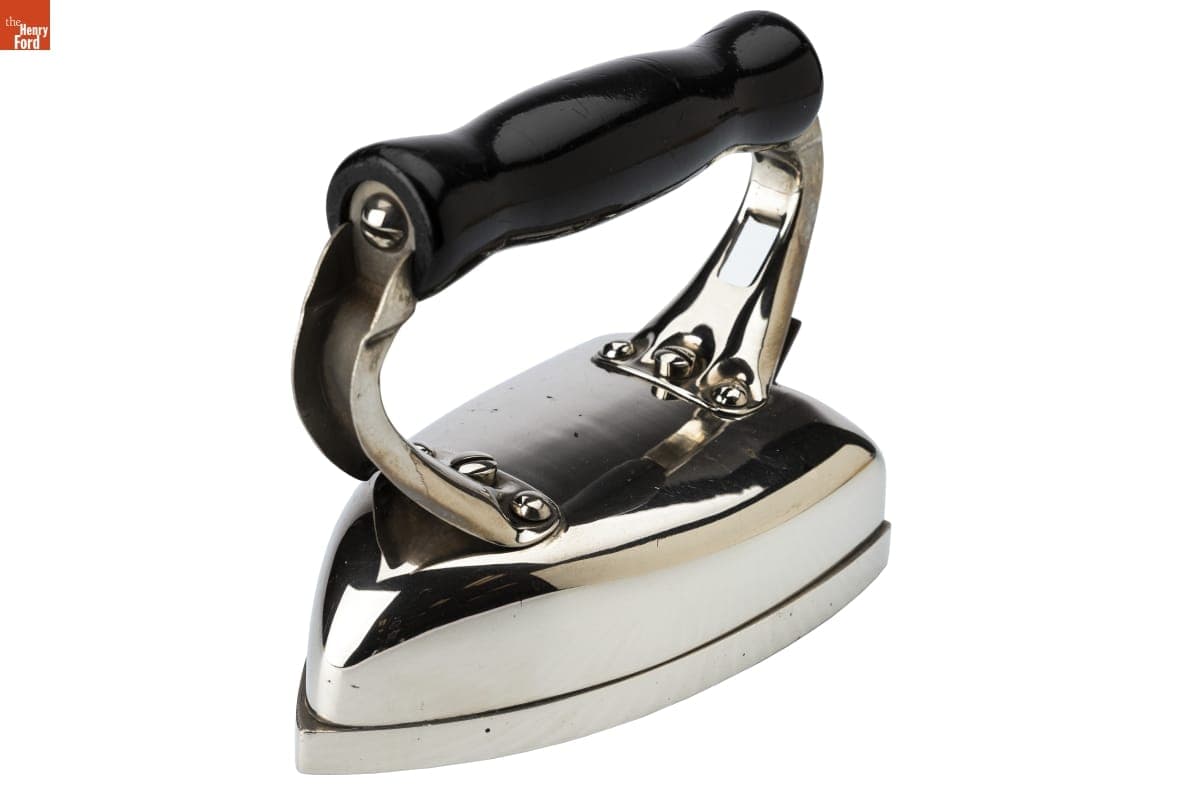
Westinghouse Electric Iron, 1908-1918
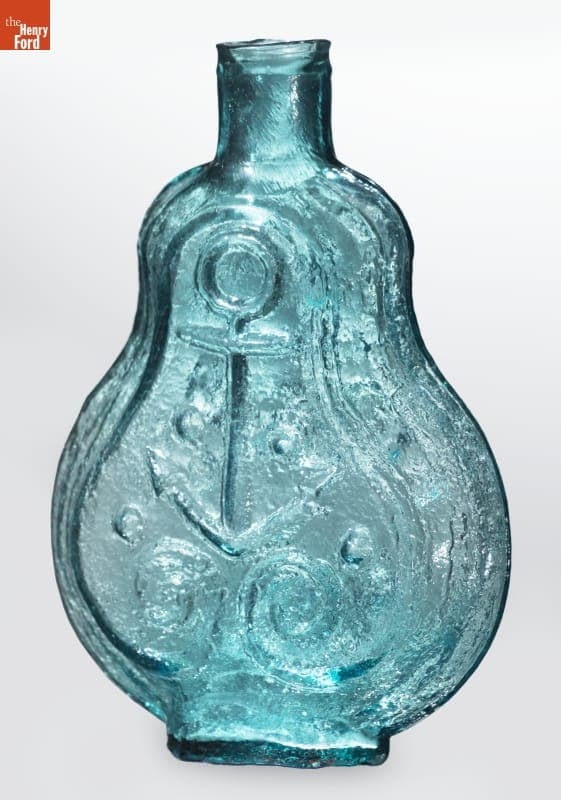
- Flask, 1830-1834 - Glass factories in America began producing inexpensive, mold-formed flasks in the early 1800s. These figured flasks appealed to America's common man. Many of these flasks contained symbols of national pride or political or cultural affiliation. Embellishments on other flasks, like this one, were purely decorative, though you will find an anchor -- a symbol of hope -- on the reverse.
- 1830-1834
- Collections - Artifact
Flask, 1830-1834
Glass factories in America began producing inexpensive, mold-formed flasks in the early 1800s. These figured flasks appealed to America's common man. Many of these flasks contained symbols of national pride or political or cultural affiliation. Embellishments on other flasks, like this one, were purely decorative, though you will find an anchor -- a symbol of hope -- on the reverse.
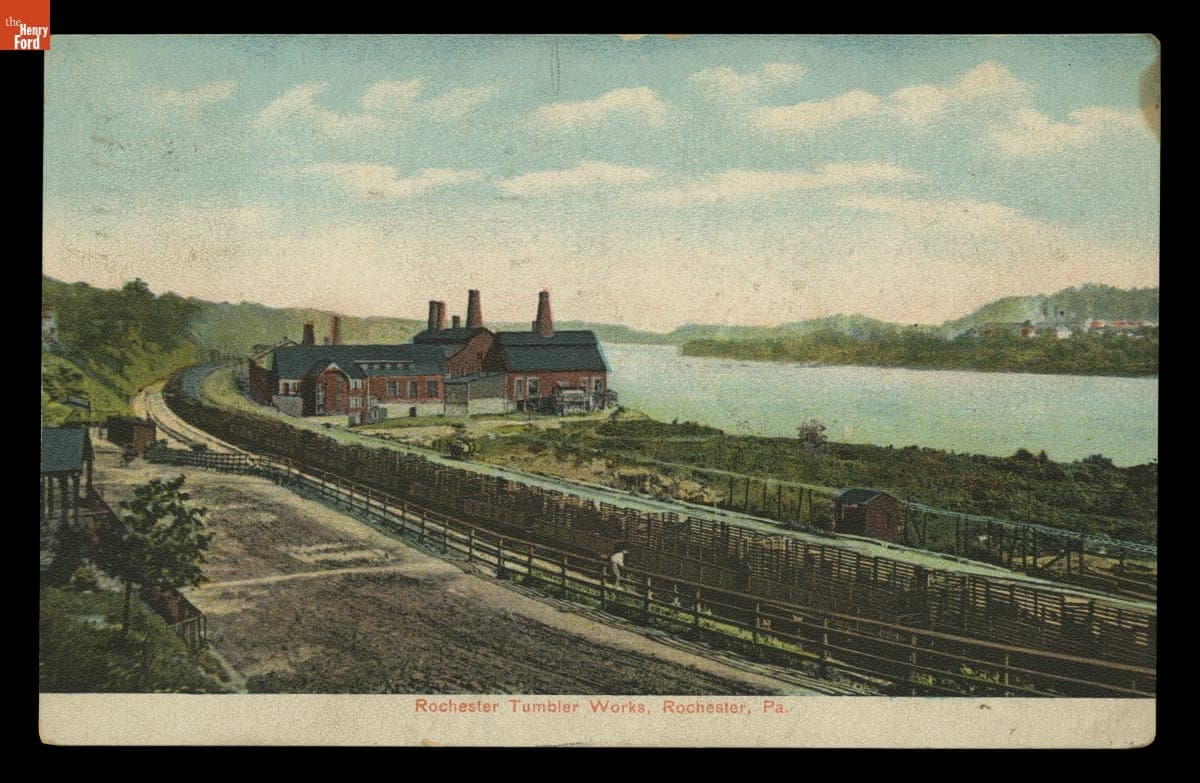
- Rochester Tumbler Works, Rochester, Pennsylvania, Postcard Mailed October 1911 - In 1900, the Rochester Tumbler Works with its 1200 employees could produce tens of thousands of tumblers and other glass tableware a week. The Pennsylvania factory was part of the National Glass Company, a combination of several independent glass firms created in 1899. Tragically, the glassworks burned in 1901, but a new factory, seen in this postcard, was built.
- October 01, 1911
- Collections - Artifact
Rochester Tumbler Works, Rochester, Pennsylvania, Postcard Mailed October 1911
In 1900, the Rochester Tumbler Works with its 1200 employees could produce tens of thousands of tumblers and other glass tableware a week. The Pennsylvania factory was part of the National Glass Company, a combination of several independent glass firms created in 1899. Tragically, the glassworks burned in 1901, but a new factory, seen in this postcard, was built.
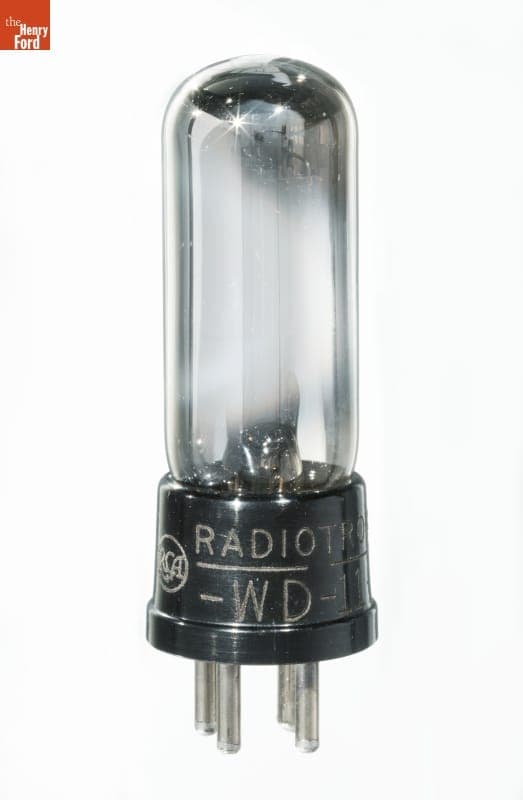
- RCA Radiotron Vacuum Tube, Model WD-11, 1923-1924 - Vacuum tubes appear in older radios, televisions, amplifiers, computers, and other electronic devices. Their function: to amplify and strengthen weak electronic signals. Typical tubes are sealed glass bulbs evacuated of gas, allowing electron flow to be influenced by an interior cathode, plate and grid. Perfected in 1906 by Lee De Forest, the vacuum tube was the genesis of a communications revolution.
- 1922-1924
- Collections - Artifact
RCA Radiotron Vacuum Tube, Model WD-11, 1923-1924
Vacuum tubes appear in older radios, televisions, amplifiers, computers, and other electronic devices. Their function: to amplify and strengthen weak electronic signals. Typical tubes are sealed glass bulbs evacuated of gas, allowing electron flow to be influenced by an interior cathode, plate and grid. Perfected in 1906 by Lee De Forest, the vacuum tube was the genesis of a communications revolution.
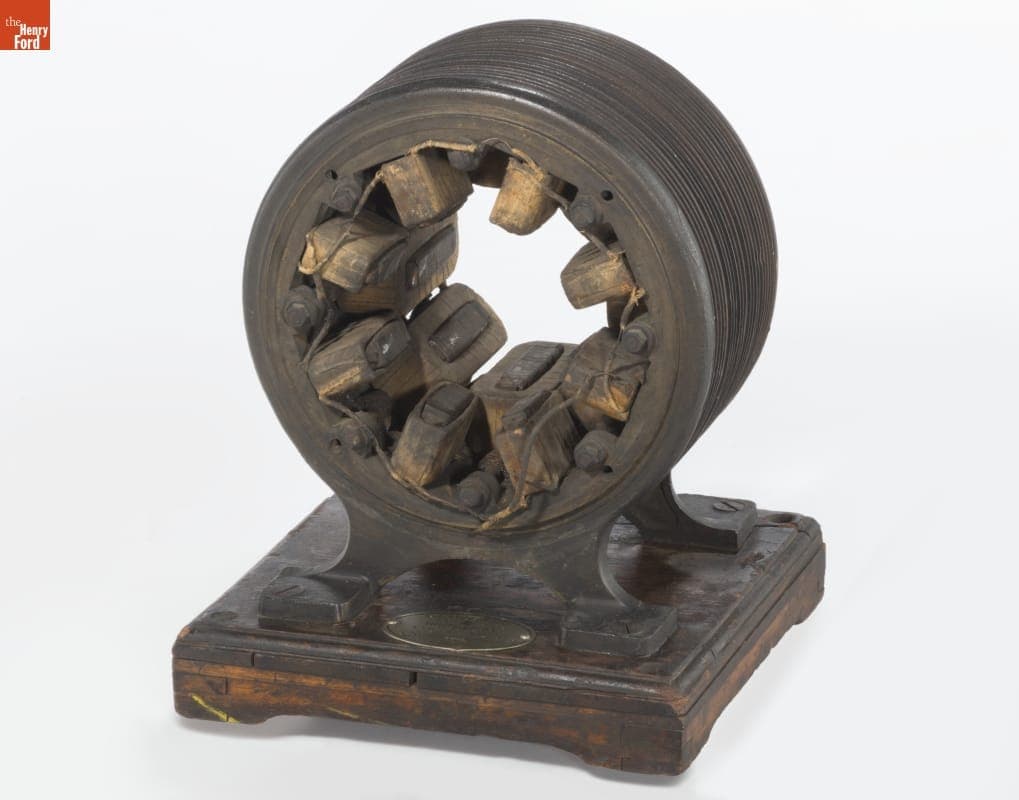
- Stator for Experimental Westinghouse Induction Motor, 1889-1893 -
- 1889-1893
- Collections - Artifact
Stator for Experimental Westinghouse Induction Motor, 1889-1893