
Search
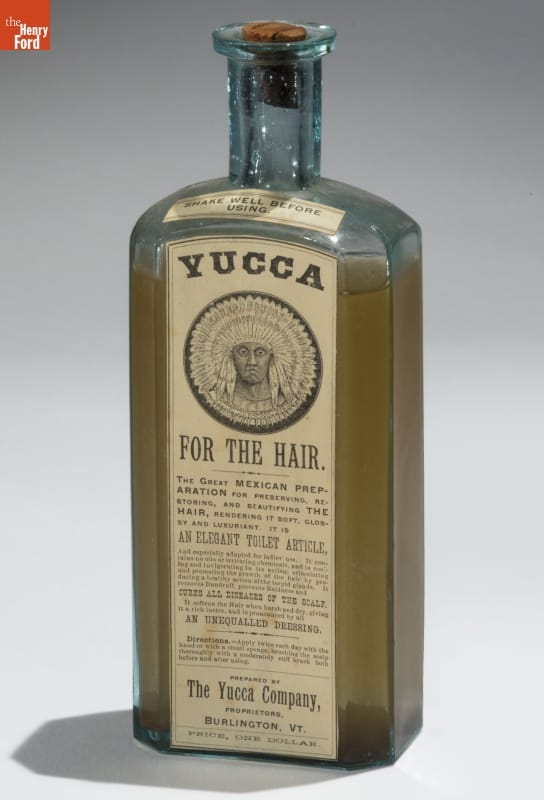
- Yucca for the Hair and Scalp, 1890-1901 - People have sought a cure for hair loss for thousands of years. In the late nineteenth-century, the makers of "Yucca for the Hair" marketed their concoction as a cure for baldness, dandruff, and other diseases of the scalp. The proprietors of this patent medicine claimed the plant-based extract invigorated the scalp, promoted hair growth and rendered hair "soft, glossy and luxuriant."
- 1890-1901
- Collections - Artifact
Yucca for the Hair and Scalp, 1890-1901
People have sought a cure for hair loss for thousands of years. In the late nineteenth-century, the makers of "Yucca for the Hair" marketed their concoction as a cure for baldness, dandruff, and other diseases of the scalp. The proprietors of this patent medicine claimed the plant-based extract invigorated the scalp, promoted hair growth and rendered hair "soft, glossy and luxuriant."
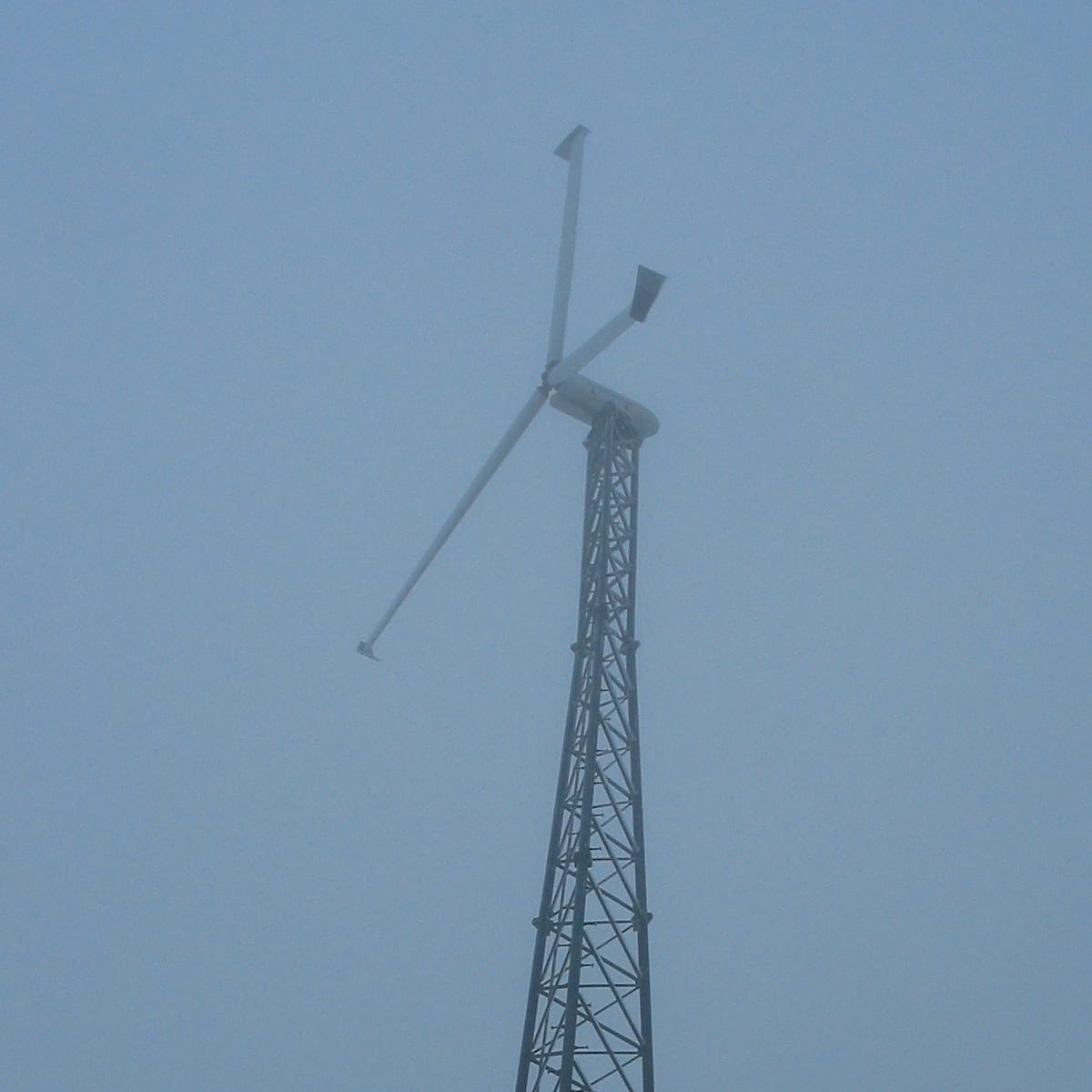
- Enertech Wind Turbine, 1984 - In the 1980s Enertech grew to be a leading producer of wind turbines--in an industry fast becoming dominated by European companies. This particular unit was one of 8 installed in Princeton, Massachusetts. The Princeton wind farm, which began operation in September 1984, grew from the community's eagerness to explore alternatives to buying power generated by the Seabrook, New Hampshire, nuclear facility.
- 1984
- Collections - Artifact
Enertech Wind Turbine, 1984
In the 1980s Enertech grew to be a leading producer of wind turbines--in an industry fast becoming dominated by European companies. This particular unit was one of 8 installed in Princeton, Massachusetts. The Princeton wind farm, which began operation in September 1984, grew from the community's eagerness to explore alternatives to buying power generated by the Seabrook, New Hampshire, nuclear facility.
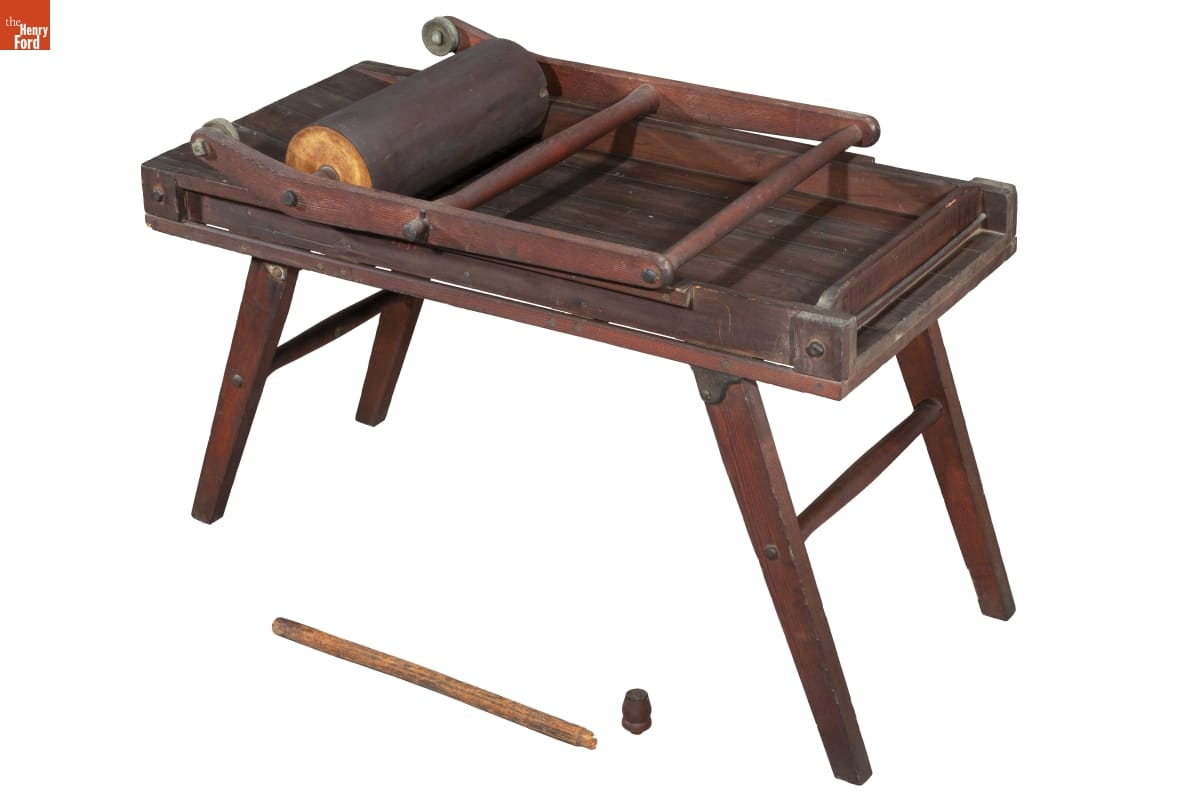
- Eureka Butter Worker No. 1, circa 1885 -
- circa 1885
- Collections - Artifact
Eureka Butter Worker No. 1, circa 1885
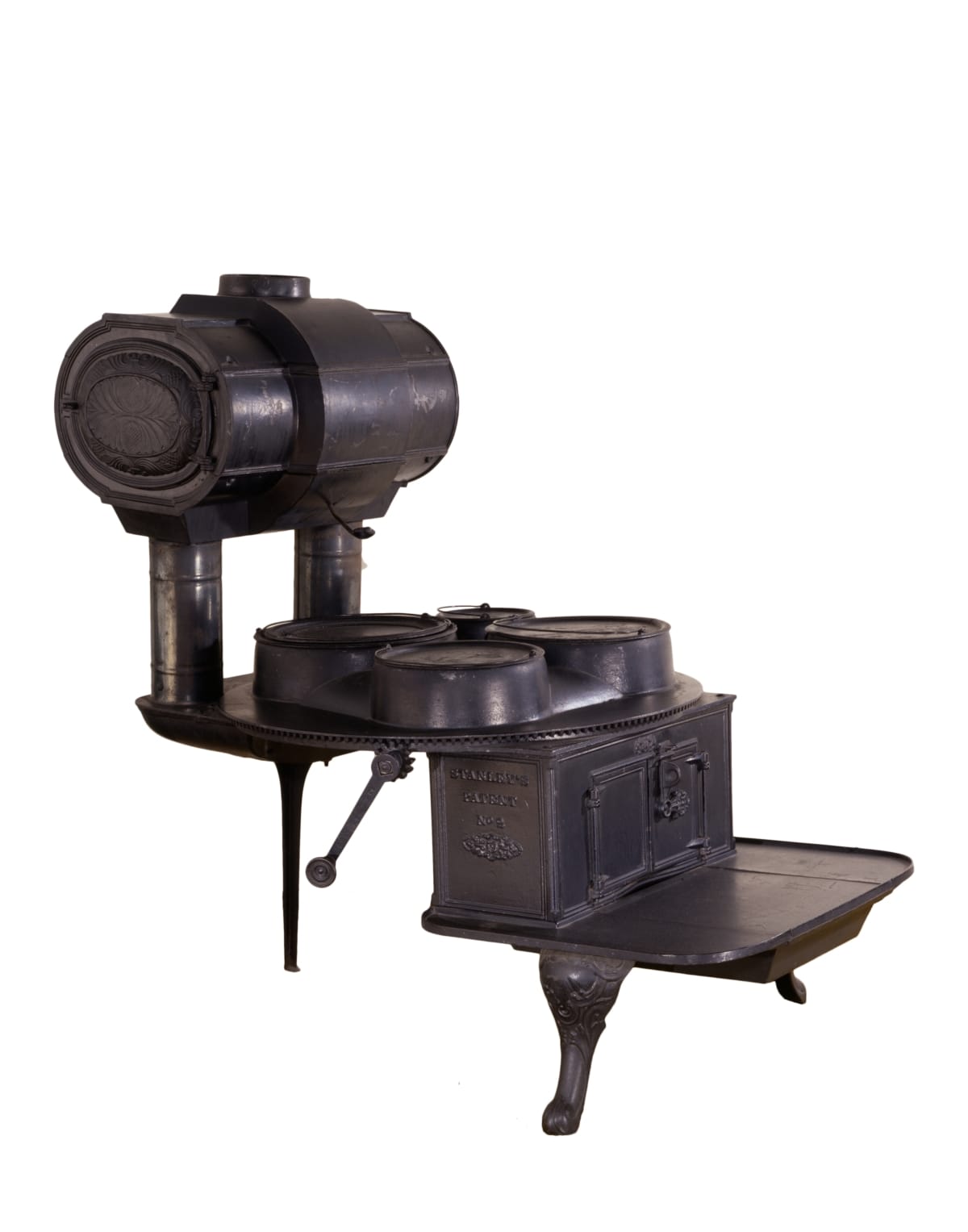
- Stanley Cookstove, 1832-1838 - When cooking in a fireplace, a woman could adeptly adjust cooking temperature by moving food closer to or farther away from the fire. Controlling heat distribution on early cast iron stoves proved a bigger challenge. Henry Stanley offered this solution: a cookstove with a revolving stovetop to rotate food directly over or away from the firebox.
- 1832-1838
- Collections - Artifact
Stanley Cookstove, 1832-1838
When cooking in a fireplace, a woman could adeptly adjust cooking temperature by moving food closer to or farther away from the fire. Controlling heat distribution on early cast iron stoves proved a bigger challenge. Henry Stanley offered this solution: a cookstove with a revolving stovetop to rotate food directly over or away from the firebox.
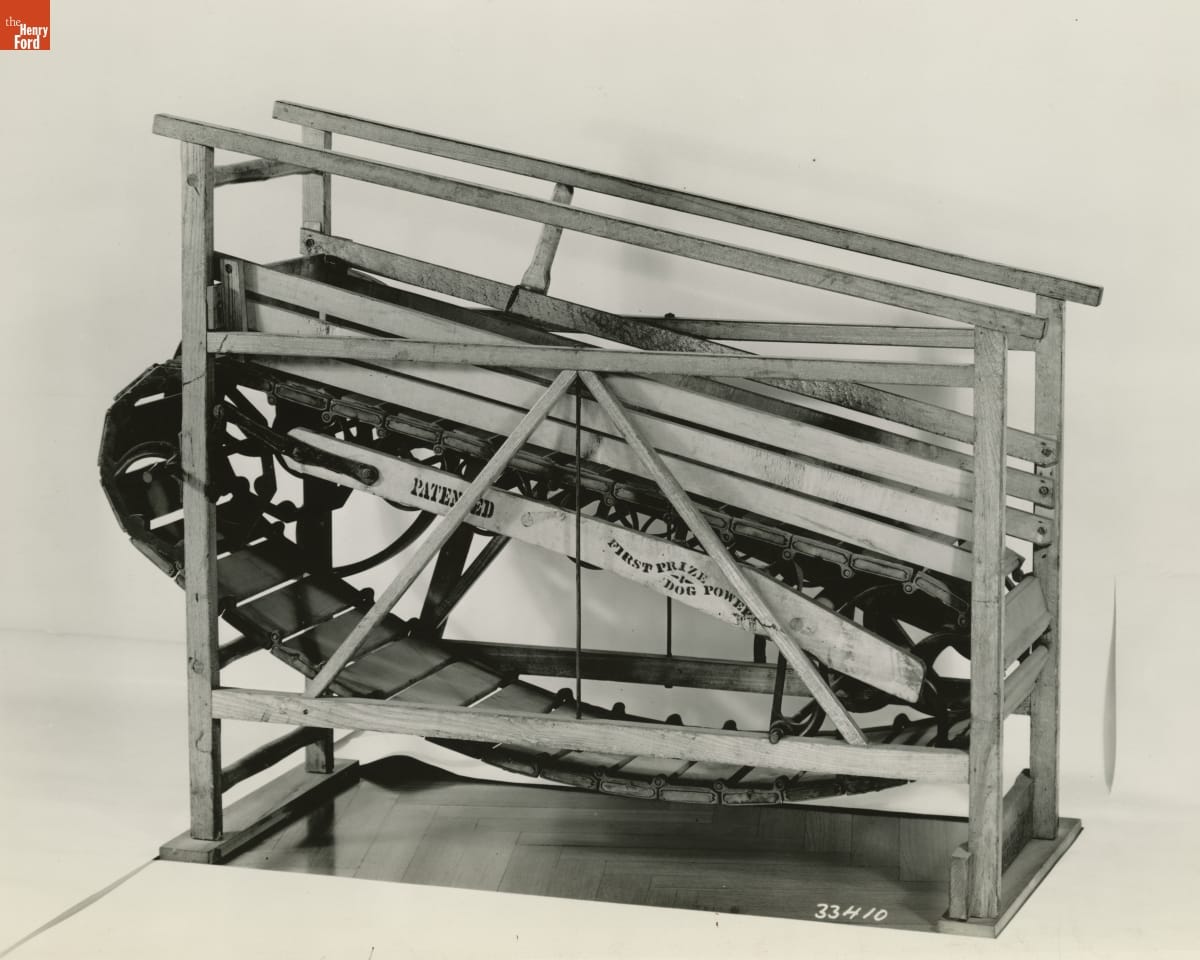
- Small Animal Tread Power, circa 1898 - As farmers mechanized barn and farmyard work in the nineteenth century, they began to use stationary power sources. Some invested in animal treadmills, which used the same "endless belt" concept as modern exercise treadmills to convert animals' movement into power for a range of agricultural machinery. This version, designed for dogs, goats, or sheep, could run small machines like butter churns or cream separators.
- circa 1898
- Collections - Artifact
Small Animal Tread Power, circa 1898
As farmers mechanized barn and farmyard work in the nineteenth century, they began to use stationary power sources. Some invested in animal treadmills, which used the same "endless belt" concept as modern exercise treadmills to convert animals' movement into power for a range of agricultural machinery. This version, designed for dogs, goats, or sheep, could run small machines like butter churns or cream separators.
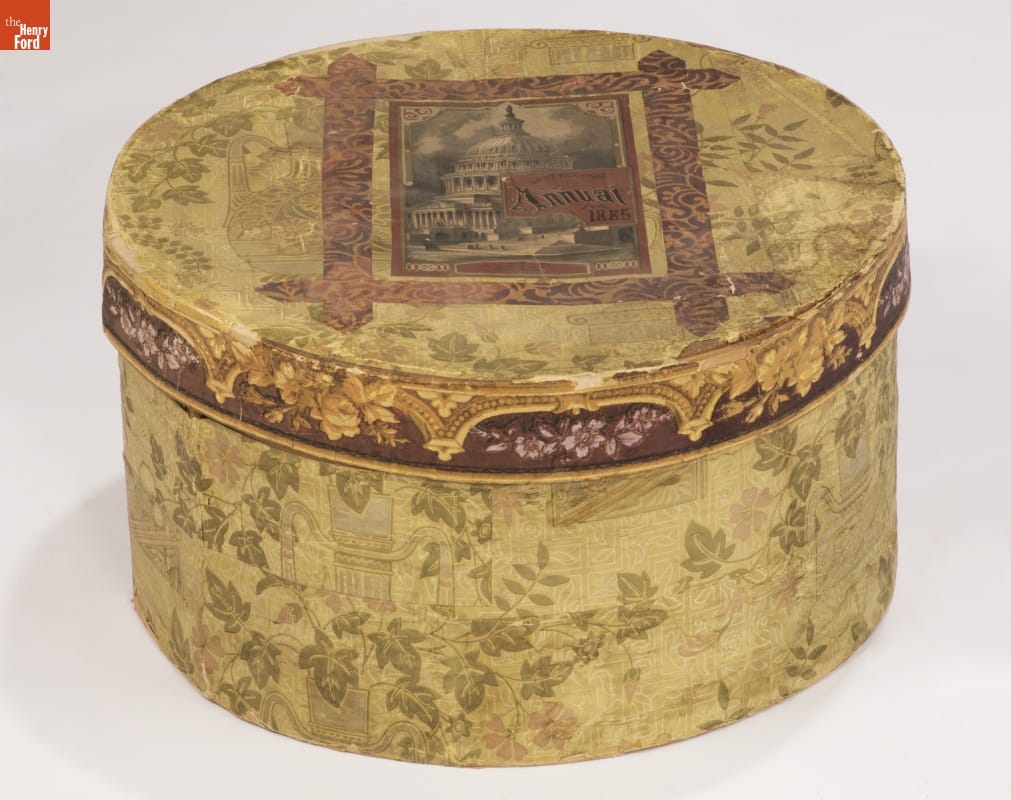
- Bandbox, 1887 -
- 1887
- Collections - Artifact
Bandbox, 1887
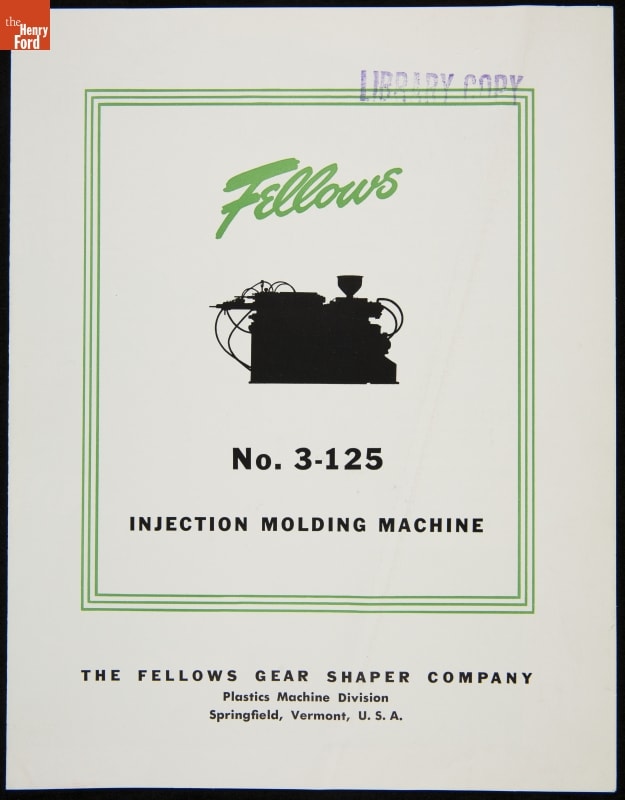
- Fellows No. 3-125 Injection Molding Machine, circa 1961 -
- circa 1961
- Collections - Artifact
Fellows No. 3-125 Injection Molding Machine, circa 1961
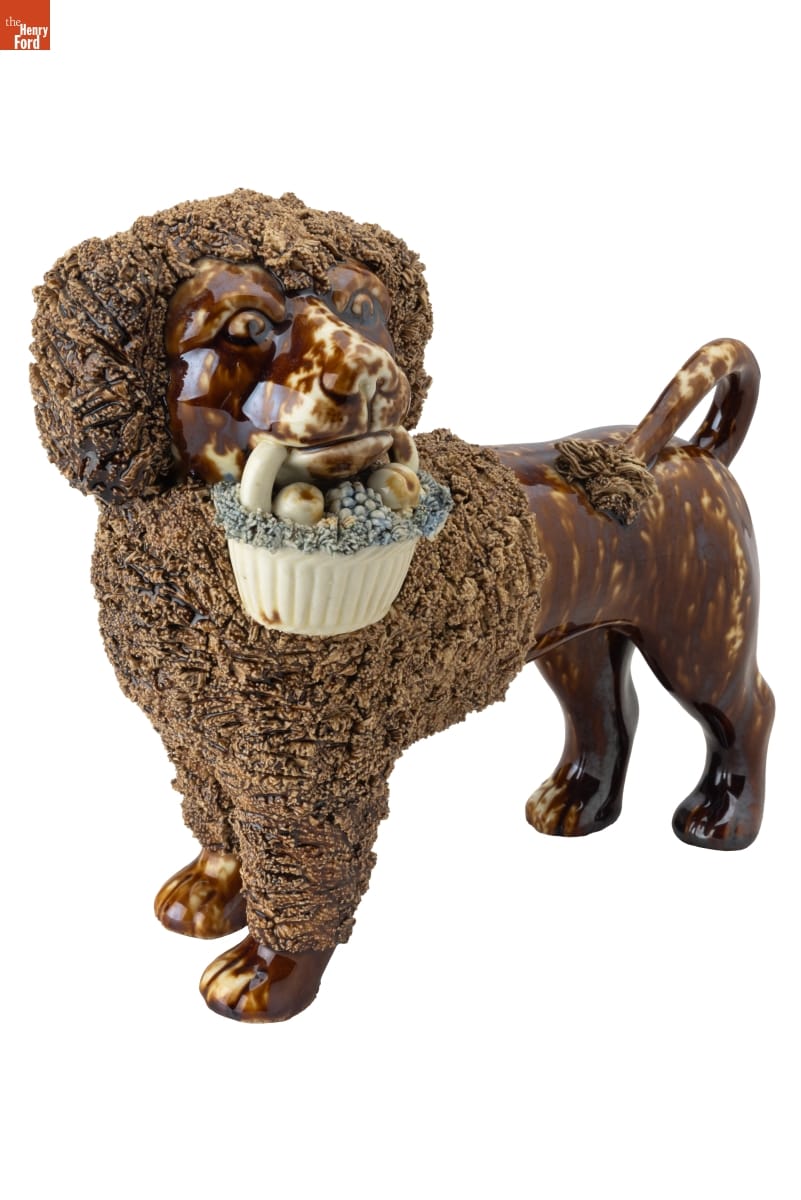
- Poodle, 1845-1860 -
- 1845-1860
- Collections - Artifact
Poodle, 1845-1860
- Poodle, 1845-1860 -
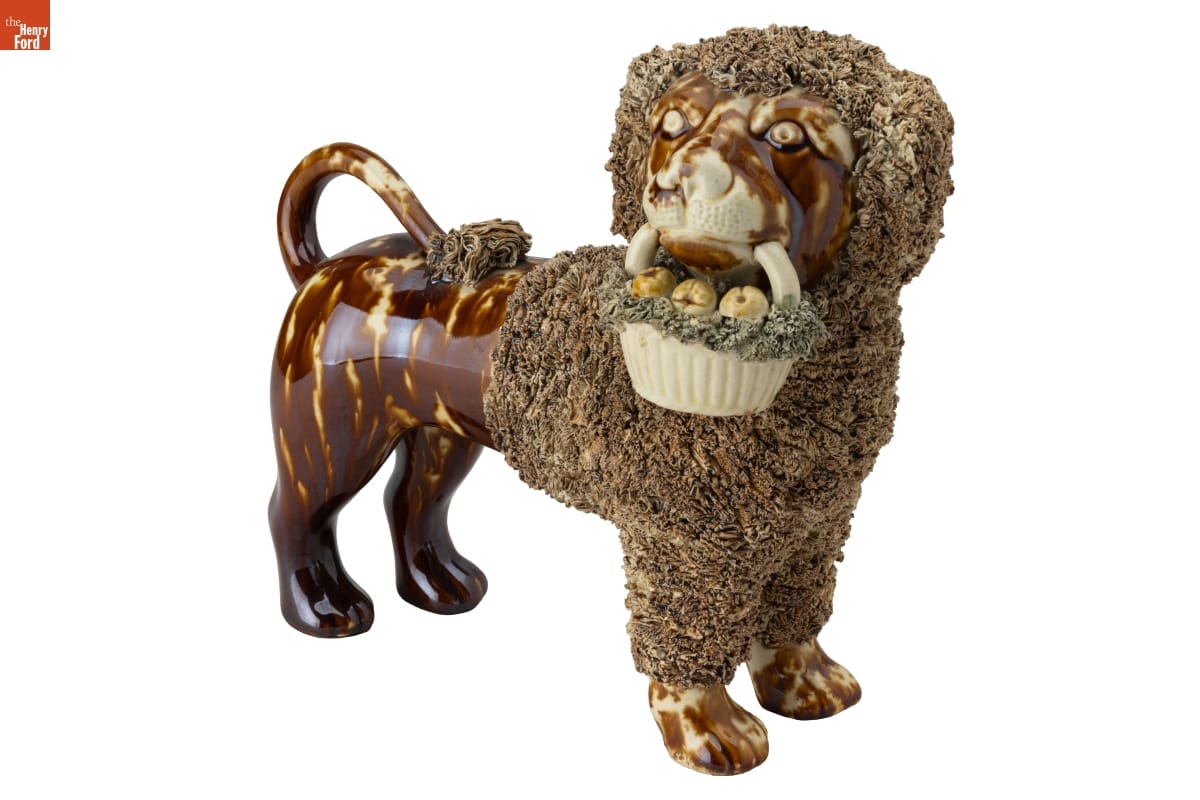
- 1845-1860
- Collections - Artifact
Poodle, 1845-1860
- Wooden Doll, 1880-1885 -
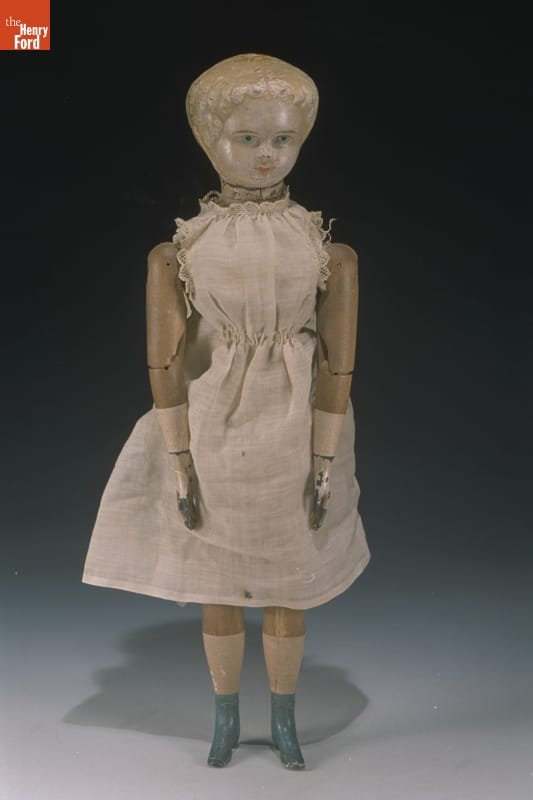
- 1880-1885
- Collections - Artifact
Wooden Doll, 1880-1885