
Search
- Parker-Davis Campaign Button, 1904 - The Democrats nominated New Yorker Alton B. Parker for president in 1904. Parker never distinguished his political views from those of his Republican opponent during the campaign. This did not bode well for the virtually unknown Democratic candidate. Parker and his running mate, Henry Davis, lost to Theodore Roosevelt, the popular and energetic incumbent.
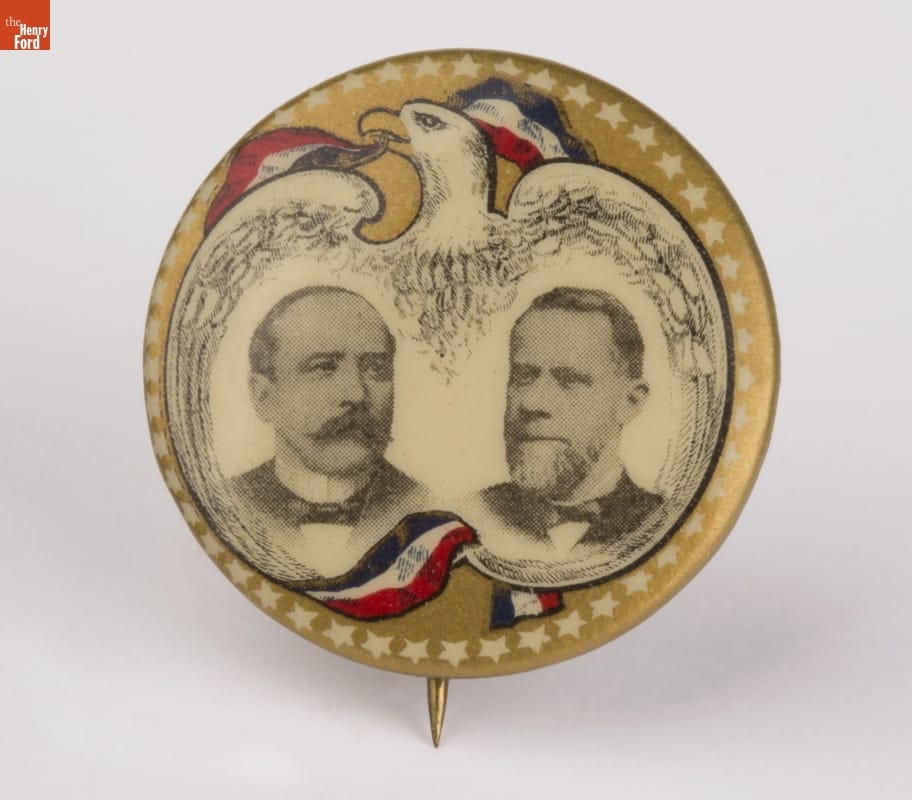
- 1904
- Collections - Artifact
Parker-Davis Campaign Button, 1904
The Democrats nominated New Yorker Alton B. Parker for president in 1904. Parker never distinguished his political views from those of his Republican opponent during the campaign. This did not bode well for the virtually unknown Democratic candidate. Parker and his running mate, Henry Davis, lost to Theodore Roosevelt, the popular and energetic incumbent.
- Parker-Davis Campaign Button, 1904 - The Democrats nominated New Yorker Alton B. Parker for president in 1904. Parker never distinguished his political views from those of his Republican opponent during the campaign. This did not bode well for the virtually unknown Democratic candidate. Parker and his running mate, Henry Davis, lost to Theodore Roosevelt, the popular and energetic incumbent.
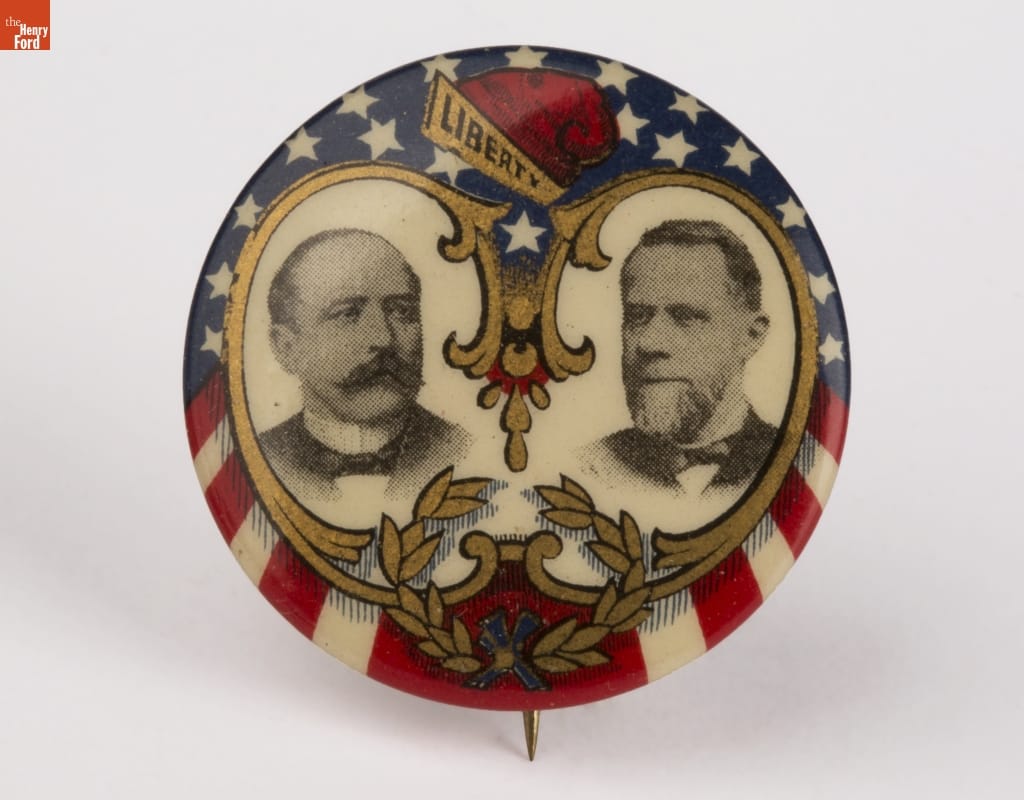
- 1904
- Collections - Artifact
Parker-Davis Campaign Button, 1904
The Democrats nominated New Yorker Alton B. Parker for president in 1904. Parker never distinguished his political views from those of his Republican opponent during the campaign. This did not bode well for the virtually unknown Democratic candidate. Parker and his running mate, Henry Davis, lost to Theodore Roosevelt, the popular and energetic incumbent.
- Parker-Davis Campaign Button, 1904 - The Democrats nominated New Yorker Alton B. Parker for president in 1904. Parker never distinguished his political views from those of his Republican opponent during the campaign. This did not bode well for the virtually unknown Democratic candidate. Parker and his running mate, Henry Davis, lost to Theodore Roosevelt, the popular and energetic incumbent.
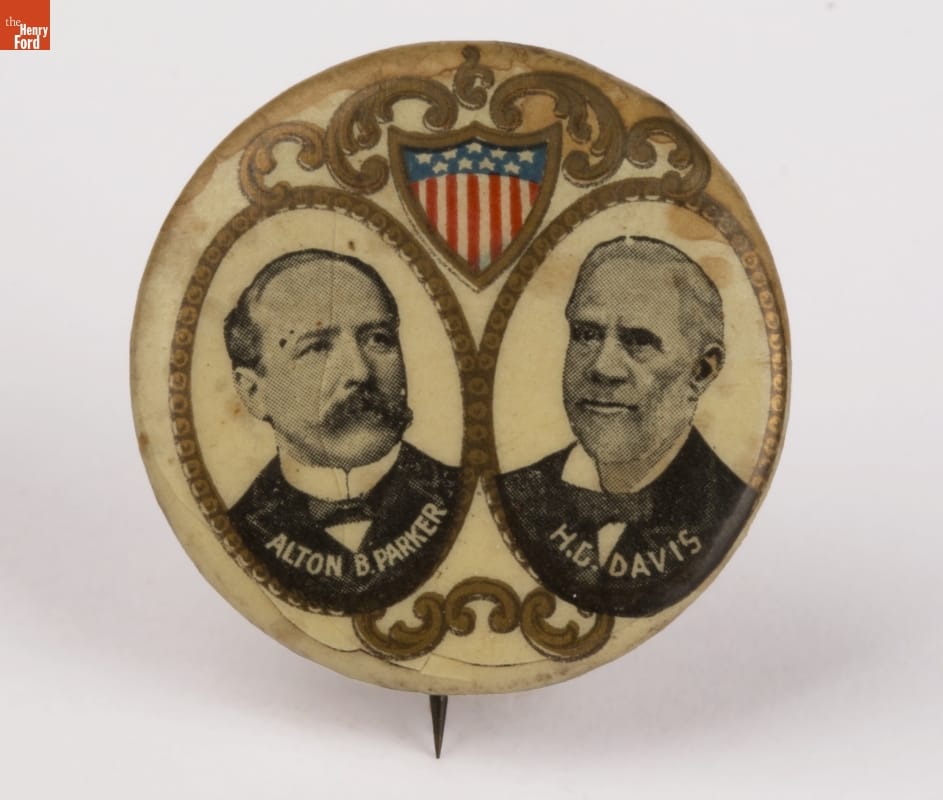
- 1904
- Collections - Artifact
Parker-Davis Campaign Button, 1904
The Democrats nominated New Yorker Alton B. Parker for president in 1904. Parker never distinguished his political views from those of his Republican opponent during the campaign. This did not bode well for the virtually unknown Democratic candidate. Parker and his running mate, Henry Davis, lost to Theodore Roosevelt, the popular and energetic incumbent.
- Parker-Davis Campaign Button, 1904 - The Democrats nominated New Yorker Alton B. Parker for president in 1904. Parker never distinguished his political views from those of his Republican opponent during the campaign. This did not bode well for the virtually unknown Democratic candidate. Parker and his running mate, Henry Davis, lost to Theodore Roosevelt, the popular and energetic incumbent.
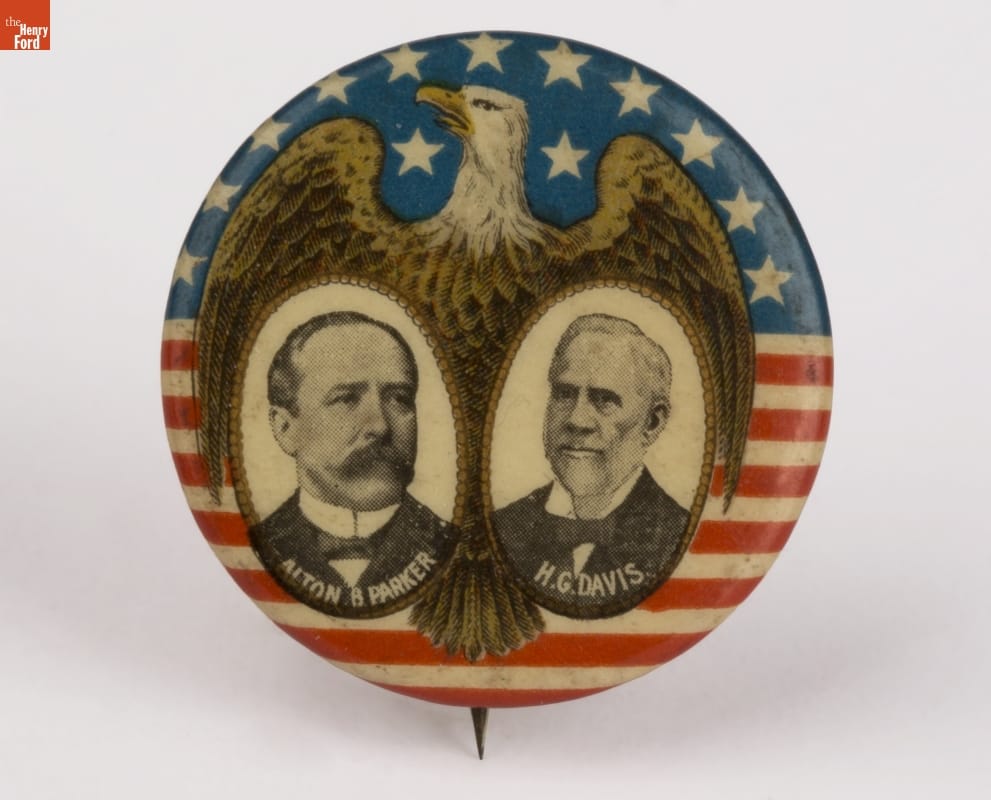
- 1904
- Collections - Artifact
Parker-Davis Campaign Button, 1904
The Democrats nominated New Yorker Alton B. Parker for president in 1904. Parker never distinguished his political views from those of his Republican opponent during the campaign. This did not bode well for the virtually unknown Democratic candidate. Parker and his running mate, Henry Davis, lost to Theodore Roosevelt, the popular and energetic incumbent.
- Wilson-Marshall Campaign Button, 1912-1916 - Democrat Woodrow Wilson was elected president in 1912 and 1916. Party officials chose Indiana governor Thomas Marshall as his running mate each time. The pair did not work well together. The intellectual, activist Wilson rarely consulted with his unassuming yet genial vice president. Marshall remained distant from the White House throughout Wilson's term in office, even after the president suffered a debilitating stroke.
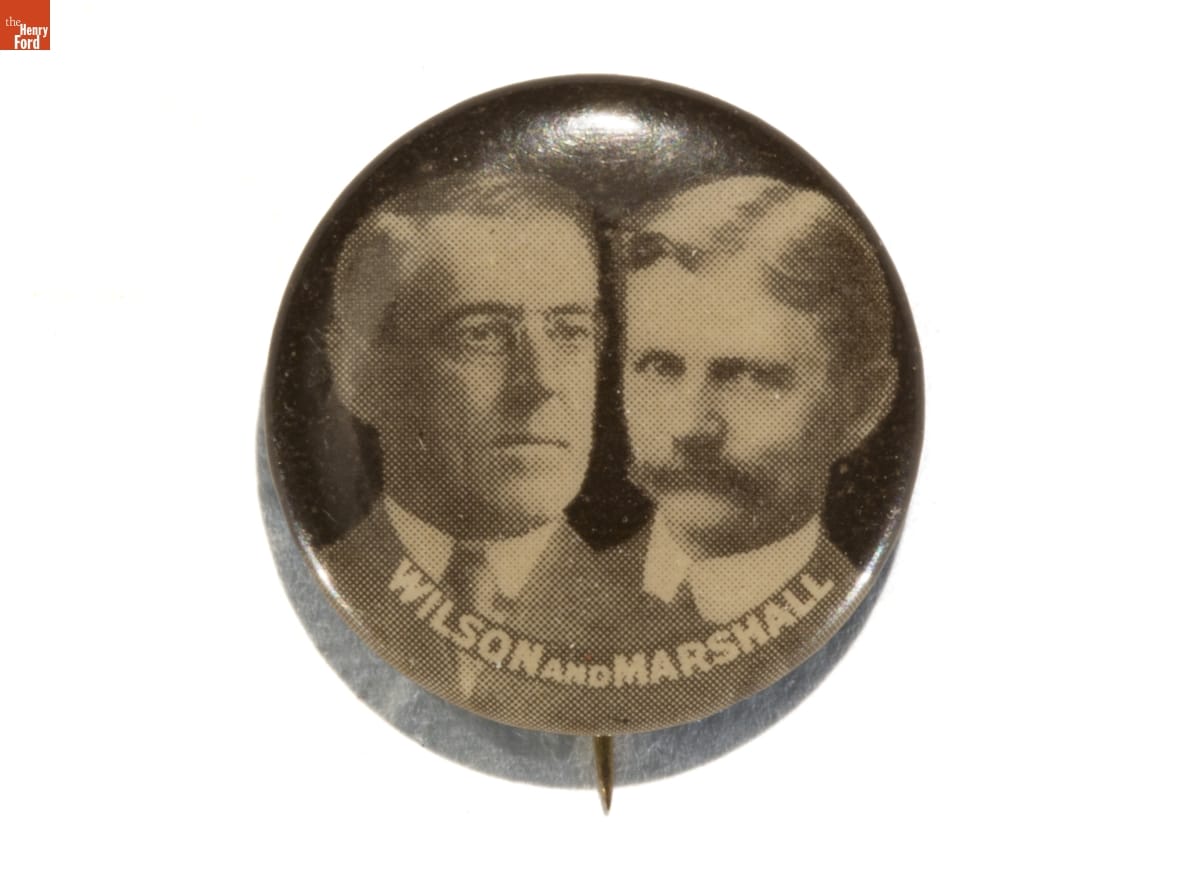
- 1912-1916
- Collections - Artifact
Wilson-Marshall Campaign Button, 1912-1916
Democrat Woodrow Wilson was elected president in 1912 and 1916. Party officials chose Indiana governor Thomas Marshall as his running mate each time. The pair did not work well together. The intellectual, activist Wilson rarely consulted with his unassuming yet genial vice president. Marshall remained distant from the White House throughout Wilson's term in office, even after the president suffered a debilitating stroke.
- Parker-Davis Campaign Button, 1904 - The Democrats nominated New Yorker Alton B. Parker for president in 1904. Parker never distinguished his political views from those of his Republican opponent during the campaign. This did not bode well for the virtually unknown Democratic candidate. Parker and his running mate, Henry Davis, lost to Theodore Roosevelt, the popular and energetic incumbent.
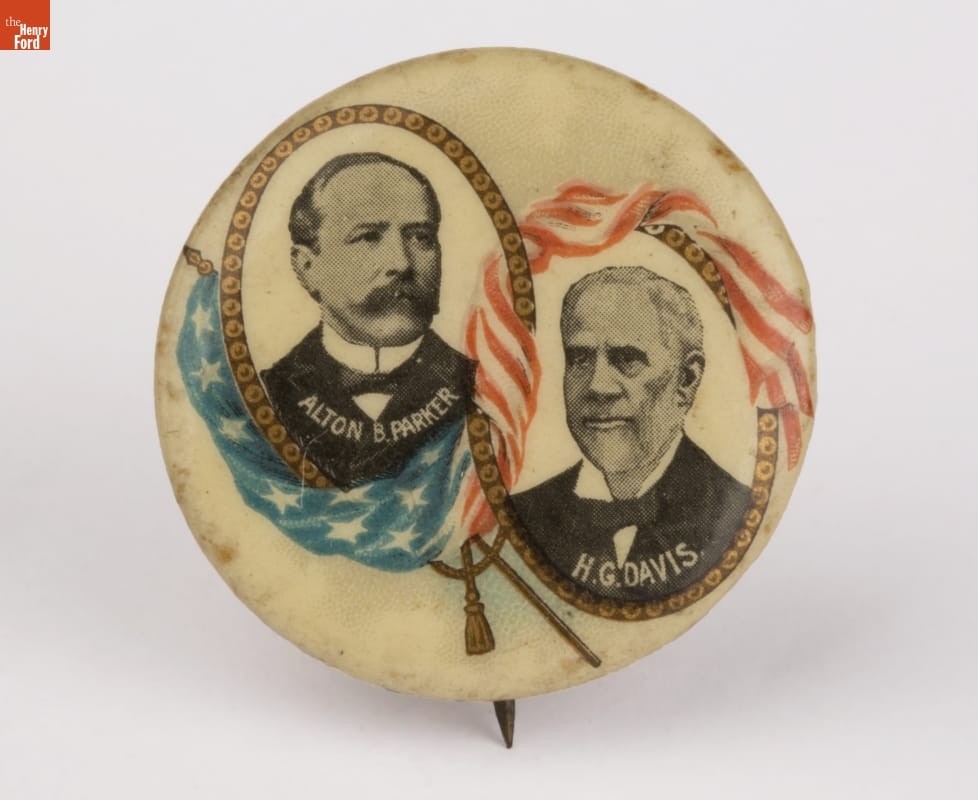
- 1904
- Collections - Artifact
Parker-Davis Campaign Button, 1904
The Democrats nominated New Yorker Alton B. Parker for president in 1904. Parker never distinguished his political views from those of his Republican opponent during the campaign. This did not bode well for the virtually unknown Democratic candidate. Parker and his running mate, Henry Davis, lost to Theodore Roosevelt, the popular and energetic incumbent.
- Recipe Booklet, "Borden's Eagle Brand: 70 Magic Recipes," circa 1961 - Before the invention of pasteurized milk, fresh milk was often unsafe to drink, as it soured quickly. After experimenting with ways to preserve milk, Gail Borden introduced Eagle Brand Sweetened Condensed Milk in 1856. What was advertised as nourishment for young children soon gained popularity as a baking and cooking ingredient. This booklet from 1961 features recipes for desserts and confections using Eagle Brand Condensed Milk.
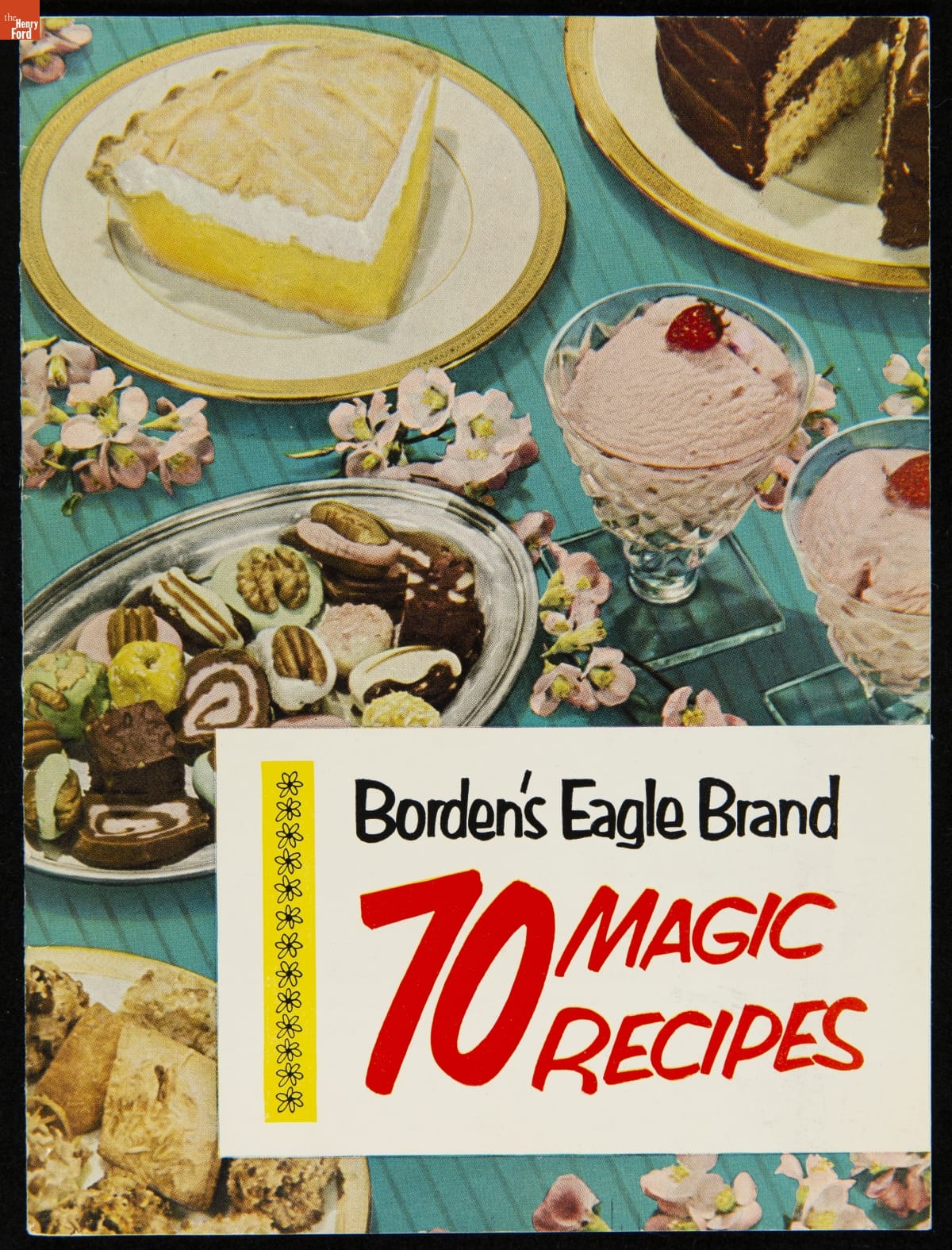
- circa 1961
- Collections - Artifact
Recipe Booklet, "Borden's Eagle Brand: 70 Magic Recipes," circa 1961
Before the invention of pasteurized milk, fresh milk was often unsafe to drink, as it soured quickly. After experimenting with ways to preserve milk, Gail Borden introduced Eagle Brand Sweetened Condensed Milk in 1856. What was advertised as nourishment for young children soon gained popularity as a baking and cooking ingredient. This booklet from 1961 features recipes for desserts and confections using Eagle Brand Condensed Milk.
- Taft-Sherman Campaign Button, 1908-1912 - Republican William Howard Taft ran for president twice, in 1908 and 1912. Taft had the support of his friend President Theodore Roosevelt in 1908 and easily won. But by 1912 their friendship had ended. Roosevelt challenged Taft for the Republican nomination, then bolted from the Party after Taft secured enough delegates. The rift allowed Democrat Woodrow Wilson to sweep into the White House.
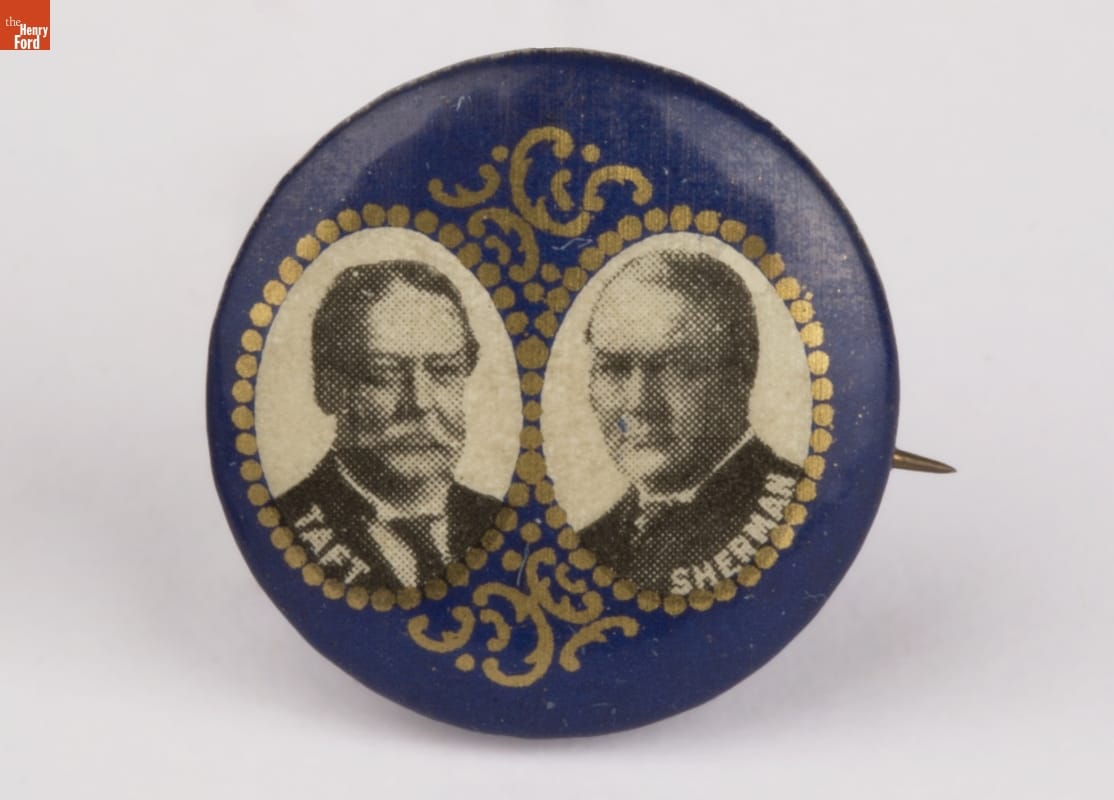
- 1908-1912
- Collections - Artifact
Taft-Sherman Campaign Button, 1908-1912
Republican William Howard Taft ran for president twice, in 1908 and 1912. Taft had the support of his friend President Theodore Roosevelt in 1908 and easily won. But by 1912 their friendship had ended. Roosevelt challenged Taft for the Republican nomination, then bolted from the Party after Taft secured enough delegates. The rift allowed Democrat Woodrow Wilson to sweep into the White House.
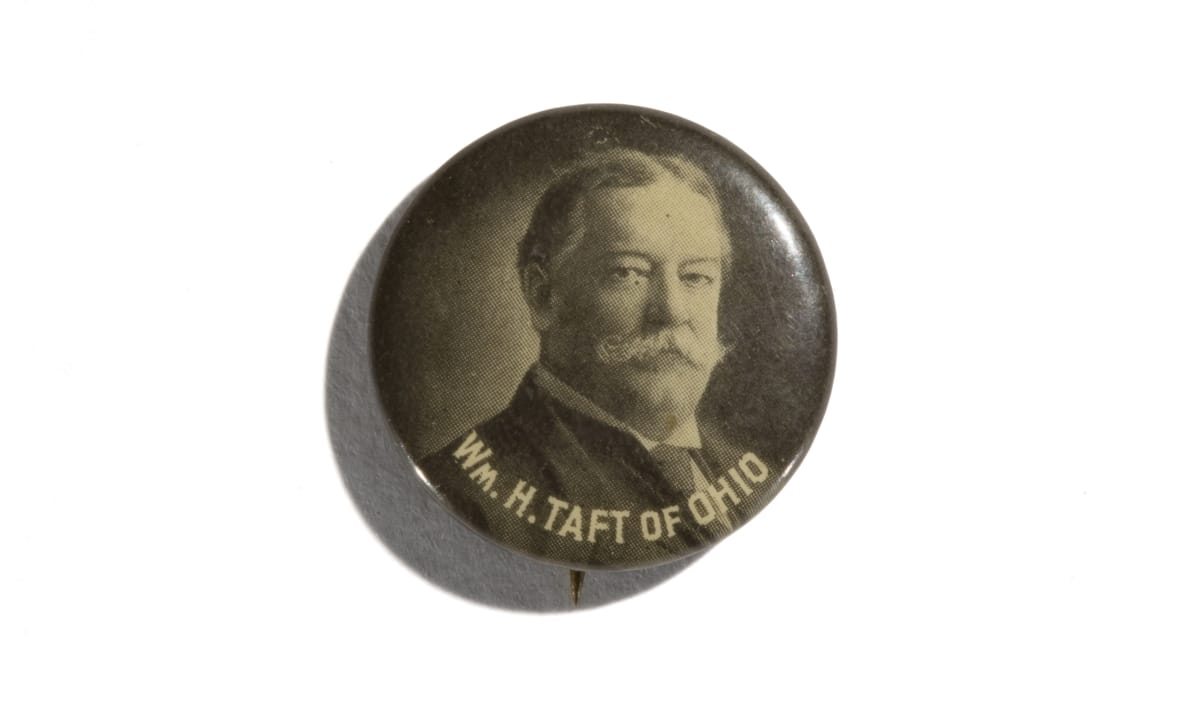
- William H. Taft Campaign Button, 1908-1912 - Republican William Howard Taft ran for president twice, in 1908 and 1912. Taft had the support of his friend President Theodore Roosevelt in 1908 and easily won. But by 1912 their friendship had ended. Roosevelt challenged Taft for the Republican nomination, then bolted from the Party after Taft secured enough delegates. The rift allowed Democrat Woodrow Wilson to sweep into the White House.
- 1908-1912
- Collections - Artifact
William H. Taft Campaign Button, 1908-1912
Republican William Howard Taft ran for president twice, in 1908 and 1912. Taft had the support of his friend President Theodore Roosevelt in 1908 and easily won. But by 1912 their friendship had ended. Roosevelt challenged Taft for the Republican nomination, then bolted from the Party after Taft secured enough delegates. The rift allowed Democrat Woodrow Wilson to sweep into the White House.
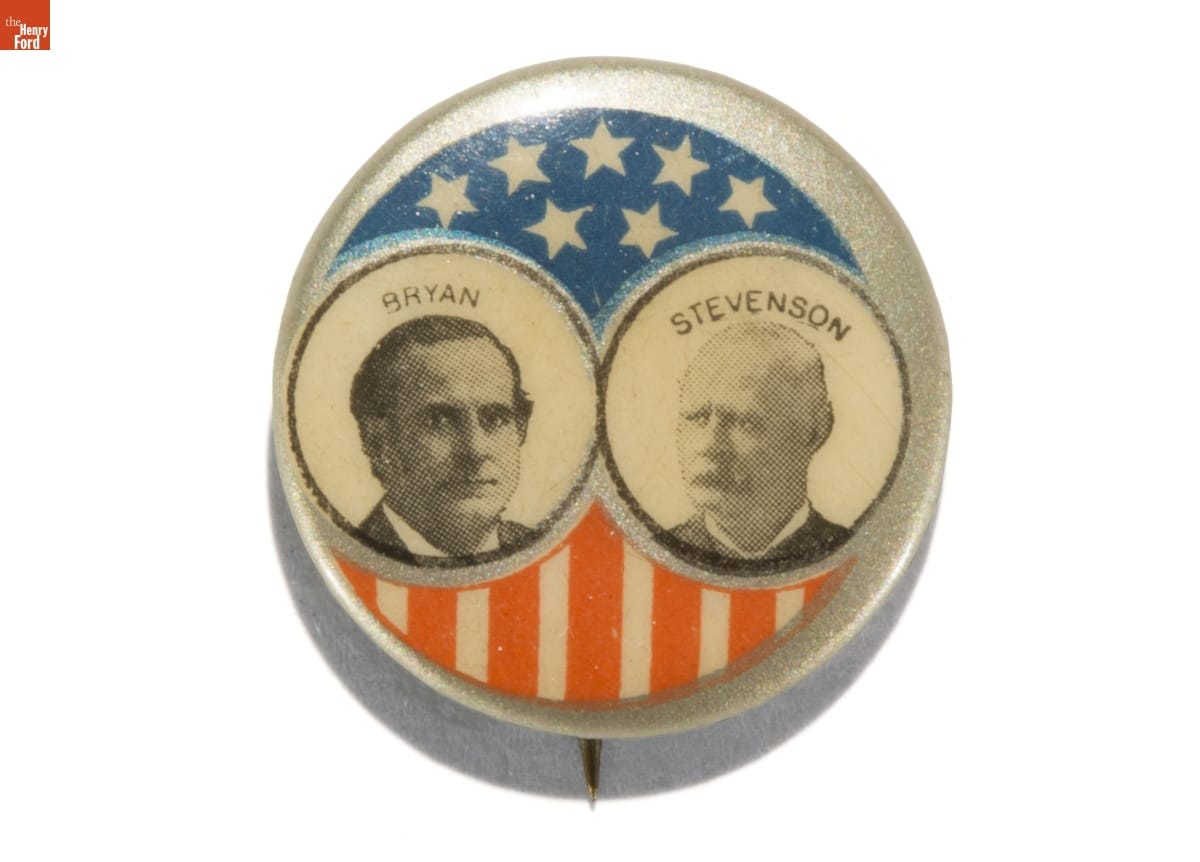
- Bryan-Stevenson Campaign Button, 1900 - In 1900, Democrat William Jennings Bryan made his second bid for the Presidency. His running mate was Adlai Stevenson, a longtime Democrat. Bryan continued to campaign for "Free Silver" (an economic issue from his 1896 campaign) but also spoke out against American imperial expansion. The Bryan-Stevenson ticket lost to Republicans William McKinley and Theodore Roosevelt.
- 1900
- Collections - Artifact
Bryan-Stevenson Campaign Button, 1900
In 1900, Democrat William Jennings Bryan made his second bid for the Presidency. His running mate was Adlai Stevenson, a longtime Democrat. Bryan continued to campaign for "Free Silver" (an economic issue from his 1896 campaign) but also spoke out against American imperial expansion. The Bryan-Stevenson ticket lost to Republicans William McKinley and Theodore Roosevelt.