
Search
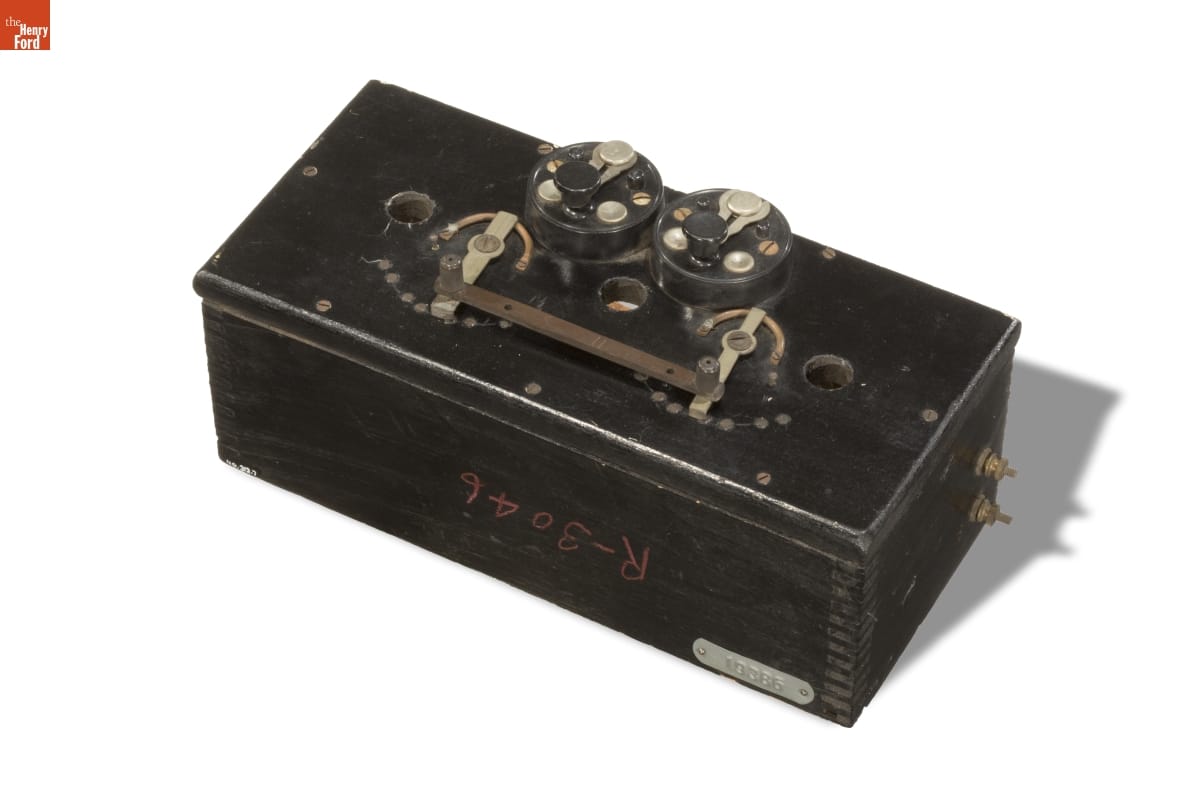
- Homemade Audion Control Box, Used by Charles Apgar, 1915 - In 1915, amateur radio operator Charles Apgar detected coded messages being transmitted by German employees at Sayville Wireless Station, New Jersey. Apgar invented a device to capture these messages onto Edison wax cylinders--the earliest recordings of radio signals. National security was a major concern due to WWI, and Apgar's efforts convinced the U.S. government to seize the Sayville station.
- 1915
- Collections - Artifact
Homemade Audion Control Box, Used by Charles Apgar, 1915
In 1915, amateur radio operator Charles Apgar detected coded messages being transmitted by German employees at Sayville Wireless Station, New Jersey. Apgar invented a device to capture these messages onto Edison wax cylinders--the earliest recordings of radio signals. National security was a major concern due to WWI, and Apgar's efforts convinced the U.S. government to seize the Sayville station.
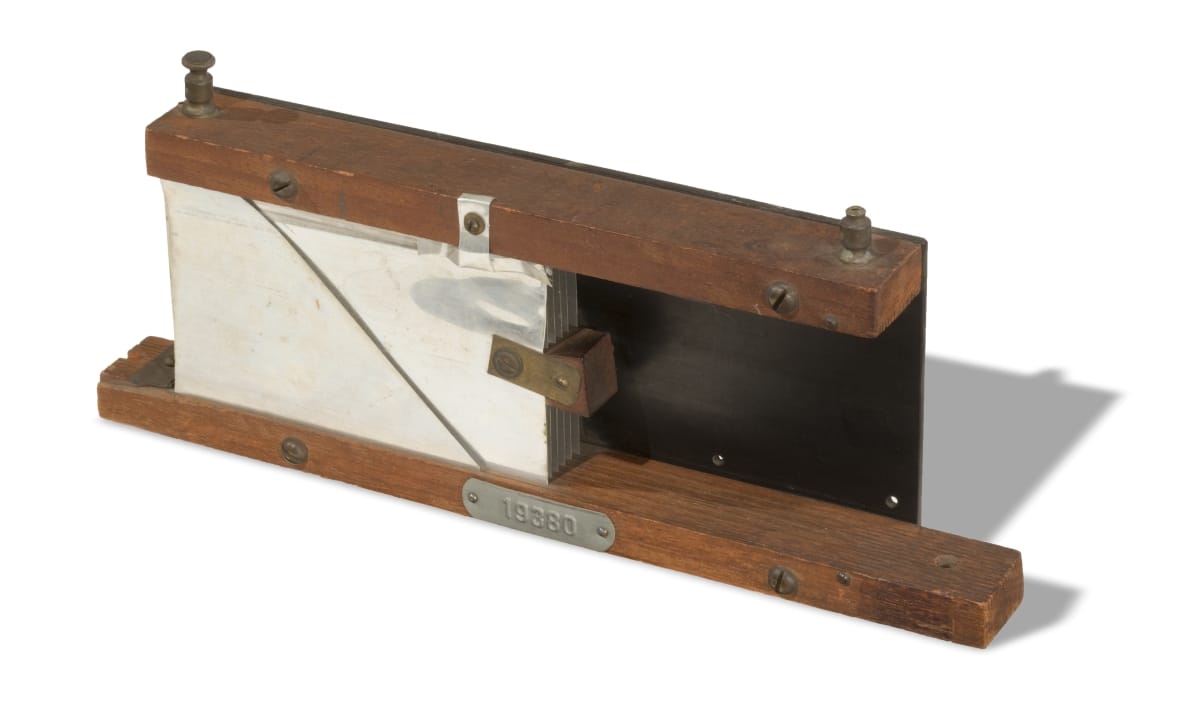
- Homemade Variable Condenser, Used by Charles Apgar, 1915 - In 1915, amateur radio operator Charles Apgar detected coded messages being transmitted by German employees at Sayville Wireless Station, New Jersey. Apgar invented a device to capture these messages onto Edison wax cylinders--the earliest recordings of radio signals. National security was a major concern due to WWI, and Apgar's efforts convinced the U.S. government to seize the Sayville station.
- 1915
- Collections - Artifact
Homemade Variable Condenser, Used by Charles Apgar, 1915
In 1915, amateur radio operator Charles Apgar detected coded messages being transmitted by German employees at Sayville Wireless Station, New Jersey. Apgar invented a device to capture these messages onto Edison wax cylinders--the earliest recordings of radio signals. National security was a major concern due to WWI, and Apgar's efforts convinced the U.S. government to seize the Sayville station.