
Search
- Bausch & Lomb Motion Picture Projector, 1920-1940 -
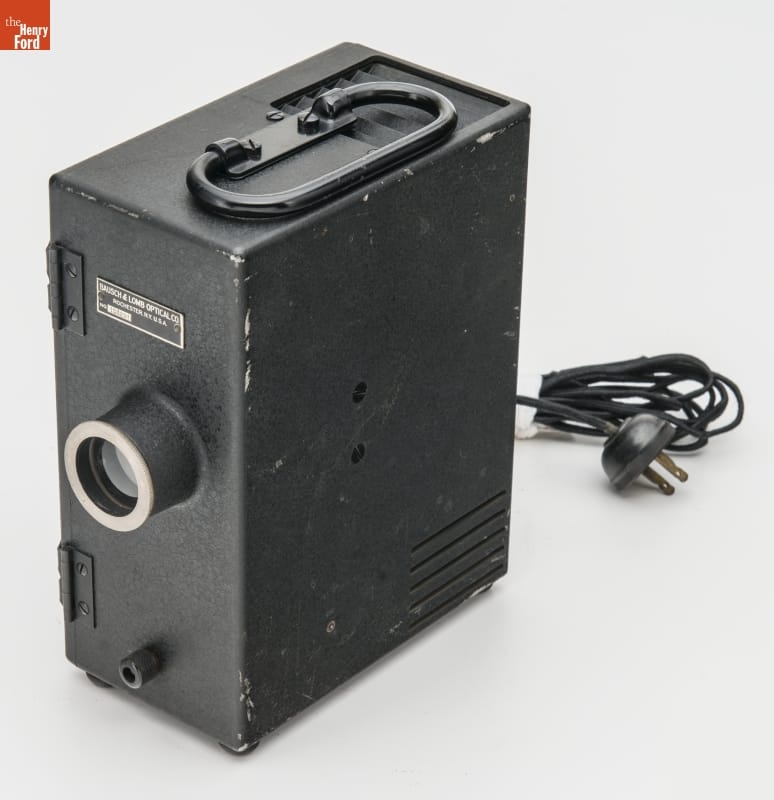
- 1920-1940
- Collections - Artifact
Bausch & Lomb Motion Picture Projector, 1920-1940
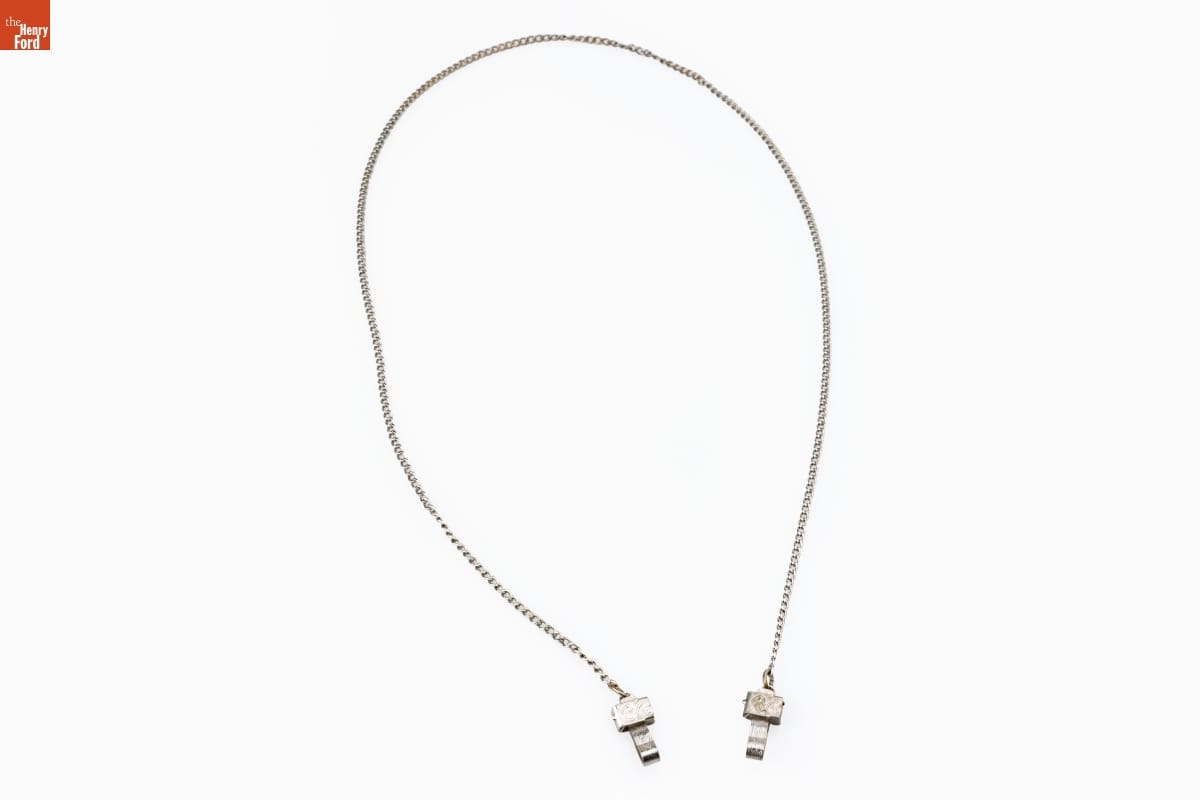
- Eyeglasses Chain Used by Richie Jean Jackson, Selma, Alabama - In 2023, The Henry Ford acquired the Selma, Alabama, home of Dr. Sullivan and Richie Jean Sherrod Jackson, where Dr. Martin Luther King and Civil Rights leaders planned the 1965 Selma-to-Montgomery Voting Rights marches. The Jackson Home opened in Greenfield Village in 2026. The home and its contents not only document the voting rights struggle but also shed light on 20th-century Black American middle-class life.
- Collections - Artifact
Eyeglasses Chain Used by Richie Jean Jackson, Selma, Alabama
In 2023, The Henry Ford acquired the Selma, Alabama, home of Dr. Sullivan and Richie Jean Sherrod Jackson, where Dr. Martin Luther King and Civil Rights leaders planned the 1965 Selma-to-Montgomery Voting Rights marches. The Jackson Home opened in Greenfield Village in 2026. The home and its contents not only document the voting rights struggle but also shed light on 20th-century Black American middle-class life.
- Weno Hawk-Eye No. 3 Camera, Used by Edsel Ford, circa 1904 -
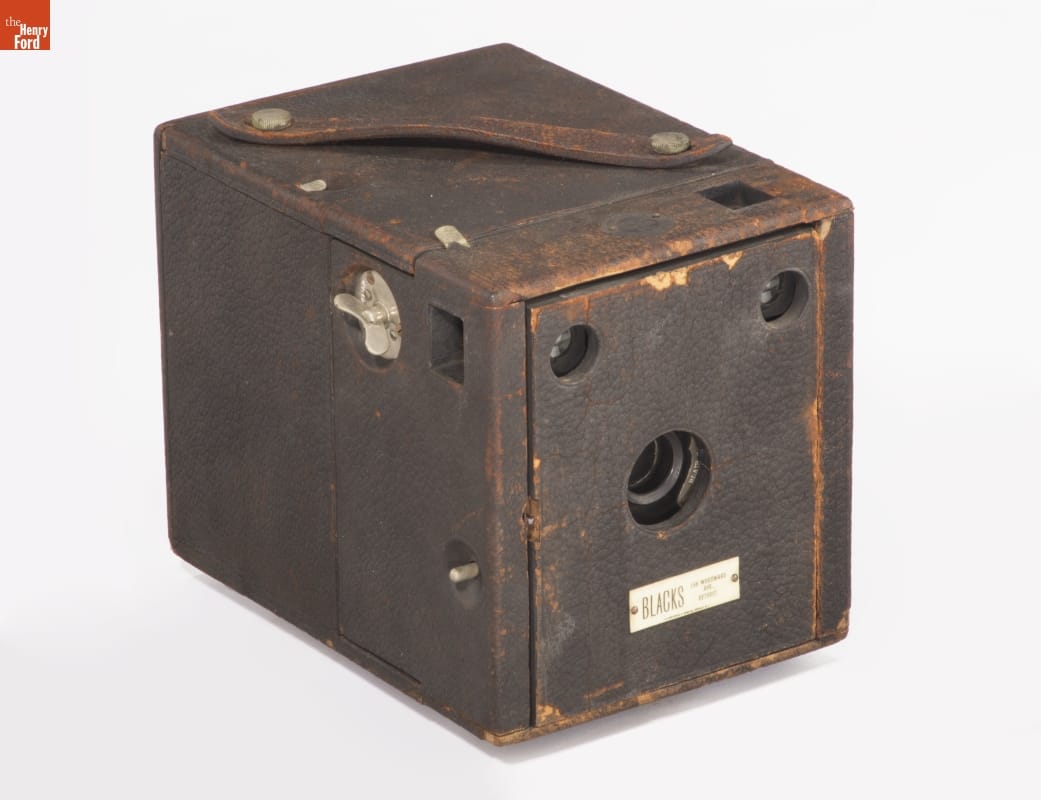
- circa 1904
- Collections - Artifact
Weno Hawk-Eye No. 3 Camera, Used by Edsel Ford, circa 1904
- Kodak No. 3A Folding Autographic Brownie Camera, 1916-1926 - Folding cameras were designed to be portable and rugged. The lens sits at the end of a collapsible bellows system, often adjustable to provide better focus. The camera's back typically contains 120 roll film, with multiple exposures on a roll. Popular from 1900 until the introduction of 35mm film in 1945, many amateur photographers owned cameras like this.
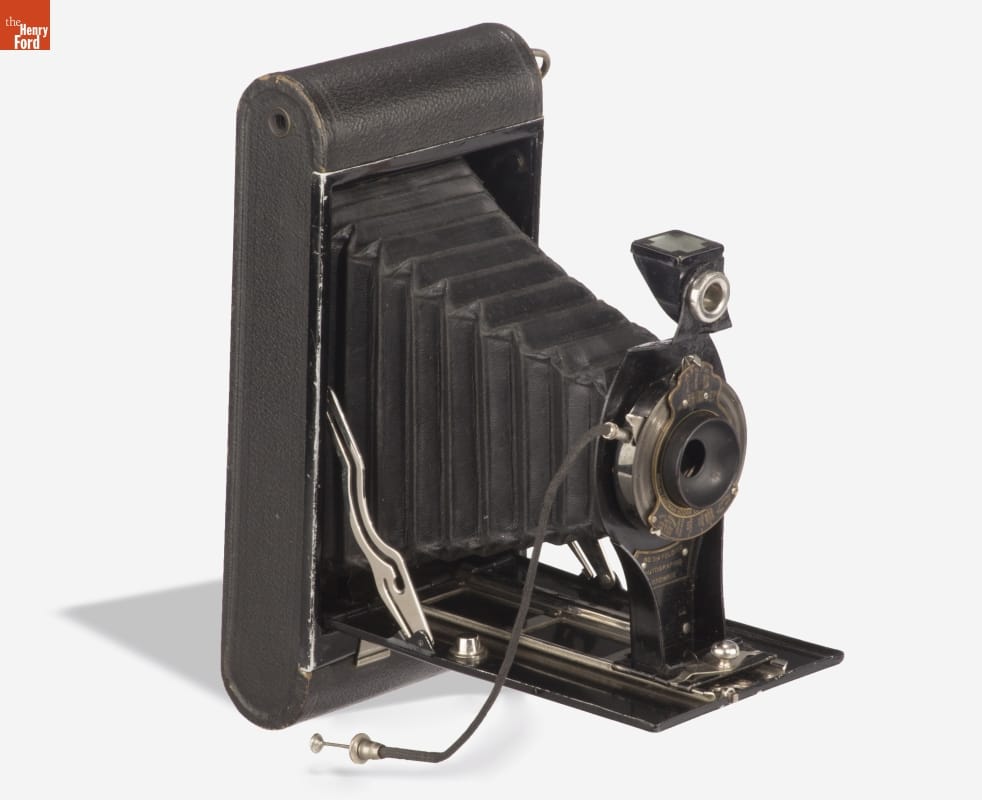
- 1916-1926
- Collections - Artifact
Kodak No. 3A Folding Autographic Brownie Camera, 1916-1926
Folding cameras were designed to be portable and rugged. The lens sits at the end of a collapsible bellows system, often adjustable to provide better focus. The camera's back typically contains 120 roll film, with multiple exposures on a roll. Popular from 1900 until the introduction of 35mm film in 1945, many amateur photographers owned cameras like this.
- Kodak No. 1 Autographic Junior Camera, 1921-1927 -
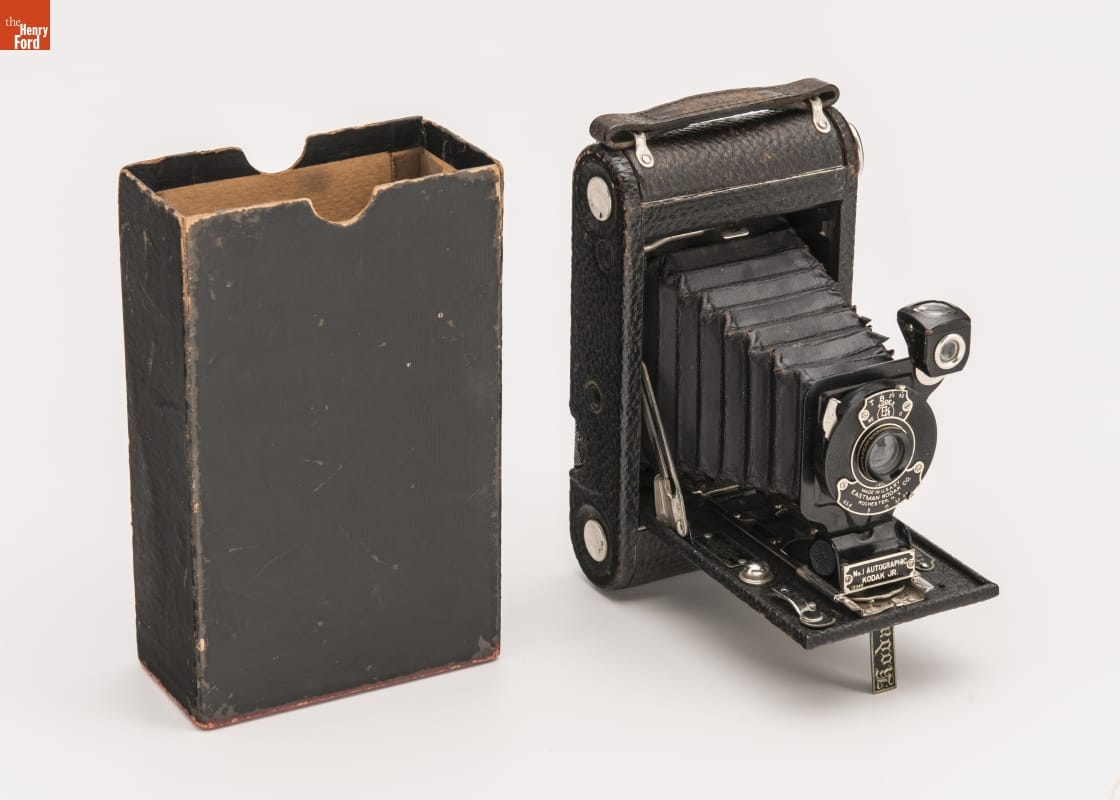
- 1921-1927
- Collections - Artifact
Kodak No. 1 Autographic Junior Camera, 1921-1927
- Kodak No. 3 Folding Pocket Camera, Model H, 1914-1915 - Folding cameras were designed to be portable and rugged. The lens sits at the end of a collapsible bellows system, often adjustable to provide better focus. The camera's back typically contains 120 roll film, with multiple exposures on a roll. Popular from 1900 until the introduction of 35mm film in 1945, many amateur photographers owned cameras like this.
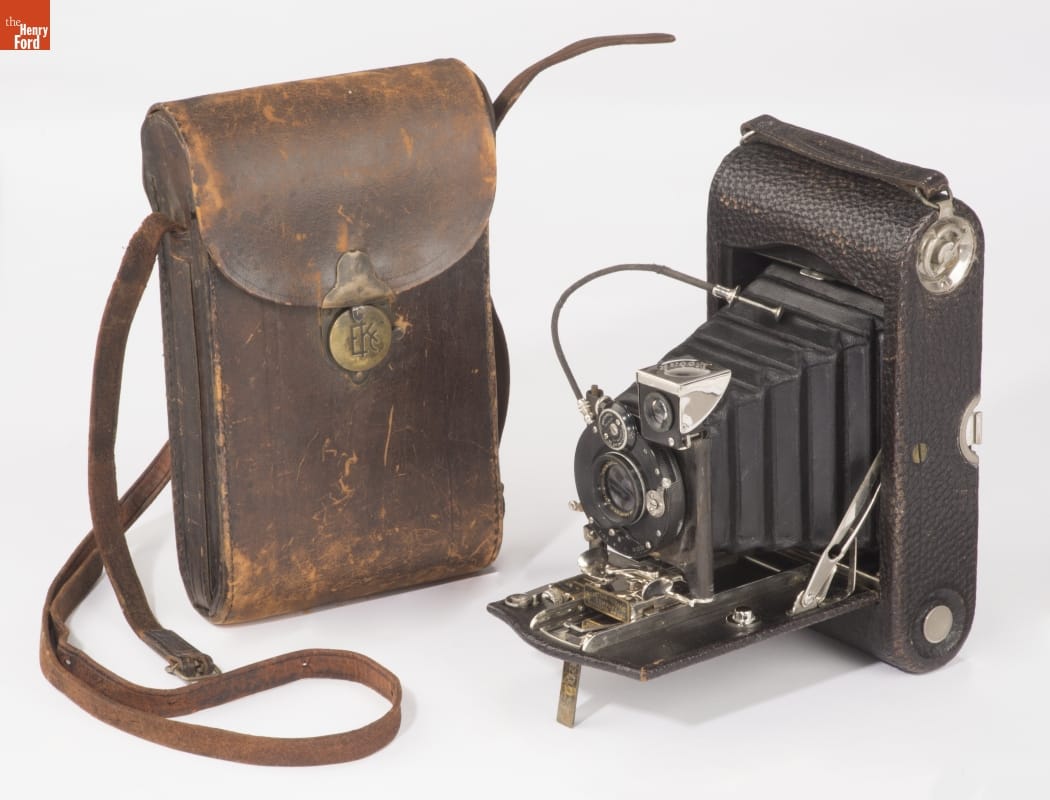
- 1914-1915
- Collections - Artifact
Kodak No. 3 Folding Pocket Camera, Model H, 1914-1915
Folding cameras were designed to be portable and rugged. The lens sits at the end of a collapsible bellows system, often adjustable to provide better focus. The camera's back typically contains 120 roll film, with multiple exposures on a roll. Popular from 1900 until the introduction of 35mm film in 1945, many amateur photographers owned cameras like this.
- Keystone Lantern Slide Projector, circa 1915 - Magic lanterns use a concave mirror and light source to project images on glass slides with painted or photographic scenes. Developed in the 17th century, magic lanterns predate slide projectors and motion pictures. In the hands of magicians, they became "lanterns of fright," projecting wondrous images and apparitions. Slide themes ranged widely: exotic travel, folklore, advertising, history, science, and art.
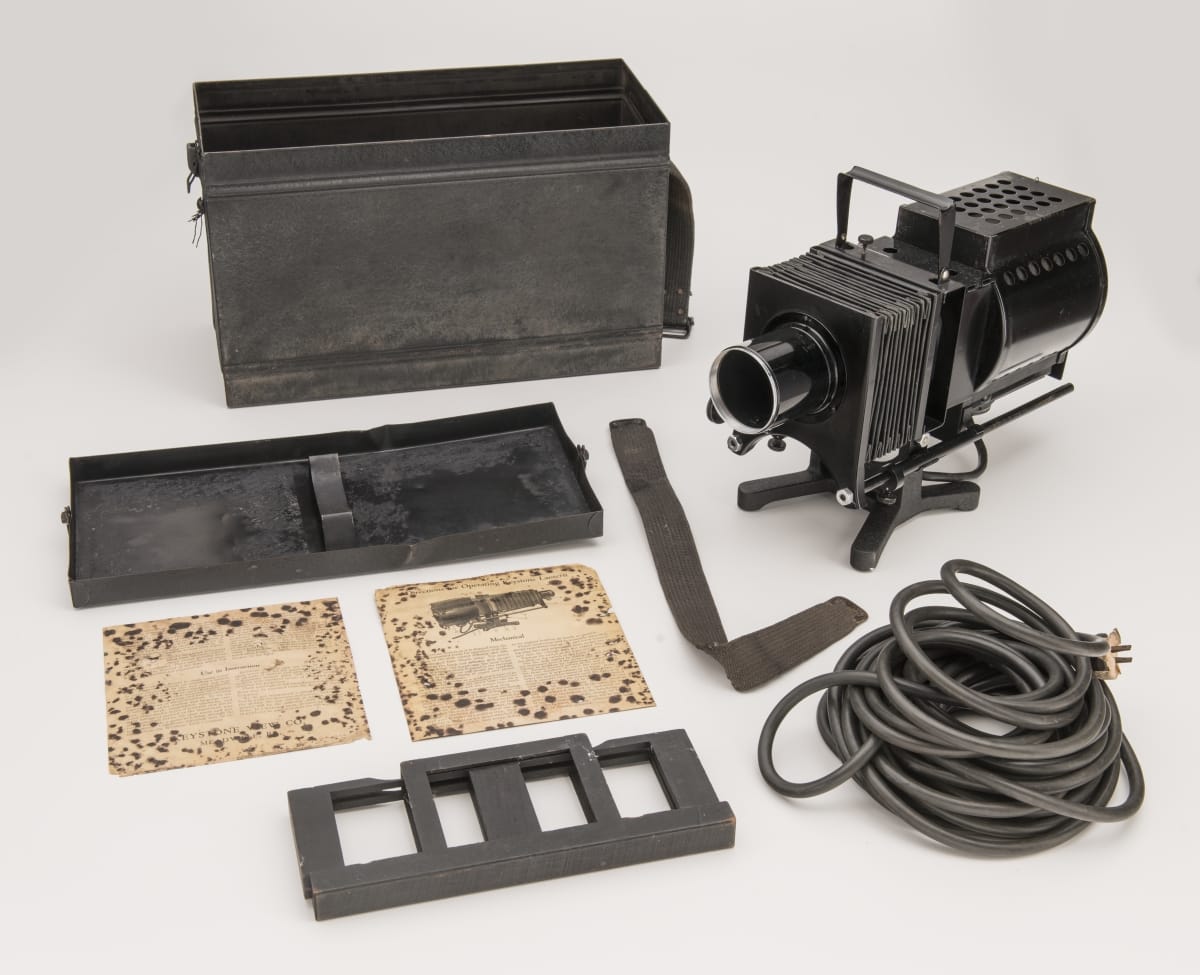
- circa 1915
- Collections - Artifact
Keystone Lantern Slide Projector, circa 1915
Magic lanterns use a concave mirror and light source to project images on glass slides with painted or photographic scenes. Developed in the 17th century, magic lanterns predate slide projectors and motion pictures. In the hands of magicians, they became "lanterns of fright," projecting wondrous images and apparitions. Slide themes ranged widely: exotic travel, folklore, advertising, history, science, and art.
- Microscope Used by George Washington Carver, circa 1900 - By 1900, cotton production had depleted Southern soils, so George Washington Carver (1864-1943) developed nutritious crops like peanuts that nurtured the soil and could be sold to make industrial products. He used this microscope in his laboratory at the Tuskegee Institute in Alabama.
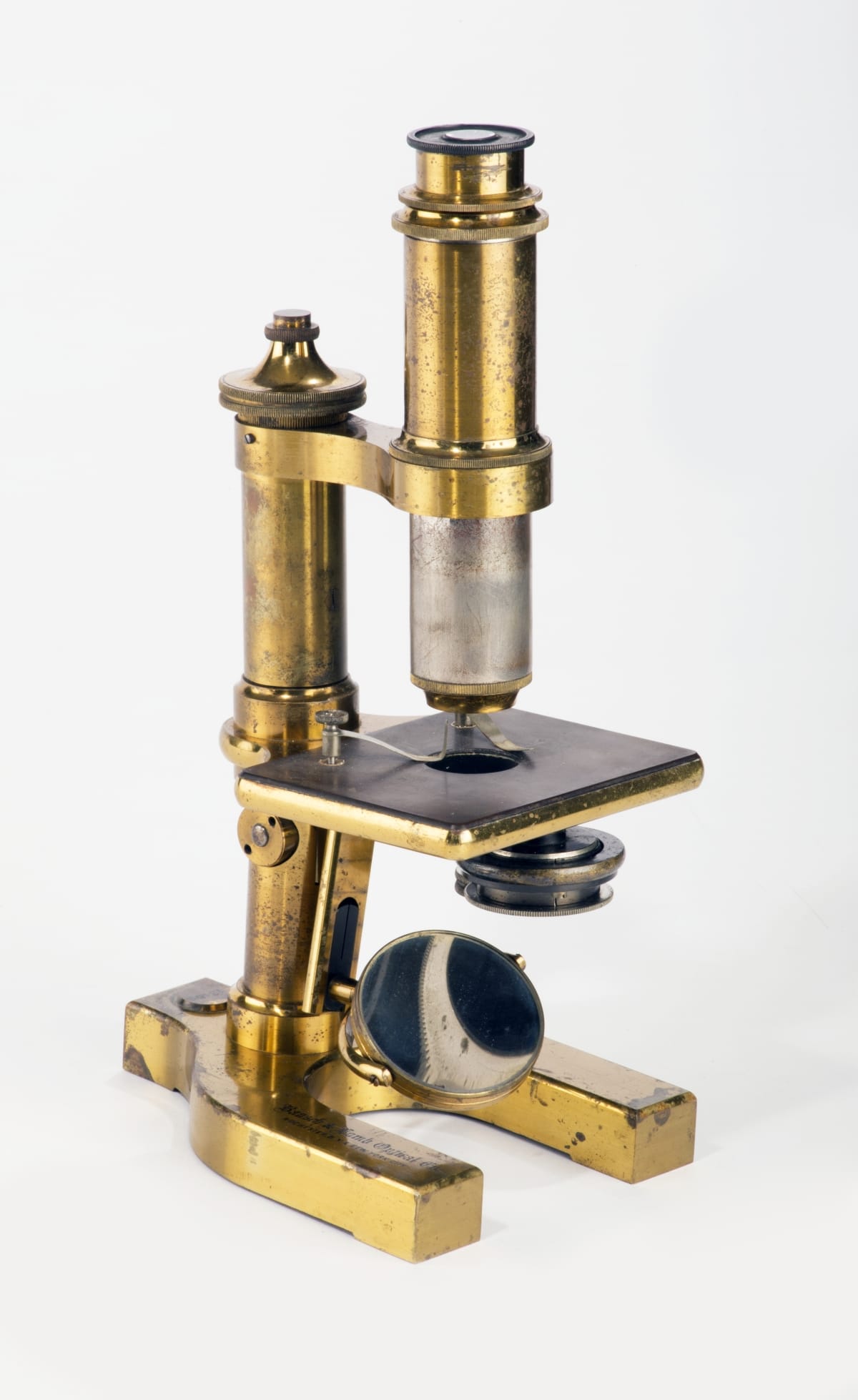
- circa 1900
- Collections - Artifact
Microscope Used by George Washington Carver, circa 1900
By 1900, cotton production had depleted Southern soils, so George Washington Carver (1864-1943) developed nutritious crops like peanuts that nurtured the soil and could be sold to make industrial products. He used this microscope in his laboratory at the Tuskegee Institute in Alabama.
- Kodak No. 3A Folding Pocket Camera, 1903-1915 -
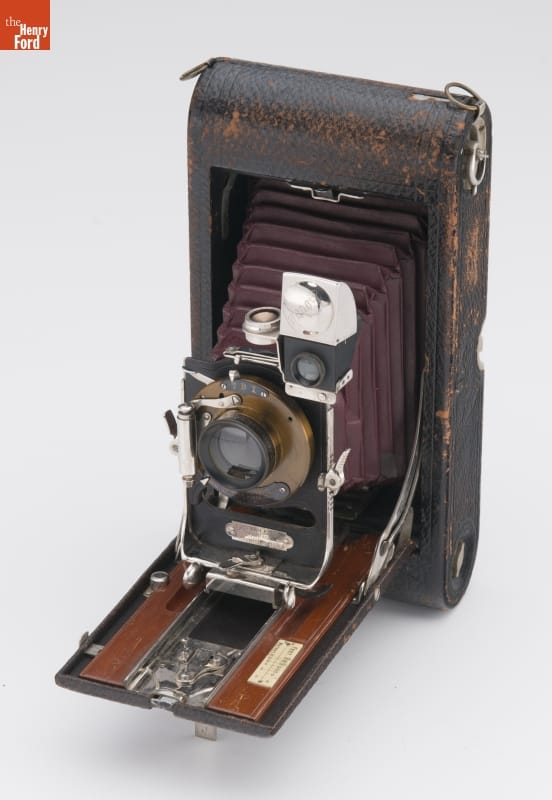
- 1903-1915
- Collections - Artifact
Kodak No. 3A Folding Pocket Camera, 1903-1915
- Bausch & Lomb Baloptican, Model B, 1912-1925 -
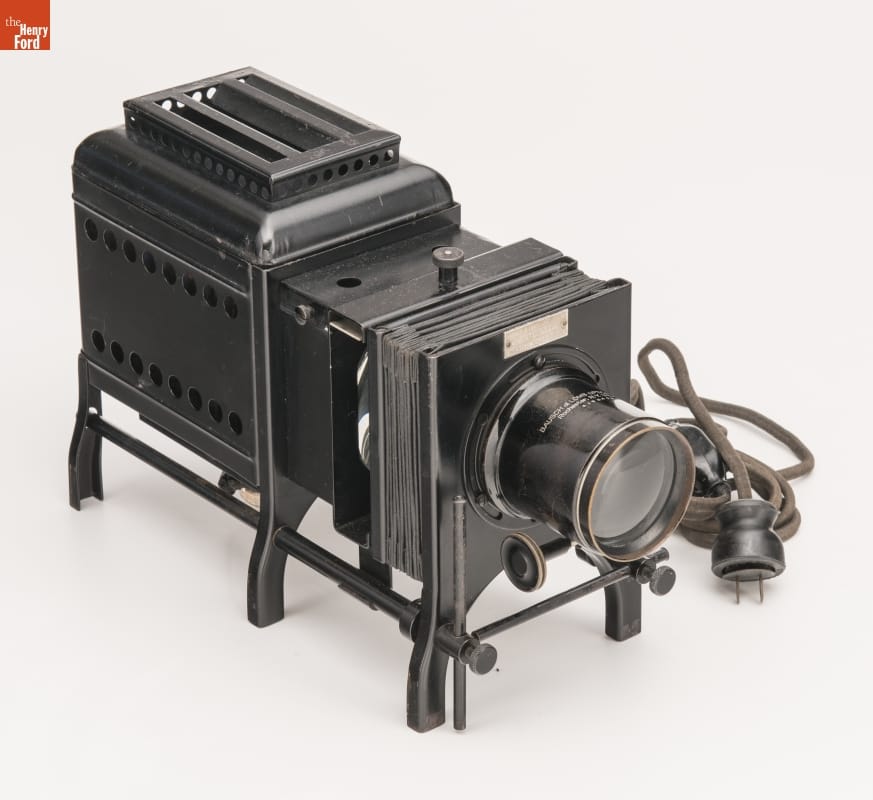
- 1912-1925
- Collections - Artifact
Bausch & Lomb Baloptican, Model B, 1912-1925