
Search
- Bryant Electric Company Key Socket, 1890-1927 - A light socket provides a secure connection between an incandescent electric lamp and the electrical circuit. In the late 19th century, companies created lamp bulb bases with unique styles and sizes which would only fit sockets that they made. By 1910 the Edison screw-type base had become so popular it was virtually an industry standard, and consumers no longer had to buy lamps and sockets from the same manufacturer.
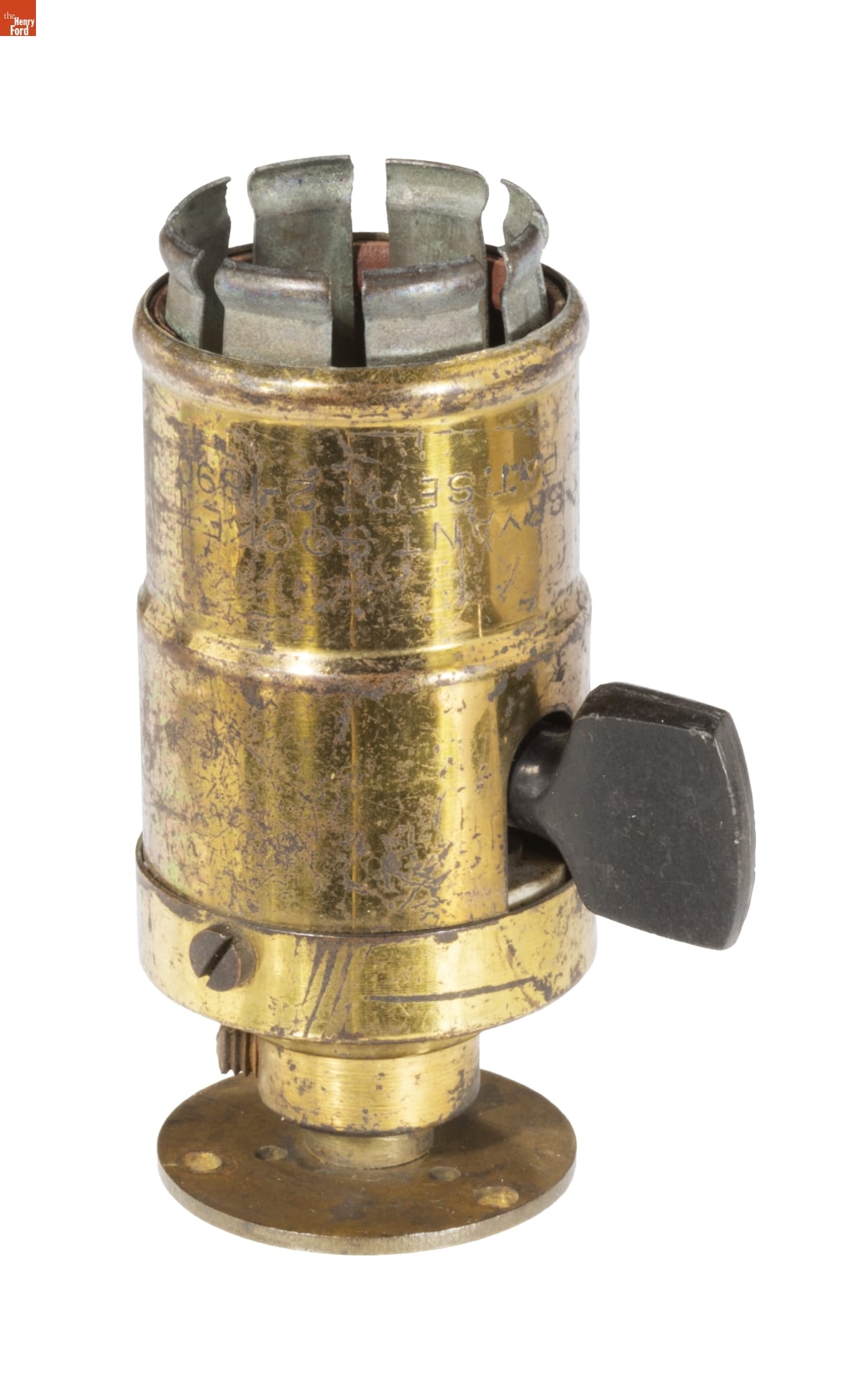
- 1890-1927
- Collections - Artifact
Bryant Electric Company Key Socket, 1890-1927
A light socket provides a secure connection between an incandescent electric lamp and the electrical circuit. In the late 19th century, companies created lamp bulb bases with unique styles and sizes which would only fit sockets that they made. By 1910 the Edison screw-type base had become so popular it was virtually an industry standard, and consumers no longer had to buy lamps and sockets from the same manufacturer.
- Bryant Electric Company Key Socket, 1888-1927 - A light socket provides a secure connection between an incandescent electric lamp and the electrical circuit. In the late 19th century, companies created lamp bulb bases with unique styles and sizes which would only fit sockets that they made. By 1910 the Edison screw-type base had become so popular it was virtually an industry standard, and consumers no longer had to buy lamps and sockets from the same manufacturer.
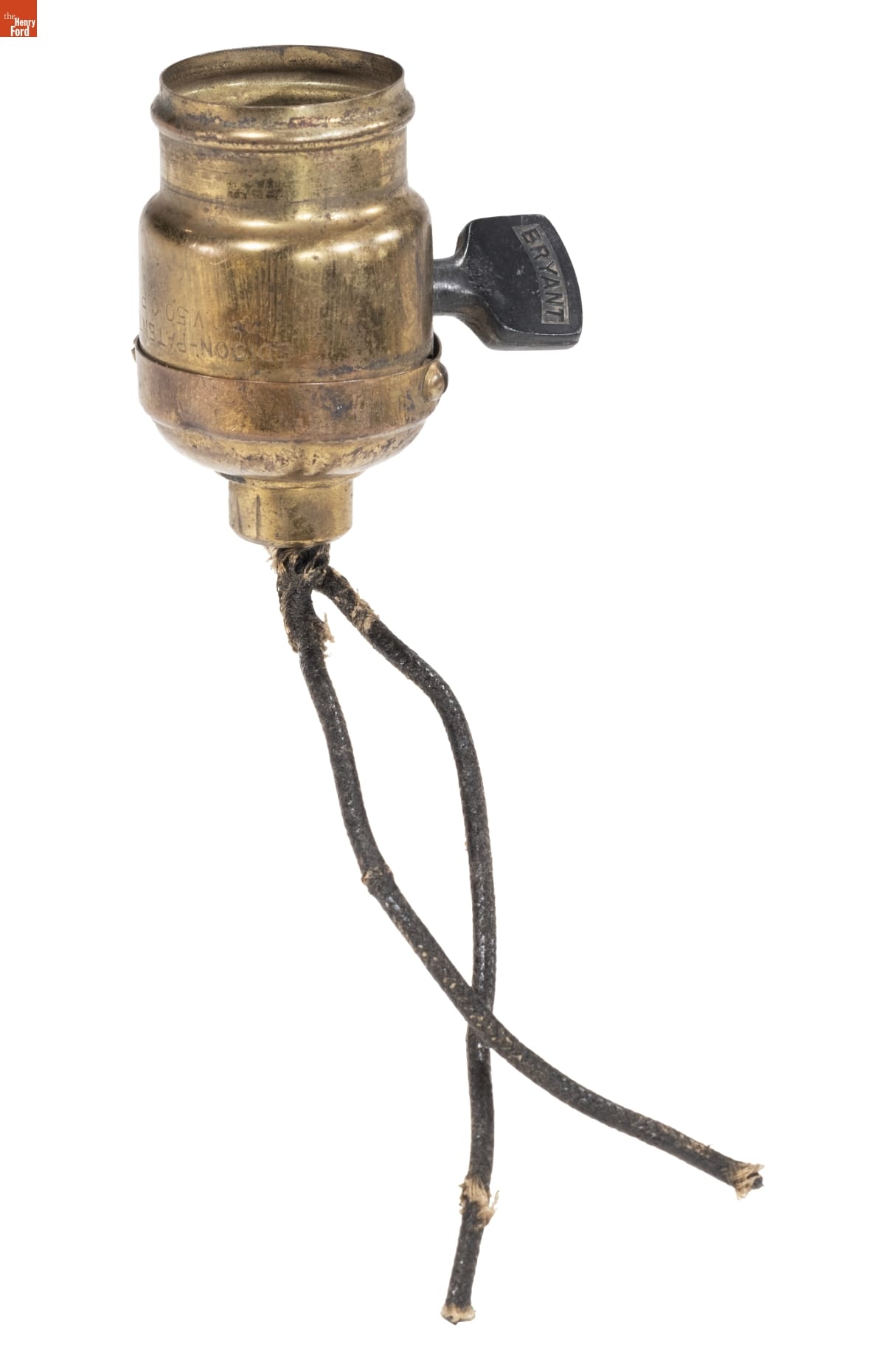
- 1888-1927
- Collections - Artifact
Bryant Electric Company Key Socket, 1888-1927
A light socket provides a secure connection between an incandescent electric lamp and the electrical circuit. In the late 19th century, companies created lamp bulb bases with unique styles and sizes which would only fit sockets that they made. By 1910 the Edison screw-type base had become so popular it was virtually an industry standard, and consumers no longer had to buy lamps and sockets from the same manufacturer.
- Ceramic Junction, 1903-1927 -
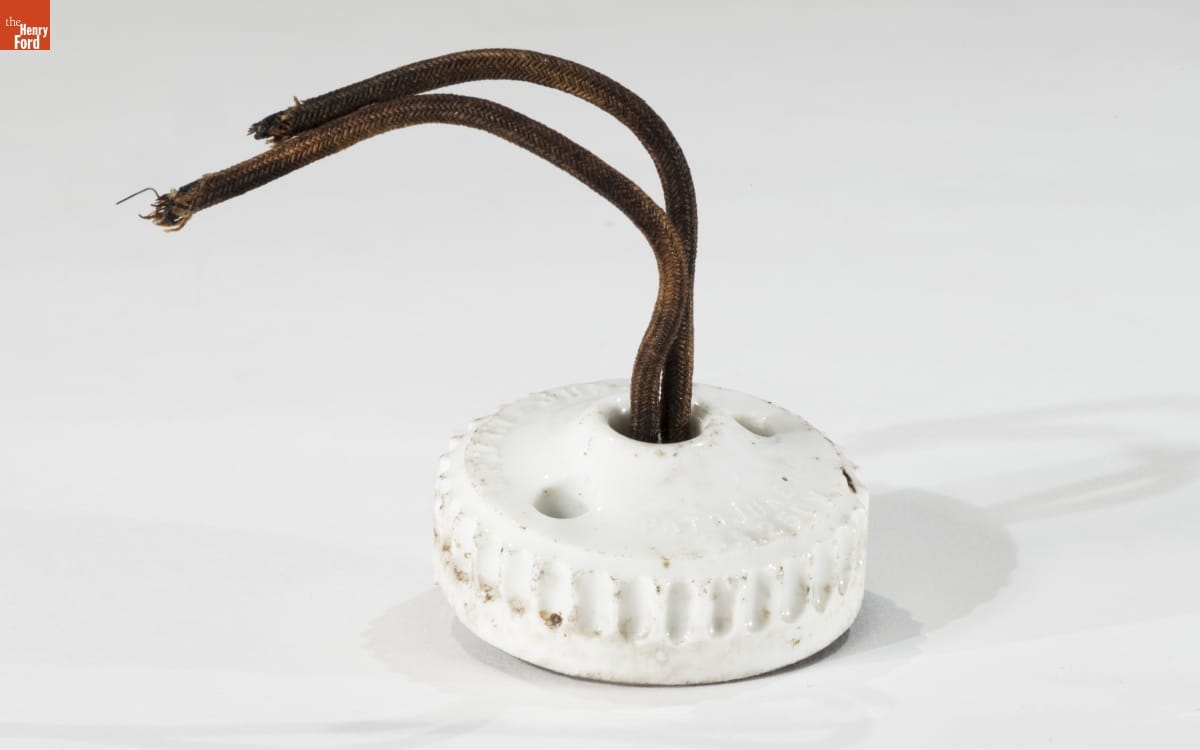
- 1903-1927
- Collections - Artifact
Ceramic Junction, 1903-1927
- Bergmann & Company Wall Fixture, 1888 -
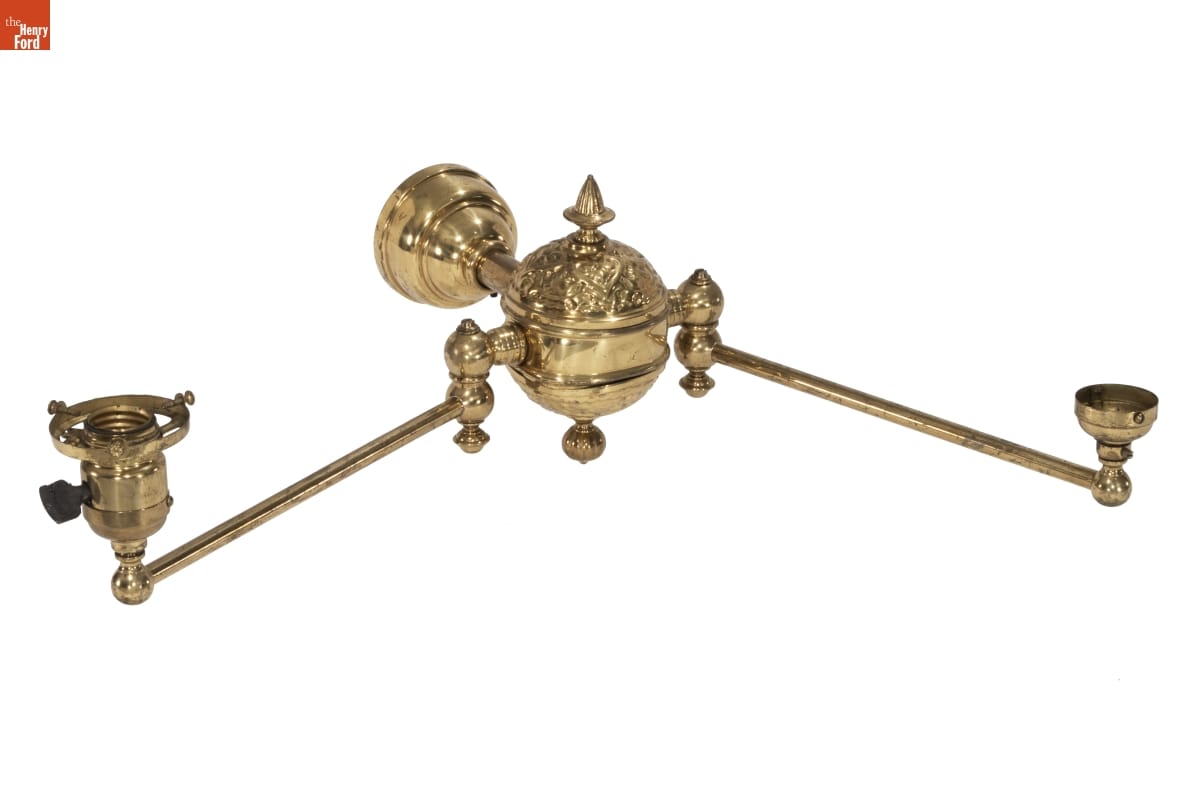
- 1888
- Collections - Artifact
Bergmann & Company Wall Fixture, 1888
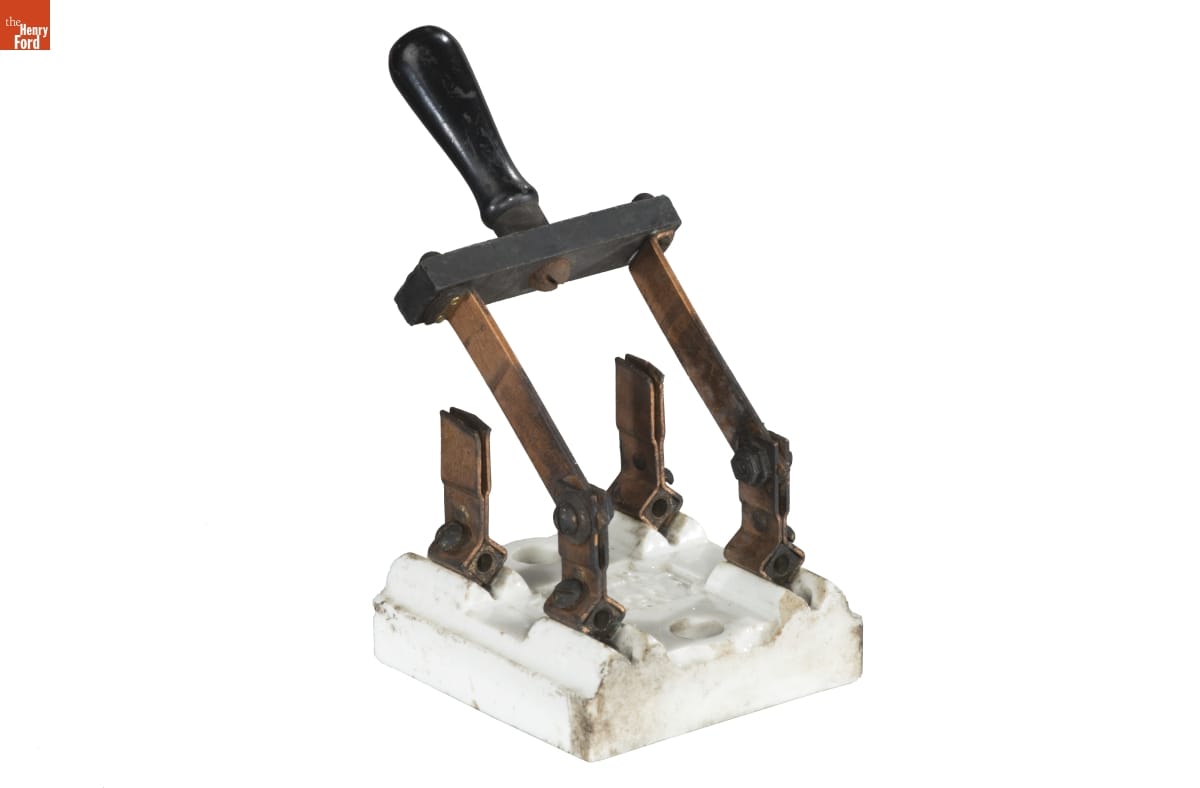
- Bryant Electric Company Knife Switch, 1888-1927 - Switches open or close an electrical circuit to turn things off or on. In the late 1800s and early 1900s, knife switches were commonly found in engine or generating rooms, connected to factory motors, or mounted on a building's power and lighting switchboard. Operators pushed the hinged, metal blades into the switch's jaws to send electricity to where it was needed.
- 1888-1927
- Collections - Artifact
Bryant Electric Company Knife Switch, 1888-1927
Switches open or close an electrical circuit to turn things off or on. In the late 1800s and early 1900s, knife switches were commonly found in engine or generating rooms, connected to factory motors, or mounted on a building's power and lighting switchboard. Operators pushed the hinged, metal blades into the switch's jaws to send electricity to where it was needed.
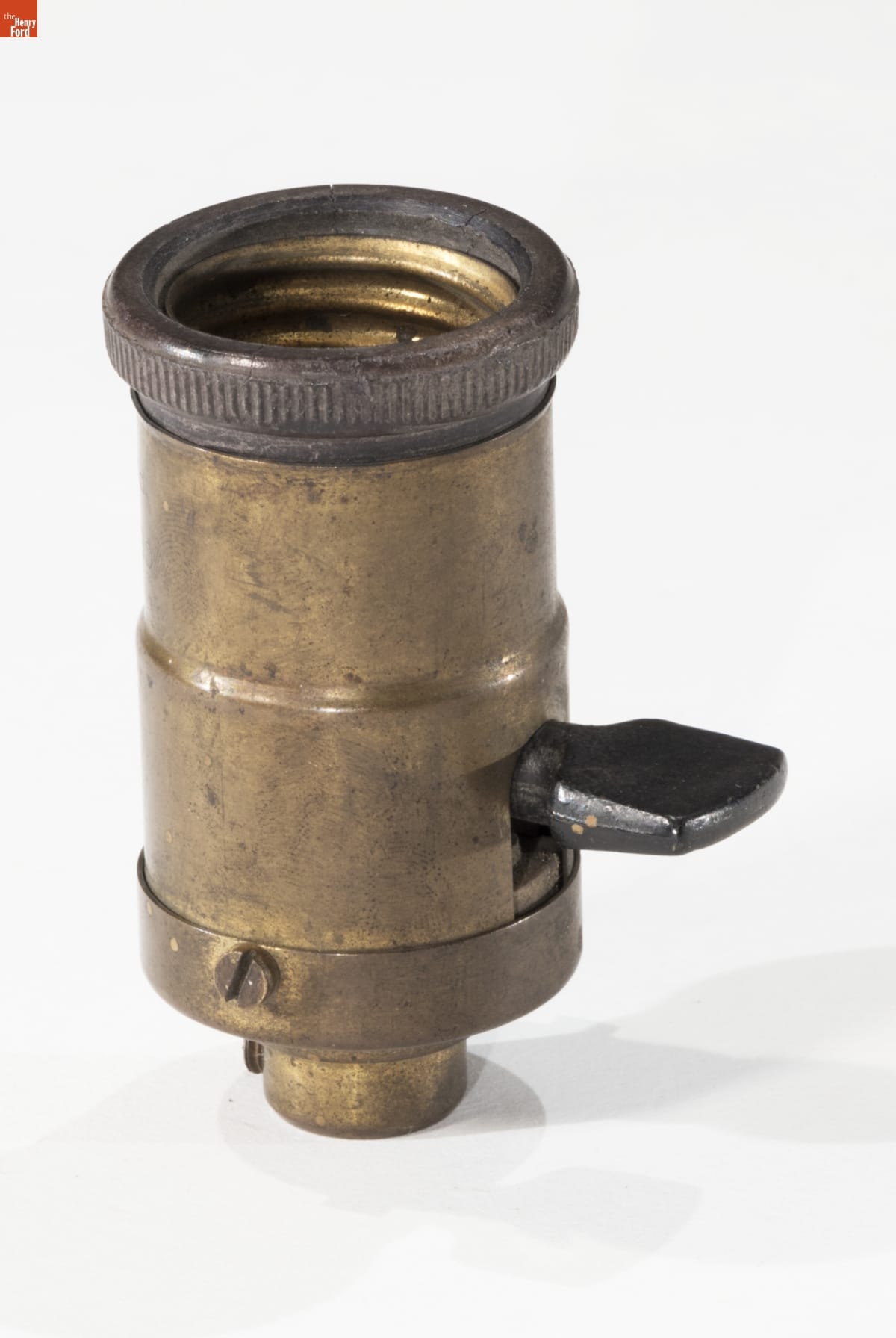
- Central Socket, 1890-1927 - A light socket provides a secure connection between an incandescent electric lamp and the electrical circuit. In the late 19th century, companies created lamp bulb bases with unique styles and sizes which would only fit sockets that they made. By 1910 the Edison screw-type base had become so popular it was virtually an industry standard, and consumers no longer had to buy lamps and sockets from the same manufacturer.
- 1890-1927
- Collections - Artifact
Central Socket, 1890-1927
A light socket provides a secure connection between an incandescent electric lamp and the electrical circuit. In the late 19th century, companies created lamp bulb bases with unique styles and sizes which would only fit sockets that they made. By 1910 the Edison screw-type base had become so popular it was virtually an industry standard, and consumers no longer had to buy lamps and sockets from the same manufacturer.
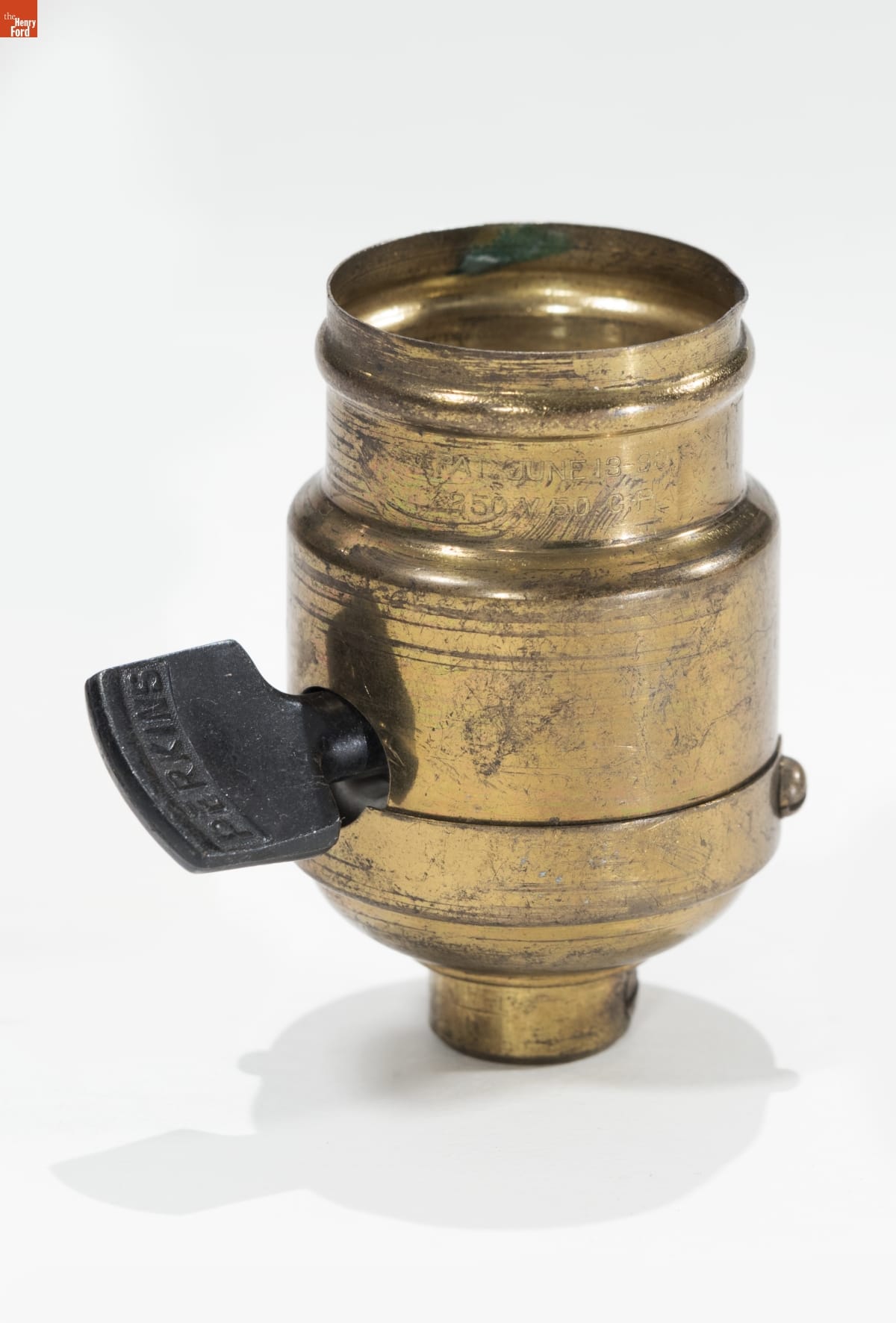
- Key Socket, 1899-1907 - A light socket provides a secure connection between an incandescent electric lamp and the electrical circuit. In the late 19th century, companies created lamp bulb bases with unique styles and sizes which would only fit sockets that they made. By 1910 the Edison screw-type base had become so popular it was virtually an industry standard, and consumers no longer had to buy lamps and sockets from the same manufacturer.
- 1899-1907
- Collections - Artifact
Key Socket, 1899-1907
A light socket provides a secure connection between an incandescent electric lamp and the electrical circuit. In the late 19th century, companies created lamp bulb bases with unique styles and sizes which would only fit sockets that they made. By 1910 the Edison screw-type base had become so popular it was virtually an industry standard, and consumers no longer had to buy lamps and sockets from the same manufacturer.
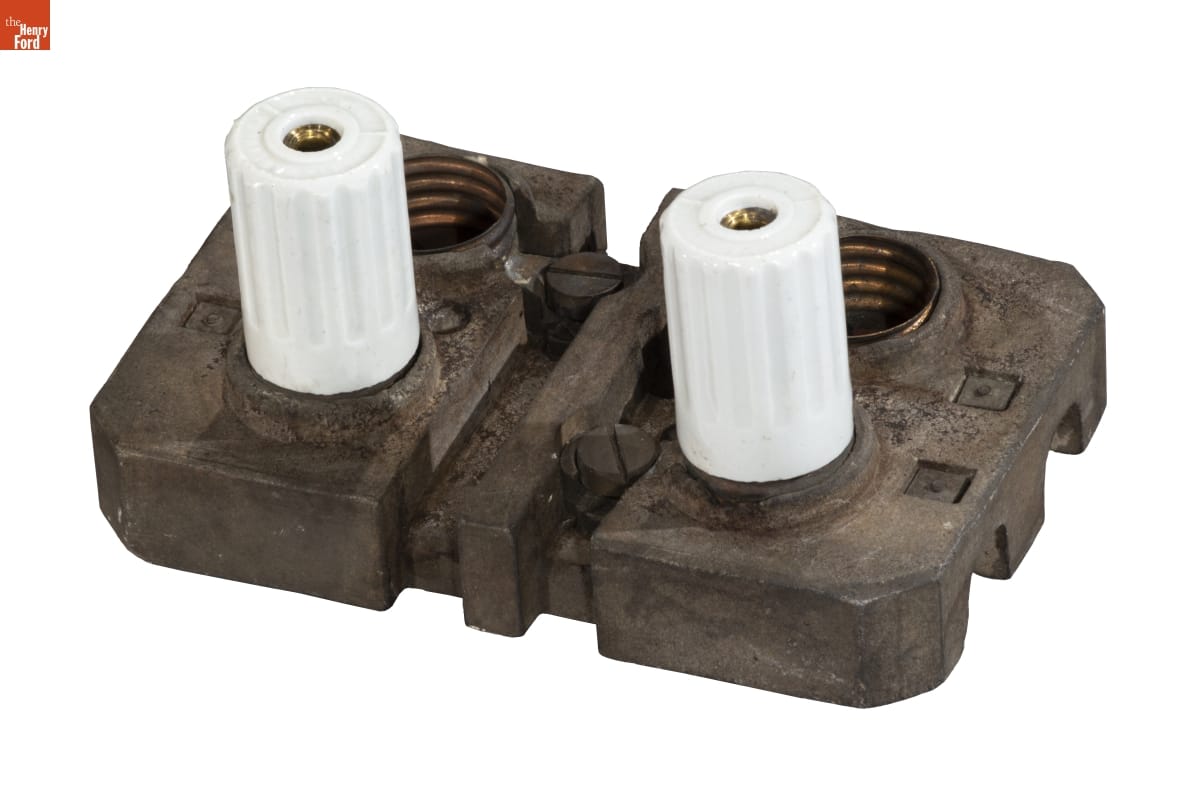
- Cut-Out - Short circuits and current overloads can overheat wires within electrical power and lighting systems, causing damage and possibly starting a fire. In the late 19th century, a cutout with a fuse or fuse-wire protected these systems--the fuse would burn out and break the electric circuit if a surge or overload occurred. Replacing the fuse returned the circuit to working order.
- Collections - Artifact
Cut-Out
Short circuits and current overloads can overheat wires within electrical power and lighting systems, causing damage and possibly starting a fire. In the late 19th century, a cutout with a fuse or fuse-wire protected these systems--the fuse would burn out and break the electric circuit if a surge or overload occurred. Replacing the fuse returned the circuit to working order.
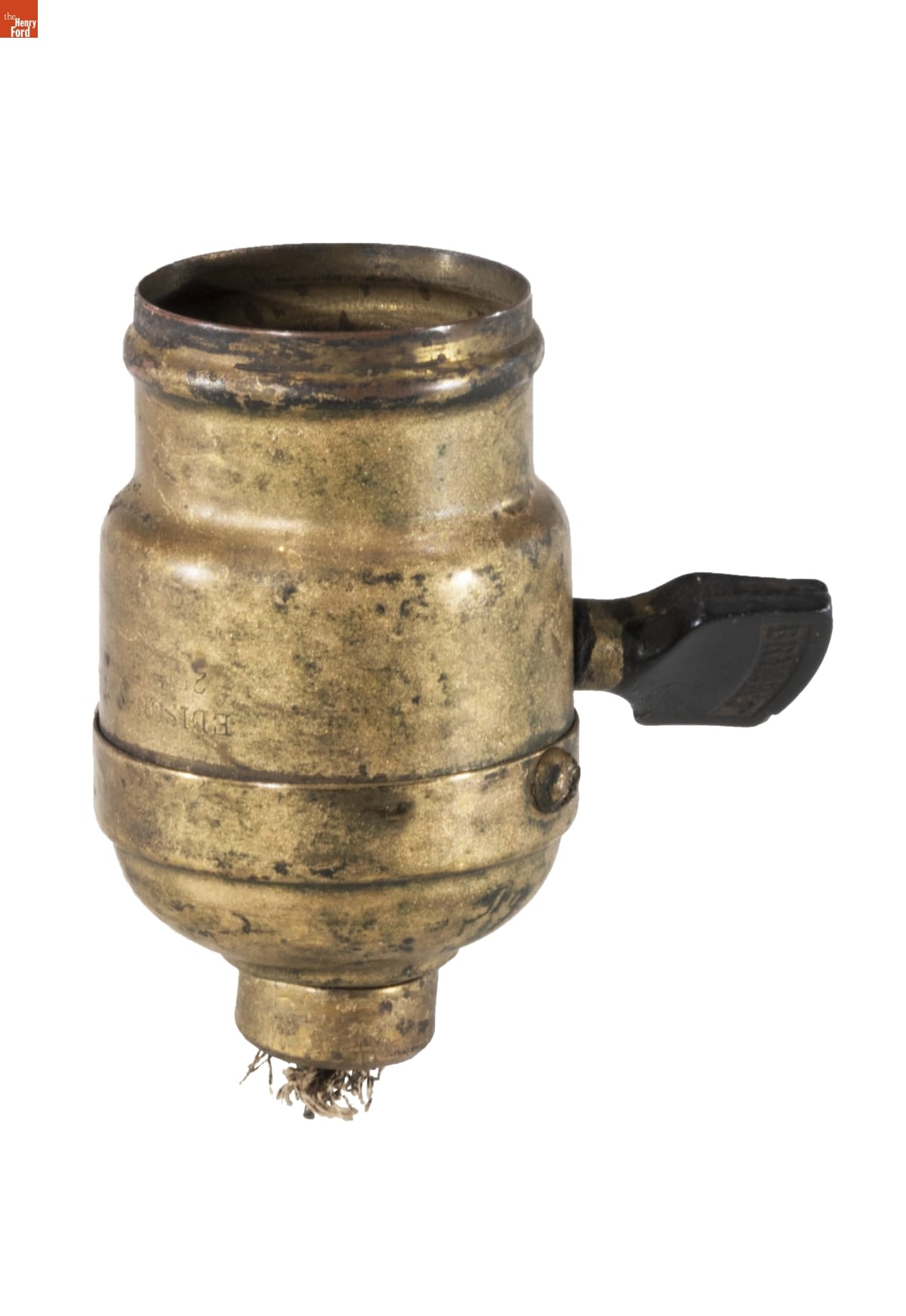
- National Electric Manufacturing Company Key Socket, 1888-1893 - A light socket provides a secure connection between an incandescent electric lamp and the electrical circuit. In the late 19th century, companies created lamp bulb bases with unique styles and sizes which would only fit sockets that they made. By 1910 the Edison screw-type base had become so popular it was virtually an industry standard, and consumers no longer had to buy lamps and sockets from the same manufacturer.
- 1888-1893
- Collections - Artifact
National Electric Manufacturing Company Key Socket, 1888-1893
A light socket provides a secure connection between an incandescent electric lamp and the electrical circuit. In the late 19th century, companies created lamp bulb bases with unique styles and sizes which would only fit sockets that they made. By 1910 the Edison screw-type base had become so popular it was virtually an industry standard, and consumers no longer had to buy lamps and sockets from the same manufacturer.
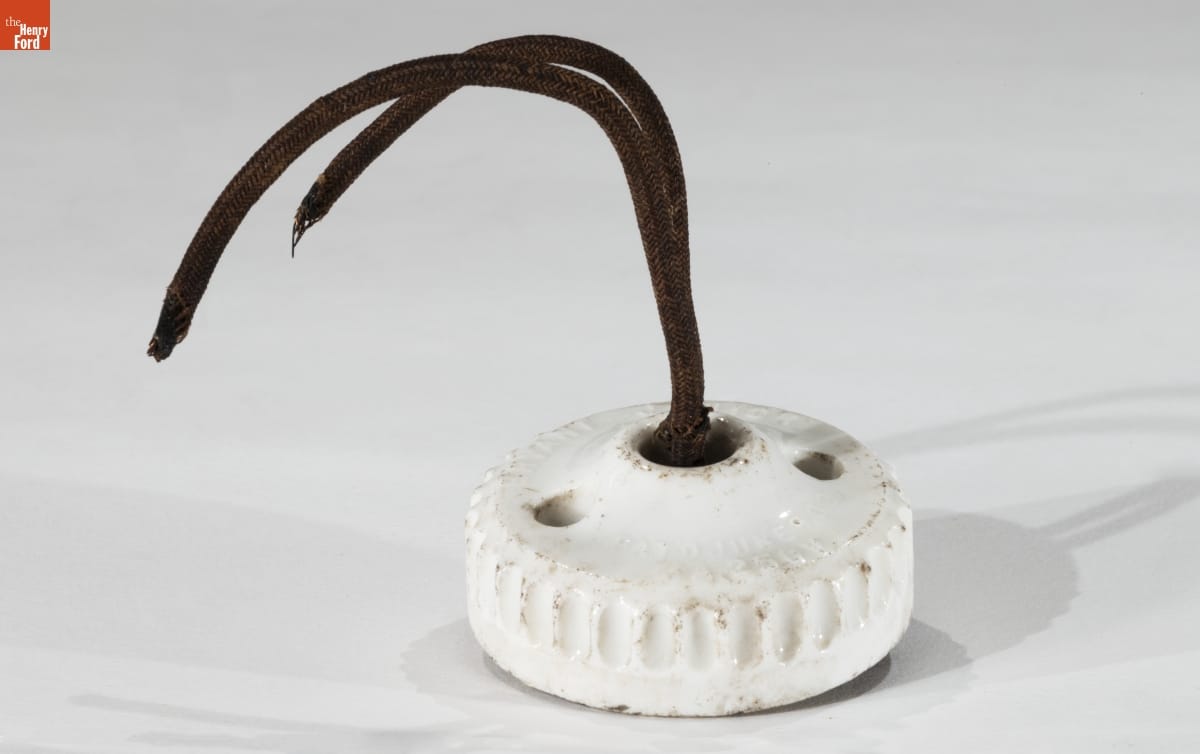
- Ceramic Junction, 1903-1927 -
- 1903-1927
- Collections - Artifact
Ceramic Junction, 1903-1927