
Search
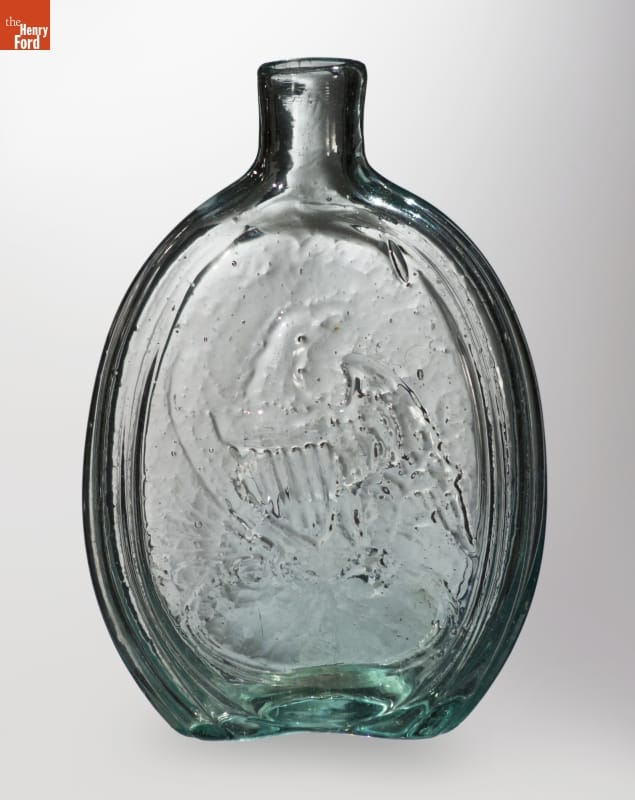
- Flask, 1836-1840 - Glass factories in America began producing inexpensive, mold-formed flasks in the early 1800s. These figured flasks, often decorated with symbols of national pride or political or cultural affiliation, appealed to America's common man. Many flasks, like this one, contain images of an eagle -- a traditional symbol for America.
- 1836-1840
- Collections - Artifact
Flask, 1836-1840
Glass factories in America began producing inexpensive, mold-formed flasks in the early 1800s. These figured flasks, often decorated with symbols of national pride or political or cultural affiliation, appealed to America's common man. Many flasks, like this one, contain images of an eagle -- a traditional symbol for America.
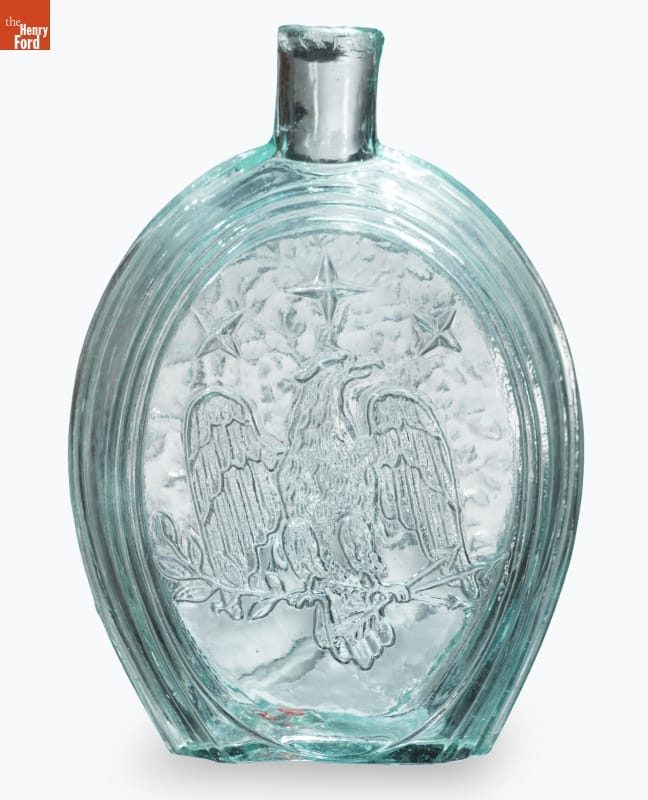
- Flask, 1836-1840 - Glass factories in America began producing inexpensive, mold-formed flasks in the early 1800s. These figured flasks, often decorated with symbols of national pride or political or cultural affiliation, appealed to America's common man. The eagle on this flask was a symbol for America. The tree found on the back may have been purely decorative.
- 1836-1840
- Collections - Artifact
Flask, 1836-1840
Glass factories in America began producing inexpensive, mold-formed flasks in the early 1800s. These figured flasks, often decorated with symbols of national pride or political or cultural affiliation, appealed to America's common man. The eagle on this flask was a symbol for America. The tree found on the back may have been purely decorative.
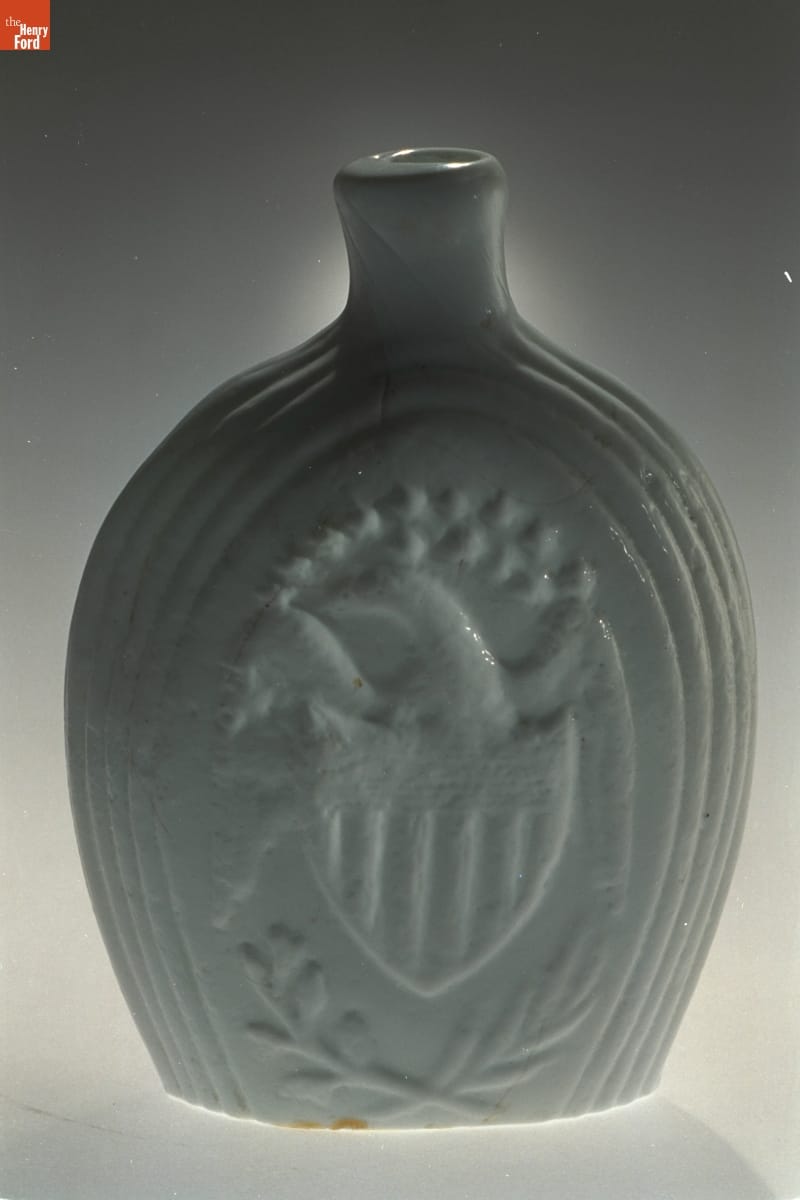
- Flask, 1836-1840 - Glass factories in America began producing inexpensive, mold-formed flasks in the early 1800s. These figured flasks, often decorated with symbols of national pride or political or cultural affiliation, appealed to America's common man. Many flasks, like this one, contain images of an eagle -- a traditional symbol for America. The American flag found on the reverse completes the patriotic theme of this flask.
- 1836-1840
- Collections - Artifact
Flask, 1836-1840
Glass factories in America began producing inexpensive, mold-formed flasks in the early 1800s. These figured flasks, often decorated with symbols of national pride or political or cultural affiliation, appealed to America's common man. Many flasks, like this one, contain images of an eagle -- a traditional symbol for America. The American flag found on the reverse completes the patriotic theme of this flask.
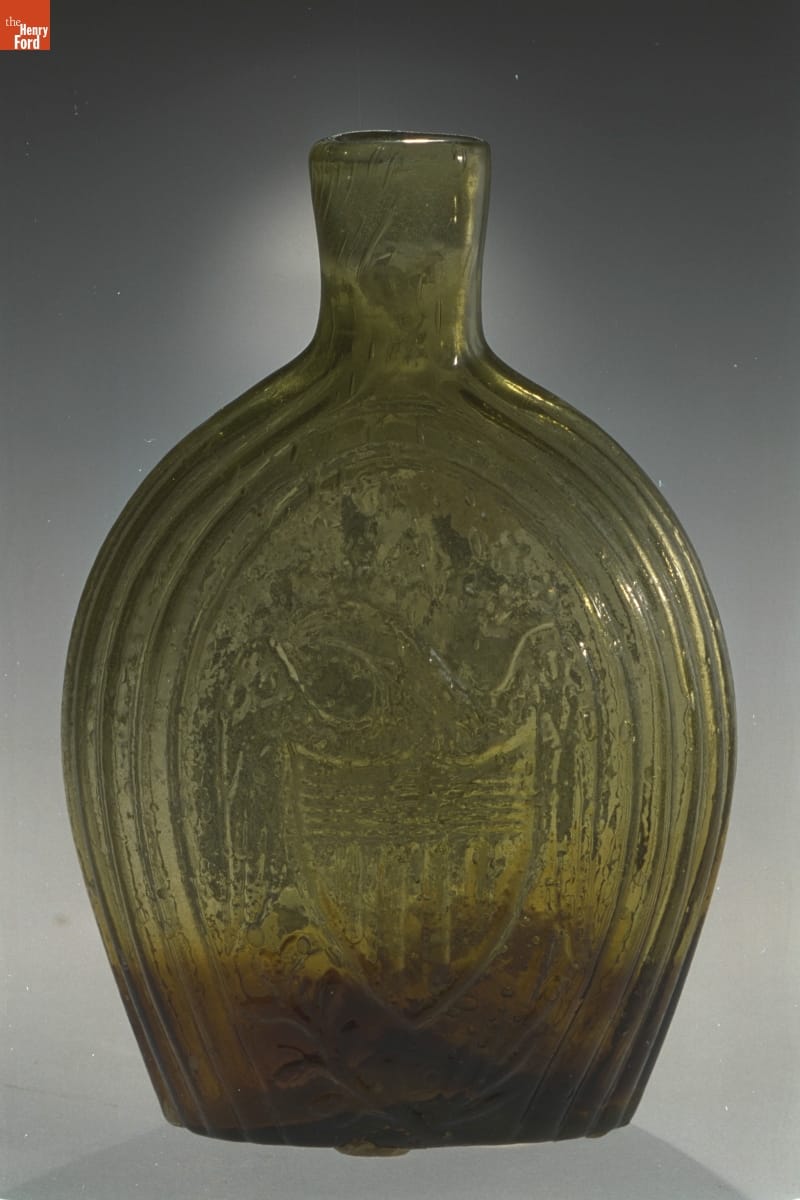
- Flask, 1836-1840 - Glass factories in America began producing inexpensive, mold-formed flasks in the early 1800s. These figured flasks, often decorated with symbols of national pride or political or cultural affiliation, appealed to America's common man. Many flasks, like this one, contain images of an eagle -- a symbol for America. The grapes, on the reverse, refer to agriculture and perhaps the flask's alcoholic content.
- 1836-1840
- Collections - Artifact
Flask, 1836-1840
Glass factories in America began producing inexpensive, mold-formed flasks in the early 1800s. These figured flasks, often decorated with symbols of national pride or political or cultural affiliation, appealed to America's common man. Many flasks, like this one, contain images of an eagle -- a symbol for America. The grapes, on the reverse, refer to agriculture and perhaps the flask's alcoholic content.
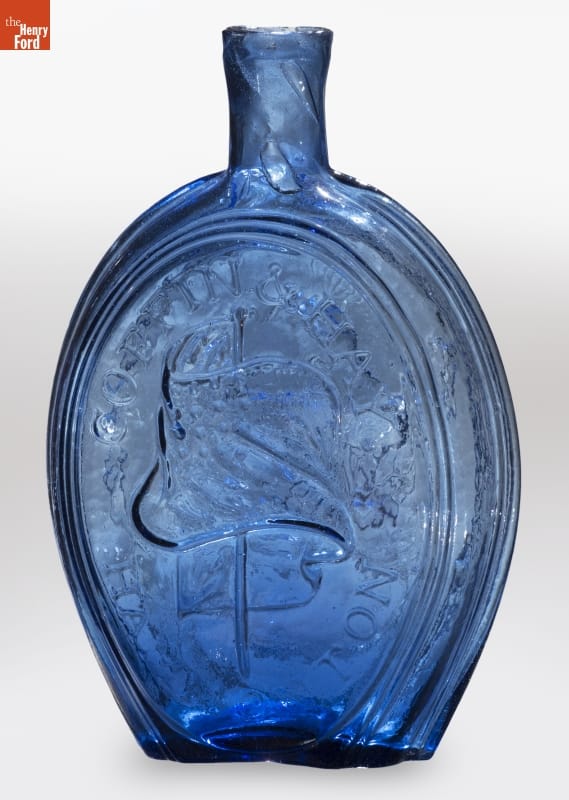
- Flask, 1836-1840 - Glass factories in America began producing inexpensive, mold-formed flasks in the early 1800s. These figured flasks, often decorated with symbols of national pride or political or cultural affiliation, appealed to America's common man. Many flasks, like this one, contain images of an eagle -- a traditional symbol for America. The American flag found on the reverse completes the patriotic theme of this flask.
- 1836-1840
- Collections - Artifact
Flask, 1836-1840
Glass factories in America began producing inexpensive, mold-formed flasks in the early 1800s. These figured flasks, often decorated with symbols of national pride or political or cultural affiliation, appealed to America's common man. Many flasks, like this one, contain images of an eagle -- a traditional symbol for America. The American flag found on the reverse completes the patriotic theme of this flask.
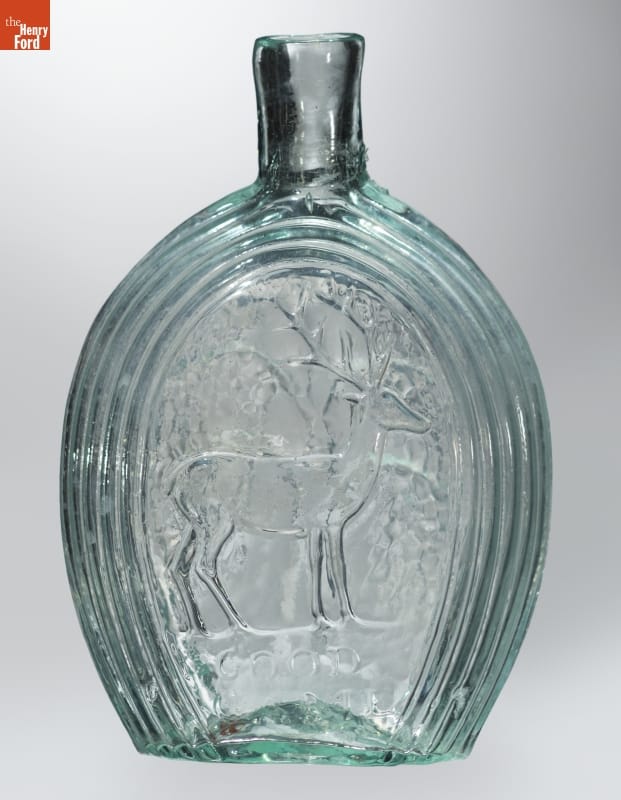
- Flask, 1836-1840 - Glass factories in America began producing inexpensive, mold-formed flasks in the early 1800s. These figured flasks, often decorated with symbols of national pride or political or cultural affiliation, appealed to America's common man. This flask, with an image of a deer and the inscription: "Good Game," probably caught the attention of sportsmen or those who made a living by hunting.
- 1836-1840
- Collections - Artifact
Flask, 1836-1840
Glass factories in America began producing inexpensive, mold-formed flasks in the early 1800s. These figured flasks, often decorated with symbols of national pride or political or cultural affiliation, appealed to America's common man. This flask, with an image of a deer and the inscription: "Good Game," probably caught the attention of sportsmen or those who made a living by hunting.
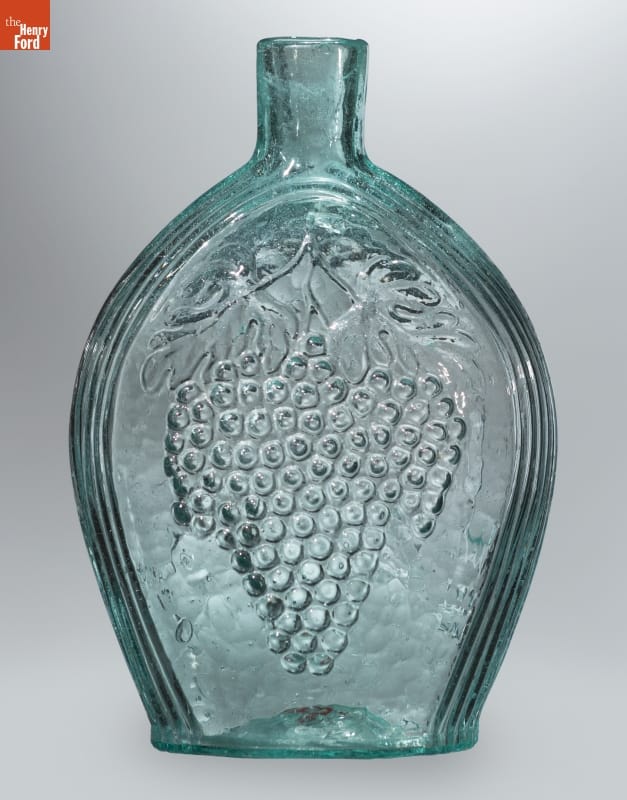
- Flask, 1836-1840 - Glass factories in America began producing inexpensive, mold-formed flasks in the early 1800s. These figured flasks, often decorated with symbols of national pride or political or cultural affiliation, appealed to America's common man. Many flasks, like this one, contain images of an eagle -- a symbol for America. The grapes, on the reverse, refer to agriculture and perhaps the flask's alcoholic content.
- 1836-1840
- Collections - Artifact
Flask, 1836-1840
Glass factories in America began producing inexpensive, mold-formed flasks in the early 1800s. These figured flasks, often decorated with symbols of national pride or political or cultural affiliation, appealed to America's common man. Many flasks, like this one, contain images of an eagle -- a symbol for America. The grapes, on the reverse, refer to agriculture and perhaps the flask's alcoholic content.
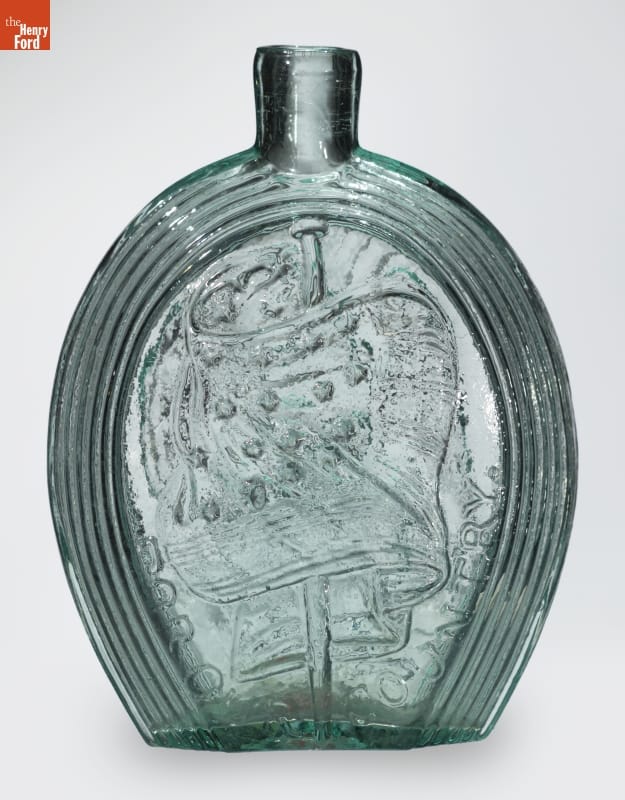
- Flask, 1836-1840 - Glass factories in America began producing inexpensive, mold-formed flasks in the early 1800s. These figured flasks, often decorated with symbols of national pride or political or cultural affiliation, appealed to America's common man. Many flasks, like this one, contain images of an eagle -- a traditional symbol for America. The American flag found on the reverse completes the patriotic theme of this flask.
- 1836-1840
- Collections - Artifact
Flask, 1836-1840
Glass factories in America began producing inexpensive, mold-formed flasks in the early 1800s. These figured flasks, often decorated with symbols of national pride or political or cultural affiliation, appealed to America's common man. Many flasks, like this one, contain images of an eagle -- a traditional symbol for America. The American flag found on the reverse completes the patriotic theme of this flask.
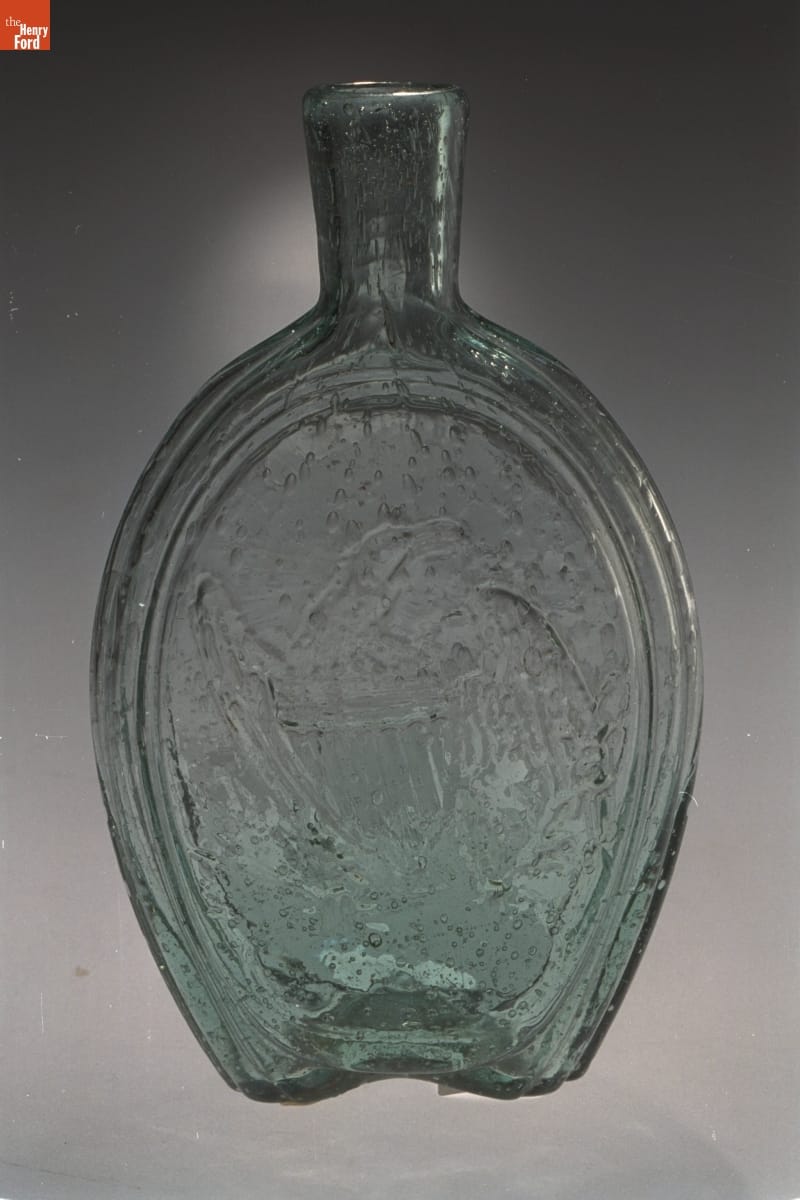
- Flask, 1836-1840 - Glass factories in America began producing inexpensive, mold-formed flasks in the early 1800s. These figured flasks, often decorated with symbols of national pride or political or cultural affiliation, appealed to America's common man. Many flasks contain images of an eagle -- a traditional symbol for America. The image of the deer on the reverse probably caught the attention of hunters and sportsmen.
- 1836-1840
- Collections - Artifact
Flask, 1836-1840
Glass factories in America began producing inexpensive, mold-formed flasks in the early 1800s. These figured flasks, often decorated with symbols of national pride or political or cultural affiliation, appealed to America's common man. Many flasks contain images of an eagle -- a traditional symbol for America. The image of the deer on the reverse probably caught the attention of hunters and sportsmen.