
Search
- Columbia Portable Record Player, circa 1940 -
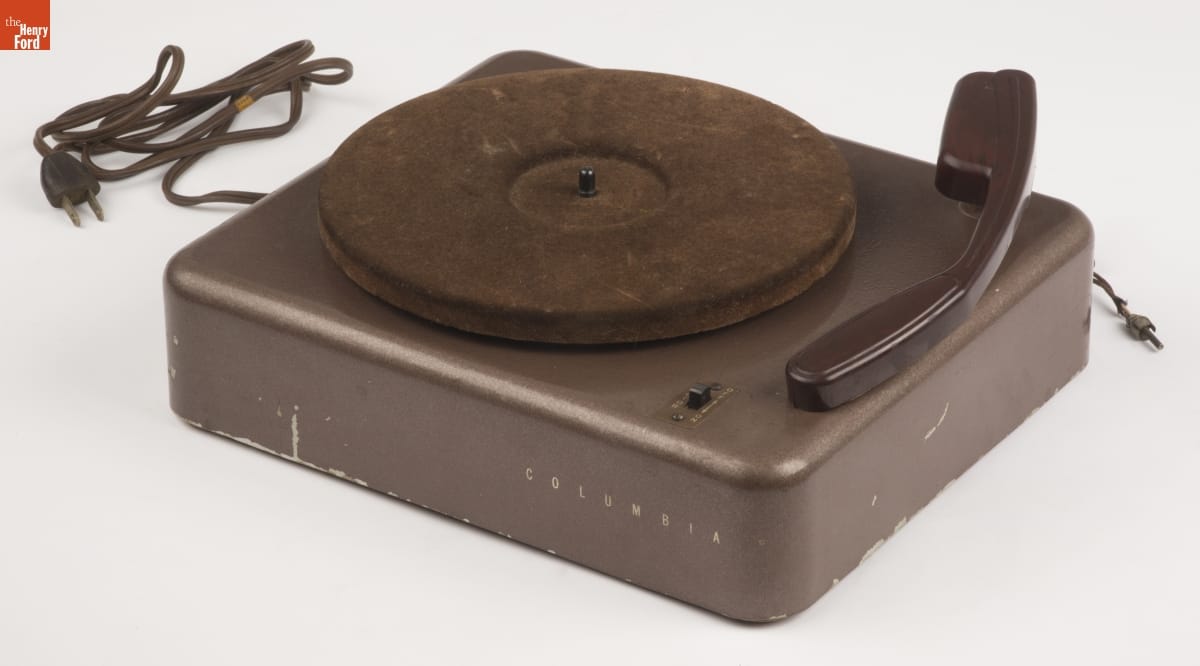
- circa 1940
- Collections - Artifact
Columbia Portable Record Player, circa 1940
- Columbia Phonograph Record, "Poor Lizzie" and "I Love to Catch Brass Rings on a Merry-Go-Round," 1928 -
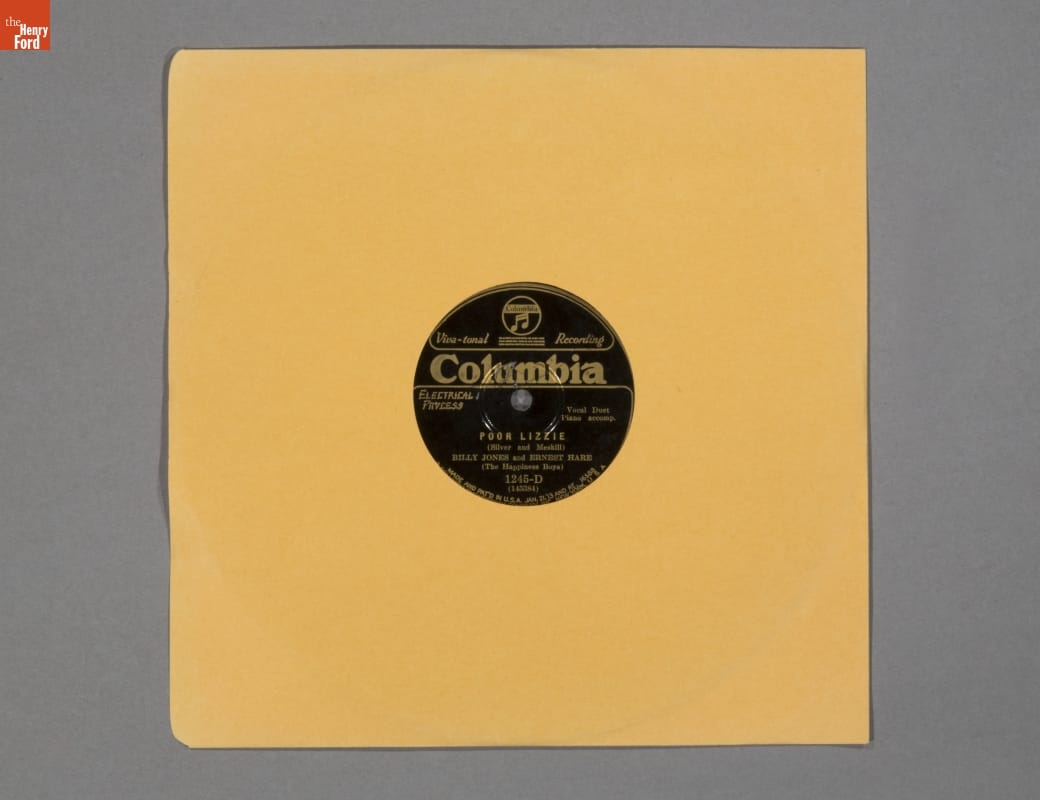
- 1928
- Collections - Artifact
Columbia Phonograph Record, "Poor Lizzie" and "I Love to Catch Brass Rings on a Merry-Go-Round," 1928
- Columbia Disc Graphophone, 1907 -
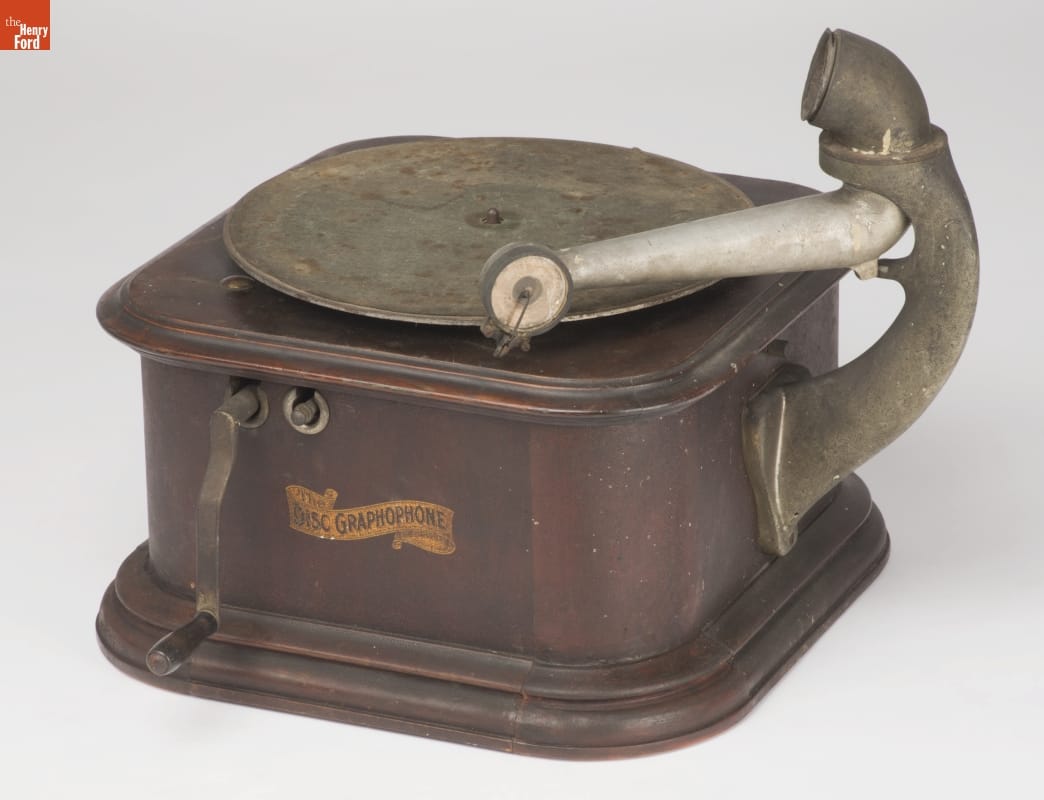
- 1907
- Collections - Artifact
Columbia Disc Graphophone, 1907
- Columbia Talking Machine Record, "Casey at the Telephone," 1896 - Russell Hunting was an early recording artist who developed the popular "Michael Casey" character, an Irishman with a heavy brogue who found himself in a variety of comic situations. In this recording, the unsophisticated Casey struggles with technology unfamiliar to him -- the telephone. The caricature of the ignorant Irishman was frequently the subject of 19th century humor.
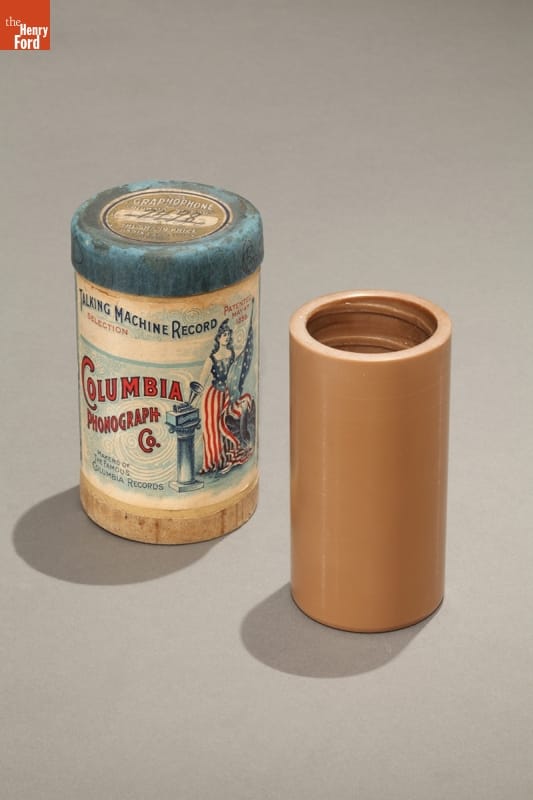
- 1896
- Collections - Artifact
Columbia Talking Machine Record, "Casey at the Telephone," 1896
Russell Hunting was an early recording artist who developed the popular "Michael Casey" character, an Irishman with a heavy brogue who found himself in a variety of comic situations. In this recording, the unsophisticated Casey struggles with technology unfamiliar to him -- the telephone. The caricature of the ignorant Irishman was frequently the subject of 19th century humor.
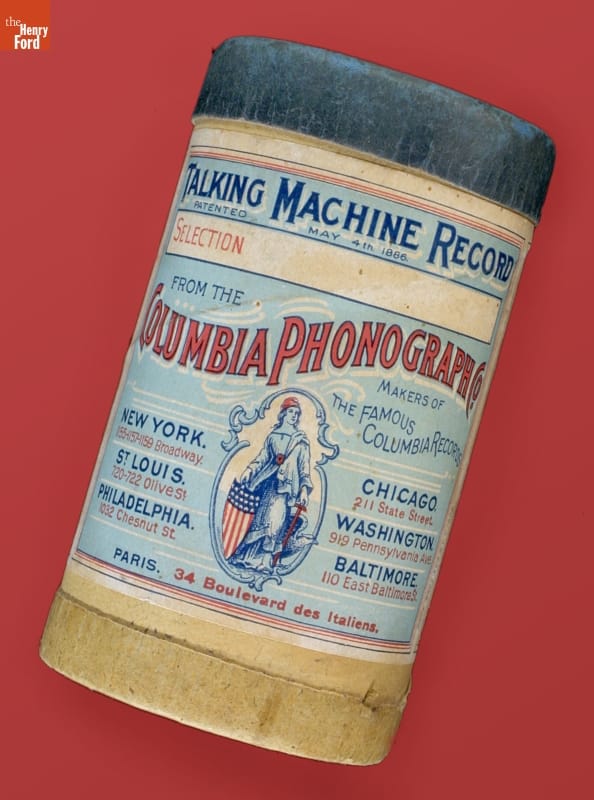
- Cylinder Phonograph Record, "A Hot Time in the Old Town," circa 1897 - The first sound recordings made for home use were wax cylinders, like this recording of the 1896 popular song "A Hot Time in the Old Town." Disc records, more convenient to store and handle than cylinders, would ultimately prove more successful with customers.
- circa 1897
- Collections - Artifact
Cylinder Phonograph Record, "A Hot Time in the Old Town," circa 1897
The first sound recordings made for home use were wax cylinders, like this recording of the 1896 popular song "A Hot Time in the Old Town." Disc records, more convenient to store and handle than cylinders, would ultimately prove more successful with customers.
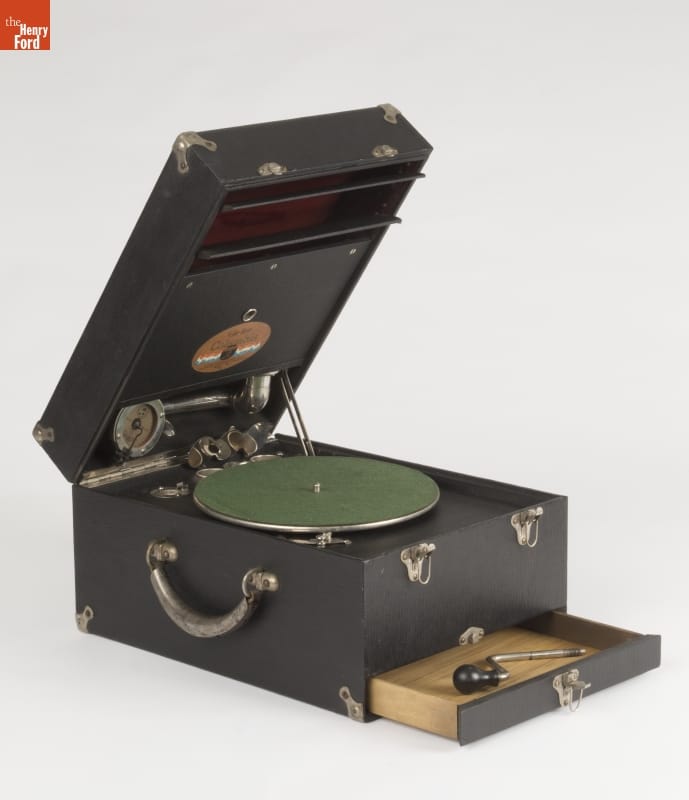
- Columbia Portable Phonograph, Model 140,1924-1925 -
- 1924-1925
- Collections - Artifact
Columbia Portable Phonograph, Model 140,1924-1925
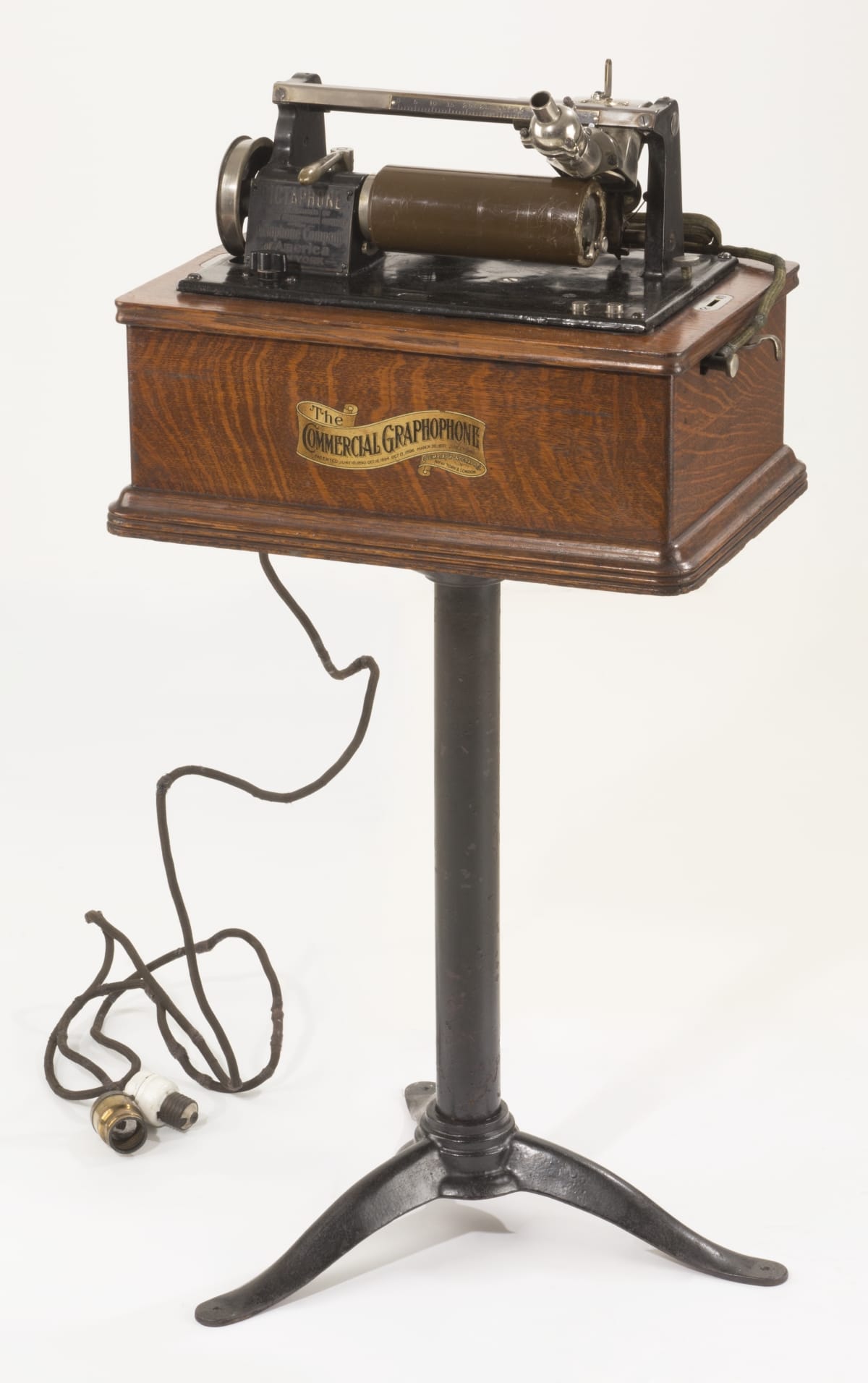
- Dictaphone, Also Known as a Commercial Graphophone, circa 1908 - Dictaphones and Ediphones were sound recording devices used for efficient oral dictation in business settings. When Edison invented the phonograph, one proposed use was "dictation without the aid of stenographers." Its tinfoil playback medium lacked quality, however. Alexander Graham Bell's Graphophone (later, Dictaphone) improved the phonograph by using wax cylinders for superior playback; cylinders were also used in the competing Ediphone.
- circa 1908
- Collections - Artifact
Dictaphone, Also Known as a Commercial Graphophone, circa 1908
Dictaphones and Ediphones were sound recording devices used for efficient oral dictation in business settings. When Edison invented the phonograph, one proposed use was "dictation without the aid of stenographers." Its tinfoil playback medium lacked quality, however. Alexander Graham Bell's Graphophone (later, Dictaphone) improved the phonograph by using wax cylinders for superior playback; cylinders were also used in the competing Ediphone.
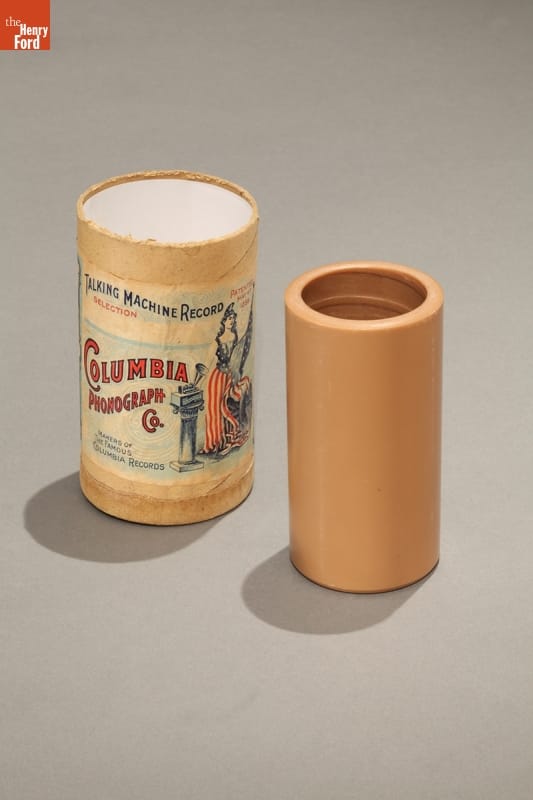
- Columbia Talking Machine Record, "Uncle Josh's Arrival in New York City," 1898 - Cal Stewart, a vaudeville comedian known for his "country bumpkin" character Uncle Josh, provided humorous commentary on his rural community and the world outside his village of Pun'kin Center. Cal Stewart's humor was not unlike that of late 20th century radio personality Garrison Keillor. Both men present social commentary in a humorous manner, utilizing characters and fictional situations.
- 1898
- Collections - Artifact
Columbia Talking Machine Record, "Uncle Josh's Arrival in New York City," 1898
Cal Stewart, a vaudeville comedian known for his "country bumpkin" character Uncle Josh, provided humorous commentary on his rural community and the world outside his village of Pun'kin Center. Cal Stewart's humor was not unlike that of late 20th century radio personality Garrison Keillor. Both men present social commentary in a humorous manner, utilizing characters and fictional situations.
- Columbia Talking Machine Record, "Uncle Josh in a Department Store," circa 1899 - Cal Stewart, a vaudeville comedian known for his "country bumpkin" character Uncle Josh, provided humorous commentary on his rural community and the world outside his village of Pun'kin Center. Here, Uncle Josh goes to a big city department store and is amazed by the technology. After a salesclerk places Uncle Josh's payment in the pneumatic tubes that shoots his money across the store to a cashier in a back room, Uncle Josh goes running after it!
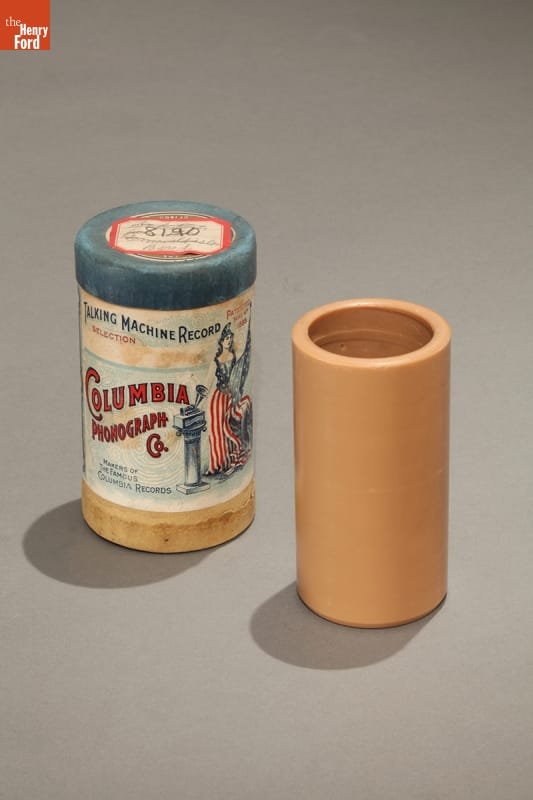
- Circa 1899
- Collections - Artifact
Columbia Talking Machine Record, "Uncle Josh in a Department Store," circa 1899
Cal Stewart, a vaudeville comedian known for his "country bumpkin" character Uncle Josh, provided humorous commentary on his rural community and the world outside his village of Pun'kin Center. Here, Uncle Josh goes to a big city department store and is amazed by the technology. After a salesclerk places Uncle Josh's payment in the pneumatic tubes that shoots his money across the store to a cashier in a back room, Uncle Josh goes running after it!
- Wax Cylinder Record, "Sale of Toys, Dolls, Etc. on Christmas Eve Night," circa 1893 - This unusual recording was made in 1896 in Washington, D.C., by the Columbia Phonograph Company. It is of Baltimore, Maryland, auctioneer W.O. Beckenbaugh "selling" toys on Christmas Eve. Listening to the auctioneer's banter may have been the appeal of this record for potential customers. Beckenbaugh certainly is a fast talker!
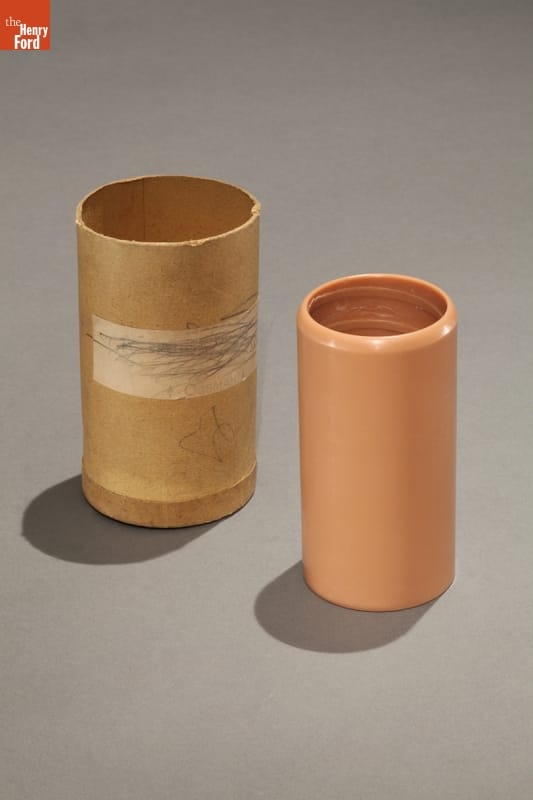
- circa 1893
- Collections - Artifact
Wax Cylinder Record, "Sale of Toys, Dolls, Etc. on Christmas Eve Night," circa 1893
This unusual recording was made in 1896 in Washington, D.C., by the Columbia Phonograph Company. It is of Baltimore, Maryland, auctioneer W.O. Beckenbaugh "selling" toys on Christmas Eve. Listening to the auctioneer's banter may have been the appeal of this record for potential customers. Beckenbaugh certainly is a fast talker!