
Search
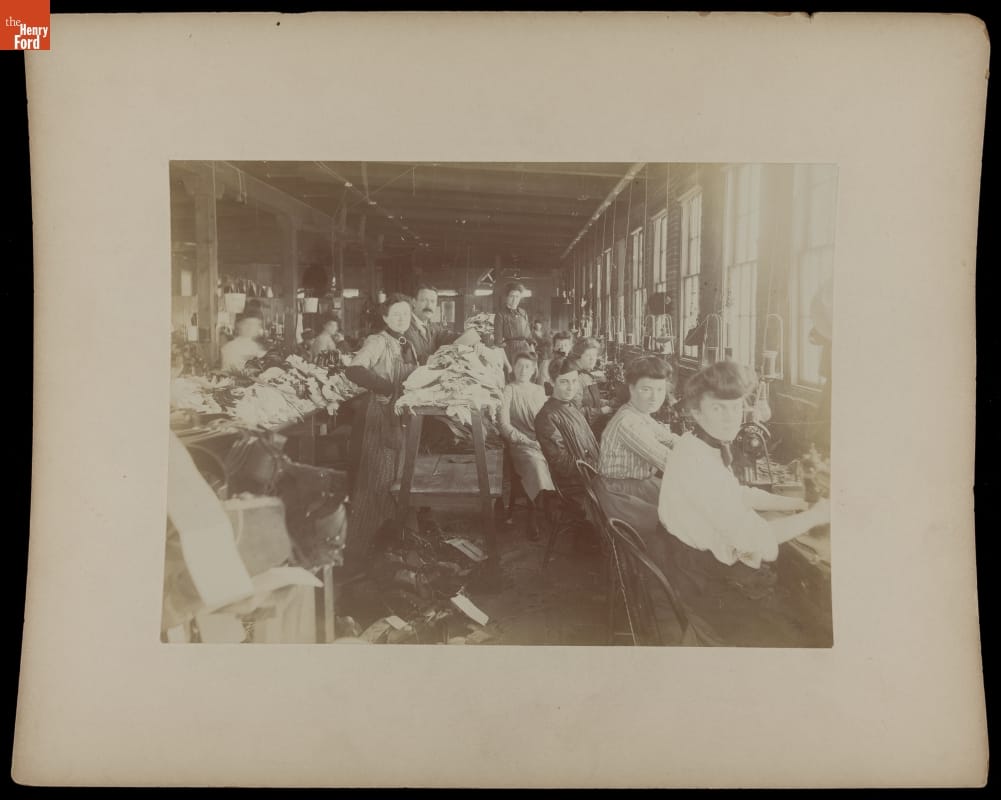
- Women Workers in a Shoe Factory, Boston, Massachusetts, circa 1903 - In 1800, shoemaking was a craft known to few. Throughout the century, inventors patented industrial machines to perform much of that manual labor. By 1900, shops of laborers produced more shoes faster and cheaper than ever before. Here, women pose at factory sewing machines that helped make quick work of stitching tough shoe leather.
- circa 1903
- Collections - Artifact
Women Workers in a Shoe Factory, Boston, Massachusetts, circa 1903
In 1800, shoemaking was a craft known to few. Throughout the century, inventors patented industrial machines to perform much of that manual labor. By 1900, shops of laborers produced more shoes faster and cheaper than ever before. Here, women pose at factory sewing machines that helped make quick work of stitching tough shoe leather.
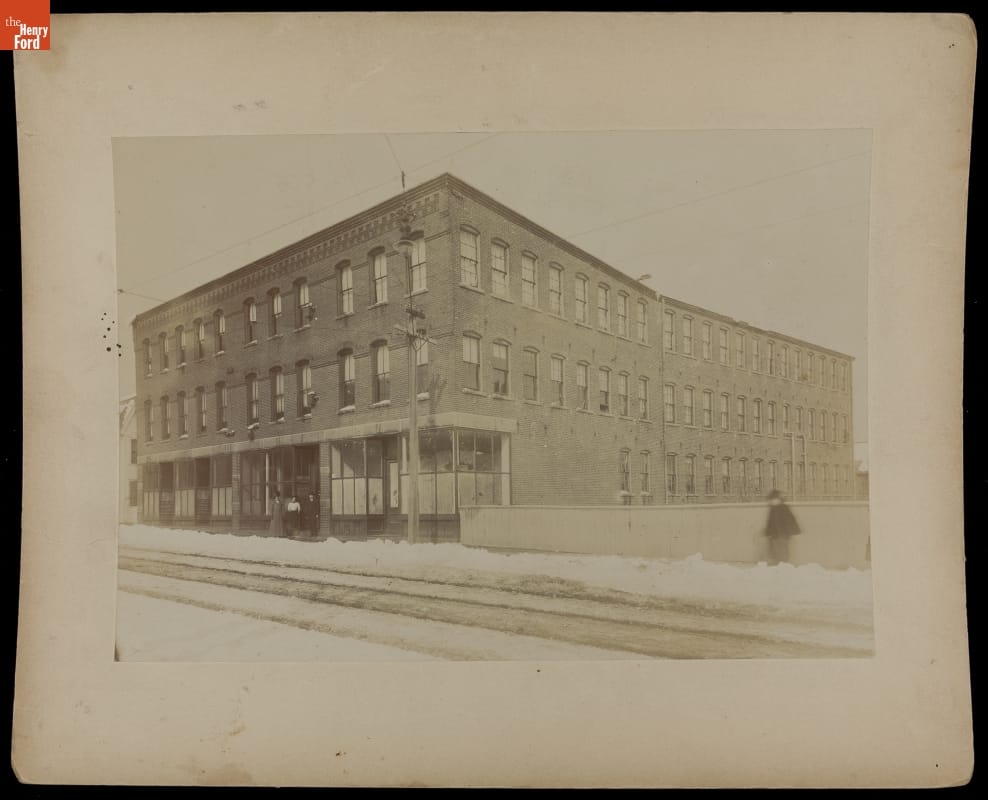
- Shoe Factory, Boston, Massachusetts. circa 1903 - In 1800, shoemaking was a craft known to few. Throughout the century, inventors patented industrial machines to perform much of that manual labor. By 1900, large shops of laborers produced more shoes faster and cheaper than ever before. The factory pictured here was one of many that profited from American shoemaking innovations at the turn of the twentieth century.
- circa 1903
- Collections - Artifact
Shoe Factory, Boston, Massachusetts. circa 1903
In 1800, shoemaking was a craft known to few. Throughout the century, inventors patented industrial machines to perform much of that manual labor. By 1900, large shops of laborers produced more shoes faster and cheaper than ever before. The factory pictured here was one of many that profited from American shoemaking innovations at the turn of the twentieth century.
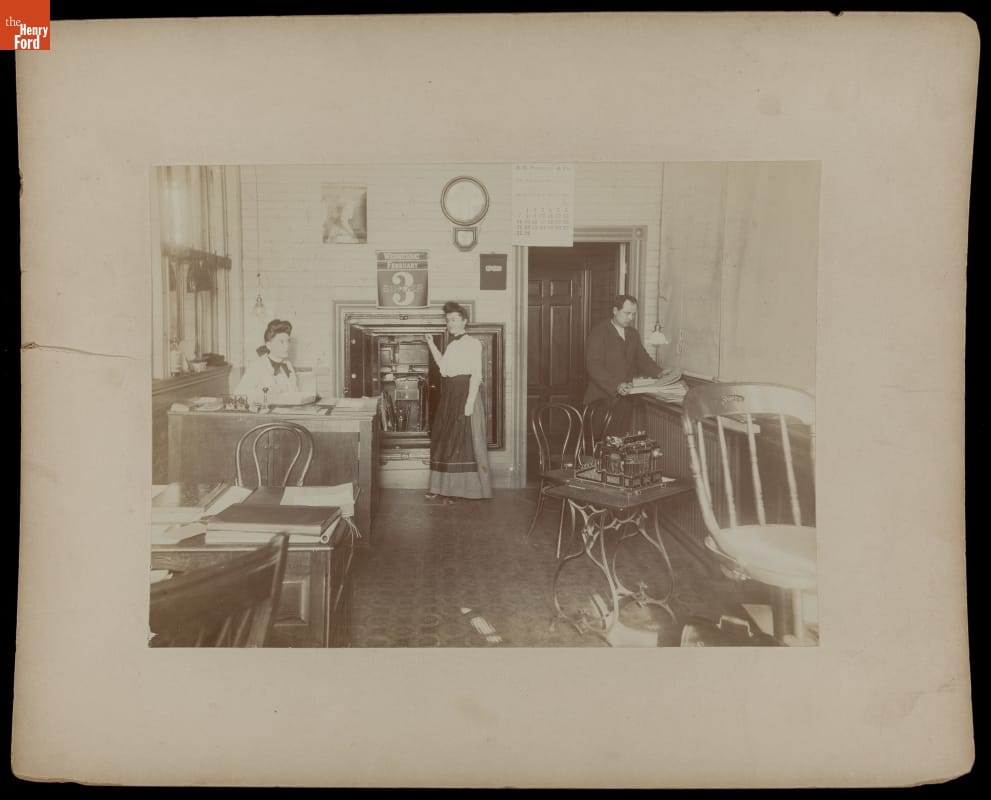
- Men and Women Working in a Shoe Factory Office, Boston, Massachusetts, 1904 - Women found new employment opportunities as the industrial and managerial revolutions of the late 19th century increased the need for office workers. There were few job opportunities in the professions, outside of nursing and teaching, so literate women often turned to office work. By 1900, women made up more than a third of clerical workers. Still, opportunity was limited--very few female office workers became office executives.
- 1904
- Collections - Artifact
Men and Women Working in a Shoe Factory Office, Boston, Massachusetts, 1904
Women found new employment opportunities as the industrial and managerial revolutions of the late 19th century increased the need for office workers. There were few job opportunities in the professions, outside of nursing and teaching, so literate women often turned to office work. By 1900, women made up more than a third of clerical workers. Still, opportunity was limited--very few female office workers became office executives.
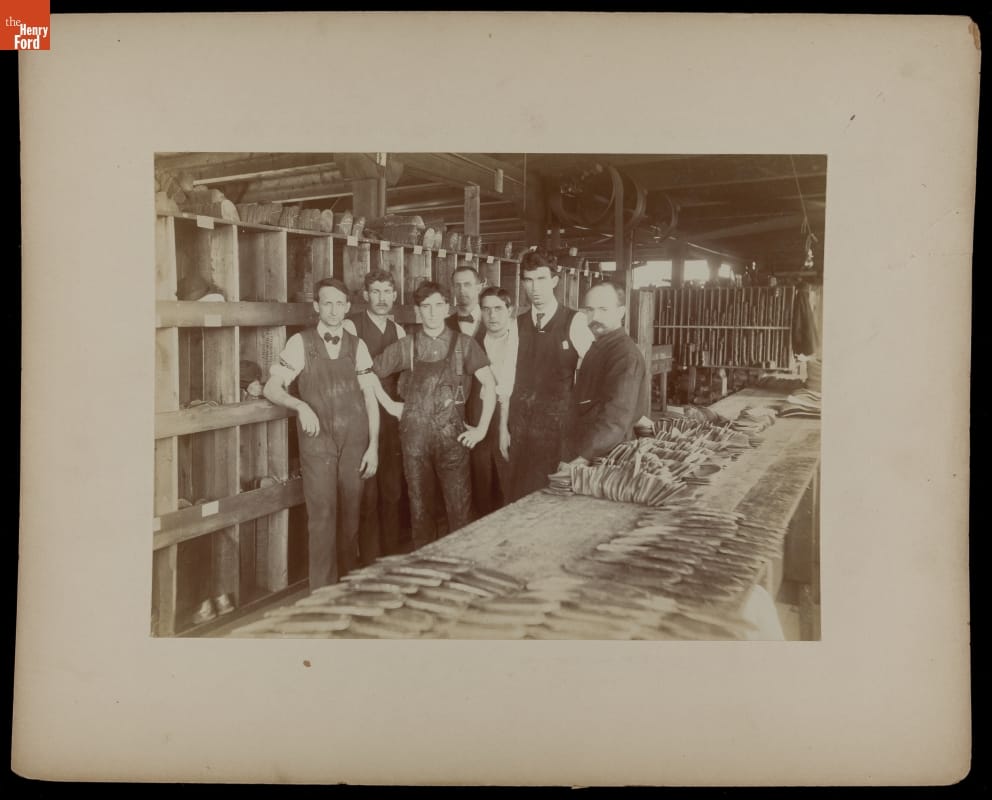
- Workers at a Shoe Factory, Boston, Massachusetts, circa 1903 - In 1800, shoemaking was a craft known to few. Throughout the century, inventors patented industrial machines to perform much of that manual labor. By 1900, large shops of laborers produced more shoes faster and cheaper than ever before. Here, factory workers pose near their workstations. Some of the men hold tools or unfinished boots.
- circa 1903
- Collections - Artifact
Workers at a Shoe Factory, Boston, Massachusetts, circa 1903
In 1800, shoemaking was a craft known to few. Throughout the century, inventors patented industrial machines to perform much of that manual labor. By 1900, large shops of laborers produced more shoes faster and cheaper than ever before. Here, factory workers pose near their workstations. Some of the men hold tools or unfinished boots.
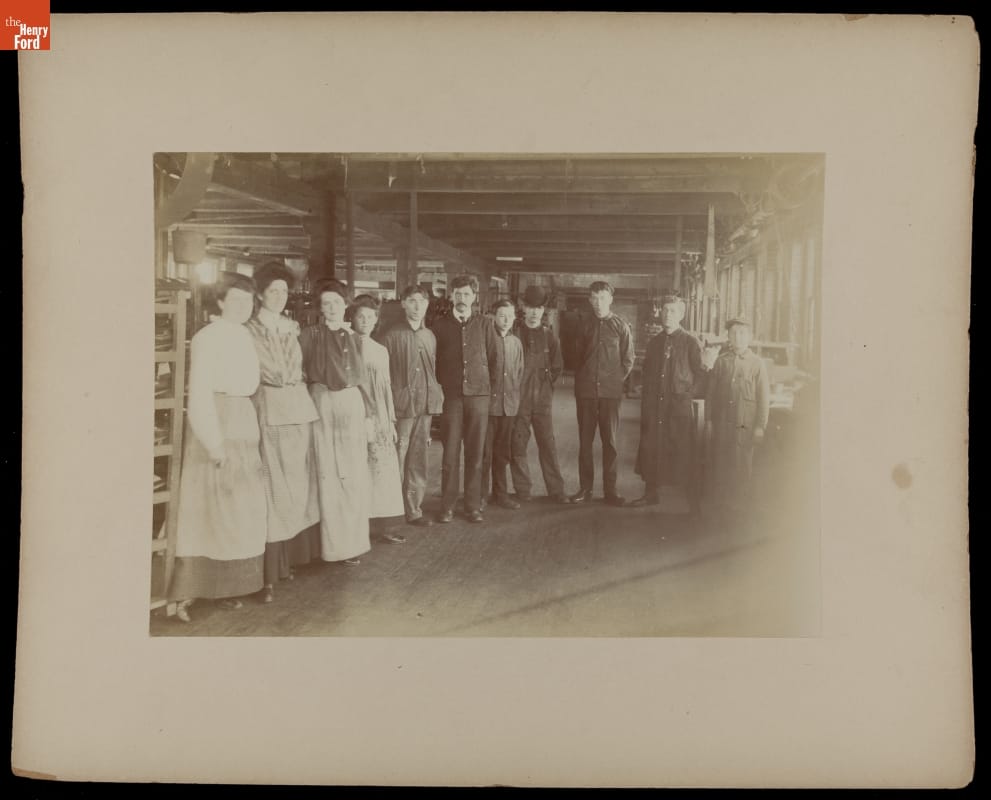
- Men and Women Workers at Shoe Factory, Boston, Massachusetts, circa 1903 - In 1800, shoemaking was a craft known to few. Throughout the century, inventors patented industrial machines to perform much of that manual labor. By 1900, shops of laborers produced more shoes faster and cheaper than ever before. Because factories could hire men and women--like those posing here--to complete the entire process under one roof, shoemaking profits multiplied.
- circa 1903
- Collections - Artifact
Men and Women Workers at Shoe Factory, Boston, Massachusetts, circa 1903
In 1800, shoemaking was a craft known to few. Throughout the century, inventors patented industrial machines to perform much of that manual labor. By 1900, shops of laborers produced more shoes faster and cheaper than ever before. Because factories could hire men and women--like those posing here--to complete the entire process under one roof, shoemaking profits multiplied.
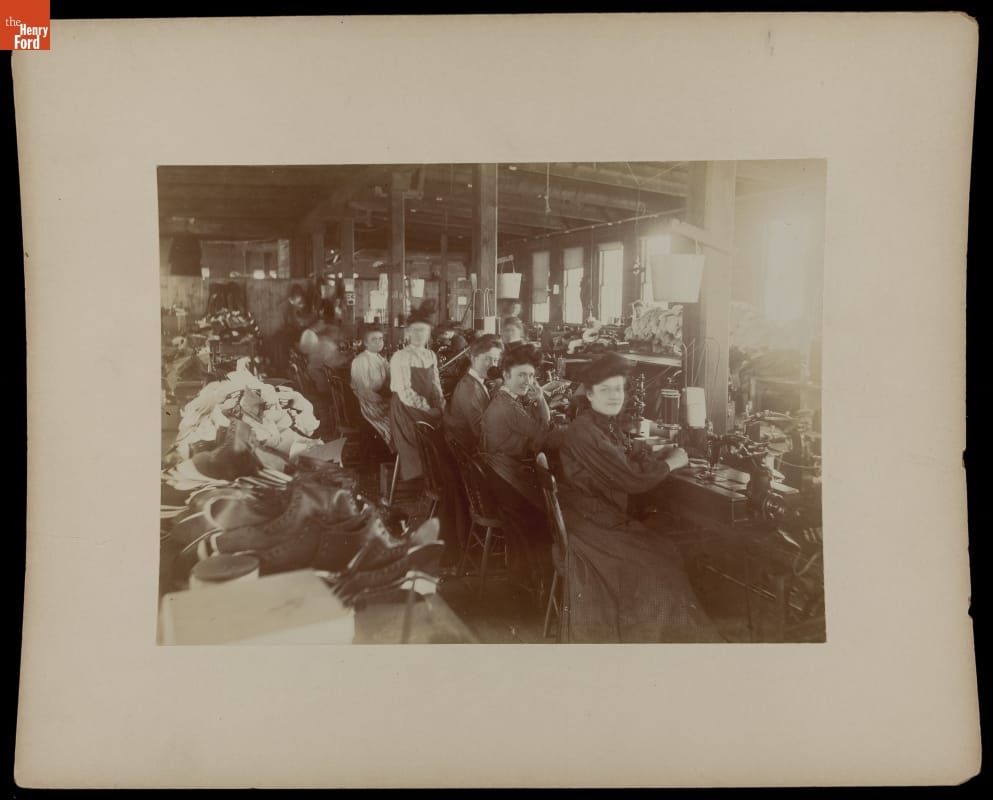
- Women Workers at a Shoe Factory, Boston, Massachusetts, circa 1903 - In 1800, shoemaking was a craft known to few. Throughout the century, inventors patented industrial machines to perform much of that manual labor. By 1900, shops of laborers produced more shoes faster and cheaper than ever before. Here, women pose at factory sewing machines that helped make quick work of stitching tough shoe leather.
- circa 1903
- Collections - Artifact
Women Workers at a Shoe Factory, Boston, Massachusetts, circa 1903
In 1800, shoemaking was a craft known to few. Throughout the century, inventors patented industrial machines to perform much of that manual labor. By 1900, shops of laborers produced more shoes faster and cheaper than ever before. Here, women pose at factory sewing machines that helped make quick work of stitching tough shoe leather.
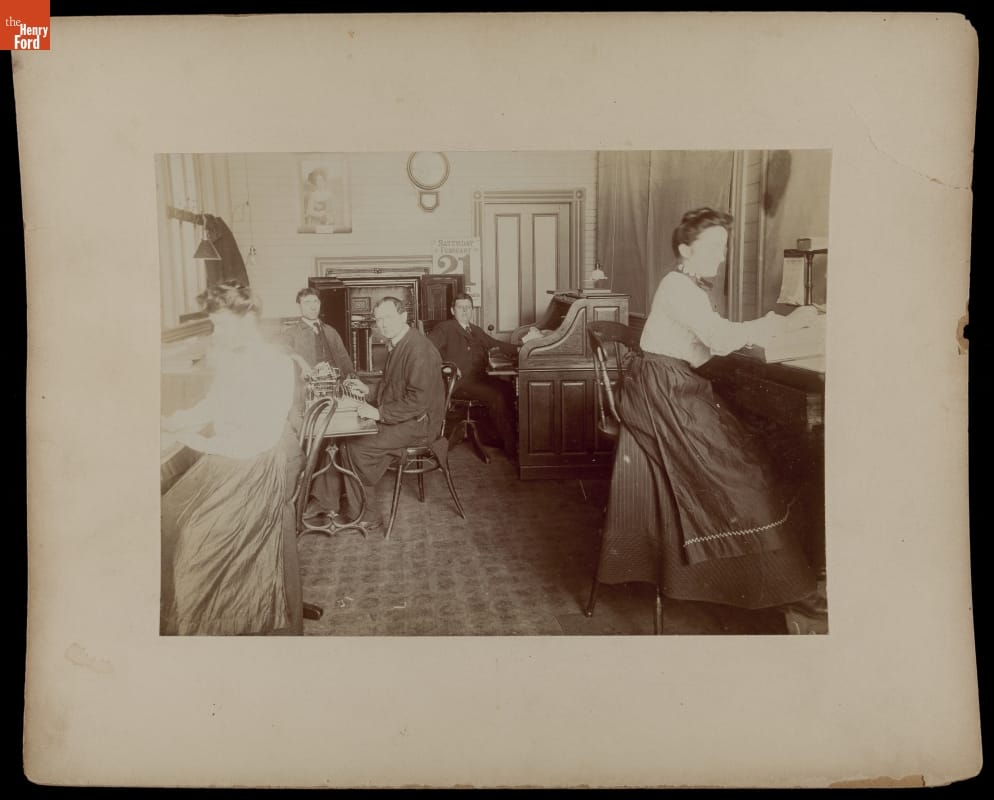
- Men and Women Working in a Shoe Factory Office, Boston, Massachusetts, 1903 - Women found new employment opportunities as the industrial and managerial revolutions of the late 19th century increased the need for office workers. There were few job opportunities in the professions, outside of nursing and teaching, so literate women often turned to office work. By 1900, women made up more than a third of clerical workers. Still, opportunity was limited--very few female office workers became office executives.
- 1903
- Collections - Artifact
Men and Women Working in a Shoe Factory Office, Boston, Massachusetts, 1903
Women found new employment opportunities as the industrial and managerial revolutions of the late 19th century increased the need for office workers. There were few job opportunities in the professions, outside of nursing and teaching, so literate women often turned to office work. By 1900, women made up more than a third of clerical workers. Still, opportunity was limited--very few female office workers became office executives.
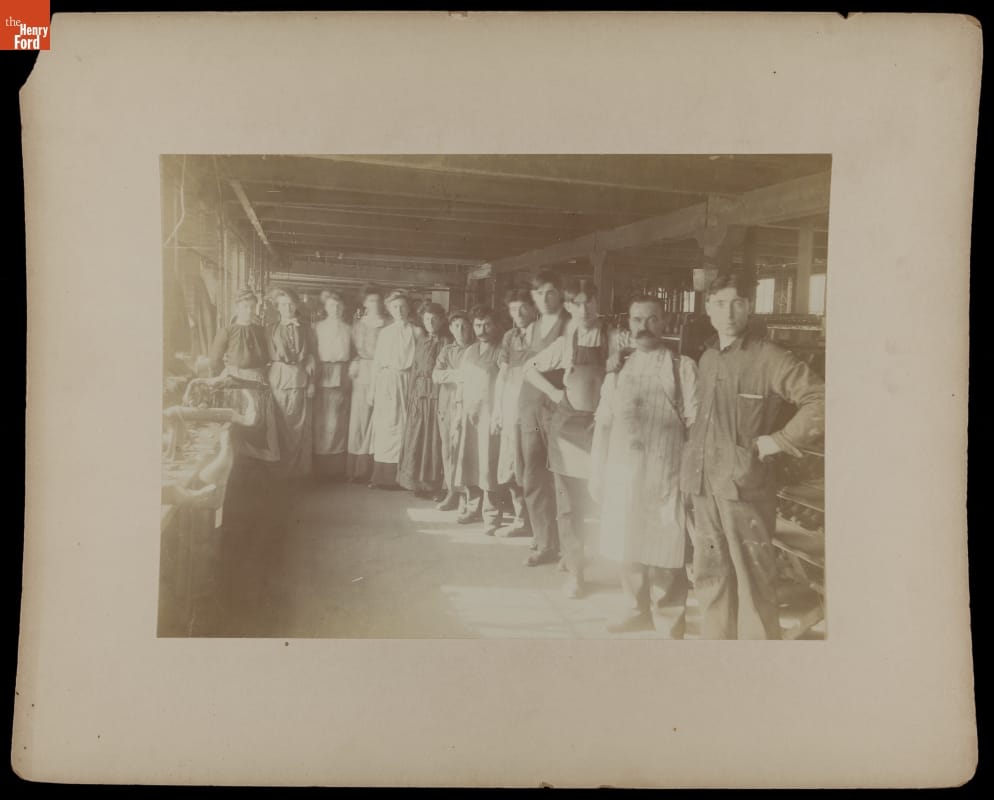
- Men and Women Workers in Shoe Factory, Boston, Massachusetts, circa 1903 - In 1800, shoemaking was a craft known to few. Throughout the century, inventors patented industrial machines to perform much of that manual labor. By 1900, shops of laborers produced more shoes faster and cheaper than ever before. Because factories could hire men and women--like those posing here--to complete the entire process under one roof, shoemaking profits multiplied.
- circa 1903
- Collections - Artifact
Men and Women Workers in Shoe Factory, Boston, Massachusetts, circa 1903
In 1800, shoemaking was a craft known to few. Throughout the century, inventors patented industrial machines to perform much of that manual labor. By 1900, shops of laborers produced more shoes faster and cheaper than ever before. Because factories could hire men and women--like those posing here--to complete the entire process under one roof, shoemaking profits multiplied.
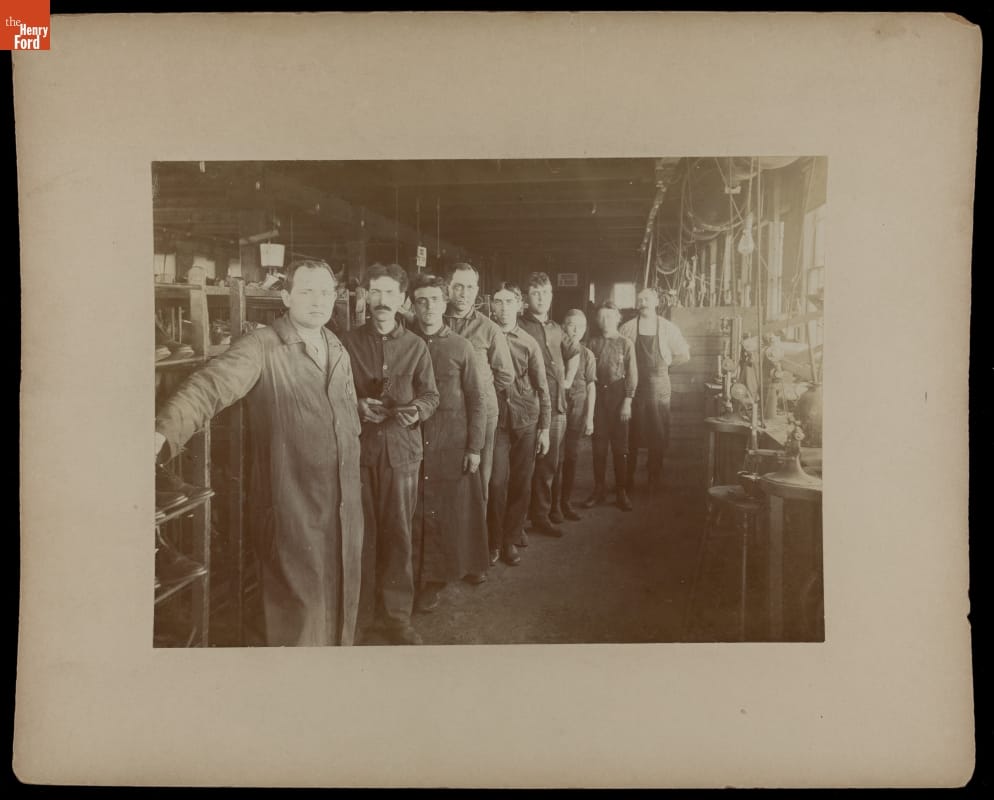
- Workers Inside Shoe Factory, Posing for Photograph, Boston, Massachusetts, circa 1903 - In 1800, shoemaking was a craft known to few. Throughout the century, inventors patented industrial machines to perform much of that manual labor. By 1900, shops of laborers produced more shoes faster and cheaper than ever before. Examples of these machines can be seen here, to the right of the factory workers posing near shelves of boots.
- circa 1903
- Collections - Artifact
Workers Inside Shoe Factory, Posing for Photograph, Boston, Massachusetts, circa 1903
In 1800, shoemaking was a craft known to few. Throughout the century, inventors patented industrial machines to perform much of that manual labor. By 1900, shops of laborers produced more shoes faster and cheaper than ever before. Examples of these machines can be seen here, to the right of the factory workers posing near shelves of boots.
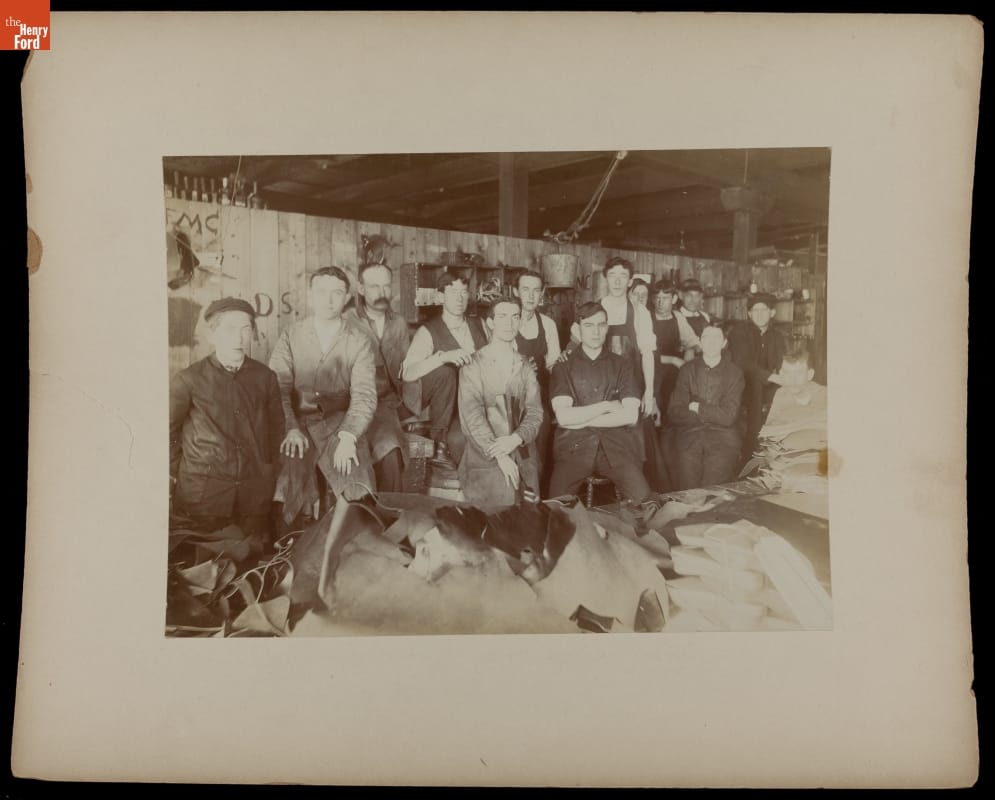
- Workers at Shoe Factory, Boston, Massachusetts, circa 1903 - In 1800, shoemaking was a craft known to few. Throughout the century, inventors patented industrial machines to perform much of that manual labor. By 1900, large shops of laborers produced more shoes faster and cheaper than ever before. Here, workers pose behind a table piled with prepared leather and other shoemaking materials.
- circa 1903
- Collections - Artifact
Workers at Shoe Factory, Boston, Massachusetts, circa 1903
In 1800, shoemaking was a craft known to few. Throughout the century, inventors patented industrial machines to perform much of that manual labor. By 1900, large shops of laborers produced more shoes faster and cheaper than ever before. Here, workers pose behind a table piled with prepared leather and other shoemaking materials.