
Search
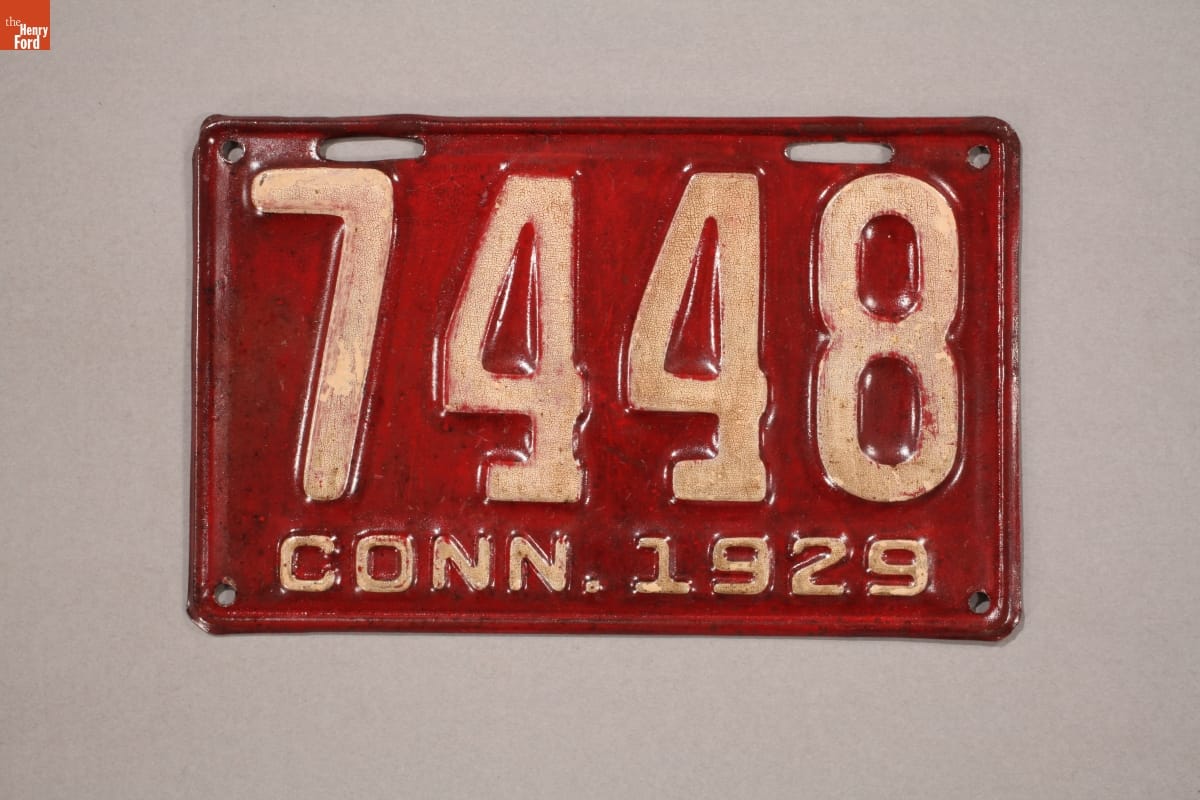
- Connecticut License Plate, 1929 - Early state-issued license plates were made of porcelain-coated iron. Later, states stamped tin, steel, or even copper to make plates. During the Second World War several states used fiberboard. Plate colors varied and some states added symbols, mottoes, or other design elements. Today, states use reflective sheeting to coat a standard-sized aluminum blank which is then stamped and decorated.
- 1929
- Collections - Artifact
Connecticut License Plate, 1929
Early state-issued license plates were made of porcelain-coated iron. Later, states stamped tin, steel, or even copper to make plates. During the Second World War several states used fiberboard. Plate colors varied and some states added symbols, mottoes, or other design elements. Today, states use reflective sheeting to coat a standard-sized aluminum blank which is then stamped and decorated.
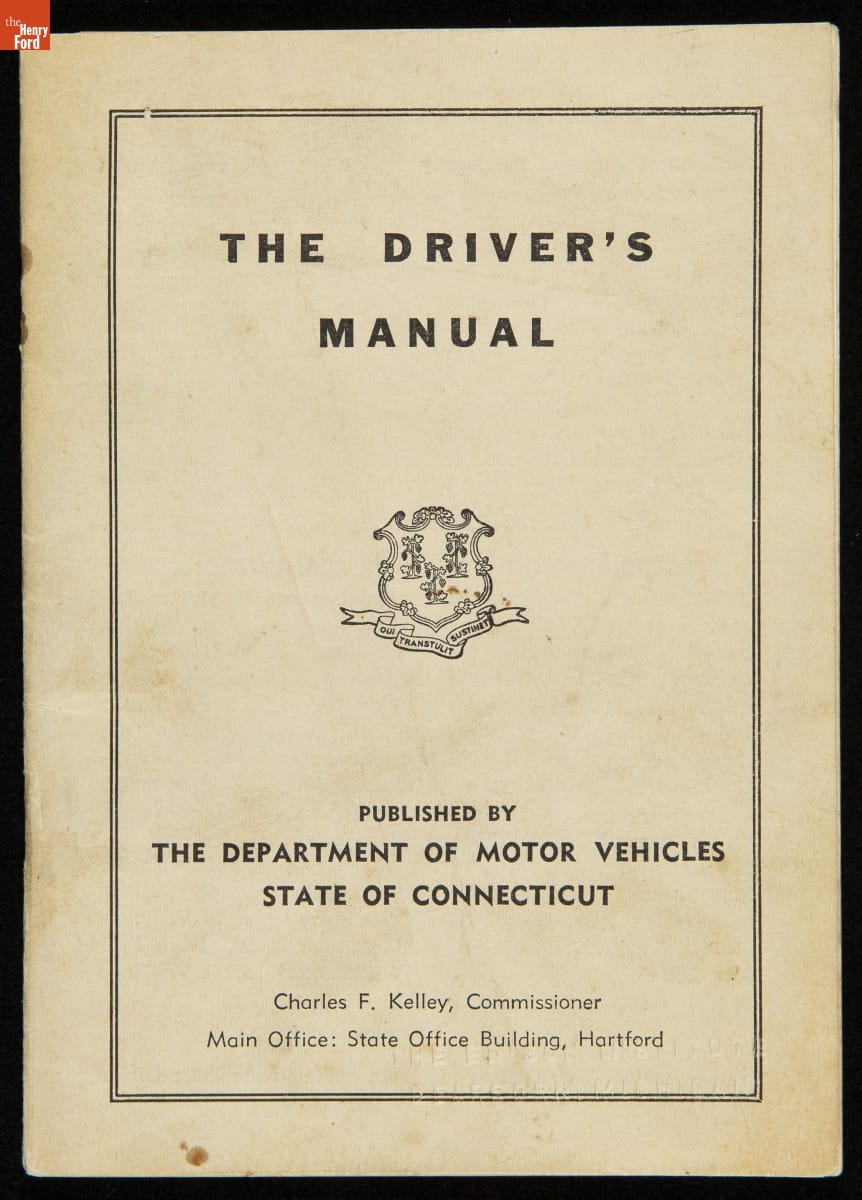
- The Driver's Manual, 1953 - While there are common laws and general good practices that guide drivers across the country, there are also specific rules and regulations that vary by state. State motor vehicle departments publish guidebooks to familiarize new drivers with local laws. Student drivers are encouraged to study these books before taking their driver license tests.
- 1953
- Collections - Artifact
The Driver's Manual, 1953
While there are common laws and general good practices that guide drivers across the country, there are also specific rules and regulations that vary by state. State motor vehicle departments publish guidebooks to familiarize new drivers with local laws. Student drivers are encouraged to study these books before taking their driver license tests.
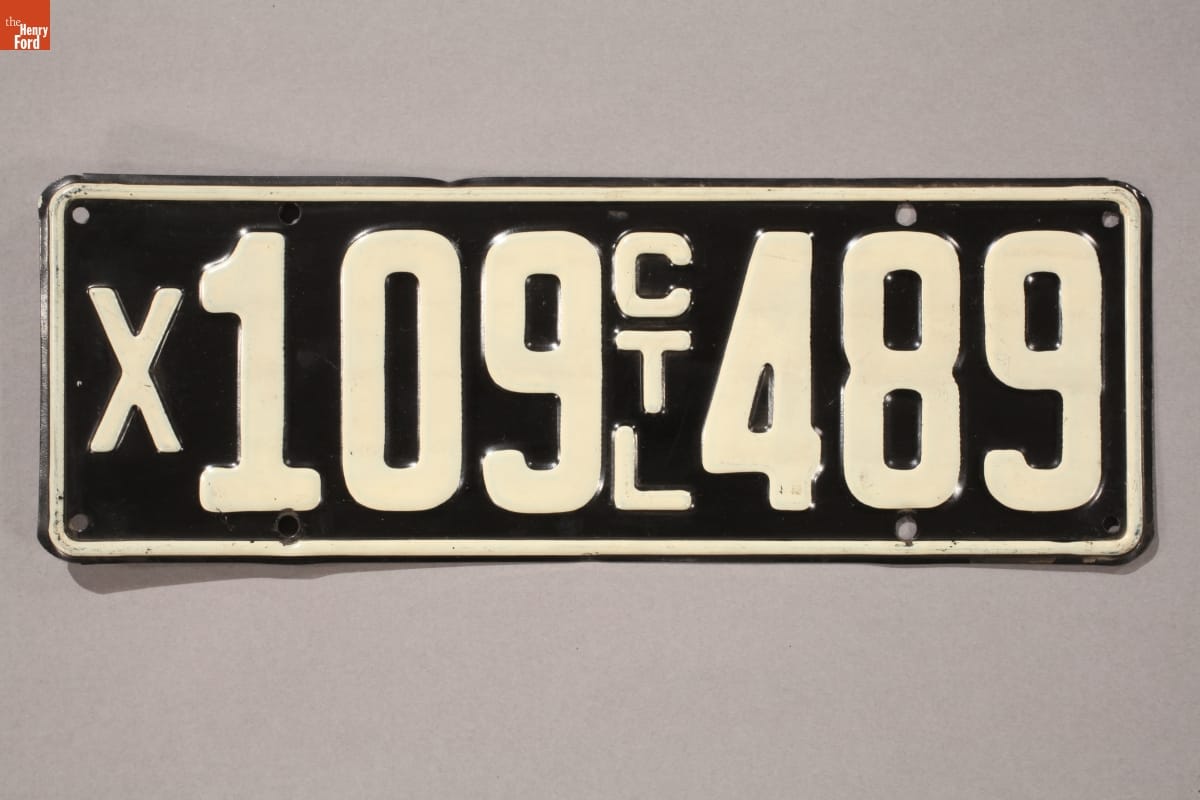
- Pair of Connecticut License Plates, 1905-1956 - Early state-issued license plates were made of porcelain-coated iron. Later, states stamped tin, steel, or even copper to make plates. During the Second World War several states used fiberboard. Plate colors varied and some states added symbols, mottoes, or other design elements. Today, states use reflective sheeting to coat a standard-sized aluminum blank which is then stamped and decorated.
- 1905-1956
- Collections - Artifact
Pair of Connecticut License Plates, 1905-1956
Early state-issued license plates were made of porcelain-coated iron. Later, states stamped tin, steel, or even copper to make plates. During the Second World War several states used fiberboard. Plate colors varied and some states added symbols, mottoes, or other design elements. Today, states use reflective sheeting to coat a standard-sized aluminum blank which is then stamped and decorated.
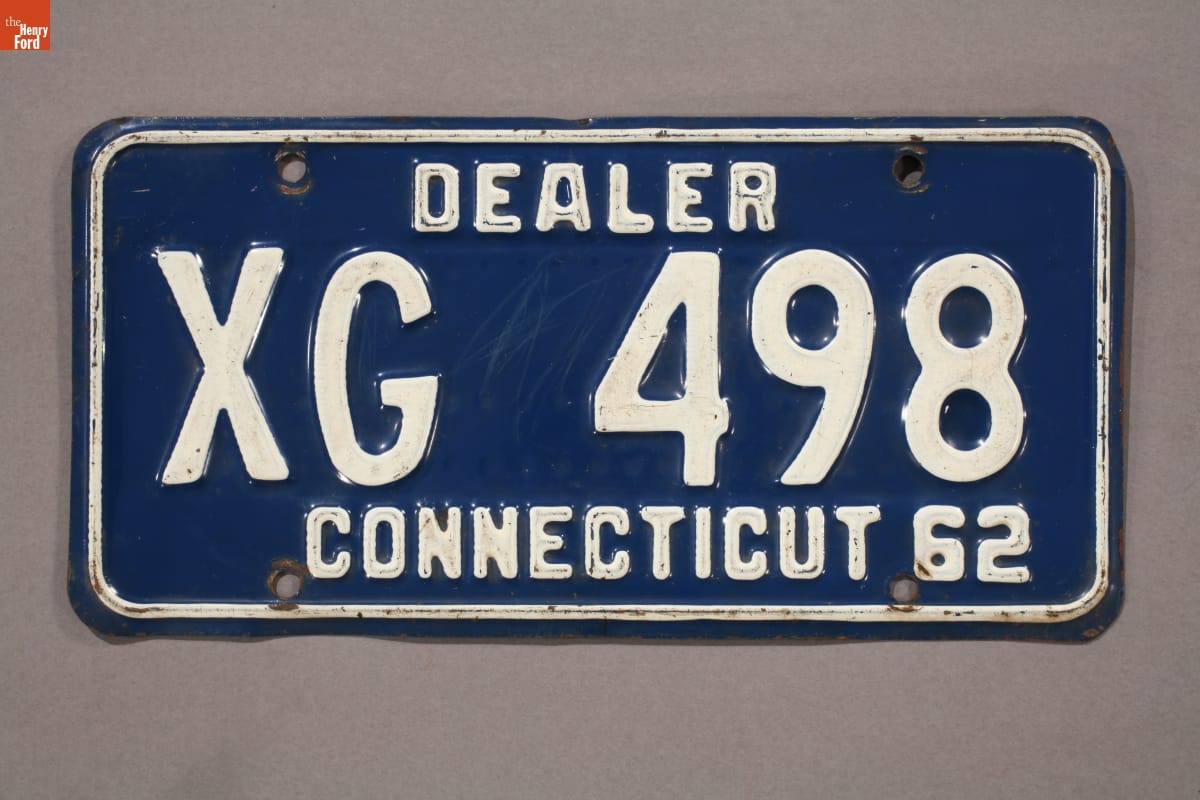
- Pair of Connecticut Dealer License Plates, 1962 - Automobile dealerships typically use dealer plates when demonstrating vehicles they want to sell. Dealers transfer the plates from one car to another to allow customers to test drive a car. The State of Connecticut issued this pair in 1962.
- 1962
- Collections - Artifact
Pair of Connecticut Dealer License Plates, 1962
Automobile dealerships typically use dealer plates when demonstrating vehicles they want to sell. Dealers transfer the plates from one car to another to allow customers to test drive a car. The State of Connecticut issued this pair in 1962.
- Connecticut License Plate, 1916 - Early state-issued license plates were made of porcelain-coated iron. Later, states stamped tin, steel, or even copper to make plates. During the Second World War several states used fiberboard. Plate colors varied and some states added symbols, mottoes, or other design elements. Today, states use reflective sheeting to coat a standard-sized aluminum blank which is then stamped and decorated.
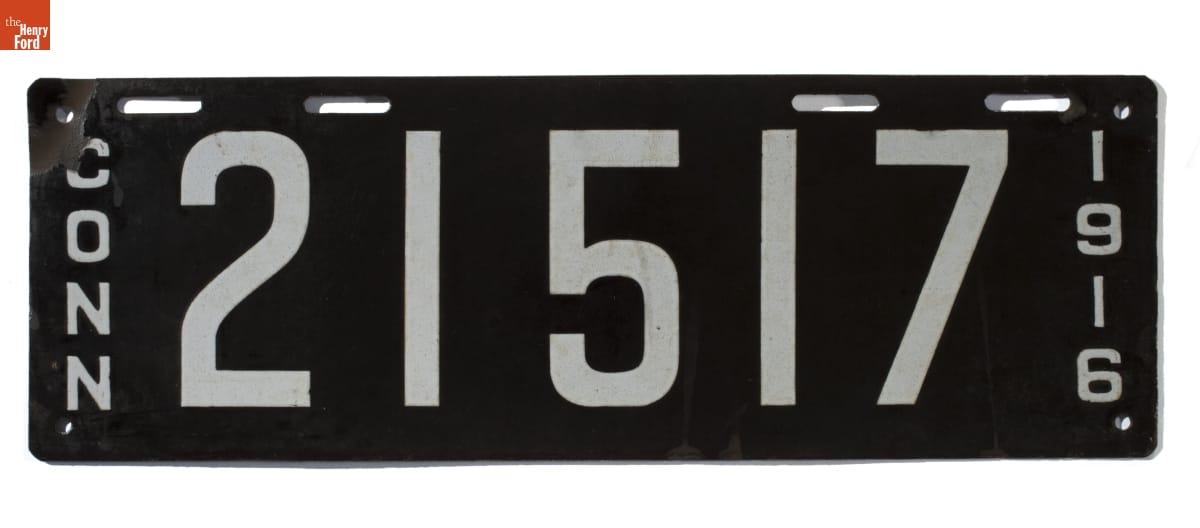
- 1916
- Collections - Artifact
Connecticut License Plate, 1916
Early state-issued license plates were made of porcelain-coated iron. Later, states stamped tin, steel, or even copper to make plates. During the Second World War several states used fiberboard. Plate colors varied and some states added symbols, mottoes, or other design elements. Today, states use reflective sheeting to coat a standard-sized aluminum blank which is then stamped and decorated.
- Connecticut License Plate, 1966 - Early state-issued license plates were made of porcelain-coated iron. Later, states stamped tin, steel, or even copper to make plates. During the Second World War several states used fiberboard. Plate colors varied and some states added symbols, mottoes, or other design elements. Today, states use reflective sheeting to coat a standard-sized aluminum blank which is then stamped and decorated.
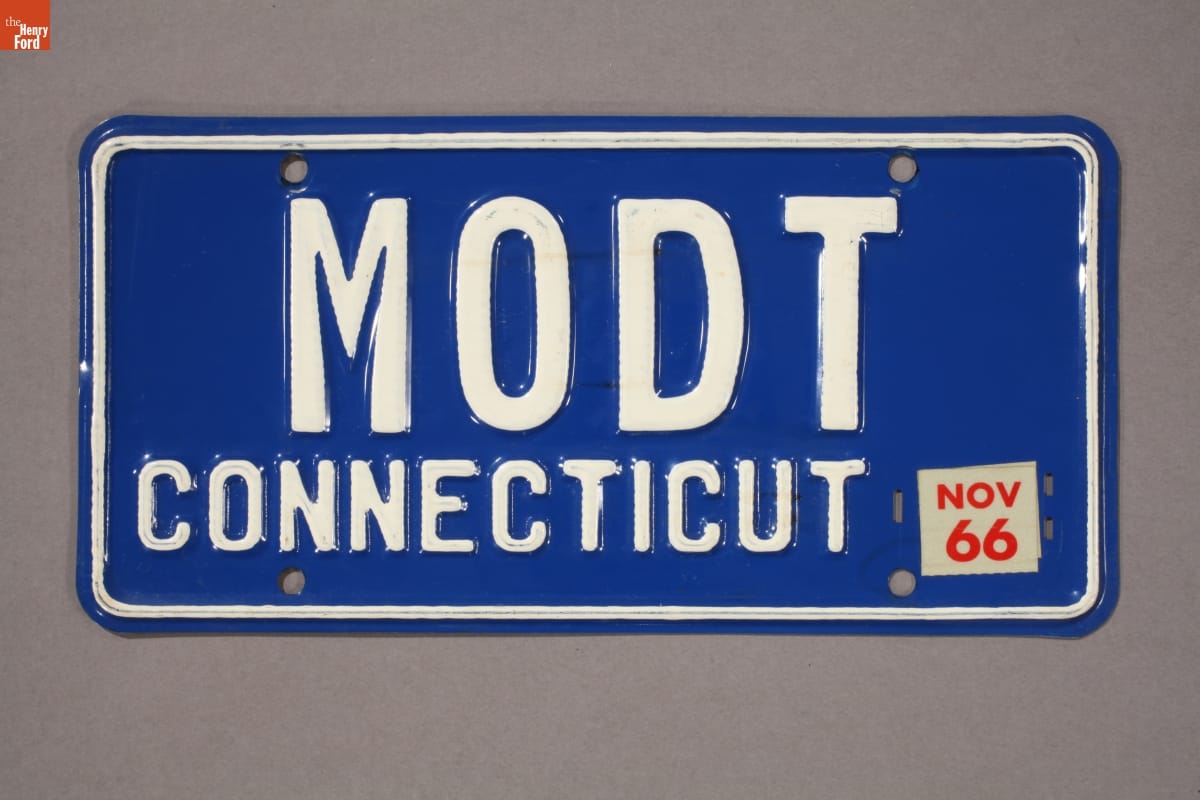
- 1966
- Collections - Artifact
Connecticut License Plate, 1966
Early state-issued license plates were made of porcelain-coated iron. Later, states stamped tin, steel, or even copper to make plates. During the Second World War several states used fiberboard. Plate colors varied and some states added symbols, mottoes, or other design elements. Today, states use reflective sheeting to coat a standard-sized aluminum blank which is then stamped and decorated.