
Search
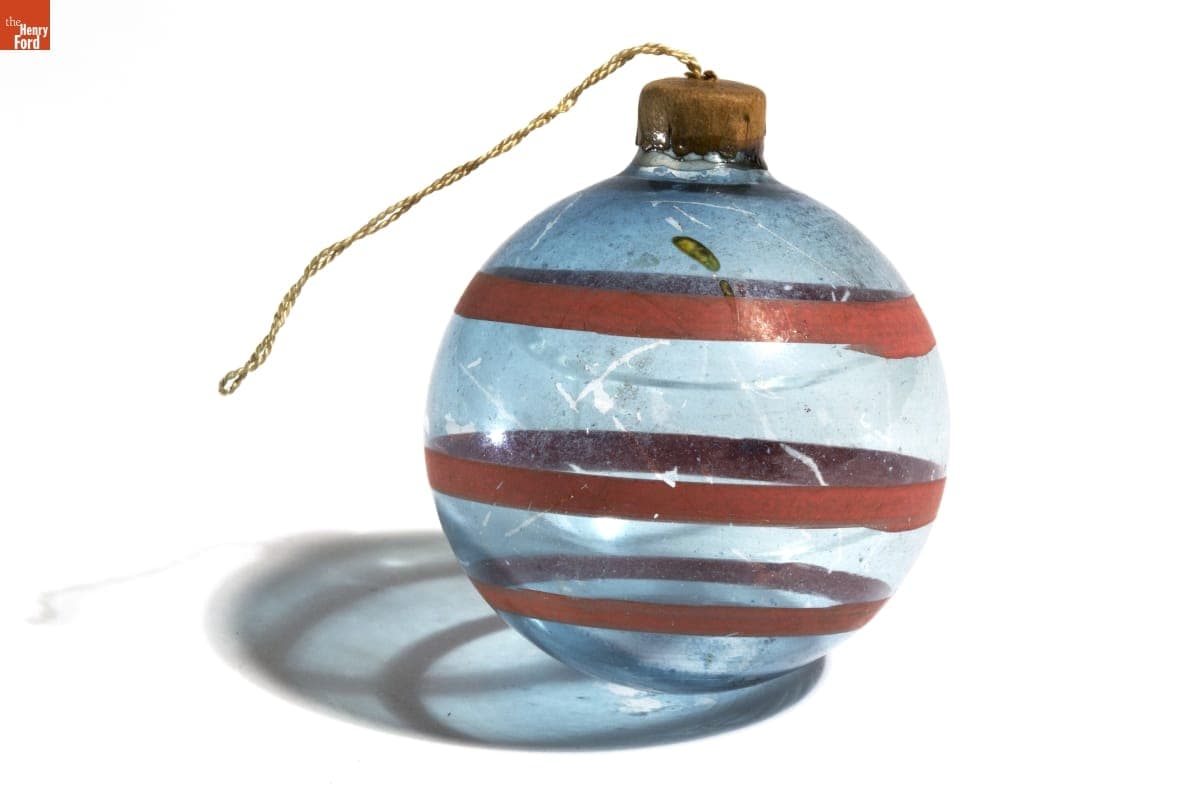
- Christmas Tree Ornament, 1943-1945 - When Americans stopped importing hand-blown Christmas ornaments from Germany during World War II, an enterprising importer of German goods named Max Eckardt convinced the Corning Glass Company to mass produce machine-blown bulbs. At other American firms, such as Eckardt's, workers decorated the plain glass balls. When wartime shortages limited the availability of lacquer and metal, they used paint and cardboard.
- 1943-1945
- Collections - Artifact
Christmas Tree Ornament, 1943-1945
When Americans stopped importing hand-blown Christmas ornaments from Germany during World War II, an enterprising importer of German goods named Max Eckardt convinced the Corning Glass Company to mass produce machine-blown bulbs. At other American firms, such as Eckardt's, workers decorated the plain glass balls. When wartime shortages limited the availability of lacquer and metal, they used paint and cardboard.
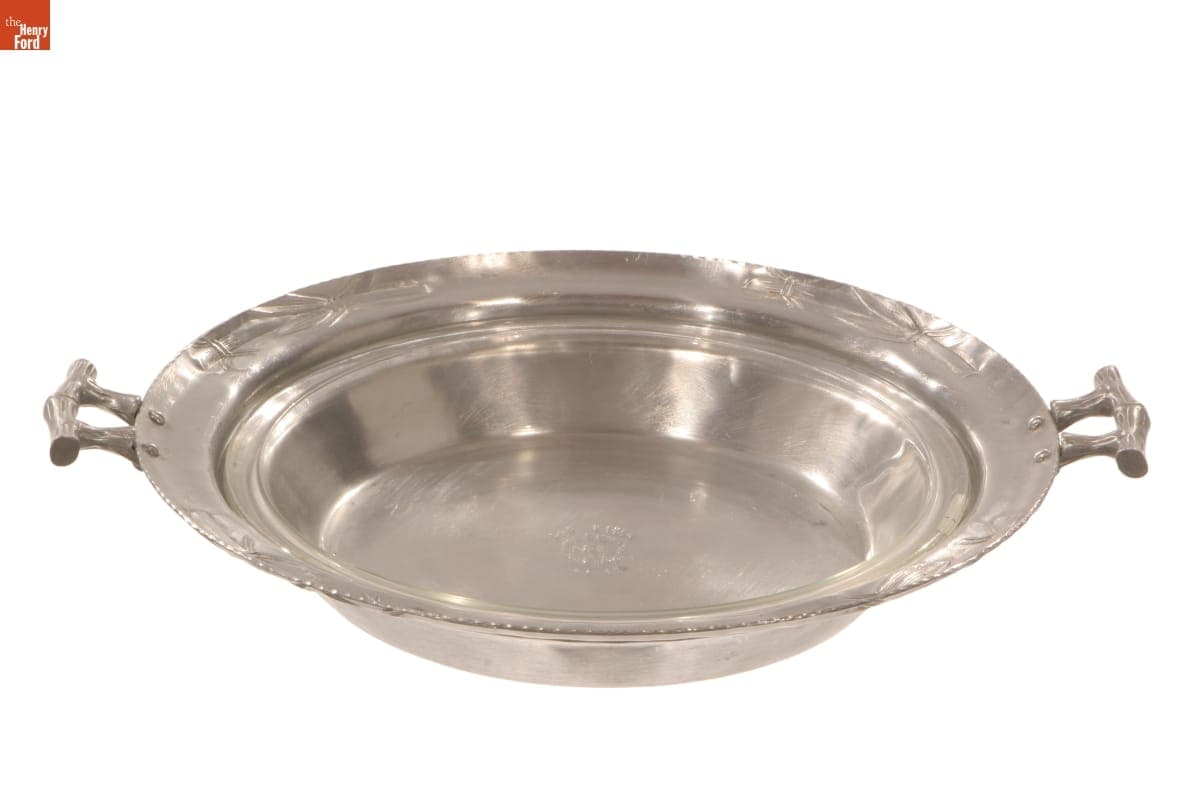
- Everlast "Bali Bamboo" Pie Plate, 1948-1959 - In 1932, Louis Schnitzer and Nathan Gelfman formed Everlast Metal Products Corporation, producing high-quality, hand-forged aluminum giftware. In an era of growing uniformity via factory production, the "made by hand" aspect of these products held an aesthetic appeal for consumers. Everlast's most successful line, "Bali Bamboo," was a direct result of America's fascination with the South Pacific following World War II.
- 1948-1959
- Collections - Artifact
Everlast "Bali Bamboo" Pie Plate, 1948-1959
In 1932, Louis Schnitzer and Nathan Gelfman formed Everlast Metal Products Corporation, producing high-quality, hand-forged aluminum giftware. In an era of growing uniformity via factory production, the "made by hand" aspect of these products held an aesthetic appeal for consumers. Everlast's most successful line, "Bali Bamboo," was a direct result of America's fascination with the South Pacific following World War II.
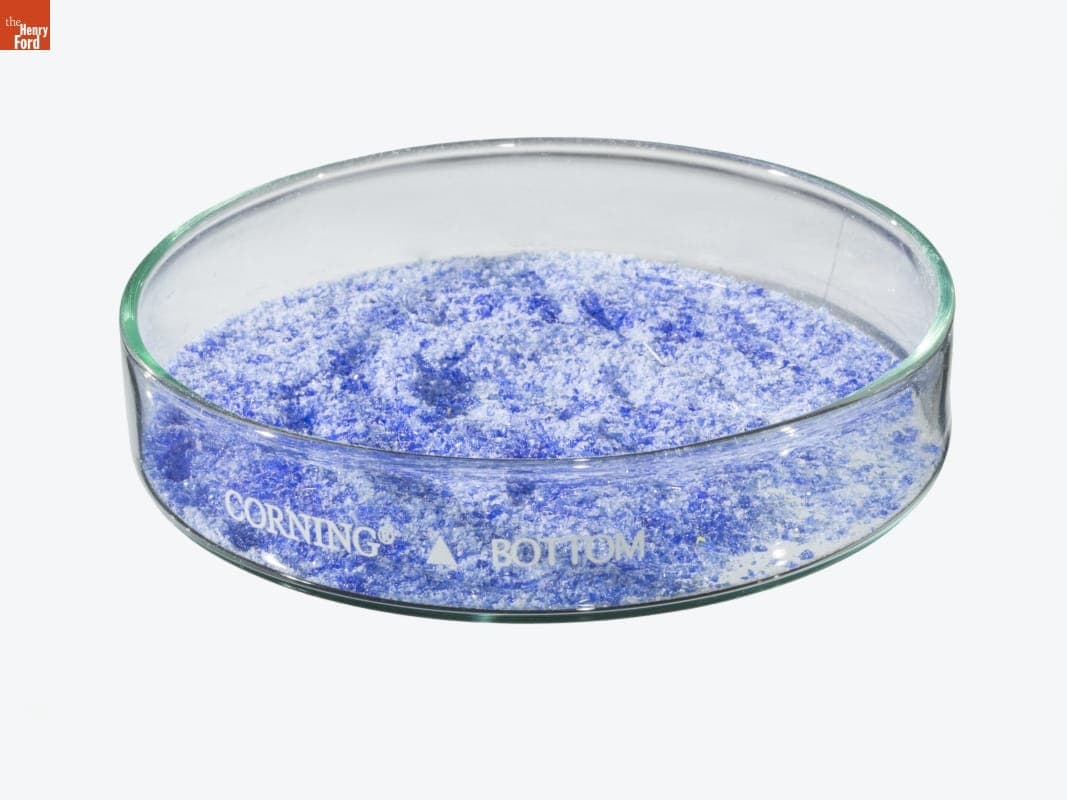
- Petri Dish with Silica Sand, Used by Paul Stankard, 2010-2015 - Paperweight artist Paul Stankard creates small botanical worlds in glass. Using a technique called flame working, Stankard melts rods of glass--pulled and shaped with tweezers and other tools--to fashion amazingly lifelike tiny flowers, insects, and even human figures. These "inclusions" are then encased in a glass mold to produce a paperweight.
- 2010-2015
- Collections - Artifact
Petri Dish with Silica Sand, Used by Paul Stankard, 2010-2015
Paperweight artist Paul Stankard creates small botanical worlds in glass. Using a technique called flame working, Stankard melts rods of glass--pulled and shaped with tweezers and other tools--to fashion amazingly lifelike tiny flowers, insects, and even human figures. These "inclusions" are then encased in a glass mold to produce a paperweight.
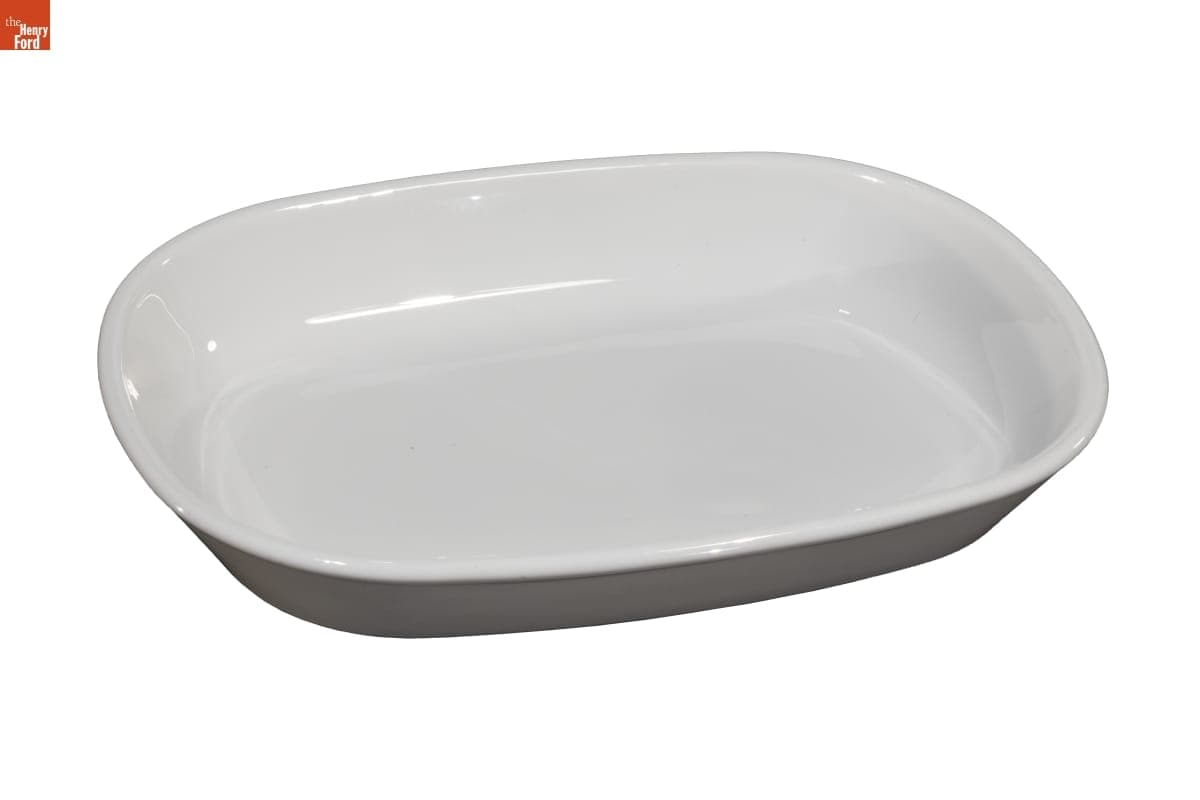
- Corning Sidekick Dish, 1977-1983 -
- 1977-1983
- Collections - Artifact
Corning Sidekick Dish, 1977-1983
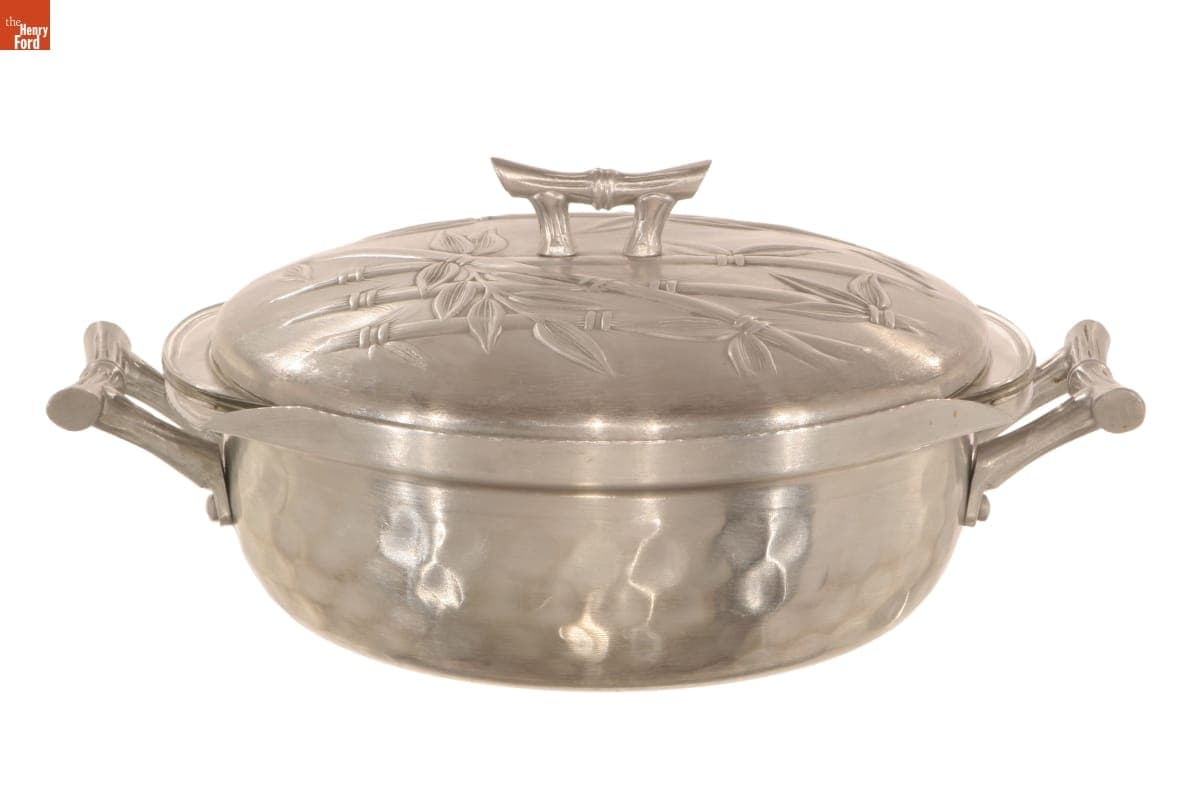
- Everlast "Bali Bamboo" Casserole, 1948-1959 - In 1932, Louis Schnitzer and Nathan Gelfman formed Everlast Metal Products Corporation, producing high-quality, hand-forged aluminum giftware. In an era of growing uniformity via factory production, the "made by hand" aspect of these products held an aesthetic appeal for consumers. Everlast's most successful line, "Bali Bamboo," was a direct result of America's fascination with the South Pacific following World War II.
- 1948-1959
- Collections - Artifact
Everlast "Bali Bamboo" Casserole, 1948-1959
In 1932, Louis Schnitzer and Nathan Gelfman formed Everlast Metal Products Corporation, producing high-quality, hand-forged aluminum giftware. In an era of growing uniformity via factory production, the "made by hand" aspect of these products held an aesthetic appeal for consumers. Everlast's most successful line, "Bali Bamboo," was a direct result of America's fascination with the South Pacific following World War II.
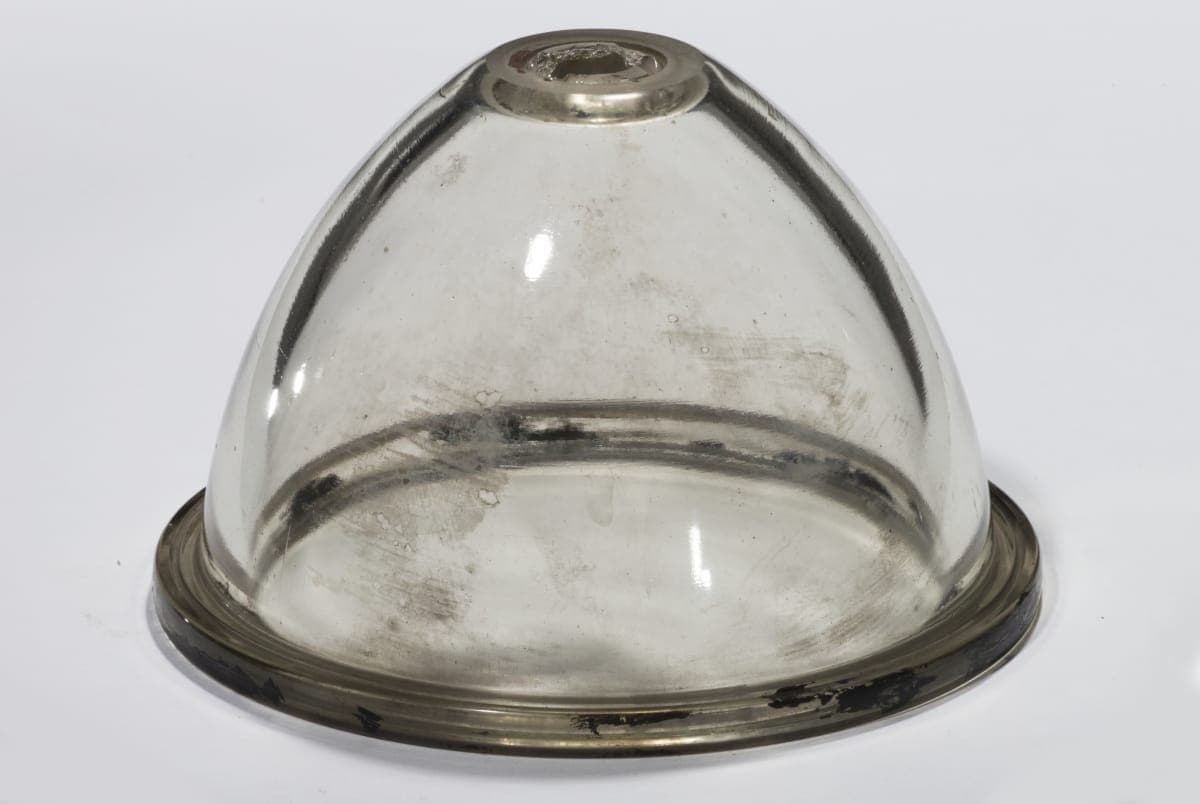
- Pyrex Entering Insulator - Insulators--made of poor electrical conductors such as glass, ceramic, plastic, or composite materials--help make electric power and communication transmission lines safe. They isolate wires from utility poles, transmission towers, and buildings--structures that are made of conductive materials that could cause signal degradation, power loss, fire, or pose a shock hazard if the lines touched them.
- Collections - Artifact
Pyrex Entering Insulator
Insulators--made of poor electrical conductors such as glass, ceramic, plastic, or composite materials--help make electric power and communication transmission lines safe. They isolate wires from utility poles, transmission towers, and buildings--structures that are made of conductive materials that could cause signal degradation, power loss, fire, or pose a shock hazard if the lines touched them.
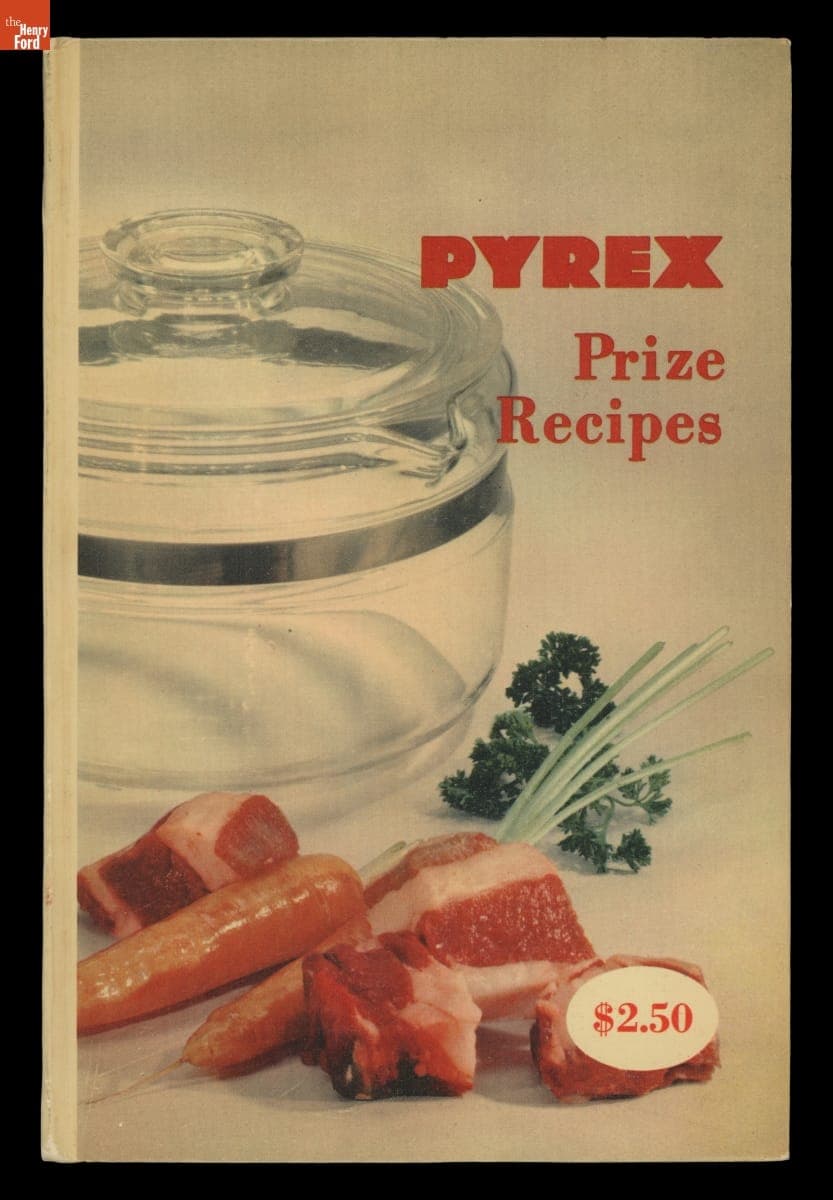
- "Pyrex Prize Recipes," 1953 -
- 1953
- Collections - Artifact
"Pyrex Prize Recipes," 1953
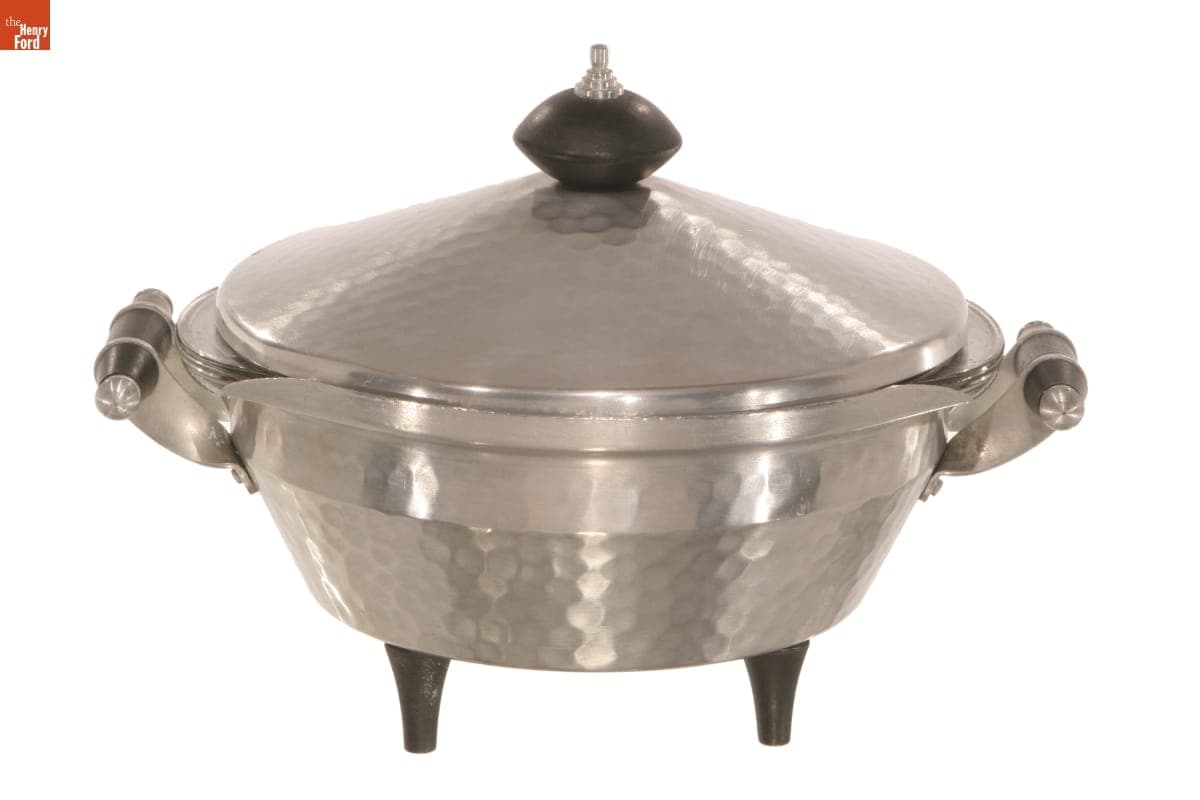
- Everlast "Modern" Casserole, 1953-1955 - In 1932, Louis Schnitzer and Nathan Gelfman formed Everlast Metal Products Corporation, producing high-quality, hand-forged aluminum giftware. In an era of growing uniformity via factory production, the "made by hand" aspect of these products held an aesthetic appeal for consumers. As interest in aluminum wares waned after World War II, Everlast attempted to reinvent its products introducing a contemporary line in 1953 called, "Everlast Modern."
- 1953-1955
- Collections - Artifact
Everlast "Modern" Casserole, 1953-1955
In 1932, Louis Schnitzer and Nathan Gelfman formed Everlast Metal Products Corporation, producing high-quality, hand-forged aluminum giftware. In an era of growing uniformity via factory production, the "made by hand" aspect of these products held an aesthetic appeal for consumers. As interest in aluminum wares waned after World War II, Everlast attempted to reinvent its products introducing a contemporary line in 1953 called, "Everlast Modern."
- Corning Ware Casserole Dish, 1959 - In 1958, Corning Glass Works introduced Corning Ware -- a line of innovative, shatterproof cooking and serving ware that could go from freezer to oven to table. Corning Ware was versatile, durable, and affordable. It was also attractive, with patterns that reflected current trends. The popular Cornflower Blue pattern, also introduced in 1958, became synonymous with Corning's brand identity.
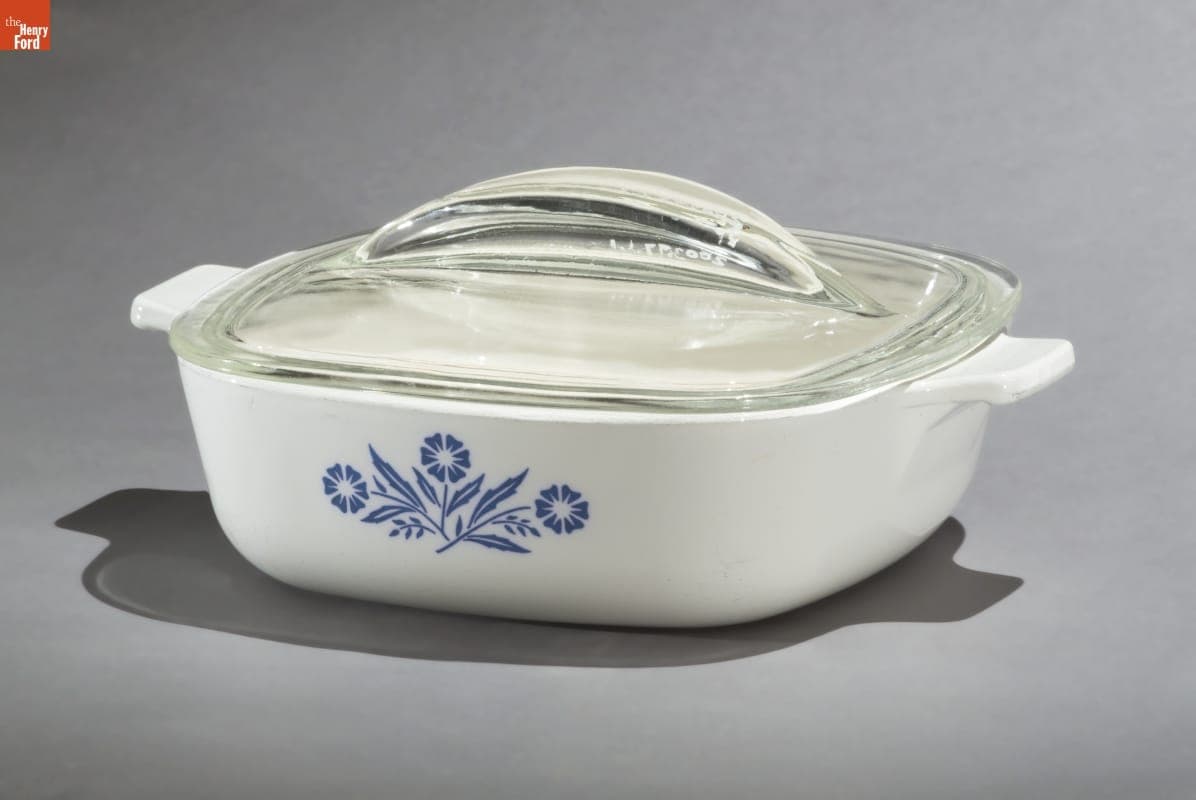
- 1959
- Collections - Artifact
Corning Ware Casserole Dish, 1959
In 1958, Corning Glass Works introduced Corning Ware -- a line of innovative, shatterproof cooking and serving ware that could go from freezer to oven to table. Corning Ware was versatile, durable, and affordable. It was also attractive, with patterns that reflected current trends. The popular Cornflower Blue pattern, also introduced in 1958, became synonymous with Corning's brand identity.
- Corning Ware Teapot, 1960-1961 -
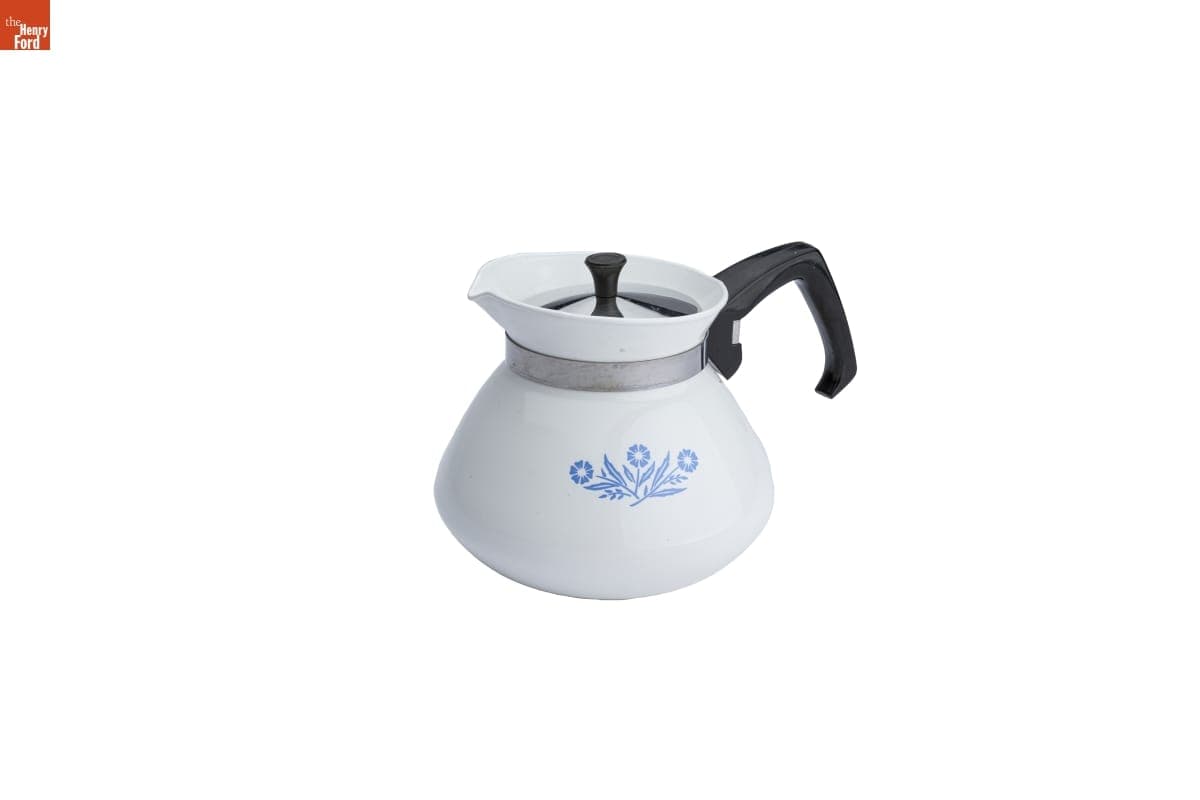
- 1960-1961
- Collections - Artifact
Corning Ware Teapot, 1960-1961