
Search
- "Portable and Agricultural Engines a Specialty Since 1852," circa 1880 -
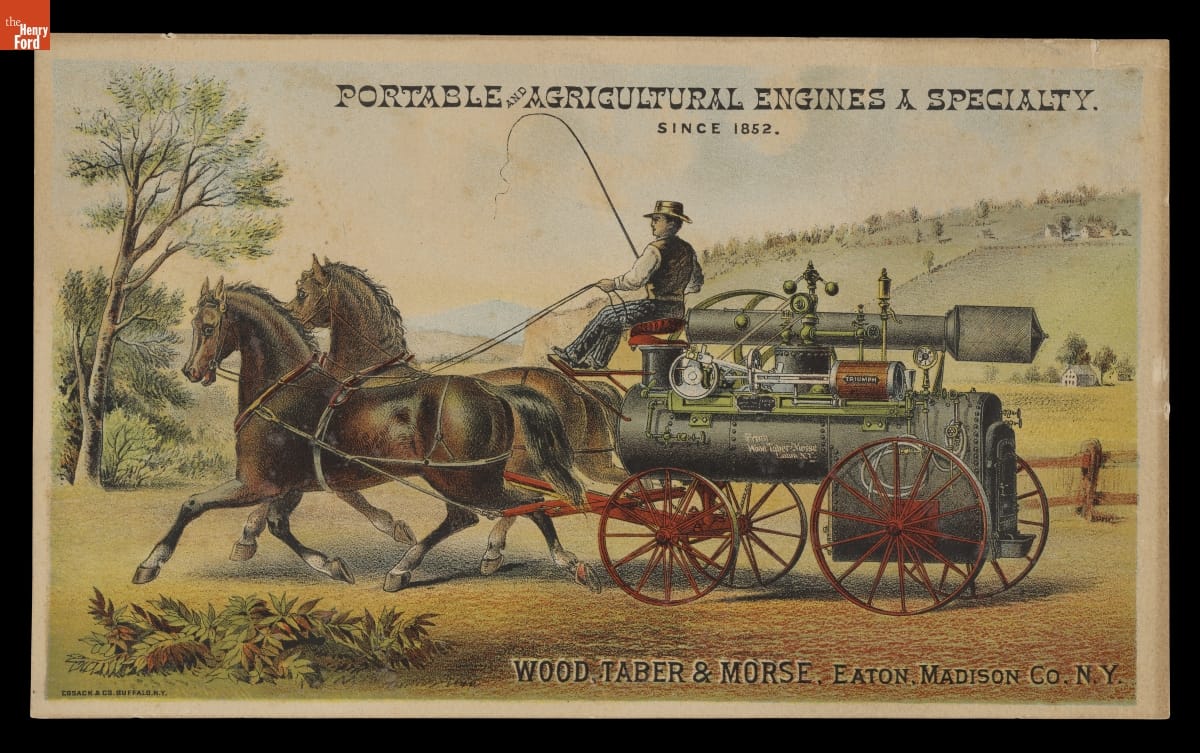
- circa 1880
- Collections - Artifact
"Portable and Agricultural Engines a Specialty Since 1852," circa 1880
- Trade Card for Burdock Blood Bitters, Foster, Milburn & Co., circa 1885 - In the last third of the nineteenth century, an unprecedented variety of consumer goods and services flooded the American market. Advertisers, armed with new methods of color printing, bombarded potential customers with trade cards. Americans enjoyed and often saved the vibrant little advertisements found in product packages or distributed by local merchants. Many survive as historical records of commercialism in the United States.
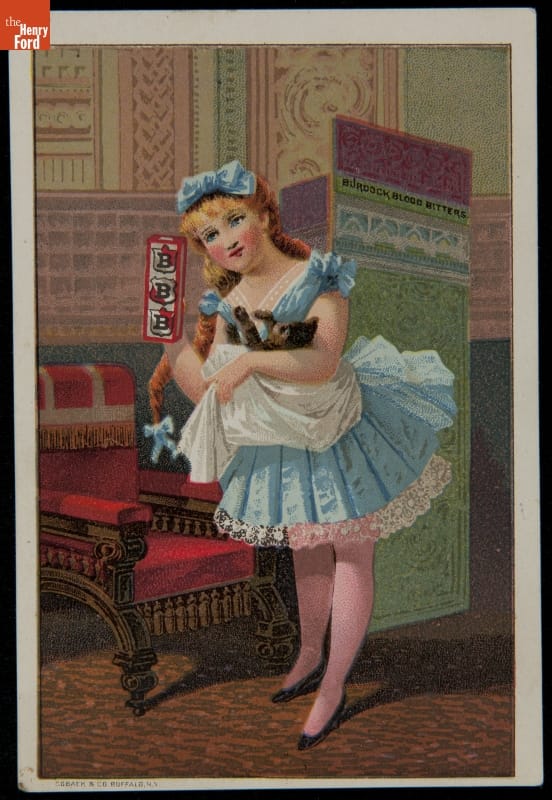
- circa 1885
- Collections - Artifact
Trade Card for Burdock Blood Bitters, Foster, Milburn & Co., circa 1885
In the last third of the nineteenth century, an unprecedented variety of consumer goods and services flooded the American market. Advertisers, armed with new methods of color printing, bombarded potential customers with trade cards. Americans enjoyed and often saved the vibrant little advertisements found in product packages or distributed by local merchants. Many survive as historical records of commercialism in the United States.
- Trade Card for the Shuttle Sewing Machine, Wilson Sewing Machine Co., 1870-1877 - In the last third of the nineteenth century, an unprecedented variety of consumer goods and services flooded the American market. Advertisers, armed with new methods of color printing, bombarded potential customers with trade cards. Americans enjoyed and often saved the vibrant little advertisements found in product packages or distributed by local merchants. Many survive as historical records of commercialism in the United States.
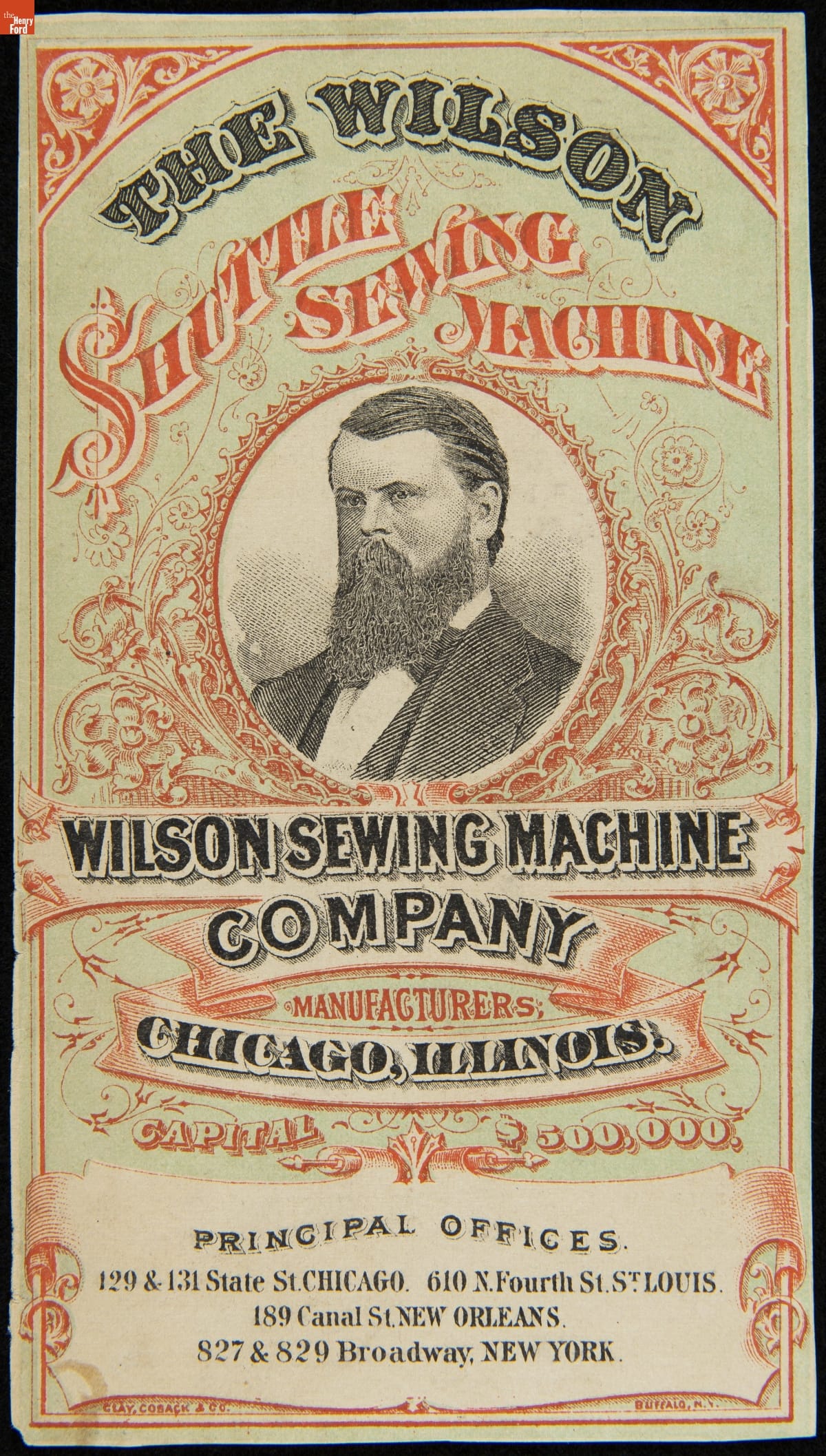
- 1870-1877
- Collections - Artifact
Trade Card for the Shuttle Sewing Machine, Wilson Sewing Machine Co., 1870-1877
In the last third of the nineteenth century, an unprecedented variety of consumer goods and services flooded the American market. Advertisers, armed with new methods of color printing, bombarded potential customers with trade cards. Americans enjoyed and often saved the vibrant little advertisements found in product packages or distributed by local merchants. Many survive as historical records of commercialism in the United States.
- Wilson Shuttle Sewing Machines, 1867-1877 -
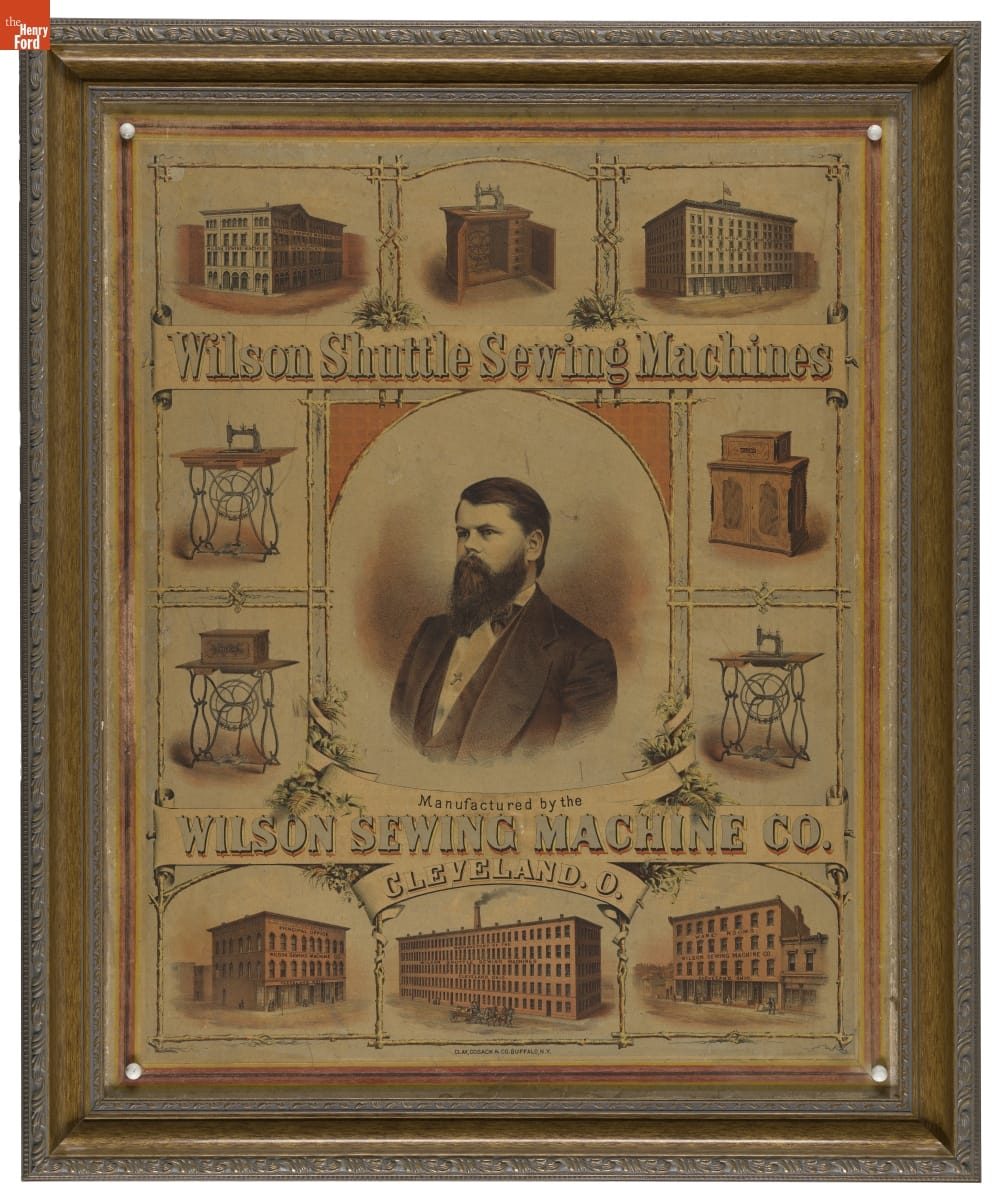
- 1867-1877
- Collections - Artifact
Wilson Shuttle Sewing Machines, 1867-1877
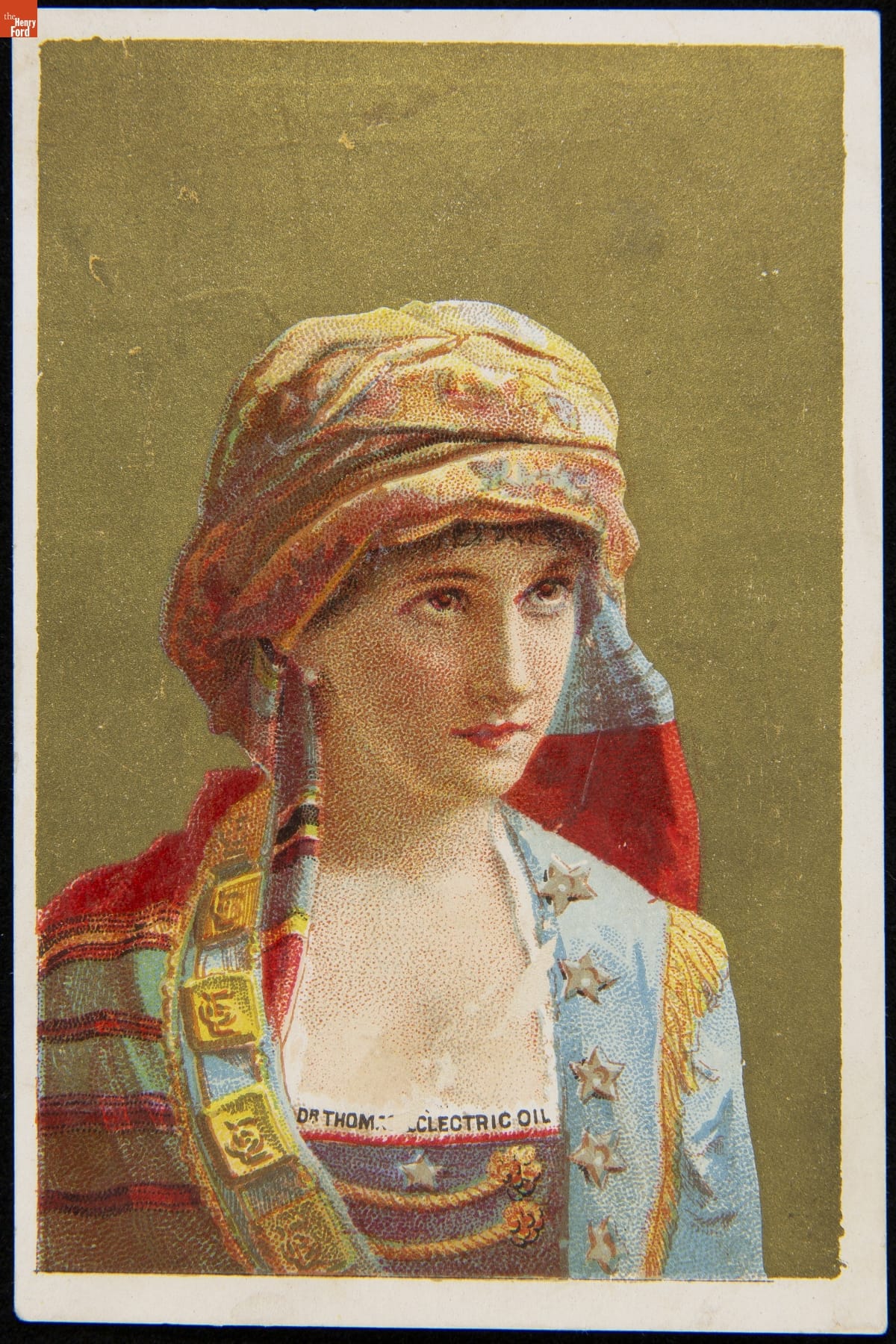
- Trade Card for Dr. Thomas' Eclectric Oil, 1885-1895 - In the last third of the nineteenth century, an unprecedented variety of consumer goods and services flooded the American market. Advertisers, armed with new methods of color printing, bombarded potential customers with trade cards. Americans enjoyed and often saved the vibrant little advertisements found in product packages or distributed by local merchants. Many survive as historical records of commercialism in the United States.
- 1885-1895
- Collections - Artifact
Trade Card for Dr. Thomas' Eclectric Oil, 1885-1895
In the last third of the nineteenth century, an unprecedented variety of consumer goods and services flooded the American market. Advertisers, armed with new methods of color printing, bombarded potential customers with trade cards. Americans enjoyed and often saved the vibrant little advertisements found in product packages or distributed by local merchants. Many survive as historical records of commercialism in the United States.
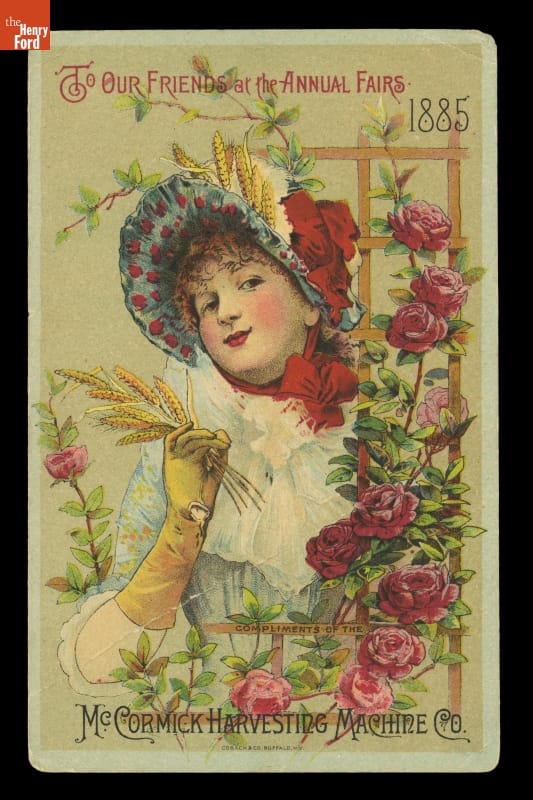
- Trade Card for McCormick Harvesting Machine Company, 1885 - In the last third of the nineteenth century, an unprecedented variety of consumer goods and services flooded the American market. Advertisers, armed with new methods of color printing, bombarded potential customers with trade cards. Americans enjoyed and often saved the vibrant little advertisements found in product packages or distributed by local merchants. Many survive as historical records of commercialism in the United States.
- 1885
- Collections - Artifact
Trade Card for McCormick Harvesting Machine Company, 1885
In the last third of the nineteenth century, an unprecedented variety of consumer goods and services flooded the American market. Advertisers, armed with new methods of color printing, bombarded potential customers with trade cards. Americans enjoyed and often saved the vibrant little advertisements found in product packages or distributed by local merchants. Many survive as historical records of commercialism in the United States.
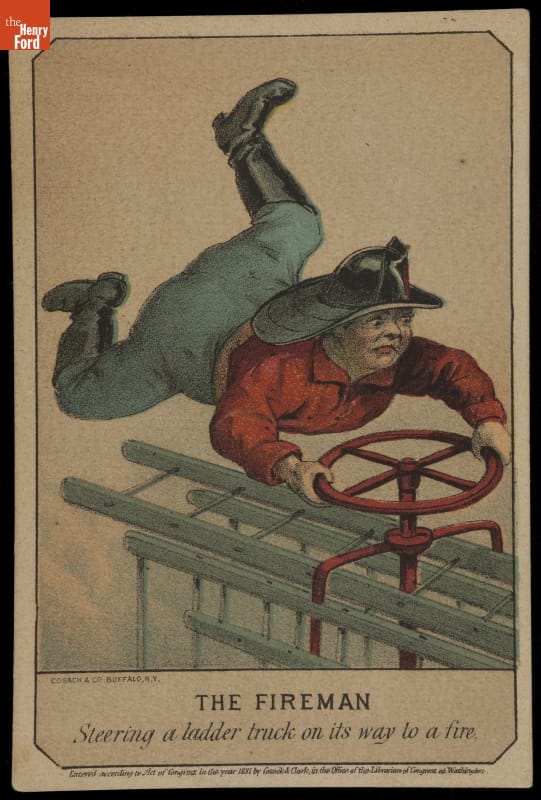
- Trade Card for Alfred Urbansky, Agent for Oil Paintings, 1887 - In the last third of the nineteenth century, an unprecedented variety of consumer goods and services flooded the American market. Advertisers, armed with new methods of color printing, bombarded potential customers with trade cards. Americans enjoyed and often saved the vibrant little advertisements found in product packages or distributed by local merchants. Many survive as historical records of commercialism in the United States.
- 1887
- Collections - Artifact
Trade Card for Alfred Urbansky, Agent for Oil Paintings, 1887
In the last third of the nineteenth century, an unprecedented variety of consumer goods and services flooded the American market. Advertisers, armed with new methods of color printing, bombarded potential customers with trade cards. Americans enjoyed and often saved the vibrant little advertisements found in product packages or distributed by local merchants. Many survive as historical records of commercialism in the United States.
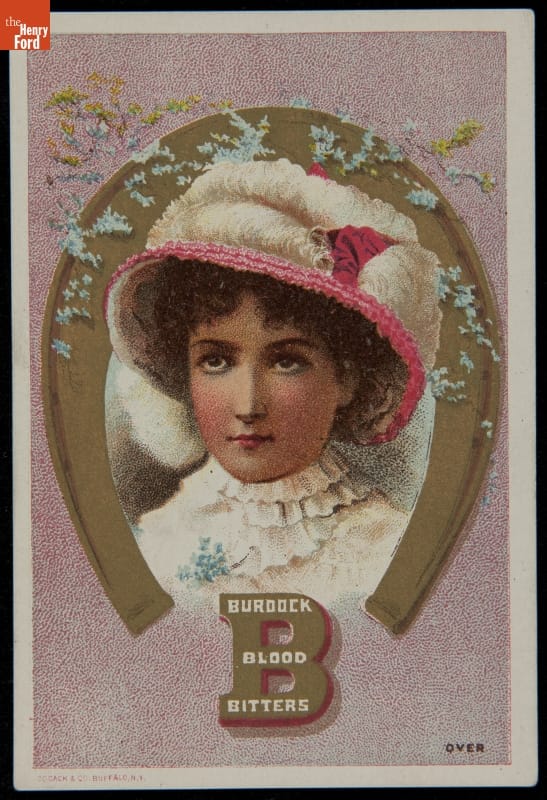
- Trade Card for Burdock Blood Bitters, Foster, Milburn & Co., circa 1885 - In the last third of the nineteenth century, an unprecedented variety of consumer goods and services flooded the American market. Advertisers, armed with new methods of color printing, bombarded potential customers with trade cards. Americans enjoyed and often saved the vibrant little advertisements found in product packages or distributed by local merchants. Many survive as historical records of commercialism in the United States.
- circa 1885
- Collections - Artifact
Trade Card for Burdock Blood Bitters, Foster, Milburn & Co., circa 1885
In the last third of the nineteenth century, an unprecedented variety of consumer goods and services flooded the American market. Advertisers, armed with new methods of color printing, bombarded potential customers with trade cards. Americans enjoyed and often saved the vibrant little advertisements found in product packages or distributed by local merchants. Many survive as historical records of commercialism in the United States.
- Trade Card for Ocean Bath Toilet Soup, J.D. Larkin & Co., 1885 - As color printing gained momentum in the late 19th century, advertisers bombarded potential customers with trade cards. Americans enjoyed and often saved the little advertisements found in product packages or distributed by local merchants. J.D. Larkin & Co.'s trade cards promoted premium gifts with the purchase of a product. This trade card offers a towel with the purchase of "Ocean Bath" Toilet Soap.
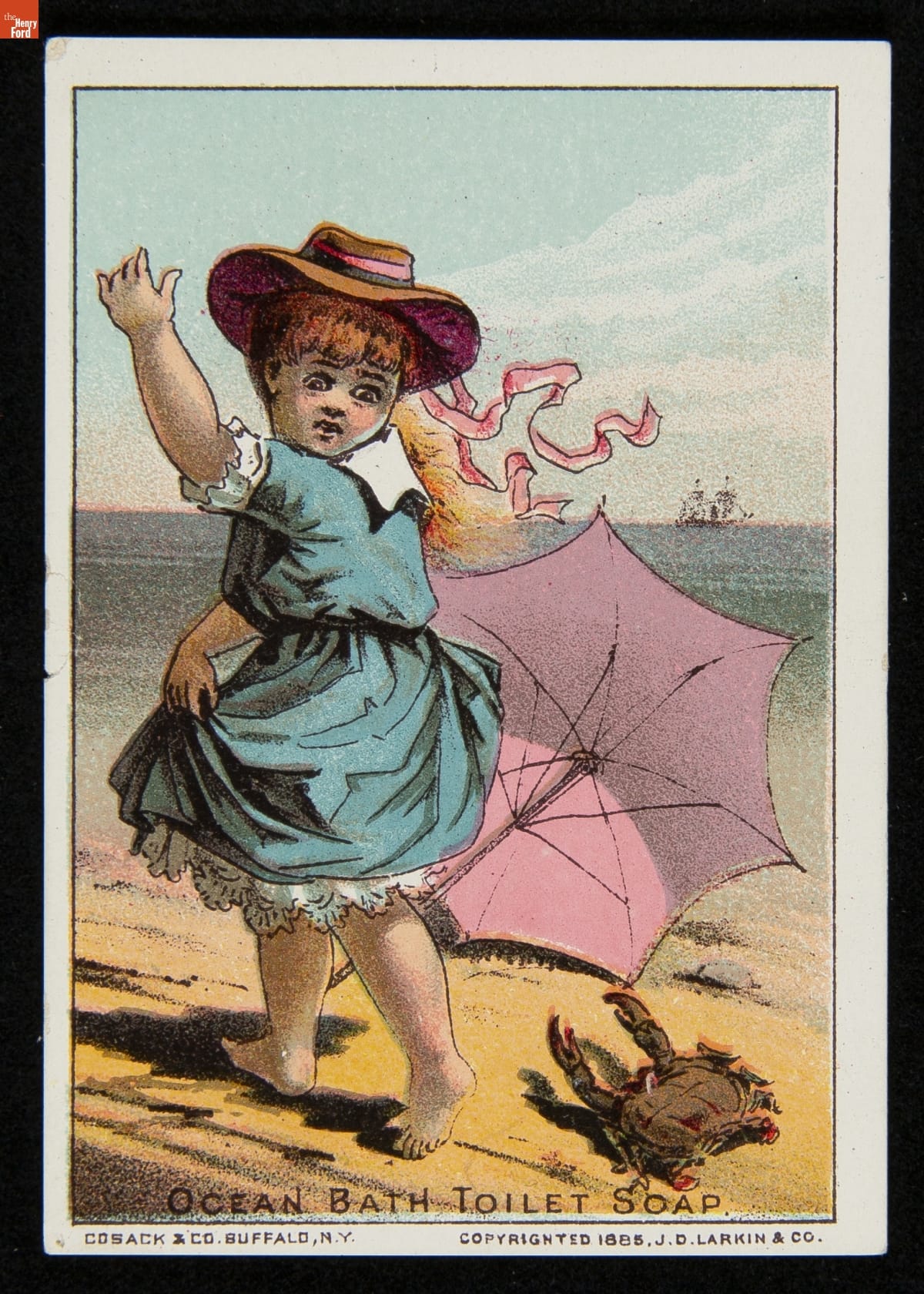
- 1885
- Collections - Artifact
Trade Card for Ocean Bath Toilet Soup, J.D. Larkin & Co., 1885
As color printing gained momentum in the late 19th century, advertisers bombarded potential customers with trade cards. Americans enjoyed and often saved the little advertisements found in product packages or distributed by local merchants. J.D. Larkin & Co.'s trade cards promoted premium gifts with the purchase of a product. This trade card offers a towel with the purchase of "Ocean Bath" Toilet Soap.
- Trade Card for Upcoming Performances of "The Jolly Bachelors," John A. Stevens' Comic Opera Co., 1880-1900 - In the last third of the nineteenth century, promoters used a popular medium--trade cards--to announce shows, activities, and community events. Americans enjoyed and often saved the vibrant little advertisements, which survive as historical records of leisure in the United States.
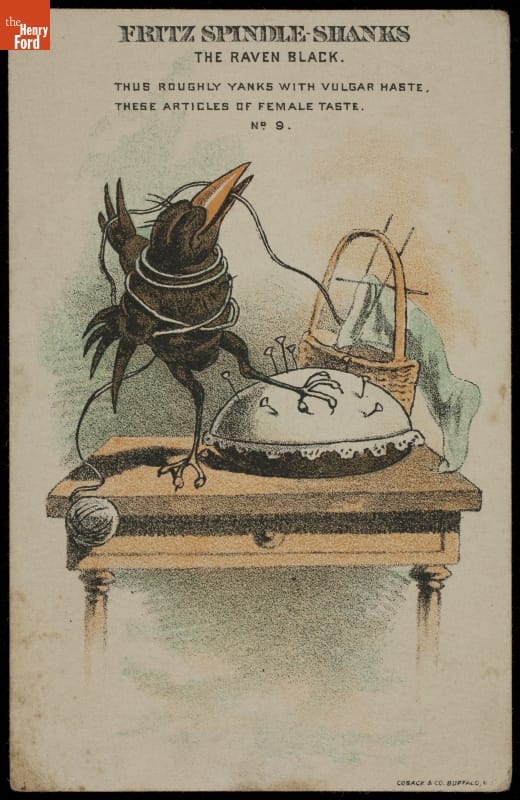
- 1880-1890
- Collections - Artifact
Trade Card for Upcoming Performances of "The Jolly Bachelors," John A. Stevens' Comic Opera Co., 1880-1900
In the last third of the nineteenth century, promoters used a popular medium--trade cards--to announce shows, activities, and community events. Americans enjoyed and often saved the vibrant little advertisements, which survive as historical records of leisure in the United States.