
Search
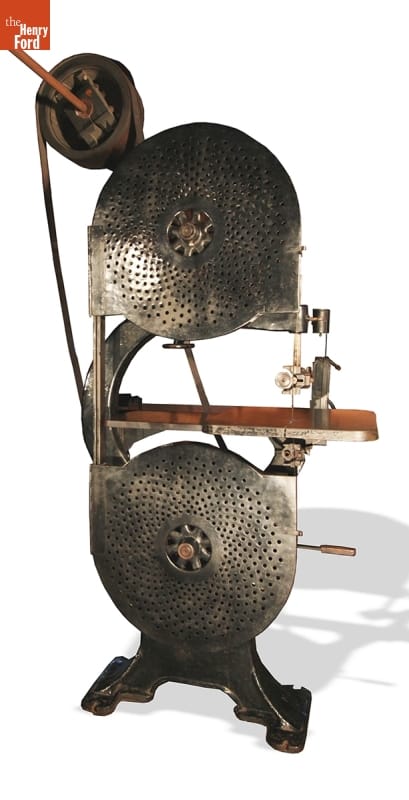
- Band Saw, Used by the Wright Brothers, circa 1899 - The Wright brothers' bicycle shop contained several large power tools primarily used for making and repairing bikes. Some were also used to build their early gliders and airplanes. The shop building did not have electricity, so the Putnam lathe, Crescent band saw and Barnes drill press were powered by overhead belts and shafts connected to a single-cylinder gas engine.
- circa 1899
- Collections - Artifact
Band Saw, Used by the Wright Brothers, circa 1899
The Wright brothers' bicycle shop contained several large power tools primarily used for making and repairing bikes. Some were also used to build their early gliders and airplanes. The shop building did not have electricity, so the Putnam lathe, Crescent band saw and Barnes drill press were powered by overhead belts and shafts connected to a single-cylinder gas engine.
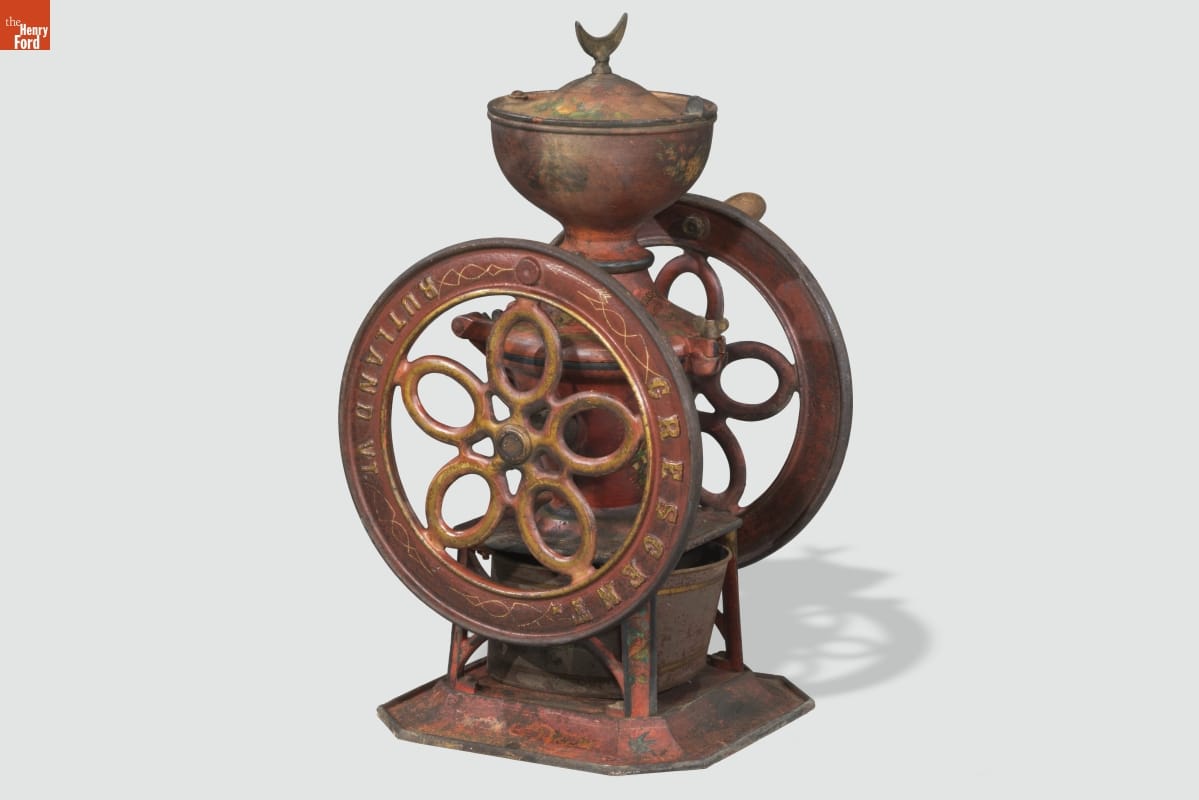
- Crescent No. 7 Coffee Grinder -
- Collections - Artifact
Crescent No. 7 Coffee Grinder
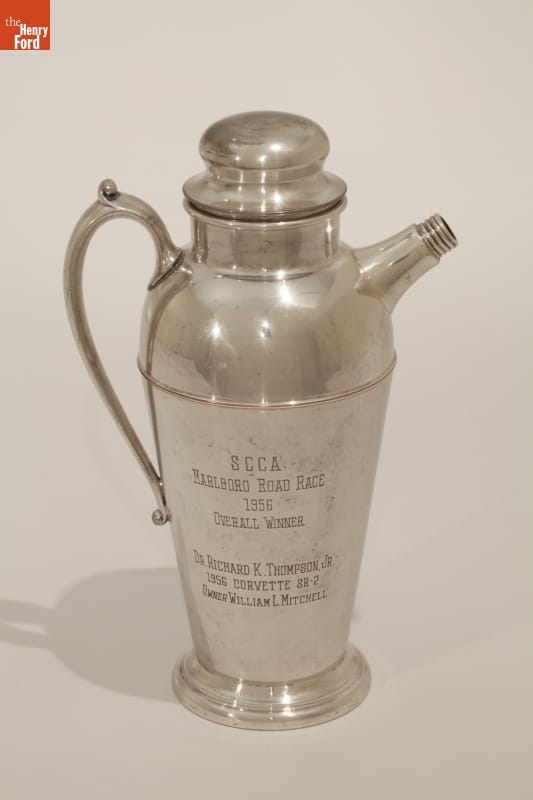
- Cocktail Shaker Awarded as Trophy to William Mitchell's Corvette SR-2, 1956 - The Corvette SR-2 was designed and built in 1956 for racing driver Jerome Earl, son of General Motors design head Harley Earl. The SR-2 featured high-performance brakes and a heavy-duty suspension with rotary dampers. Two of its features, fuel injection and a four-speed gearbox, made their way into production Corvettes. GM designer Bill Mitchell had a similar SR-2 built for himself.
- 1956
- Collections - Artifact
Cocktail Shaker Awarded as Trophy to William Mitchell's Corvette SR-2, 1956
The Corvette SR-2 was designed and built in 1956 for racing driver Jerome Earl, son of General Motors design head Harley Earl. The SR-2 featured high-performance brakes and a heavy-duty suspension with rotary dampers. Two of its features, fuel injection and a four-speed gearbox, made their way into production Corvettes. GM designer Bill Mitchell had a similar SR-2 built for himself.
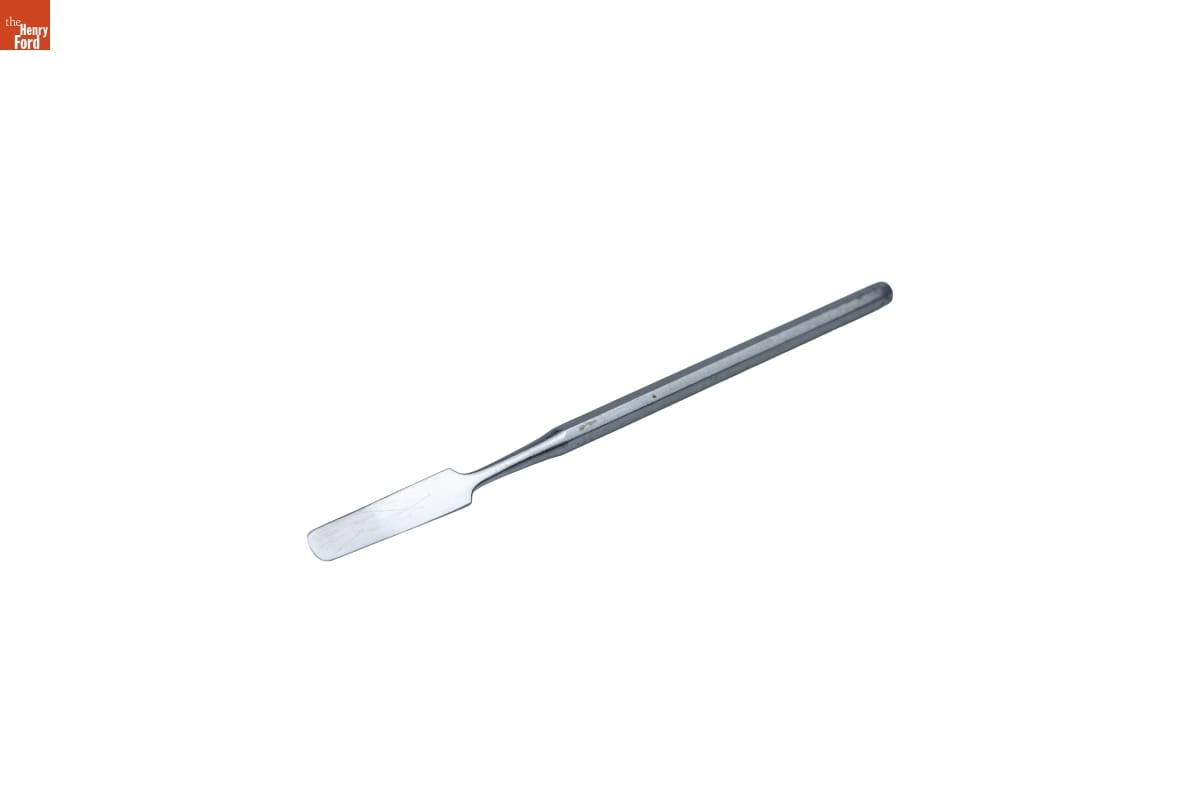
- Dental Spatula Used in Dr. Sullivan Jackson's Dental Office, Selma, Alabama -
- 1960-1979
- Collections - Artifact
Dental Spatula Used in Dr. Sullivan Jackson's Dental Office, Selma, Alabama
- The Commune Cookbook, 1972 -
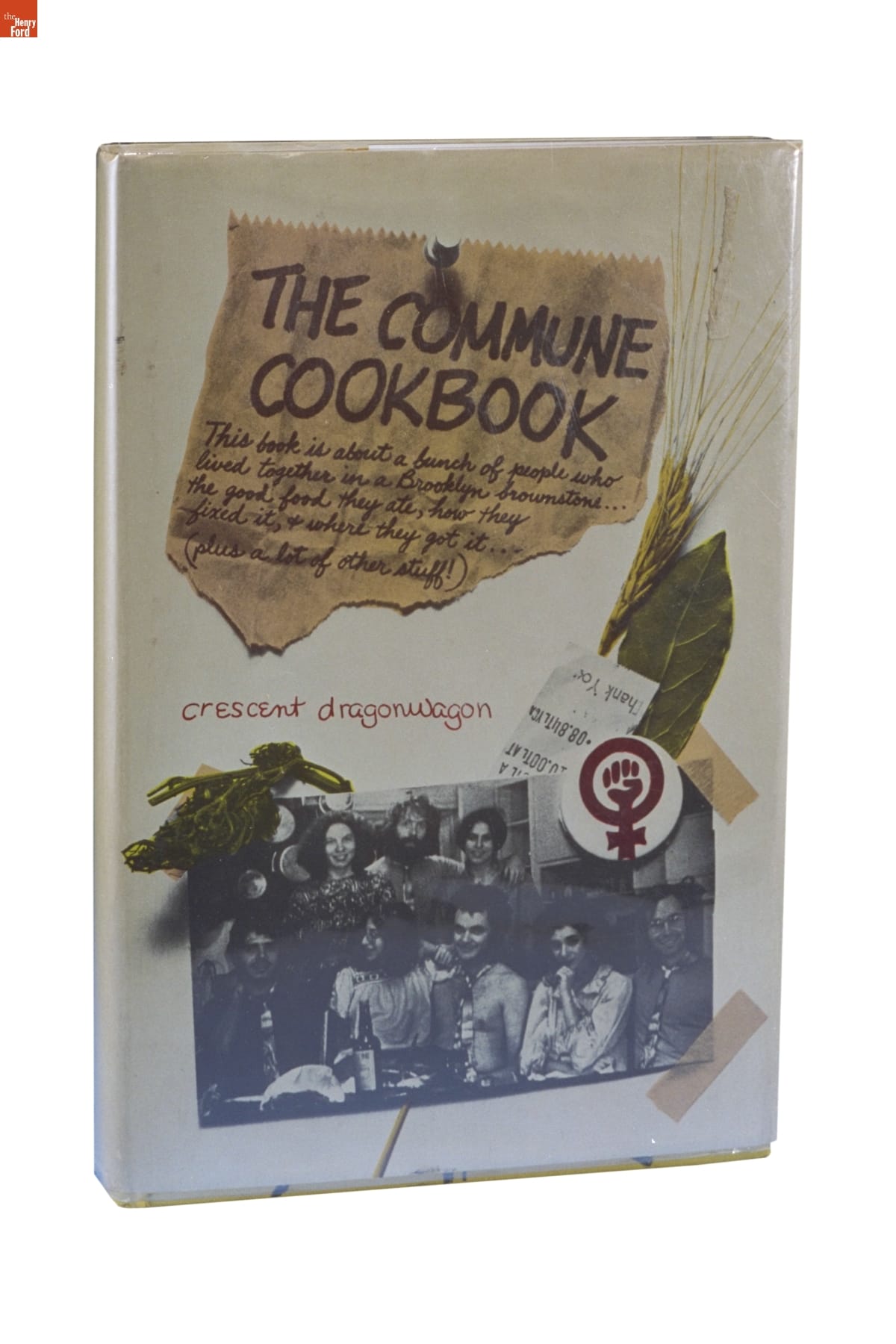
- 1972
- Collections - Artifact
The Commune Cookbook, 1972
- "Bird Architecture," circa 1916 - Starting in the 19th century, early environmentalists and the U.S. government encouraged people to put up birdhouses for a variety of reasons. The practice, sometimes called "landlording," benefitted native bird species experiencing habitat loss. "Landlords" built or purchased bird shelters ranging from simple houses to elaborate, multilevel structures that copied popular architecture styles.
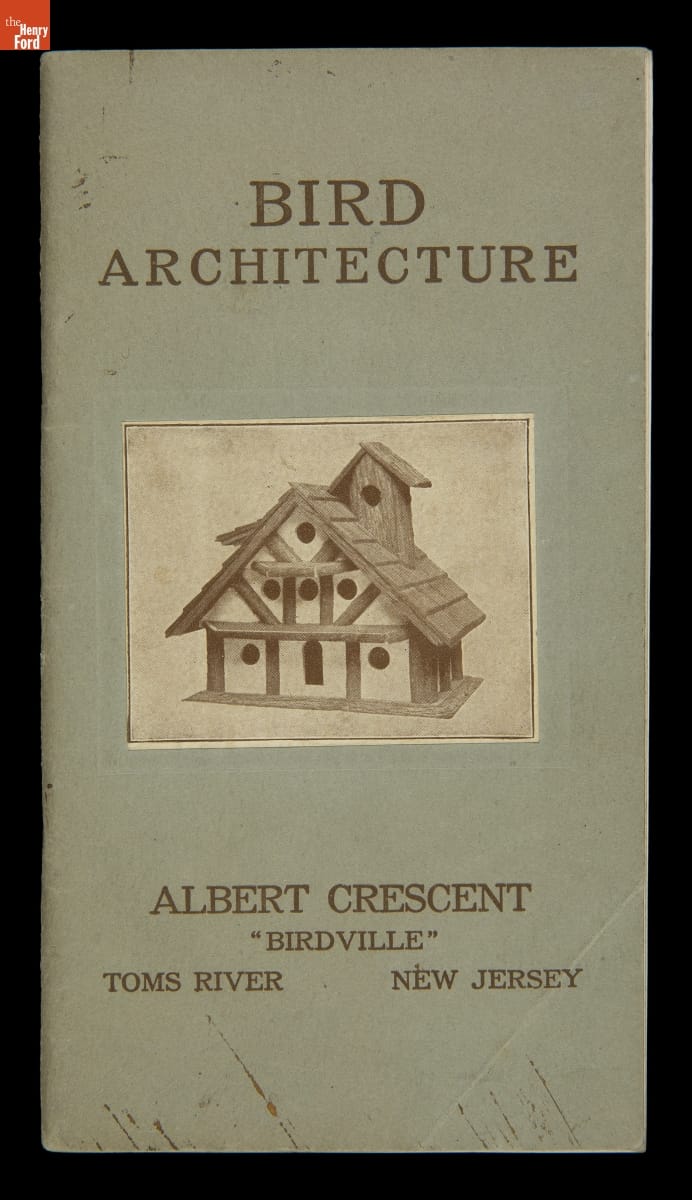
- circa 1916
- Collections - Artifact
"Bird Architecture," circa 1916
Starting in the 19th century, early environmentalists and the U.S. government encouraged people to put up birdhouses for a variety of reasons. The practice, sometimes called "landlording," benefitted native bird species experiencing habitat loss. "Landlords" built or purchased bird shelters ranging from simple houses to elaborate, multilevel structures that copied popular architecture styles.