
Search
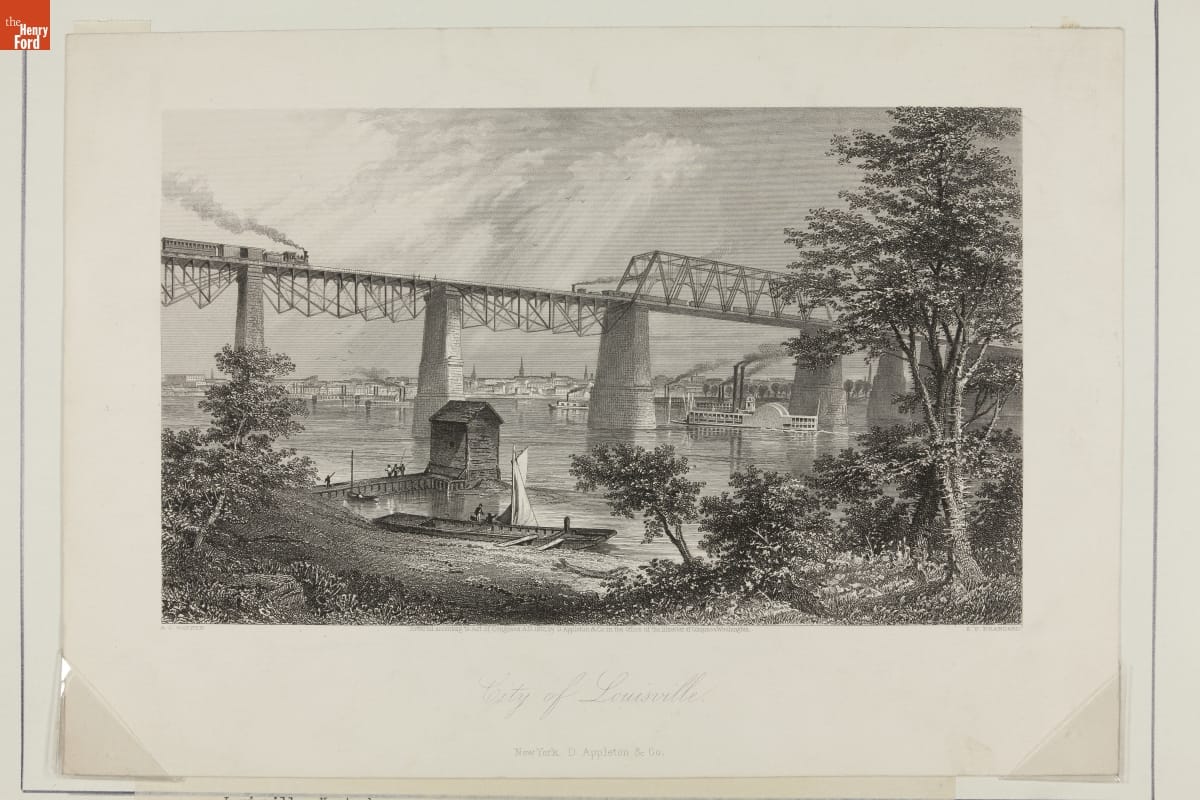
- Steel Engraving, "City of Louisville," circa 1870 - This circa 1870 steel engraving shows the city of Louisville, Kentucky, from a point across the Ohio River. Founded in 1780, Louisville grew rapidly into a major shipping port along the river, and this steel railroad bridge was the first to span the Ohio River in Louisville.
- circa 1872
- Collections - Artifact
Steel Engraving, "City of Louisville," circa 1870
This circa 1870 steel engraving shows the city of Louisville, Kentucky, from a point across the Ohio River. Founded in 1780, Louisville grew rapidly into a major shipping port along the river, and this steel railroad bridge was the first to span the Ohio River in Louisville.
- Book Used by Milton Wright, "Fragments of Science for Unscientific People," 1871 - Bishop Milton Wright maintained an extensive library in his Dayton, Ohio, home. His books ranged from scientific works like Charles Darwin's <EM>On the Origin of Species</EM>, to poems by Virgil, to novels by Mark Twain. Wright's sons, Wilbur and Orville, used the bishop's books on physics and ornithology to start their research on the problem of human flight.
- 1871
- Collections - Artifact
Book Used by Milton Wright, "Fragments of Science for Unscientific People," 1871
Bishop Milton Wright maintained an extensive library in his Dayton, Ohio, home. His books ranged from scientific works like Charles Darwin's On the Origin of Species, to poems by Virgil, to novels by Mark Twain. Wright's sons, Wilbur and Orville, used the bishop's books on physics and ornithology to start their research on the problem of human flight.
- "Animal Locomotion or Walking, Swimming, and Flying, with a Dissertation on Aeronautics" -
- 1874
- Collections - Artifact
"Animal Locomotion or Walking, Swimming, and Flying, with a Dissertation on Aeronautics"
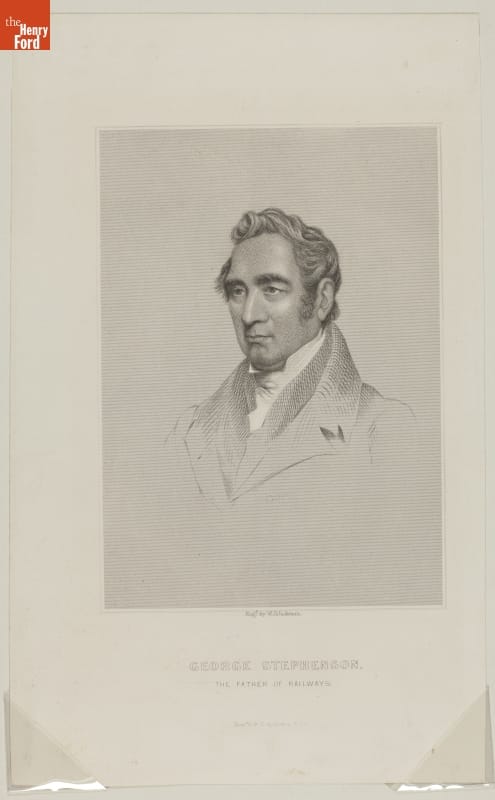
- Steel Engraving, Portrait of George Stephenson, "Father of Railways," circa 1855 - This circa 1855 engraving is a portrait of British engineer George Stephenson, known as the "Father of Railways." He built the first public rail line for steam locomotives, and set the world's standard gauge for rails, also called the "Stephenson gauge."
- circa 1855
- Collections - Artifact
Steel Engraving, Portrait of George Stephenson, "Father of Railways," circa 1855
This circa 1855 engraving is a portrait of British engineer George Stephenson, known as the "Father of Railways." He built the first public rail line for steam locomotives, and set the world's standard gauge for rails, also called the "Stephenson gauge."
- Book Used by Milton Wright, "Novum Testamentum," 1866 - Milton Wright maintained an extensive library in his Dayton, Ohio, home. Wright was a Bishop of the Church of the United Brethren in Christ, so it's not surprising that religious studies, hymnals, and rhetoric guides were among his volumes. Wright's sons, Wilbur and Orville, used the bishop's books on physics and ornithology to start their research on the problem of human flight.
- 1866
- Collections - Artifact
Book Used by Milton Wright, "Novum Testamentum," 1866
Milton Wright maintained an extensive library in his Dayton, Ohio, home. Wright was a Bishop of the Church of the United Brethren in Christ, so it's not surprising that religious studies, hymnals, and rhetoric guides were among his volumes. Wright's sons, Wilbur and Orville, used the bishop's books on physics and ornithology to start their research on the problem of human flight.
- Book Used by the Wright Family, "Popular Lectures on Scientific Subjects," 1873 - Bishop Milton Wright maintained an extensive library in his Dayton, Ohio, home. His books ranged from scientific works like Charles Darwin's <EM>On the Origin of Species</EM>, to poems by Virgil, to novels by Mark Twain. Wright's sons, Wilbur and Orville, used the bishop's books on physics and ornithology to start their research on the problem of human flight.
- 1873
- Collections - Artifact
Book Used by the Wright Family, "Popular Lectures on Scientific Subjects," 1873
Bishop Milton Wright maintained an extensive library in his Dayton, Ohio, home. His books ranged from scientific works like Charles Darwin's On the Origin of Species, to poems by Virgil, to novels by Mark Twain. Wright's sons, Wilbur and Orville, used the bishop's books on physics and ornithology to start their research on the problem of human flight.
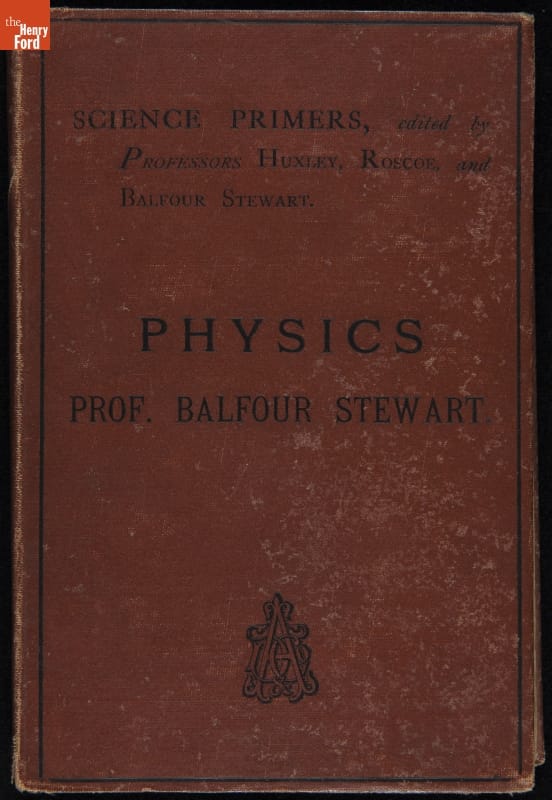
- Book Used by the Wright Family, "Science Primers: Physics," 1872 - Bishop Milton Wright maintained an extensive library in his Dayton, Ohio, home. His books ranged from scientific works like Charles Darwin's <EM>On the Origin of Species</EM>, to poems by Virgil, to novels by Mark Twain. Wright's sons, Wilbur and Orville, used the bishop's books on physics and ornithology to start their research on the problem of human flight.
- 1872
- Collections - Artifact
Book Used by the Wright Family, "Science Primers: Physics," 1872
Bishop Milton Wright maintained an extensive library in his Dayton, Ohio, home. His books ranged from scientific works like Charles Darwin's On the Origin of Species, to poems by Virgil, to novels by Mark Twain. Wright's sons, Wilbur and Orville, used the bishop's books on physics and ornithology to start their research on the problem of human flight.
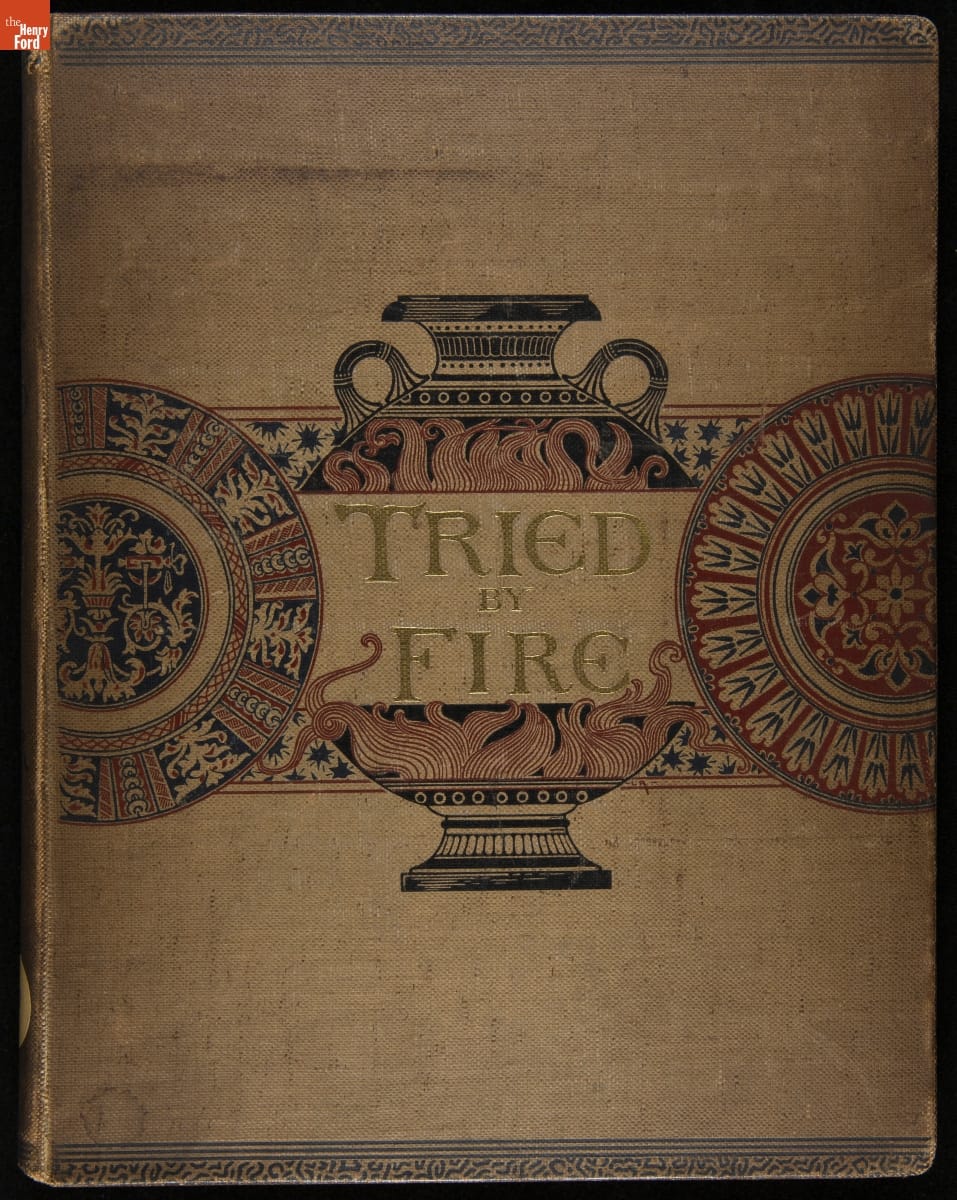
- Tried by Fire: A Work on China Painting, 1886 - Susan Frackelton's "Tried by Fire" was one the most influential manuals used by women interested in china painting in the late 19th century. The fashion for china painting began in the 1870s and reached its peak around 1900. Frackelton produced some pottery herself but is most noted for her ceramic academy in Milwaukee and promoting the Art Pottery Movement.
- 1886
- Collections - Artifact
Tried by Fire: A Work on China Painting, 1886
Susan Frackelton's "Tried by Fire" was one the most influential manuals used by women interested in china painting in the late 19th century. The fashion for china painting began in the 1870s and reached its peak around 1900. Frackelton produced some pottery herself but is most noted for her ceramic academy in Milwaukee and promoting the Art Pottery Movement.
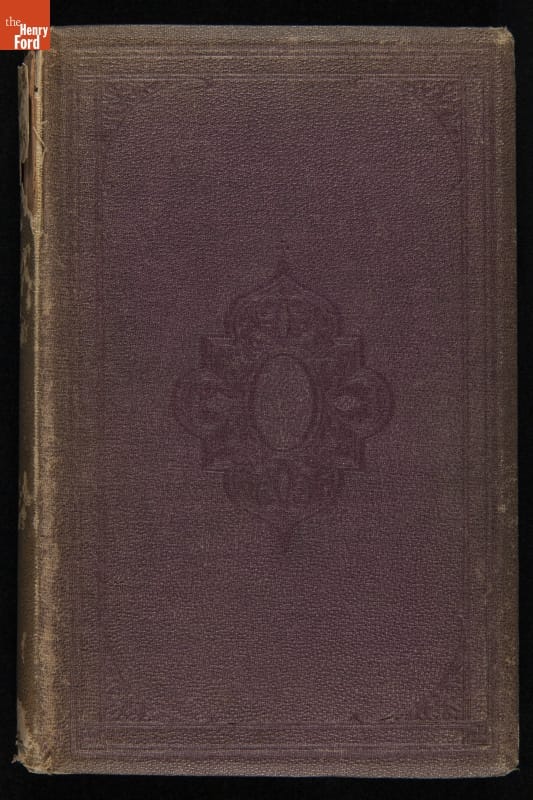
- Book Used by Milton Wright, "On the Genesis of Species," 1871 - Bishop Milton Wright maintained an extensive library in his Dayton, Ohio, home. His books ranged from scientific works like Charles Darwin's <EM>On the Origin of Species</EM>, to poems by Virgil, to novels by Mark Twain. Wright's sons, Wilbur and Orville, used the bishop's books on physics and ornithology to start their research on the problem of human flight.
- 1871
- Collections - Artifact
Book Used by Milton Wright, "On the Genesis of Species," 1871
Bishop Milton Wright maintained an extensive library in his Dayton, Ohio, home. His books ranged from scientific works like Charles Darwin's On the Origin of Species, to poems by Virgil, to novels by Mark Twain. Wright's sons, Wilbur and Orville, used the bishop's books on physics and ornithology to start their research on the problem of human flight.
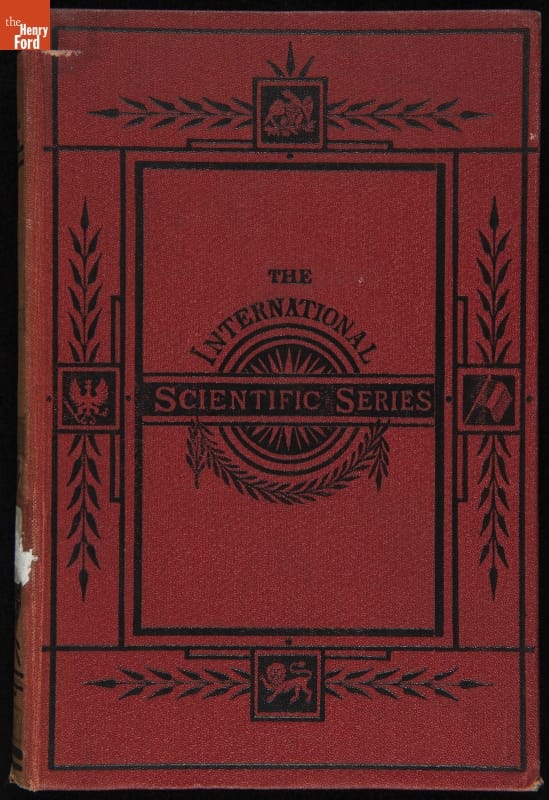
- "Animal Mechanism; a Treatise on Terrestrial and Aerial Locomotion" -
- 1890
- Collections - Artifact
"Animal Mechanism; a Treatise on Terrestrial and Aerial Locomotion"