
Search
- Daven Rheostat, 1925-1935 - When a knob on an electrical device is turned, or a slider is moved, the resistance of the circuit is increased or decreased. The rheostat regulates these operations. Common uses of the rheostat may be found in the volume control knob of a radio, a light switch dimmer, or the speed selection on a fan or motor.
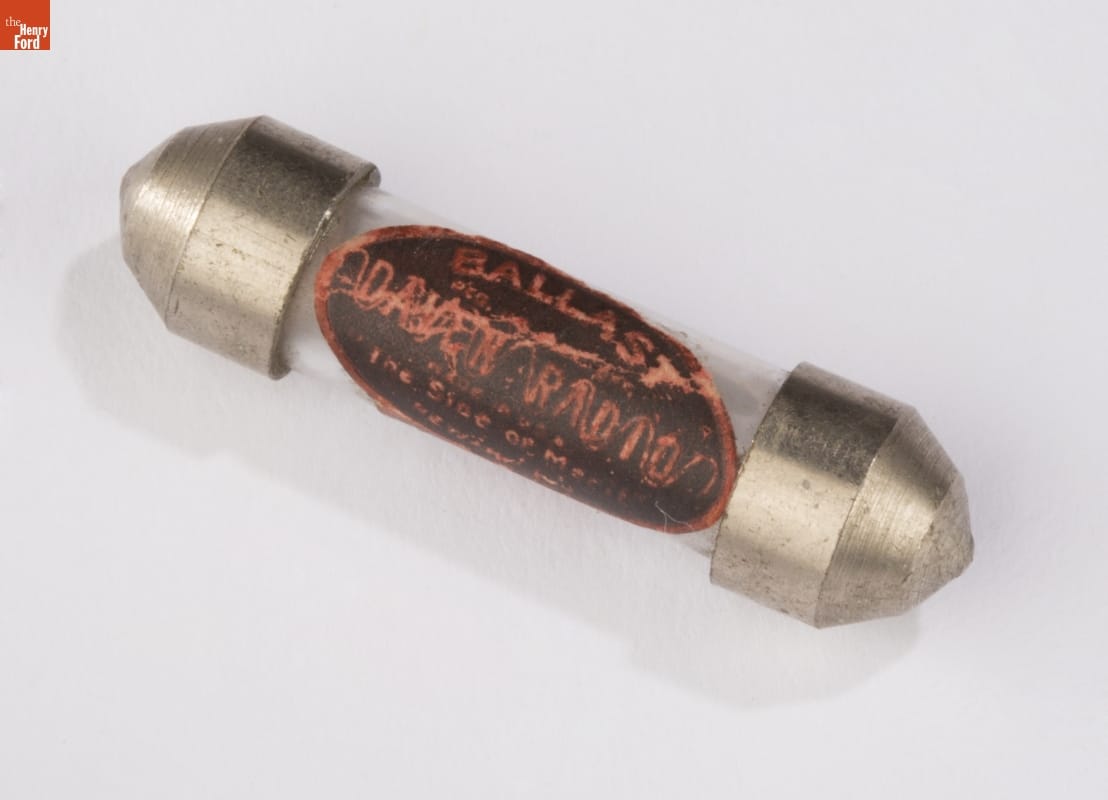
- 1925-1935
- Collections - Artifact
Daven Rheostat, 1925-1935
When a knob on an electrical device is turned, or a slider is moved, the resistance of the circuit is increased or decreased. The rheostat regulates these operations. Common uses of the rheostat may be found in the volume control knob of a radio, a light switch dimmer, or the speed selection on a fan or motor.
- Daven Audio Frequency Amplifier, circa 1925 -
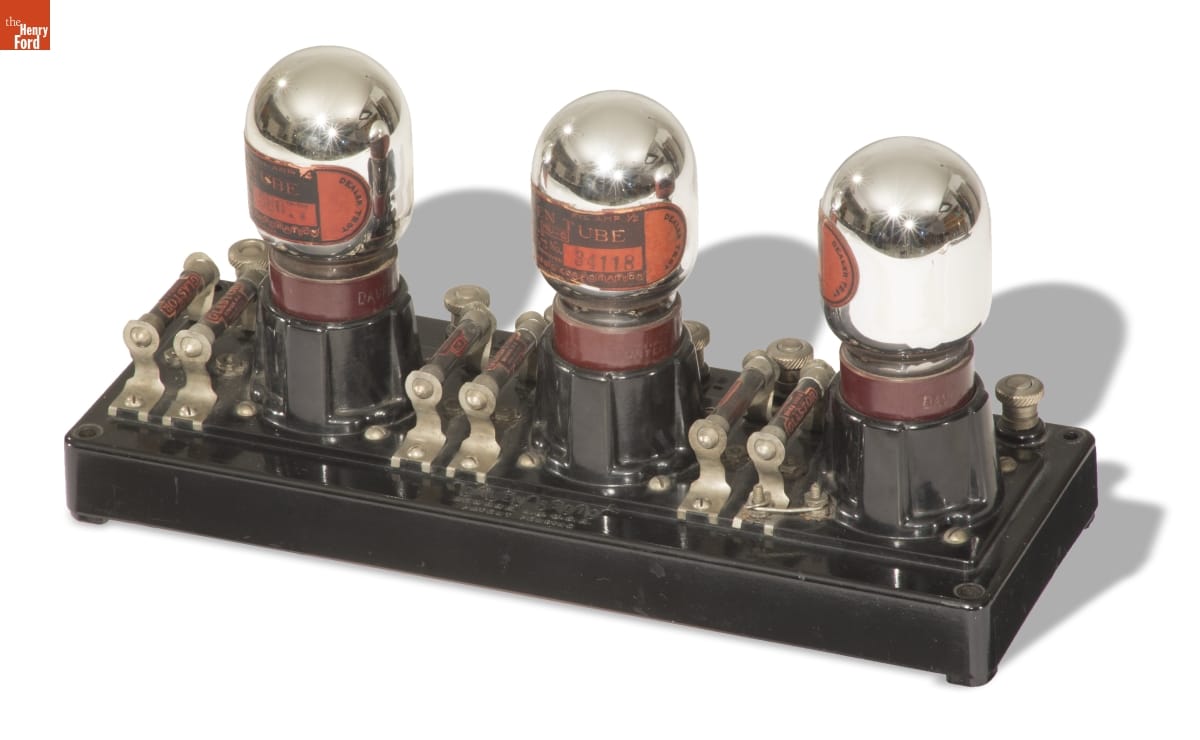
- circa 1925
- Collections - Artifact
Daven Audio Frequency Amplifier, circa 1925
- Glastor Rheostat, 1925-1935 - When a knob on an electrical device is turned, or a slider is moved, the resistance of the circuit is increased or decreased. The rheostat regulates these operations. Common uses of the rheostat may be found in the volume control knob of a radio, a light switch dimmer, or the speed selection on a fan or motor.
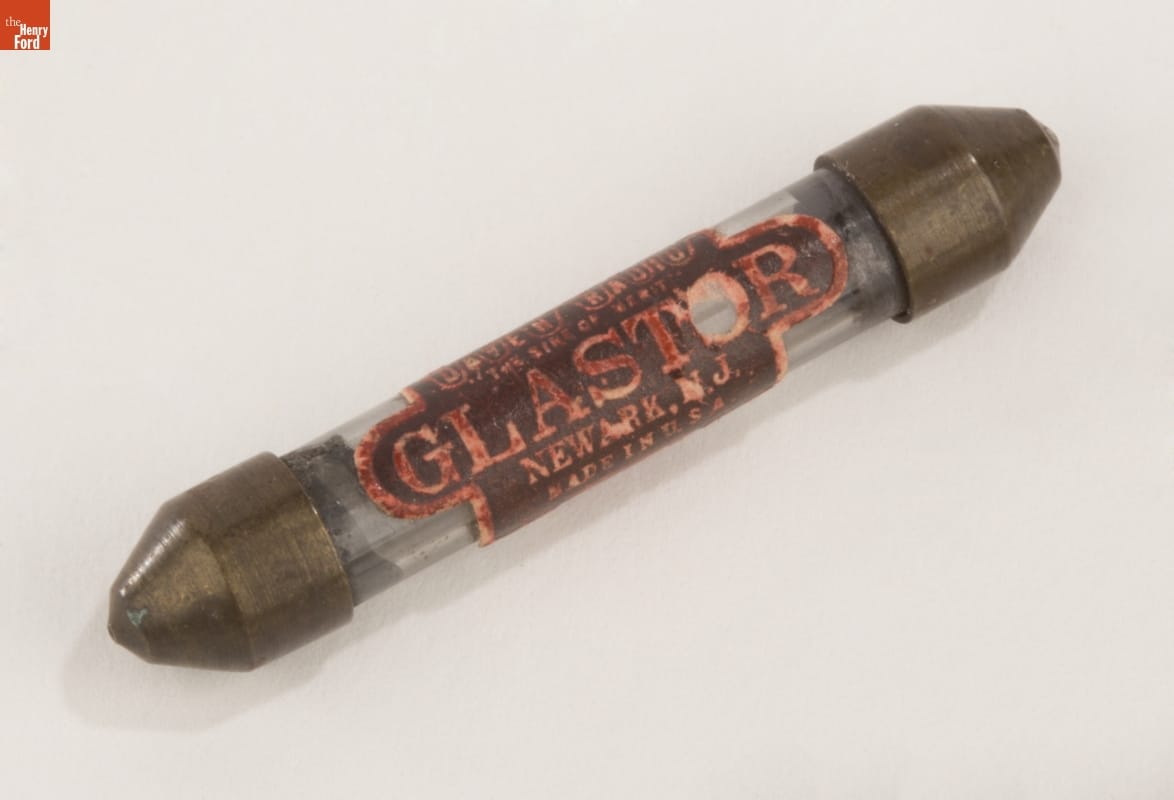
- 1925-1935
- Collections - Artifact
Glastor Rheostat, 1925-1935
When a knob on an electrical device is turned, or a slider is moved, the resistance of the circuit is increased or decreased. The rheostat regulates these operations. Common uses of the rheostat may be found in the volume control knob of a radio, a light switch dimmer, or the speed selection on a fan or motor.
- Radio Amplifier, 1925-1926 - This amplifier would have connected to a tuner to form a complete radio receiver. The standalone nature of this component is typical of the era, when radio was a complex web of parts requiring specialized knowledge to operate. Housed on an open Bakelite base, users had a complete view of its operation. Daven's packaging declared it "The Aristocrat of Amplifiers."
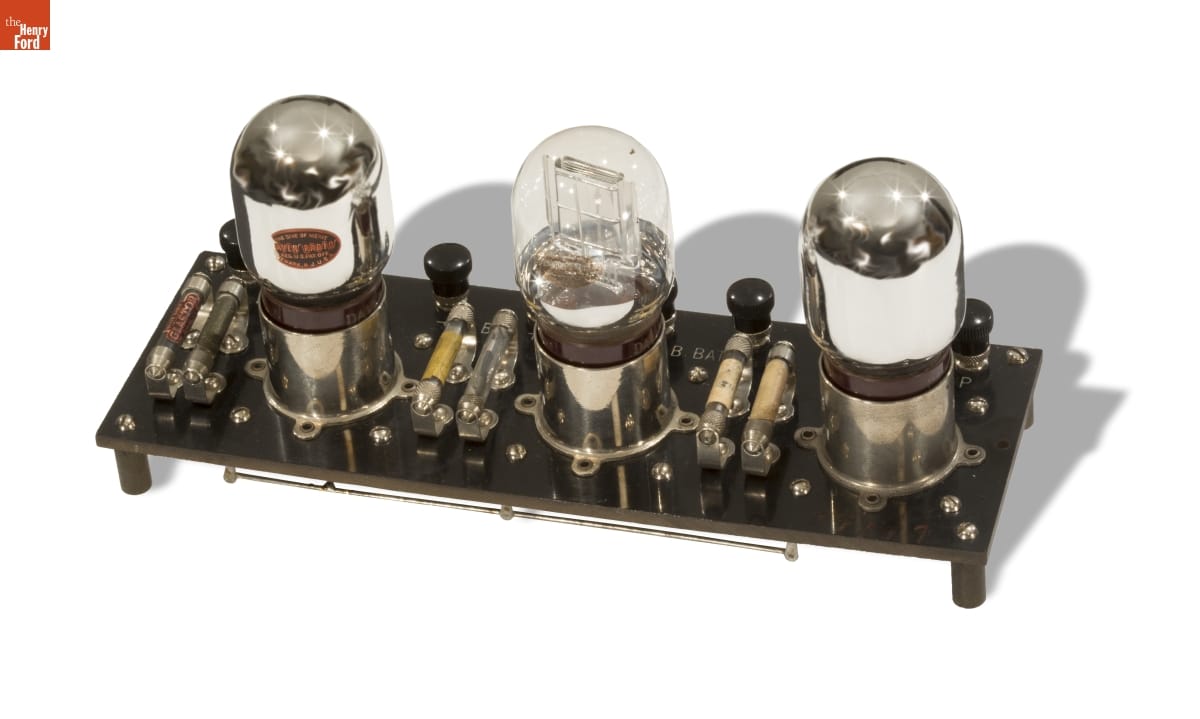
- 1925-1926
- Collections - Artifact
Radio Amplifier, 1925-1926
This amplifier would have connected to a tuner to form a complete radio receiver. The standalone nature of this component is typical of the era, when radio was a complex web of parts requiring specialized knowledge to operate. Housed on an open Bakelite base, users had a complete view of its operation. Daven's packaging declared it "The Aristocrat of Amplifiers."