
Search
- Teakettle, circa 1875 - Cast iron pots, pans, kettles, skillets, and other utensils have been essential in American kitchens for centuries. Cooks used these utilitarian objects to prepare meals and heat water in hearths or -- by the mid-1800s -- atop coal or wood-burning stoves. Lighter and easier-to-clean materials began replacing heavy cast iron cookware beginning in the late 19th century, but cast iron still has a place in many cooks' kitchens.
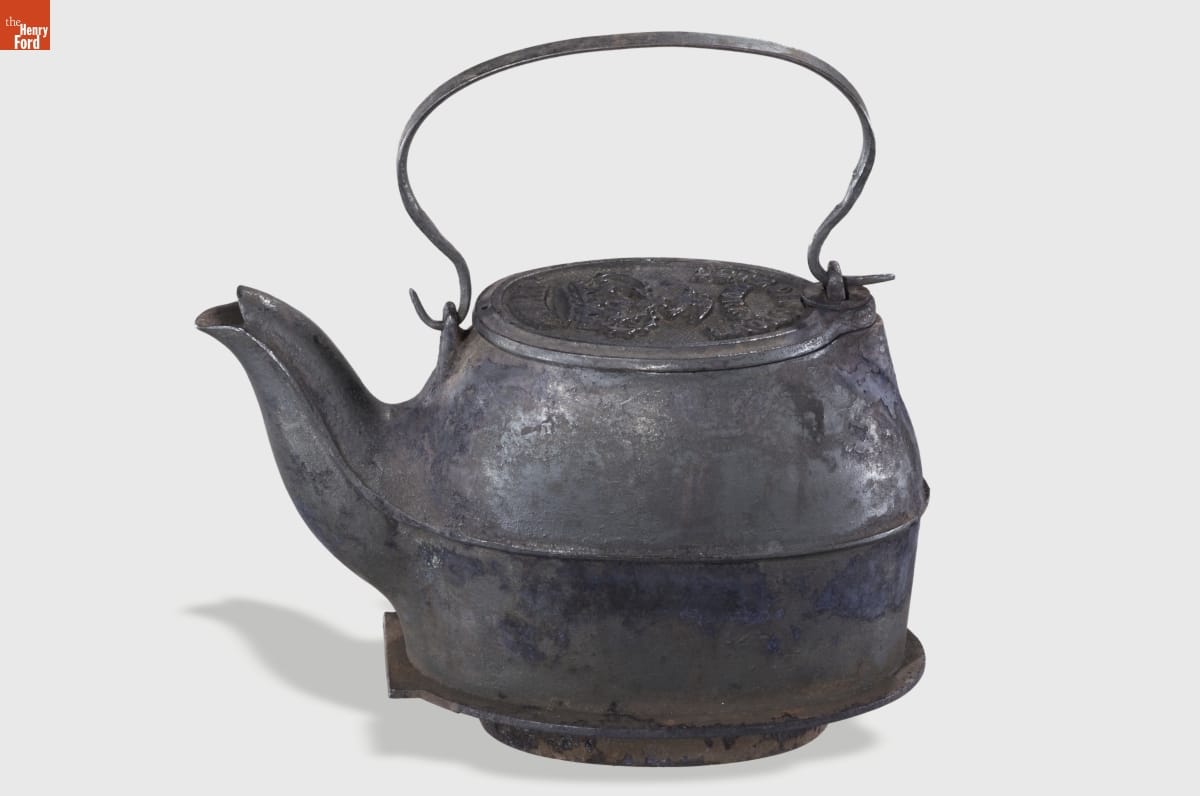
- circa 1875
- Collections - Artifact
Teakettle, circa 1875
Cast iron pots, pans, kettles, skillets, and other utensils have been essential in American kitchens for centuries. Cooks used these utilitarian objects to prepare meals and heat water in hearths or -- by the mid-1800s -- atop coal or wood-burning stoves. Lighter and easier-to-clean materials began replacing heavy cast iron cookware beginning in the late 19th century, but cast iron still has a place in many cooks' kitchens.
- Trade Card for Jewel Stoves and Ranges, Detroit Stove Works, 1888 - In the last third of the nineteenth century, an unprecedented variety of consumer goods and services flooded the American market. Advertisers, armed with new methods of color printing, bombarded potential customers with trade cards. Americans enjoyed and often saved the vibrant little advertisements found in product packages or distributed by local merchants. Many survive as historical records of commercialism in the United States.
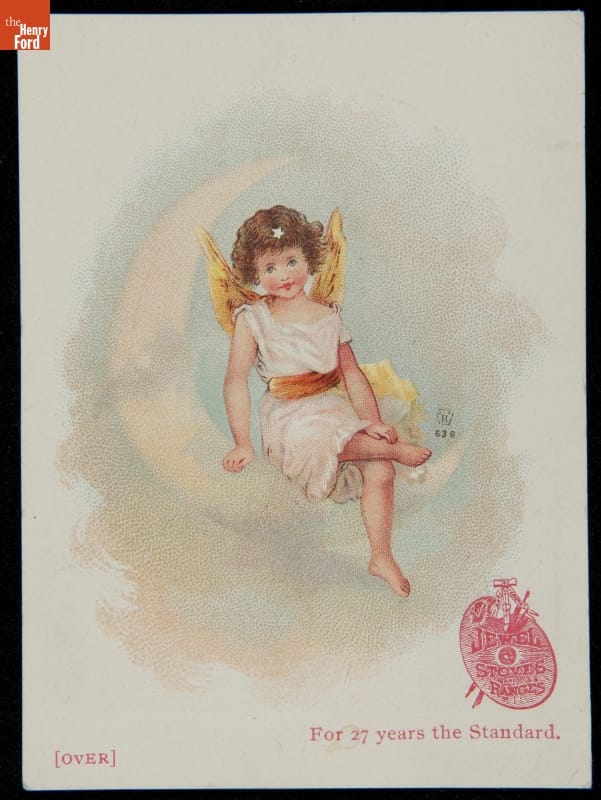
- 1888
- Collections - Artifact
Trade Card for Jewel Stoves and Ranges, Detroit Stove Works, 1888
In the last third of the nineteenth century, an unprecedented variety of consumer goods and services flooded the American market. Advertisers, armed with new methods of color printing, bombarded potential customers with trade cards. Americans enjoyed and often saved the vibrant little advertisements found in product packages or distributed by local merchants. Many survive as historical records of commercialism in the United States.
- Trade Card for Jewel Stoves & Ranges, Detroit Stove Works, 1884 - In the last third of the nineteenth century, an unprecedented variety of consumer goods and services flooded the American market. Advertisers, armed with new methods of color printing, bombarded potential customers with trade cards. Americans enjoyed and often saved the vibrant little advertisements found in product packages or distributed by local merchants. Many survive as historical records of commercialism in the United States.
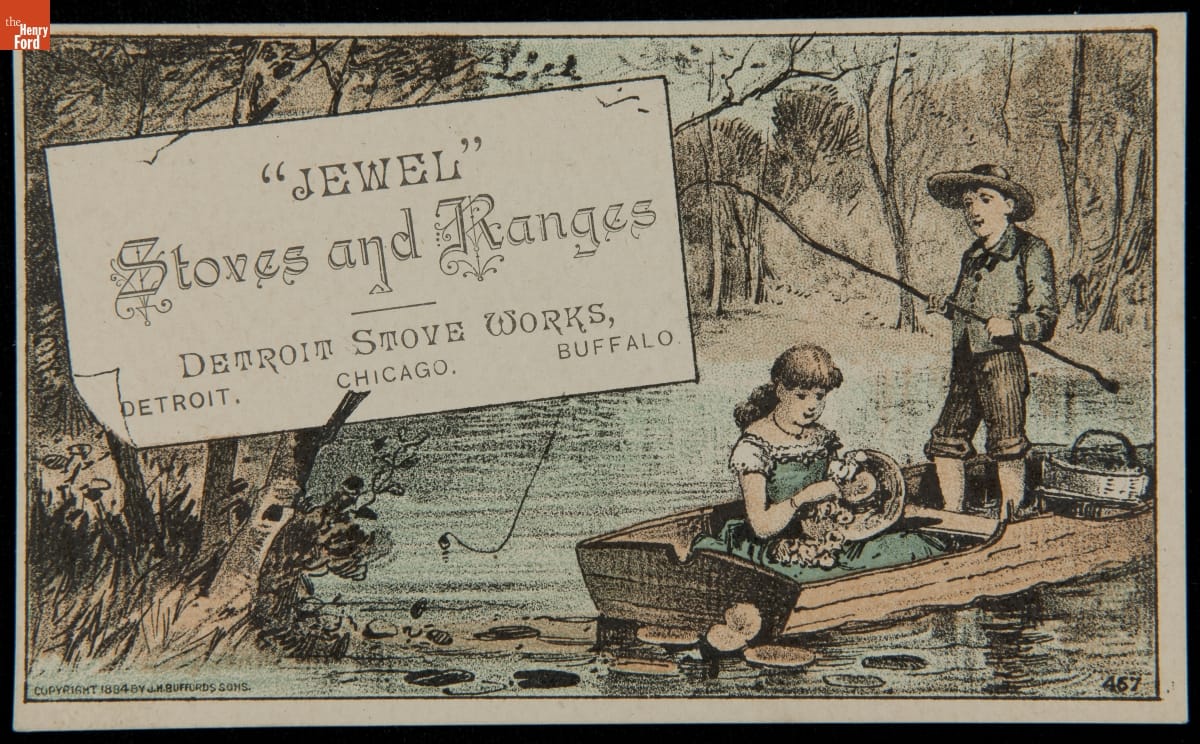
- 1884
- Collections - Artifact
Trade Card for Jewel Stoves & Ranges, Detroit Stove Works, 1884
In the last third of the nineteenth century, an unprecedented variety of consumer goods and services flooded the American market. Advertisers, armed with new methods of color printing, bombarded potential customers with trade cards. Americans enjoyed and often saved the vibrant little advertisements found in product packages or distributed by local merchants. Many survive as historical records of commercialism in the United States.
- Box Stove, 1865-1880 -
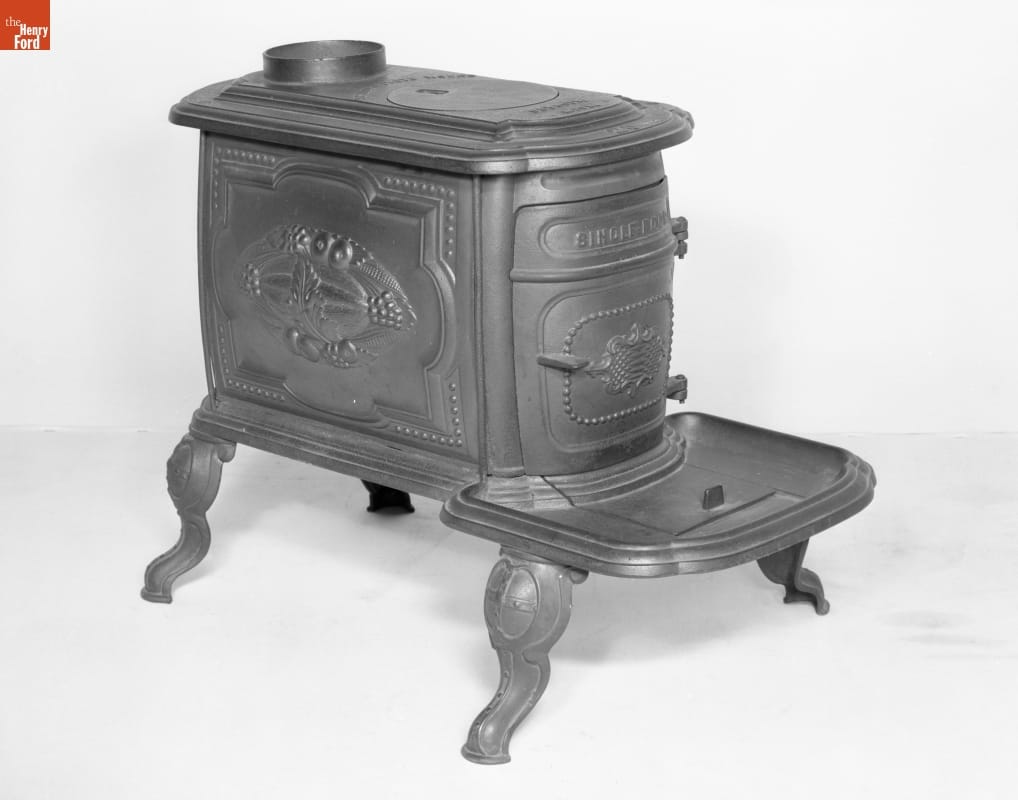
- 1865-1880
- Collections - Artifact
Box Stove, 1865-1880
- Jewel "Station" Stove, circa 1888 -
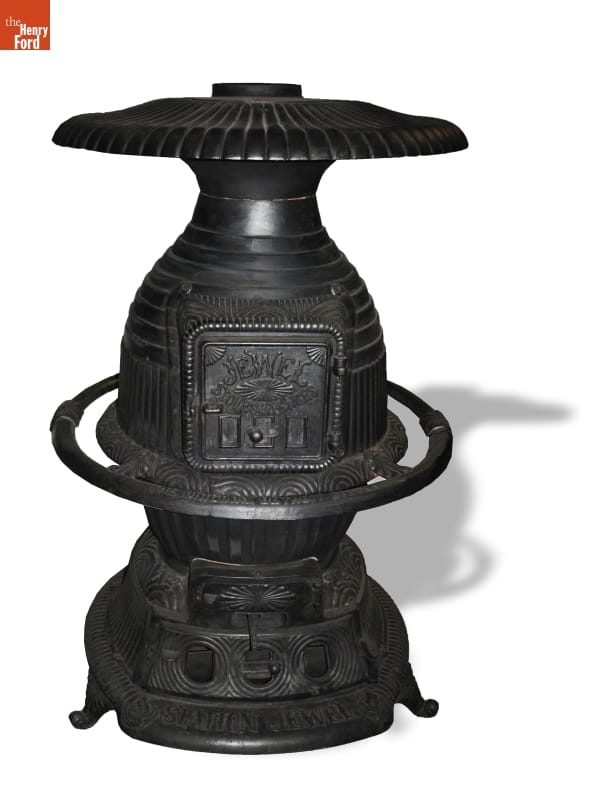
- circa 1888
- Collections - Artifact
Jewel "Station" Stove, circa 1888
- Stove -

- Collections - Artifact
Stove
- Griddle, circa 1900 -
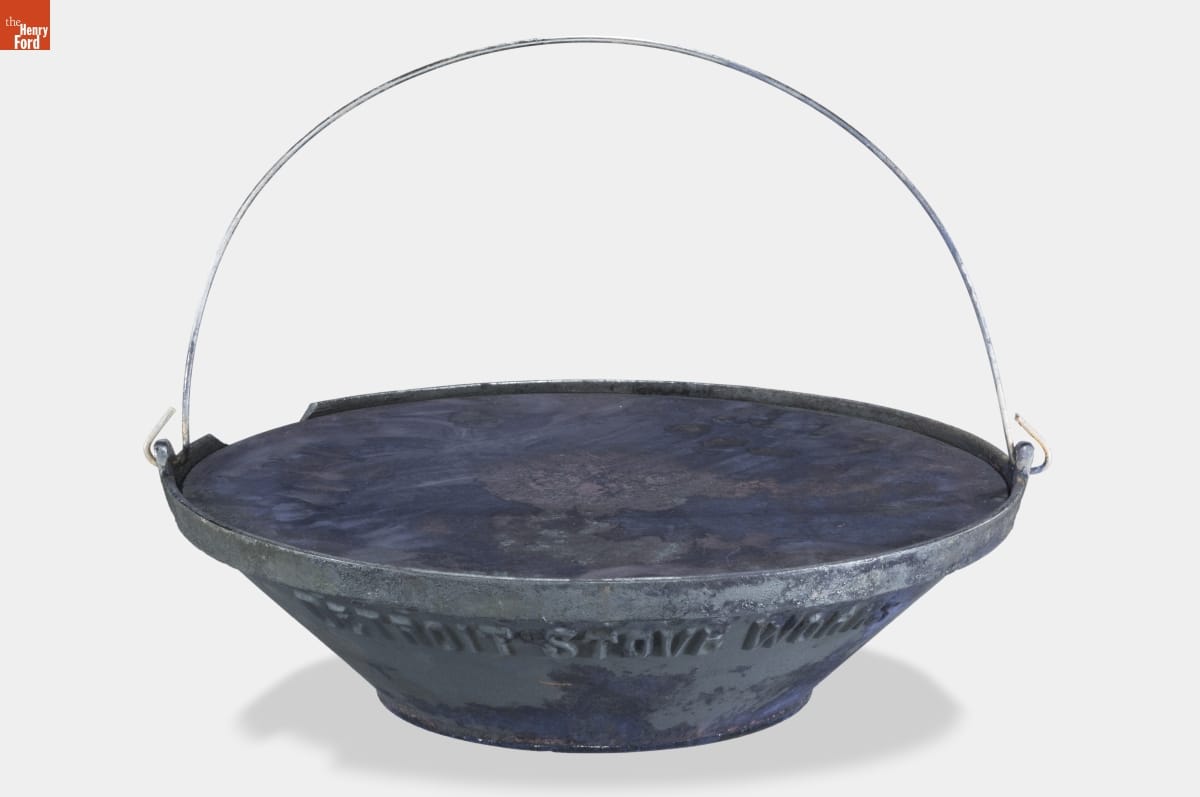
- circa 1900
- Collections - Artifact
Griddle, circa 1900
- Detroit Stove Works "Jewel Coal Saver" Cookstove, circa 1888 -
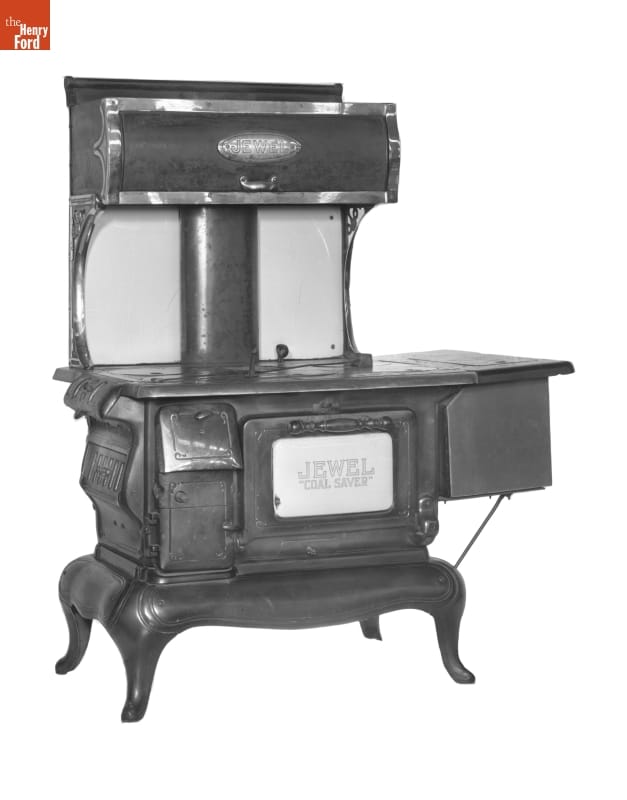
- circa 1888
- Collections - Artifact
Detroit Stove Works "Jewel Coal Saver" Cookstove, circa 1888
- Trade Card for Jewel Stoves and Ranges, Detroit Stove Works, 1888 - In the last third of the nineteenth century, an unprecedented variety of consumer goods and services flooded the American market. Advertisers, armed with new methods of color printing, bombarded potential customers with trade cards. Americans enjoyed and often saved the vibrant little advertisements found in product packages or distributed by local merchants. Many survive as historical records of commercialism in the United States.
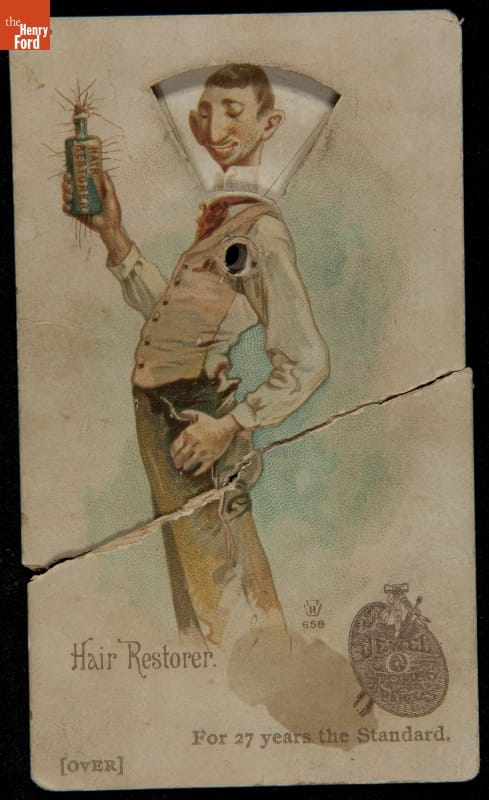
- 1888
- Collections - Artifact
Trade Card for Jewel Stoves and Ranges, Detroit Stove Works, 1888
In the last third of the nineteenth century, an unprecedented variety of consumer goods and services flooded the American market. Advertisers, armed with new methods of color printing, bombarded potential customers with trade cards. Americans enjoyed and often saved the vibrant little advertisements found in product packages or distributed by local merchants. Many survive as historical records of commercialism in the United States.