
Search
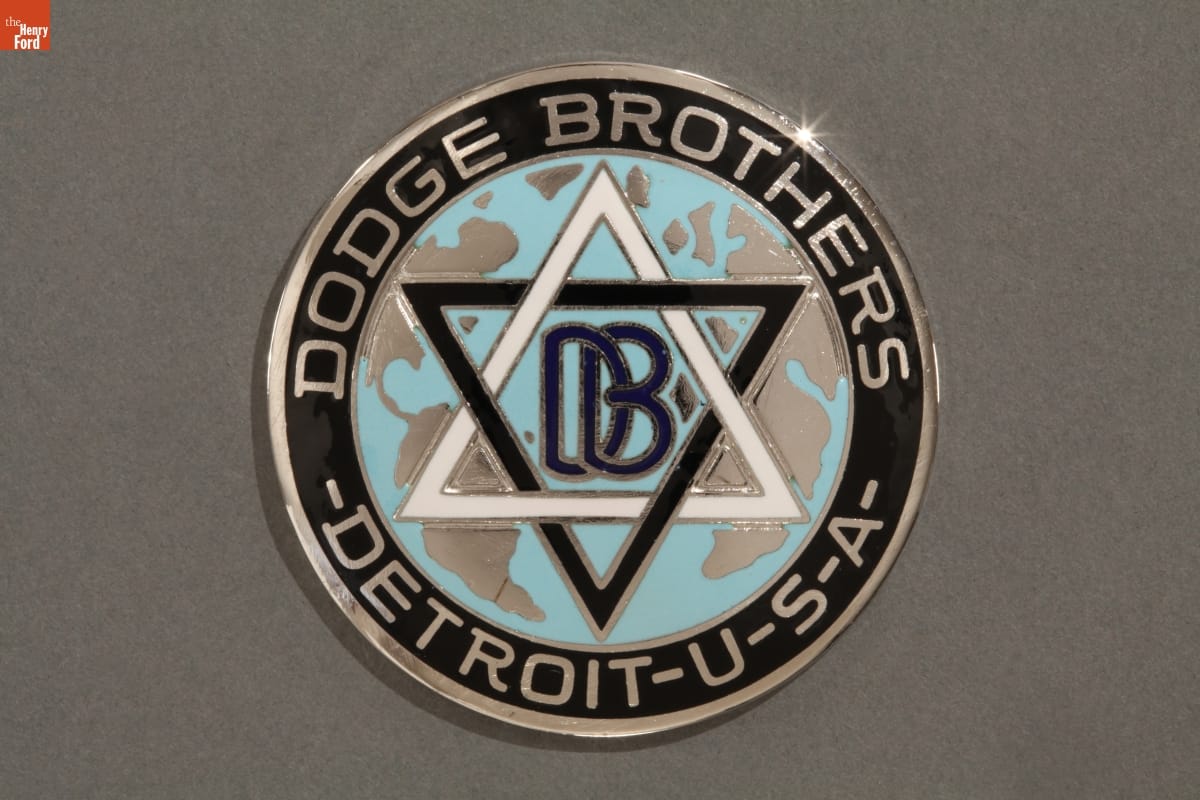
- Dodge Brothers Automobile Emblem, circa 1925 - After several years as suppliers to Ford Motor Company, brothers John and Horace Dodge formed their own automobile company in 1914. They selected a logo with two interlocking triangles to represent the brothers' close collaboration. Although their logo resembles the Jewish Star of David, John and Horace Dodge were Presbyterians. Chrysler purchased the Dodge Brothers company in 1928.
- circa 1925
- Collections - Artifact
Dodge Brothers Automobile Emblem, circa 1925
After several years as suppliers to Ford Motor Company, brothers John and Horace Dodge formed their own automobile company in 1914. They selected a logo with two interlocking triangles to represent the brothers' close collaboration. Although their logo resembles the Jewish Star of David, John and Horace Dodge were Presbyterians. Chrysler purchased the Dodge Brothers company in 1928.
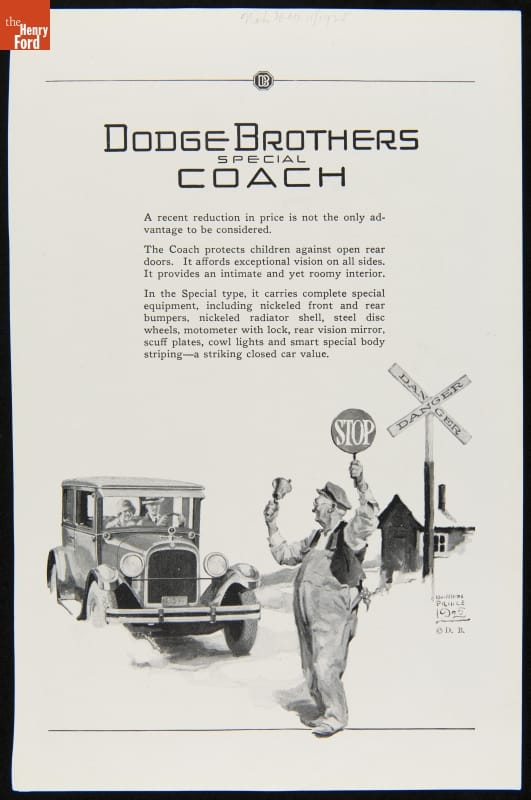
- 1926 Dodge Brothers Advertisement, "Dodge Brothers Special Coach" - Dodge Brothers introduced its all-steel auto bodies -- the industry's first -- for 1923. This 1926 advertisement promotes the company's two-door Special Coach. Dodge Brothers' upmarket Special line included nickeled bumpers and radiators, steel disc wheels, and a motometer radiator cap, among other features. The Special Coach started at $1,135.
- November 01, 1925
- Collections - Artifact
1926 Dodge Brothers Advertisement, "Dodge Brothers Special Coach"
Dodge Brothers introduced its all-steel auto bodies -- the industry's first -- for 1923. This 1926 advertisement promotes the company's two-door Special Coach. Dodge Brothers' upmarket Special line included nickeled bumpers and radiators, steel disc wheels, and a motometer radiator cap, among other features. The Special Coach started at $1,135.
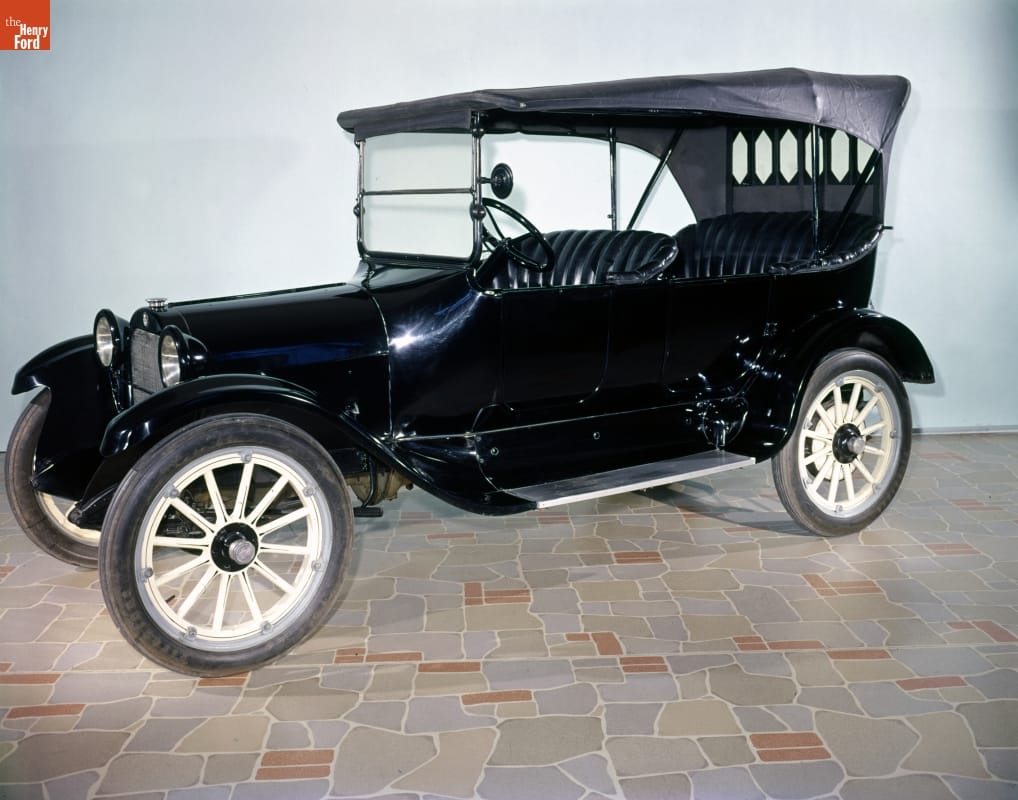
- 1918 Dodge Brothers Touring Car - After years of supplying engines and components to Ford Motor Company, brothers John and Horace Dodge introduced their own automobile in 1914. Their design didn't change much in its first years, but modifications weren't necessary. The all-steel body, sliding-gear transmission and electric starter made the Dodge Brothers one of the most durable and reliable cars on the market.
- 1918
- Collections - Artifact
1918 Dodge Brothers Touring Car
After years of supplying engines and components to Ford Motor Company, brothers John and Horace Dodge introduced their own automobile in 1914. Their design didn't change much in its first years, but modifications weren't necessary. The all-steel body, sliding-gear transmission and electric starter made the Dodge Brothers one of the most durable and reliable cars on the market.
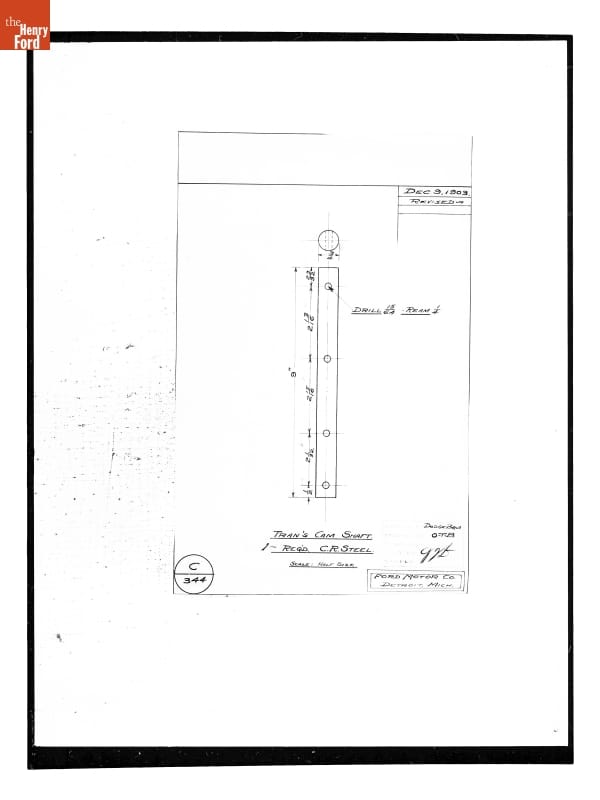
- Drawing, "Tran's Cam Shaft," Ford Model C, December 9, 1903 - The Ford Motor Company created over a million parts drawings from 1903 to 1957. Many of these drawings specify engineering requirements for the components of Ford-made vehicles--including automobiles, trucks, tractors, military vehicles and Tri-motor airplanes. Others document assembly components, stages of casting and forging, or experimental designs. Beginning in the 1940s, Ford transferred the drawings to microfilm.
- December 09, 1903
- Collections - Artifact
Drawing, "Tran's Cam Shaft," Ford Model C, December 9, 1903
The Ford Motor Company created over a million parts drawings from 1903 to 1957. Many of these drawings specify engineering requirements for the components of Ford-made vehicles--including automobiles, trucks, tractors, military vehicles and Tri-motor airplanes. Others document assembly components, stages of casting and forging, or experimental designs. Beginning in the 1940s, Ford transferred the drawings to microfilm.
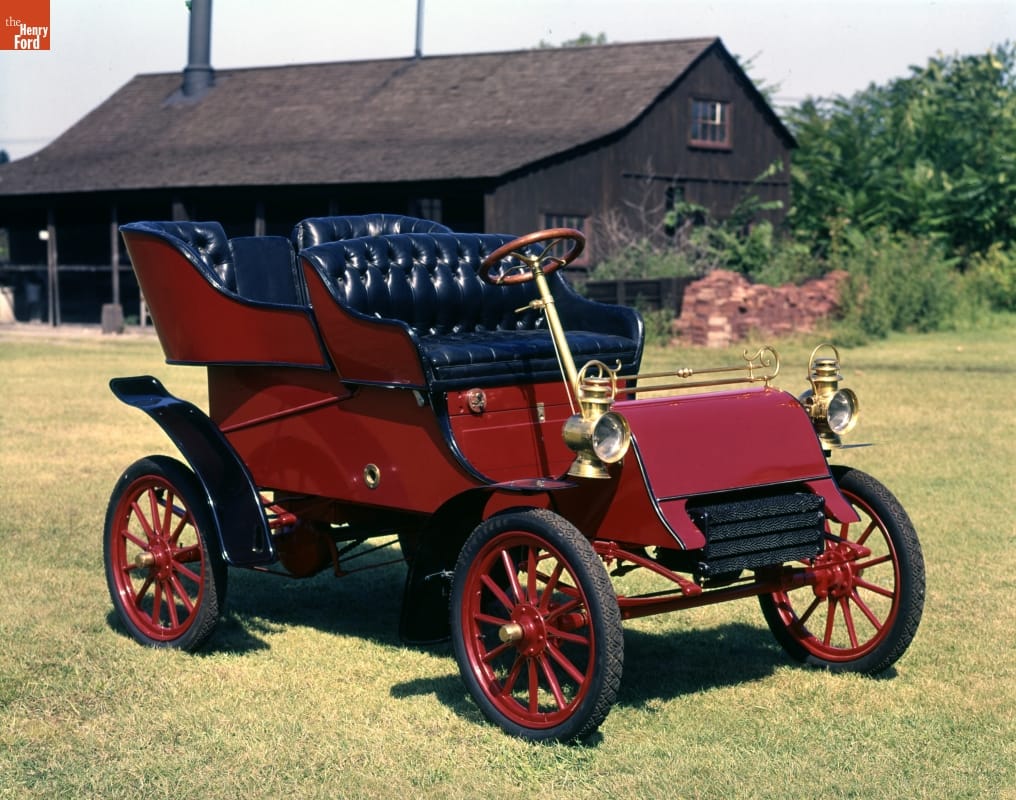
- 1903 Ford Model A Tonneau - In naming its first product, Ford Motor Company logically settled on "Model A." The two-cylinder automobile could be fitted with an optional tonneau -- a rear seat compartment -- entered through a door in the back. The Model A was one of the first large-production cars with a steering wheel instead of a tiller. Total production was somewhere above 670 units.
- 1903
- Collections - Artifact
1903 Ford Model A Tonneau
In naming its first product, Ford Motor Company logically settled on "Model A." The two-cylinder automobile could be fitted with an optional tonneau -- a rear seat compartment -- entered through a door in the back. The Model A was one of the first large-production cars with a steering wheel instead of a tiller. Total production was somewhere above 670 units.
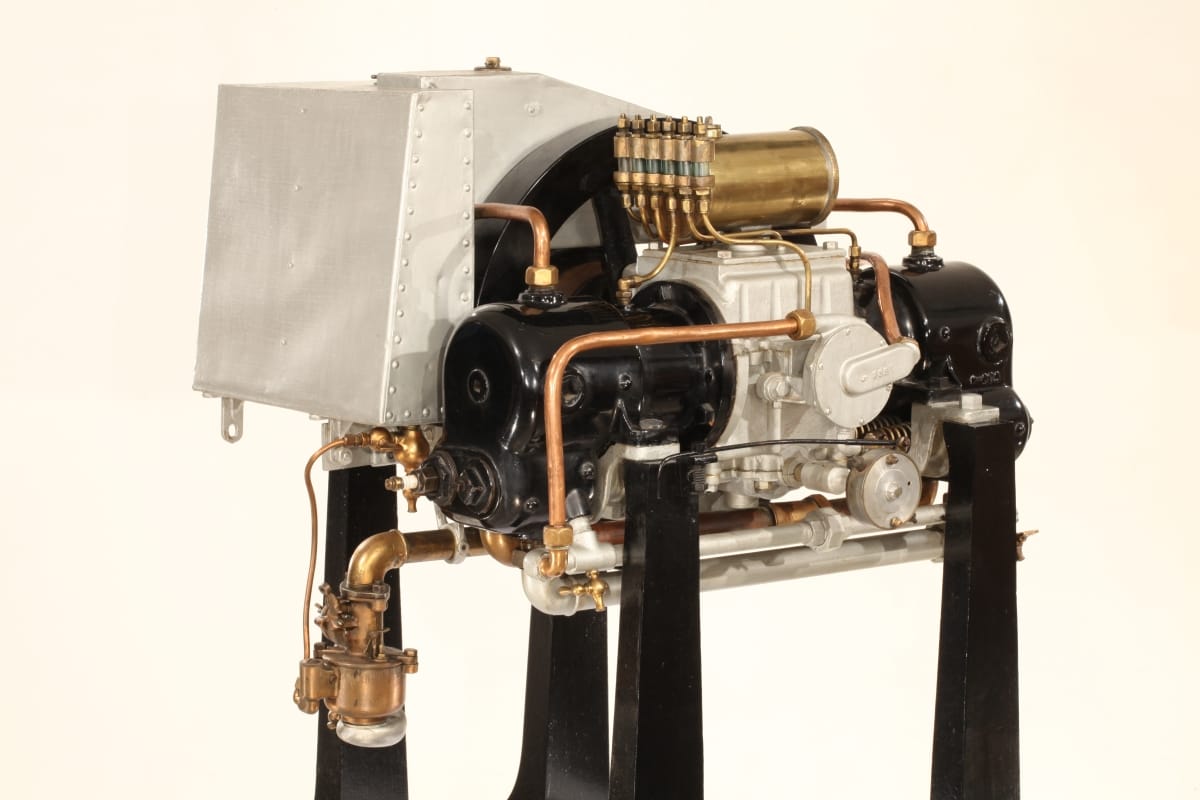
- Ford Model AC 2-cylinder Horizontally Opposed Engine, 1904 - Ford relied on outside suppliers to make parts for its vehicles in the company's early years. John and Horace Dodge, who later became car manufacturers themselves, produced this two-cylinder, ten-horsepower engine. Variations of the engine powered Ford's models A, C and F. The Model AC combined the body of the Model A with the engine of the Model C.
- 1904-1905
- Collections - Artifact
Ford Model AC 2-cylinder Horizontally Opposed Engine, 1904
Ford relied on outside suppliers to make parts for its vehicles in the company's early years. John and Horace Dodge, who later became car manufacturers themselves, produced this two-cylinder, ten-horsepower engine. Variations of the engine powered Ford's models A, C and F. The Model AC combined the body of the Model A with the engine of the Model C.
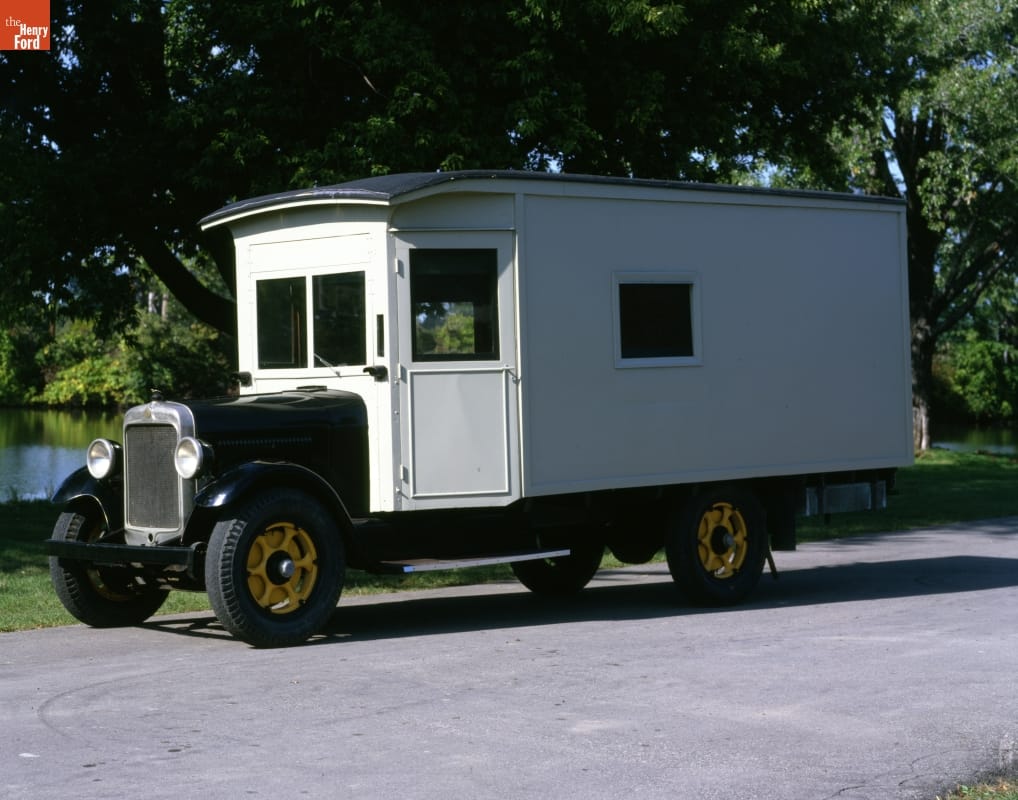
- Graham Brothers "Nomad" Motor Home, 1923 - The motorhome concept is nearly as old as the automobile, but the earliest forms were aftermarket conversions rather than factory products. This Nomad's body originally sat on a Ford Model TT chassis. It was remounted on a Graham Brothers truck chassis in 1928. Novelists John Stanton and Mary Chapman owned the Nomad for 47 years and visited 24 states with it.
- 1928
- Collections - Artifact
Graham Brothers "Nomad" Motor Home, 1923
The motorhome concept is nearly as old as the automobile, but the earliest forms were aftermarket conversions rather than factory products. This Nomad's body originally sat on a Ford Model TT chassis. It was remounted on a Graham Brothers truck chassis in 1928. Novelists John Stanton and Mary Chapman owned the Nomad for 47 years and visited 24 states with it.
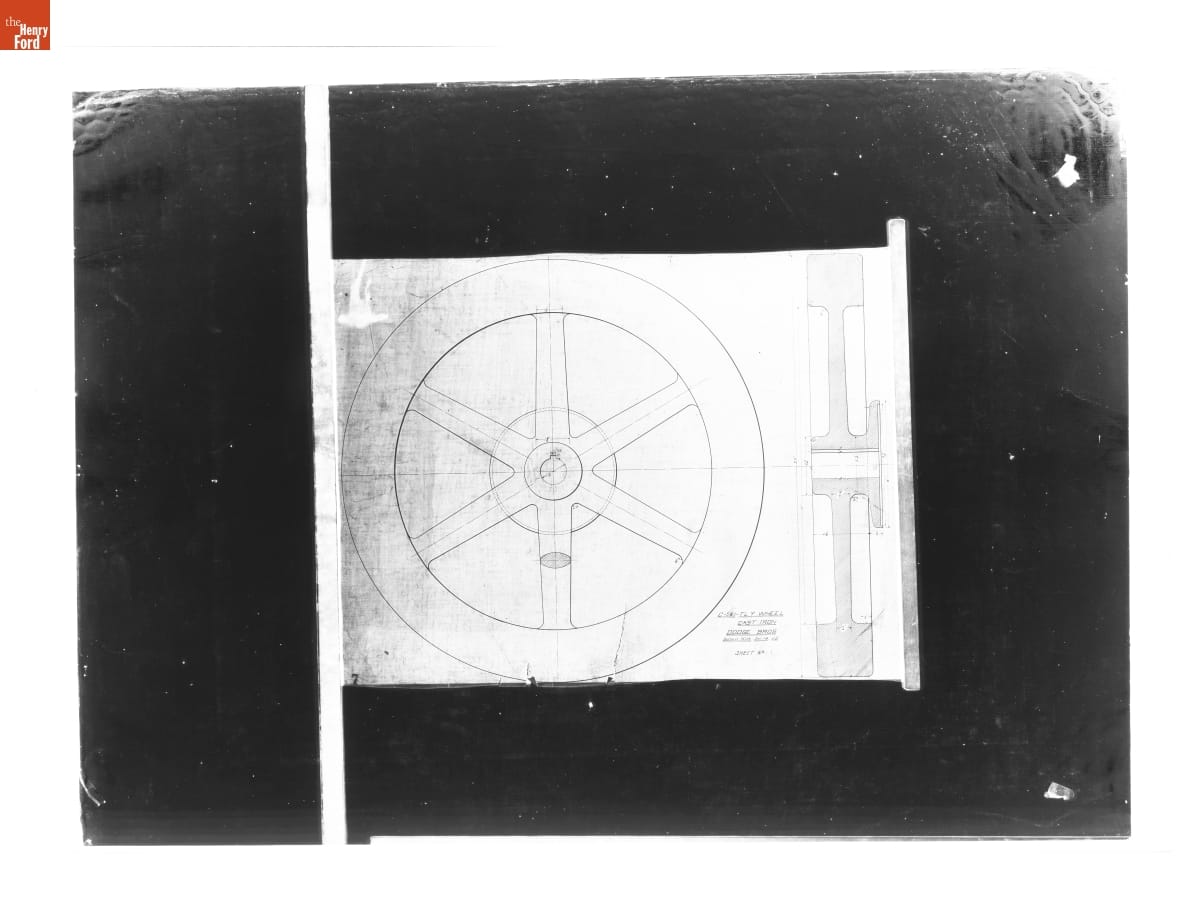
- Drawing, "Fly Wheel," Ford Model C, December 14, 1903 - The Ford Motor Company created over a million parts drawings from 1903 to 1957. Many of these drawings specify engineering requirements for the components of Ford-made vehicles--including automobiles, trucks, tractors, military vehicles and Tri-motor airplanes. Others document assembly components, stages of casting and forging, or experimental designs. Beginning in the 1940s, Ford transferred the drawings to microfilm.
- December 14, 1903
- Collections - Artifact
Drawing, "Fly Wheel," Ford Model C, December 14, 1903
The Ford Motor Company created over a million parts drawings from 1903 to 1957. Many of these drawings specify engineering requirements for the components of Ford-made vehicles--including automobiles, trucks, tractors, military vehicles and Tri-motor airplanes. Others document assembly components, stages of casting and forging, or experimental designs. Beginning in the 1940s, Ford transferred the drawings to microfilm.