
Search
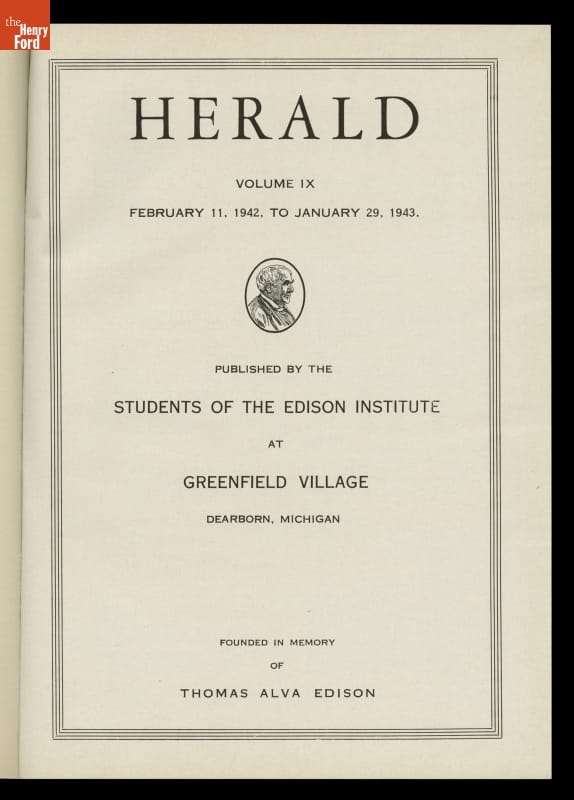
- "Herald" Magazine, Bound Volume IX for February 1942 - January 1943 - The students of the Greenfield Village and Associated Schools of the Edison Institute began publishing the <em>Herald</em> in 1934. They took the name from a weekly newspaper printed and sold by Thomas Alva Edison when he worked for the Grand Trunk Railroad in 1862-63. The students' version included articles on academic, social, and recreational activities. The publication continued until 1952.
- 11 February 1942 - 29 January 1943
- Collections - Artifact
"Herald" Magazine, Bound Volume IX for February 1942 - January 1943
The students of the Greenfield Village and Associated Schools of the Edison Institute began publishing the Herald in 1934. They took the name from a weekly newspaper printed and sold by Thomas Alva Edison when he worked for the Grand Trunk Railroad in 1862-63. The students' version included articles on academic, social, and recreational activities. The publication continued until 1952.
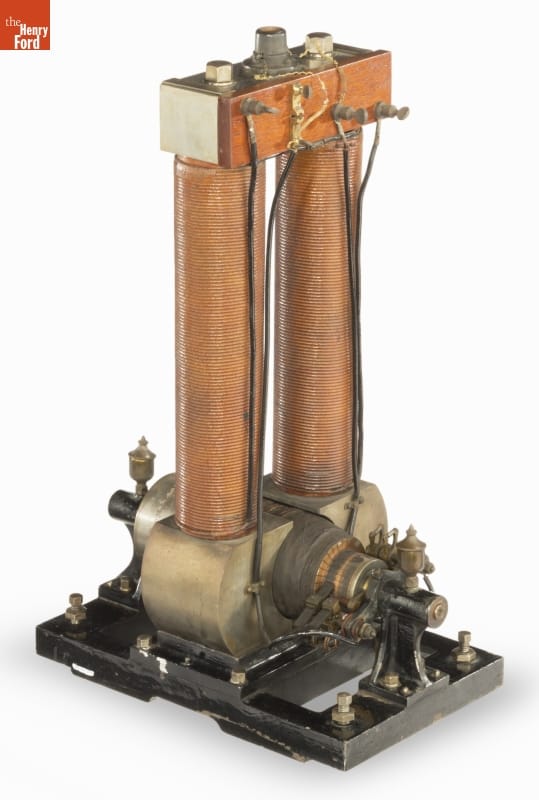
- Miniature Generator, Displayed at the New York World's Fair, 1939 - Henry Ford firmly believed in the "practical educational value" of World's Fair exhibits. During the 1939-40 New York World's Fair, he highlighted the work of students attending his experimental schools. In a miniature machine shop in the Ford building, boys from Ford's Edison Institute Schools operated quarter-size replicas based on machines from Thomas Edison's Menlo Park.
- 1939
- Collections - Artifact
Miniature Generator, Displayed at the New York World's Fair, 1939
Henry Ford firmly believed in the "practical educational value" of World's Fair exhibits. During the 1939-40 New York World's Fair, he highlighted the work of students attending his experimental schools. In a miniature machine shop in the Ford building, boys from Ford's Edison Institute Schools operated quarter-size replicas based on machines from Thomas Edison's Menlo Park.
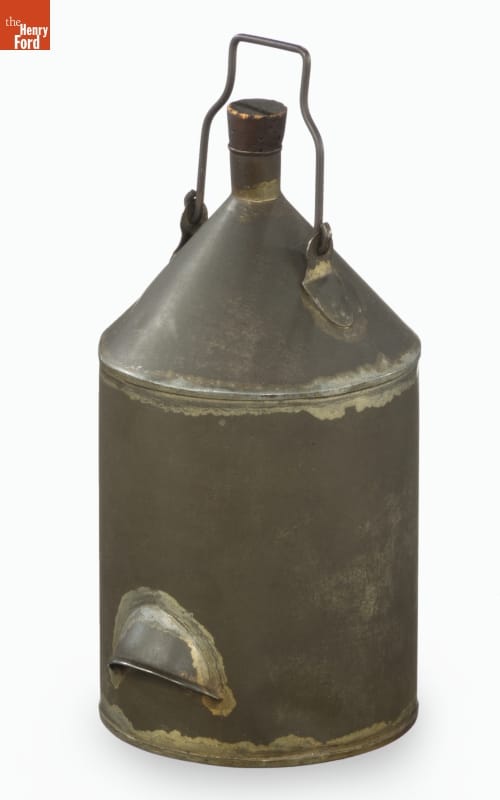
- Miniature Canister, Displayed at the New York World's Fair, 1939 - Henry Ford firmly believed in the "practical educational value" of World's Fair exhibits. During the 1939-40 New York World's Fair, he highlighted the work of students attending his experimental schools. In the Ford building, boys from Ford's Edison Institute Schools operated quarter-size replicas based on machines from Thomas Edison's Menlo Park. Miniature equipment and displays completed the scene.
- 1939
- Collections - Artifact
Miniature Canister, Displayed at the New York World's Fair, 1939
Henry Ford firmly believed in the "practical educational value" of World's Fair exhibits. During the 1939-40 New York World's Fair, he highlighted the work of students attending his experimental schools. In the Ford building, boys from Ford's Edison Institute Schools operated quarter-size replicas based on machines from Thomas Edison's Menlo Park. Miniature equipment and displays completed the scene.
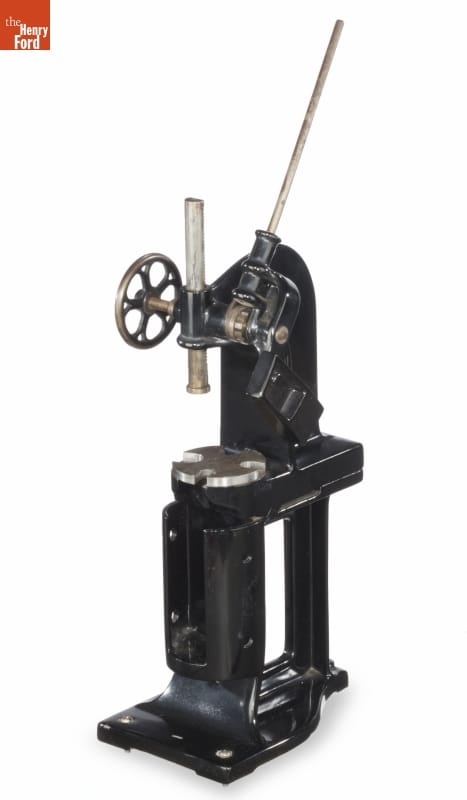
- Miniature Vertical Press, Displayed at the New York World's Fair, 1939 - Henry Ford firmly believed in the "practical educational value" of World's Fair exhibits. During the 1939-40 New York World's Fair, he highlighted the work of students attending his experimental schools. In a miniature machine shop in the Ford building, boys from Ford's Edison Institute Schools operated quarter-size replicas based on machines from Thomas Edison's Menlo Park.
- 1939
- Collections - Artifact
Miniature Vertical Press, Displayed at the New York World's Fair, 1939
Henry Ford firmly believed in the "practical educational value" of World's Fair exhibits. During the 1939-40 New York World's Fair, he highlighted the work of students attending his experimental schools. In a miniature machine shop in the Ford building, boys from Ford's Edison Institute Schools operated quarter-size replicas based on machines from Thomas Edison's Menlo Park.
- Miniature Rack, Displayed at the New York World's Fair, 1939 - Henry Ford firmly believed in the "practical educational value" of World's Fair exhibits. During the 1939-40 New York World's Fair, he highlighted the work of students attending his experimental schools. In the Ford building, boys from Ford's Edison Institute Schools operated quarter-size replicas based on machines from Thomas Edison's Menlo Park. Miniature equipment and displays completed the scene.
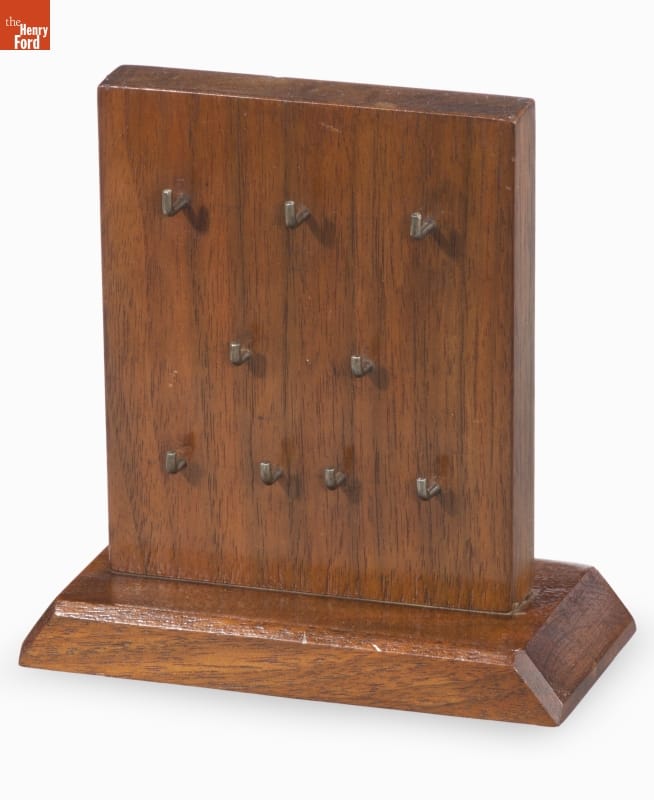
- 1939
- Collections - Artifact
Miniature Rack, Displayed at the New York World's Fair, 1939
Henry Ford firmly believed in the "practical educational value" of World's Fair exhibits. During the 1939-40 New York World's Fair, he highlighted the work of students attending his experimental schools. In the Ford building, boys from Ford's Edison Institute Schools operated quarter-size replicas based on machines from Thomas Edison's Menlo Park. Miniature equipment and displays completed the scene.
- Miniature Drill Press, Displayed at the New York World's Fair, 1939 - Henry Ford firmly believed in the "practical educational value" of World's Fair exhibits. During the 1939-40 New York World's Fair, he highlighted the work of students attending his experimental schools. In a miniature machine shop in the Ford building, boys from Ford's Edison Institute Schools operated quarter-size replicas based on machines from Thomas Edison's Menlo Park.
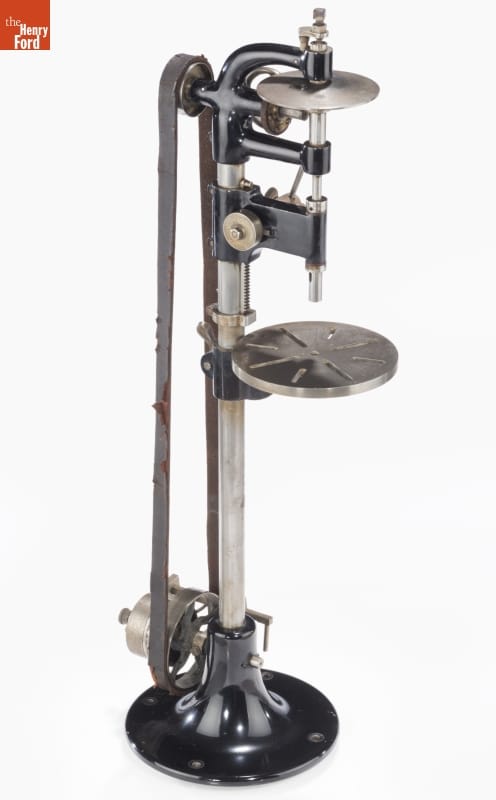
- 1939
- Collections - Artifact
Miniature Drill Press, Displayed at the New York World's Fair, 1939
Henry Ford firmly believed in the "practical educational value" of World's Fair exhibits. During the 1939-40 New York World's Fair, he highlighted the work of students attending his experimental schools. In a miniature machine shop in the Ford building, boys from Ford's Edison Institute Schools operated quarter-size replicas based on machines from Thomas Edison's Menlo Park.
- Miniature Kiln, Displayed at the New York World's Fair, 1939 - Henry Ford firmly believed in the "practical educational value" of World's Fair exhibits. During the 1939-40 New York World's Fair, he highlighted the work of students attending his experimental schools. In the Ford building, boys from Ford's Edison Institute Schools operated quarter-size replicas based on machines from Thomas Edison's Menlo Park. Miniature equipment and displays completed the scene.
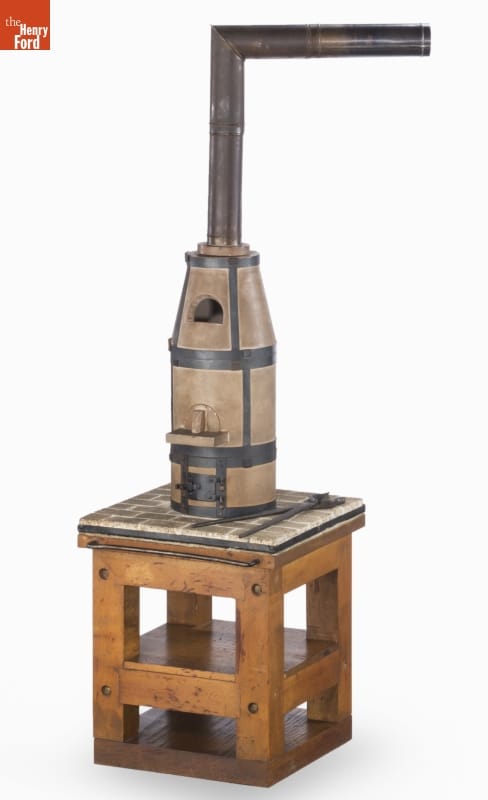
- 1939
- Collections - Artifact
Miniature Kiln, Displayed at the New York World's Fair, 1939
Henry Ford firmly believed in the "practical educational value" of World's Fair exhibits. During the 1939-40 New York World's Fair, he highlighted the work of students attending his experimental schools. In the Ford building, boys from Ford's Edison Institute Schools operated quarter-size replicas based on machines from Thomas Edison's Menlo Park. Miniature equipment and displays completed the scene.
- Miniature Canister, Displayed at the New York World's Fair, 1939 - Henry Ford firmly believed in the "practical educational value" of World's Fair exhibits. During the 1939-40 New York World's Fair, he highlighted the work of students attending his experimental schools. In the Ford building, boys from Ford's Edison Institute Schools operated quarter-size replicas based on machines from Thomas Edison's Menlo Park. Miniature equipment and displays completed the scene.
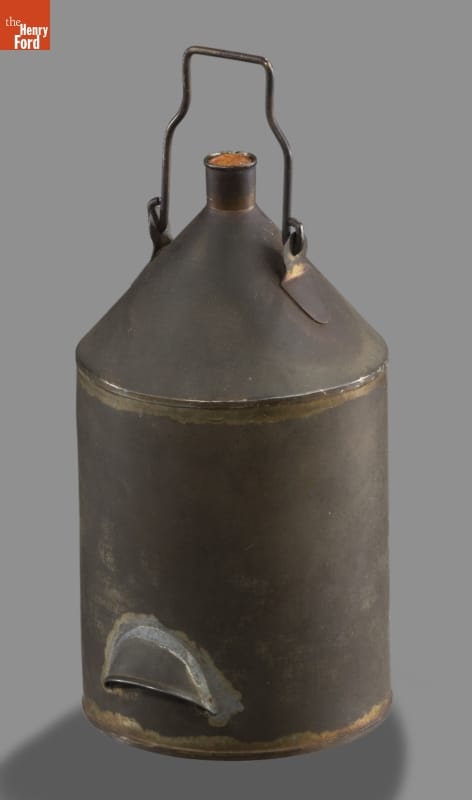
- 1939
- Collections - Artifact
Miniature Canister, Displayed at the New York World's Fair, 1939
Henry Ford firmly believed in the "practical educational value" of World's Fair exhibits. During the 1939-40 New York World's Fair, he highlighted the work of students attending his experimental schools. In the Ford building, boys from Ford's Edison Institute Schools operated quarter-size replicas based on machines from Thomas Edison's Menlo Park. Miniature equipment and displays completed the scene.
- Model of a Wimshurst Influence Machine with Two Leyden Jars, 1939 -
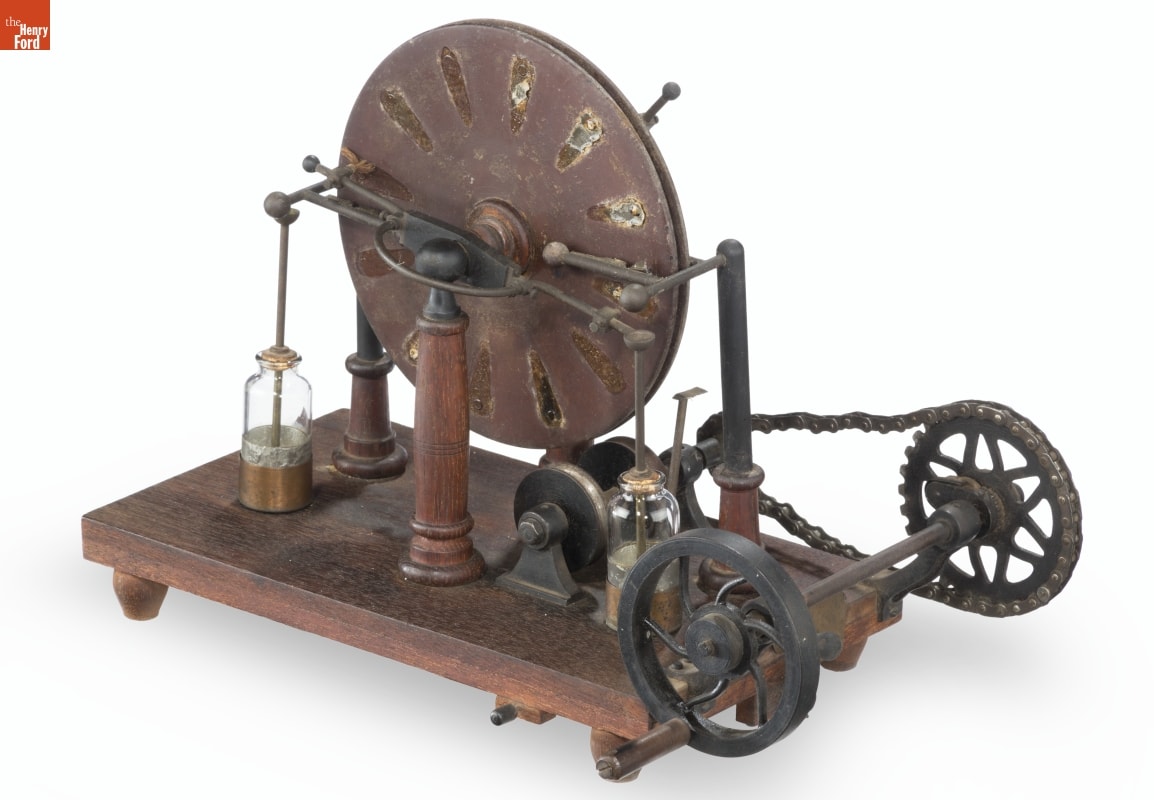
- 1939
- Collections - Artifact
Model of a Wimshurst Influence Machine with Two Leyden Jars, 1939
- Miniature Scale, Displayed at the New York World's Fair, 1939 - Henry Ford firmly believed in the "practical educational value" of World's Fair exhibits. During the 1939-40 New York World's Fair, he highlighted the work of students attending his experimental schools. In the Ford building, boys from Ford's Edison Institute Schools operated quarter-size replicas based on machines from Thomas Edison's Menlo Park. Miniature equipment and displays completed the scene.
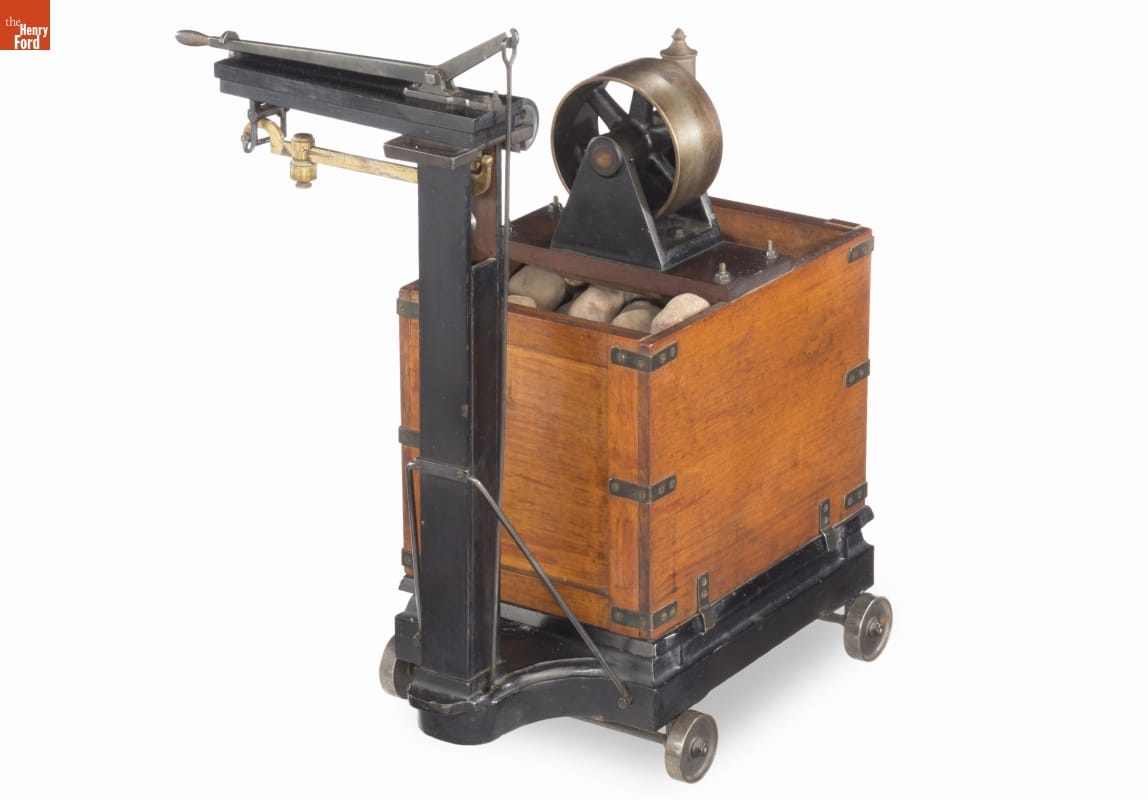
- 1939
- Collections - Artifact
Miniature Scale, Displayed at the New York World's Fair, 1939
Henry Ford firmly believed in the "practical educational value" of World's Fair exhibits. During the 1939-40 New York World's Fair, he highlighted the work of students attending his experimental schools. In the Ford building, boys from Ford's Edison Institute Schools operated quarter-size replicas based on machines from Thomas Edison's Menlo Park. Miniature equipment and displays completed the scene.