
Search
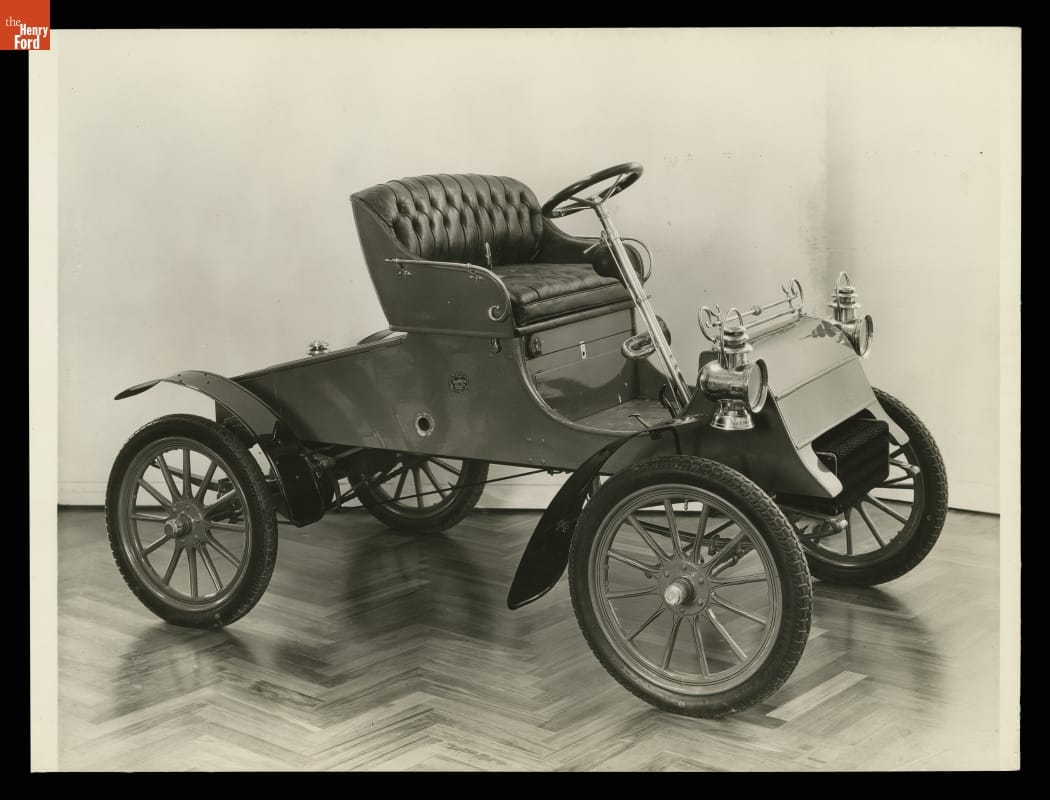
- 1903 Ford Model A Roadster in Henry Ford Museum, circa 1934 - A 1934 exhibition at Henry Ford's museum in Dearborn, Michigan, featured this Model A roadster, the first automobile produced and sold by the fledgling Ford Motor Company. In many ways, the original Ford was typical -- it looked like a carriage without the horse. But unlike other early autos, the 1903 Model A had a steering wheel rather than a tiller.
- April 20, 1934
- Collections - Artifact
1903 Ford Model A Roadster in Henry Ford Museum, circa 1934
A 1934 exhibition at Henry Ford's museum in Dearborn, Michigan, featured this Model A roadster, the first automobile produced and sold by the fledgling Ford Motor Company. In many ways, the original Ford was typical -- it looked like a carriage without the horse. But unlike other early autos, the 1903 Model A had a steering wheel rather than a tiller.
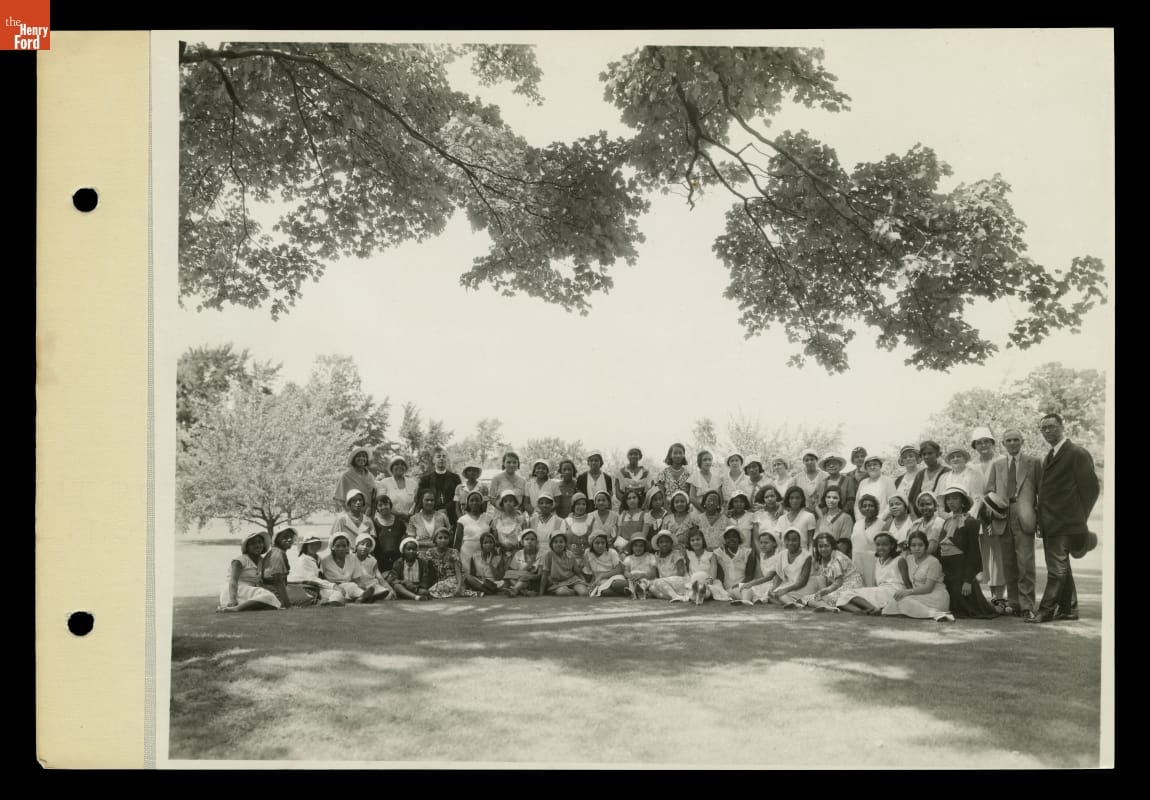
- Henry Ford and Clara Ford with Group on the Grounds of Fair Lane, 1932 - In the early 1910s, Henry and Clara Ford selected 1300 acres of farmland in Dearborn, Michigan, as the site for a new home. They called the estate Fair Lane. Surrounded by woods, meadows, gardens, and the nature they loved, Henry and Clara found this home a peaceful respite. Here they could wander the landscaped grounds, entertain guests, and play with grandchildren.
- July 09, 1932
- Collections - Artifact
Henry Ford and Clara Ford with Group on the Grounds of Fair Lane, 1932
In the early 1910s, Henry and Clara Ford selected 1300 acres of farmland in Dearborn, Michigan, as the site for a new home. They called the estate Fair Lane. Surrounded by woods, meadows, gardens, and the nature they loved, Henry and Clara found this home a peaceful respite. Here they could wander the landscaped grounds, entertain guests, and play with grandchildren.
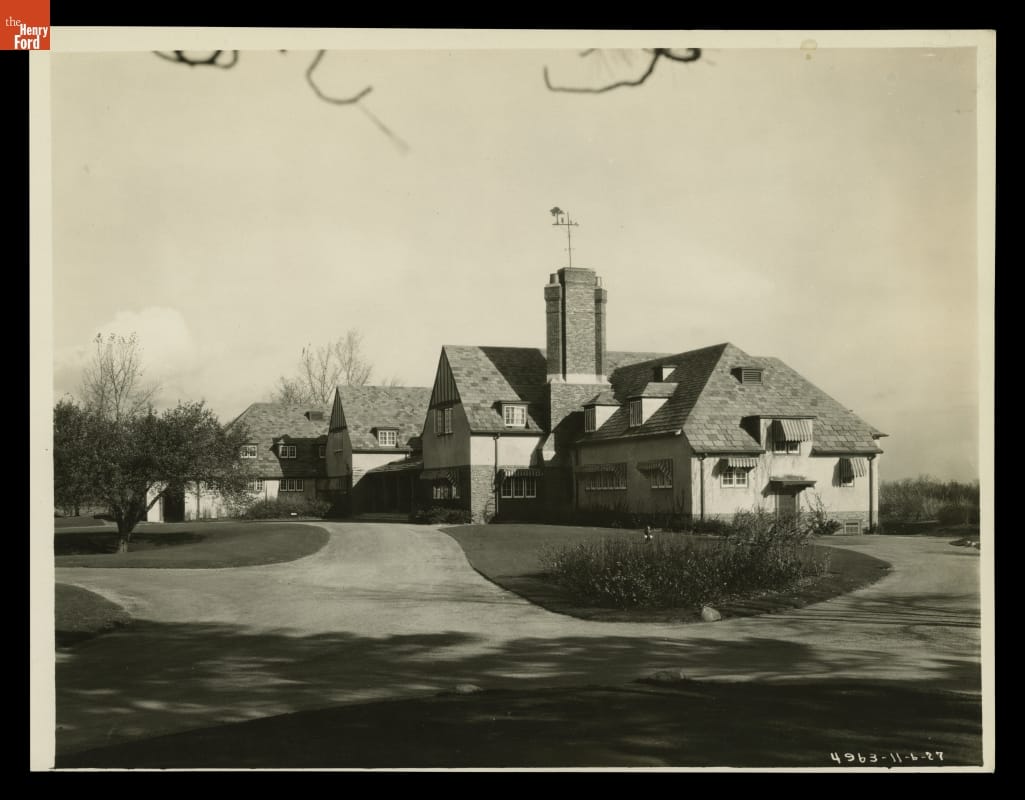
- Dearborn Country Club, Dearborn, Michigan, 1927 - Henry Ford established the Dearborn Country Club, with an 18-hole golf course and a clubhouse designed by Albert Kahn, in 1925. Ford himself was not a golfer, but the club helped attract and keep executive talent at Ford Motor Company's Dearborn, Michigan, offices. Club members purchased the facility from Ford interests in 1952.
- November 06, 1927
- Collections - Artifact
Dearborn Country Club, Dearborn, Michigan, 1927
Henry Ford established the Dearborn Country Club, with an 18-hole golf course and a clubhouse designed by Albert Kahn, in 1925. Ford himself was not a golfer, but the club helped attract and keep executive talent at Ford Motor Company's Dearborn, Michigan, offices. Club members purchased the facility from Ford interests in 1952.
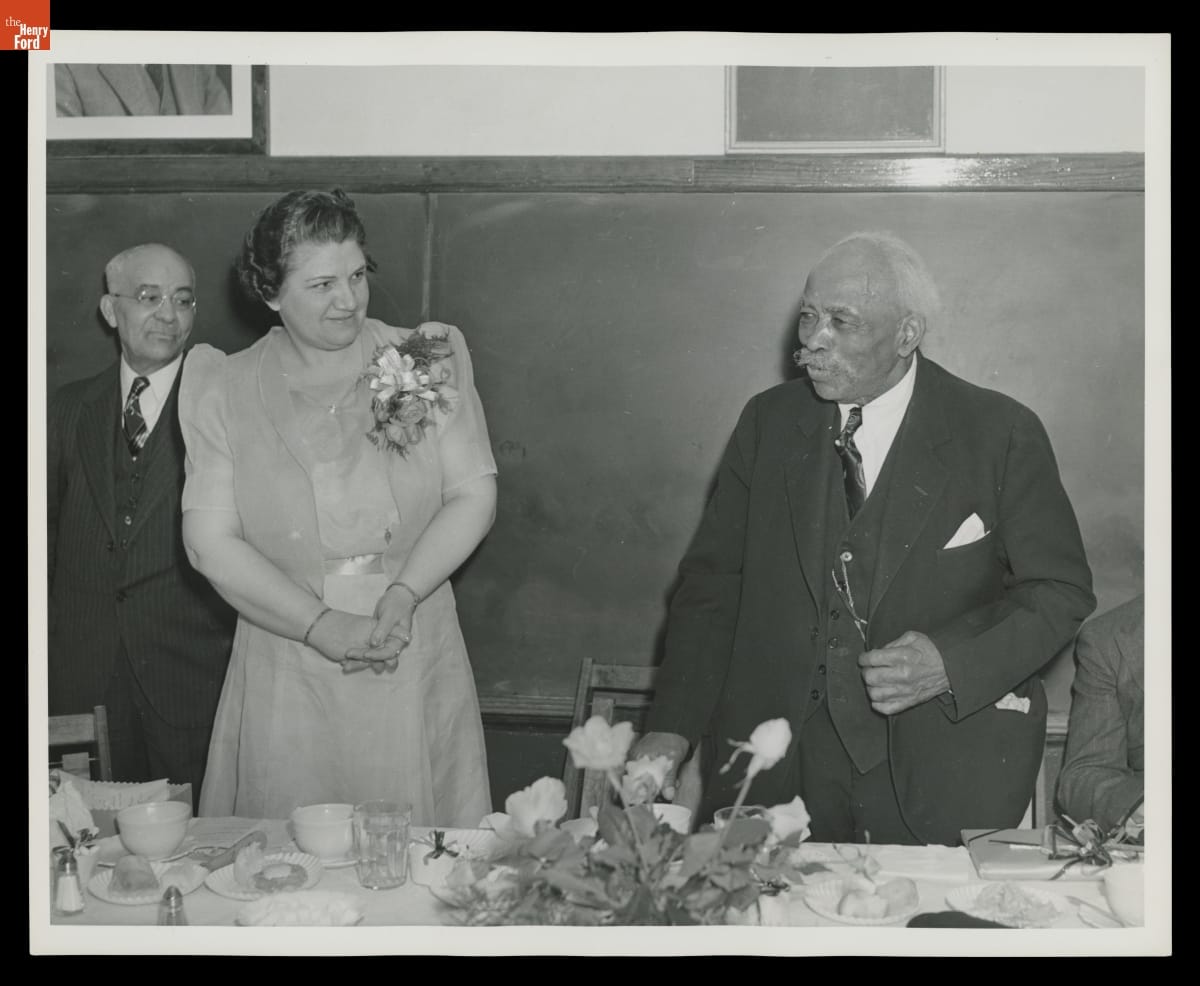
- Inkster High School Senior Banquet, May 2, 1940 - During the Great Depression, Ford Motor Company made efforts to improve living conditions in Inkster, Michigan, a primarily Black community hit especially hard by the economic crisis. Ford built a high school, repaired homes, established a medical clinic, and opened a low-price commissary. Improvements were funded through involuntary paycheck deductions from Inkster residents employed at Ford's nearby Rouge plant.
- May 02, 1940
- Collections - Artifact
Inkster High School Senior Banquet, May 2, 1940
During the Great Depression, Ford Motor Company made efforts to improve living conditions in Inkster, Michigan, a primarily Black community hit especially hard by the economic crisis. Ford built a high school, repaired homes, established a medical clinic, and opened a low-price commissary. Improvements were funded through involuntary paycheck deductions from Inkster residents employed at Ford's nearby Rouge plant.
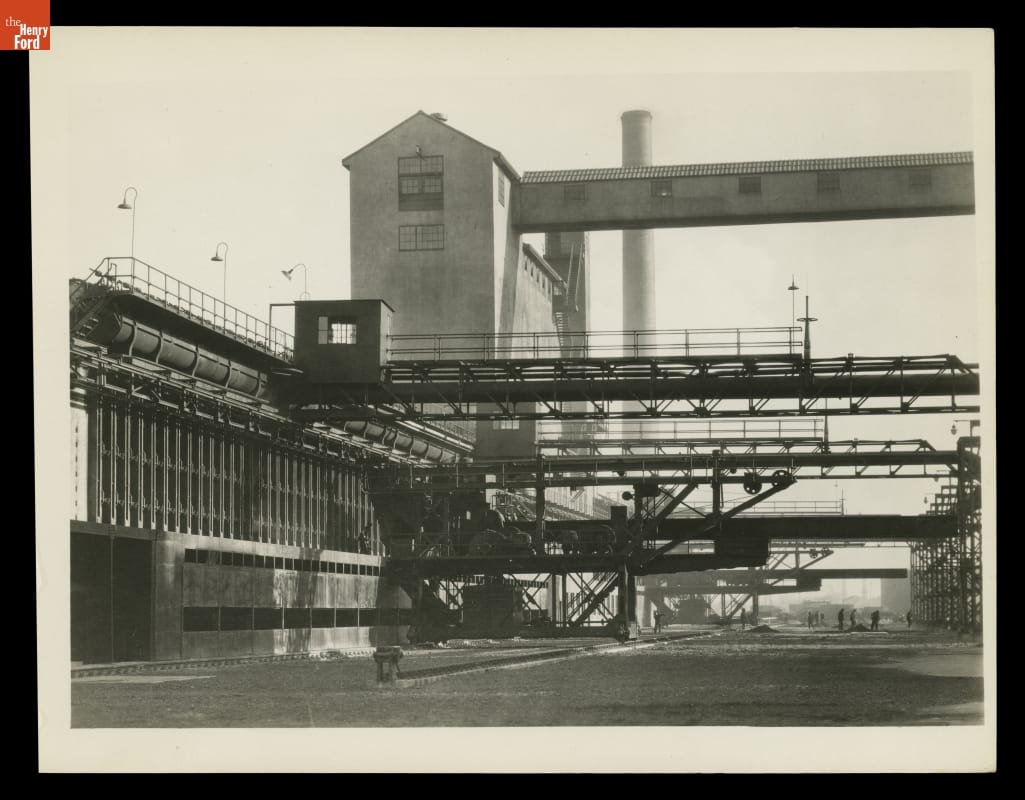
- Ford Motor Company Rouge Plant Coke Ovens, 1927 - Coke ovens at Ford Motor Company's Rouge plant converted coal into high-carbon coke, used in the factory's blast furnaces to produce iron. In 1921, the Rouge's ovens could produce up to 3,600 tons of coke daily. New, more efficient coke ovens opened in 1937. The coking process also produced gas used to heat some of the factory's other furnaces.
- 1927
- Collections - Artifact
Ford Motor Company Rouge Plant Coke Ovens, 1927
Coke ovens at Ford Motor Company's Rouge plant converted coal into high-carbon coke, used in the factory's blast furnaces to produce iron. In 1921, the Rouge's ovens could produce up to 3,600 tons of coke daily. New, more efficient coke ovens opened in 1937. The coking process also produced gas used to heat some of the factory's other furnaces.
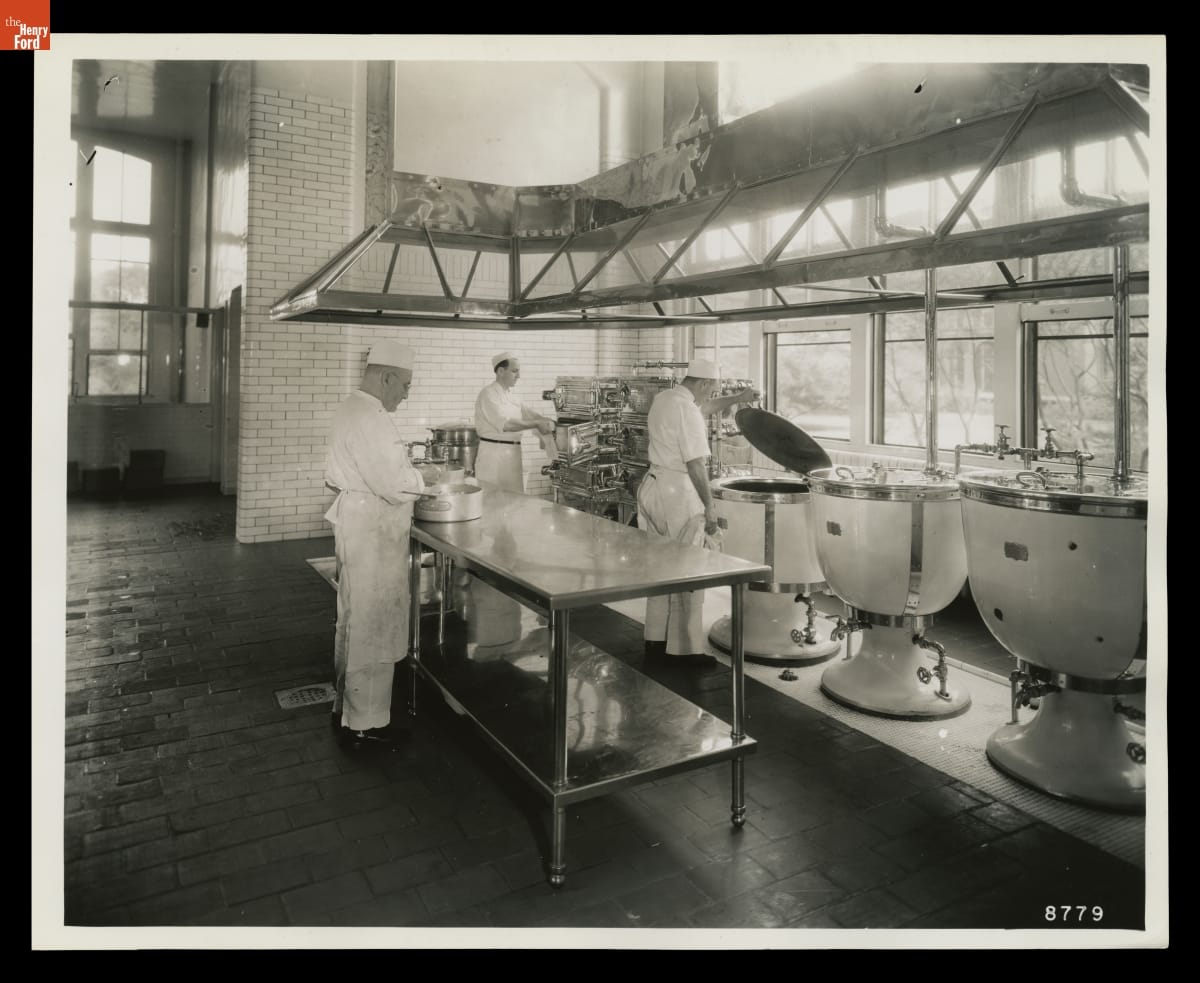
- Kitchen at Henry Ford Hospital, Detroit, Michigan, April 1931 - In 1915, Henry Ford funded a new hospital for Detroit. Designed and built in consultation with leading medical experts, Henry Ford Hospital employed salaried doctors and charged low, fixed fees to patients. In 1929, the hospital's kitchens prepared nearly 1,200 meals each day. By that point in its history, Henry Ford Hospital had registered more than 132,000 patients.
- April 29, 1931
- Collections - Artifact
Kitchen at Henry Ford Hospital, Detroit, Michigan, April 1931
In 1915, Henry Ford funded a new hospital for Detroit. Designed and built in consultation with leading medical experts, Henry Ford Hospital employed salaried doctors and charged low, fixed fees to patients. In 1929, the hospital's kitchens prepared nearly 1,200 meals each day. By that point in its history, Henry Ford Hospital had registered more than 132,000 patients.
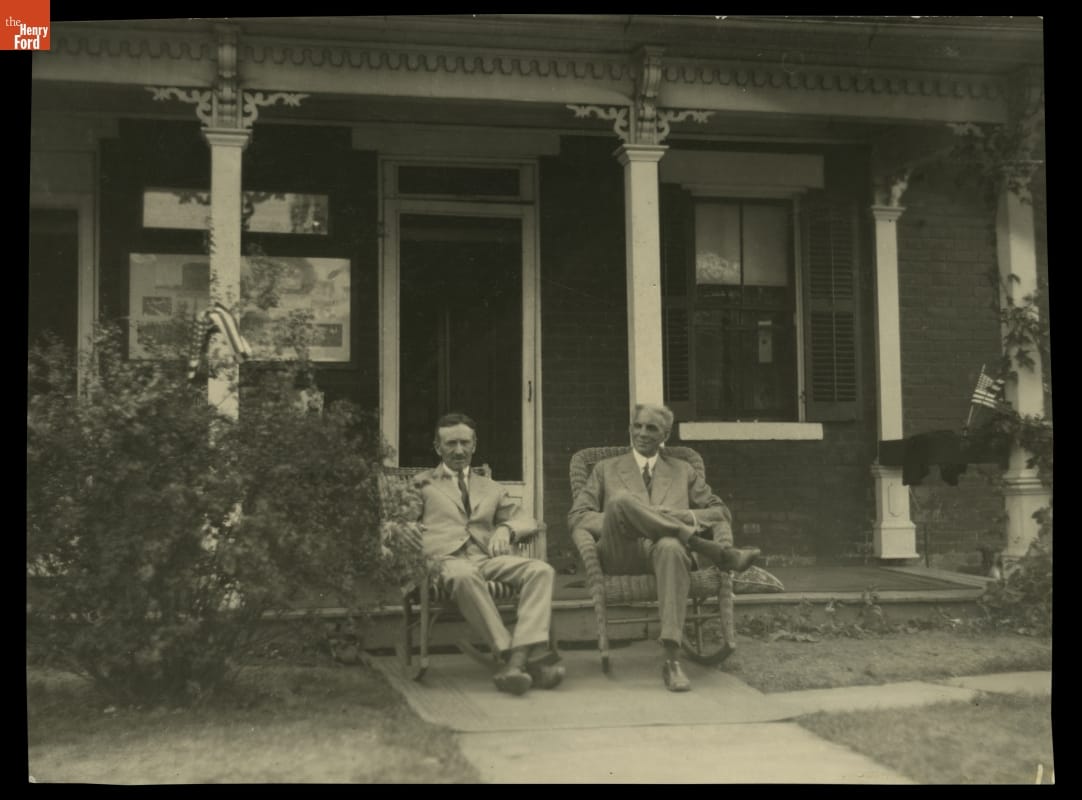
- Harvey Firestone and Henry Ford at Firestone Farm, Columbiana County, Ohio, 1918 - Henry Ford and Harvey Firestone went on several camping trips as "vagabonds," a group that also included Thomas Edison and naturalist John Burroughs. In August 1918, Ford met Firestone at his old homestead near Columbiana, Ohio, (now in Greenfield Village) before joining Edison and Burroughs in Pittsburgh. The foursome then traveled through Appalachian Mountains for the next couple weeks.
- 1918
- Collections - Artifact
Harvey Firestone and Henry Ford at Firestone Farm, Columbiana County, Ohio, 1918
Henry Ford and Harvey Firestone went on several camping trips as "vagabonds," a group that also included Thomas Edison and naturalist John Burroughs. In August 1918, Ford met Firestone at his old homestead near Columbiana, Ohio, (now in Greenfield Village) before joining Edison and Burroughs in Pittsburgh. The foursome then traveled through Appalachian Mountains for the next couple weeks.
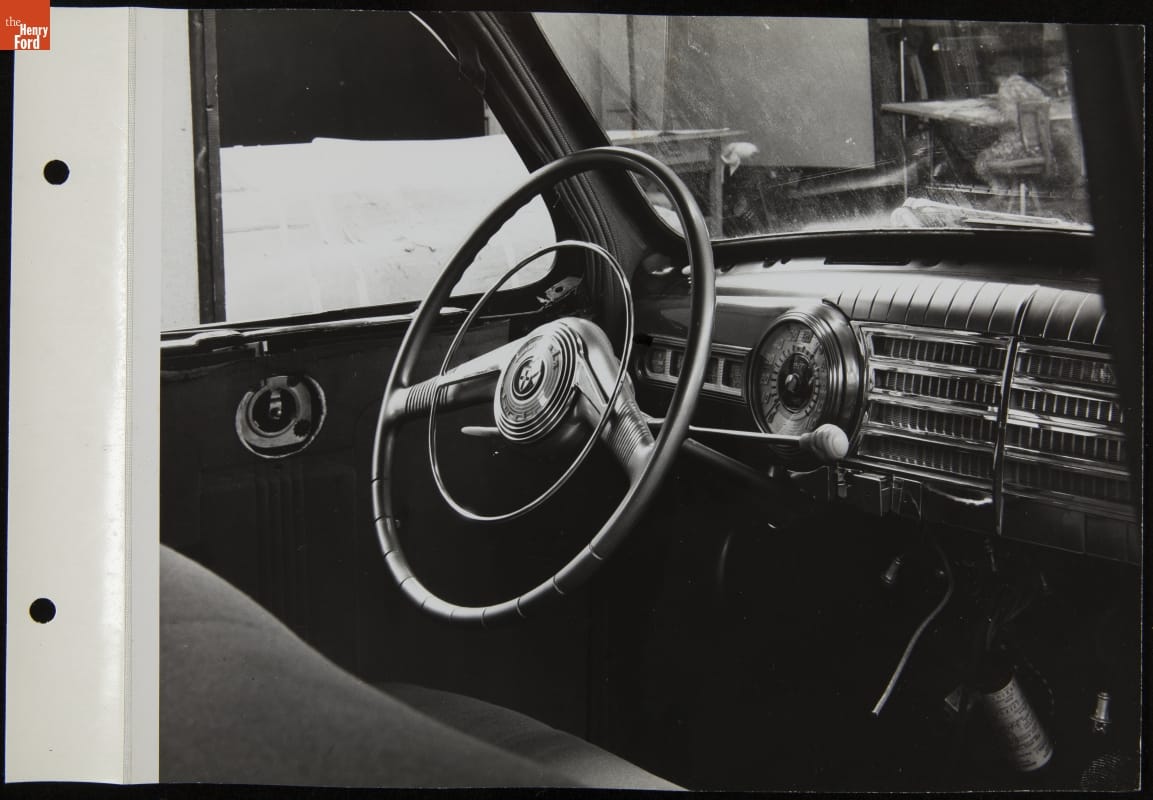
- Interior of Lincoln Zephyr Car in Design Department, Woman Designer in Background, October 1944 - With World War II moving toward a close, Lincoln designers began work on new civilian models. It was anticipated that the Lincoln Zephyr would return, so designers set about refreshing the 1942 model. However, the Zephyr name was dropped before the 1946 models -- the company's first postwar cars -- debuted.
- October 14, 1944
- Collections - Artifact
Interior of Lincoln Zephyr Car in Design Department, Woman Designer in Background, October 1944
With World War II moving toward a close, Lincoln designers began work on new civilian models. It was anticipated that the Lincoln Zephyr would return, so designers set about refreshing the 1942 model. However, the Zephyr name was dropped before the 1946 models -- the company's first postwar cars -- debuted.
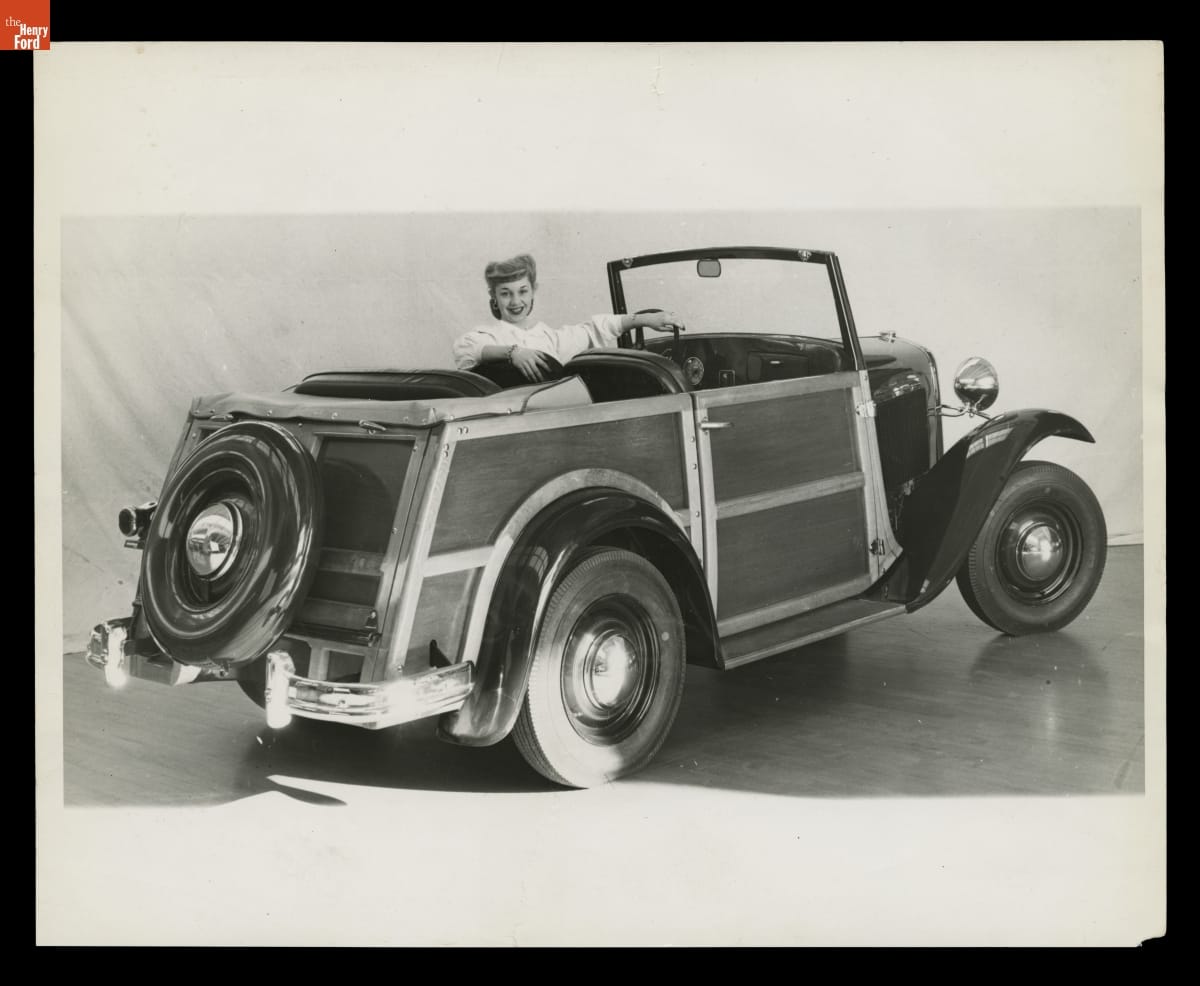
- Designer Leota Carroll Modeling the Ford "Estate Wagon" Custom-Built for Henry Ford II, January 1945 - Leota Carroll was the first woman hired into Ford Motor Company's Design Department. Carroll, a talented illustrator, joined the company during World War II -- a time when most men were off fighting. Her success prompted Ford to hire other women onto its design staff. In addition to her regular duties, Carroll also occasionally posed in Ford promotional photographs.
- January 31, 1945
- Collections - Artifact
Designer Leota Carroll Modeling the Ford "Estate Wagon" Custom-Built for Henry Ford II, January 1945
Leota Carroll was the first woman hired into Ford Motor Company's Design Department. Carroll, a talented illustrator, joined the company during World War II -- a time when most men were off fighting. Her success prompted Ford to hire other women onto its design staff. In addition to her regular duties, Carroll also occasionally posed in Ford promotional photographs.
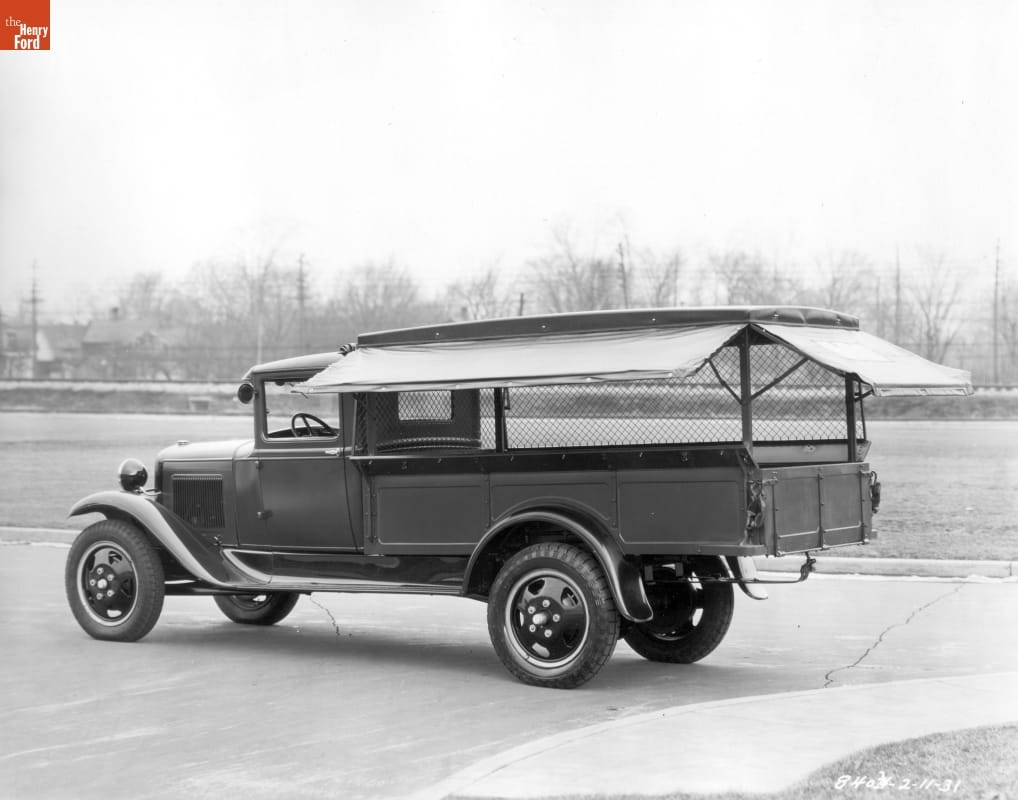
- 1931 Ford Model AA Express Truck - Ford Motor Company combated sagging Depression-era sales with expanded commercial and truck lines for 1931. Ford offered an array of body types for its Model AA-131 and Model AA-157 truck chassis -- from police patrols and ambulances to school buses and garbage trucks. This versatile, durable express truck was mounted with screens, a canopy top, and side panels.
- February 11, 1931
- Collections - Artifact
1931 Ford Model AA Express Truck
Ford Motor Company combated sagging Depression-era sales with expanded commercial and truck lines for 1931. Ford offered an array of body types for its Model AA-131 and Model AA-157 truck chassis -- from police patrols and ambulances to school buses and garbage trucks. This versatile, durable express truck was mounted with screens, a canopy top, and side panels.