
Search
- Fort Wayne Wood Ammeter, 1899-1911 - In the late 1800s and early 1900s, companies that supplied electricity to consumers needed a variety of instruments to regulate and monitor electrical output. These instruments were vital to the operation of power stations and needed to be accurate and rugged. Ammeters--used to measure the current in a circuit--could be found on switchboards or connected to motors and generators.
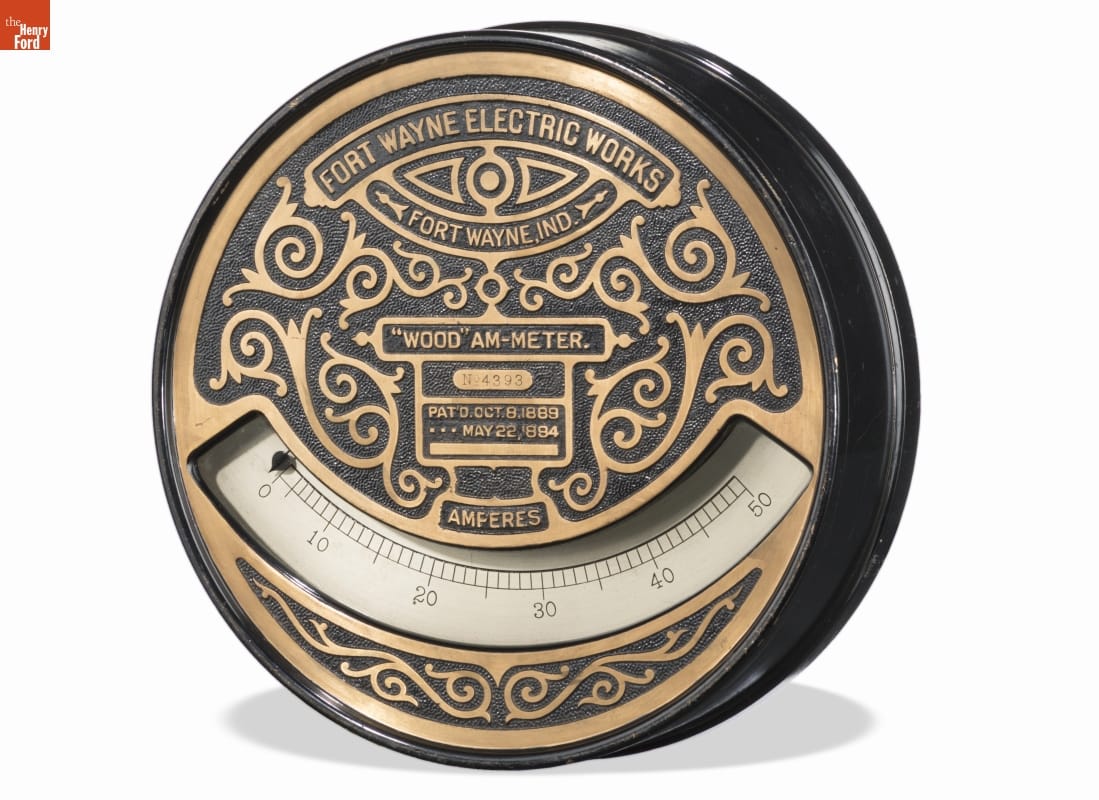
- 1899-1911
- Collections - Artifact
Fort Wayne Wood Ammeter, 1899-1911
In the late 1800s and early 1900s, companies that supplied electricity to consumers needed a variety of instruments to regulate and monitor electrical output. These instruments were vital to the operation of power stations and needed to be accurate and rugged. Ammeters--used to measure the current in a circuit--could be found on switchboards or connected to motors and generators.
- Fort Wayne Wood Ammeter, 1902-1905 - In the late 1800s and early 1900s, companies that supplied electricity to consumers needed a variety of instruments to regulate and monitor electrical output. These instruments were vital to the operation of power stations and needed to be accurate and rugged. Ammeters--used to measure the current in a circuit--could be found on switchboards or connected to motors and generators.
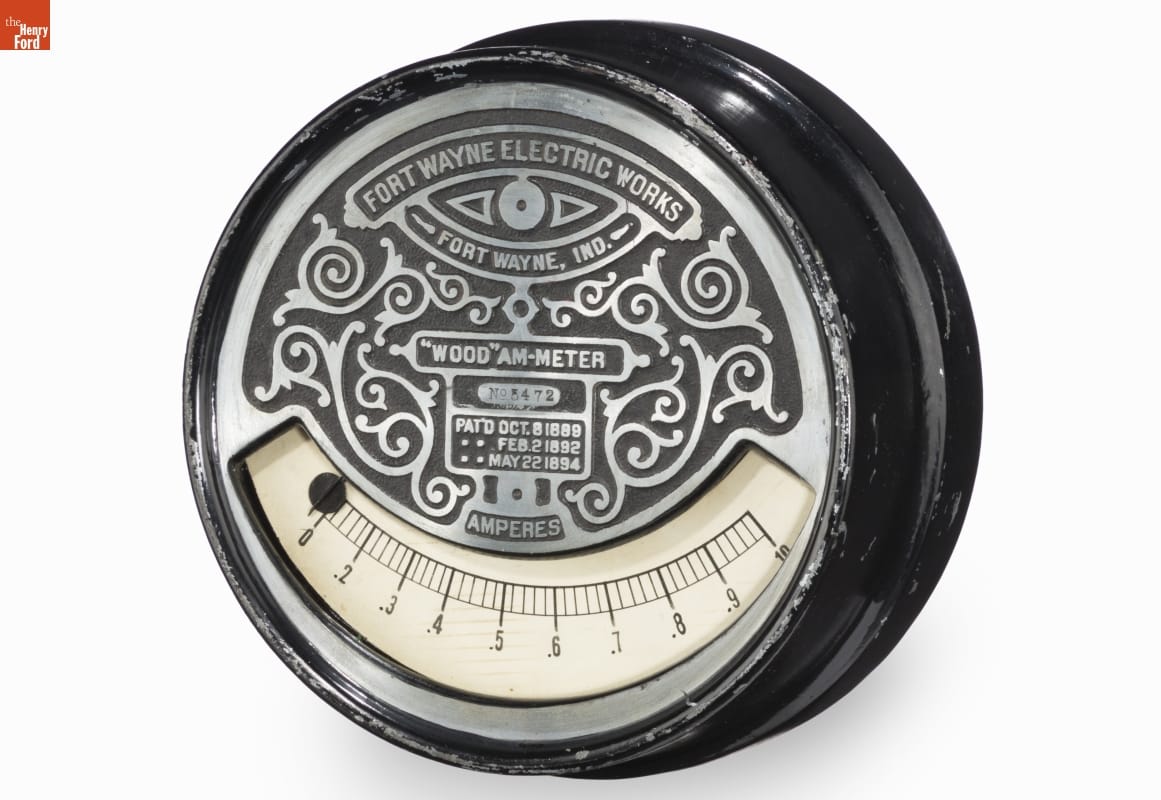
- 1902-1905
- Collections - Artifact
Fort Wayne Wood Ammeter, 1902-1905
In the late 1800s and early 1900s, companies that supplied electricity to consumers needed a variety of instruments to regulate and monitor electrical output. These instruments were vital to the operation of power stations and needed to be accurate and rugged. Ammeters--used to measure the current in a circuit--could be found on switchboards or connected to motors and generators.
- Fort Wayne Type K Wattmeter, circa 1903 - In the late 1800s, companies that supplied electricity to consumers needed a way to measure how much customers used -- and then charge them accordingly. Inventive electrical engineers developed various methods to measure electric power. Induction meters that employed magnetic fields to rotate a disc or cylinder to register energy usage would become the standard. Continued improvements made these wattmeters more compact and reliable.
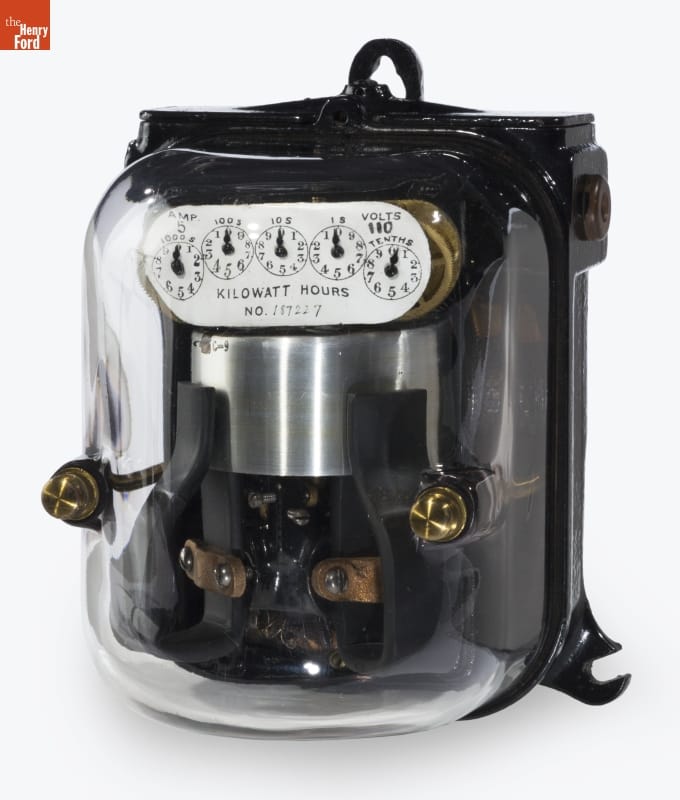
- circa 1903
- Collections - Artifact
Fort Wayne Type K Wattmeter, circa 1903
In the late 1800s, companies that supplied electricity to consumers needed a way to measure how much customers used -- and then charge them accordingly. Inventive electrical engineers developed various methods to measure electric power. Induction meters that employed magnetic fields to rotate a disc or cylinder to register energy usage would become the standard. Continued improvements made these wattmeters more compact and reliable.
- Fort Wayne Type F Field Rheostat, 1899-1911 - Rheostats vary the amount of electrical resistance in a circuit. They proved beneficial as the use of electrical power expanded in the late 1800s. Among their many applications, rheostats helped motors start safely, controlled motor speed, maintained a constant current in battery chargers, and adjusted volume and light levels.
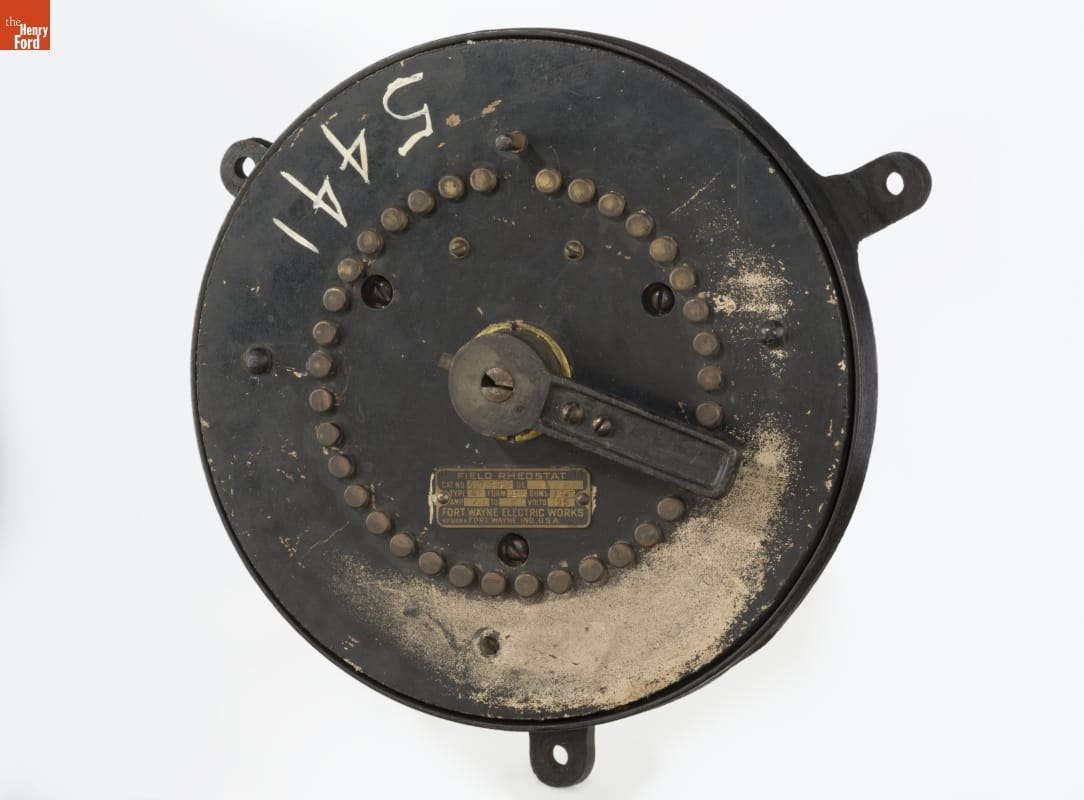
- 1899-1911
- Collections - Artifact
Fort Wayne Type F Field Rheostat, 1899-1911
Rheostats vary the amount of electrical resistance in a circuit. They proved beneficial as the use of electrical power expanded in the late 1800s. Among their many applications, rheostats helped motors start safely, controlled motor speed, maintained a constant current in battery chargers, and adjusted volume and light levels.
- Fort Wayne Type K-3 Wattmeter, 1909-1915 - In the late 1800s, companies that supplied electricity to consumers needed a way to measure how much customers used -- and then charge them accordingly. Inventive electrical engineers developed various methods to measure electric power. Induction meters that employed magnetic fields to rotate a disc or cylinder to register energy usage would become the standard. Continued improvements made these wattmeters more compact and reliable.
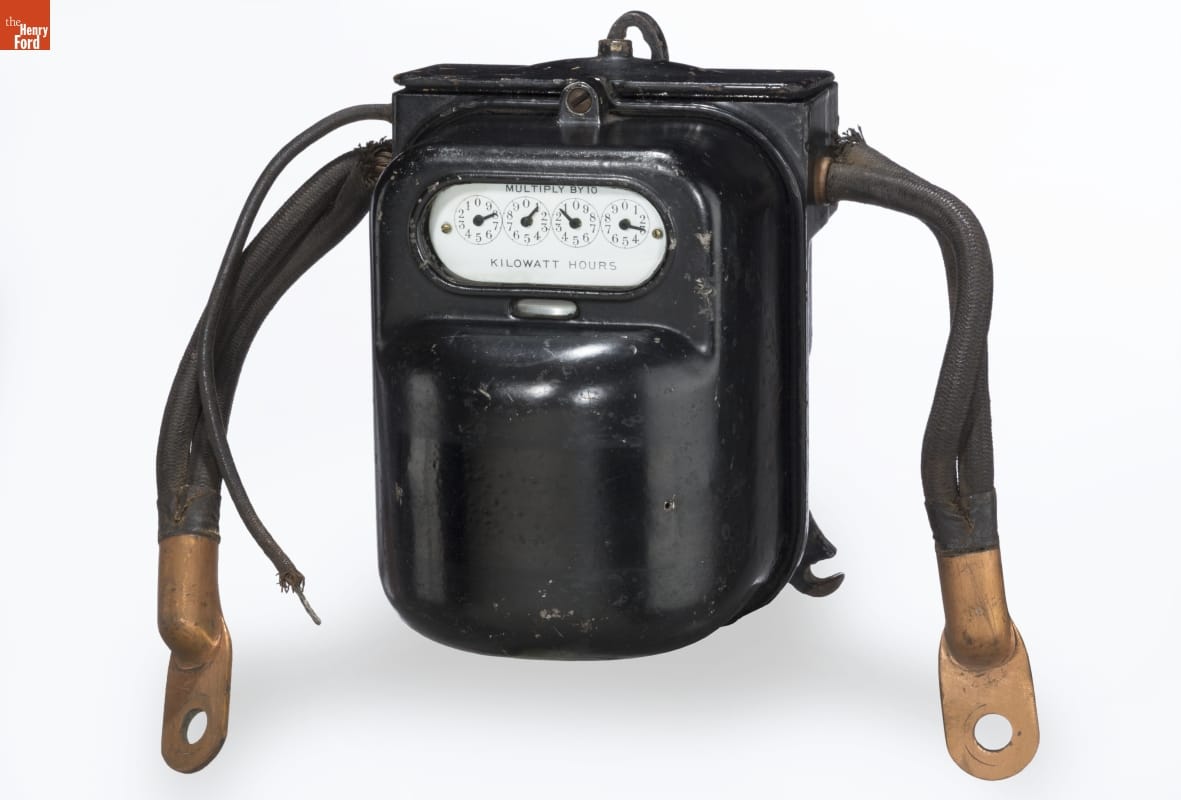
- 1909-1915
- Collections - Artifact
Fort Wayne Type K-3 Wattmeter, 1909-1915
In the late 1800s, companies that supplied electricity to consumers needed a way to measure how much customers used -- and then charge them accordingly. Inventive electrical engineers developed various methods to measure electric power. Induction meters that employed magnetic fields to rotate a disc or cylinder to register energy usage would become the standard. Continued improvements made these wattmeters more compact and reliable.
- Fort Wayne Type S.P.D. Motor, circa 1905 -
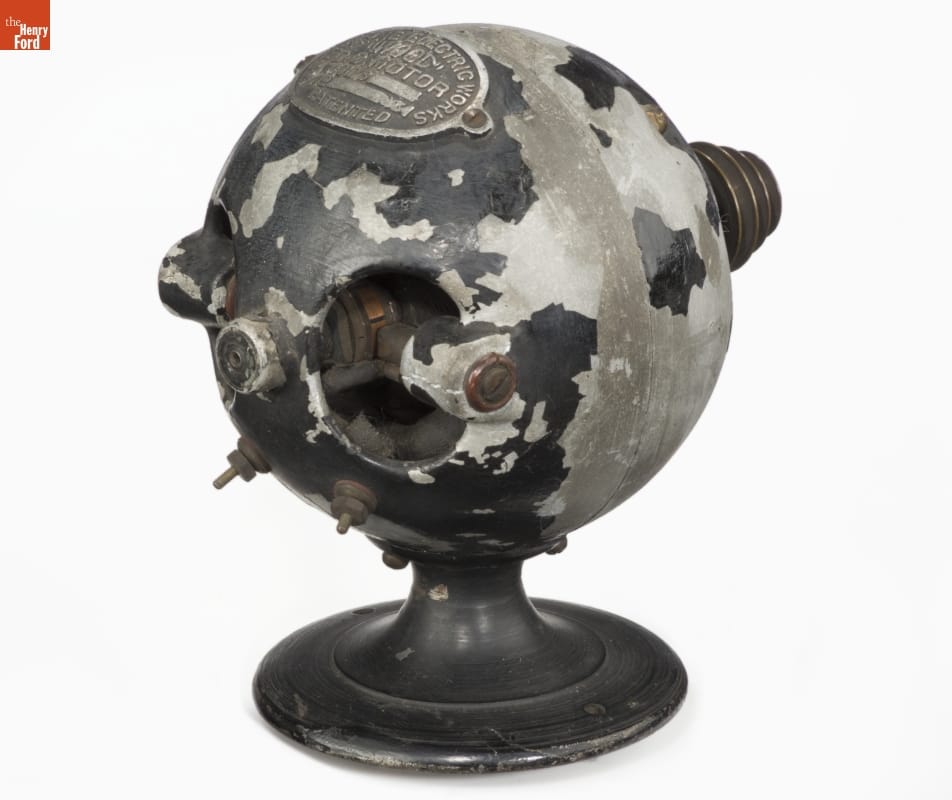
- circa 1905
- Collections - Artifact
Fort Wayne Type S.P.D. Motor, circa 1905
- Fort Wayne Type K Wattmeter, 1901-1908 - In the late 1800s, companies that supplied electricity to consumers needed a way to measure how much customers used -- and then charge them accordingly. Inventive electrical engineers developed various methods to measure electric power. Induction meters that employed magnetic fields to rotate a disc or cylinder to register energy usage would become the standard. Continued improvements made these wattmeters more compact and reliable.
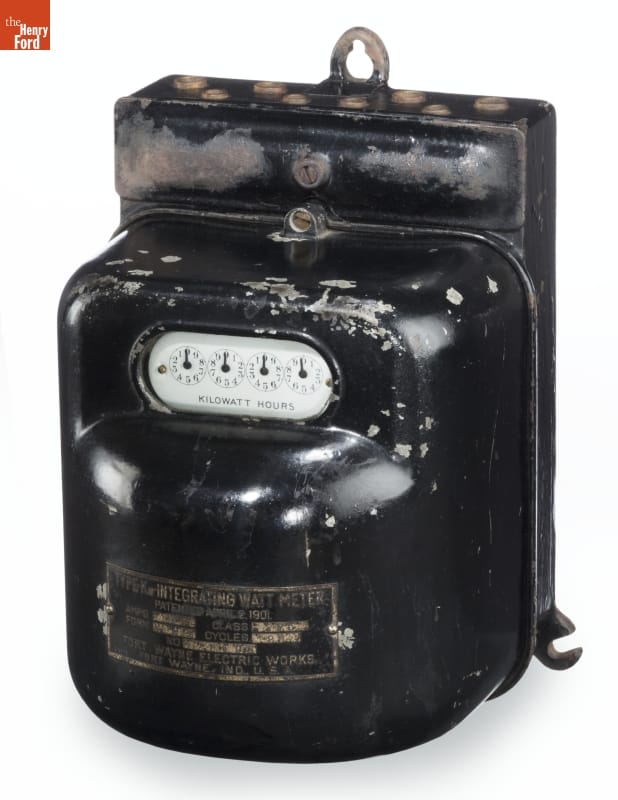
- 1901-1908
- Collections - Artifact
Fort Wayne Type K Wattmeter, 1901-1908
In the late 1800s, companies that supplied electricity to consumers needed a way to measure how much customers used -- and then charge them accordingly. Inventive electrical engineers developed various methods to measure electric power. Induction meters that employed magnetic fields to rotate a disc or cylinder to register energy usage would become the standard. Continued improvements made these wattmeters more compact and reliable.
- Fort Wayne Type W Wattmeter, circa 1905 - In the late 1800s, companies that supplied electricity to consumers needed a way to measure how much customers used -- and then charge them accordingly. Inventive electrical engineers developed various methods to measure electric power. Induction meters that employed magnetic fields to rotate a disc or cylinder to register energy usage would become the standard. Continued improvements made these wattmeters more compact and reliable.
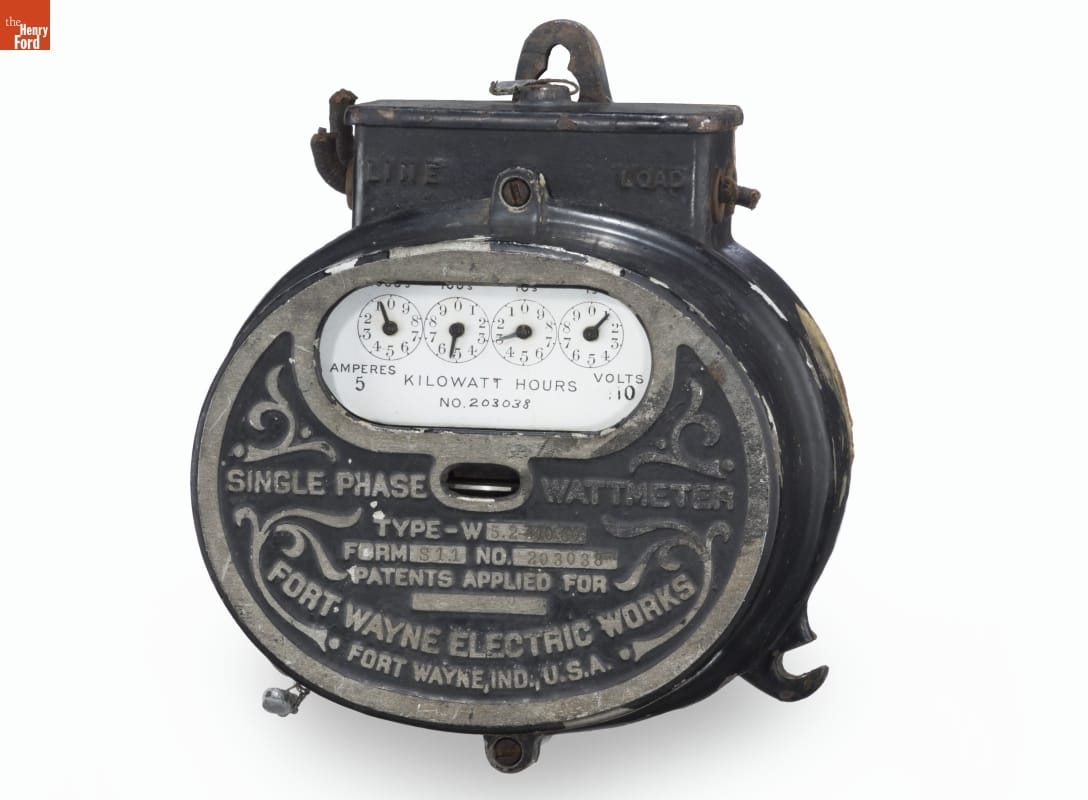
- circa 1905
- Collections - Artifact
Fort Wayne Type W Wattmeter, circa 1905
In the late 1800s, companies that supplied electricity to consumers needed a way to measure how much customers used -- and then charge them accordingly. Inventive electrical engineers developed various methods to measure electric power. Induction meters that employed magnetic fields to rotate a disc or cylinder to register energy usage would become the standard. Continued improvements made these wattmeters more compact and reliable.
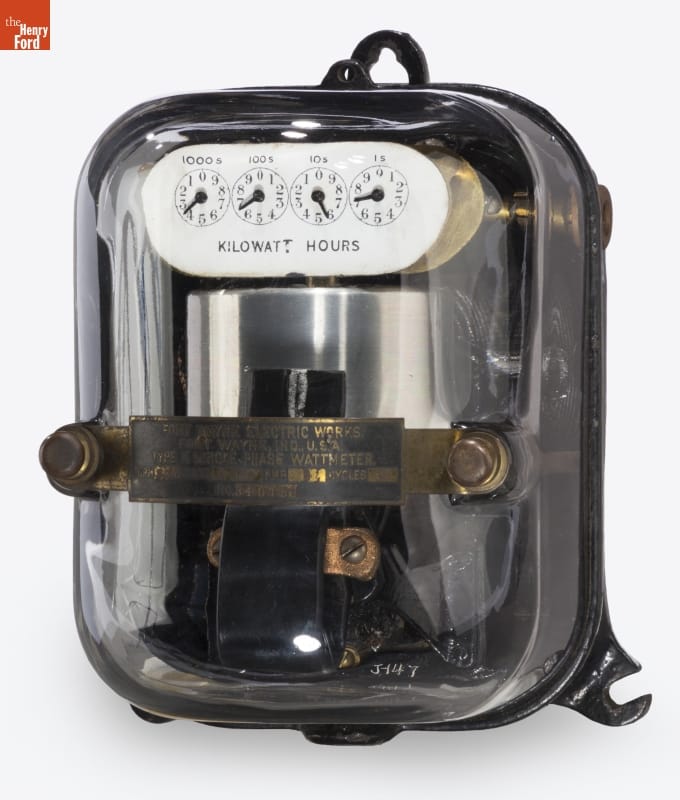
- Fort Wayne Type K Wattmeter, 1899-1901 - In the late 1800s, companies that supplied electricity to consumers needed a way to measure how much customers used -- and then charge them accordingly. Inventive electrical engineers developed various methods to measure electric power. Induction meters that employed magnetic fields to rotate a disc or cylinder to register energy usage would become the standard. Continued improvements made these wattmeters more compact and reliable.
- 1899-1901
- Collections - Artifact
Fort Wayne Type K Wattmeter, 1899-1901
In the late 1800s, companies that supplied electricity to consumers needed a way to measure how much customers used -- and then charge them accordingly. Inventive electrical engineers developed various methods to measure electric power. Induction meters that employed magnetic fields to rotate a disc or cylinder to register energy usage would become the standard. Continued improvements made these wattmeters more compact and reliable.
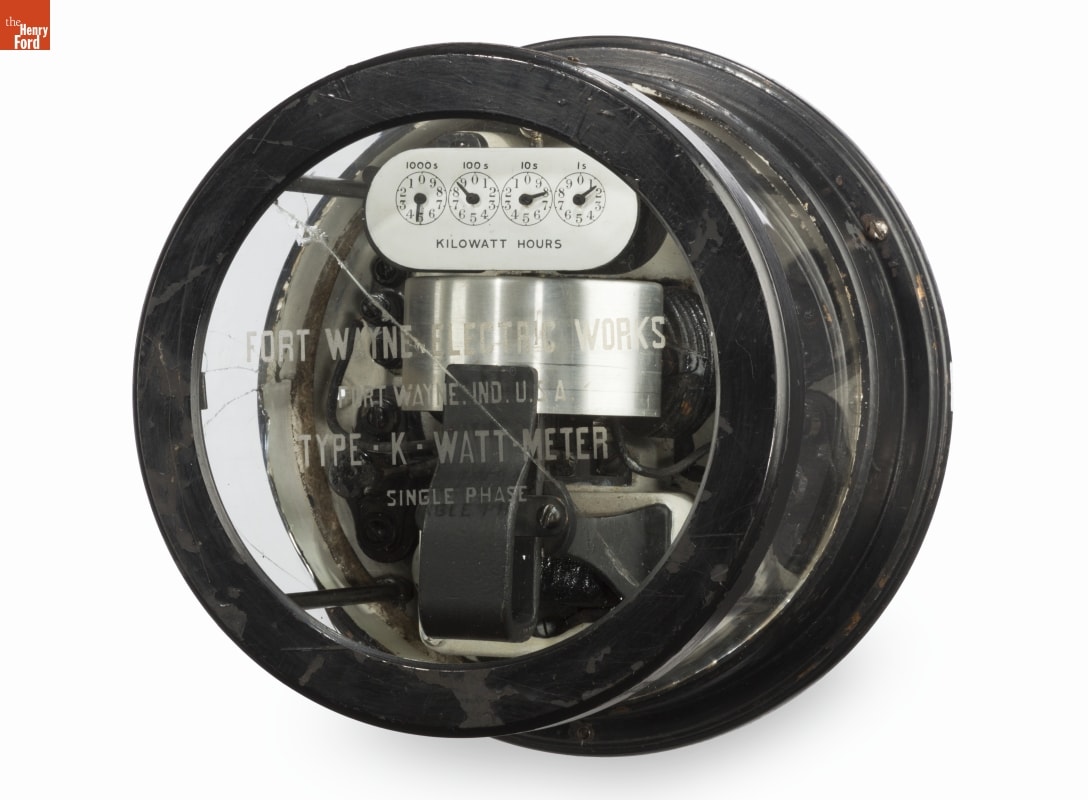
- Fort Wayne Type K Switchboard Wattmeter, 1899-1910 -
- 1899-1910
- Collections - Artifact
Fort Wayne Type K Switchboard Wattmeter, 1899-1910