
Search
- Korona Film Holder, 1902-1920 - Dry plate photography was a primary photographic method until the invention of roll-film in the 1880s. Glass plates coated with light-sensitive gelatin were placed into holders, and exposed in a camera. George Eastman automated this process with his plate-coating machine and factory in 1879. Exacting and demanding, plate-based photography was the opposite of being a mobile or spontaneous process.
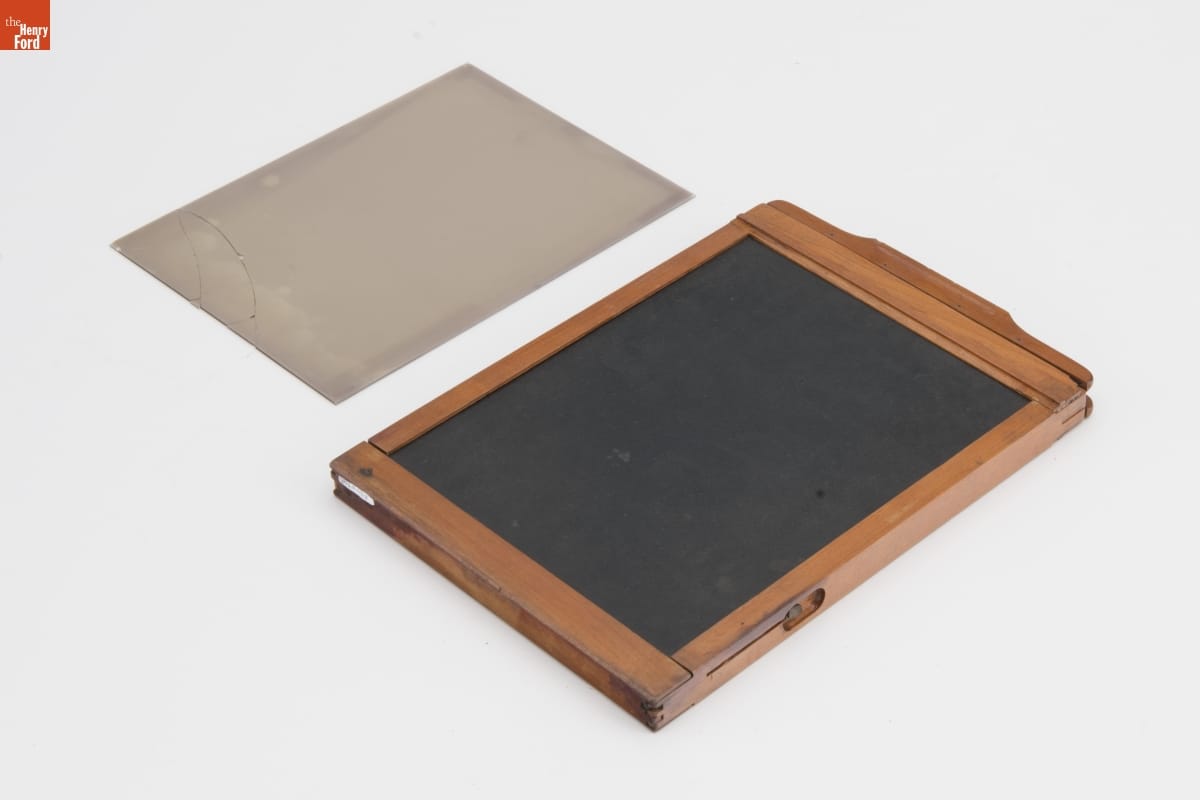
- 1902-1920
- Collections - Artifact
Korona Film Holder, 1902-1920
Dry plate photography was a primary photographic method until the invention of roll-film in the 1880s. Glass plates coated with light-sensitive gelatin were placed into holders, and exposed in a camera. George Eastman automated this process with his plate-coating machine and factory in 1879. Exacting and demanding, plate-based photography was the opposite of being a mobile or spontaneous process.
- Korona Film Holder, 1902-1920 - Wet plate photography was a primary photographic method until the invention of roll-film in the 1880s. Metal or glass plates were coated with light-sensitive collodion, placed into holders, and exposed in a camera. Before the plate dried, it was developed in a darkroom. Exacting and demanding, wet plate photography was the opposite of being a mobile, spontaneous, or user-friendly process.
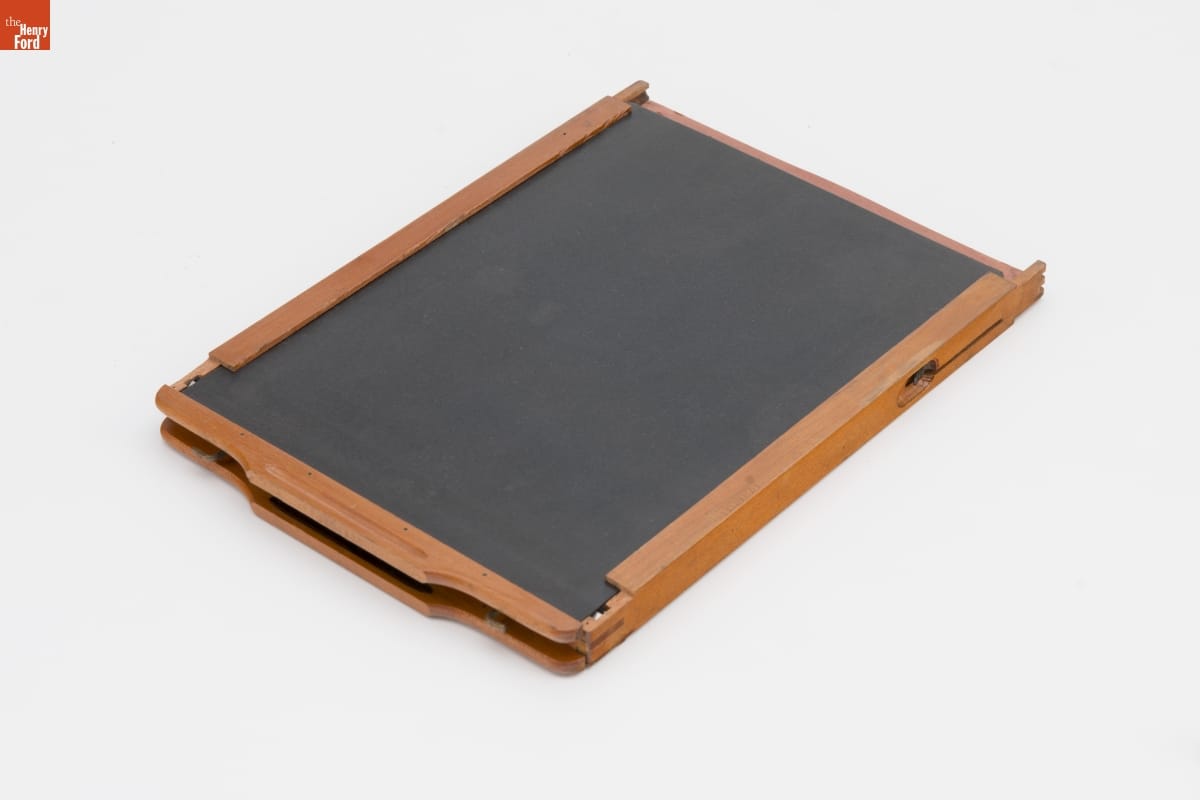
- 1902-1920
- Collections - Artifact
Korona Film Holder, 1902-1920
Wet plate photography was a primary photographic method until the invention of roll-film in the 1880s. Metal or glass plates were coated with light-sensitive collodion, placed into holders, and exposed in a camera. Before the plate dried, it was developed in a darkroom. Exacting and demanding, wet plate photography was the opposite of being a mobile, spontaneous, or user-friendly process.
- Korona Film Holder, 1902-1920 - Wet plate photography was a primary photographic method until the invention of roll-film in the 1880s. Metal or glass plates were coated with light-sensitive collodion, placed into holders, and exposed in a camera. Before the plate dried, it was developed in a darkroom. Exacting and demanding, wet plate photography was the opposite of being a mobile, spontaneous, or user-friendly process.
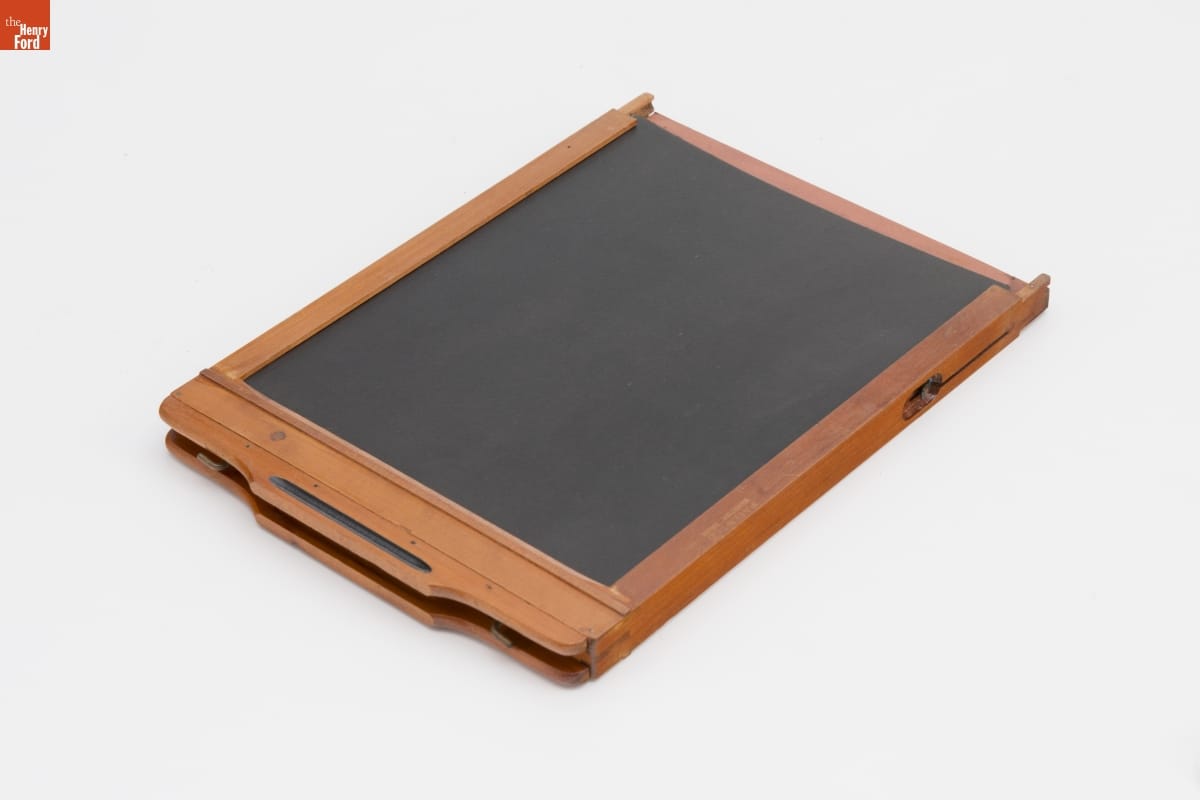
- 1902-1925
- Collections - Artifact
Korona Film Holder, 1902-1920
Wet plate photography was a primary photographic method until the invention of roll-film in the 1880s. Metal or glass plates were coated with light-sensitive collodion, placed into holders, and exposed in a camera. Before the plate dried, it was developed in a darkroom. Exacting and demanding, wet plate photography was the opposite of being a mobile, spontaneous, or user-friendly process.
- Plate Film Holder, 1895-1920 - Wet plate photography was a primary photographic method until the invention of roll-film in the 1880s. Metal or glass plates were coated with light-sensitive collodion, placed into holders, and exposed in a camera. Before the plate dried, it was developed in a darkroom. Exacting and demanding, wet plate photography was the opposite of being a mobile, spontaneous, or user-friendly process.
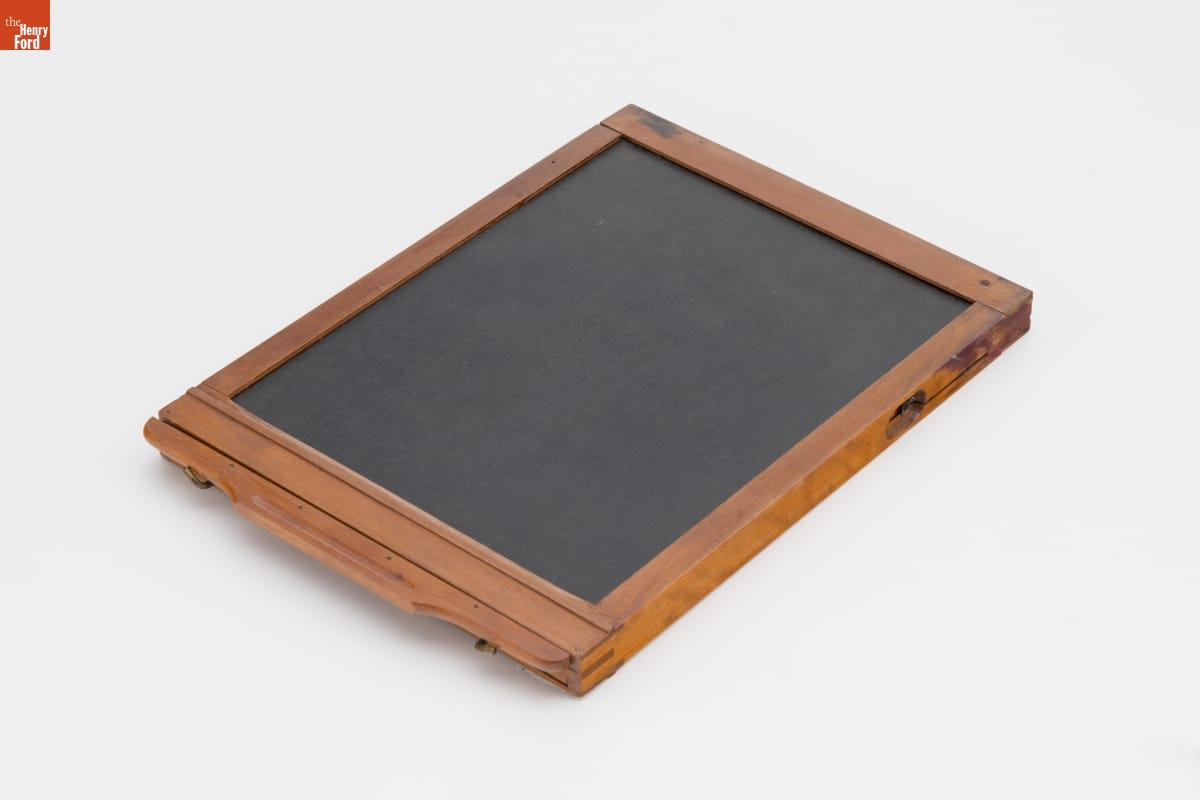
- 1895-1920
- Collections - Artifact
Plate Film Holder, 1895-1920
Wet plate photography was a primary photographic method until the invention of roll-film in the 1880s. Metal or glass plates were coated with light-sensitive collodion, placed into holders, and exposed in a camera. Before the plate dried, it was developed in a darkroom. Exacting and demanding, wet plate photography was the opposite of being a mobile, spontaneous, or user-friendly process.
- Gundlach-Manhattan Optical Company Korona Folding Studio Stand, circa 1914 -
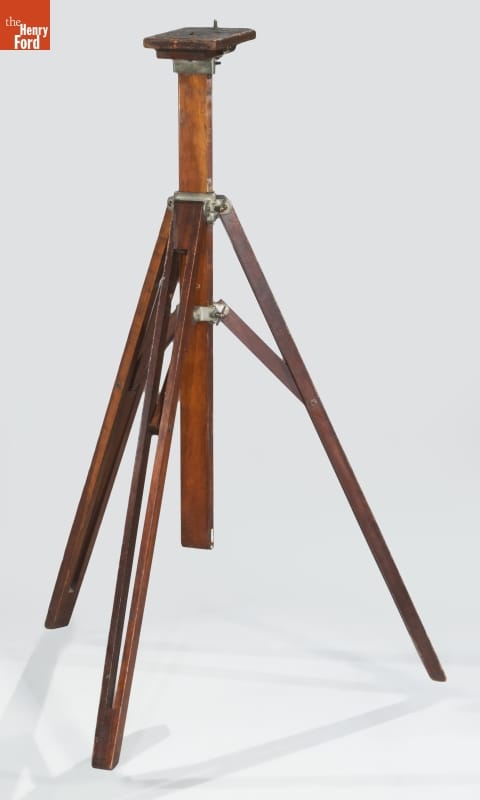
- circa 1914
- Collections - Artifact
Gundlach-Manhattan Optical Company Korona Folding Studio Stand, circa 1914
- Gundlach-Manhattan Optical Company's "Wizard" View Camera, 1902-1908 -
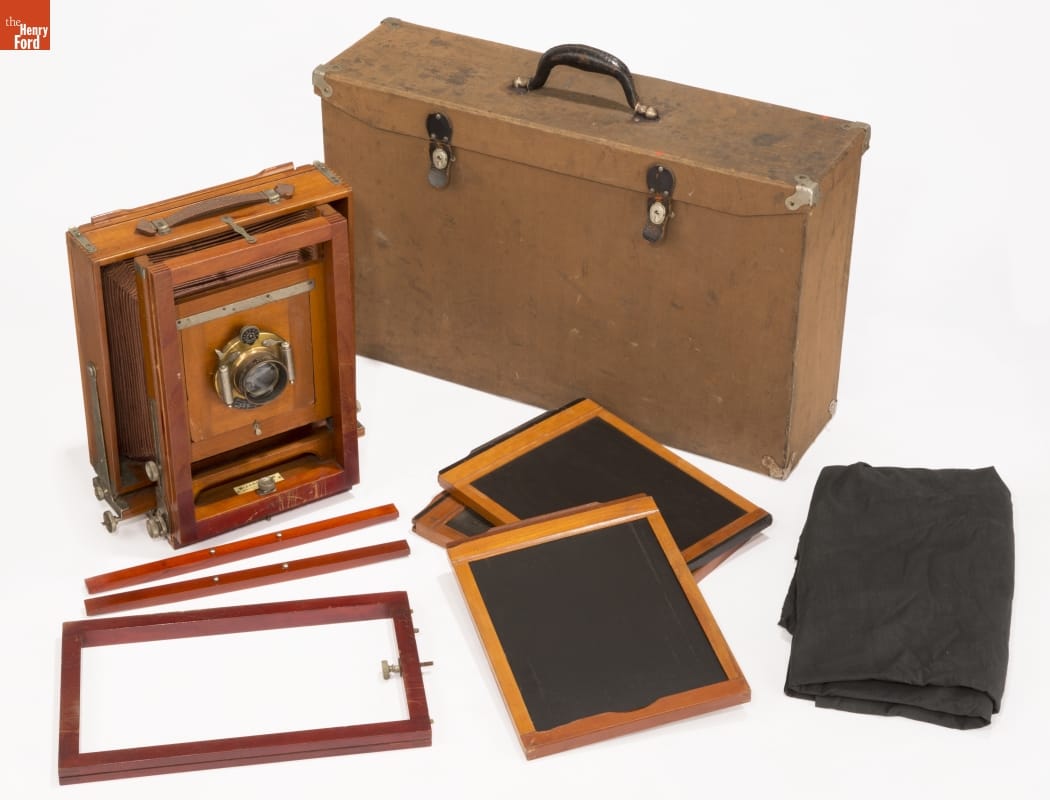
- 1902-1908
- Collections - Artifact
Gundlach-Manhattan Optical Company's "Wizard" View Camera, 1902-1908
- Korona Film Holder, 1902-1920 - Wet plate photography was a primary photographic method until the invention of roll-film in the 1880s. Metal or glass plates were coated with light-sensitive collodion, placed into holders, and exposed in a camera. Before the plate dried, it was developed in a darkroom. Exacting and demanding, wet plate photography was the opposite of being a mobile, spontaneous, or user-friendly process.
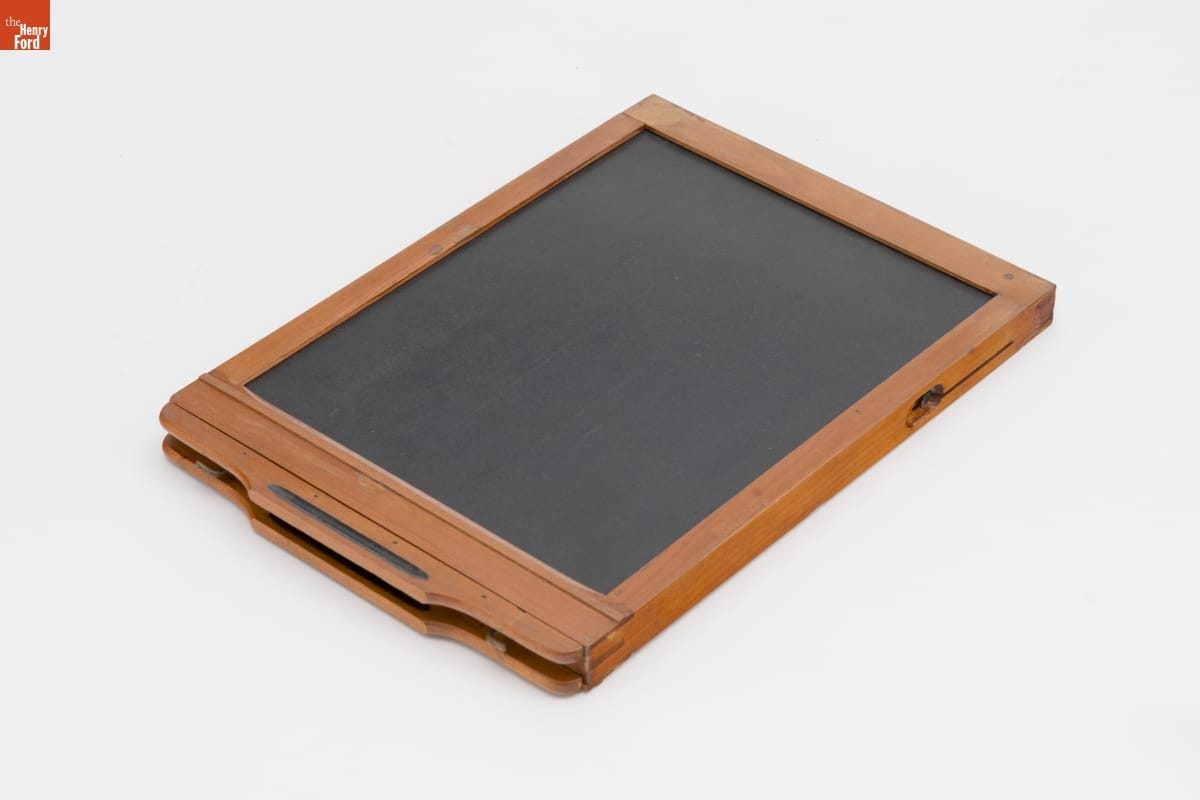
- 1902-1920
- Collections - Artifact
Korona Film Holder, 1902-1920
Wet plate photography was a primary photographic method until the invention of roll-film in the 1880s. Metal or glass plates were coated with light-sensitive collodion, placed into holders, and exposed in a camera. Before the plate dried, it was developed in a darkroom. Exacting and demanding, wet plate photography was the opposite of being a mobile, spontaneous, or user-friendly process.