
Search
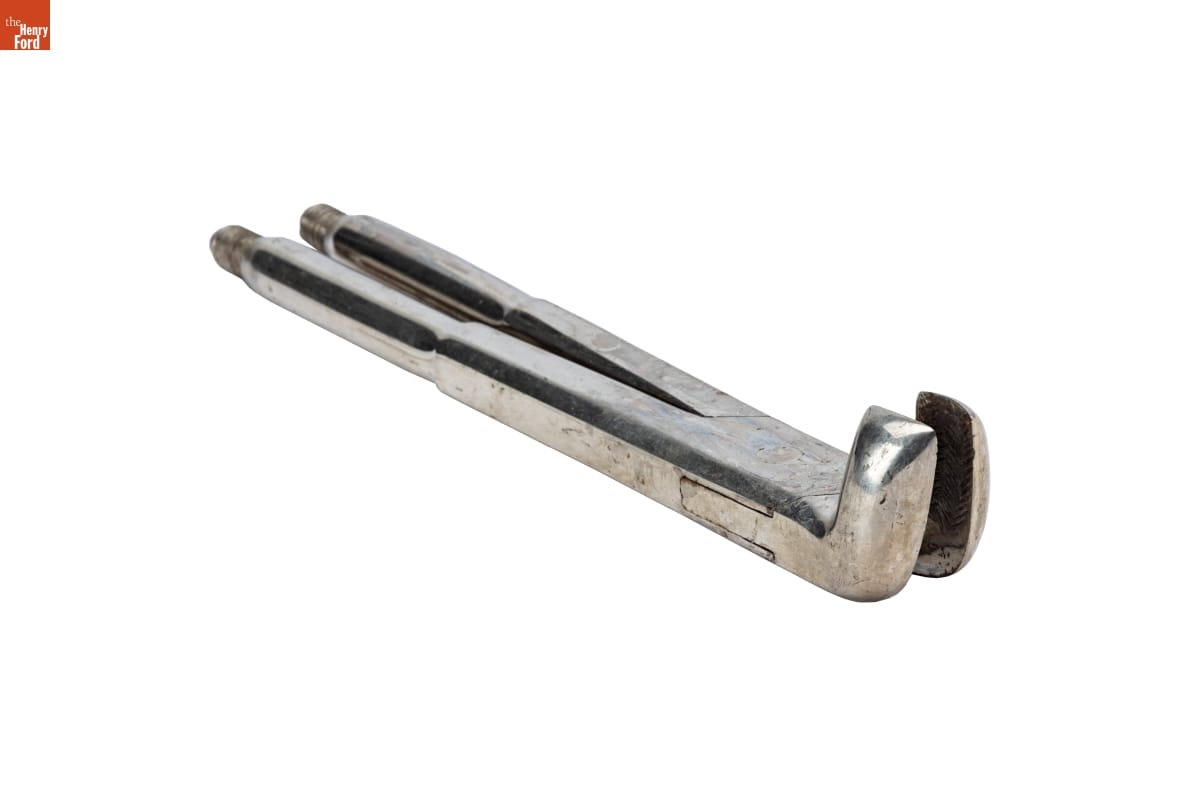
- Open Molar Extractor, 1901-1925 - Veterinarians remove loose or damaged teeth from animals before they become too painful or infected. They use dental forceps or extractors to grip the tooth below the gum and rock it back and forth to loosen and remove it. This procedure requires patience because pulling the tooth before it is fully loose could harm the animal.
- 1901-1925
- Collections - Artifact
Open Molar Extractor, 1901-1925
Veterinarians remove loose or damaged teeth from animals before they become too painful or infected. They use dental forceps or extractors to grip the tooth below the gum and rock it back and forth to loosen and remove it. This procedure requires patience because pulling the tooth before it is fully loose could harm the animal.
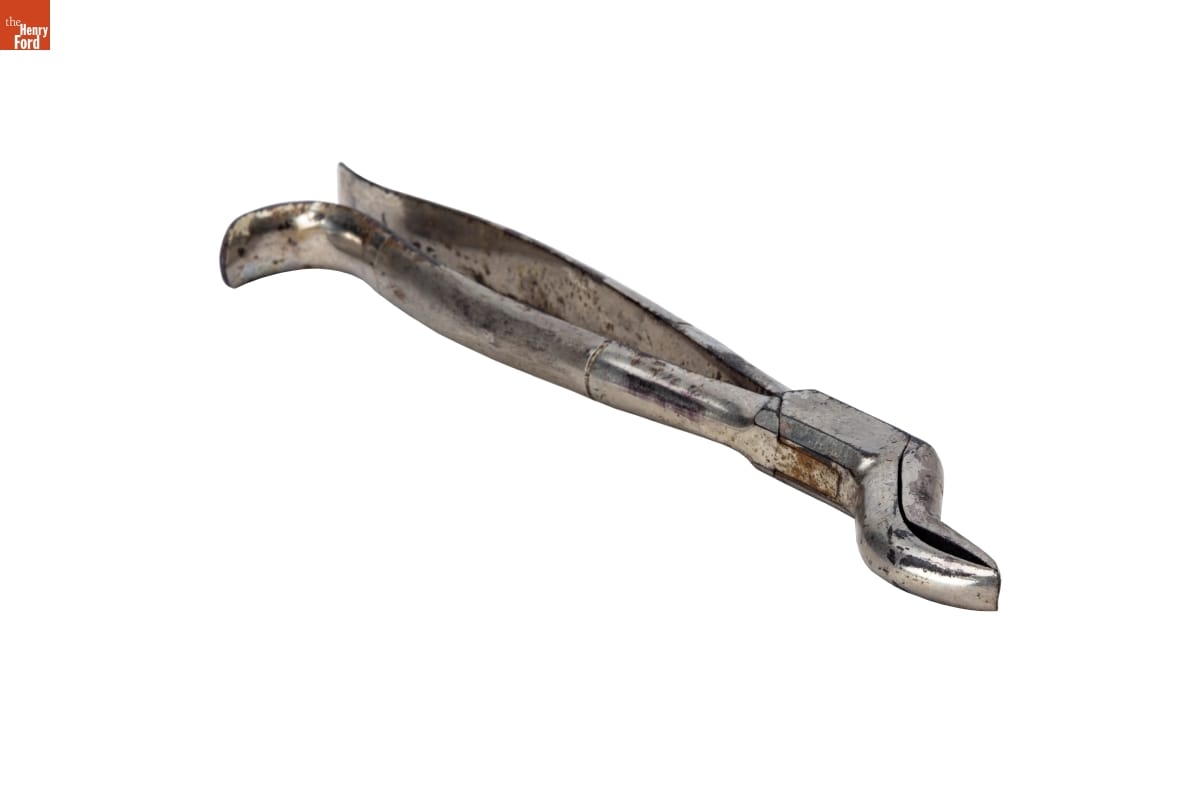
- Wolf Tooth Extractor, 1901-1925 - Wolf teeth in horses are vestigial teeth, having no apparent functional purpose for today's horses. The teeth, positioned in front of the first cheek teeth, usually break through between five and twelve months. They can cause pain and discomfort to a horse fitted with a bit and adversely affect its demeanor. Veterinarians use extractors to remove these teeth.
- 1901-1925
- Collections - Artifact
Wolf Tooth Extractor, 1901-1925
Wolf teeth in horses are vestigial teeth, having no apparent functional purpose for today's horses. The teeth, positioned in front of the first cheek teeth, usually break through between five and twelve months. They can cause pain and discomfort to a horse fitted with a bit and adversely affect its demeanor. Veterinarians use extractors to remove these teeth.
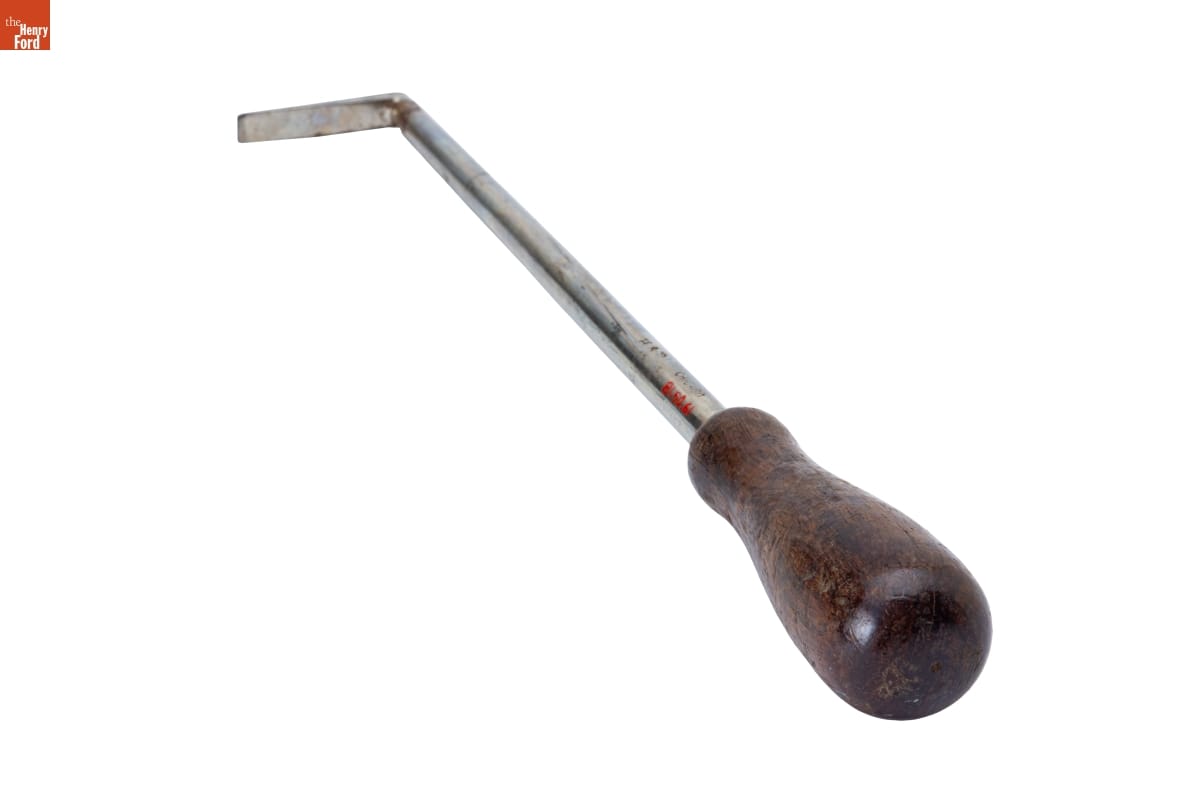
- Dental Sounding Hook, circa 1901-1925 - Veterinarians check for spaces between an animal's teeth and the gums with a dental probe, also known as a dental sounding hook. This inspection identifies possible areas that may harbor dangerous bacteria, which may lead to infection of the gums, known as periodontitis. Good dental hygiene prevents tooth loss and other health problems.
- 1901-1925
- Collections - Artifact
Dental Sounding Hook, circa 1901-1925
Veterinarians check for spaces between an animal's teeth and the gums with a dental probe, also known as a dental sounding hook. This inspection identifies possible areas that may harbor dangerous bacteria, which may lead to infection of the gums, known as periodontitis. Good dental hygiene prevents tooth loss and other health problems.
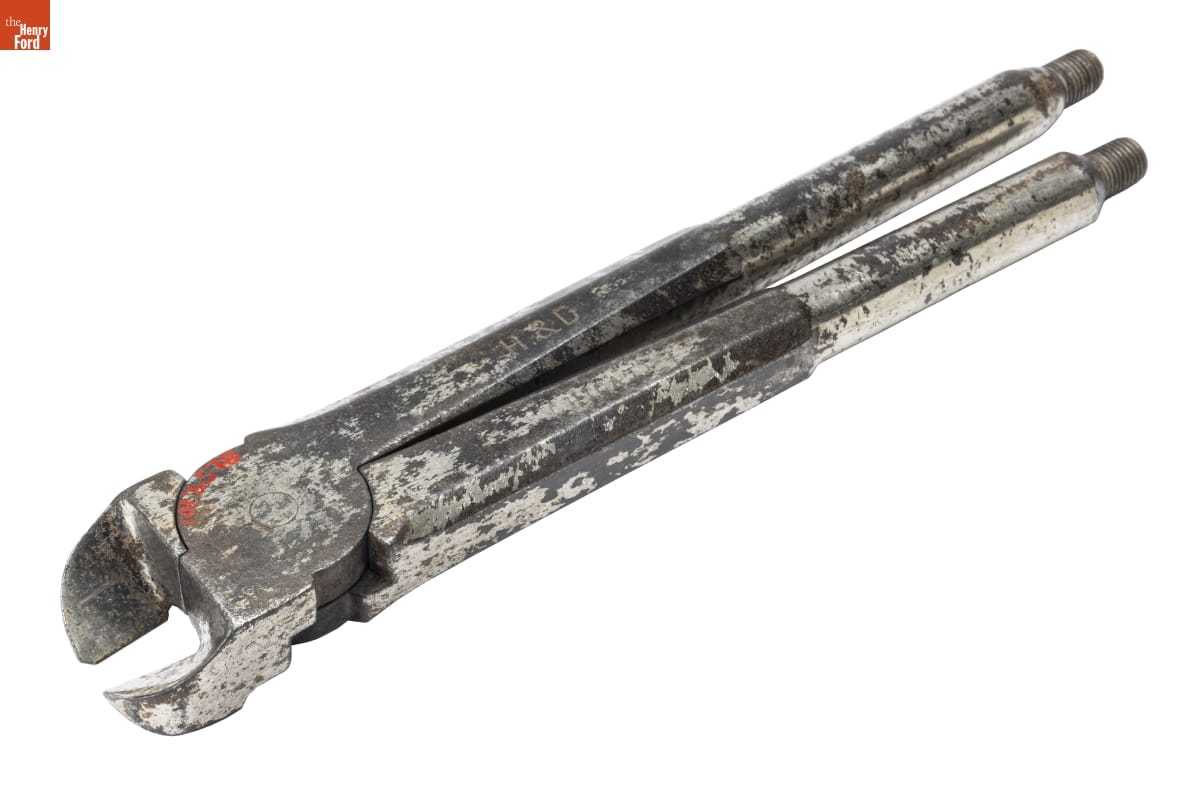
- Molar Cutter, 1901-1925 -
- 1901-1925
- Collections - Artifact
Molar Cutter, 1901-1925
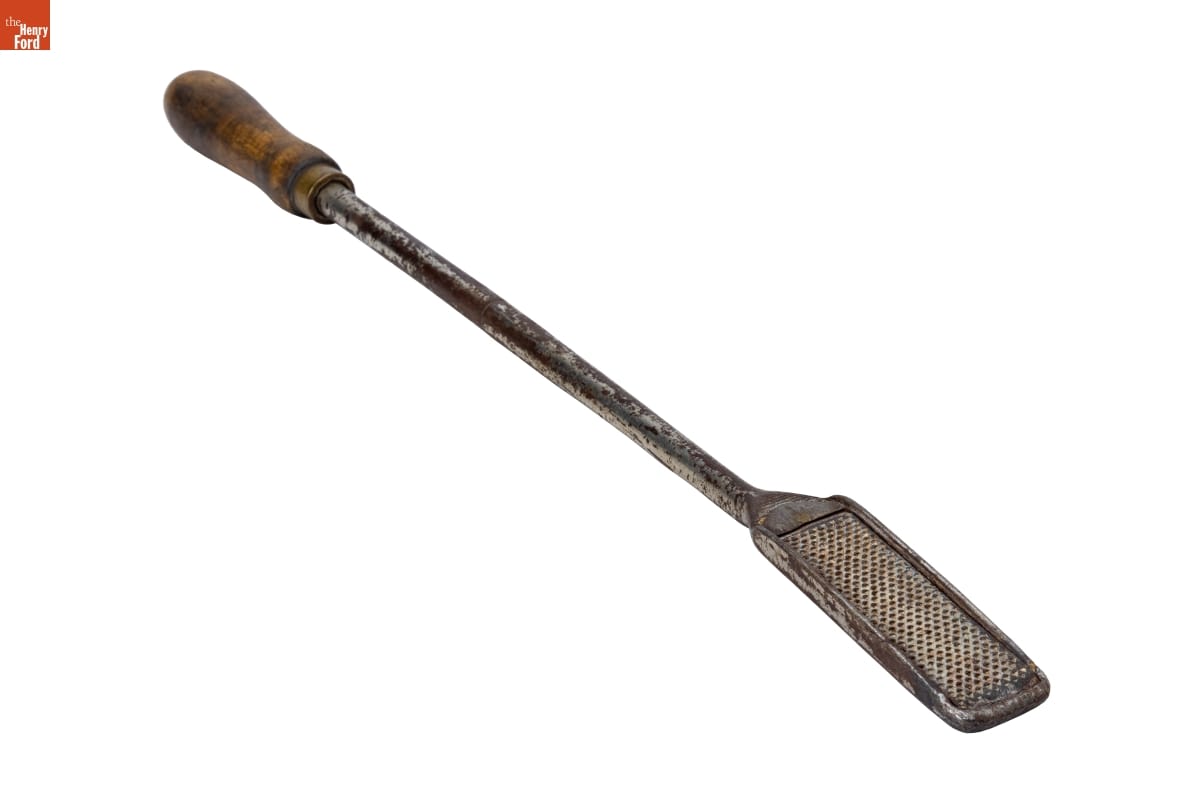
- Dental Float, 1901-1925 - A horse with uneven surfaces or sharp points on its teeth may have difficulty in chewing and not process food properly. Those who care for horses can use a file or "float" to smooth and contour a horse's ever-growing teeth. "Floating" helps prevent sores in the mouth and provides flat chewing surfaces to thoroughly grind hay, grasses, and grains to aid with digestion.
- 1901-1925
- Collections - Artifact
Dental Float, 1901-1925
A horse with uneven surfaces or sharp points on its teeth may have difficulty in chewing and not process food properly. Those who care for horses can use a file or "float" to smooth and contour a horse's ever-growing teeth. "Floating" helps prevent sores in the mouth and provides flat chewing surfaces to thoroughly grind hay, grasses, and grains to aid with digestion.
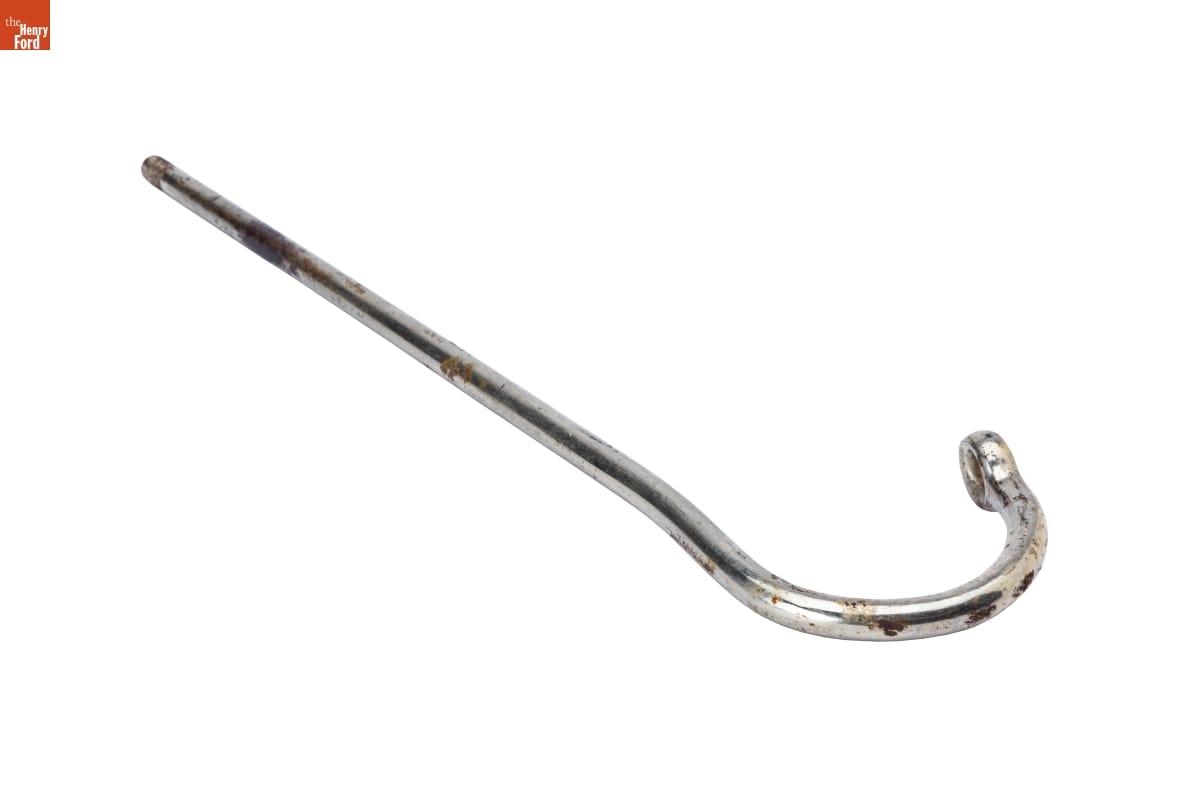
- Cord Carrier, 1901-1925 -
- 1901-1925
- Collections - Artifact
Cord Carrier, 1901-1925
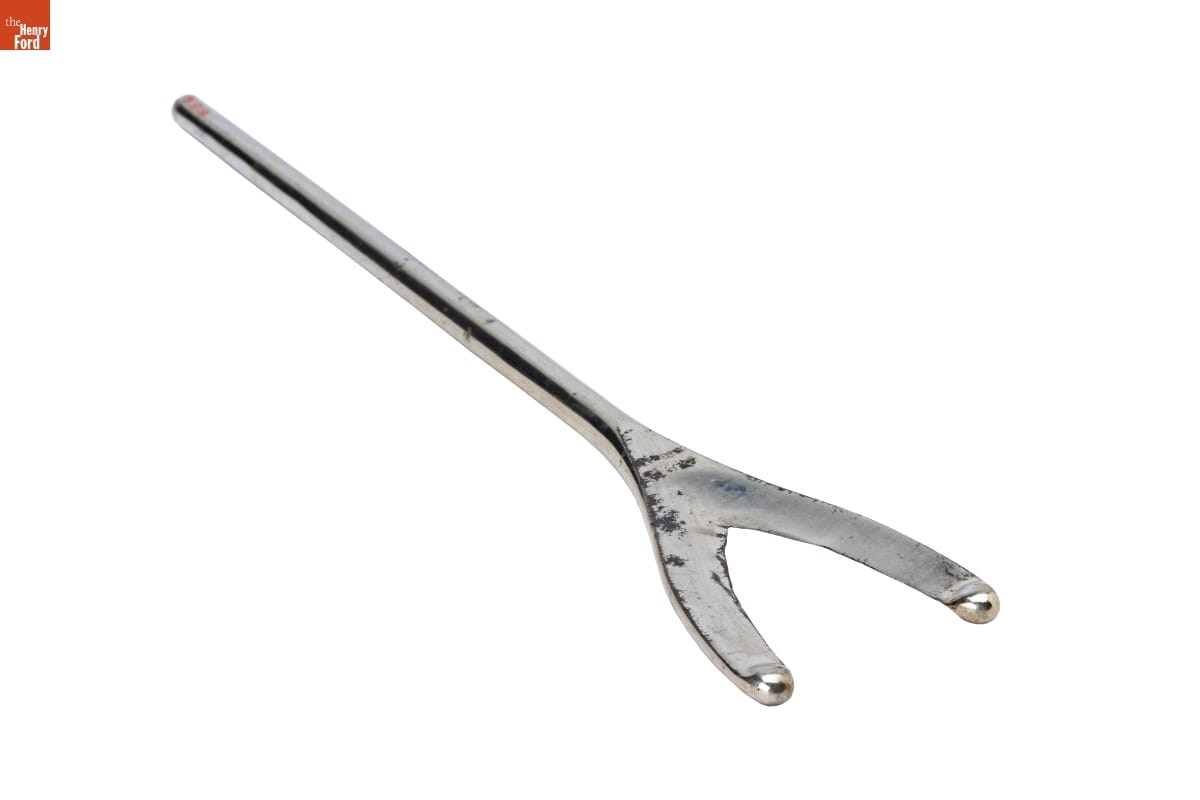
- Obstetrical Chisel, 1901-1925 - Veterinarians sometimes must perform unpleasant work to care for animals. Stillborn or deformed fetuses in large, domesticated animals, like horses and cows, must be removed to save the mother. Veterinarians may use an obstetrical instrument like this during the procedure.
- 1901-1925
- Collections - Artifact
Obstetrical Chisel, 1901-1925
Veterinarians sometimes must perform unpleasant work to care for animals. Stillborn or deformed fetuses in large, domesticated animals, like horses and cows, must be removed to save the mother. Veterinarians may use an obstetrical instrument like this during the procedure.
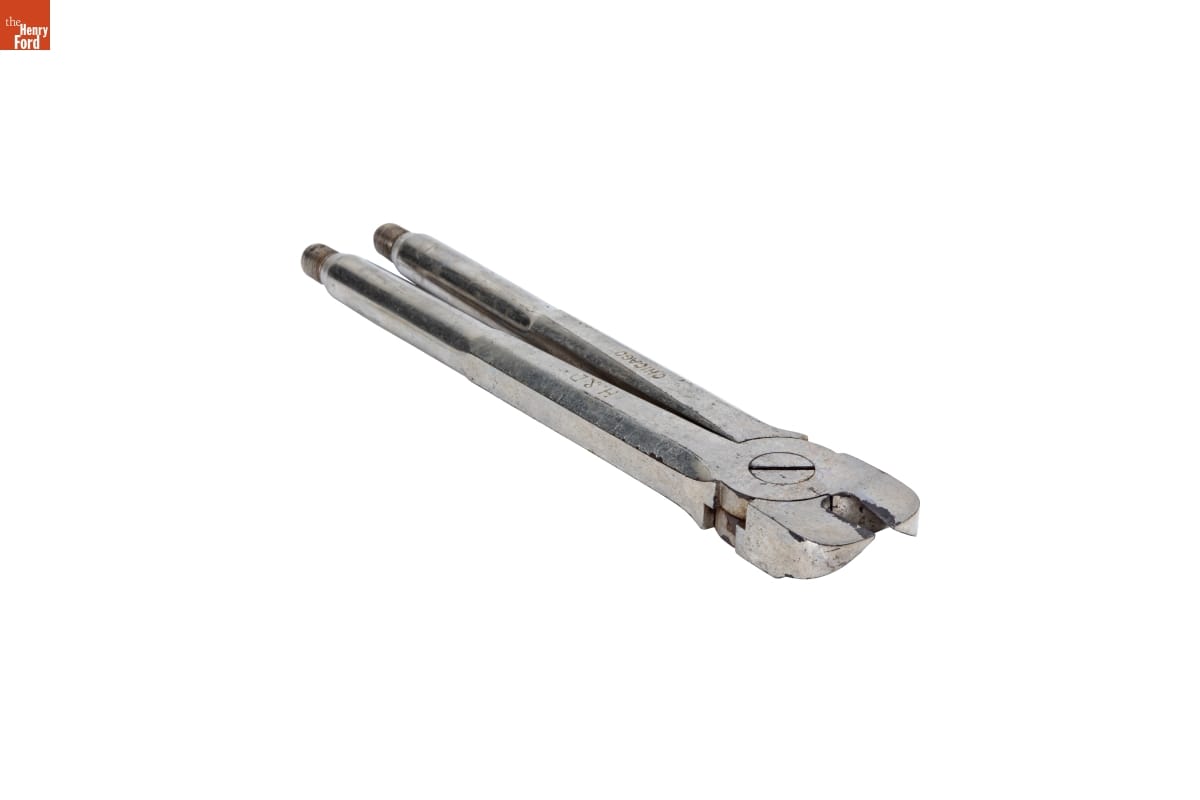
- Open Molar Cutter, 1901-1925 -
- 1901-1925
- Collections - Artifact
Open Molar Cutter, 1901-1925
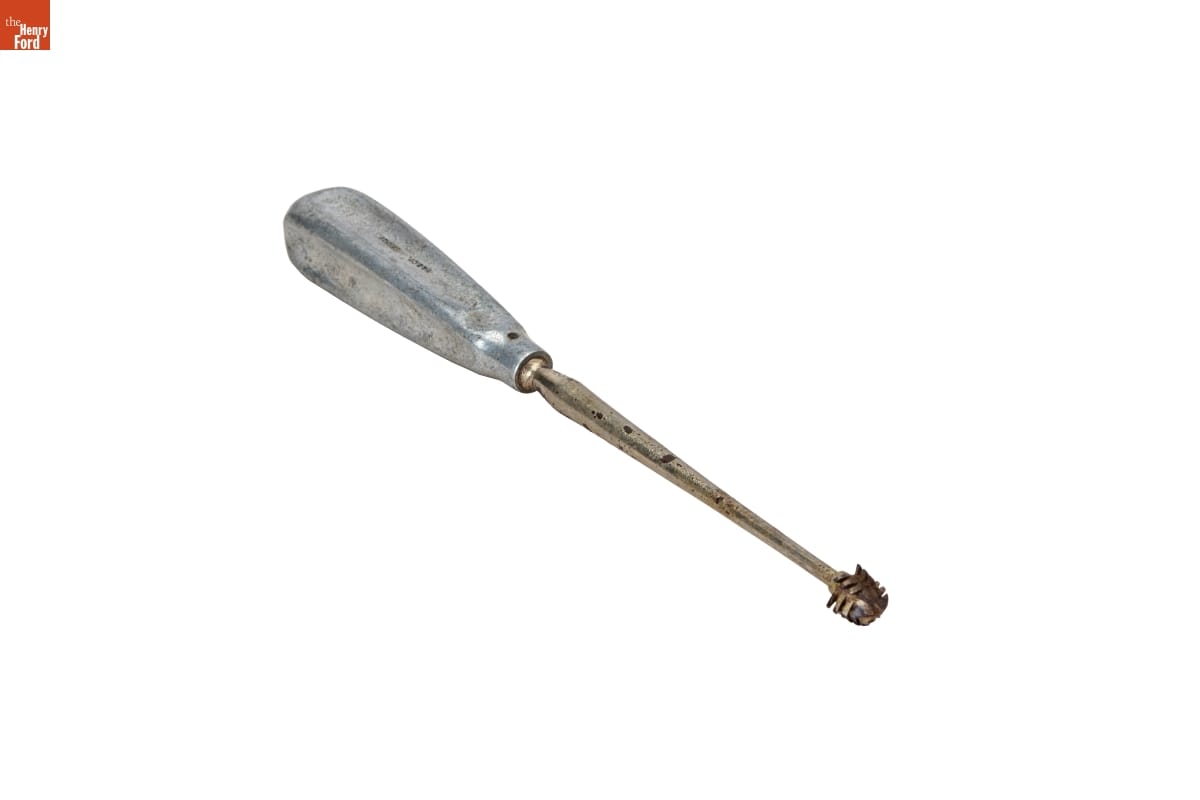
- Roaring Burr, 1901-1925 - "Roaring" in horses is caused by damage to part of the larynx that reduces the amount of air the animal takes in during work or exercise. The condition gets its name from the loud rasping or roar-like sound made. Tools like this roaring burr allow veterinarians to remove damaged tissue to increase airflow.
- 1901-1925
- Collections - Artifact
Roaring Burr, 1901-1925
"Roaring" in horses is caused by damage to part of the larynx that reduces the amount of air the animal takes in during work or exercise. The condition gets its name from the loud rasping or roar-like sound made. Tools like this roaring burr allow veterinarians to remove damaged tissue to increase airflow.
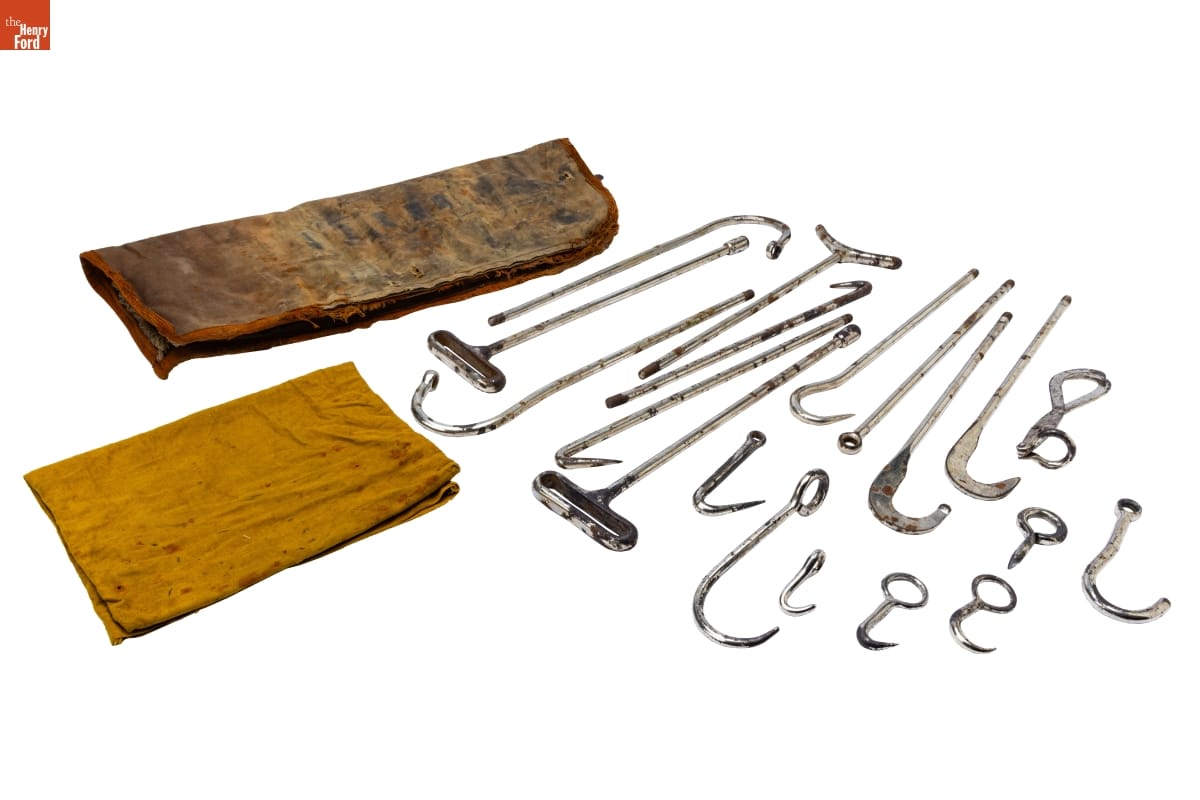
- Bovine Obstetrical Kit, circa 1920 - Veterinarians sometimes must perform unpleasant work to care for animals. Stillborn or deformed fetuses in large, domesticated animals, like horses and cows, must be removed to save the mother. This obstetrical kit contains tools that veterinarians might need during the procedure.
- circa 1920
- Collections - Artifact
Bovine Obstetrical Kit, circa 1920
Veterinarians sometimes must perform unpleasant work to care for animals. Stillborn or deformed fetuses in large, domesticated animals, like horses and cows, must be removed to save the mother. This obstetrical kit contains tools that veterinarians might need during the procedure.