
Search
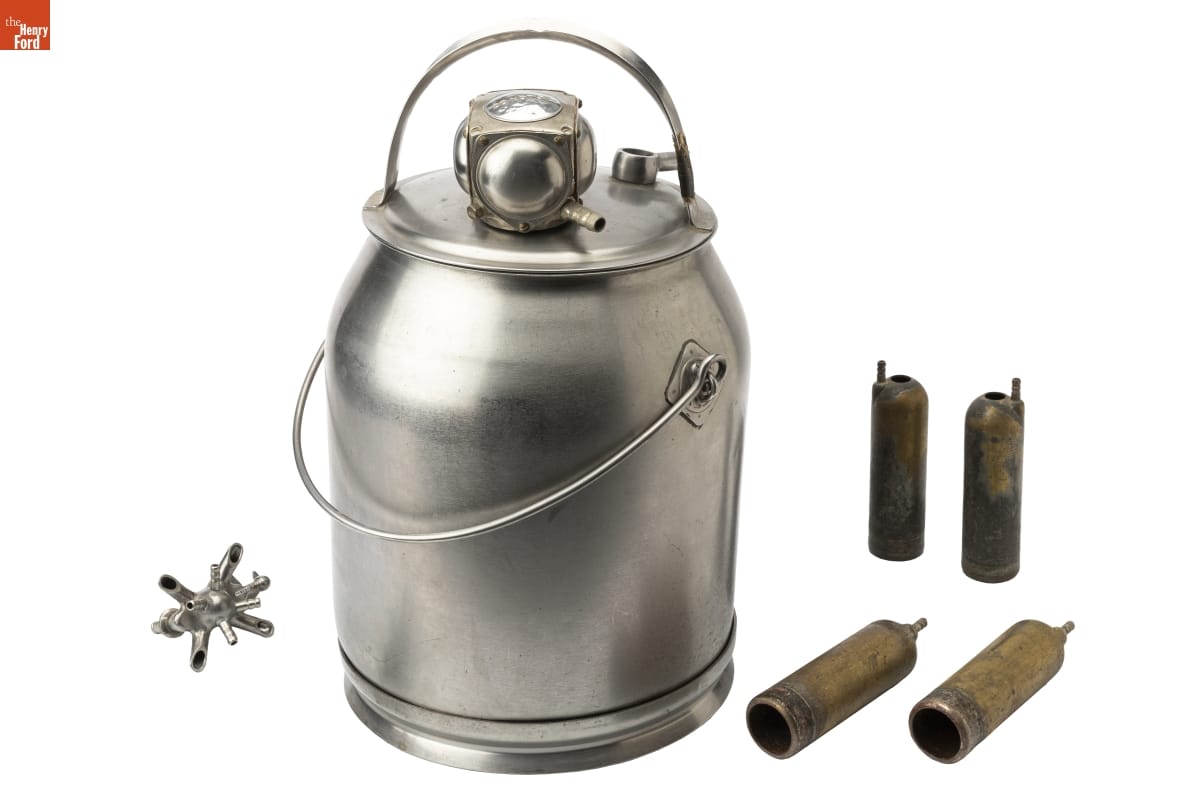
- International Harvester McCormick-Deering Milking Machine, circa 1940 -
- circa 1940
- Collections - Artifact
International Harvester McCormick-Deering Milking Machine, circa 1940
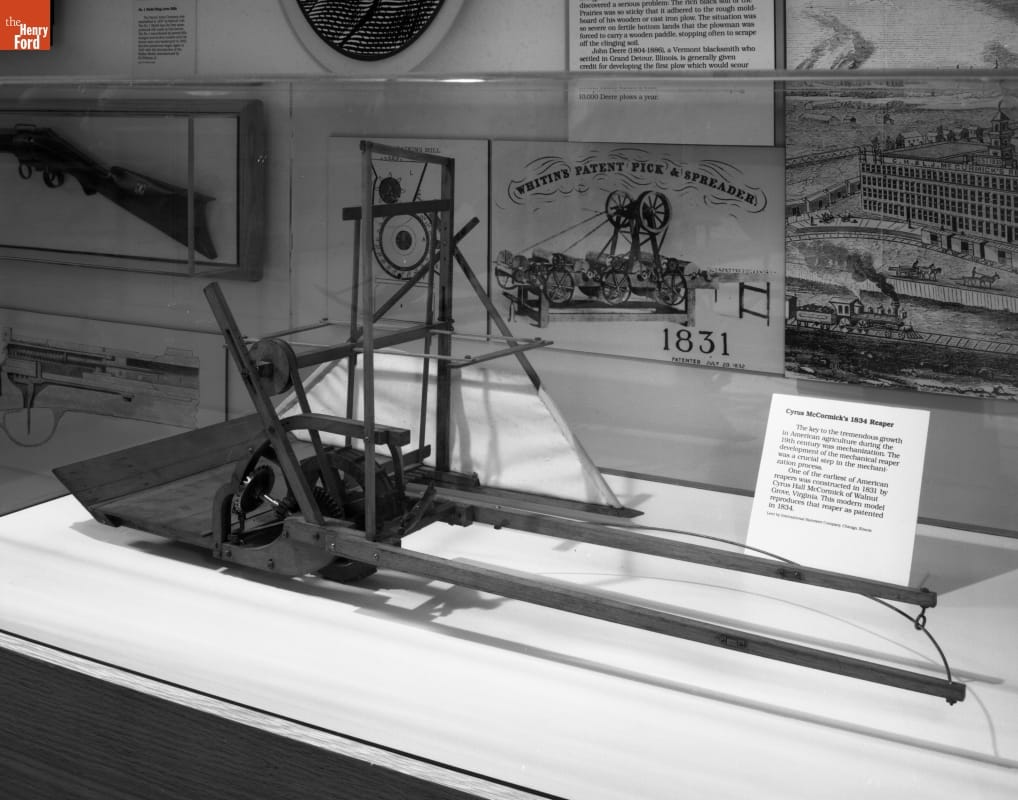
- Model of 1831 McCormick Reaper -
- 1831
- Collections - Artifact
Model of 1831 McCormick Reaper
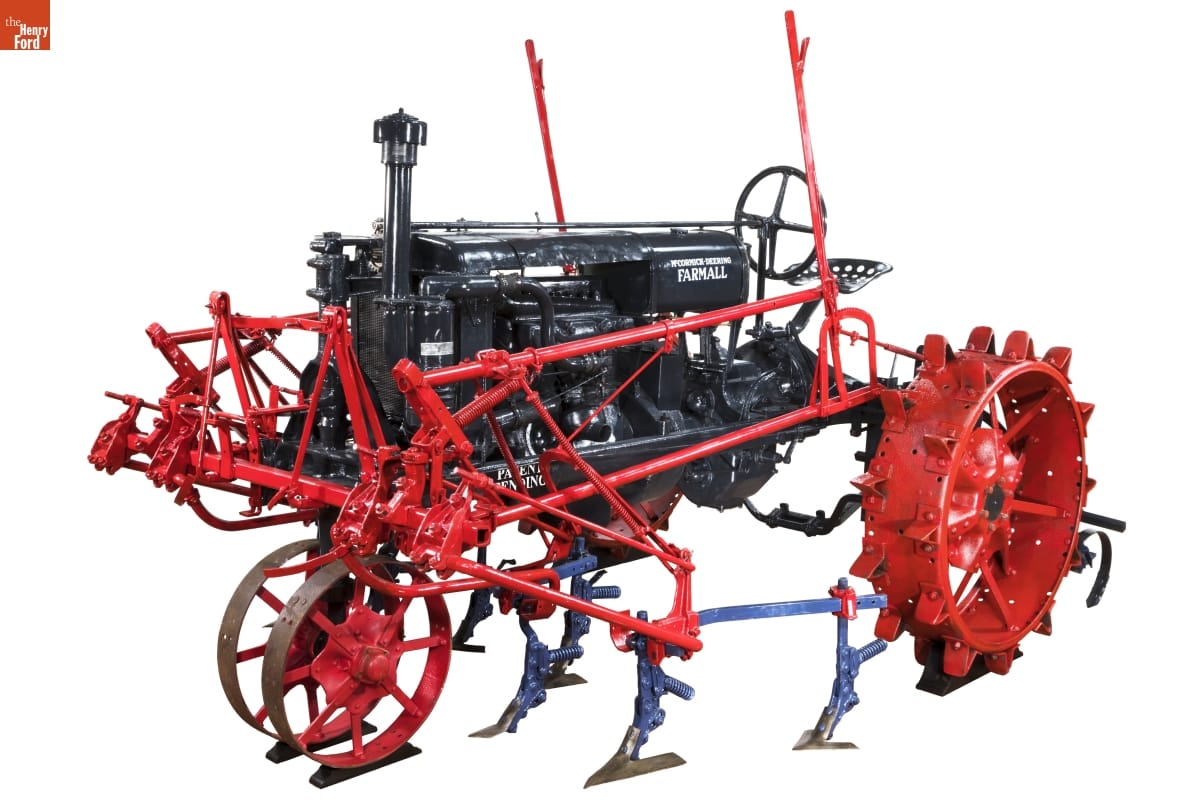
- McCormick-Deering Farmall Tractor, circa 1925 - International Harvester (IH) released the Farmall, the first commercially successful row-crop tractor, in 1924. It featured closely-spaced front wheels that ran between corn or cotton plants and a high rear axle that passed over plants during cultivation. A power take-off ran attachments such as corn pickers. The Farmall gained the name Regular after IH released a larger row-crop tractor in 1931.
- circa 1925
- Collections - Artifact
McCormick-Deering Farmall Tractor, circa 1925
International Harvester (IH) released the Farmall, the first commercially successful row-crop tractor, in 1924. It featured closely-spaced front wheels that ran between corn or cotton plants and a high rear axle that passed over plants during cultivation. A power take-off ran attachments such as corn pickers. The Farmall gained the name Regular after IH released a larger row-crop tractor in 1931.
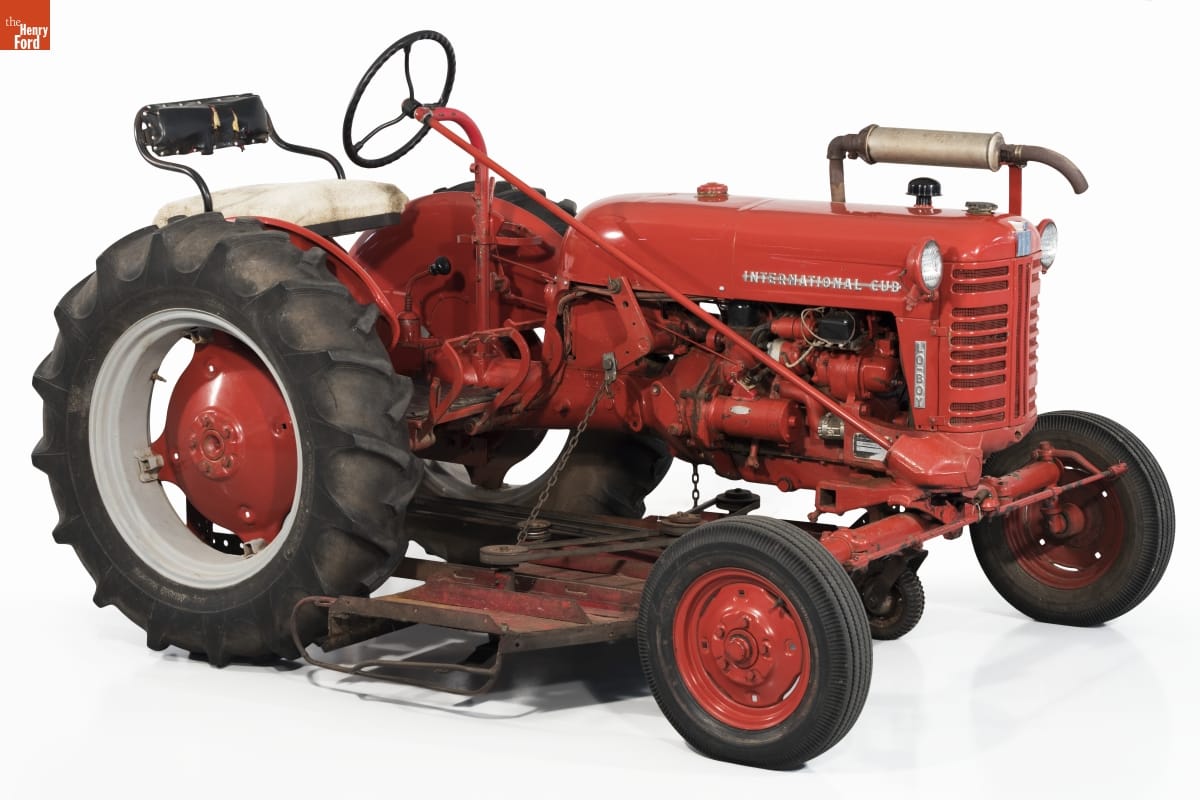
- International Harvester Cub Lo-Boy Tractor, circa 1955 - The Cub was the smallest tractor International Harvester made. The model, introduced as an alternative to draft horses after World War II, became popular among small landowners needing a utility tractor to mow, cultivate a garden, grade roadways, and perform other maintenance. The tractor featured "CultiVision" with the driver's seat and wheel offset to the right to provide a clear view of fields.
- circa 1955
- Collections - Artifact
International Harvester Cub Lo-Boy Tractor, circa 1955
The Cub was the smallest tractor International Harvester made. The model, introduced as an alternative to draft horses after World War II, became popular among small landowners needing a utility tractor to mow, cultivate a garden, grade roadways, and perform other maintenance. The tractor featured "CultiVision" with the driver's seat and wheel offset to the right to provide a clear view of fields.
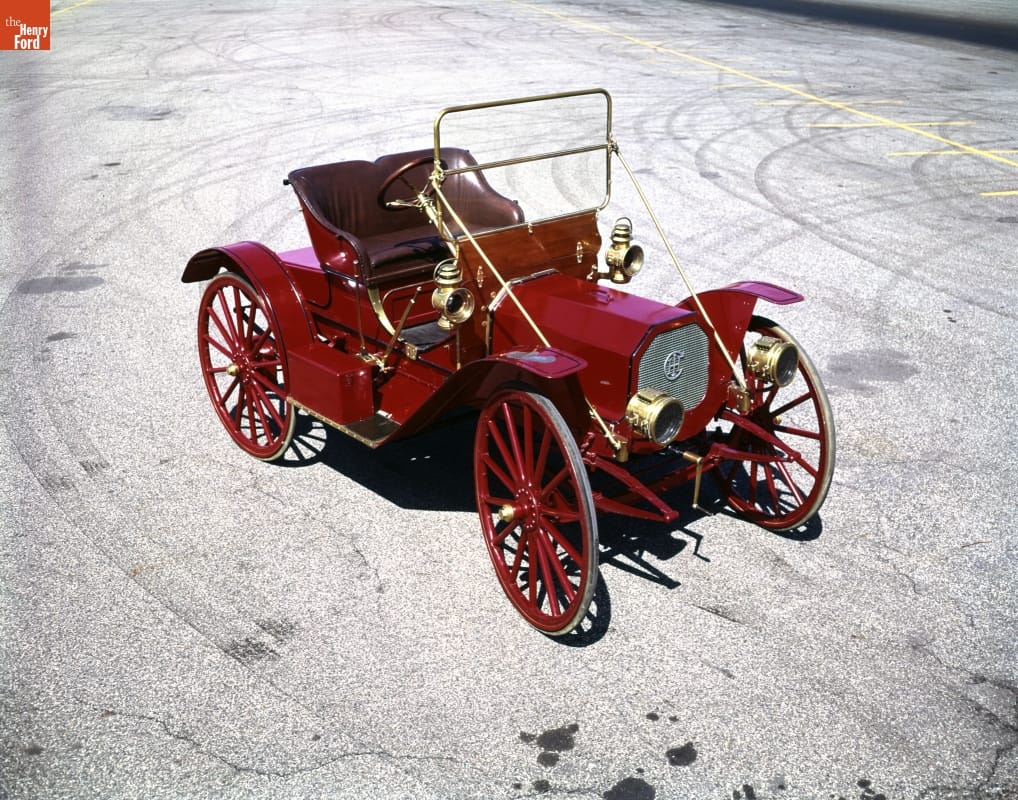
- 1910 International Harvester Model G Roadster - International Harvester had its roots in building reapers in the 1840s. The company capitalized on its manufacturing experience, and its farmer customers' particular needs, when it introduced a two-cylinder high-wheeler automobile in 1907. The rugged vehicle was well suited to poor rural roads. Four-cylinder models joined the lineup in 1910. Some, like this Model G, were equipped with air-cooled engines.
- 1910
- Collections - Artifact
1910 International Harvester Model G Roadster
International Harvester had its roots in building reapers in the 1840s. The company capitalized on its manufacturing experience, and its farmer customers' particular needs, when it introduced a two-cylinder high-wheeler automobile in 1907. The rugged vehicle was well suited to poor rural roads. Four-cylinder models joined the lineup in 1910. Some, like this Model G, were equipped with air-cooled engines.
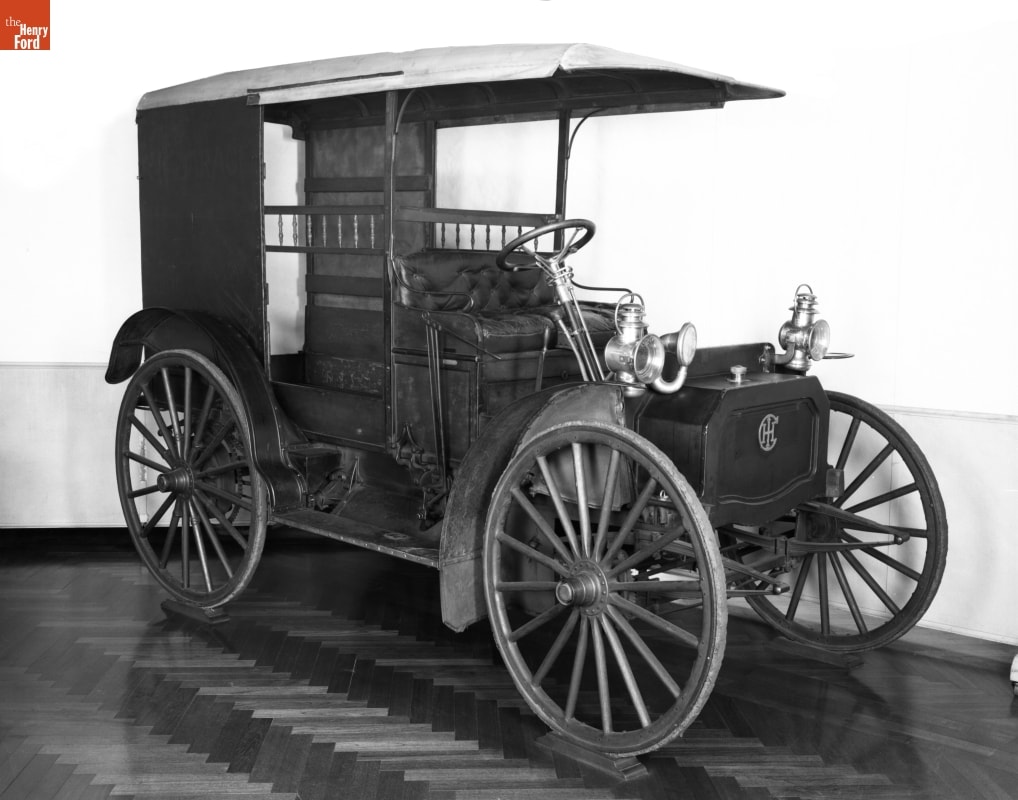
- 1911 International Harvester Model A Truck - International Harvester had its roots in building reapers in the 1840s. The company made its first automobiles and light-duty trucks in 1907. Cars were dropped after 1911, but pickups remained in production through 1975. The original high-wheeler truck's tall ground clearance and rugged construction worked well on rough rural roads.
- 1911
- Collections - Artifact
1911 International Harvester Model A Truck
International Harvester had its roots in building reapers in the 1840s. The company made its first automobiles and light-duty trucks in 1907. Cars were dropped after 1911, but pickups remained in production through 1975. The original high-wheeler truck's tall ground clearance and rugged construction worked well on rough rural roads.
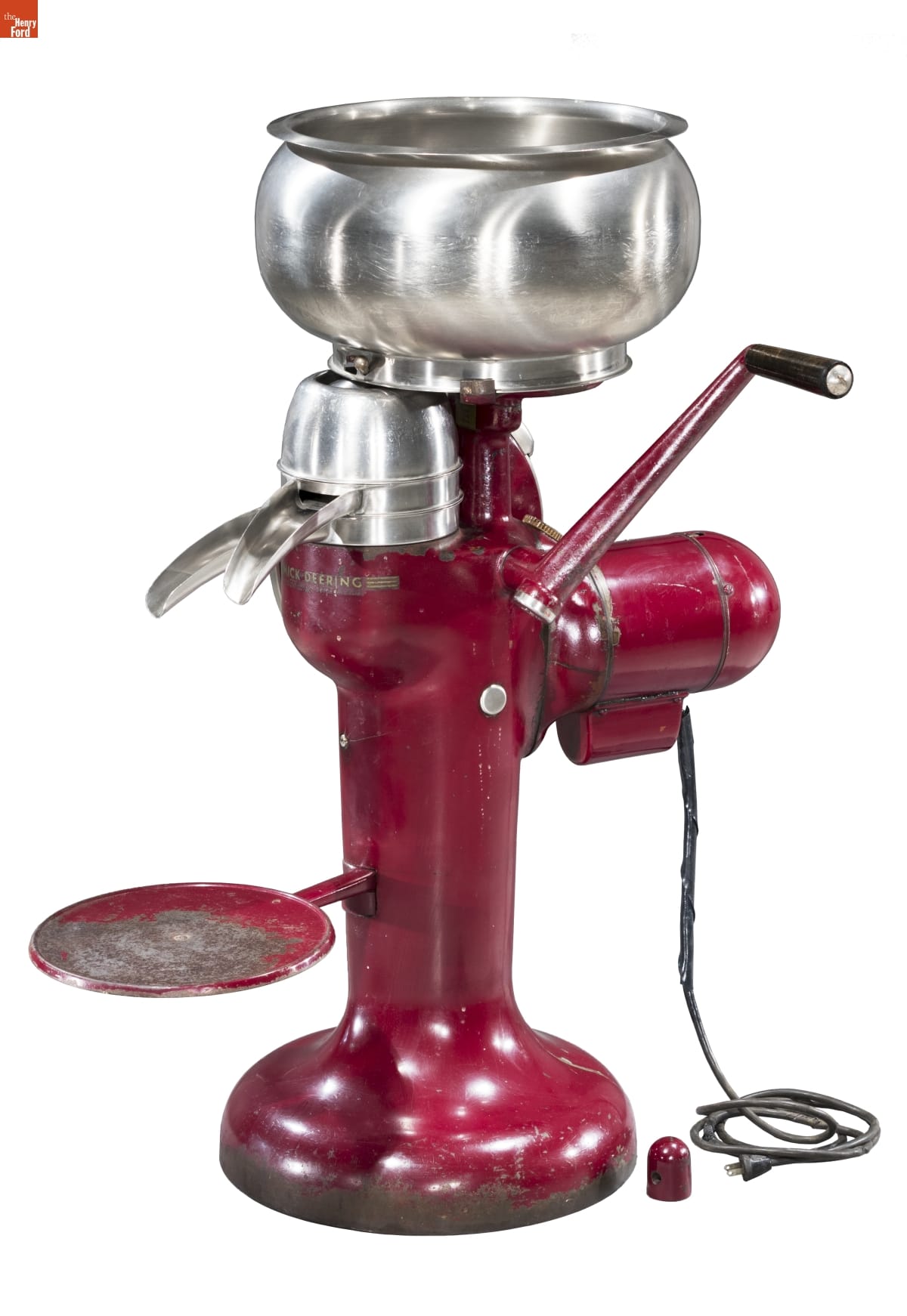
- Cream Separator, 1939-1947 -
- 1939-1947
- Collections - Artifact
Cream Separator, 1939-1947
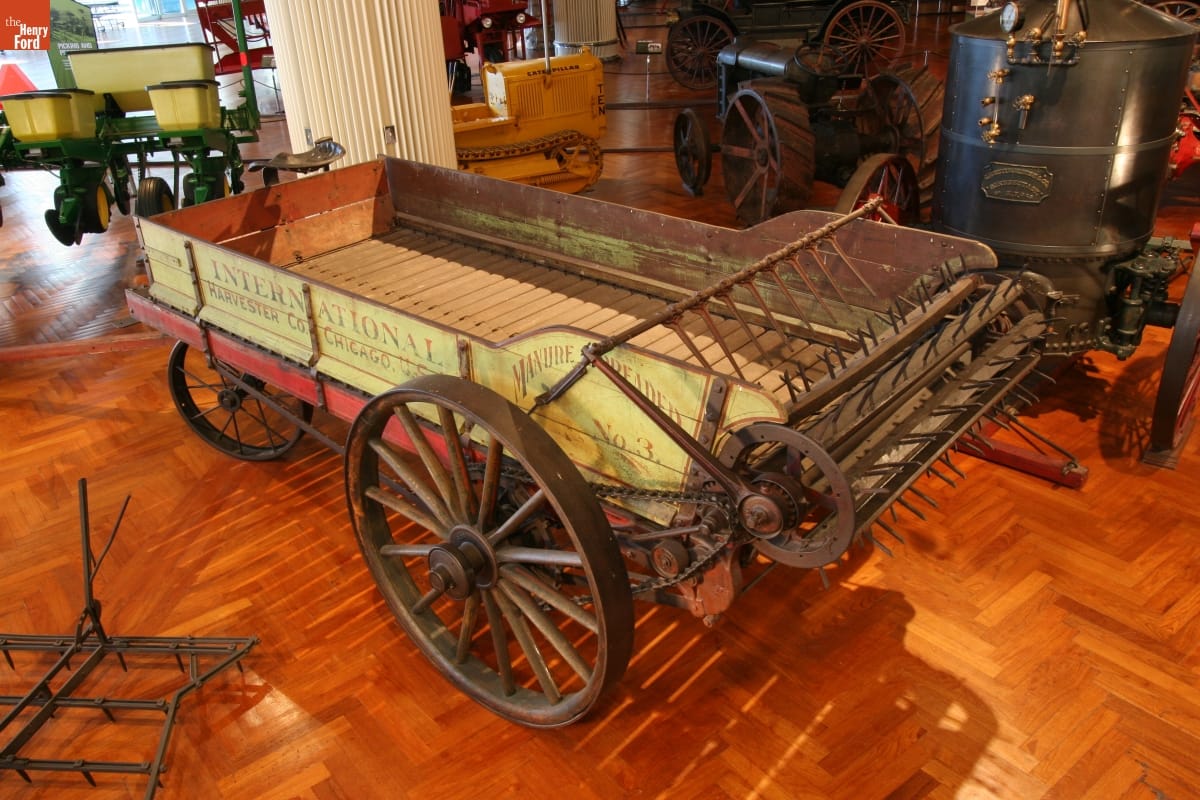
- International Harvester Manure Spreader, circa 1905 - Spreading manure to rejuvenate the soil is one of the most important, but least popular jobs on the farm. Mechanical manure spreaders made an awful job slightly less so. This circa 1905 International Harvester Manure Spreader No. 3 is a very rare survivor and an excellent example of the prevailing manure spreader design of the early 1900s.
- circa 1905
- Collections - Artifact
International Harvester Manure Spreader, circa 1905
Spreading manure to rejuvenate the soil is one of the most important, but least popular jobs on the farm. Mechanical manure spreaders made an awful job slightly less so. This circa 1905 International Harvester Manure Spreader No. 3 is a very rare survivor and an excellent example of the prevailing manure spreader design of the early 1900s.
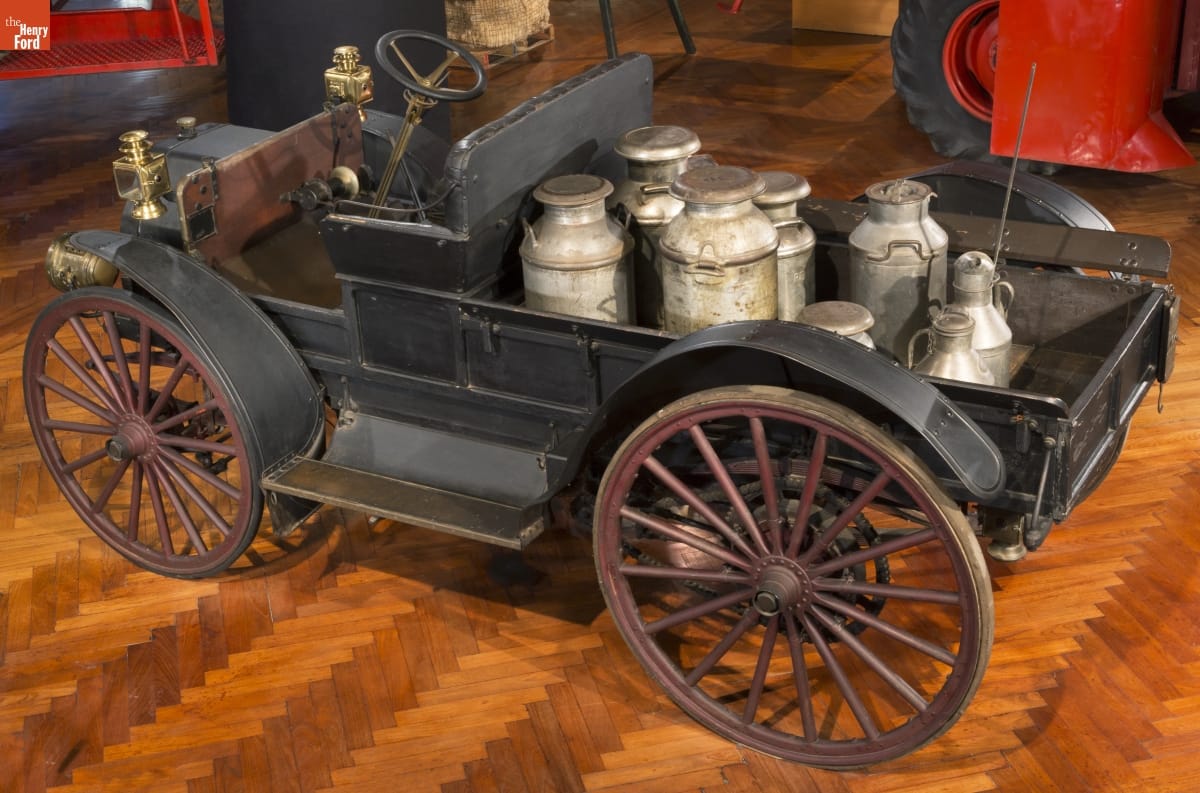
- 1912 International Harvester Model AW Truck - International Harvester had its roots in building reapers in the 1840s. The firm made its first light-duty trucks in 1907, and they proved popular with the company's farmer customers. The trucks' high wheels and rugged construction were well matched to rough rural roads. International Harvester ended pickup production in 1975 to focus on commercial-grade trucks and school buses.
- 1912
- Collections - Artifact
1912 International Harvester Model AW Truck
International Harvester had its roots in building reapers in the 1840s. The firm made its first light-duty trucks in 1907, and they proved popular with the company's farmer customers. The trucks' high wheels and rugged construction were well matched to rough rural roads. International Harvester ended pickup production in 1975 to focus on commercial-grade trucks and school buses.
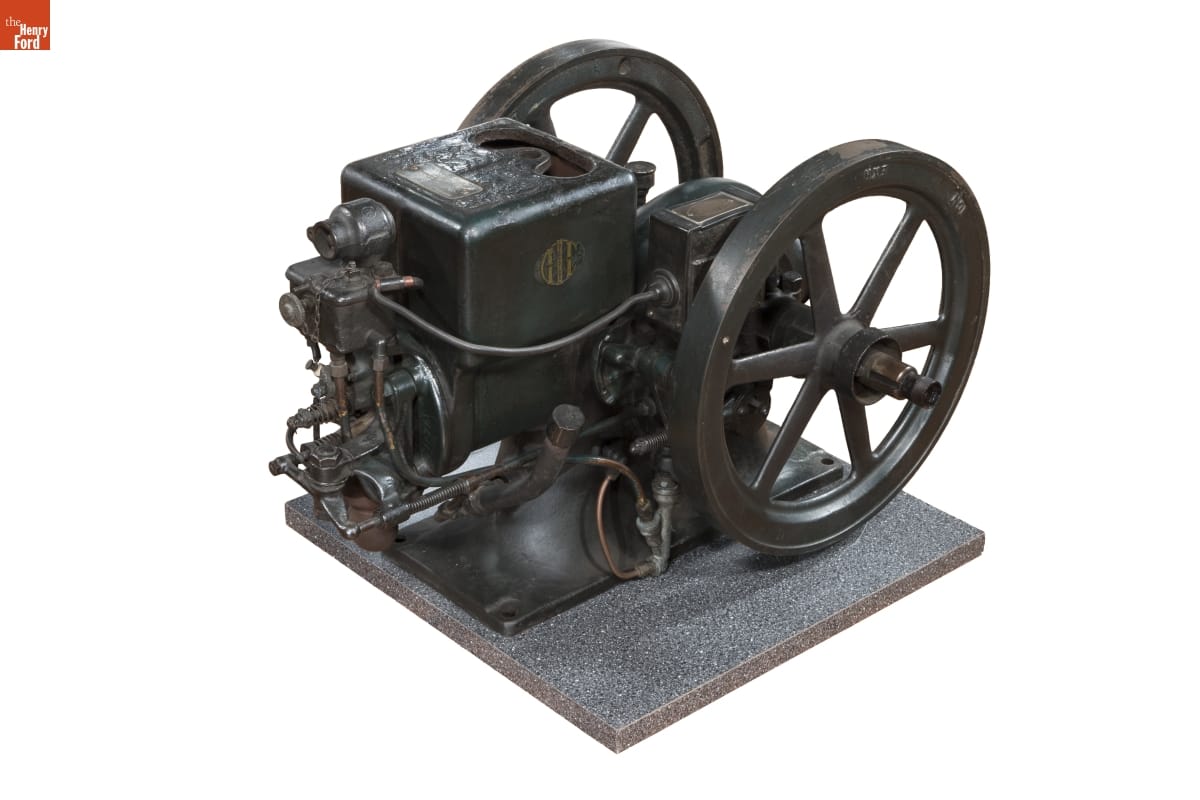
- McCormick-Deering 1.5 hp Gasoline Engine, 1925 -
- 1925
- Collections - Artifact
McCormick-Deering 1.5 hp Gasoline Engine, 1925