
Search
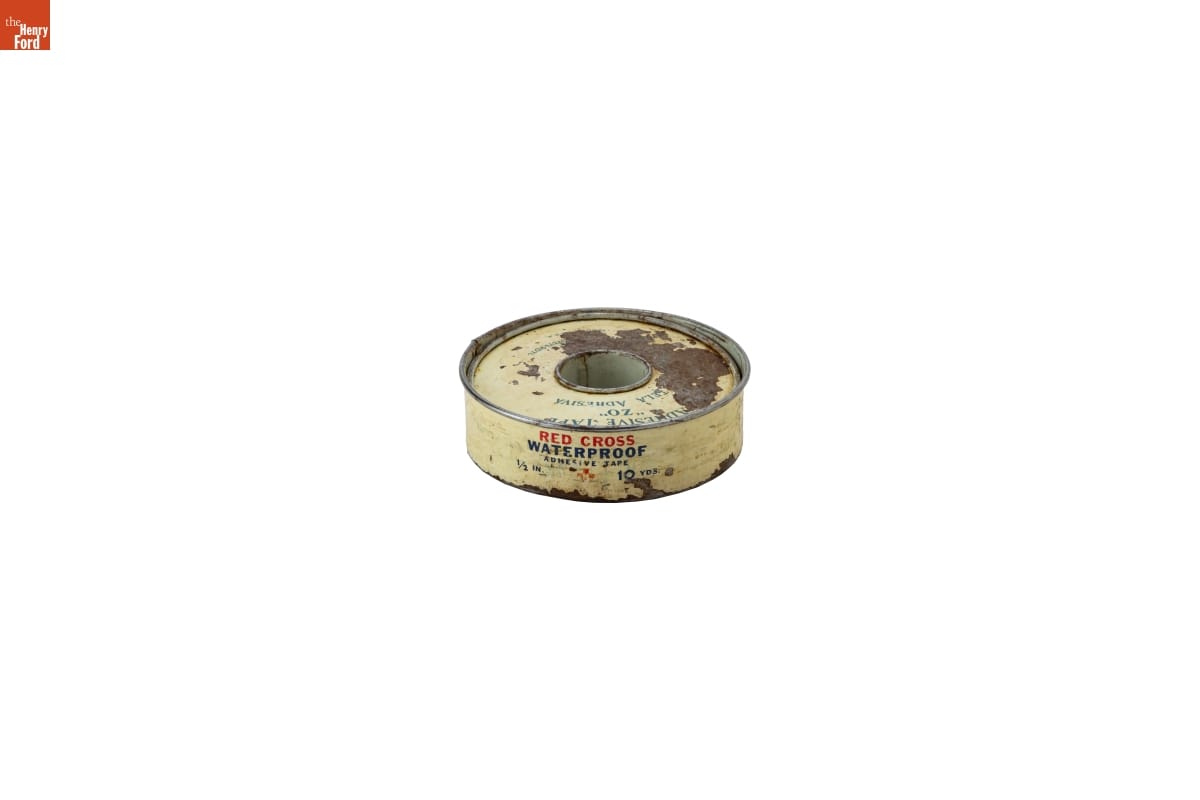
- Adhesive Tape - Medical adhesive tape helps secure bandages around wounds or wrap bone, joint, or soft tissue injuries. Early medical tapes developed in the mid-19th century used a rubber-based adhesive mixed with other compounds that often irritated the skin. In 1899, Johnson and Johnson developed adhesive plasters infused with anti-bacterial zinc oxide, and by the mid-1900s, it had developed a waterproof adhesive tape.
- Collections - Artifact
Adhesive Tape
Medical adhesive tape helps secure bandages around wounds or wrap bone, joint, or soft tissue injuries. Early medical tapes developed in the mid-19th century used a rubber-based adhesive mixed with other compounds that often irritated the skin. In 1899, Johnson and Johnson developed adhesive plasters infused with anti-bacterial zinc oxide, and by the mid-1900s, it had developed a waterproof adhesive tape.
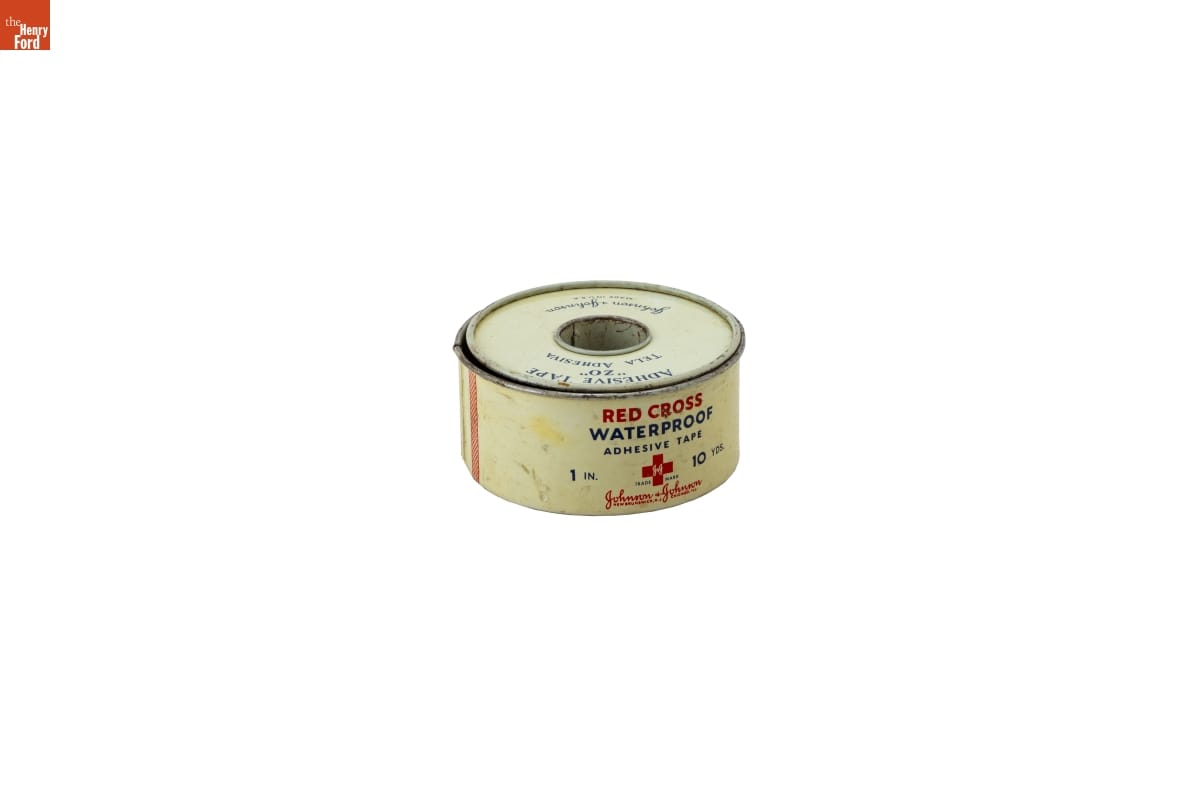
- Adhesive Tape - Medical adhesive tape helps secure bandages around wounds or wrap bone, joint, or soft tissue injuries. Early medical tapes developed in the mid-19th century used a rubber-based adhesive mixed with other compounds that often irritated the skin. In 1899, Johnson and Johnson developed adhesive plasters infused with anti-bacterial zinc oxide, and by the mid-1900s, it had developed a waterproof adhesive tape.
- Collections - Artifact
Adhesive Tape
Medical adhesive tape helps secure bandages around wounds or wrap bone, joint, or soft tissue injuries. Early medical tapes developed in the mid-19th century used a rubber-based adhesive mixed with other compounds that often irritated the skin. In 1899, Johnson and Johnson developed adhesive plasters infused with anti-bacterial zinc oxide, and by the mid-1900s, it had developed a waterproof adhesive tape.
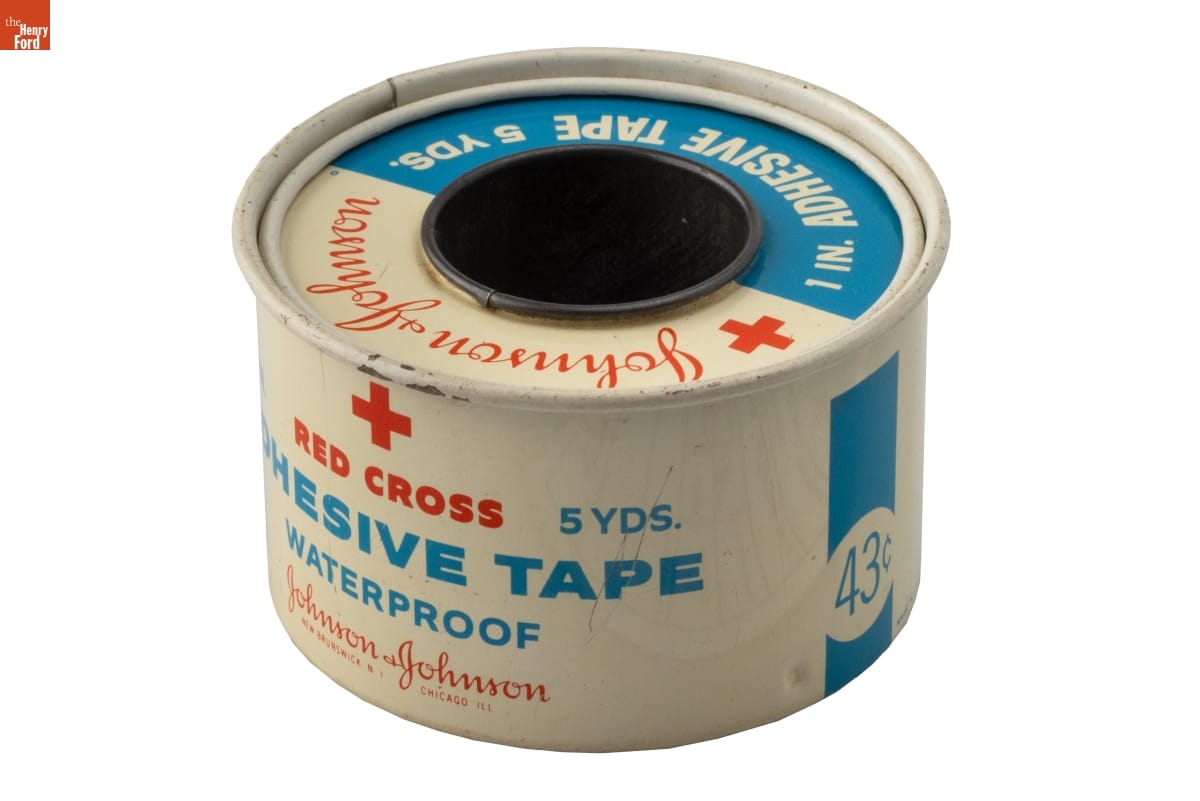
- Johnson & Johnson Adhesive Tape Tin Used by the Jackson Family, Selma, Alabama - Medical adhesive tape helps secure bandages around wounds or wrap bone, joint, or soft tissue injuries. Early medical tapes developed in the mid-19th century used a rubber-based adhesive mixed with other compounds that often irritated the skin. In 1899, Johnson and Johnson developed adhesive plasters infused with anti-bacterial zinc oxide, and by the mid-1900s, it had developed a waterproof adhesive tape.
- Collections - Artifact
Johnson & Johnson Adhesive Tape Tin Used by the Jackson Family, Selma, Alabama
Medical adhesive tape helps secure bandages around wounds or wrap bone, joint, or soft tissue injuries. Early medical tapes developed in the mid-19th century used a rubber-based adhesive mixed with other compounds that often irritated the skin. In 1899, Johnson and Johnson developed adhesive plasters infused with anti-bacterial zinc oxide, and by the mid-1900s, it had developed a waterproof adhesive tape.
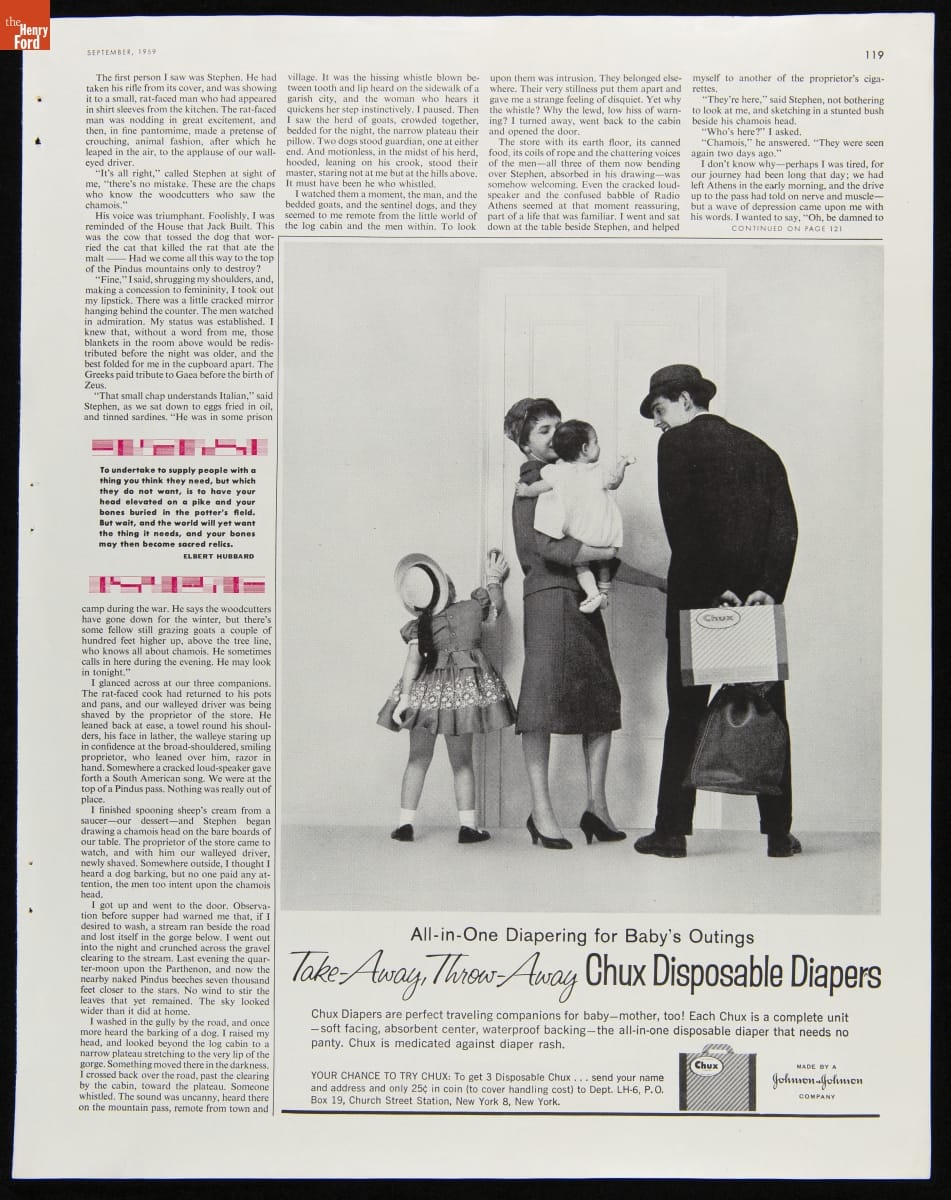
- Advertisement, "All-in-One Diapering for Baby's Outings: Take-Away, Throw-Away Chux Disposable Diapers," 1959 -
- September 01, 1959
- Collections - Artifact
Advertisement, "All-in-One Diapering for Baby's Outings: Take-Away, Throw-Away Chux Disposable Diapers," 1959
- Toy Doctor's Kit, 1930-1940 -
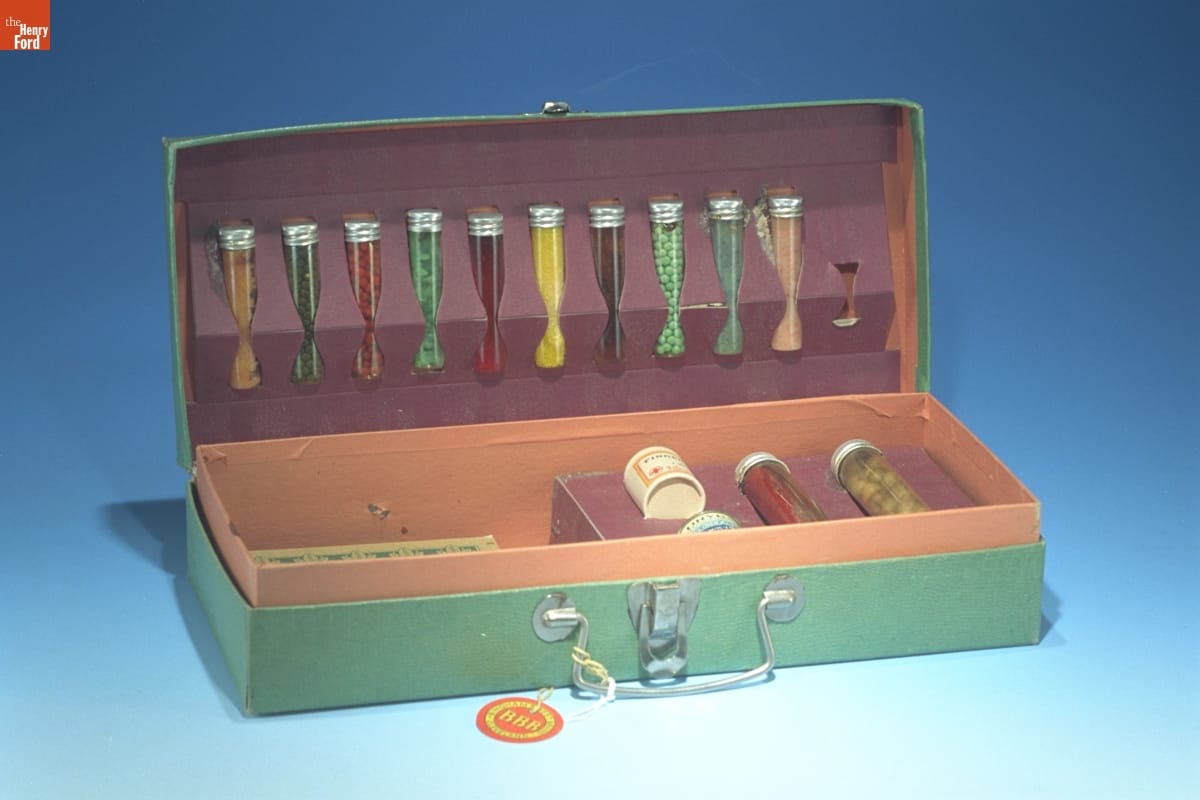
- 1930-1940
- Collections - Artifact
Toy Doctor's Kit, 1930-1940
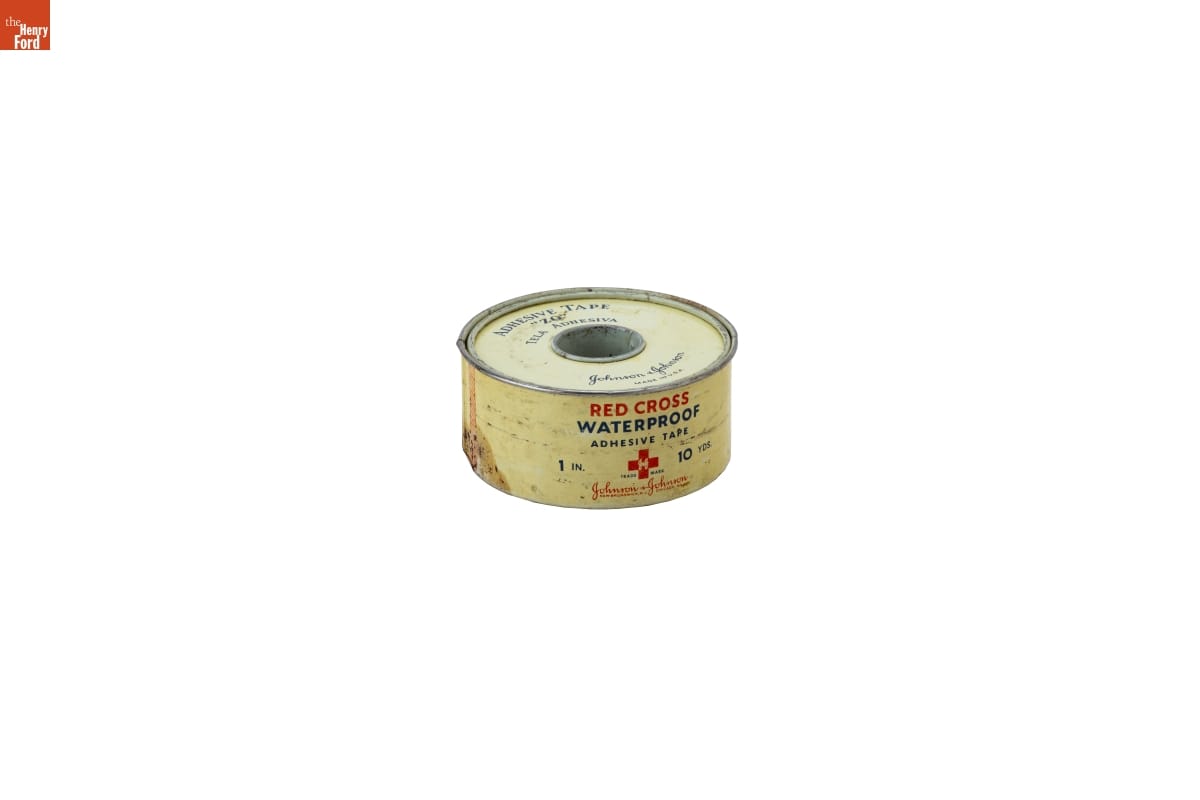
- Adhesive Tape - Medical adhesive tape helps secure bandages around wounds or wrap bone, joint, or soft tissue injuries. Early medical tapes developed in the mid-19th century used a rubber-based adhesive mixed with other compounds that often irritated the skin. In 1899, Johnson and Johnson developed adhesive plasters infused with anti-bacterial zinc oxide, and by the mid-1900s, it had developed a waterproof adhesive tape.
- Collections - Artifact
Adhesive Tape
Medical adhesive tape helps secure bandages around wounds or wrap bone, joint, or soft tissue injuries. Early medical tapes developed in the mid-19th century used a rubber-based adhesive mixed with other compounds that often irritated the skin. In 1899, Johnson and Johnson developed adhesive plasters infused with anti-bacterial zinc oxide, and by the mid-1900s, it had developed a waterproof adhesive tape.
- Bandage, circa 1950 -
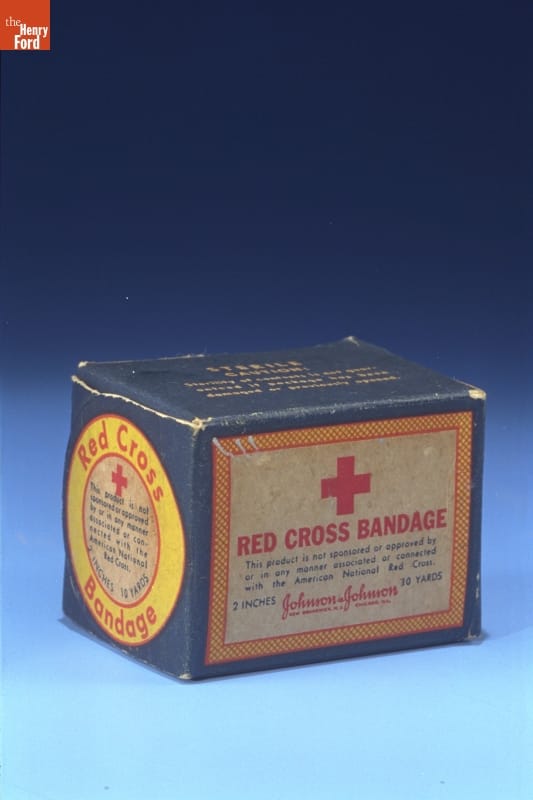
- circa 1950
- Collections - Artifact
Bandage, circa 1950