
Search
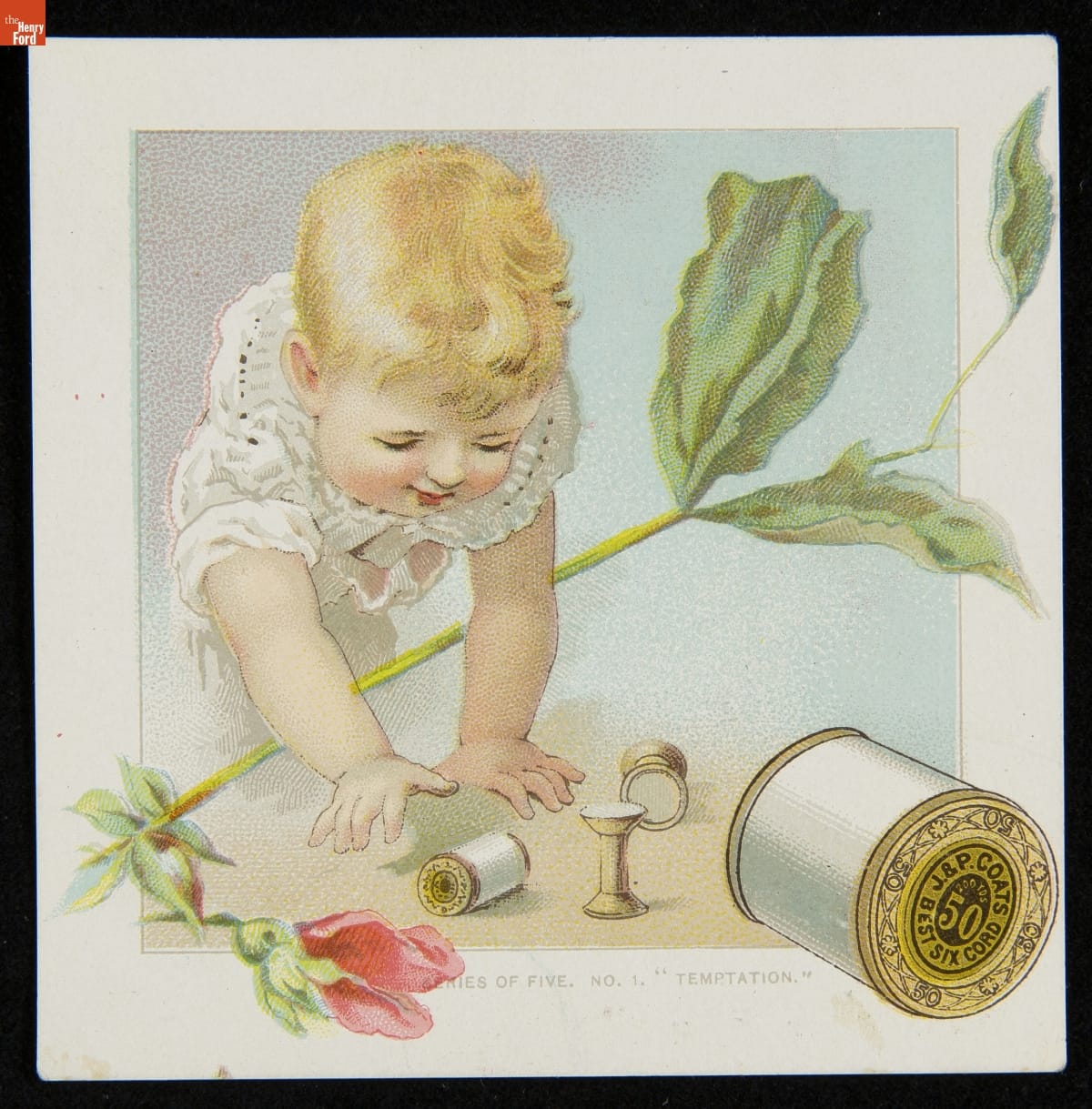
- Trade Card for Six Cord Thread, J. & P. Coats, 1880-1900 - As color printing gained momentum in the late 19th century, trade cards became a major means of advertising goods and services. Americans enjoyed and often saved the little advertisements found in product packages or distributed by local merchants. This trade card advertises Six Cord Thread from J. & P. Coats Company.
- 1880-1900
- Collections - Artifact
Trade Card for Six Cord Thread, J. & P. Coats, 1880-1900
As color printing gained momentum in the late 19th century, trade cards became a major means of advertising goods and services. Americans enjoyed and often saved the little advertisements found in product packages or distributed by local merchants. This trade card advertises Six Cord Thread from J. & P. Coats Company.
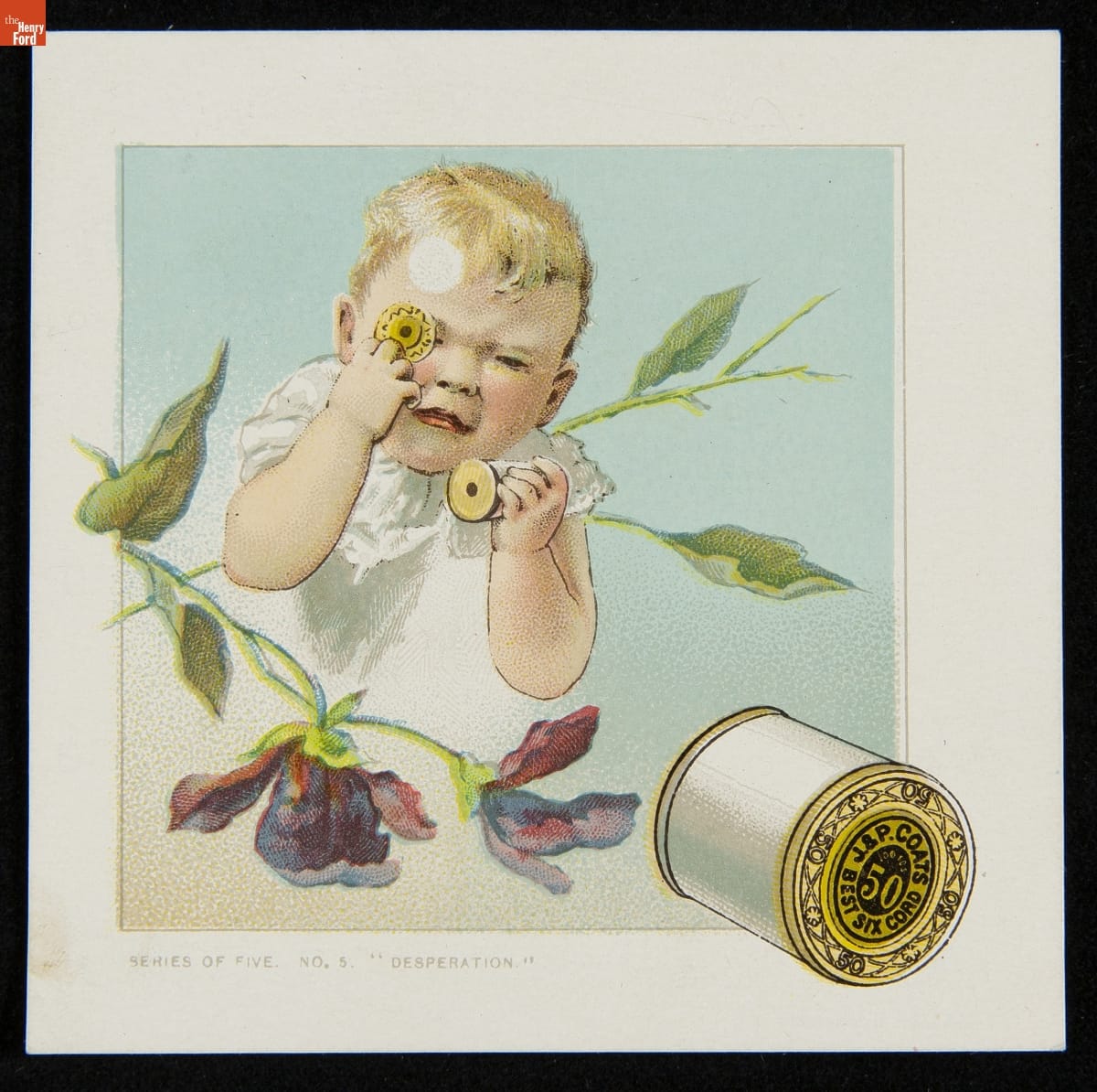
- Trade Card for Six Cord Thread, J. & P. Coats, 1880-1900 - As color printing gained momentum in the late 19th century, trade cards became a major means of advertising goods and services. Americans enjoyed and often saved the little advertisements found in product packages or distributed by local merchants. This trade card advertises Six Cord Thread from J. & P. Coats Company.
- 1880-1900
- Collections - Artifact
Trade Card for Six Cord Thread, J. & P. Coats, 1880-1900
As color printing gained momentum in the late 19th century, trade cards became a major means of advertising goods and services. Americans enjoyed and often saved the little advertisements found in product packages or distributed by local merchants. This trade card advertises Six Cord Thread from J. & P. Coats Company.
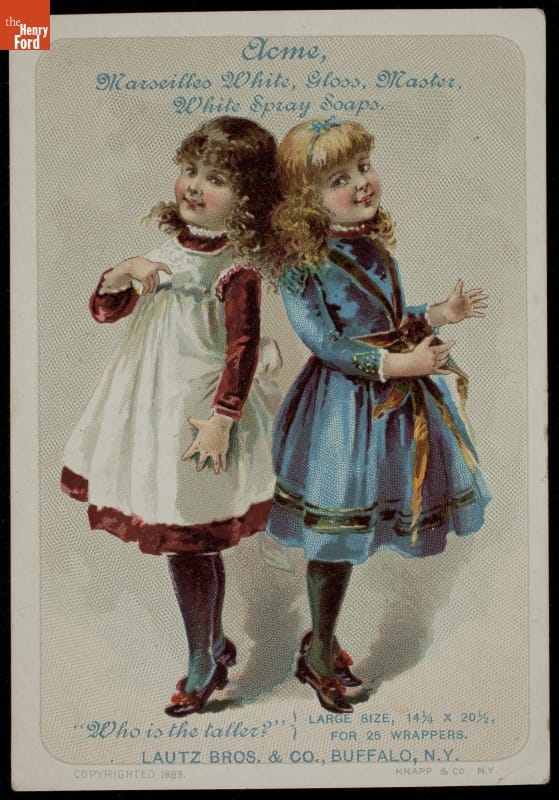
- Trade Card for Acme Soap, Lautz Bros. Co., 1889 - In the last third of the nineteenth century, an unprecedented variety of consumer goods and services flooded the American market. Advertisers, armed with new methods of color printing, bombarded potential customers with trade cards. Americans enjoyed and often saved the vibrant little advertisements found in product packages or distributed by local merchants. Many survive as historical records of commercialism in the United States.
- 1889
- Collections - Artifact
Trade Card for Acme Soap, Lautz Bros. Co., 1889
In the last third of the nineteenth century, an unprecedented variety of consumer goods and services flooded the American market. Advertisers, armed with new methods of color printing, bombarded potential customers with trade cards. Americans enjoyed and often saved the vibrant little advertisements found in product packages or distributed by local merchants. Many survive as historical records of commercialism in the United States.
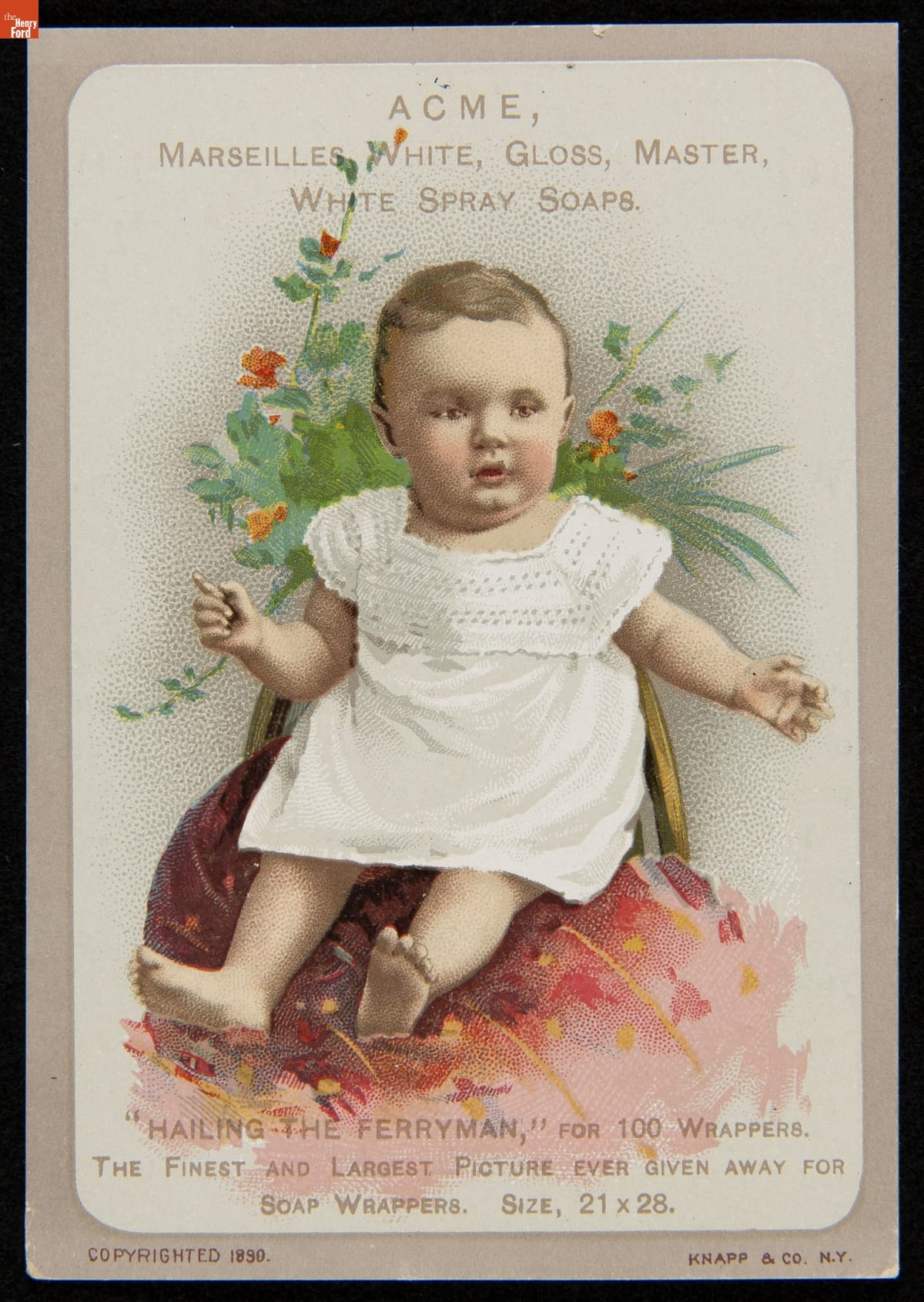
- Trade Card for Lautz Bros. & Company's Acme Soap Products, 1890 - In the last third of the nineteenth century, an unprecedented variety of consumer goods and services flooded the American market. Advertisers, armed with new methods of color printing, bombarded potential customers with trade cards. Americans enjoyed and often saved the vibrant little advertisements found in product packages or distributed by local merchants. Many survive as historical records of commercialism in the United States.
- circa 1890
- Collections - Artifact
Trade Card for Lautz Bros. & Company's Acme Soap Products, 1890
In the last third of the nineteenth century, an unprecedented variety of consumer goods and services flooded the American market. Advertisers, armed with new methods of color printing, bombarded potential customers with trade cards. Americans enjoyed and often saved the vibrant little advertisements found in product packages or distributed by local merchants. Many survive as historical records of commercialism in the United States.
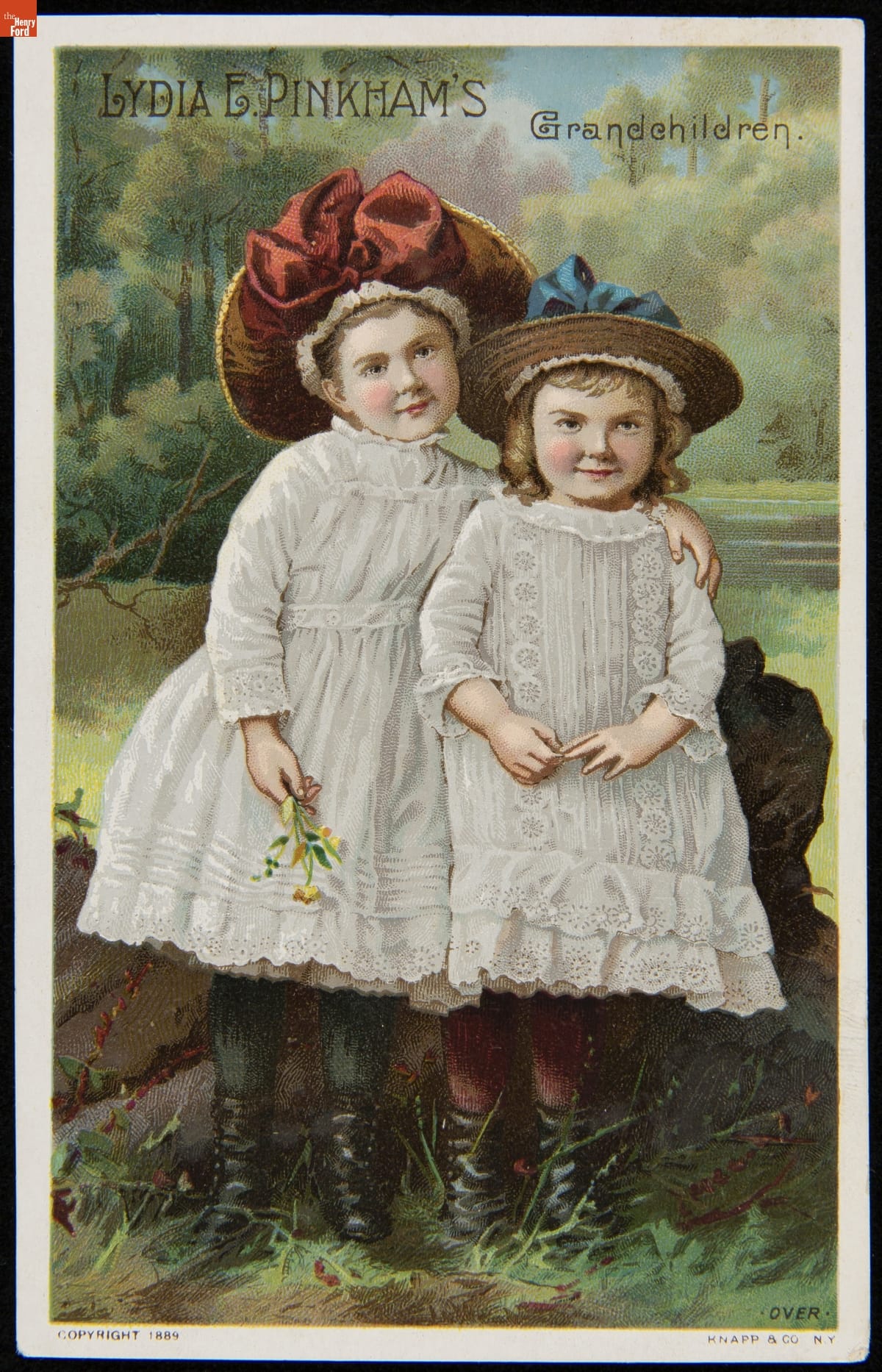
- Trade Card for Lydia E. Pinkham's Vegetable Compound and Blood Purifier, 1889 - In 1873, Lydia E. Pinkham created "Pinkham's Vegetable Compound," a mixture of roots, herbs, and alcohol that she claimed would treat a variety of "female complaints." A few years later, Pinkham established a patent medicine company and began marketing and selling her product. Pinkham publicized the herbal remedy through pamphlets, magazine and newspaper advertisements, and small trade cards like this one.
- 1889
- Collections - Artifact
Trade Card for Lydia E. Pinkham's Vegetable Compound and Blood Purifier, 1889
In 1873, Lydia E. Pinkham created "Pinkham's Vegetable Compound," a mixture of roots, herbs, and alcohol that she claimed would treat a variety of "female complaints." A few years later, Pinkham established a patent medicine company and began marketing and selling her product. Pinkham publicized the herbal remedy through pamphlets, magazine and newspaper advertisements, and small trade cards like this one.
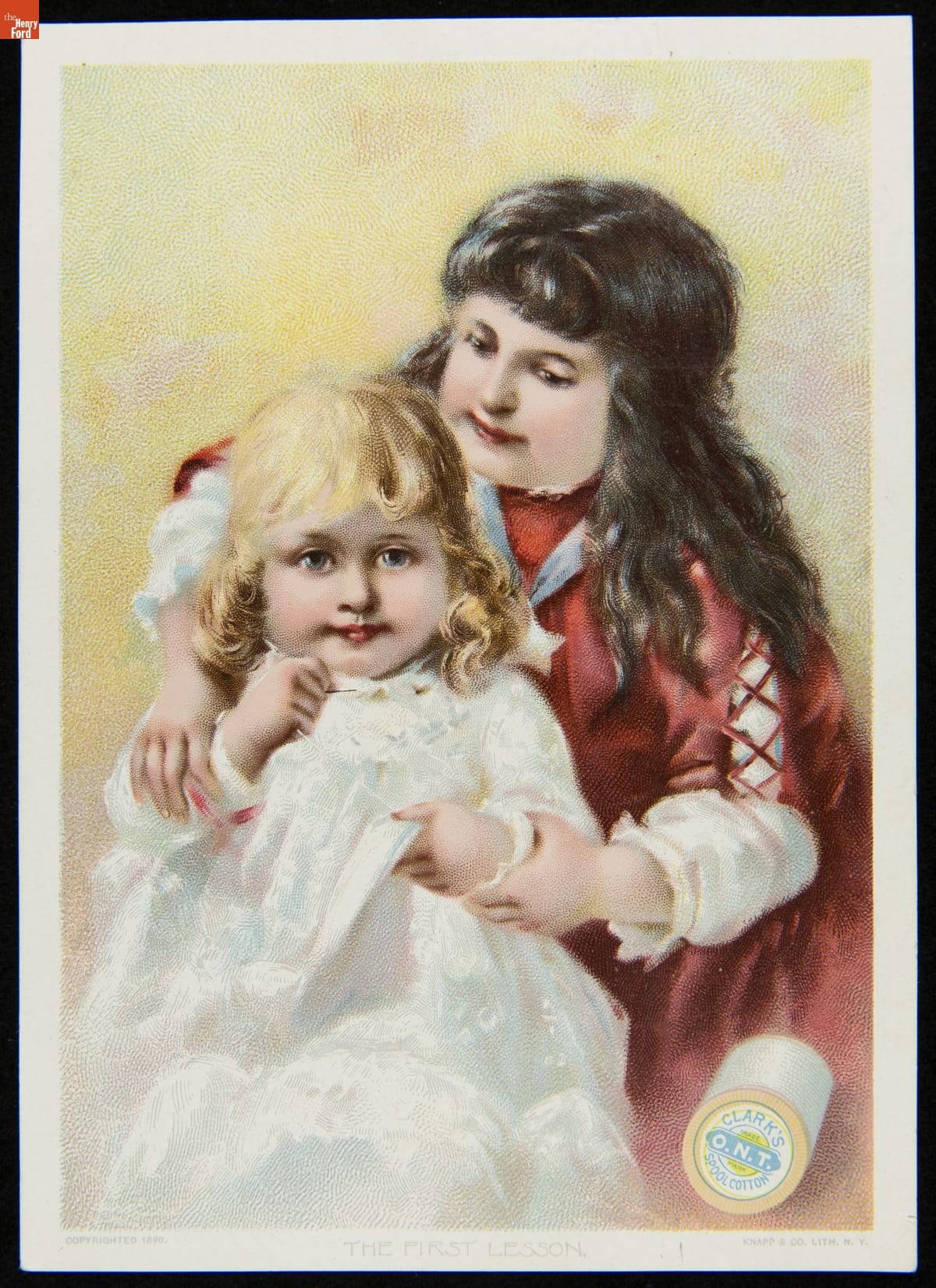
- Trade Card for Clark's O.N.T. Spool Cotton Thread, 1890 - In the last third of the nineteenth century, an unprecedented variety of consumer goods and services flooded the American market. Advertisers, armed with new methods of color printing, bombarded potential customers with trade cards. Americans enjoyed and often saved the vibrant little advertisements found in product packages or distributed by local merchants. Many survive as historical records of commercialism in the United States.
- 1890
- Collections - Artifact
Trade Card for Clark's O.N.T. Spool Cotton Thread, 1890
In the last third of the nineteenth century, an unprecedented variety of consumer goods and services flooded the American market. Advertisers, armed with new methods of color printing, bombarded potential customers with trade cards. Americans enjoyed and often saved the vibrant little advertisements found in product packages or distributed by local merchants. Many survive as historical records of commercialism in the United States.
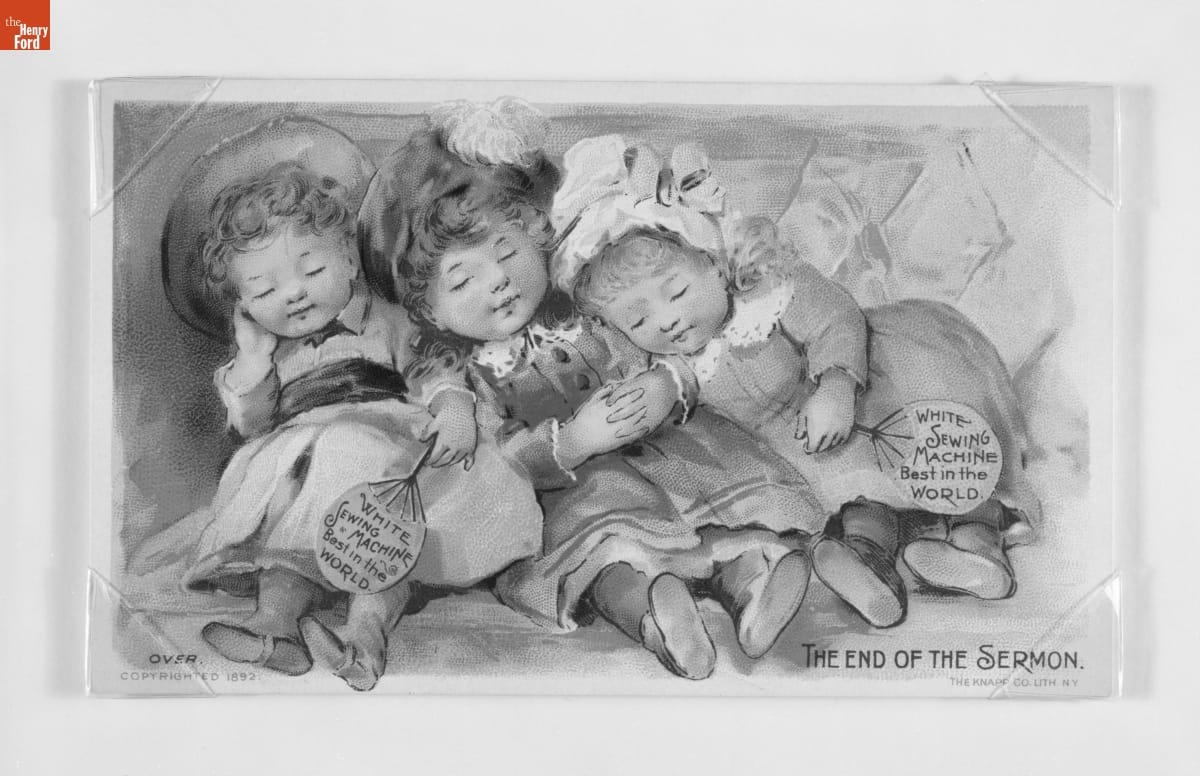
- Trade Card for the White Sewing Machine, 1892 - In the last third of the nineteenth century, an unprecedented variety of consumer goods and services flooded the American market. Advertisers, armed with new methods of color printing, bombarded potential customers with trade cards. Americans enjoyed and often saved the vibrant little advertisements found in product packages or distributed by local merchants. Many survive as historical records of commercialism in the United States.
- 1892
- Collections - Artifact
Trade Card for the White Sewing Machine, 1892
In the last third of the nineteenth century, an unprecedented variety of consumer goods and services flooded the American market. Advertisers, armed with new methods of color printing, bombarded potential customers with trade cards. Americans enjoyed and often saved the vibrant little advertisements found in product packages or distributed by local merchants. Many survive as historical records of commercialism in the United States.
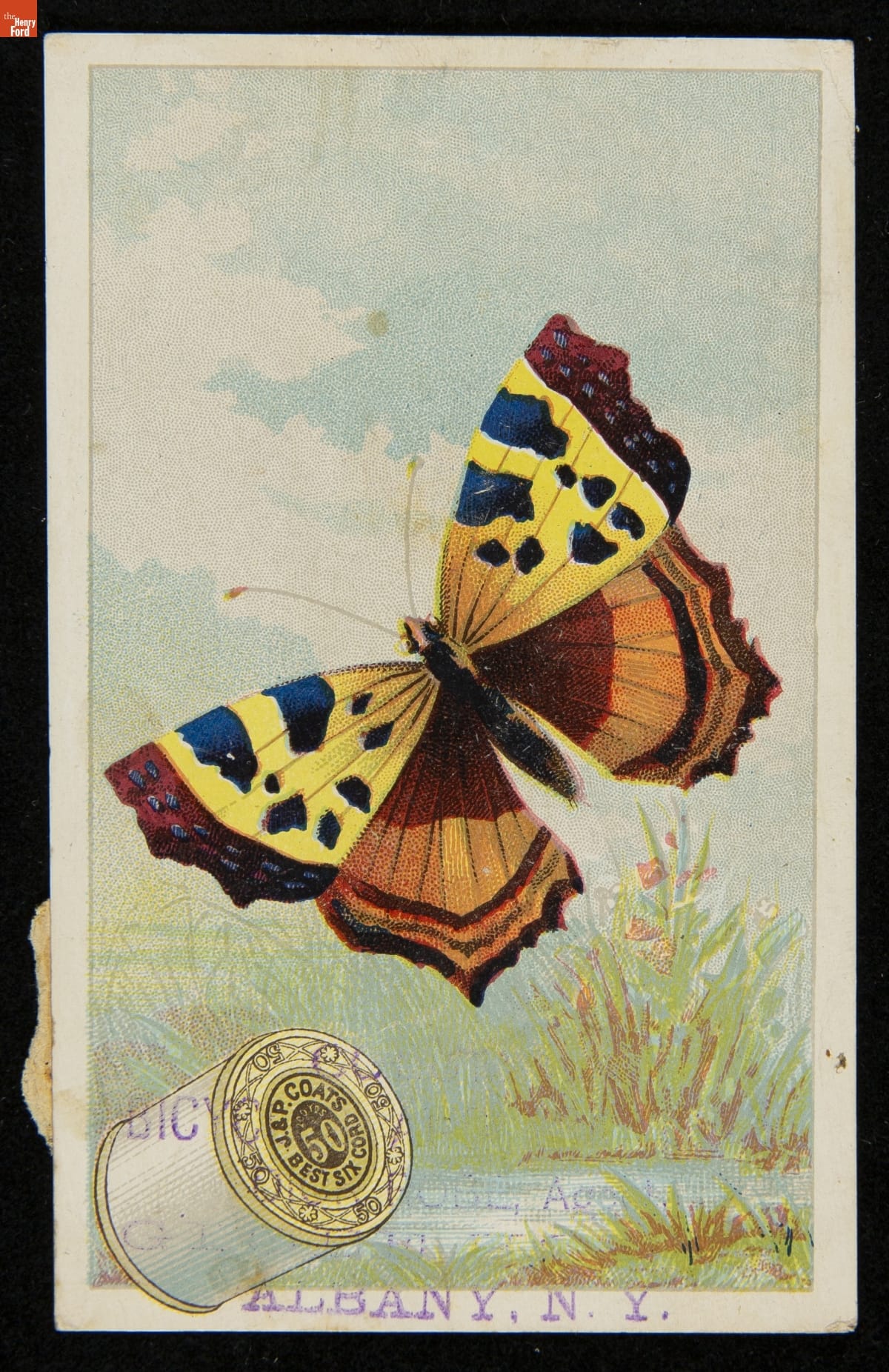
- Trade Card for Sewing Thread, J. & P. Coats, 1880-1888 - As color printing gained momentum in the late 19th century, trade cards became a major means of advertising goods and services. Americans enjoyed and often saved the little advertisements found in product packages or distributed by local merchants. This trade card advertises Six Cord Thread from J. & P. Coats Company.
- 1880-1888
- Collections - Artifact
Trade Card for Sewing Thread, J. & P. Coats, 1880-1888
As color printing gained momentum in the late 19th century, trade cards became a major means of advertising goods and services. Americans enjoyed and often saved the little advertisements found in product packages or distributed by local merchants. This trade card advertises Six Cord Thread from J. & P. Coats Company.
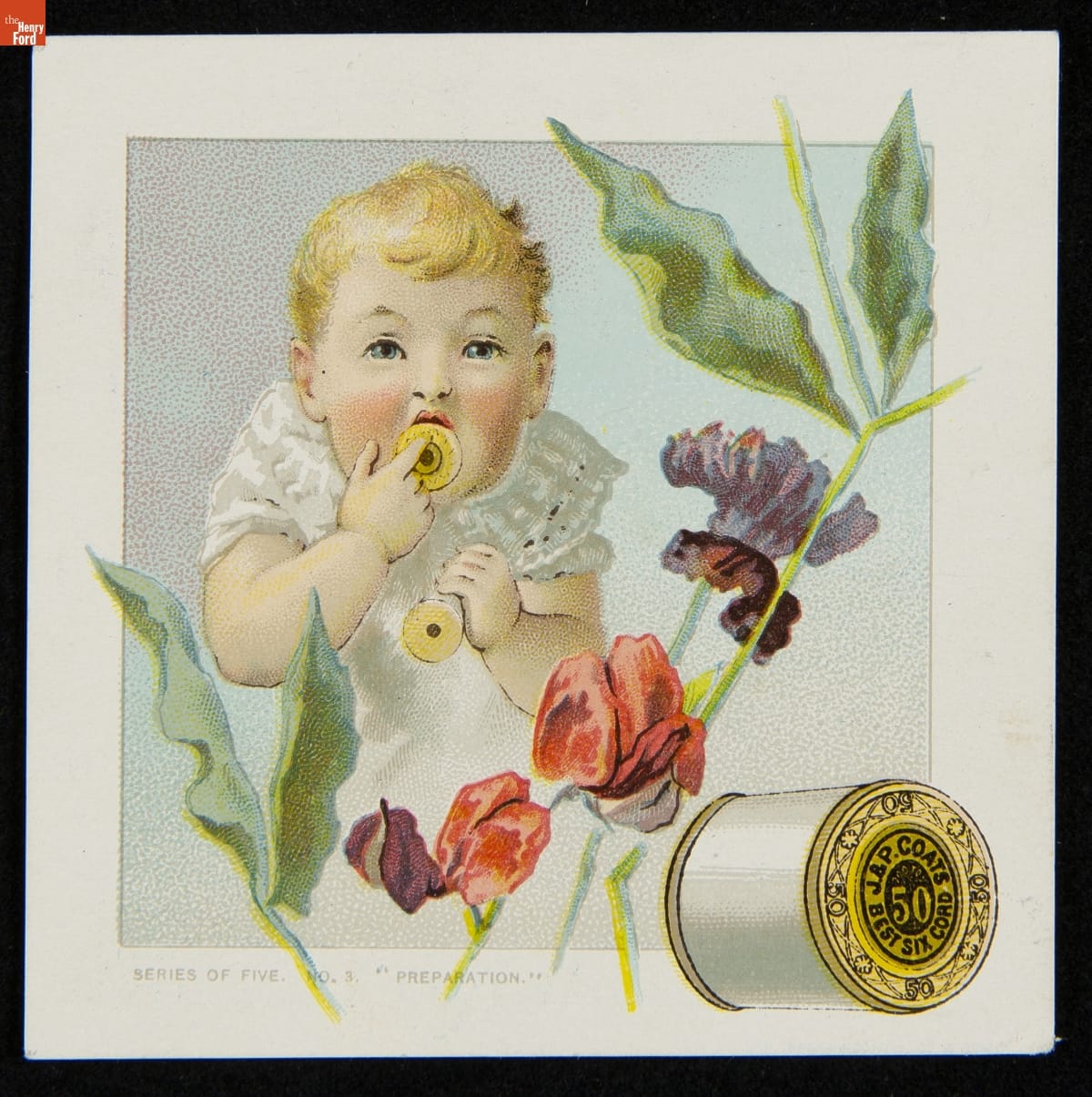
- Trade Card for Six Cord Thread, J. & P. Coats, 1880-1900 - As color printing gained momentum in the late 19th century, trade cards became a major means of advertising goods and services. Americans enjoyed and often saved the little advertisements found in product packages or distributed by local merchants. This trade card advertises Six Cord Thread from J. & P. Coats Company.
- 1880-1900
- Collections - Artifact
Trade Card for Six Cord Thread, J. & P. Coats, 1880-1900
As color printing gained momentum in the late 19th century, trade cards became a major means of advertising goods and services. Americans enjoyed and often saved the little advertisements found in product packages or distributed by local merchants. This trade card advertises Six Cord Thread from J. & P. Coats Company.
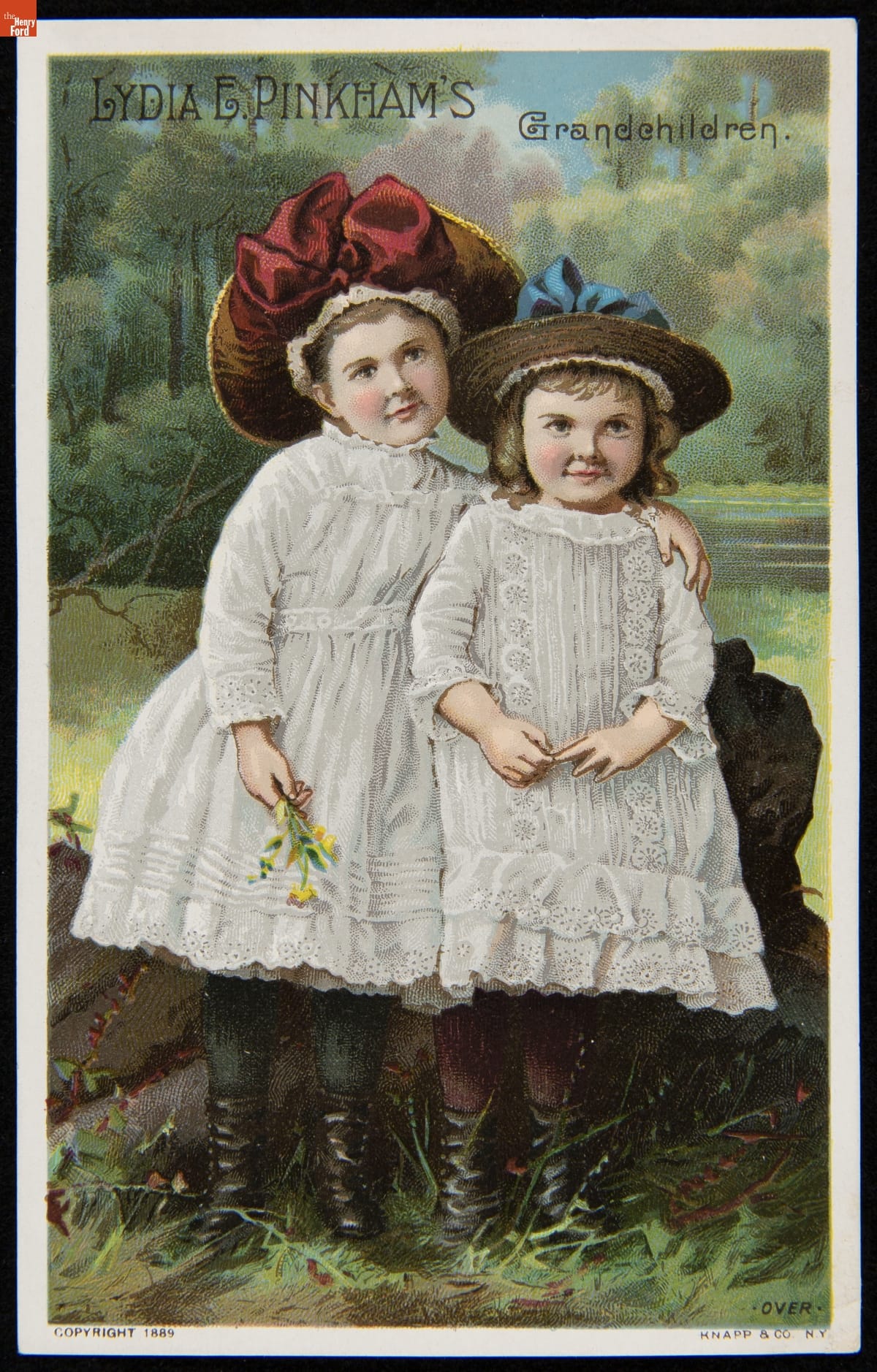
- Trade Card for Lydia E. Pinkham's Vegetable Compound and Blood Purifier, 1889 - In 1873, Lydia E. Pinkham created "Pinkham's Vegetable Compound," a mixture of roots, herbs, and alcohol that she claimed would treat a variety of "female complaints." A few years later, Pinkham established a patent medicine company and began marketing and selling her product. Pinkham publicized the herbal remedy through pamphlets, magazine and newspaper advertisements, and small trade cards like this one.
- 1889
- Collections - Artifact
Trade Card for Lydia E. Pinkham's Vegetable Compound and Blood Purifier, 1889
In 1873, Lydia E. Pinkham created "Pinkham's Vegetable Compound," a mixture of roots, herbs, and alcohol that she claimed would treat a variety of "female complaints." A few years later, Pinkham established a patent medicine company and began marketing and selling her product. Pinkham publicized the herbal remedy through pamphlets, magazine and newspaper advertisements, and small trade cards like this one.