
Search
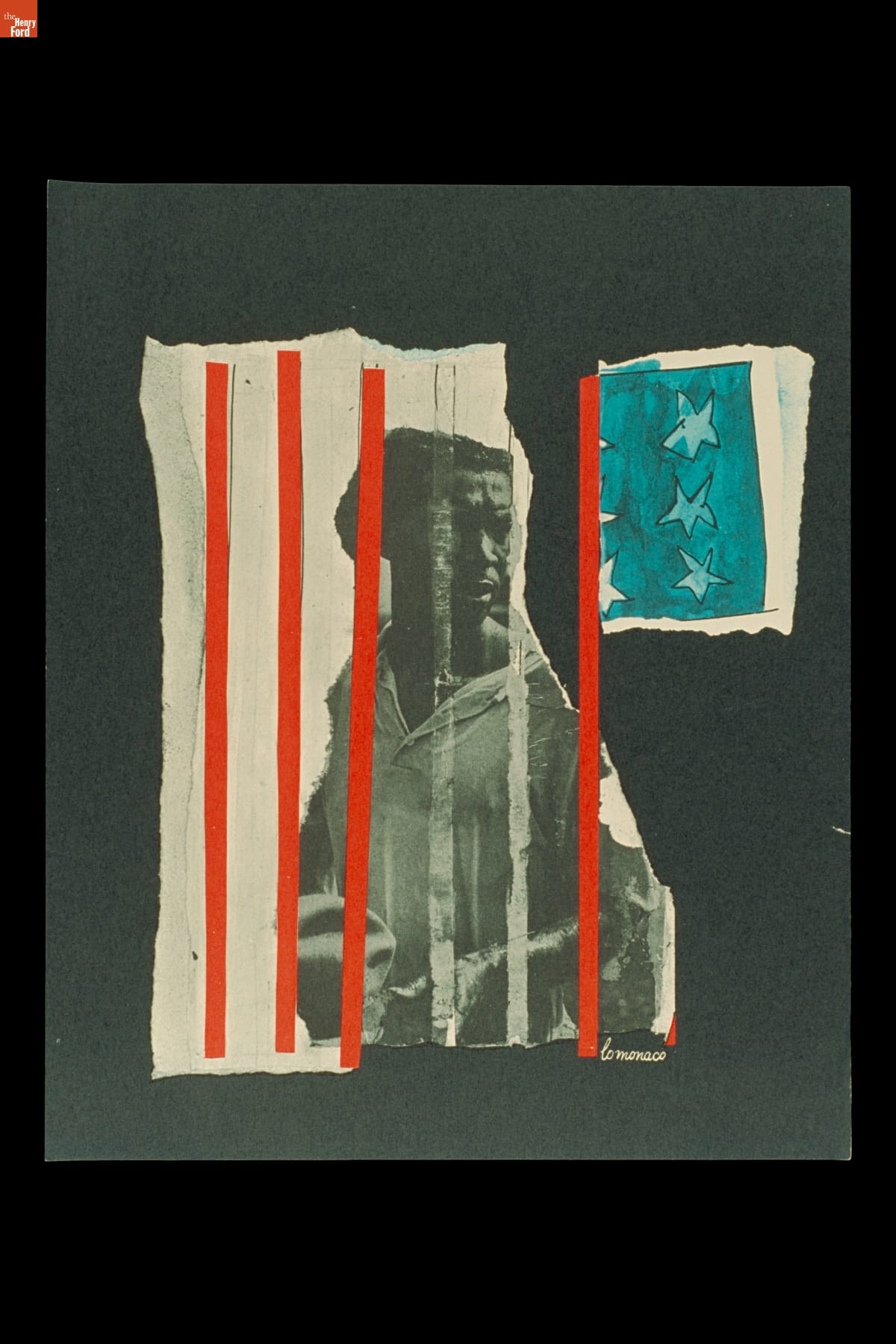
- "We Shall Overcome! A Jail Can Only Hold a Man's Body - His Mind and Heart Remain Free," 1963 - More than 250,000 civil rights advocates showed up at the 1963 March on Washington for Jobs and Freedom. This print, part of a souvenir portfolio made for the event, incorporated fragments of disturbing images from the movement. The artist intended these to symbolize man's inhumanity to his fellow man. Civil Rights activists hoped that they would stir people's emotions and incite action.
- August 28, 1963
- Collections - Artifact
"We Shall Overcome! A Jail Can Only Hold a Man's Body - His Mind and Heart Remain Free," 1963
More than 250,000 civil rights advocates showed up at the 1963 March on Washington for Jobs and Freedom. This print, part of a souvenir portfolio made for the event, incorporated fragments of disturbing images from the movement. The artist intended these to symbolize man's inhumanity to his fellow man. Civil Rights activists hoped that they would stir people's emotions and incite action.
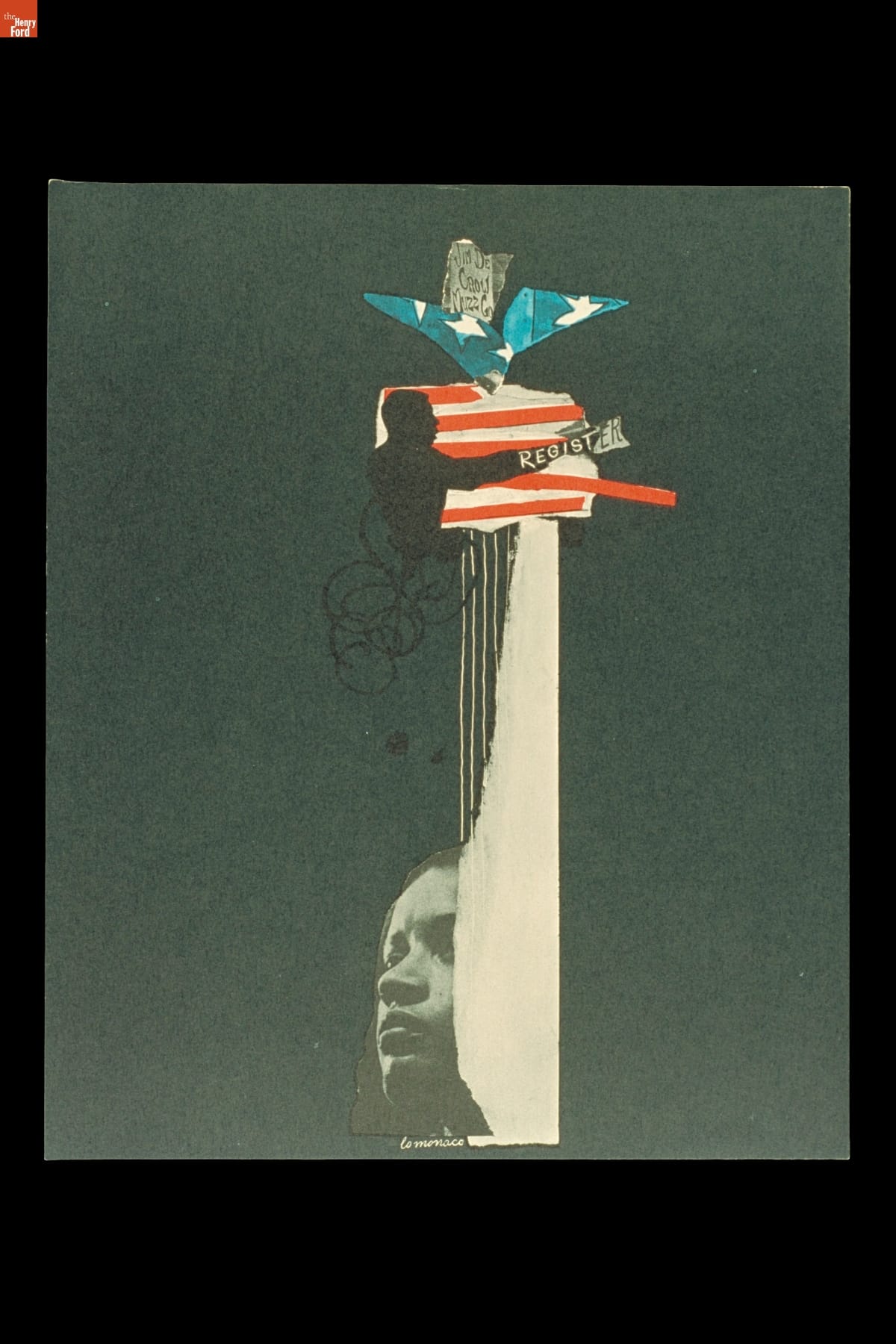
- Print, "We Shall Overcome! and in the Process Assume the Responsibilities as Well as the Rewards of Citizenship," 1963 - More than 250,000 civil rights advocates showed up at the 1963 March on Washington for Jobs and Freedom. This print, part of a souvenir portfolio made for the event, incorporated fragments of disturbing images from the movement. The artist intended these to symbolize man's inhumanity to his fellow man. Civil Rights activists hoped that they would stir people's emotions and incite action.
- August 28, 1963
- Collections - Artifact
Print, "We Shall Overcome! and in the Process Assume the Responsibilities as Well as the Rewards of Citizenship," 1963
More than 250,000 civil rights advocates showed up at the 1963 March on Washington for Jobs and Freedom. This print, part of a souvenir portfolio made for the event, incorporated fragments of disturbing images from the movement. The artist intended these to symbolize man's inhumanity to his fellow man. Civil Rights activists hoped that they would stir people's emotions and incite action.
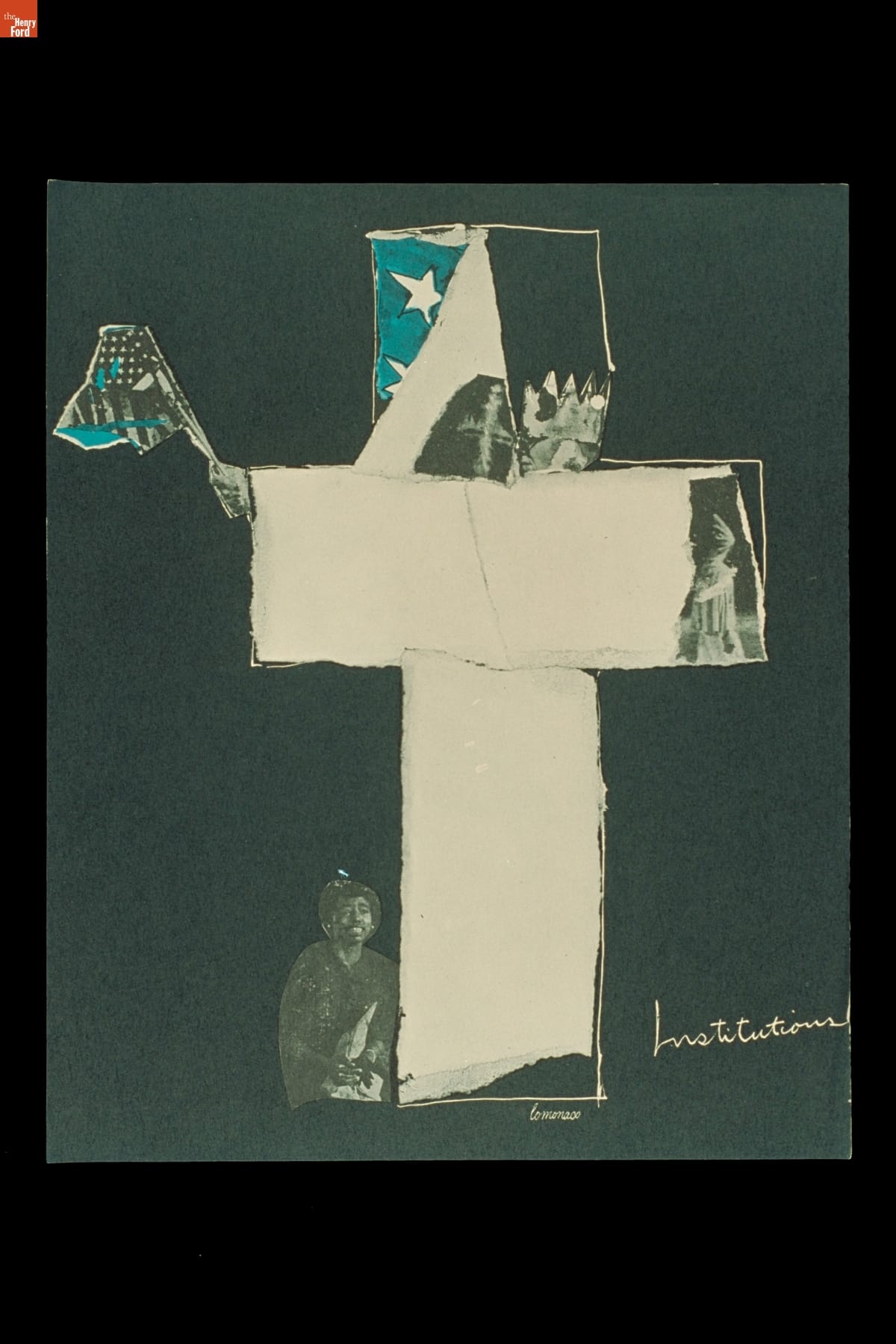
- Print, "When Religious and Patriotic Symbols are Used as a Shield by Hate-Makers, Our Democracy and All It Stands for Becomes a Mockery," 1963 - More than 250,000 civil rights advocates showed up at the 1963 March on Washington for Jobs and Freedom. This print, part of a souvenir portfolio made for the event, incorporated fragments of disturbing images from the movement. The artist intended these to symbolize man's inhumanity to his fellow man. Civil Rights activists hoped that they would stir people's emotions and incite action.
- August 28, 1963
- Collections - Artifact
Print, "When Religious and Patriotic Symbols are Used as a Shield by Hate-Makers, Our Democracy and All It Stands for Becomes a Mockery," 1963
More than 250,000 civil rights advocates showed up at the 1963 March on Washington for Jobs and Freedom. This print, part of a souvenir portfolio made for the event, incorporated fragments of disturbing images from the movement. The artist intended these to symbolize man's inhumanity to his fellow man. Civil Rights activists hoped that they would stir people's emotions and incite action.
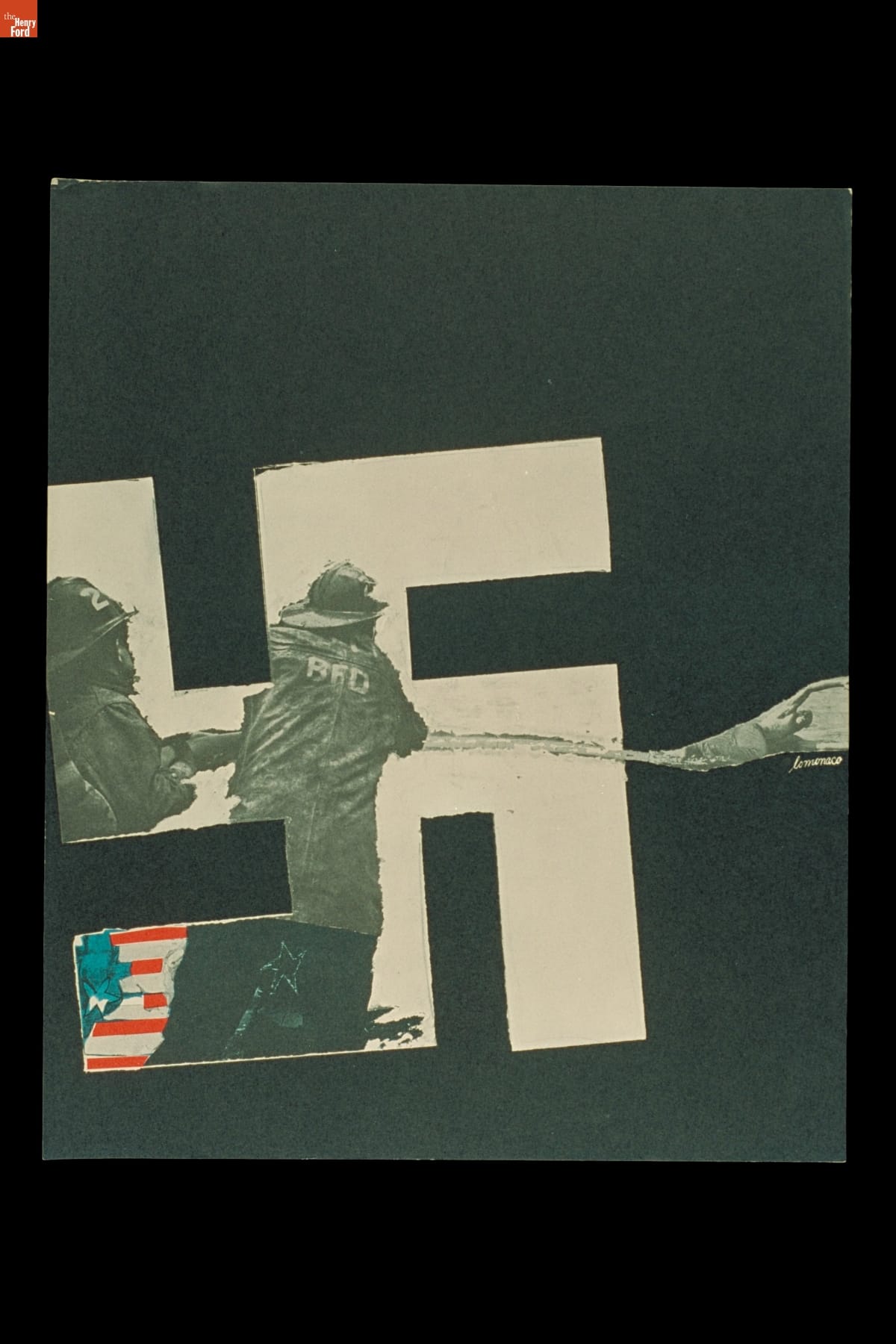
- Print, "The Swastika and the High-Pressure Hose--Instruments of Brutality--Can Never Dampen the Spirits of a Free People," 1963 - More than 250,000 civil rights advocates showed up at the 1963 March on Washington for Jobs and Freedom. This print, part of a souvenir portfolio made for the event, incorporated fragments of disturbing images from the movement. The artist intended these to symbolize man's inhumanity to his fellow man. Civil Rights activists hoped that they would stir people's emotions and incite action.
- August 28, 1963
- Collections - Artifact
Print, "The Swastika and the High-Pressure Hose--Instruments of Brutality--Can Never Dampen the Spirits of a Free People," 1963
More than 250,000 civil rights advocates showed up at the 1963 March on Washington for Jobs and Freedom. This print, part of a souvenir portfolio made for the event, incorporated fragments of disturbing images from the movement. The artist intended these to symbolize man's inhumanity to his fellow man. Civil Rights activists hoped that they would stir people's emotions and incite action.
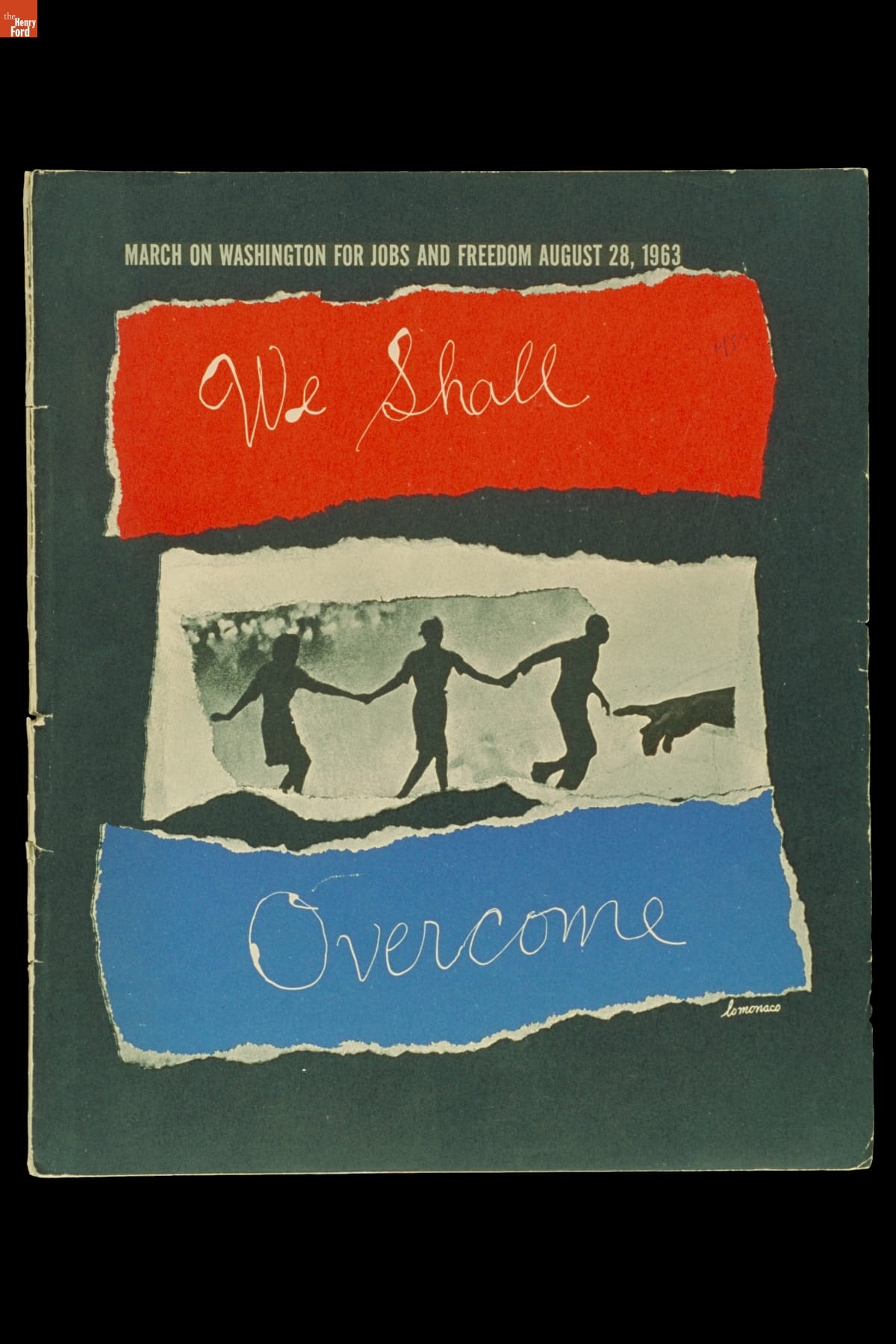
- Print Portfolio Folder, "We Shall Overcome: March on Washington for Jobs and Freedom, August 28, 1963" - More than 250,000 civil rights advocates showed up at the 1963 March on Washington for Jobs and Freedom. This souvenir portfolio held a group of photo collages, each incorporating fragments of disturbing images from the movement. The artist intended these to symbolize man's inhumanity to his fellow man. Civil Rights activists hoped that they would stir people's emotions and incite action.
- August 28, 1963
- Collections - Artifact
Print Portfolio Folder, "We Shall Overcome: March on Washington for Jobs and Freedom, August 28, 1963"
More than 250,000 civil rights advocates showed up at the 1963 March on Washington for Jobs and Freedom. This souvenir portfolio held a group of photo collages, each incorporating fragments of disturbing images from the movement. The artist intended these to symbolize man's inhumanity to his fellow man. Civil Rights activists hoped that they would stir people's emotions and incite action.
- Print Portfolio, "We Shall Overcome," 1963 - More than 250,000 civil rights advocates showed up at the 1963 March on Washington for Jobs and Freedom. This souvenir portfolio held a group of photo collages, each incorporating fragments of disturbing images from the movement. The artist intended these to symbolize man's inhumanity to his fellow man. Civil Rights activists hoped that they would stir people's emotions and incite action.
- August 28, 1963
- Collections - Artifact
Print Portfolio, "We Shall Overcome," 1963
More than 250,000 civil rights advocates showed up at the 1963 March on Washington for Jobs and Freedom. This souvenir portfolio held a group of photo collages, each incorporating fragments of disturbing images from the movement. The artist intended these to symbolize man's inhumanity to his fellow man. Civil Rights activists hoped that they would stir people's emotions and incite action.