
Search
- Drawing, 4'1" Gauge Bogie, CYL 16 x 24, Calumet & Hecla Mining Co., 1887 - Born in Mystic, Connecticut, in 1808, William Mason designed and built machines for New England's thriving textile industry before joining the locomotive business in 1852. His Mason Machine Works factory in Taunton, Massachusetts, turned out quality locomotives in a variety of gauges for both mainline and industrial railroads. The company ended locomotive production after Mason's death in 1883.
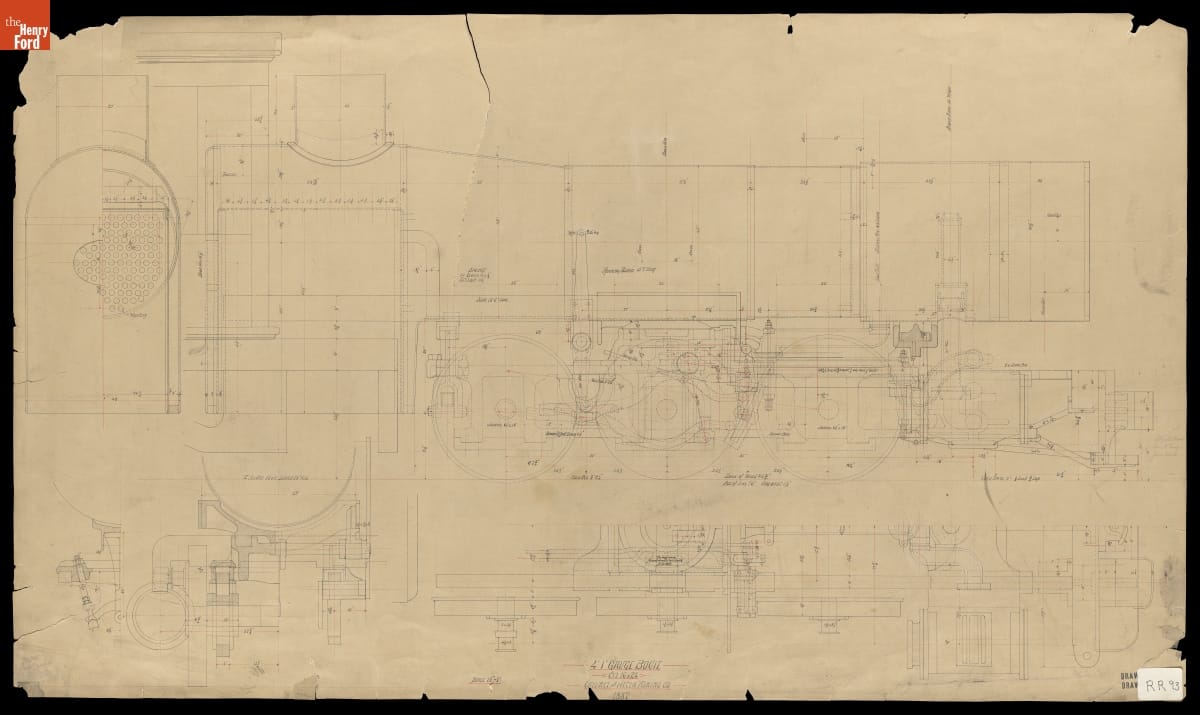
- 1887
- Collections - Artifact
Drawing, 4'1" Gauge Bogie, CYL 16 x 24, Calumet & Hecla Mining Co., 1887
Born in Mystic, Connecticut, in 1808, William Mason designed and built machines for New England's thriving textile industry before joining the locomotive business in 1852. His Mason Machine Works factory in Taunton, Massachusetts, turned out quality locomotives in a variety of gauges for both mainline and industrial railroads. The company ended locomotive production after Mason's death in 1883.
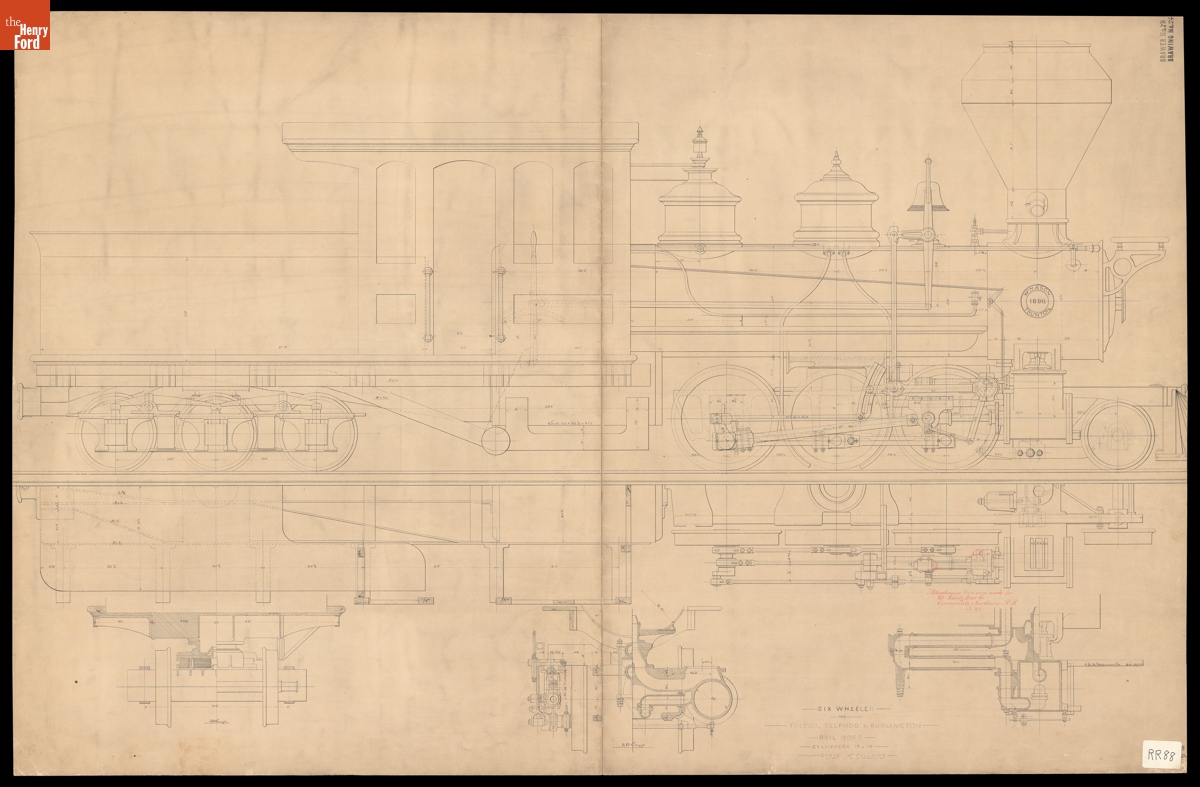
- Six Wheeler, Toledo, Delphos & Burlington Railroad -
- Collections - Artifact
Six Wheeler, Toledo, Delphos & Burlington Railroad
- Tender Frame, 17 x 24 Six Wheel Bogie, Wheeling & Lake Erie Railroad, 1881 -
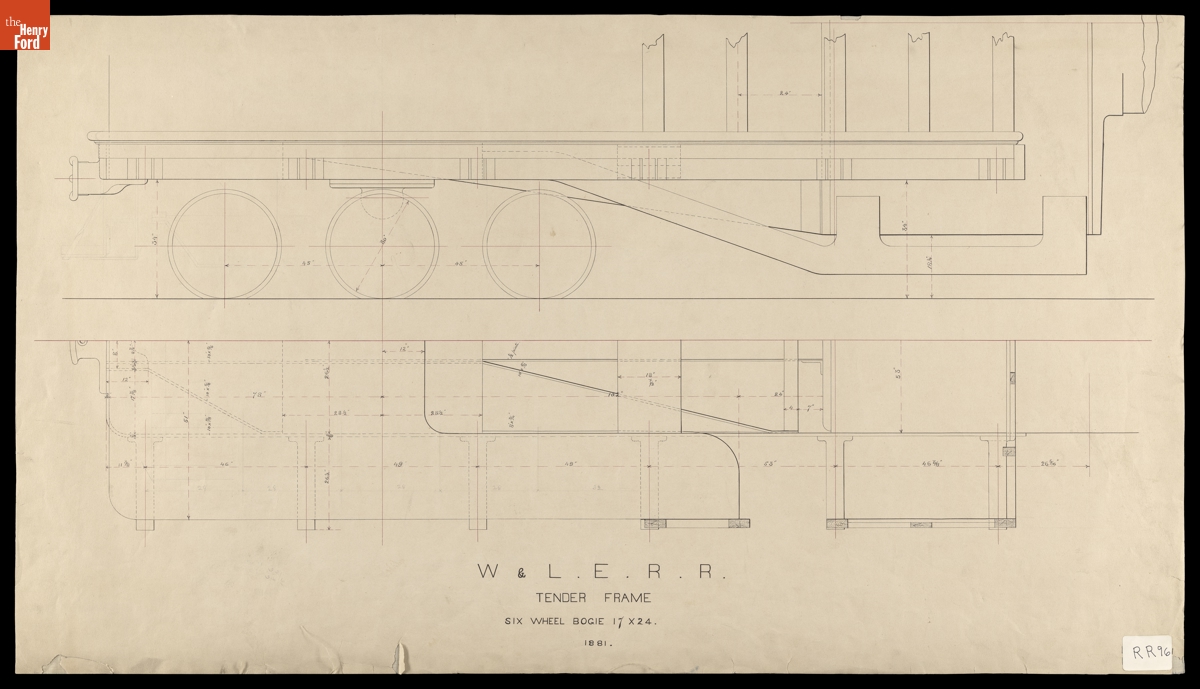
- 1881
- Collections - Artifact
Tender Frame, 17 x 24 Six Wheel Bogie, Wheeling & Lake Erie Railroad, 1881
- Ten-Wheeler Rods, October 1872 -
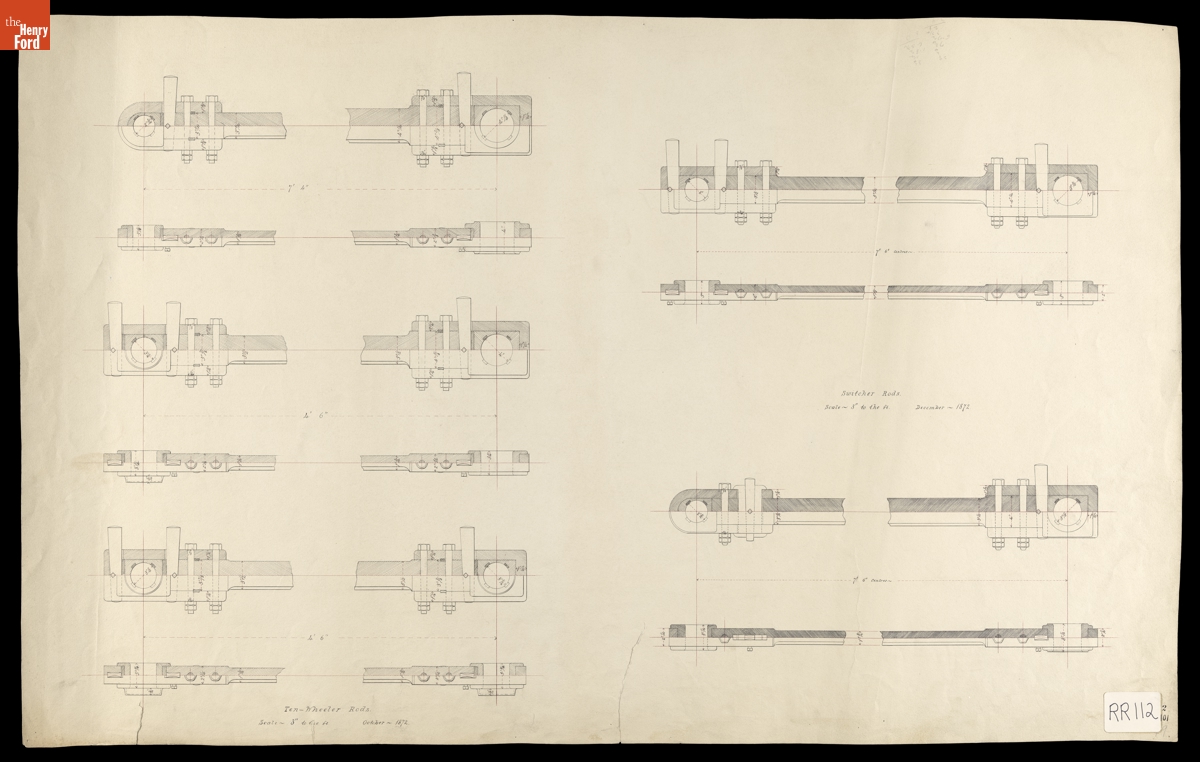
- October 01, 1872
- Collections - Artifact
Ten-Wheeler Rods, October 1872
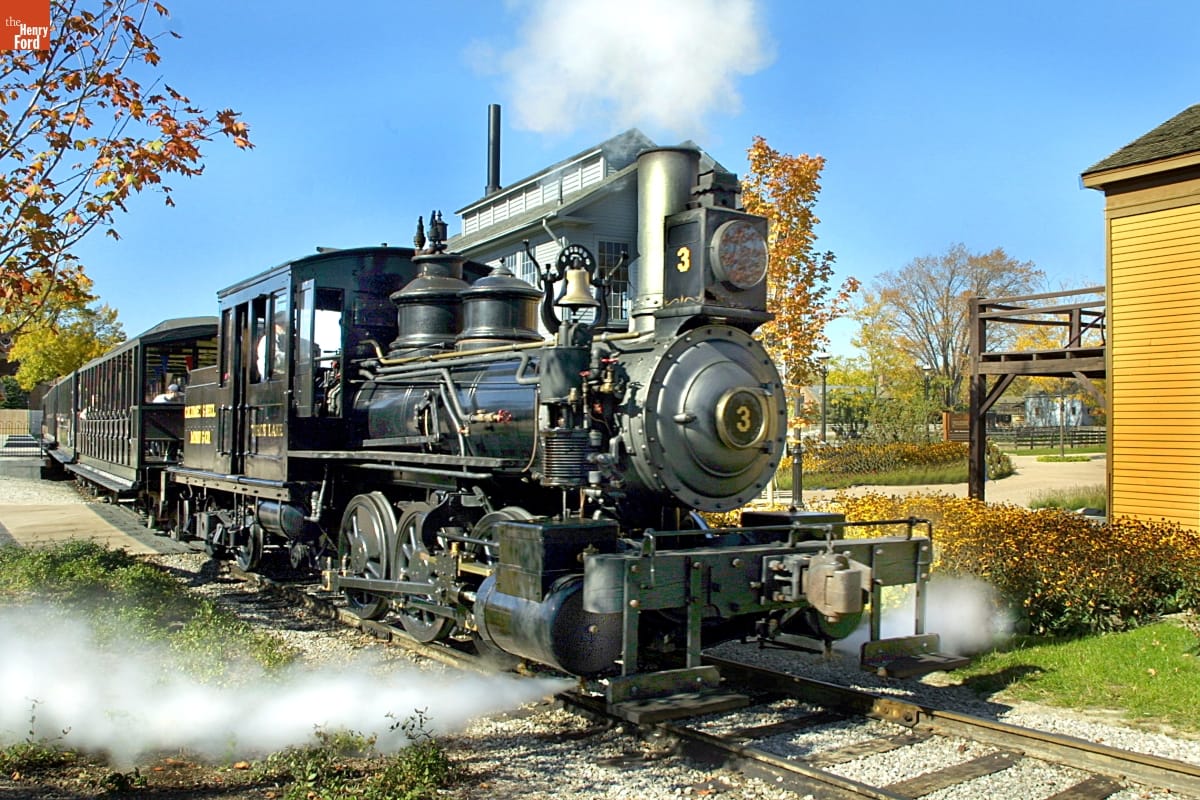
- Torch Lake Steam Locomotive, 1873 - <EM>Torch Lake</EM>, built by Mason Machine Works in 1873, hauled ore for the Calumet and Hecla Mining Company on Michigan's Keweenaw Peninsula. The engine is an articulated design. The driving wheels pivot under the boiler, allowing the locomotive to handle sharp curves. <EM>Torch Lake</EM> joined The Henry Ford's collection in 1969.
- 1873
- Collections - Artifact
Torch Lake Steam Locomotive, 1873
Torch Lake, built by Mason Machine Works in 1873, hauled ore for the Calumet and Hecla Mining Company on Michigan's Keweenaw Peninsula. The engine is an articulated design. The driving wheels pivot under the boiler, allowing the locomotive to handle sharp curves. Torch Lake joined The Henry Ford's collection in 1969.
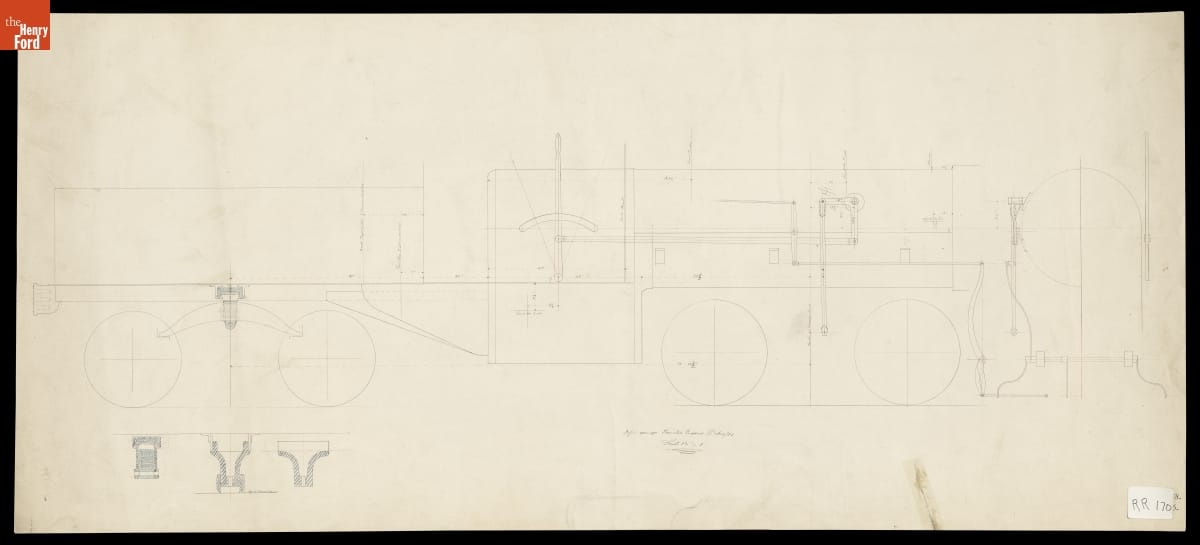
- "3 ft gauge Fairlie Engine Dec/71" - Born in Mystic, Connecticut, in 1808, William Mason designed and built machines for New England's thriving textile industry before joining the locomotive business in 1852. His Mason Machine Works factory in Taunton, Massachusetts, turned out quality locomotives in a variety of gauges for both mainline and industrial railroads. The company ended locomotive production after Mason's death in 1883.
- 1871
- Collections - Artifact
"3 ft gauge Fairlie Engine Dec/71"
Born in Mystic, Connecticut, in 1808, William Mason designed and built machines for New England's thriving textile industry before joining the locomotive business in 1852. His Mason Machine Works factory in Taunton, Massachusetts, turned out quality locomotives in a variety of gauges for both mainline and industrial railroads. The company ended locomotive production after Mason's death in 1883.
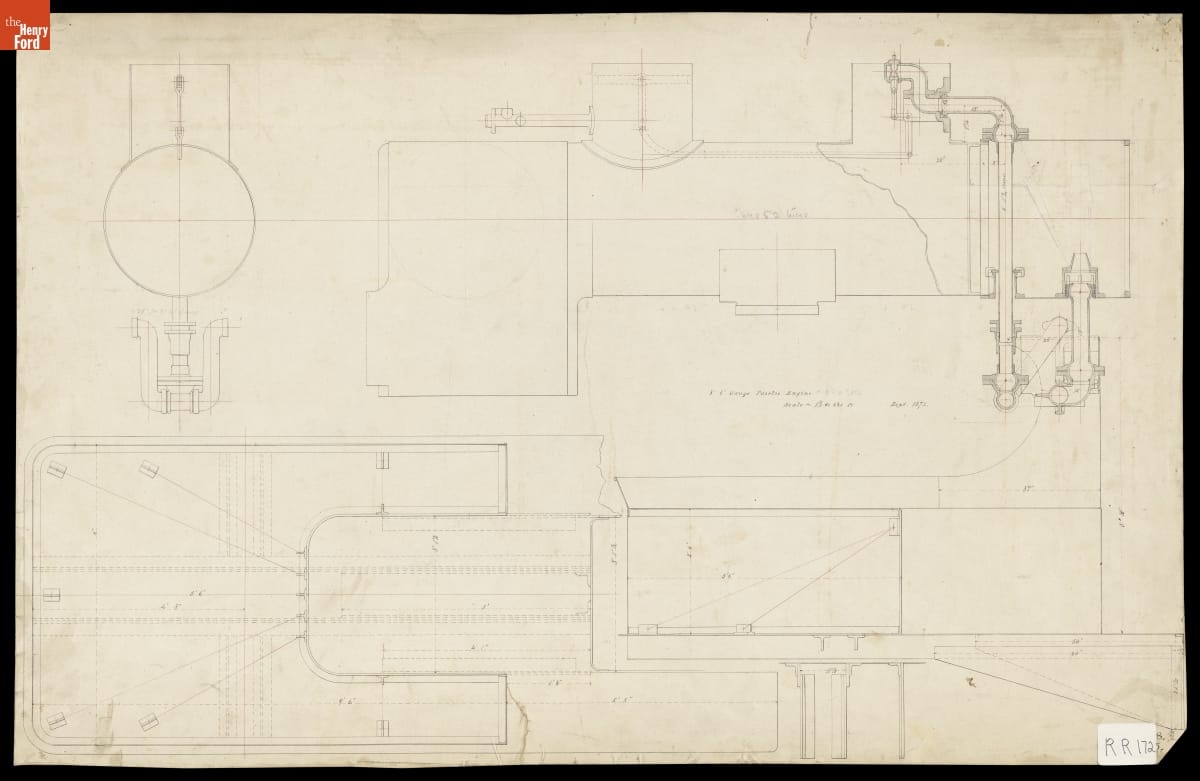
- "3'6" Gauge Fairlie Engine," September 1872 - Born in Mystic, Connecticut, in 1808, William Mason designed and built machines for New England's thriving textile industry before joining the locomotive business in 1852. His Mason Machine Works factory in Taunton, Massachusetts, turned out quality locomotives in a variety of gauges for both mainline and industrial railroads. The company ended locomotive production after Mason's death in 1883.
- 1872
- Collections - Artifact
"3'6" Gauge Fairlie Engine," September 1872
Born in Mystic, Connecticut, in 1808, William Mason designed and built machines for New England's thriving textile industry before joining the locomotive business in 1852. His Mason Machine Works factory in Taunton, Massachusetts, turned out quality locomotives in a variety of gauges for both mainline and industrial railroads. The company ended locomotive production after Mason's death in 1883.
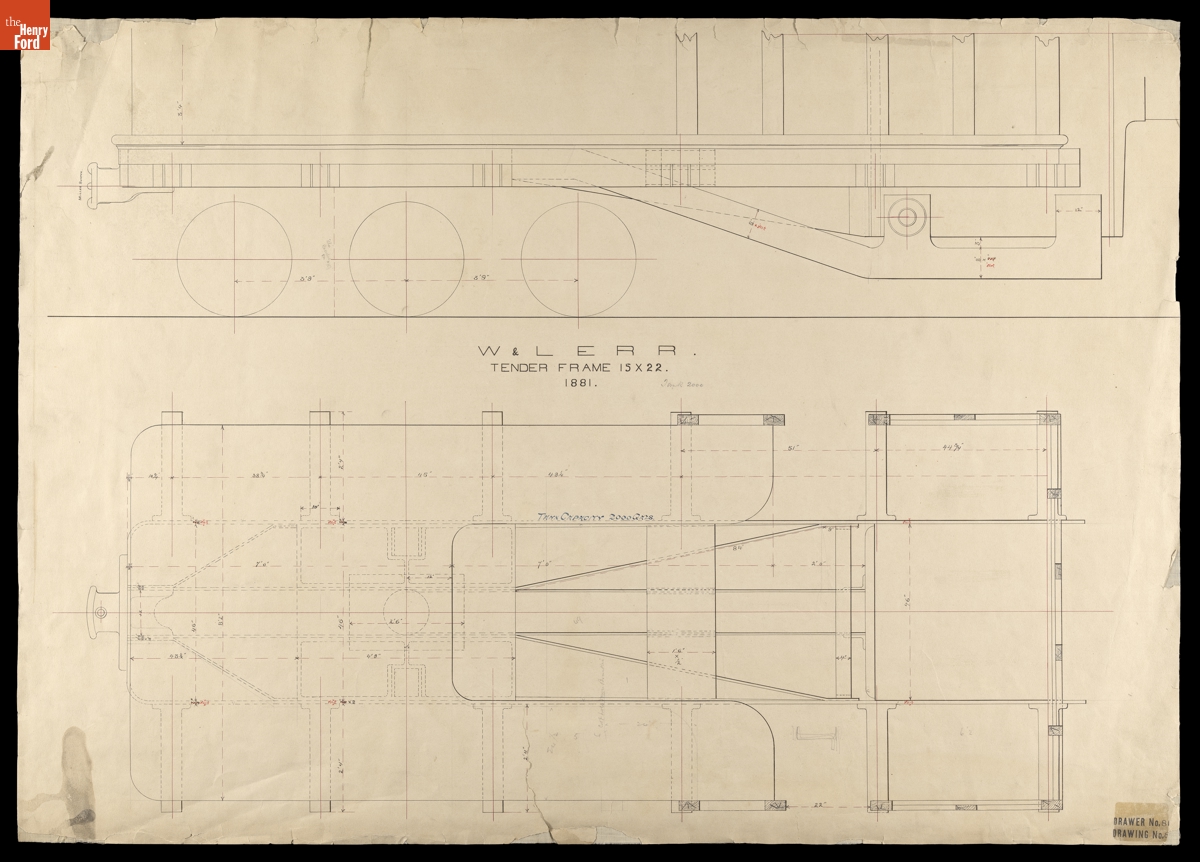
- Tender Frame, Wheeling & Lake Erie Railroad, 1881 -
- 1881
- Collections - Artifact
Tender Frame, Wheeling & Lake Erie Railroad, 1881
- Tank and Tender Frame for Switcher, Wheeling & Lake Erie Railroad, 1882 -
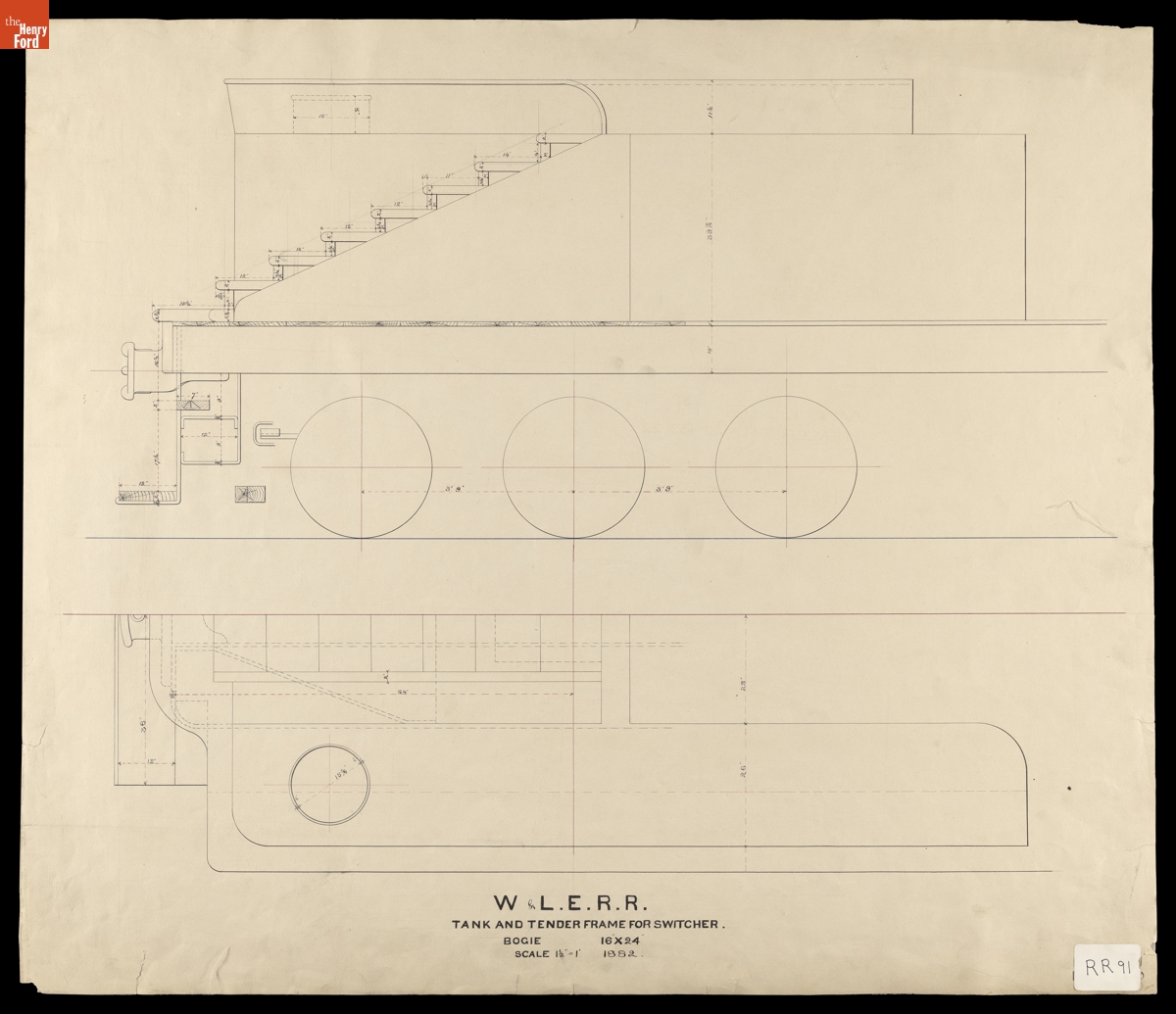
- 1882
- Collections - Artifact
Tank and Tender Frame for Switcher, Wheeling & Lake Erie Railroad, 1882
- Steam Pipes for Six-Wheeled Fairlie Engine, August 1874 -
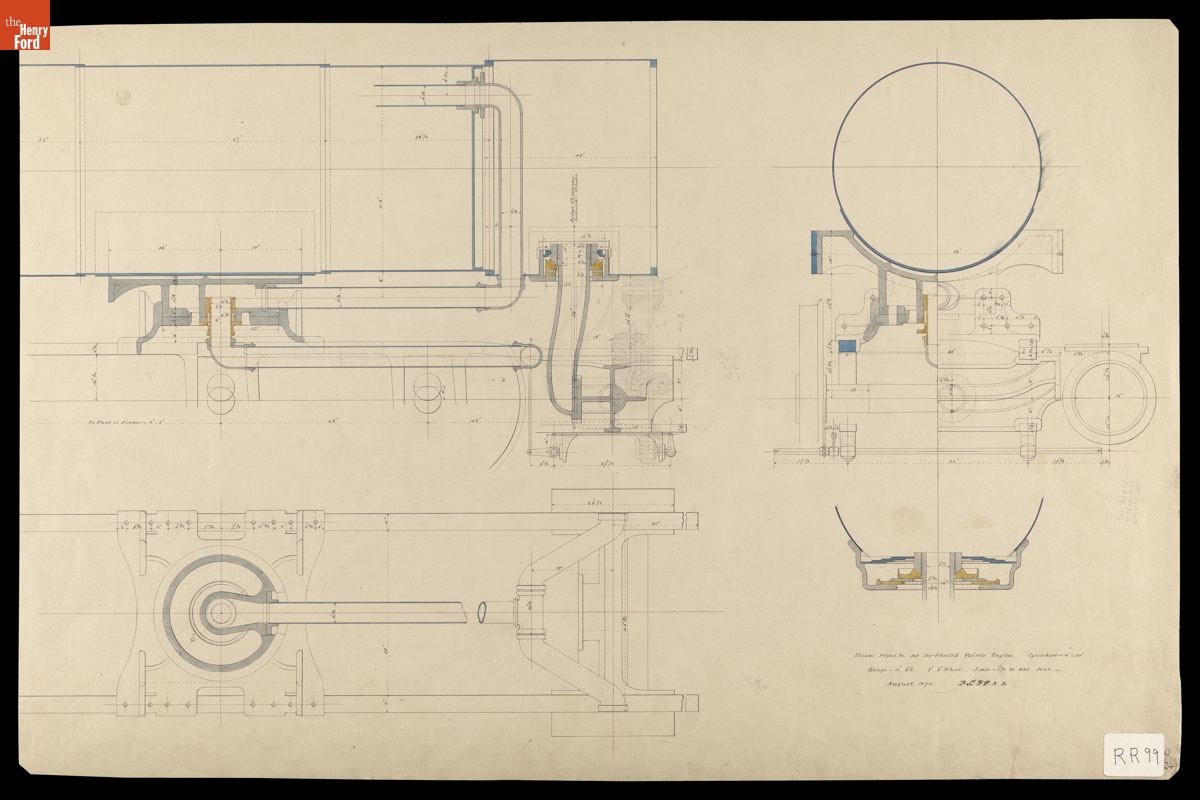
- August 01, 1874
- Collections - Artifact
Steam Pipes for Six-Wheeled Fairlie Engine, August 1874