
Search
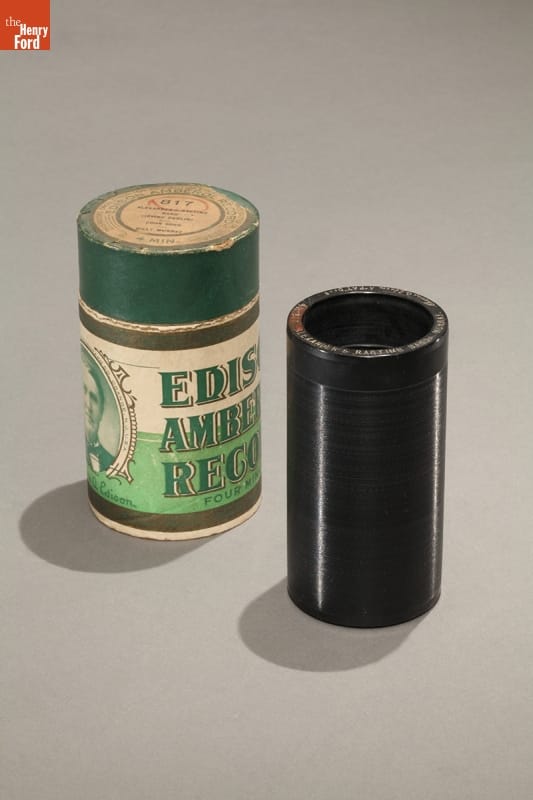
- Edison Amberol Record, "Alexander's Ragtime Band," 1913 - This catchy 1911 tune capitalized on the popularity of ragtime music during the early 20th century. It was composer Irving Berlin's first big hit. The song was recorded by numerous artists over the years, including Billy Murray -- the most popular recording artist at the time. About 1920 the Victor Company stated that, through his recordings, Murray's was likely the most familiar voice in the world!
- 1913
- Collections - Artifact
Edison Amberol Record, "Alexander's Ragtime Band," 1913
This catchy 1911 tune capitalized on the popularity of ragtime music during the early 20th century. It was composer Irving Berlin's first big hit. The song was recorded by numerous artists over the years, including Billy Murray -- the most popular recording artist at the time. About 1920 the Victor Company stated that, through his recordings, Murray's was likely the most familiar voice in the world!
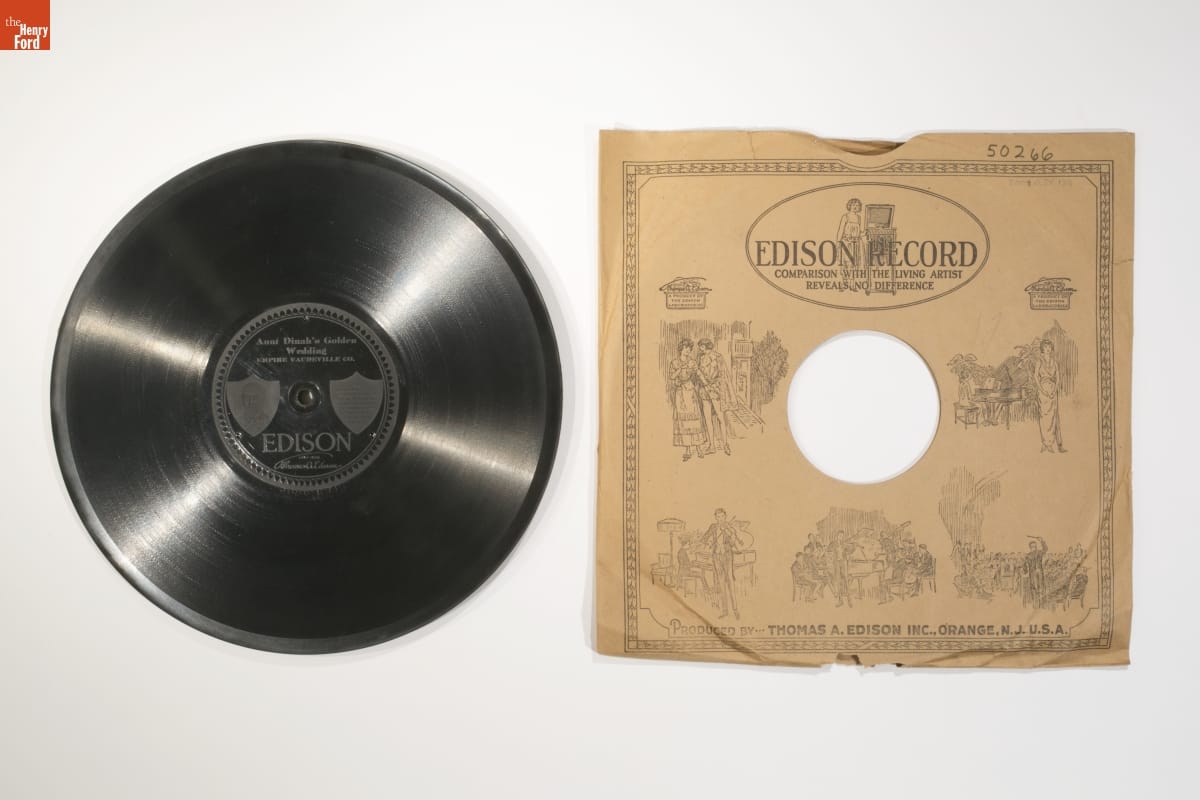
- Edison Diamond Disc Record, "Gasoline Gus and His Jitney Bus" / "Aunt Dinah's Golden Wedding," 1915 - Jitneys were illegal taxis or buses that were not licensed to carry paying passengers. This humorous account of a Jitney driver was performed by Billy Murray, a popular recording artist in the early 20th century. About 1920, the Victor Company stated that, through his recordings, Murray's was likely the most familiar voice in the world!
- June 21, 1915
- Collections - Artifact
Edison Diamond Disc Record, "Gasoline Gus and His Jitney Bus" / "Aunt Dinah's Golden Wedding," 1915
Jitneys were illegal taxis or buses that were not licensed to carry paying passengers. This humorous account of a Jitney driver was performed by Billy Murray, a popular recording artist in the early 20th century. About 1920, the Victor Company stated that, through his recordings, Murray's was likely the most familiar voice in the world!
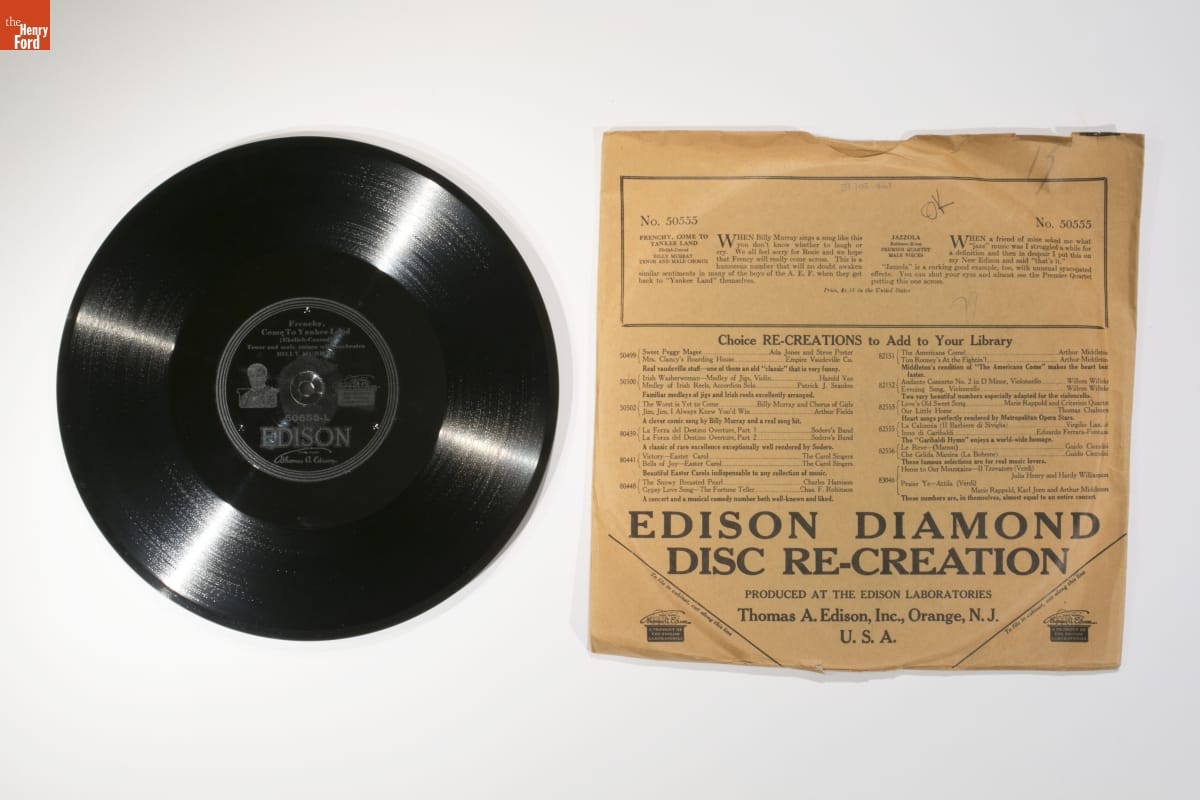
- Edison Diamond Disc Record, "Jazzola" / "Frenchie Come to Yankee Land," 1919 - Jazz was new in the 1910s -- a musical sound different than anything before. Early jazz songs like this one attempted to explain what jazz was all about: "Nobody knows its origination. Jazzola. It's just a dance full of syncopation, and if you crave a new sensation..."
- April 03, 1919
- Collections - Artifact
Edison Diamond Disc Record, "Jazzola" / "Frenchie Come to Yankee Land," 1919
Jazz was new in the 1910s -- a musical sound different than anything before. Early jazz songs like this one attempted to explain what jazz was all about: "Nobody knows its origination. Jazzola. It's just a dance full of syncopation, and if you crave a new sensation..."
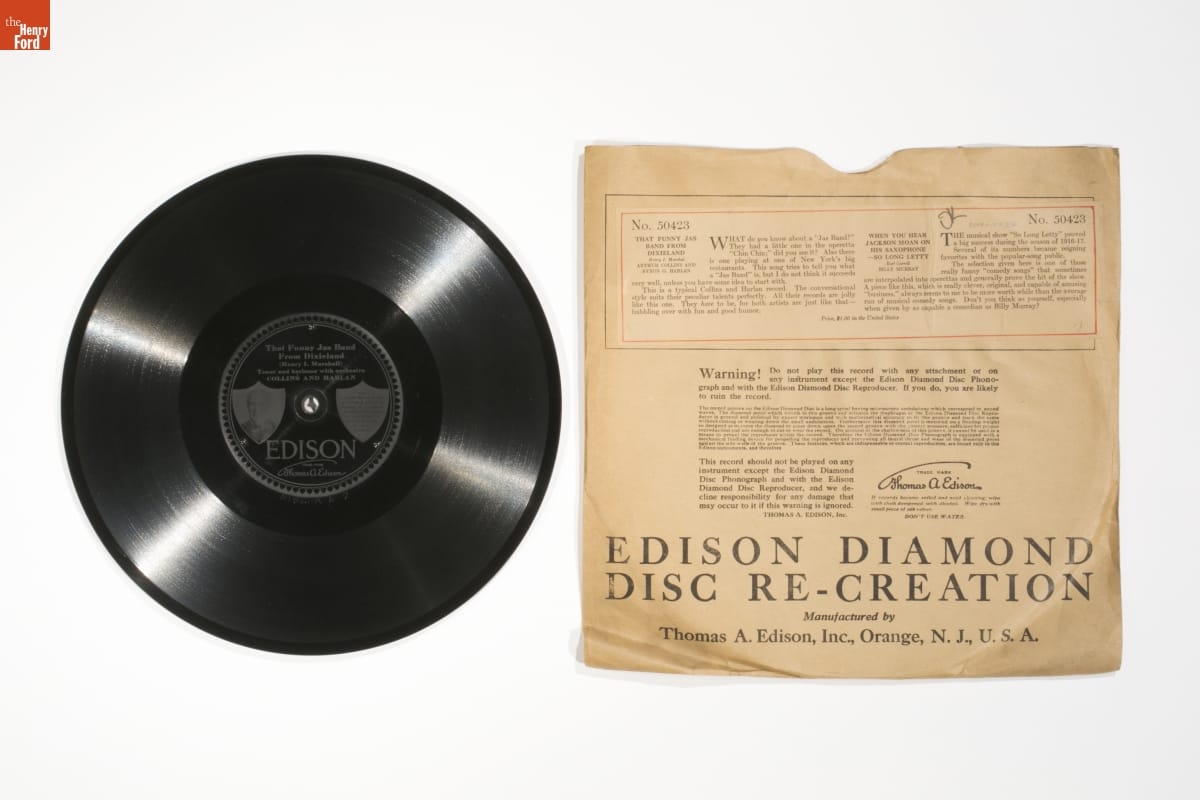
- Edison Diamond Disc Record, "That Funny Jas Band from Dixieland" / "When You Hear Jackson Moan on his Saxophone," 1916 -
- December 01, 1916
- Collections - Artifact
Edison Diamond Disc Record, "That Funny Jas Band from Dixieland" / "When You Hear Jackson Moan on his Saxophone," 1916
- Edison Gold Moulded Cylinder Record, "Bedelia," 1903 -
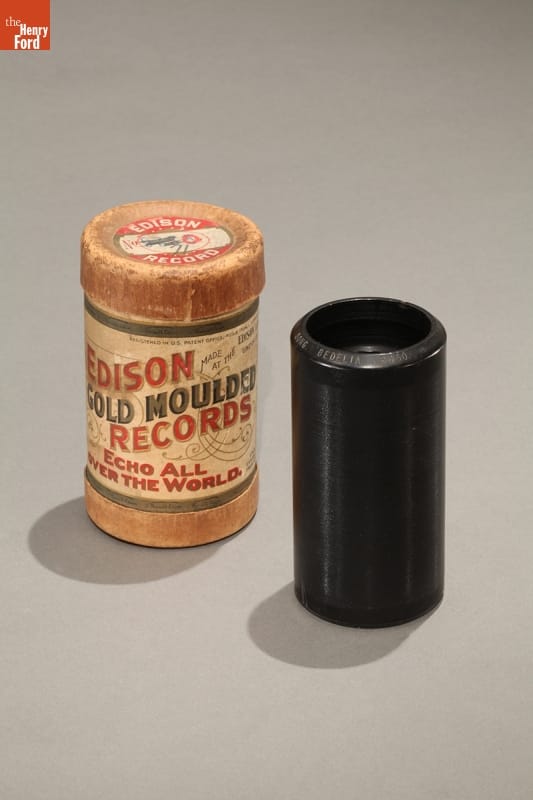
- 1903
- Collections - Artifact
Edison Gold Moulded Cylinder Record, "Bedelia," 1903
- Blue Amberol Cylinder Record, "I'll Take you Back to Italy," 1918 - Immigrants from southern and eastern Europe came to America in great numbers during the late 19th and early 20th century. Songs like this one had great appeal to the many Americans born in foreign lands who missed their homeland, its customs, and the relatives they left behind.
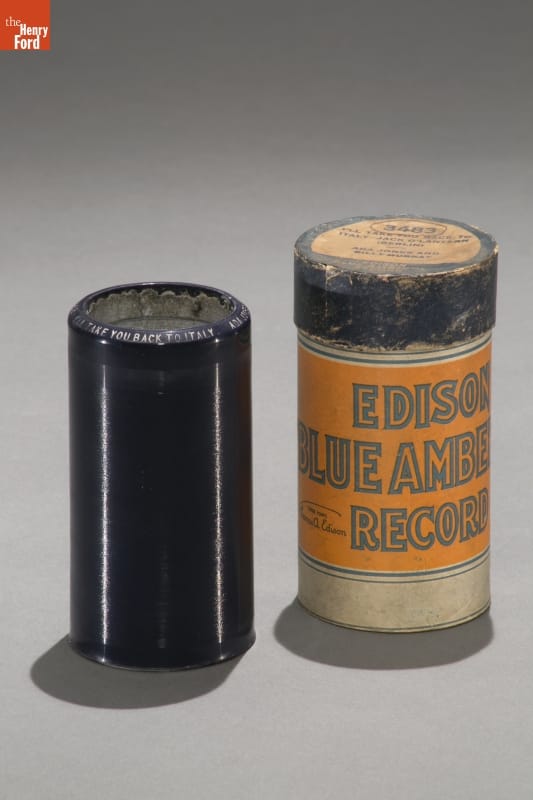
- 1918
- Collections - Artifact
Blue Amberol Cylinder Record, "I'll Take you Back to Italy," 1918
Immigrants from southern and eastern Europe came to America in great numbers during the late 19th and early 20th century. Songs like this one had great appeal to the many Americans born in foreign lands who missed their homeland, its customs, and the relatives they left behind.
- Edison Diamond Disc Record, "Sahara (Soon We'll be Dry as You)" and "You'd be Surprised," 1919 - This comical song protests against Prohibition, a period from 1920 to 1933 when the United States declared the manufacture, sale, and consumption of alcohol illegal. The Sahara Desert is likened to Prohibition in America: "Sahara, Oh Sahara, we'll soon be dry like you."
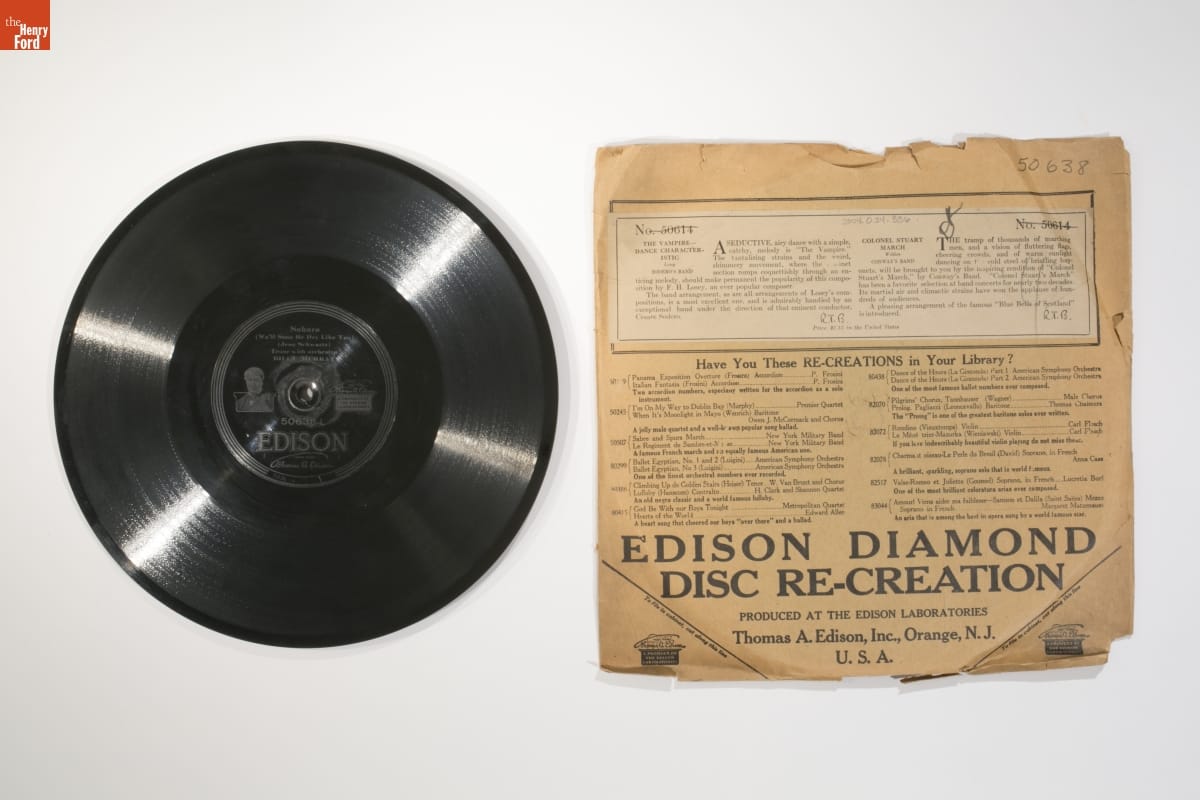
- November 01, 1919
- Collections - Artifact
Edison Diamond Disc Record, "Sahara (Soon We'll be Dry as You)" and "You'd be Surprised," 1919
This comical song protests against Prohibition, a period from 1920 to 1933 when the United States declared the manufacture, sale, and consumption of alcohol illegal. The Sahara Desert is likened to Prohibition in America: "Sahara, Oh Sahara, we'll soon be dry like you."
- Edison Diamond Disc Record, "Ever Since the Movies Learned To Talk (From Whoopee!)" / "A Gay Caballero," 1929 - In the late 1920s, movies with sound were newest thing, as "science now has really revolutionized the screen." While these "talking pictures" delighted movie-going audiences, they proved a challenge for some silent film stars whose careers abruptly ended. While their expressive faces and physical appearance may have worked well in silent films -- their voices didn't match their on-screen appearance!
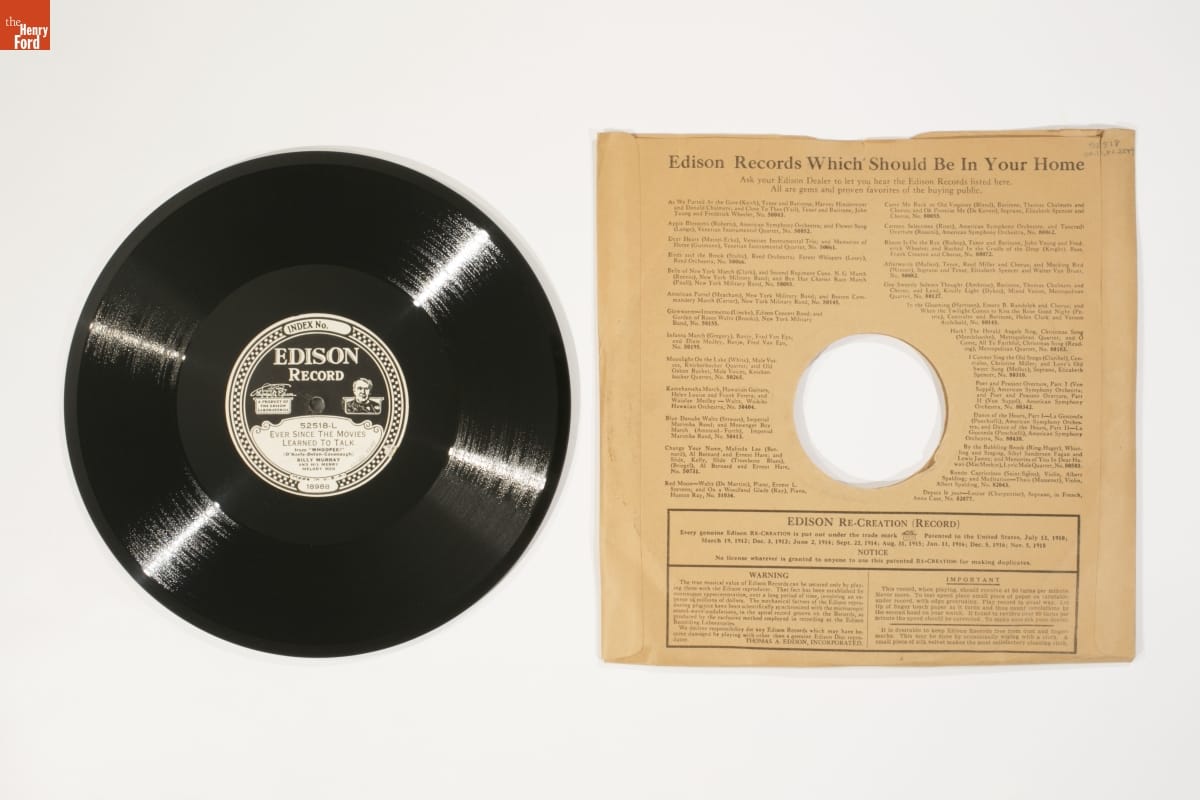
- January 22, 1929
- Collections - Artifact
Edison Diamond Disc Record, "Ever Since the Movies Learned To Talk (From Whoopee!)" / "A Gay Caballero," 1929
In the late 1920s, movies with sound were newest thing, as "science now has really revolutionized the screen." While these "talking pictures" delighted movie-going audiences, they proved a challenge for some silent film stars whose careers abruptly ended. While their expressive faces and physical appearance may have worked well in silent films -- their voices didn't match their on-screen appearance!