
Search
- Kerosene Lamp, 1860-1875 -
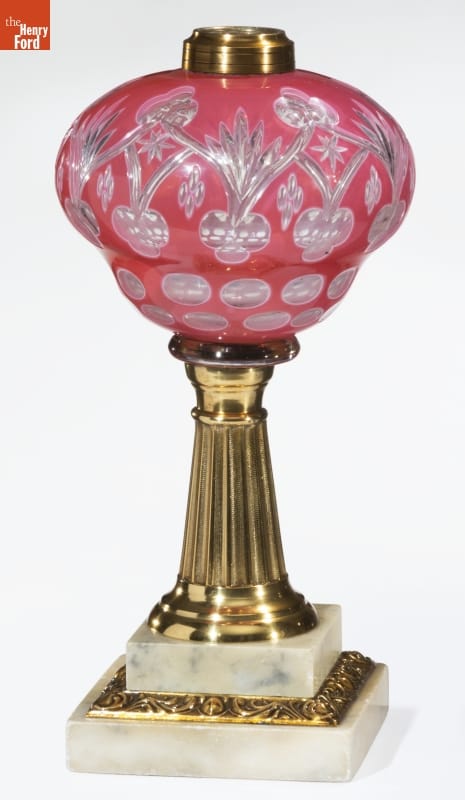
- 1860-1875
- Collections - Artifact
Kerosene Lamp, 1860-1875
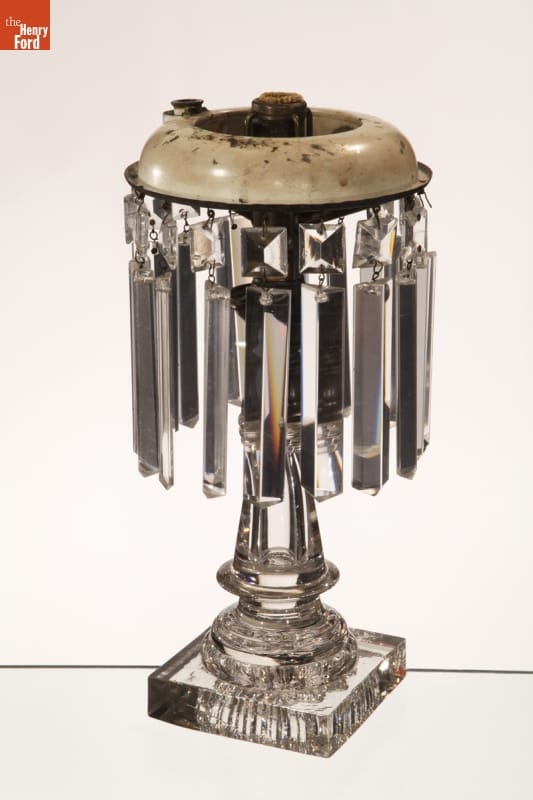
- Sinumbra Lamp, 1830-1845 - Sinumbra lamps provided bright light for reading or sewing. Whale oil was burned efficiently through a hollow wick holder and central draft burner, allowing for complete combustion. The donut shape of the reservoir below the burner provided shadow less light. The hanging prisms, likely added later, created shadows that counteracted the purpose of the lamp.
- 1830-1845
- Collections - Artifact
Sinumbra Lamp, 1830-1845
Sinumbra lamps provided bright light for reading or sewing. Whale oil was burned efficiently through a hollow wick holder and central draft burner, allowing for complete combustion. The donut shape of the reservoir below the burner provided shadow less light. The hanging prisms, likely added later, created shadows that counteracted the purpose of the lamp.
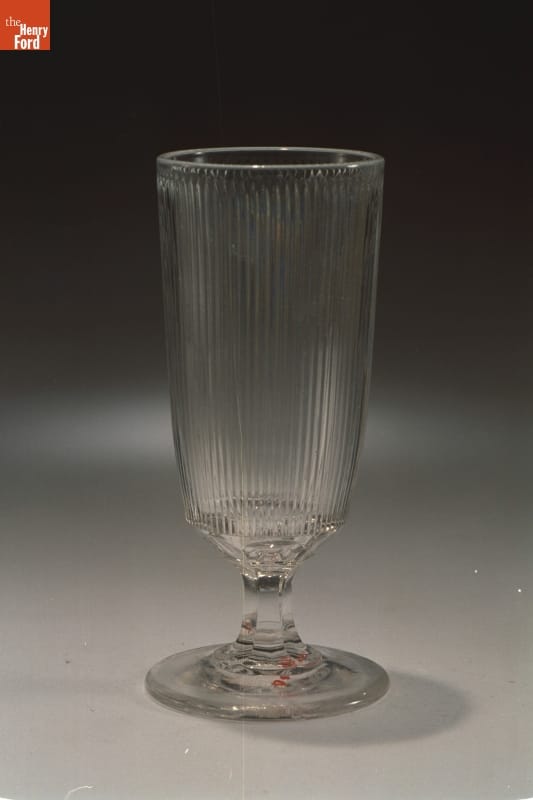
- Ale Glass, 1860-1870 - Nineteenth-century American glassmakers experimented with new methods to create products for a growing consumer market. In the 1820s, pressing glass into metal molds by machine was perfected, and by the mid-1800s, manufacturers were creating a variety of inexpensive pressed glass housewares. America's middle-class consumers could now decorate their homes with attractive glass bowls, creamers, dishes, plates, vases, and other tableware.
- 1860-1870
- Collections - Artifact
Ale Glass, 1860-1870
Nineteenth-century American glassmakers experimented with new methods to create products for a growing consumer market. In the 1820s, pressing glass into metal molds by machine was perfected, and by the mid-1800s, manufacturers were creating a variety of inexpensive pressed glass housewares. America's middle-class consumers could now decorate their homes with attractive glass bowls, creamers, dishes, plates, vases, and other tableware.
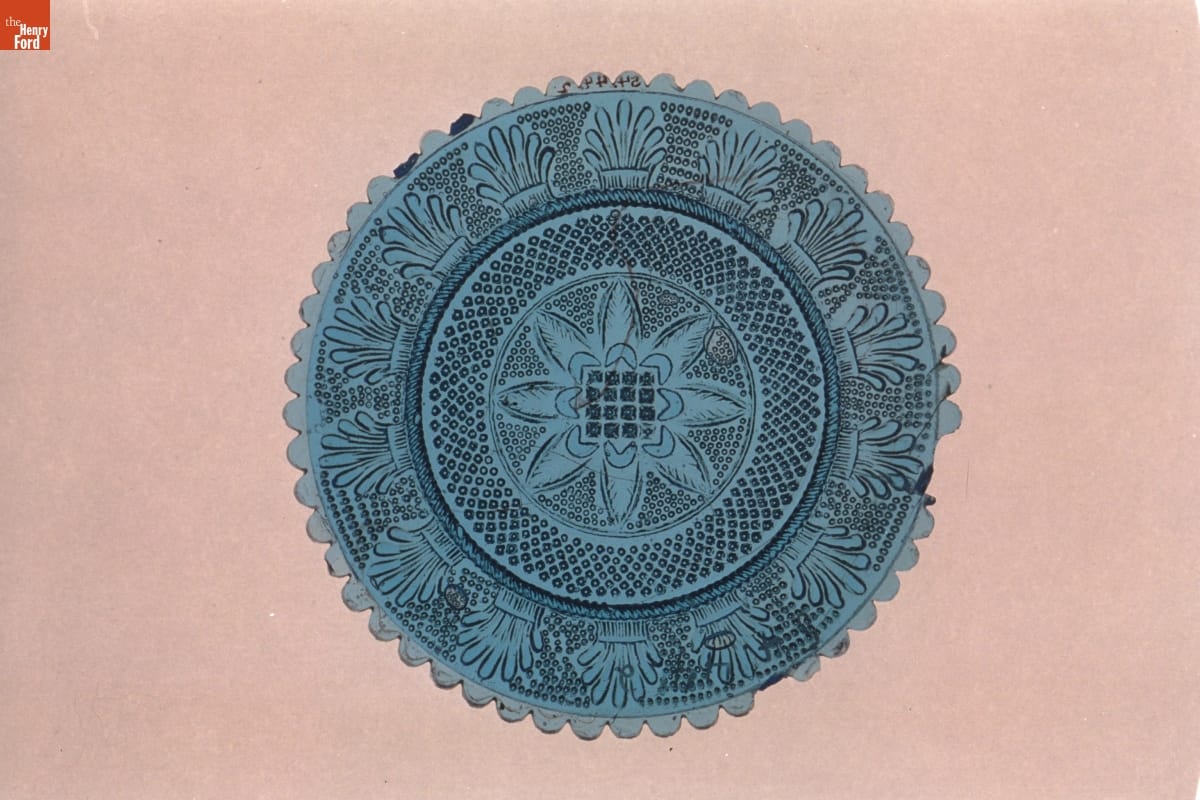
- Cup Plate, 1825-1860 - Americans in the early 19th century poured hot tea into their saucers to cool -- leaving the staining liquid around the teacup's base. Hostesses would provide guests with cup plates to prevent damage to tablecloths and wood. Pressed glass cup plates were popular from the 1820s to the 1860s. Pressed designs varied from purely decorative to images of famous men, places and events.
- 1825-1860
- Collections - Artifact
Cup Plate, 1825-1860
Americans in the early 19th century poured hot tea into their saucers to cool -- leaving the staining liquid around the teacup's base. Hostesses would provide guests with cup plates to prevent damage to tablecloths and wood. Pressed glass cup plates were popular from the 1820s to the 1860s. Pressed designs varied from purely decorative to images of famous men, places and events.
- Paperweight, circa 1850 -
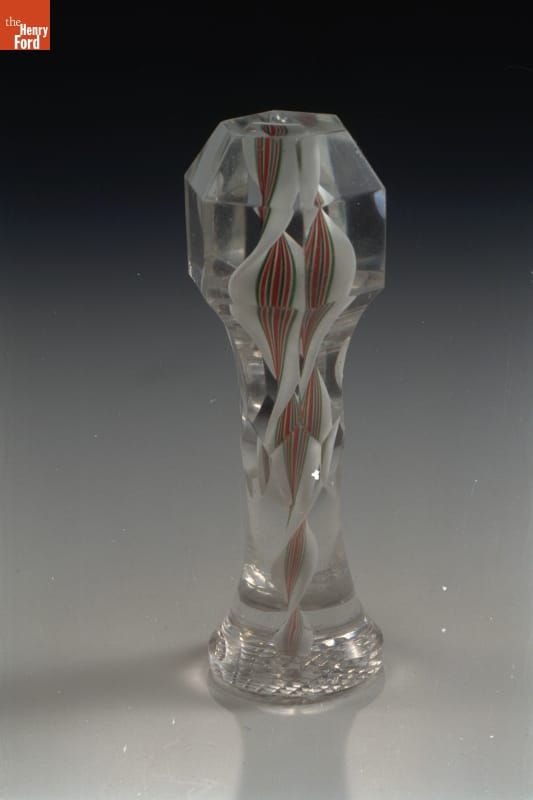
- circa 1850
- Collections - Artifact
Paperweight, circa 1850
- Paperweight, 1840-1850 -
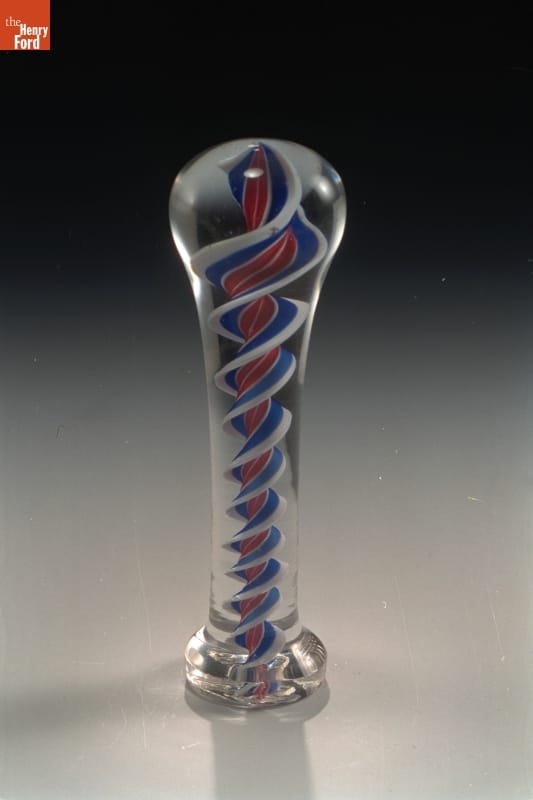
- 1840-1850
- Collections - Artifact
Paperweight, 1840-1850
- Pomona Tumbler, 1885-1888 - Art Glass is ornamental and decorative glass dating from the mid-to-late 19th century through the early 20th century. Makers of Art Glass employed newly developed technologies for producing vibrant colors and surface textures. This is most famously seen in the iridescent surfaces of Louis Comfort Tiffany and his contemporaries, although Art Glass took many shapes and forms.
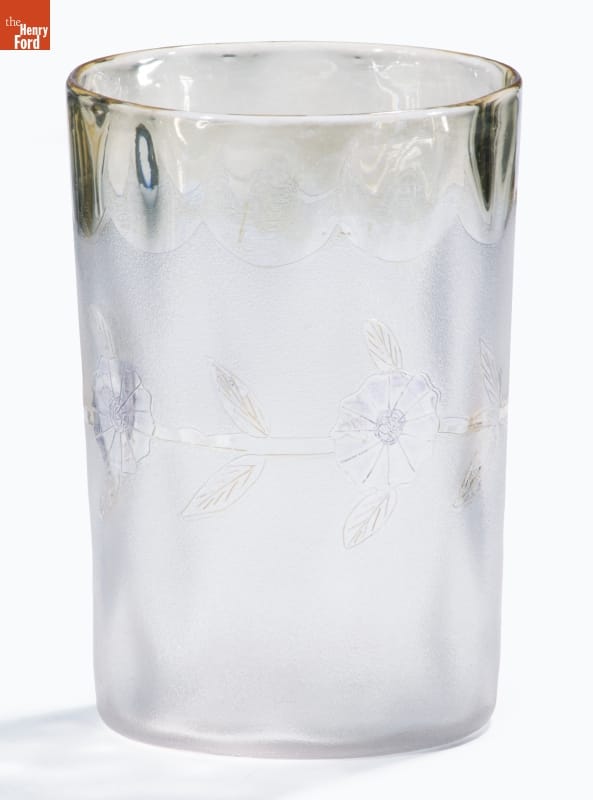
- 1885-1888
- Collections - Artifact
Pomona Tumbler, 1885-1888
Art Glass is ornamental and decorative glass dating from the mid-to-late 19th century through the early 20th century. Makers of Art Glass employed newly developed technologies for producing vibrant colors and surface textures. This is most famously seen in the iridescent surfaces of Louis Comfort Tiffany and his contemporaries, although Art Glass took many shapes and forms.
- Amberina Vase, 1883-1890 - Art Glass is ornamental and decorative glass dating from the mid-to-late 19th century through the early 20th century. Makers of Art Glass employed newly developed technologies for producing vibrant colors and surface textures. This is most famously seen in the iridescent surfaces of Louis Comfort Tiffany and his contemporaries, although Art Glass took many shapes and forms.
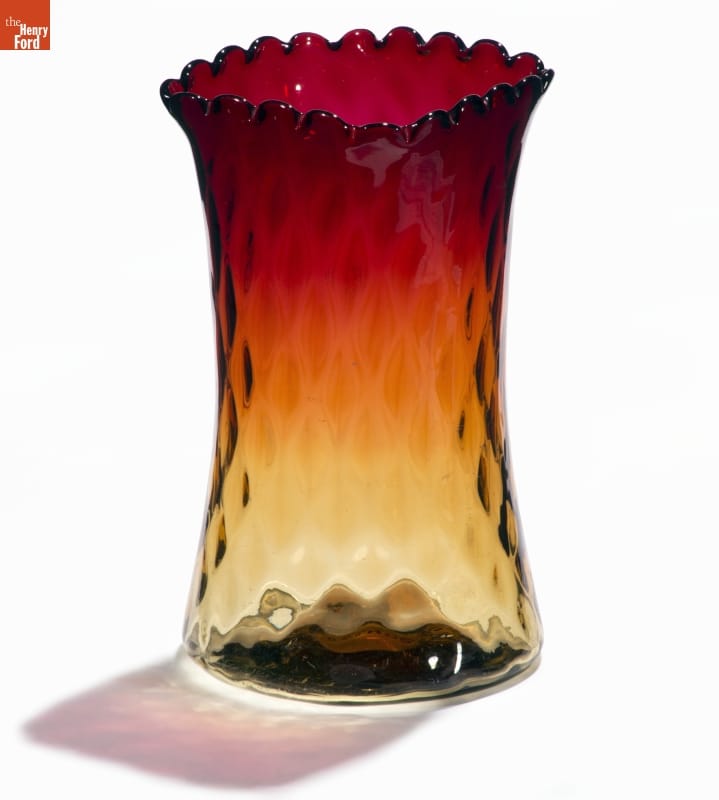
- 1883-1890
- Collections - Artifact
Amberina Vase, 1883-1890
Art Glass is ornamental and decorative glass dating from the mid-to-late 19th century through the early 20th century. Makers of Art Glass employed newly developed technologies for producing vibrant colors and surface textures. This is most famously seen in the iridescent surfaces of Louis Comfort Tiffany and his contemporaries, although Art Glass took many shapes and forms.
- Decanter, 1818-1830 -
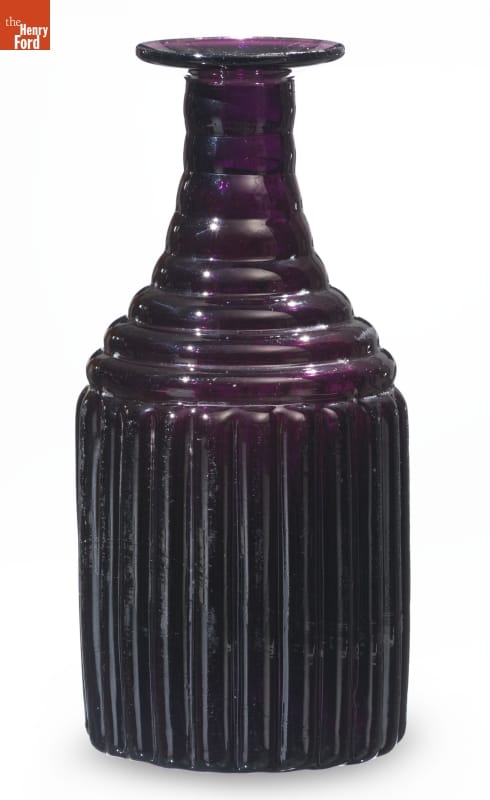
- 1818-1830
- Collections - Artifact
Decanter, 1818-1830
- Finial, Presented to Thomas Leighton of New England Glass Company, 1846-1849 -
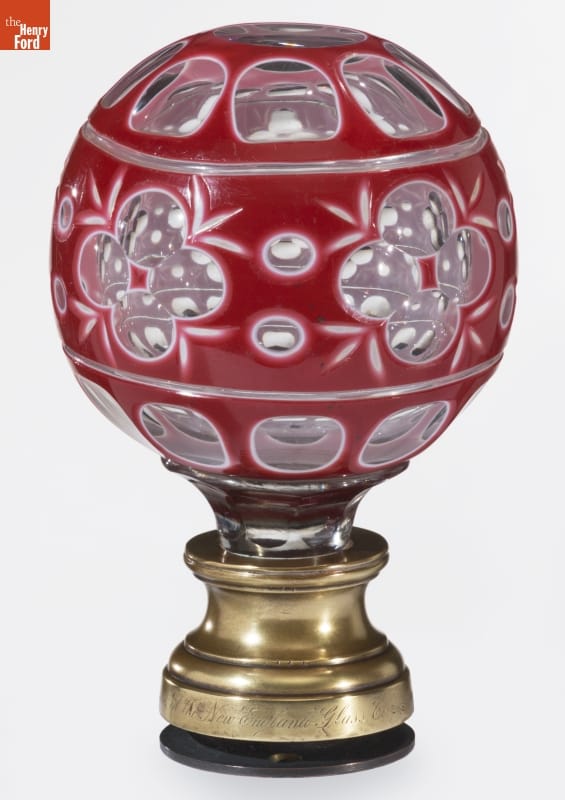
- 1846-1849
- Collections - Artifact
Finial, Presented to Thomas Leighton of New England Glass Company, 1846-1849