
Search
- Collier's, Volume XL, January 4-June 27, 1908 -
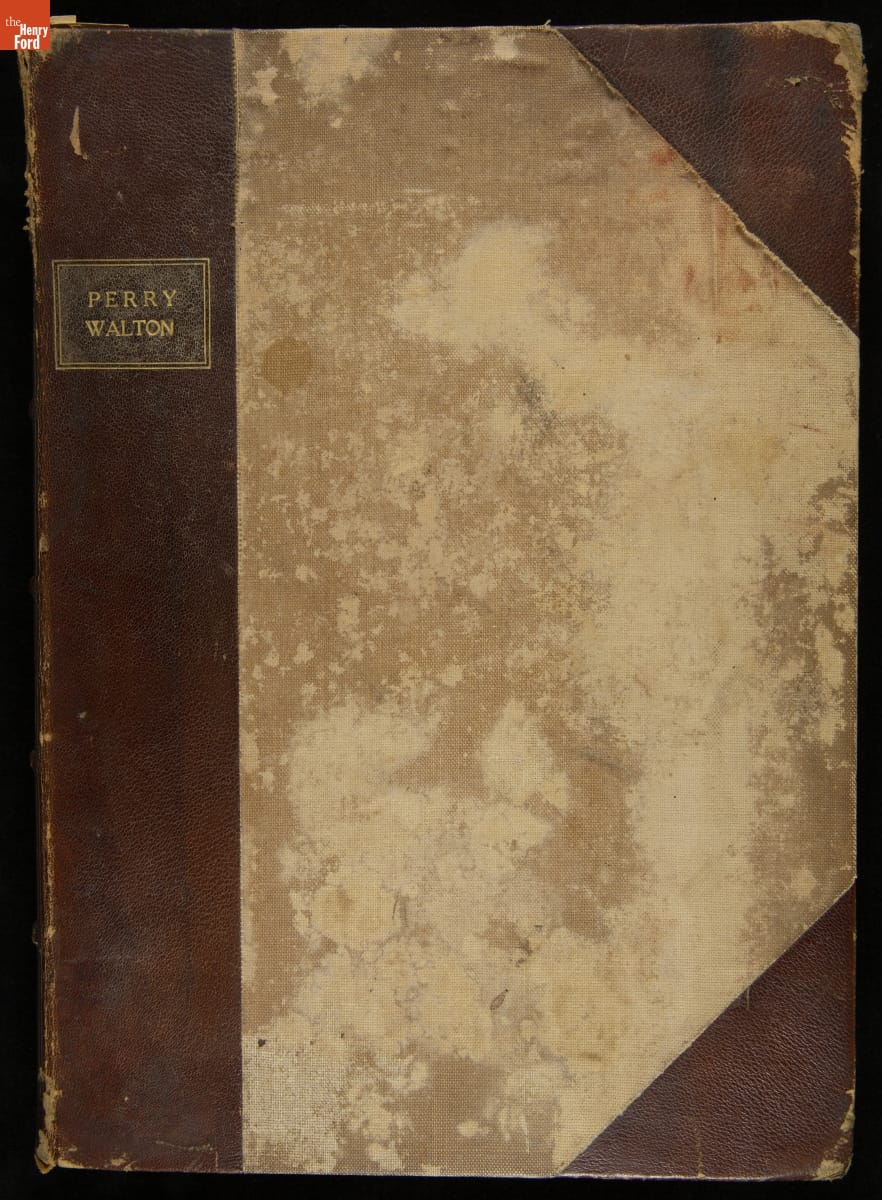
- 04 January 1908-27 June 1908
- Collections - Artifact
Collier's, Volume XL, January 4-June 27, 1908
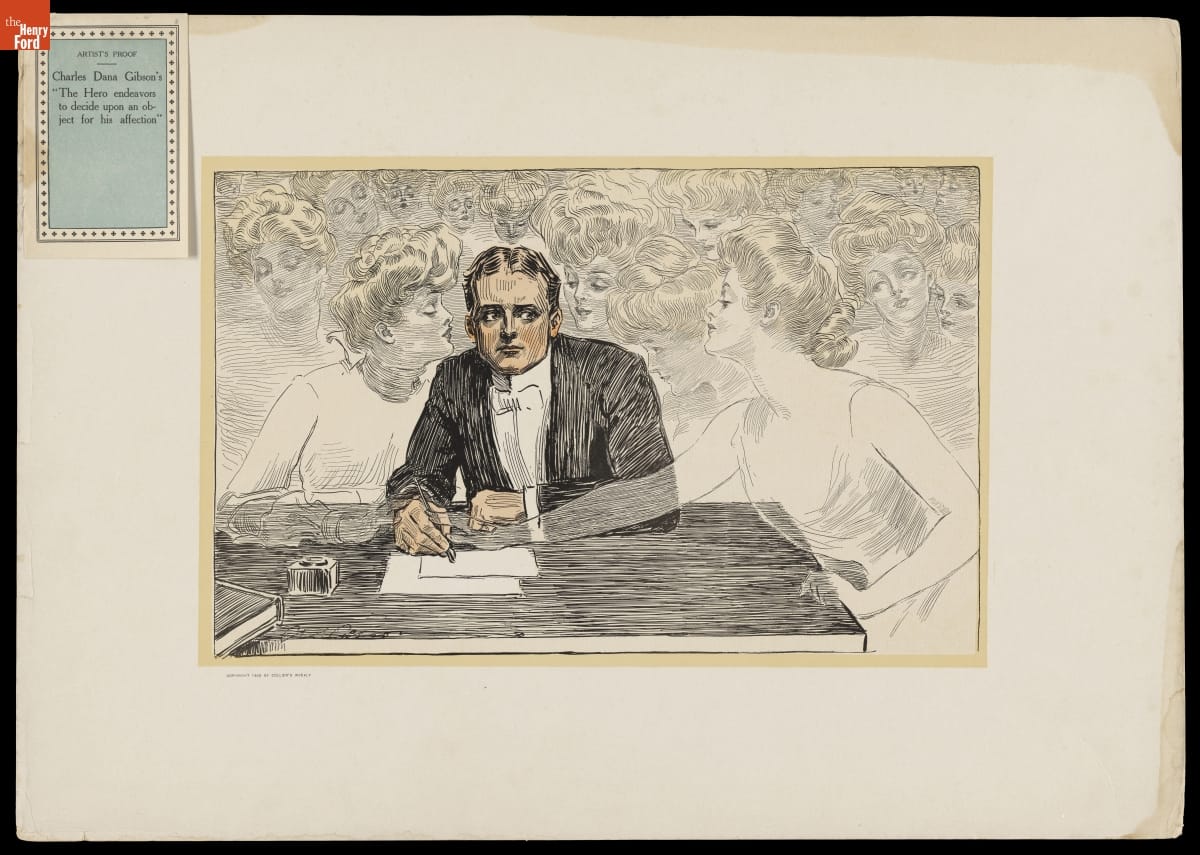
- Engraving, "Hero Endeavors to Decide...," 1903 - Charles Dana Gibson's illustrations of beautiful, independent young women reflected and helped define a new ideal of American femininity in the 1890s and early 1900s. These popular images, known collectively as "the Gibson Girl," became a cultural phenomenon referenced in fashion and entertainment. A powerful marketing tool, the widely imitated Gibson Girl proliferated in advertisements and on product packaging.
- 1903
- Collections - Artifact
Engraving, "Hero Endeavors to Decide...," 1903
Charles Dana Gibson's illustrations of beautiful, independent young women reflected and helped define a new ideal of American femininity in the 1890s and early 1900s. These popular images, known collectively as "the Gibson Girl," became a cultural phenomenon referenced in fashion and entertainment. A powerful marketing tool, the widely imitated Gibson Girl proliferated in advertisements and on product packaging.
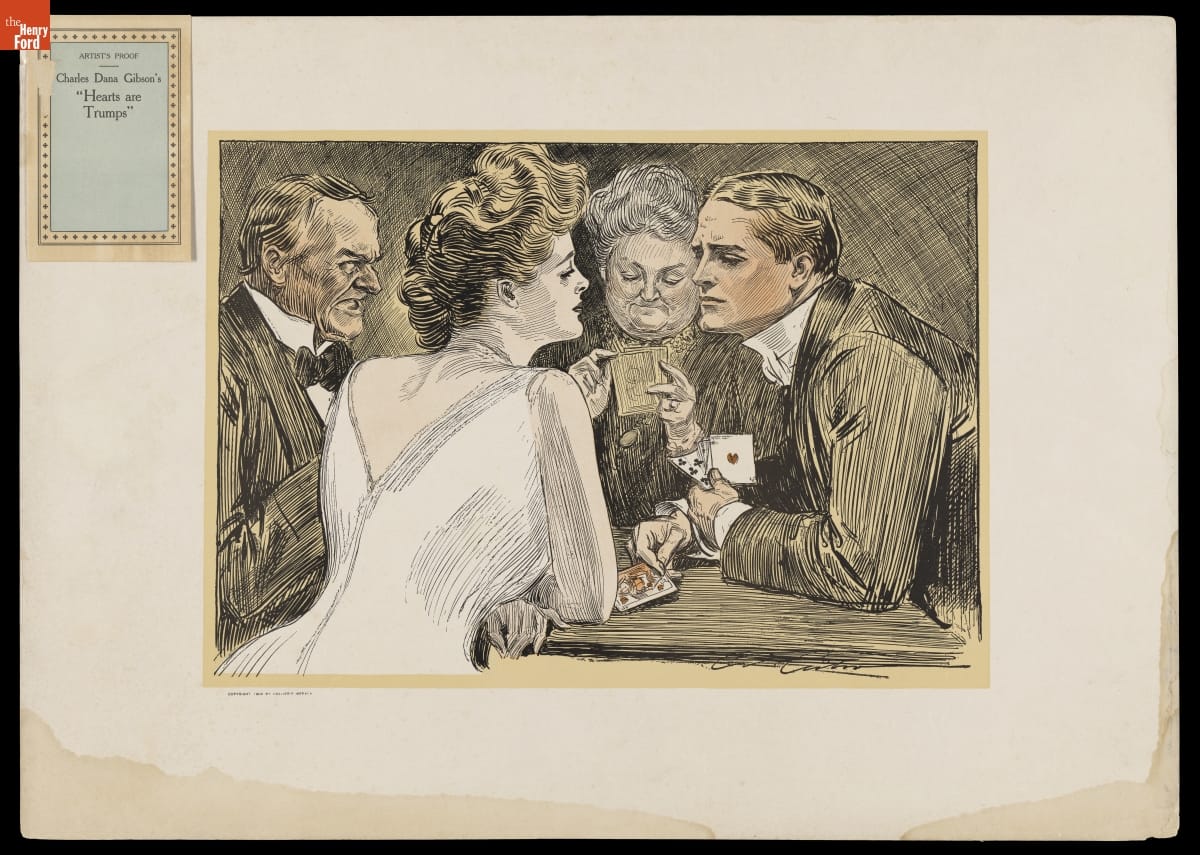
- Engraving, "Hearts are Trumps," 1903 - Charles Dana Gibson's illustrations of beautiful, independent young women reflected and helped define a new ideal of American femininity in the 1890s and early 1900s. These popular images, known collectively as "the Gibson Girl," became a cultural phenomenon referenced in fashion and entertainment. A powerful marketing tool, the widely imitated Gibson Girl proliferated in advertisements and on product packaging.
- 1903
- Collections - Artifact
Engraving, "Hearts are Trumps," 1903
Charles Dana Gibson's illustrations of beautiful, independent young women reflected and helped define a new ideal of American femininity in the 1890s and early 1900s. These popular images, known collectively as "the Gibson Girl," became a cultural phenomenon referenced in fashion and entertainment. A powerful marketing tool, the widely imitated Gibson Girl proliferated in advertisements and on product packaging.
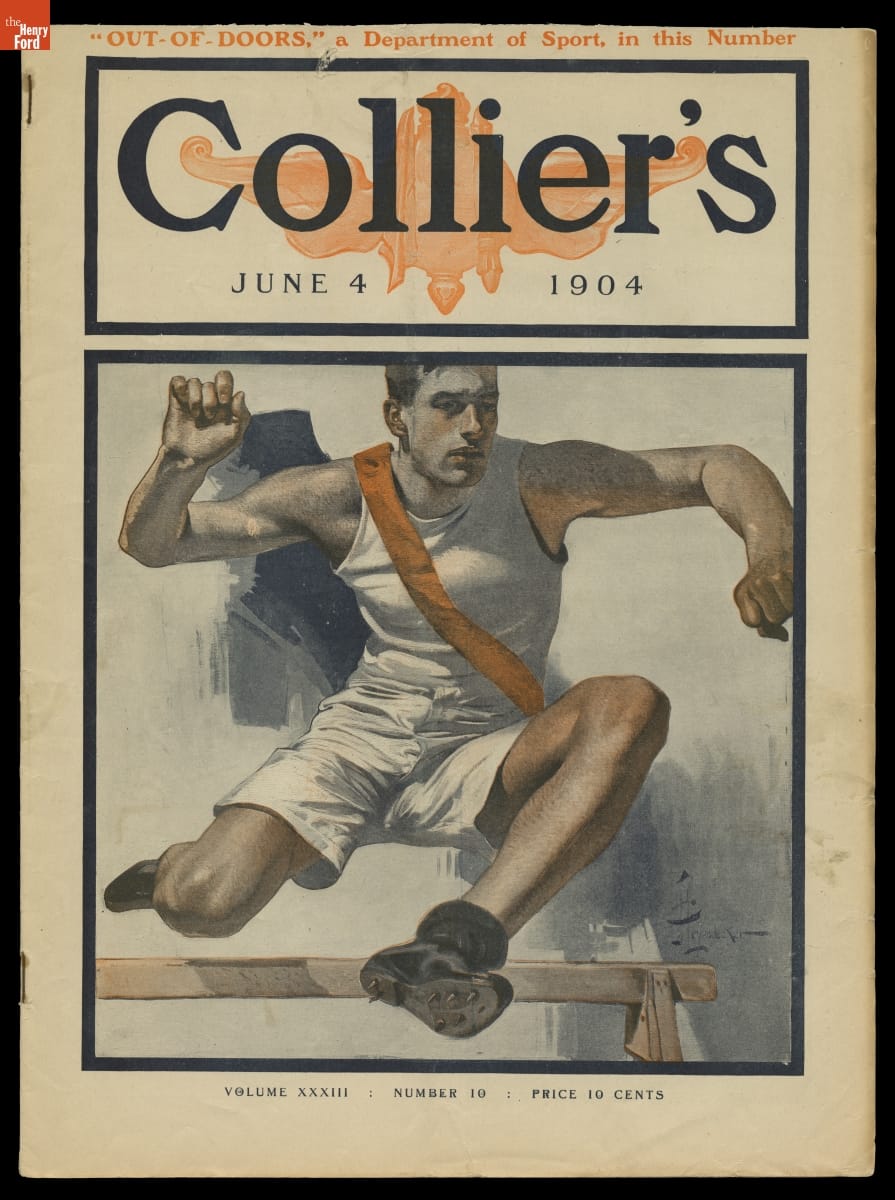
- Collier's, Vol. 33, No. 10, June 4, 1904 - J.C. Leyendecker (1874-1951) completed more than 500 magazine cover illustrations over the course of his career. His early covers related to stories printed within -- this one illustrated the first of a <em>Collier's</em> series highlighting outdoor sports and leisure -- but Leyendecker was soon given license to create covers around general themes of his choosing. His imaginative illustrations became favorites among readers.
- June 04, 1904
- Collections - Artifact
Collier's, Vol. 33, No. 10, June 4, 1904
J.C. Leyendecker (1874-1951) completed more than 500 magazine cover illustrations over the course of his career. His early covers related to stories printed within -- this one illustrated the first of a Collier's series highlighting outdoor sports and leisure -- but Leyendecker was soon given license to create covers around general themes of his choosing. His imaginative illustrations became favorites among readers.
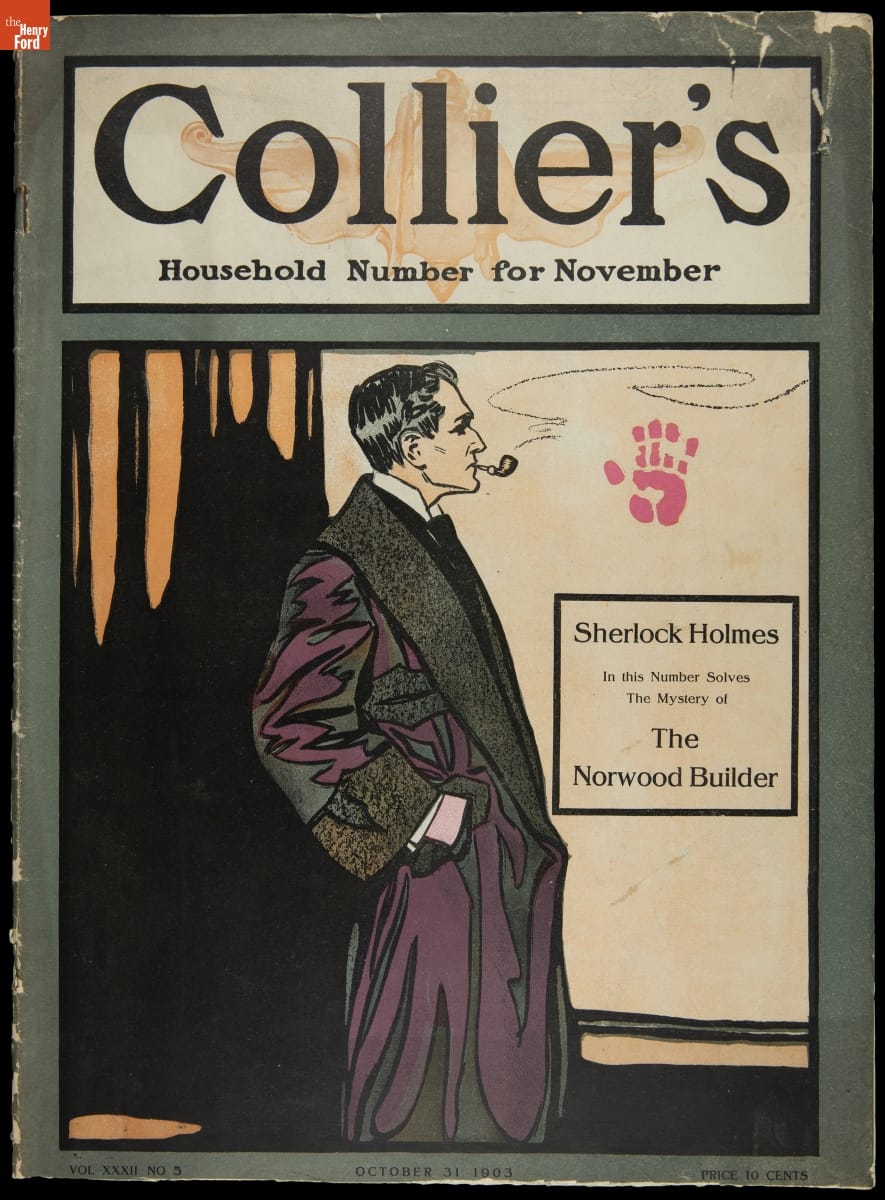
- "Collier's," October 3, 1903 - Created by Peter F. Collier, <em>Collier's</em> was an American weekly magazine published from 1888 to 1957 that would become known for its investigative journalism.<em> Collier's</em> published Sir Arthur Conan Doyle's Sherlock Holmes stories for an American audience, beginning with the character's return in 1903. American illustrator Frederick Door Steele created several covers featuring the famed detective.
- October 03, 1903
- Collections - Artifact
"Collier's," October 3, 1903
Created by Peter F. Collier, Collier's was an American weekly magazine published from 1888 to 1957 that would become known for its investigative journalism. Collier's published Sir Arthur Conan Doyle's Sherlock Holmes stories for an American audience, beginning with the character's return in 1903. American illustrator Frederick Door Steele created several covers featuring the famed detective.