
Search
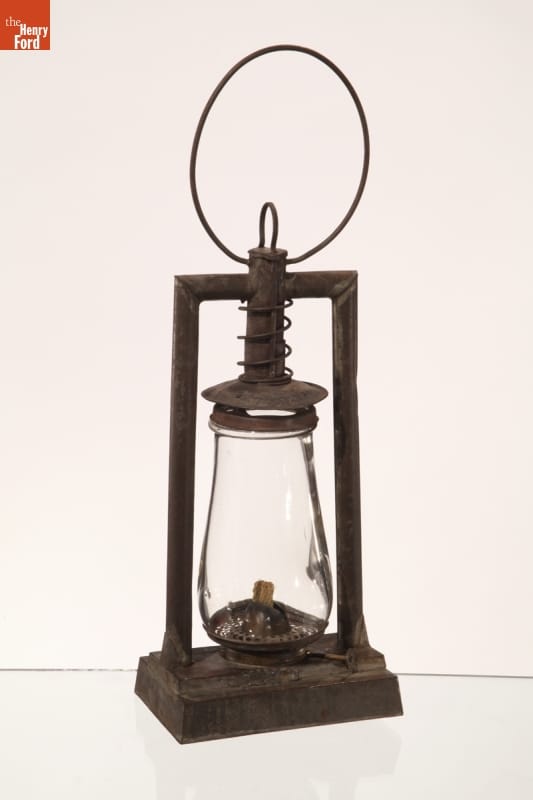
- Kerosene Lantern, circa 1875 - "Hot Glass Lanterns" were a type of kerosene lantern used in a barn or agriculture setting. They get their name because as they burn, the air is reused and drawn back into the flame. An early form of a Dietz brand kerosene lantern, it was illustrated in their 1874 catalogue.
- circa 1875
- Collections - Artifact
Kerosene Lantern, circa 1875
"Hot Glass Lanterns" were a type of kerosene lantern used in a barn or agriculture setting. They get their name because as they burn, the air is reused and drawn back into the flame. An early form of a Dietz brand kerosene lantern, it was illustrated in their 1874 catalogue.
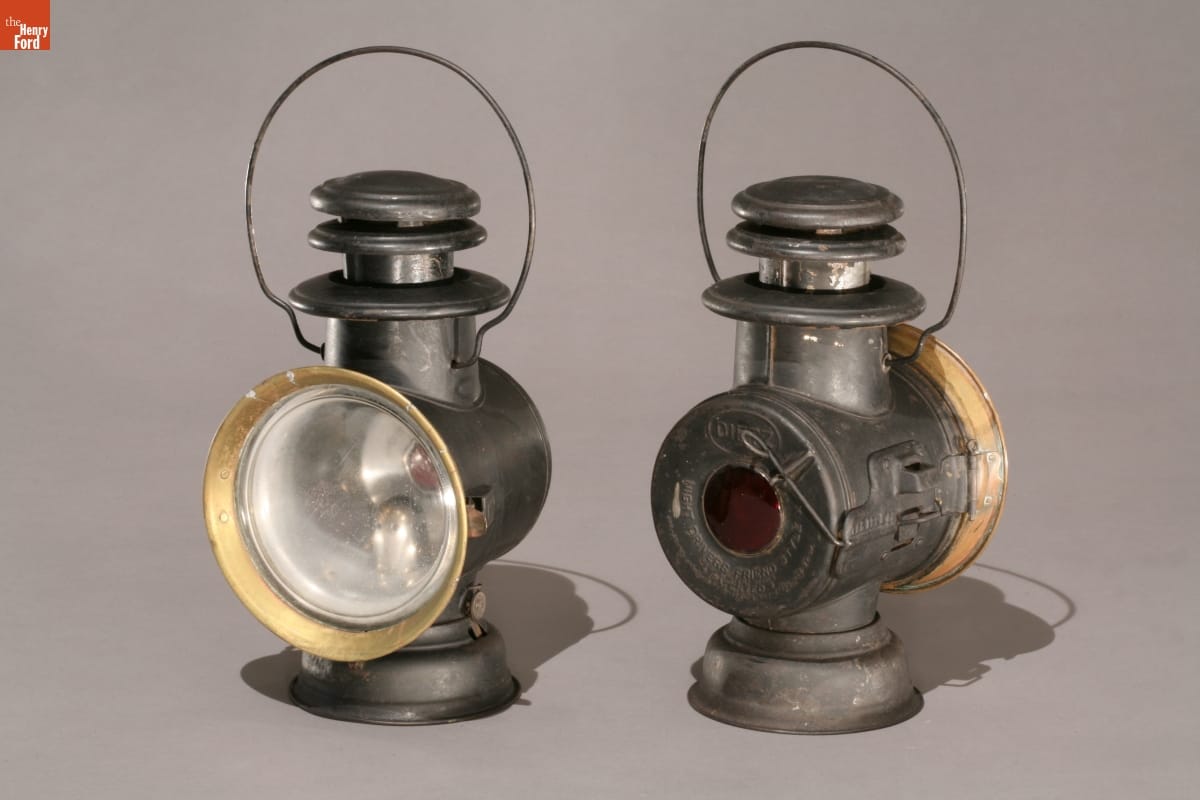
- Buggy Lamps, circa 1910 - Driving horse-drawn vehicles at night can be challenging. Lamps or lanterns could be mounted on buggies to help drivers find their way safely. These lamps made by the R. E. Dietz Company were appropriately named the "Night Drivers' Friend."
- circa 1910
- Collections - Artifact
Buggy Lamps, circa 1910
Driving horse-drawn vehicles at night can be challenging. Lamps or lanterns could be mounted on buggies to help drivers find their way safely. These lamps made by the R. E. Dietz Company were appropriately named the "Night Drivers' Friend."
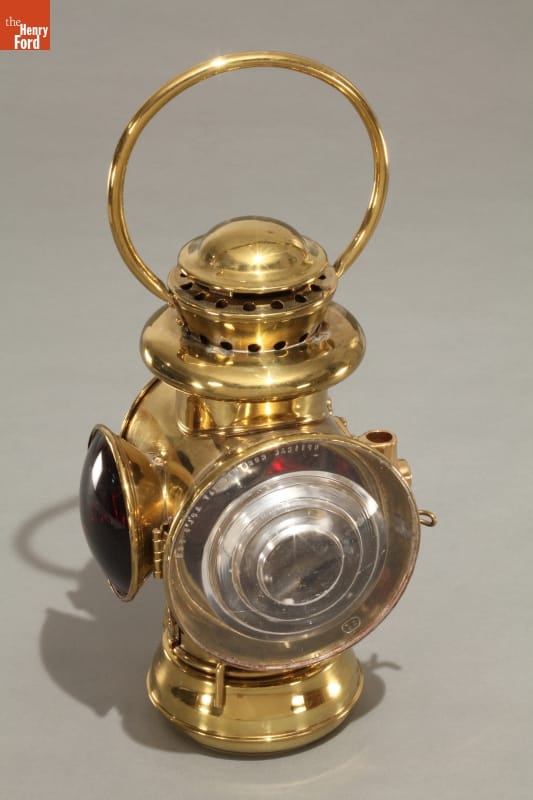
- Automobile Tail Lamp, circa 1906 - The first automobile head and tail lamps used kerosene -- a fuel used in lighting fixtures found on horse-drawn vehicles. These early lights illuminated dark roads or generated a visible safety feature. This brass, kerosene tail lamp, made be the R. E. Deitz Company, warned approaching vehicles that an automobile was ahead.
- circa 1906
- Collections - Artifact
Automobile Tail Lamp, circa 1906
The first automobile head and tail lamps used kerosene -- a fuel used in lighting fixtures found on horse-drawn vehicles. These early lights illuminated dark roads or generated a visible safety feature. This brass, kerosene tail lamp, made be the R. E. Deitz Company, warned approaching vehicles that an automobile was ahead.
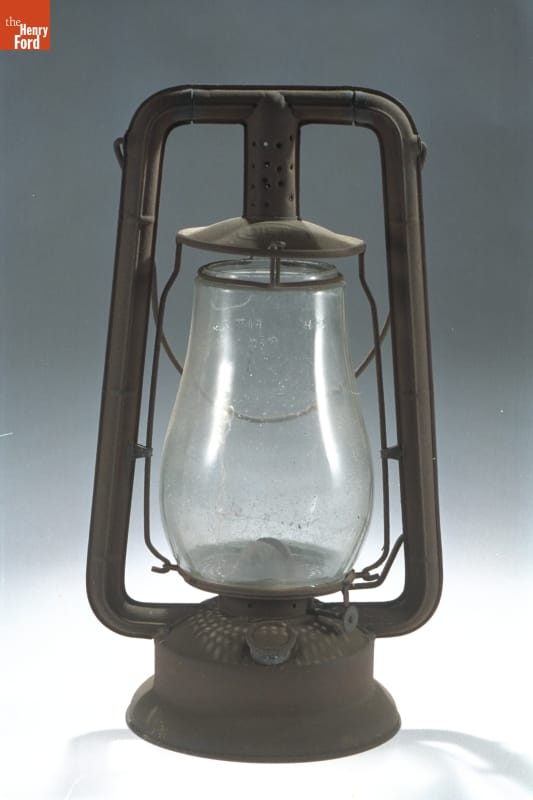
- "Monarch" Kerosene Lantern, circa 1910 -
- circa 1910
- Collections - Artifact
"Monarch" Kerosene Lantern, circa 1910
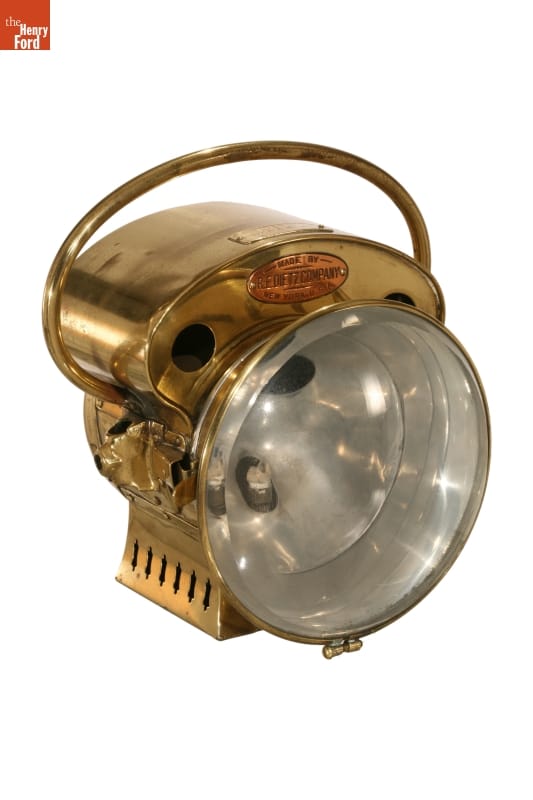
- Dietz Imperial No. 1 Headlight, circa 1902 - Kerosene lamps provided light for nighttime driving in the earliest automobiles -- if drivers dared to risk rudimentary cars and poor roads at night. The R.E. Dietz Company had been manufacturing lamps and lanterns for various uses since the 1840s, long before the automobile appeared. By the early 20th century, it had added automotive headlights to its product line.
- circa 1902
- Collections - Artifact
Dietz Imperial No. 1 Headlight, circa 1902
Kerosene lamps provided light for nighttime driving in the earliest automobiles -- if drivers dared to risk rudimentary cars and poor roads at night. The R.E. Dietz Company had been manufacturing lamps and lanterns for various uses since the 1840s, long before the automobile appeared. By the early 20th century, it had added automotive headlights to its product line.
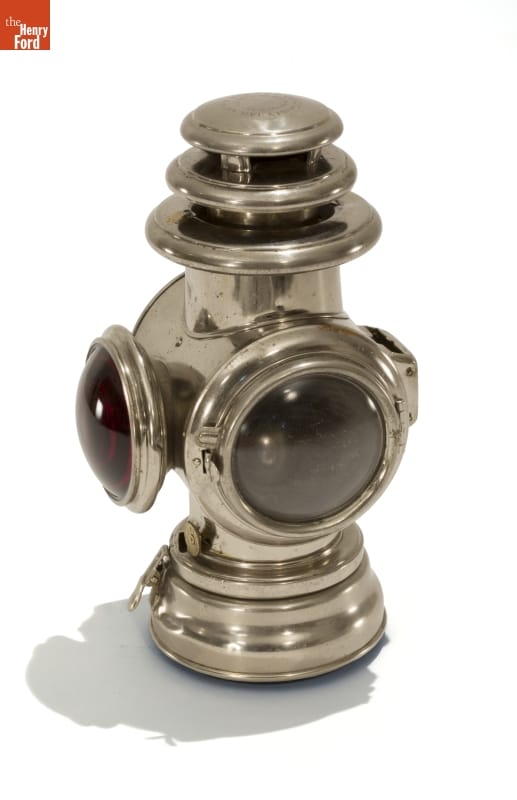
- Dietz Dainty Tail Lamp, circa 1908 - Taillights were not a standard fixture on early automobiles. Only when cars and roads improved -- and drivers braved the darkness -- did this safety feature become a necessity. Early taillights resembled carriage lamps found on horse-drawn vehicles. This kerosene-fueled tail lamp -- cars usually had only one -- used a red lens to warn approaching vehicles. A clear lens illuminated the license plate or back step.
- circa 1908
- Collections - Artifact
Dietz Dainty Tail Lamp, circa 1908
Taillights were not a standard fixture on early automobiles. Only when cars and roads improved -- and drivers braved the darkness -- did this safety feature become a necessity. Early taillights resembled carriage lamps found on horse-drawn vehicles. This kerosene-fueled tail lamp -- cars usually had only one -- used a red lens to warn approaching vehicles. A clear lens illuminated the license plate or back step.
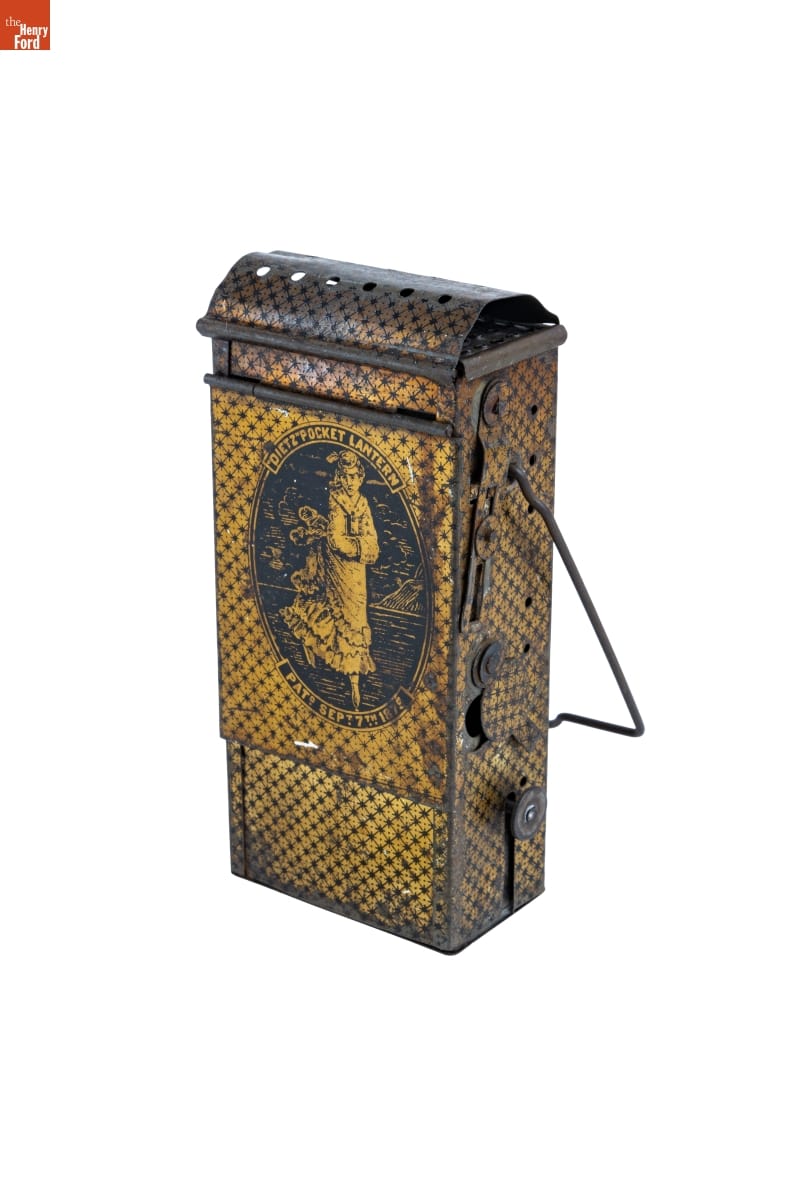
- Pocket Skating Lantern, 1875-1890 - Ice skating became popular in the United States in the second half of the 19th century. Before ice skating became a mostly indoor pastime, skating took place on frozen ponds and rivers at all hours. Lighting companies such as R.E. Dietz patented small kerosene lanterns for nighttime skaters, particularly women.
- 1875-1890
- Collections - Artifact
Pocket Skating Lantern, 1875-1890
Ice skating became popular in the United States in the second half of the 19th century. Before ice skating became a mostly indoor pastime, skating took place on frozen ponds and rivers at all hours. Lighting companies such as R.E. Dietz patented small kerosene lanterns for nighttime skaters, particularly women.
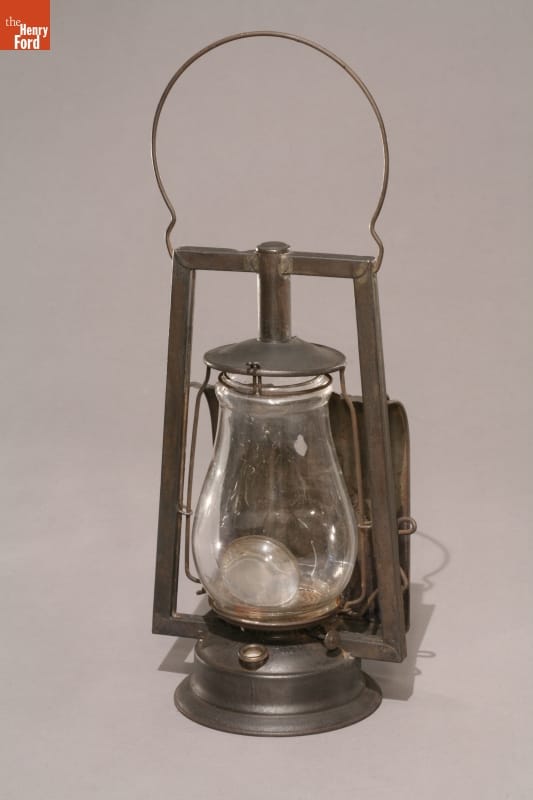
- Kerosene Buggy Lantern, 1890-1910 - R. E. Dietz Company's "Buckeye" was one of its most popular-selling dash lamps. This lamp could be clip-mounted to the dash of a horse-drawn buggy to help the vehicle be seen by others traveling the dark roads. The lamp could also be hung on a wall or carried by the bail handle -- a very handy lamp to have around.
- 1890-1910
- Collections - Artifact
Kerosene Buggy Lantern, 1890-1910
R. E. Dietz Company's "Buckeye" was one of its most popular-selling dash lamps. This lamp could be clip-mounted to the dash of a horse-drawn buggy to help the vehicle be seen by others traveling the dark roads. The lamp could also be hung on a wall or carried by the bail handle -- a very handy lamp to have around.
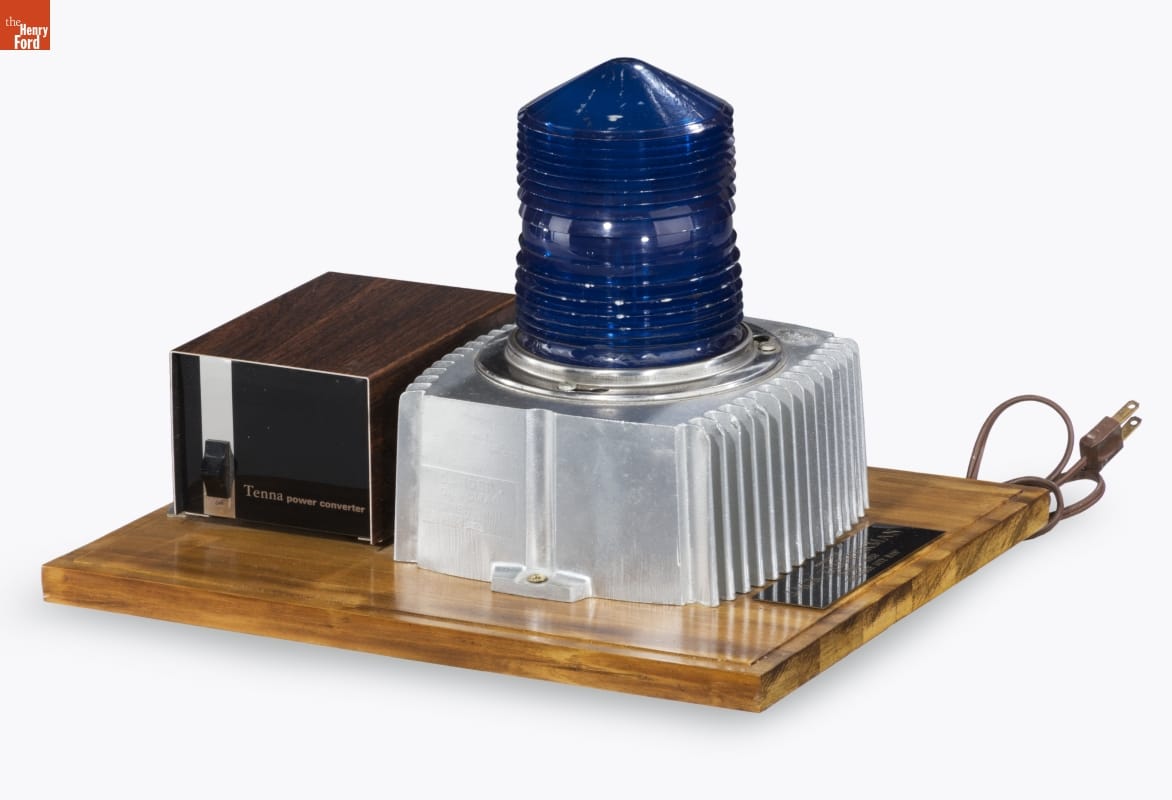
- Kmart's "Bluelight Specials" Strobe Light, circa 1972 - A voice over the storewide intercom announces: "Attention Kmart shoppers, …" Customers pause and scan for a flashing blue light--somewhere in the store there is a sale! In the late 20th century, Kmart's iconic Bluelight Specials provided instant bargains for lucky in-store shoppers. Workers at one Kmart store created this Bluelight memento as a retirement gift for a longtime employee.
- circa 1972
- Collections - Artifact
Kmart's "Bluelight Specials" Strobe Light, circa 1972
A voice over the storewide intercom announces: "Attention Kmart shoppers, …" Customers pause and scan for a flashing blue light--somewhere in the store there is a sale! In the late 20th century, Kmart's iconic Bluelight Specials provided instant bargains for lucky in-store shoppers. Workers at one Kmart store created this Bluelight memento as a retirement gift for a longtime employee.
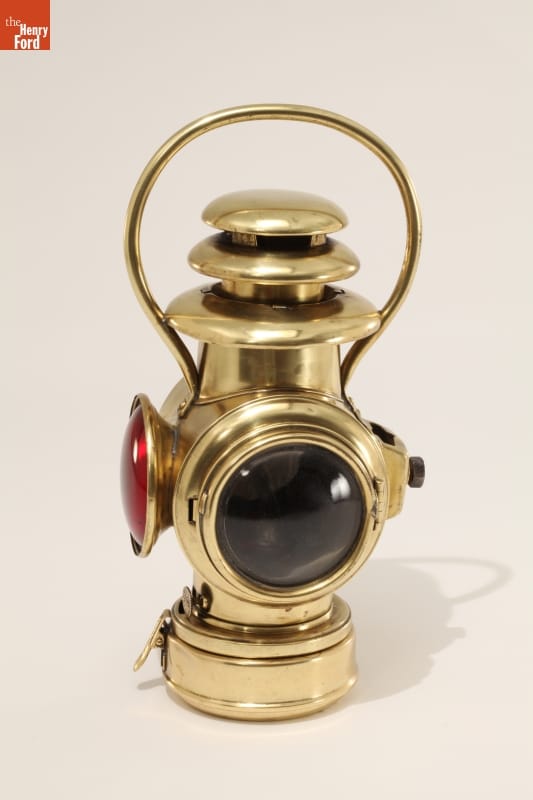
- Dietz Dainty Tail Lamp, circa 1905 - Taillights were not a standard fixture on early automobiles. Only when cars and roads improved -- and drivers braved the darkness -- did this safety feature become a necessity. Early taillights resembled carriage lamps found on horse-drawn vehicles. This kerosene-fueled tail lamp -- cars usually had only one -- used a red lens to warn approaching vehicles. A clear lens illuminated the license plate or back step.
- circa 1905
- Collections - Artifact
Dietz Dainty Tail Lamp, circa 1905
Taillights were not a standard fixture on early automobiles. Only when cars and roads improved -- and drivers braved the darkness -- did this safety feature become a necessity. Early taillights resembled carriage lamps found on horse-drawn vehicles. This kerosene-fueled tail lamp -- cars usually had only one -- used a red lens to warn approaching vehicles. A clear lens illuminated the license plate or back step.