
Search
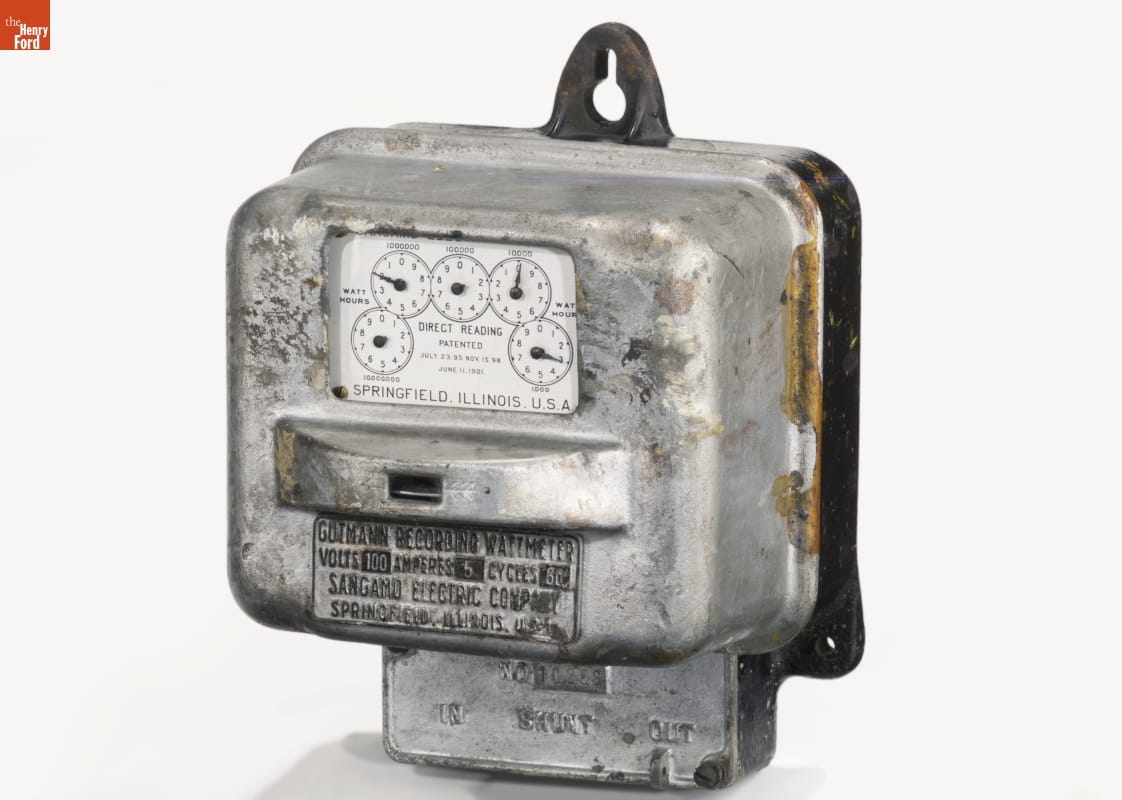
- Sangamo Electric Company Gutmann Type B Wattmeter, 1901-1903 - In the late 1800s, companies that supplied electricity to consumers needed a way to measure how much customers used -- and then charge them accordingly. Ludwig Gutmann, one of several inventive electrical engineers who designed meters to calculate power usage, developed this induction-type wattmeter for Sangamo Electric Company. U.S. production of this meter stopped after courts ruled that it infringed on existing patents held by Westinghouse.
- 1901-1903
- Collections - Artifact
Sangamo Electric Company Gutmann Type B Wattmeter, 1901-1903
In the late 1800s, companies that supplied electricity to consumers needed a way to measure how much customers used -- and then charge them accordingly. Ludwig Gutmann, one of several inventive electrical engineers who designed meters to calculate power usage, developed this induction-type wattmeter for Sangamo Electric Company. U.S. production of this meter stopped after courts ruled that it infringed on existing patents held by Westinghouse.
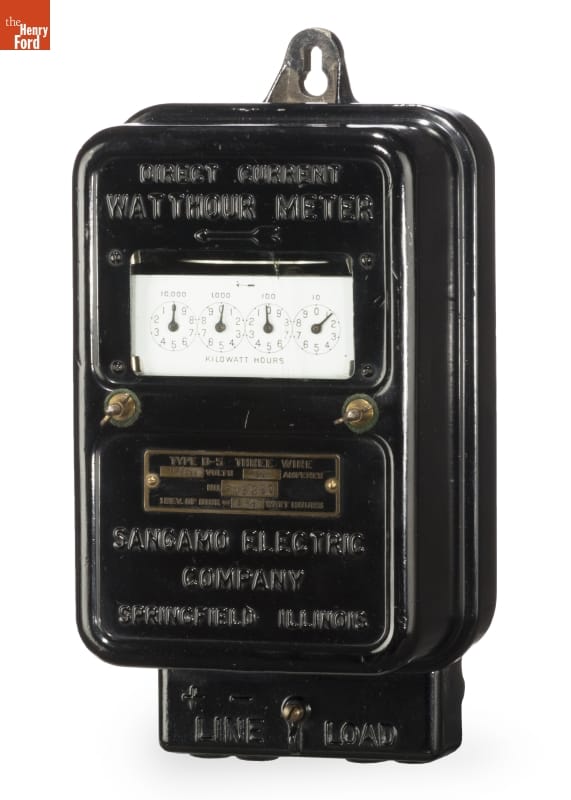
- Sangamo Electric Company D-5 Wattmeter, circa 1914 - In the late 1800s, companies that supplied electricity to consumers needed a way to measure how much customers used--and then charge them accordingly. Induction-type wattmeters proved reliable and would become the industry standard, but until 1910 Westinghouse held the patents. Sangamo Electric Company, which had not been granted a patent license, produced a mercury-motor alternative. This version was made well in the 20th century.
- circa 1914
- Collections - Artifact
Sangamo Electric Company D-5 Wattmeter, circa 1914
In the late 1800s, companies that supplied electricity to consumers needed a way to measure how much customers used--and then charge them accordingly. Induction-type wattmeters proved reliable and would become the industry standard, but until 1910 Westinghouse held the patents. Sangamo Electric Company, which had not been granted a patent license, produced a mercury-motor alternative. This version was made well in the 20th century.
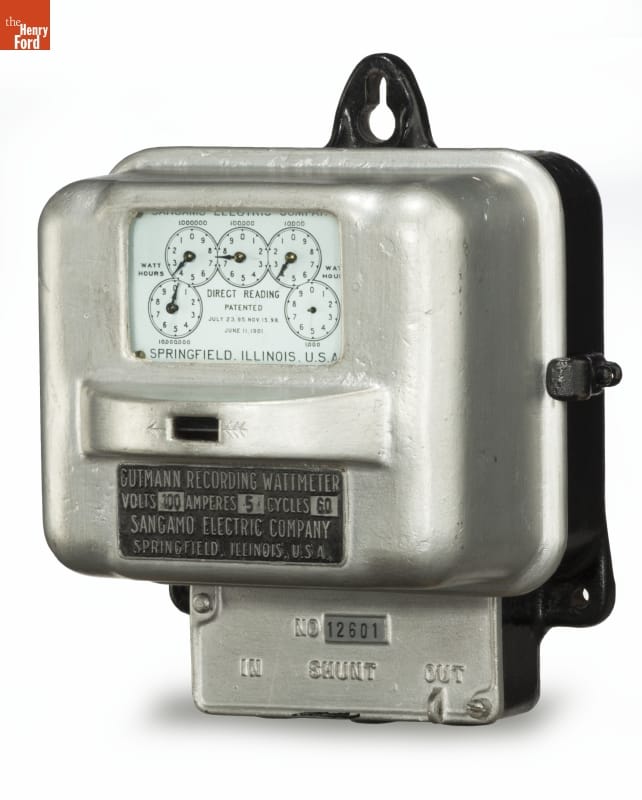
- Sangamo Electric Company Gutmann Type B Wattmeter, 1901-1903 - In the late 1800s, companies that supplied electricity to consumers needed a way to measure how much customers used -- and then charge them accordingly. Ludwig Gutmann, one of several inventive electrical engineers who designed meters to calculate power usage, developed this induction-type wattmeter for Sangamo Electric Company. U.S. production of this meter stopped after courts ruled that it infringed on existing patents held by Westinghouse.
- 1901-1903
- Collections - Artifact
Sangamo Electric Company Gutmann Type B Wattmeter, 1901-1903
In the late 1800s, companies that supplied electricity to consumers needed a way to measure how much customers used -- and then charge them accordingly. Ludwig Gutmann, one of several inventive electrical engineers who designed meters to calculate power usage, developed this induction-type wattmeter for Sangamo Electric Company. U.S. production of this meter stopped after courts ruled that it infringed on existing patents held by Westinghouse.
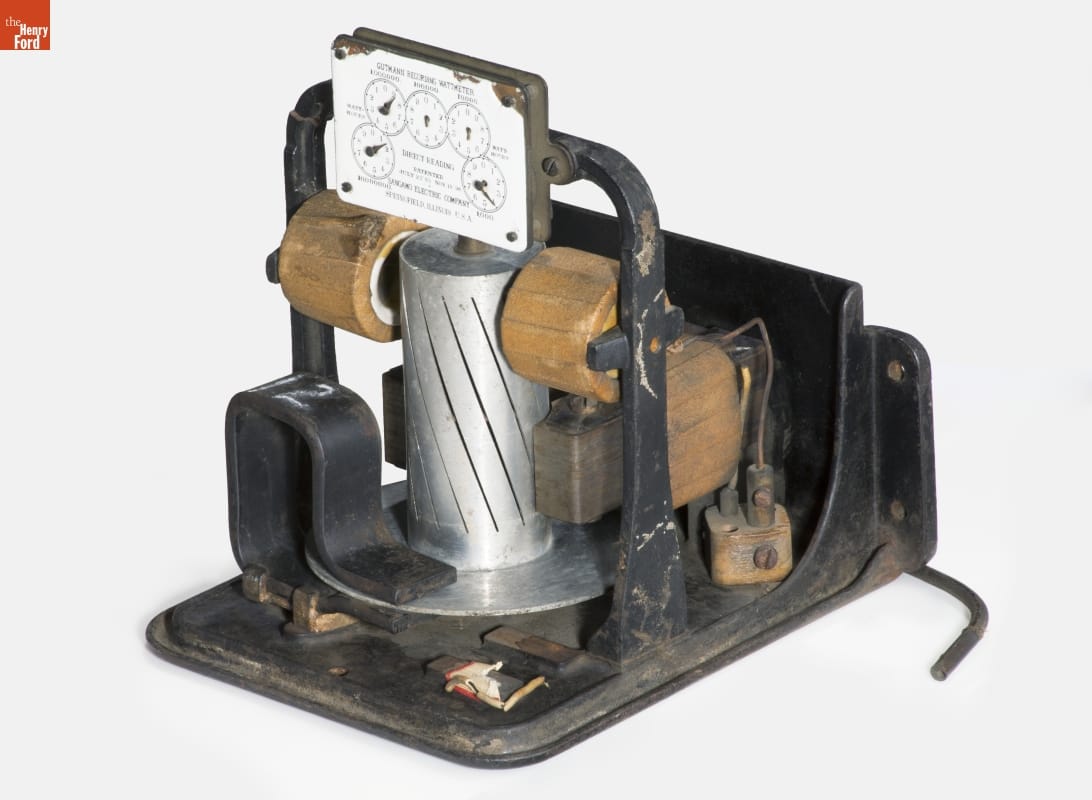
- Sangamo Electric Company Gutmann Type A Wattmeter, 1899-1901 - In the late 1800s, companies that supplied electricity to consumers needed a way to measure how much customers used -- and then charge them accordingly. Ludwig Gutmann, one of several inventive electrical engineers who designed meters to calculate power usage, developed this induction-type wattmeter. U.S. production of this meter stopped after courts ruled that it infringed on existing patents held by Westinghouse.
- 1899-1901
- Collections - Artifact
Sangamo Electric Company Gutmann Type A Wattmeter, 1899-1901
In the late 1800s, companies that supplied electricity to consumers needed a way to measure how much customers used -- and then charge them accordingly. Ludwig Gutmann, one of several inventive electrical engineers who designed meters to calculate power usage, developed this induction-type wattmeter. U.S. production of this meter stopped after courts ruled that it infringed on existing patents held by Westinghouse.
- Sangamo Electric Company Gutmann Type B Wattmeter, 1901-1903 - In the late 1800s, companies that supplied electricity to consumers needed a way to measure how much customers used -- and then charge them accordingly. Ludwig Gutmann, one of several inventive electrical engineers who designed meters to calculate power usage, developed this induction-type wattmeter for Sangamo Electric Company. U.S. production of this meter stopped after courts ruled that it infringed on existing patents held by Westinghouse.
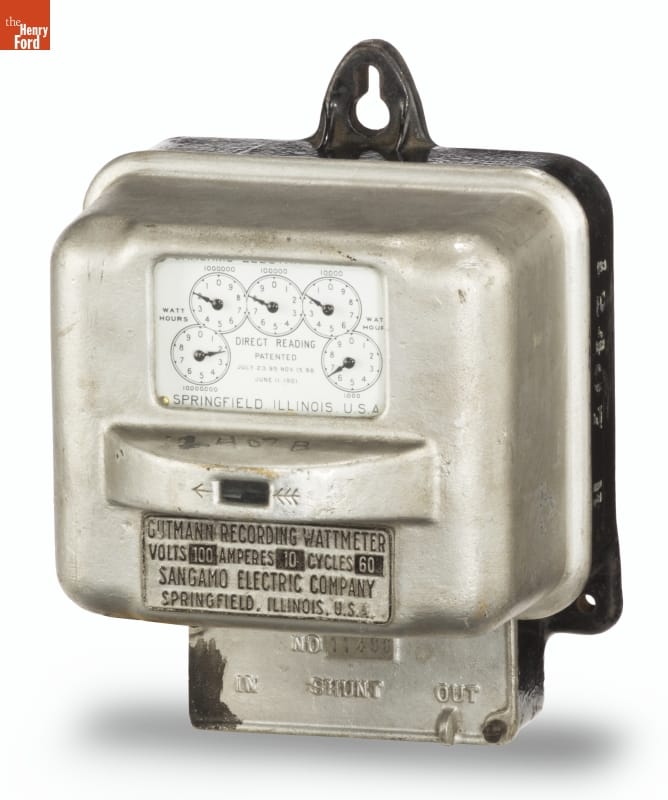
- 1901-1903
- Collections - Artifact
Sangamo Electric Company Gutmann Type B Wattmeter, 1901-1903
In the late 1800s, companies that supplied electricity to consumers needed a way to measure how much customers used -- and then charge them accordingly. Ludwig Gutmann, one of several inventive electrical engineers who designed meters to calculate power usage, developed this induction-type wattmeter for Sangamo Electric Company. U.S. production of this meter stopped after courts ruled that it infringed on existing patents held by Westinghouse.
- Sangamo Electric Company Type F Wattmeter, circa 1910 - In the late 1800s, companies that supplied electricity to consumers needed a way to measure how much customers used--and then charge them accordingly. Induction-type wattmeters proved reliable and would become the industry standard, but until 1910 Westinghouse held the patents. Sangamo Electric Company, which had not been granted a license from Westinghouse, produced this mercury-motor alternative.
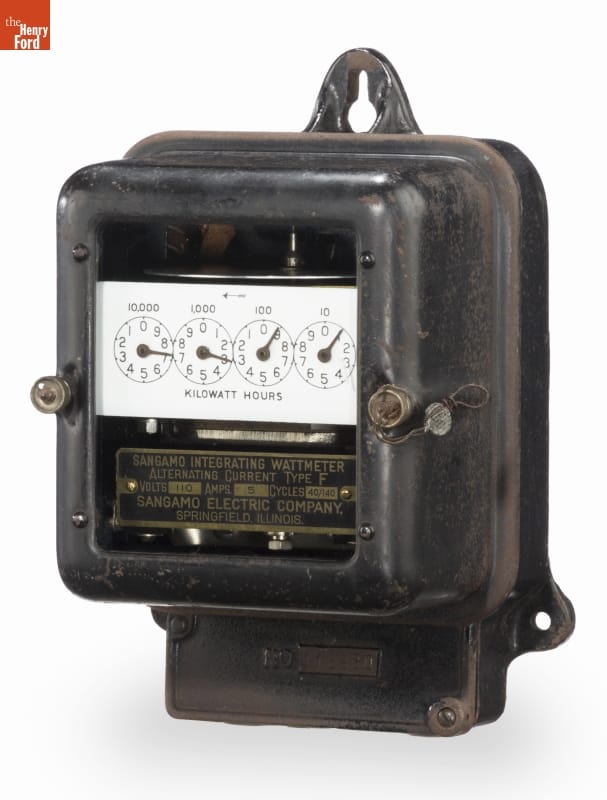
- circa 1910
- Collections - Artifact
Sangamo Electric Company Type F Wattmeter, circa 1910
In the late 1800s, companies that supplied electricity to consumers needed a way to measure how much customers used--and then charge them accordingly. Induction-type wattmeters proved reliable and would become the industry standard, but until 1910 Westinghouse held the patents. Sangamo Electric Company, which had not been granted a license from Westinghouse, produced this mercury-motor alternative.
- Sangamo Electric Company Type H Wattmeter, 1911-1914 - In the late 1800s, companies that supplied electricity to consumers needed a way to measure how much customers used--and then charge them accordingly. Induction-type wattmeters proved reliable and would become the industry standard, but until 1910 Westinghouse held the patent rights. Sangamo Electric Company introduced this induction-type meter -- the smallest model on the market at the time -- in 1911 after the Westinghouse patents had expired.
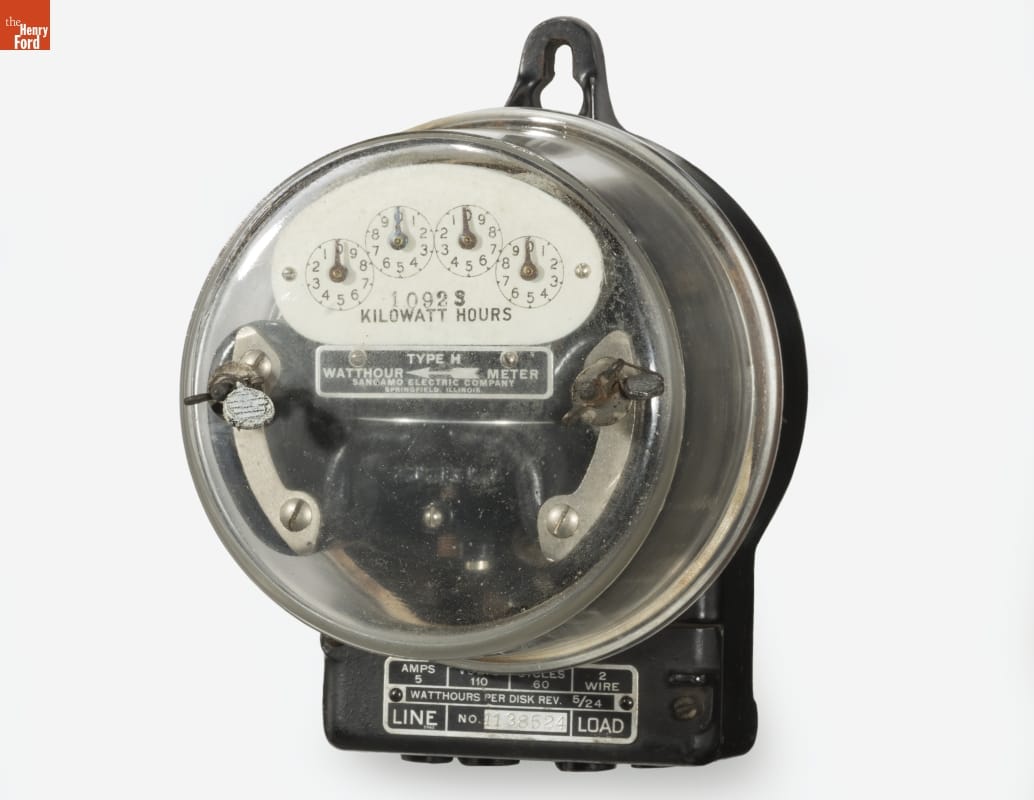
- 1911-1914
- Collections - Artifact
Sangamo Electric Company Type H Wattmeter, 1911-1914
In the late 1800s, companies that supplied electricity to consumers needed a way to measure how much customers used--and then charge them accordingly. Induction-type wattmeters proved reliable and would become the industry standard, but until 1910 Westinghouse held the patent rights. Sangamo Electric Company introduced this induction-type meter -- the smallest model on the market at the time -- in 1911 after the Westinghouse patents had expired.
- Sangamo Type H Wattmeter, 1911-1914 - In the late 1800s, companies that supplied electricity to consumers needed a way to measure how much customers used--and then charge them accordingly. Induction-type wattmeters proved reliable and would become the industry standard, but until 1910 Westinghouse held the patent rights. Sangamo Electric Company introduced this induction-type meter -- the smallest model on the market at the time -- in 1911 after the Westinghouse patents had expired.
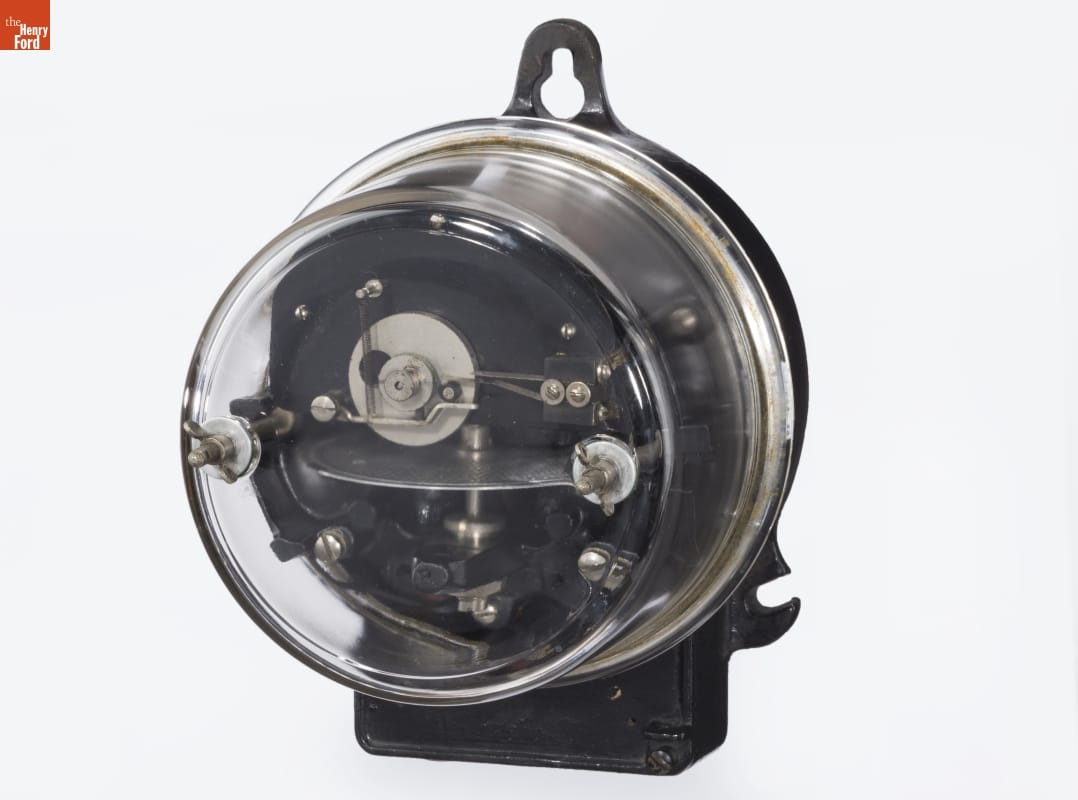
- 1911-1914
- Collections - Artifact
Sangamo Type H Wattmeter, 1911-1914
In the late 1800s, companies that supplied electricity to consumers needed a way to measure how much customers used--and then charge them accordingly. Induction-type wattmeters proved reliable and would become the industry standard, but until 1910 Westinghouse held the patent rights. Sangamo Electric Company introduced this induction-type meter -- the smallest model on the market at the time -- in 1911 after the Westinghouse patents had expired.
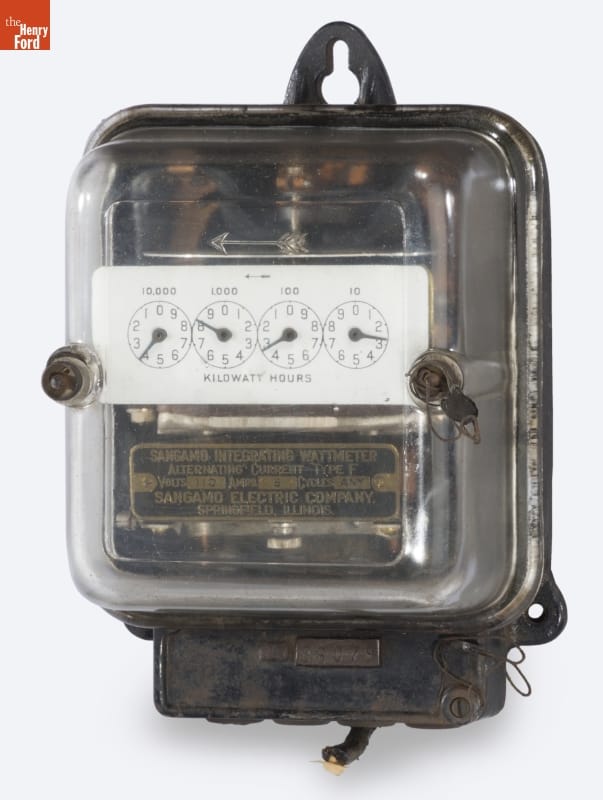
- Sangamo Electric Company Type F Wattmeter, 1907-1911 - In the late 1800s, companies that supplied electricity to consumers needed a way to measure how much customers used--and then charge them accordingly. Induction-type wattmeters proved reliable and would become the industry standard, but until 1910 Westinghouse held the patents. Sangamo Electric Company, which had not been granted a license from Westinghouse, produced this mercury-motor alternative.
- 1907-1911
- Collections - Artifact
Sangamo Electric Company Type F Wattmeter, 1907-1911
In the late 1800s, companies that supplied electricity to consumers needed a way to measure how much customers used--and then charge them accordingly. Induction-type wattmeters proved reliable and would become the industry standard, but until 1910 Westinghouse held the patents. Sangamo Electric Company, which had not been granted a license from Westinghouse, produced this mercury-motor alternative.
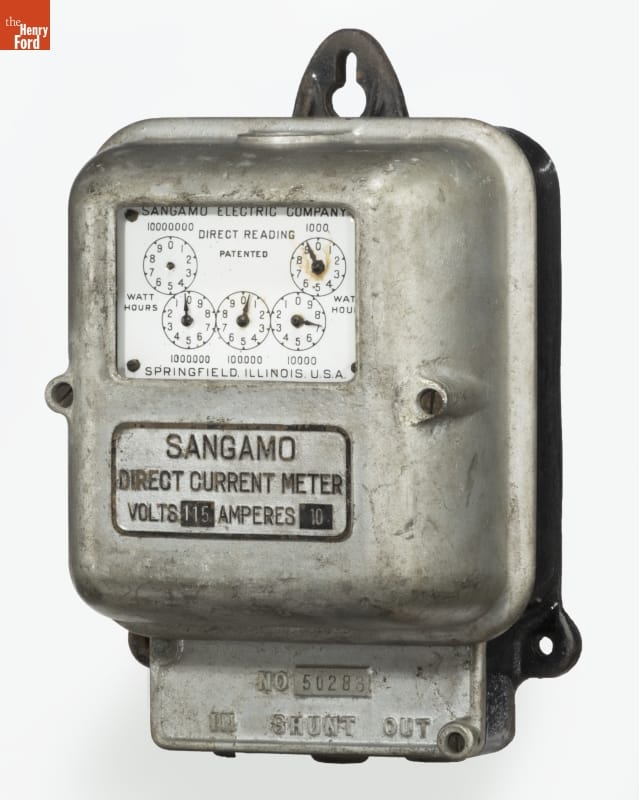
- Sangamo Electric Company Type C Wattmeter, 1904-1905 - In the late 1800s, companies that supplied electricity to consumers needed a way to measure how much customers used--and then charge them accordingly. Induction-type wattmeters proved reliable and would become the industry standard, but until 1910 Westinghouse held the patents. Sangamo Electric Company, which had not been granted a license from Westinghouse, produced this mercury-motor alternative.
- 1904-1905
- Collections - Artifact
Sangamo Electric Company Type C Wattmeter, 1904-1905
In the late 1800s, companies that supplied electricity to consumers needed a way to measure how much customers used--and then charge them accordingly. Induction-type wattmeters proved reliable and would become the industry standard, but until 1910 Westinghouse held the patents. Sangamo Electric Company, which had not been granted a license from Westinghouse, produced this mercury-motor alternative.