
Search
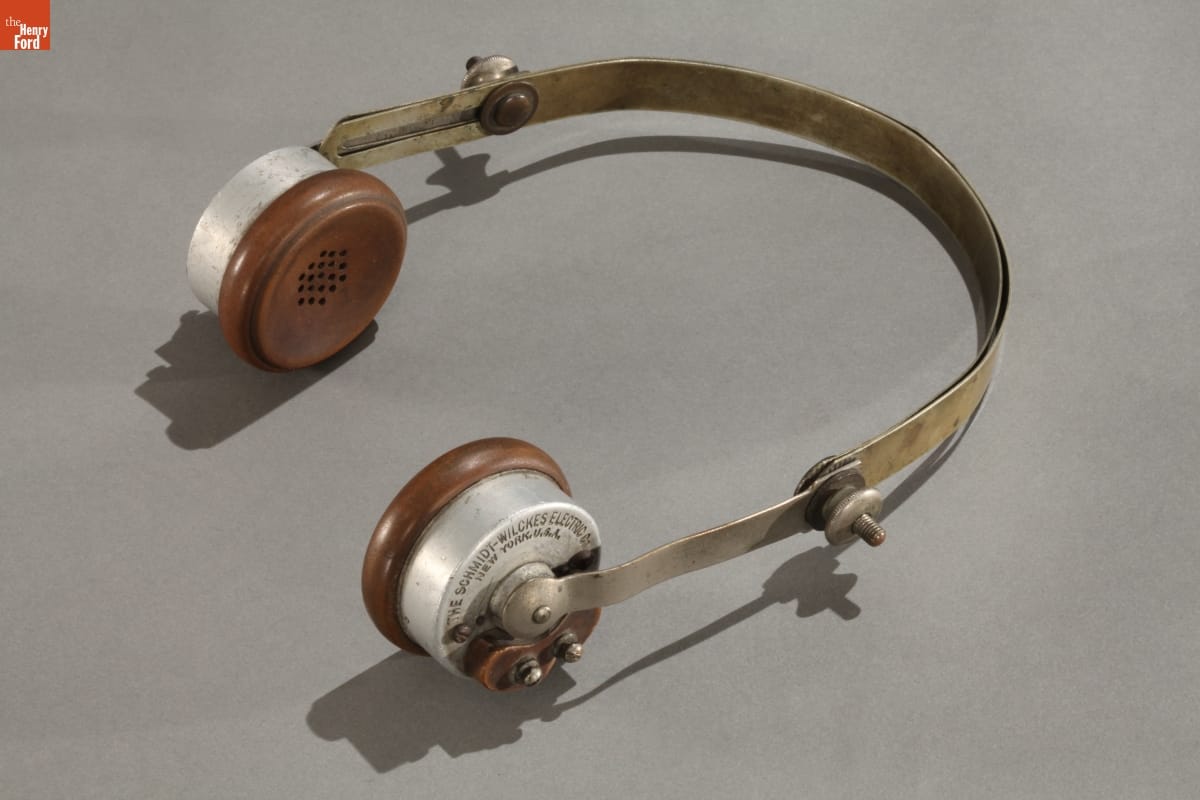
- Radio Headphones Used by Theodore Haubner While Transmitting the First "SOS" Distress Signal, August 11, 1909 - In 1909, telegraph operator Theodore Haubner sent the first American ship-to-shore wireless distress signal -- SOS. These headphones were part of his wireless equipment. Haubner was aboard the SS <EM>Arapahoe</EM> off Cape Hatteras, North Carolina, when it became disabled.
- August 11, 1909
- Collections - Artifact
Radio Headphones Used by Theodore Haubner While Transmitting the First "SOS" Distress Signal, August 11, 1909
In 1909, telegraph operator Theodore Haubner sent the first American ship-to-shore wireless distress signal -- SOS. These headphones were part of his wireless equipment. Haubner was aboard the SS Arapahoe off Cape Hatteras, North Carolina, when it became disabled.
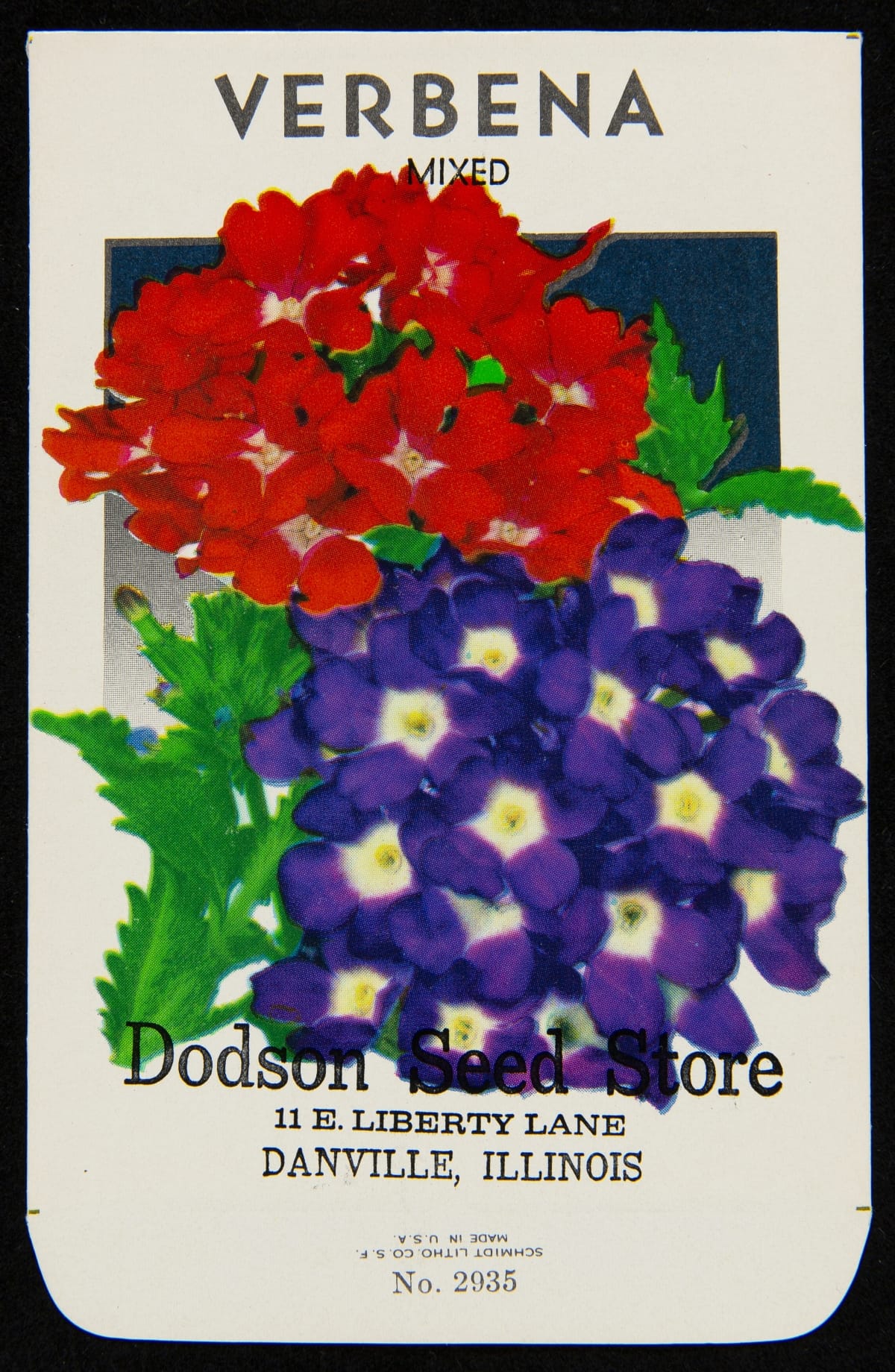
- Dodson Seed Store "Verbena" Seed Packet, 1966-1983 -
- 1966-1983
- Collections - Artifact
Dodson Seed Store "Verbena" Seed Packet, 1966-1983
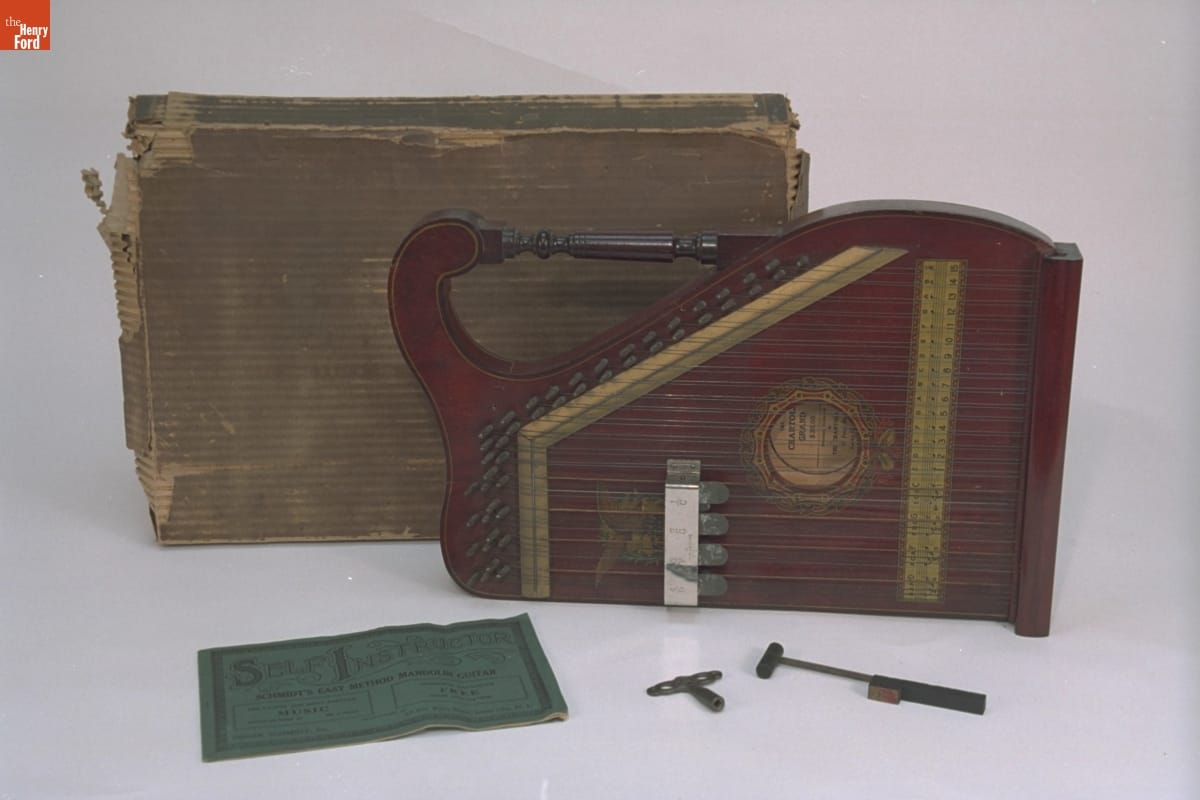
- Mandolin Guitar, circa 1923 -
- circa 1923
- Collections - Artifact
Mandolin Guitar, circa 1923
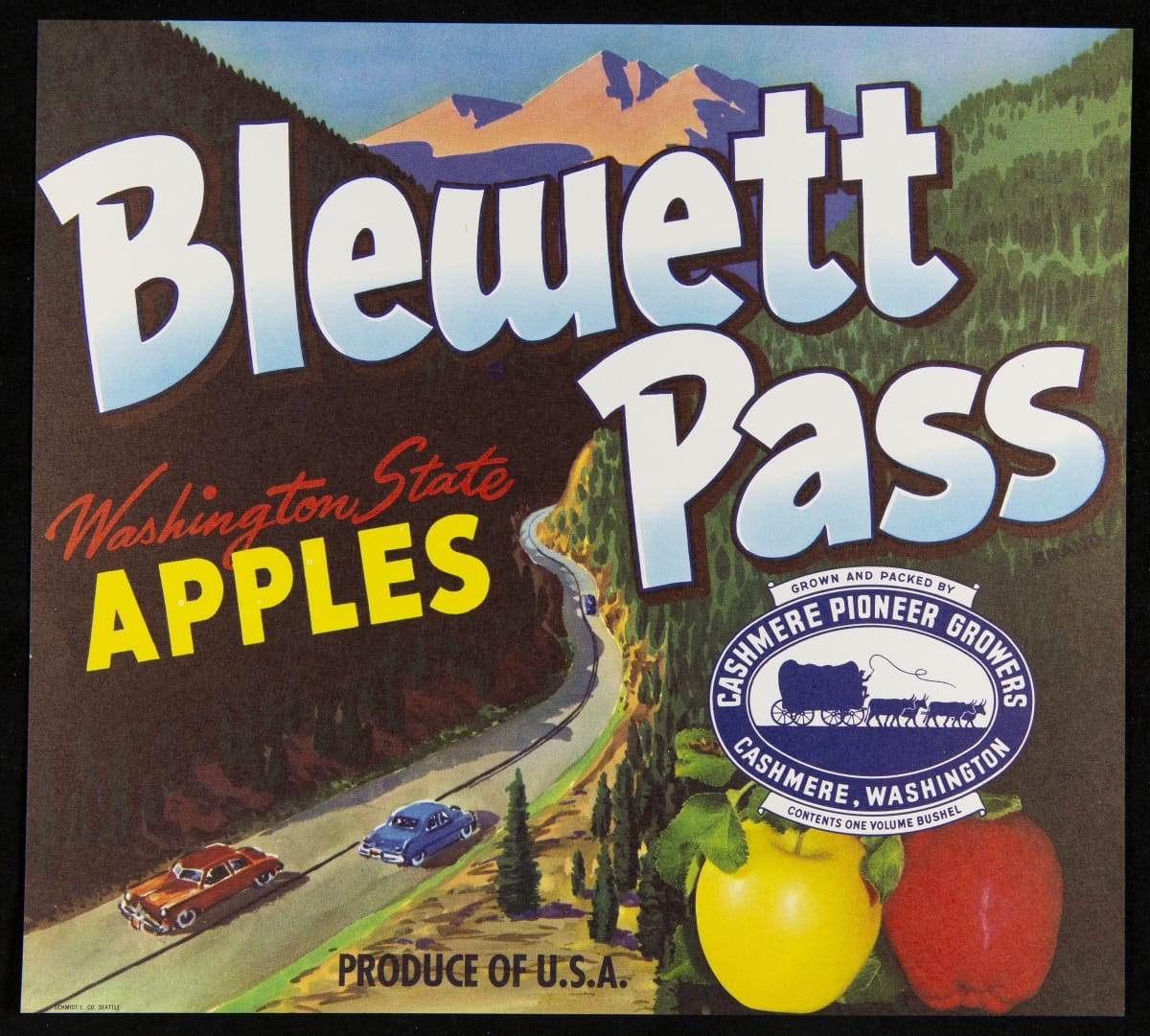
- Crate Label, "Blewett Pass Brand Apples," 1945-1960 - In 1869, the transcontinental railroad opened eastern markets to the West Coast produce industry for the first time. As produce companies shipped crates of fruits and vegetables across the country, they needed a way to distinguish their goods from their competitors'. Colorful, eye-catching labels, like this one for Blewett Pass Brand Apples, were created to attract grocers purchasing goods from wholesale markets.
- 1945-1960
- Collections - Artifact
Crate Label, "Blewett Pass Brand Apples," 1945-1960
In 1869, the transcontinental railroad opened eastern markets to the West Coast produce industry for the first time. As produce companies shipped crates of fruits and vegetables across the country, they needed a way to distinguish their goods from their competitors'. Colorful, eye-catching labels, like this one for Blewett Pass Brand Apples, were created to attract grocers purchasing goods from wholesale markets.
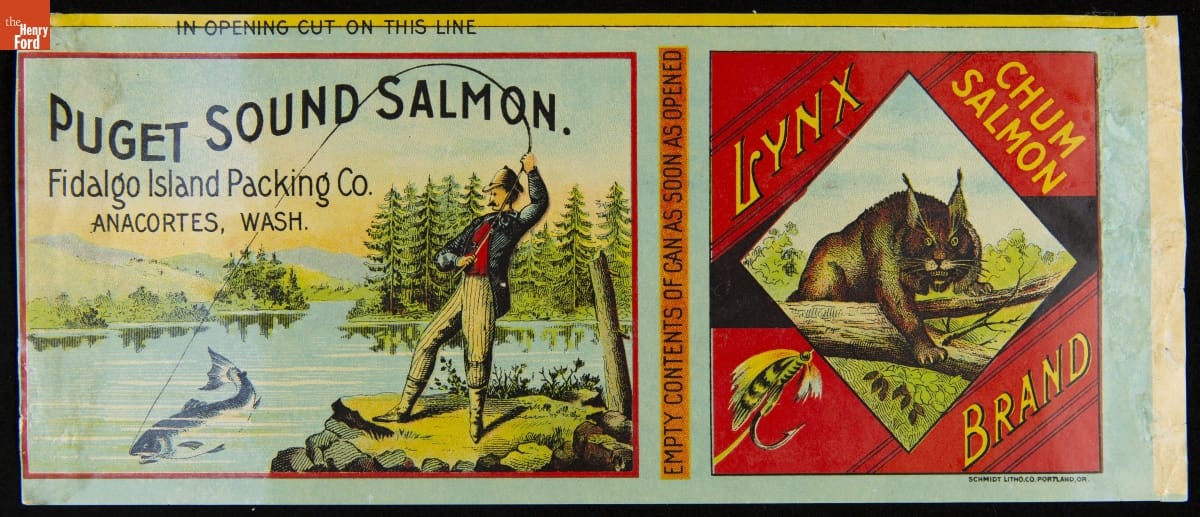
- Can Label, "Lynx Brand Puget Sound Salmon," 1880-1900 - Manufacturers of similar products sought ways to make their company's goods stand out on store shelves. Attractive labels, like this eye-catching design for Fidalgo Island Packing Company salmon, helped catch the attention of potential customers and encourage them to purchase the company's product rather than that of a competitor.
- 1880-1900
- Collections - Artifact
Can Label, "Lynx Brand Puget Sound Salmon," 1880-1900
Manufacturers of similar products sought ways to make their company's goods stand out on store shelves. Attractive labels, like this eye-catching design for Fidalgo Island Packing Company salmon, helped catch the attention of potential customers and encourage them to purchase the company's product rather than that of a competitor.
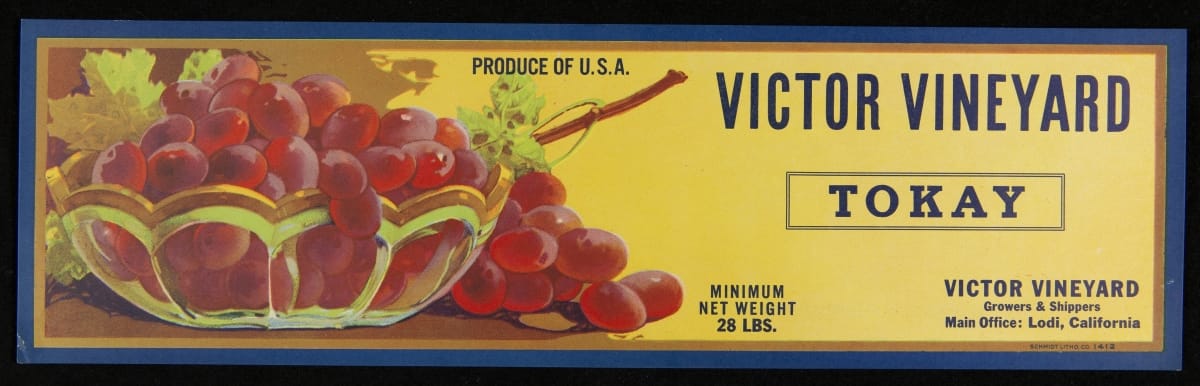
- Crate Label, "Victor Vineyard Brand Tokay Grapes," 1920-1930 - In 1869, the transcontinental railroad opened eastern markets to the West Coast produce industry for the first time. As produce companies shipped crates of fruits and vegetables across the country, they needed a way to distinguish their goods from their competitors'. Colorful, eye-catching labels, like this one for Victor Vineyard Brand Tokay Grapes, were created to attract grocers purchasing goods from wholesale markets.
- 1920-1930
- Collections - Artifact
Crate Label, "Victor Vineyard Brand Tokay Grapes," 1920-1930
In 1869, the transcontinental railroad opened eastern markets to the West Coast produce industry for the first time. As produce companies shipped crates of fruits and vegetables across the country, they needed a way to distinguish their goods from their competitors'. Colorful, eye-catching labels, like this one for Victor Vineyard Brand Tokay Grapes, were created to attract grocers purchasing goods from wholesale markets.
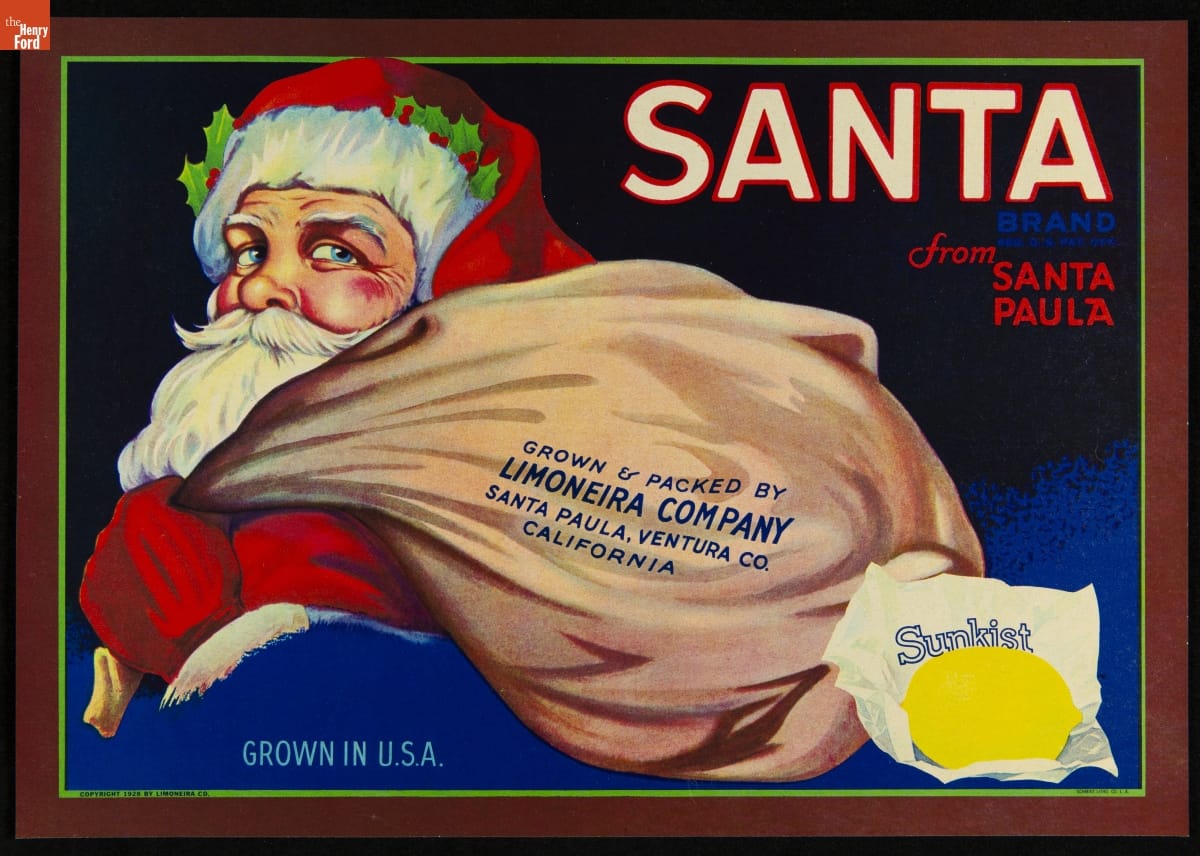
- Crate Label, "Santa Brand Fruits," 1928 - As produce companies shipped crates of fruits and vegetables across the country, they needed a way to distinguish their goods from their competitors'. Colorful, eye-catching labels were created to attract the attention of grocers purchasing goods from wholesale markets. The Sunkist Growers cooperative featured an orange or lemon on the corner of its labels-- a logo that consumers came to associate with high-quality citrus.
- 1928
- Collections - Artifact
Crate Label, "Santa Brand Fruits," 1928
As produce companies shipped crates of fruits and vegetables across the country, they needed a way to distinguish their goods from their competitors'. Colorful, eye-catching labels were created to attract the attention of grocers purchasing goods from wholesale markets. The Sunkist Growers cooperative featured an orange or lemon on the corner of its labels-- a logo that consumers came to associate with high-quality citrus.
- American Seed Corporation "Lupin" Seed Packet, circa 1975 -
- circa 1975
- Collections - Artifact
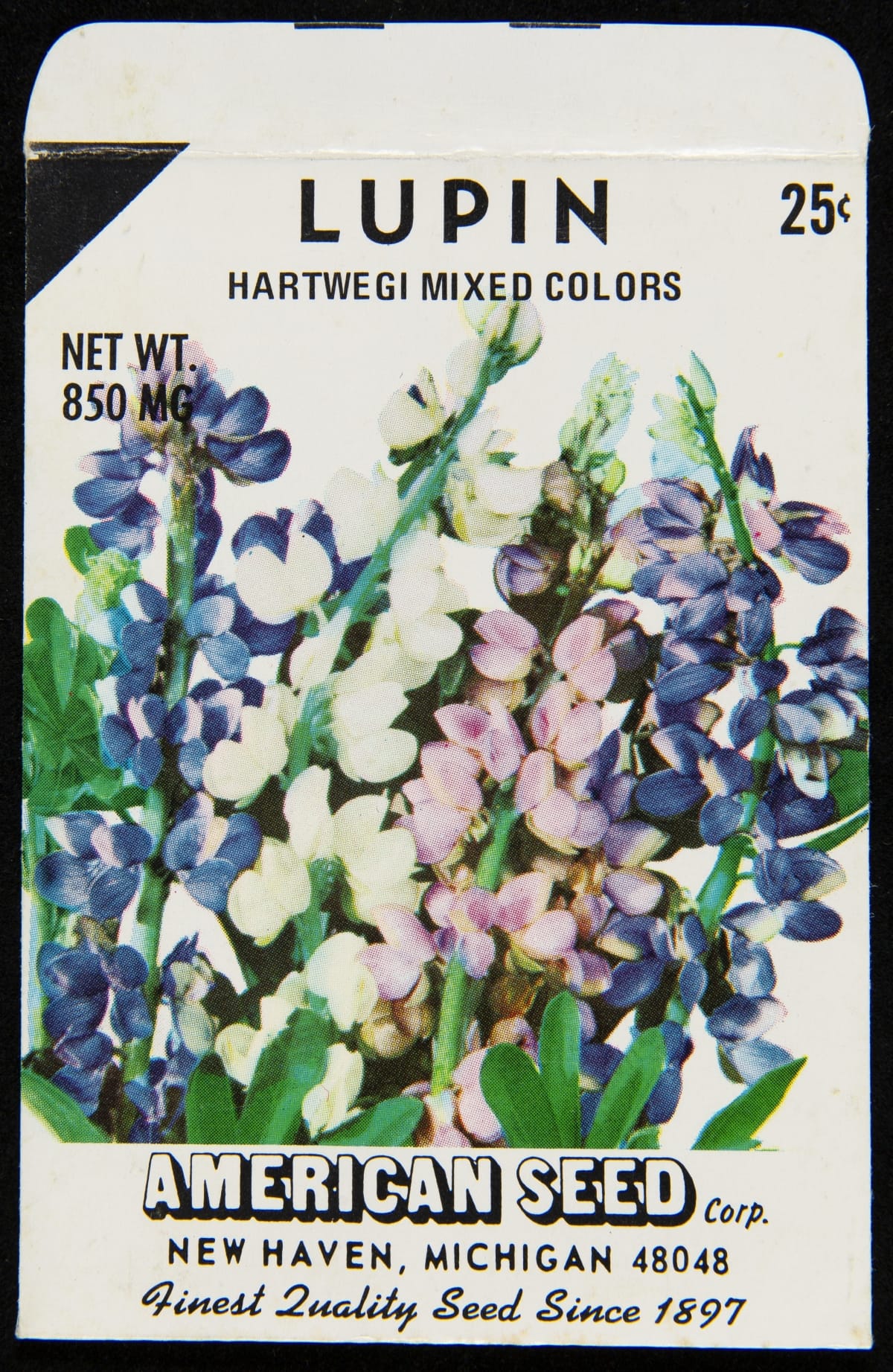
American Seed Corporation "Lupin" Seed Packet, circa 1975
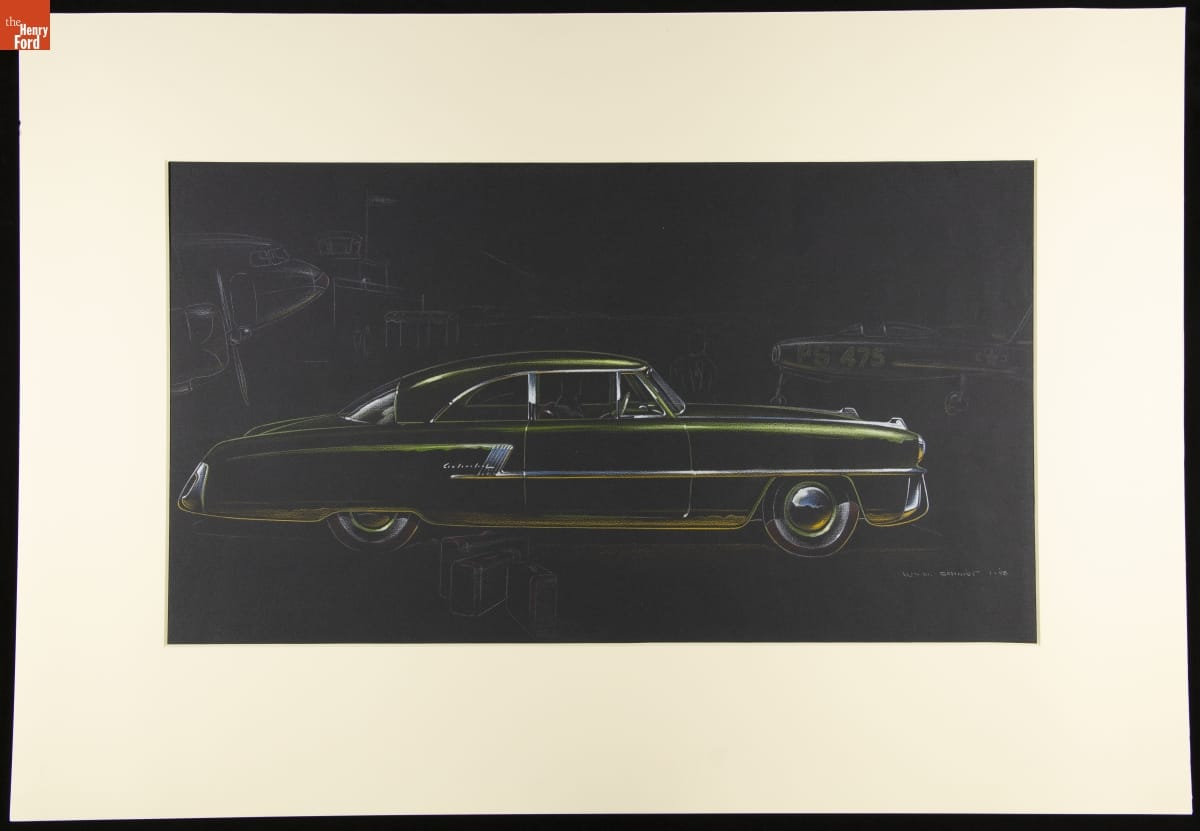
- Rendering, circa 1950 Lincoln Continental Two-Door Hardtop - William M. Schmidt joined Ford's Lincoln-Mercury design studio in 1940. By the time he left in 1955, Schmidt had risen to Chief Designer. He contributed to several Lincoln and Mercury vehicles including the dramatic Lincoln Futura concept car. Schmidt went on to work for Packard and Chrysler. He formed his own William M. Schmidt Associates in 1959.
- January 01, 1948
- Collections - Artifact
Rendering, circa 1950 Lincoln Continental Two-Door Hardtop
William M. Schmidt joined Ford's Lincoln-Mercury design studio in 1940. By the time he left in 1955, Schmidt had risen to Chief Designer. He contributed to several Lincoln and Mercury vehicles including the dramatic Lincoln Futura concept car. Schmidt went on to work for Packard and Chrysler. He formed his own William M. Schmidt Associates in 1959.
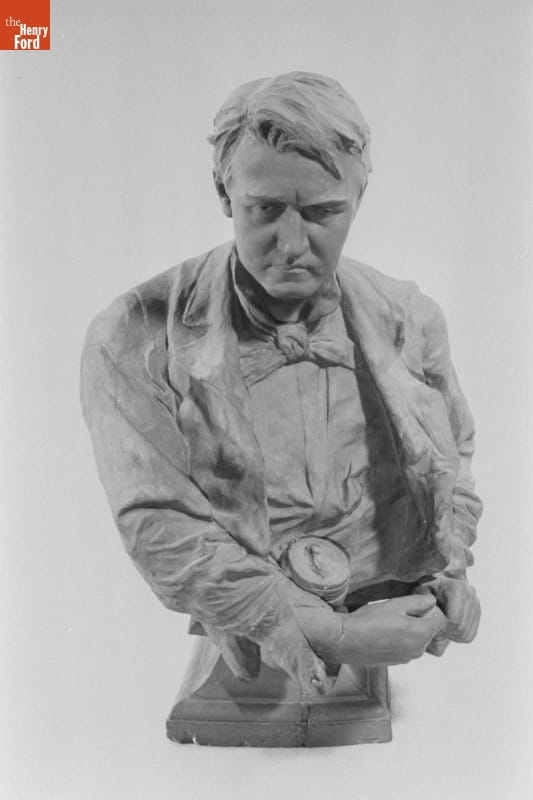
- Bust of Thomas Edison, 1889 -
- 1889
- Collections - Artifact
Bust of Thomas Edison, 1889