
Search
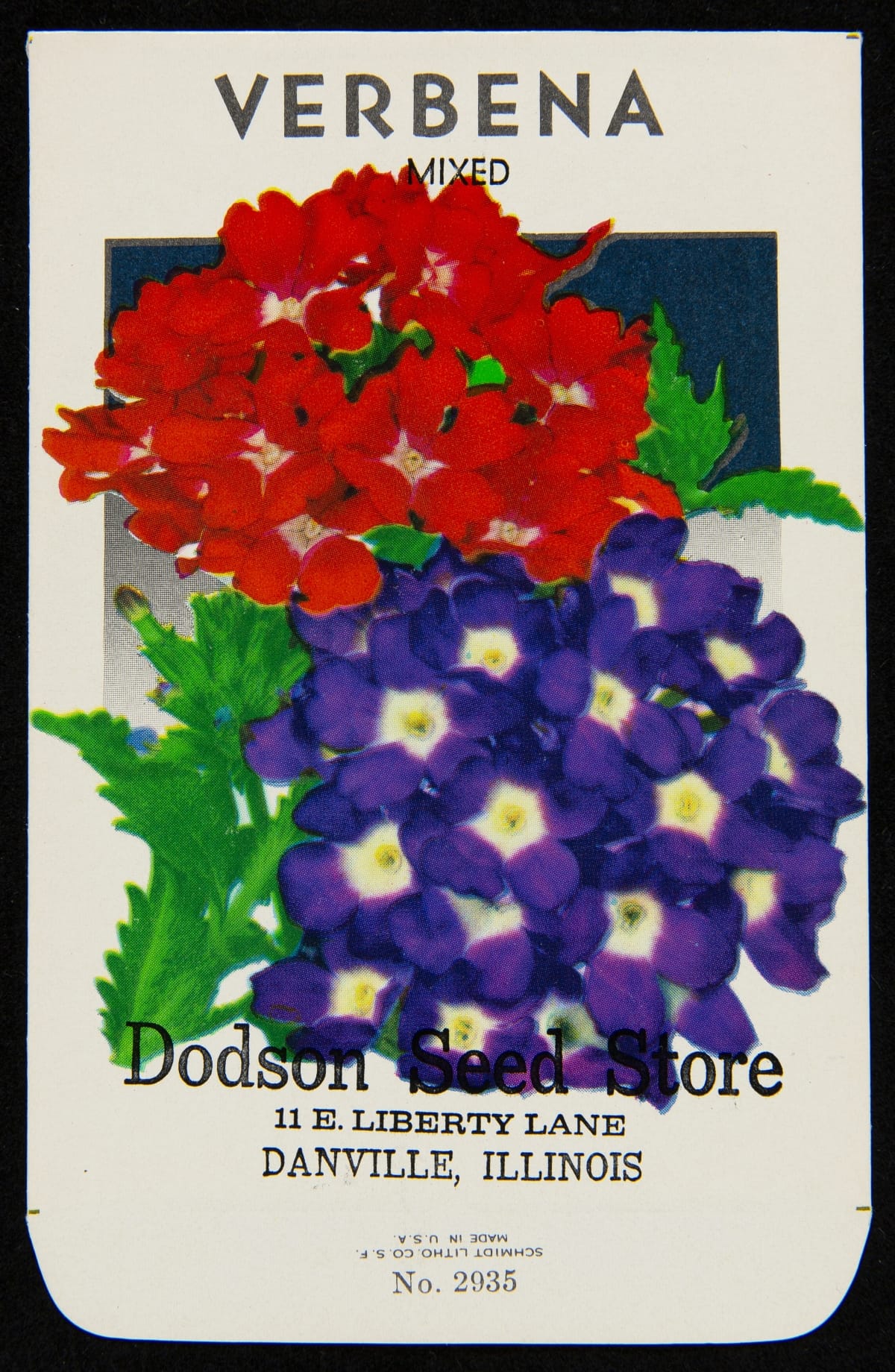
- Dodson Seed Store "Verbena" Seed Packet, 1966-1983 -
- 1966-1983
- Collections - Artifact
Dodson Seed Store "Verbena" Seed Packet, 1966-1983
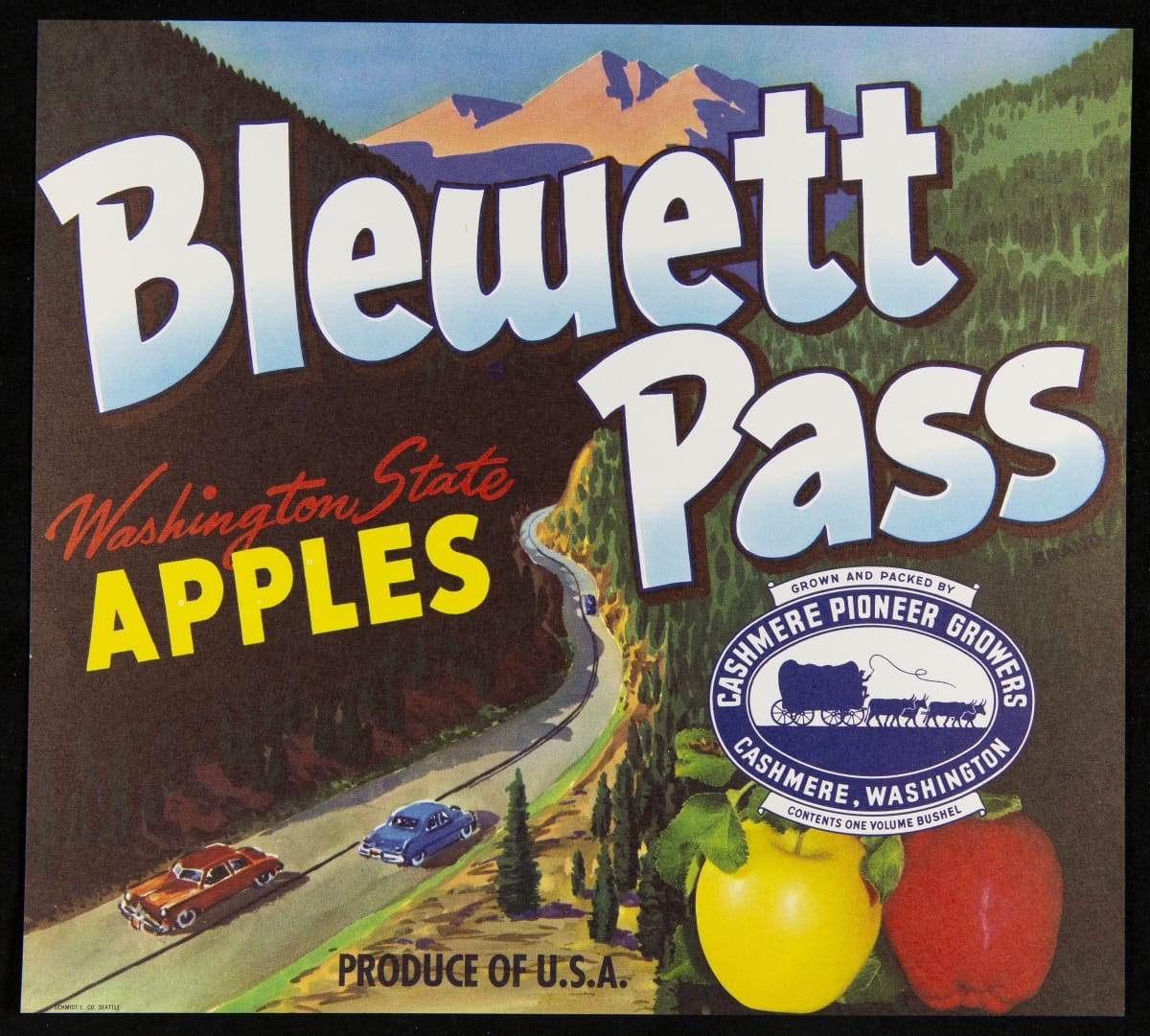
- Crate Label, "Blewett Pass Brand Apples," 1945-1960 - In 1869, the transcontinental railroad opened eastern markets to the West Coast produce industry for the first time. As produce companies shipped crates of fruits and vegetables across the country, they needed a way to distinguish their goods from their competitors'. Colorful, eye-catching labels, like this one for Blewett Pass Brand Apples, were created to attract grocers purchasing goods from wholesale markets.
- 1945-1960
- Collections - Artifact
Crate Label, "Blewett Pass Brand Apples," 1945-1960
In 1869, the transcontinental railroad opened eastern markets to the West Coast produce industry for the first time. As produce companies shipped crates of fruits and vegetables across the country, they needed a way to distinguish their goods from their competitors'. Colorful, eye-catching labels, like this one for Blewett Pass Brand Apples, were created to attract grocers purchasing goods from wholesale markets.
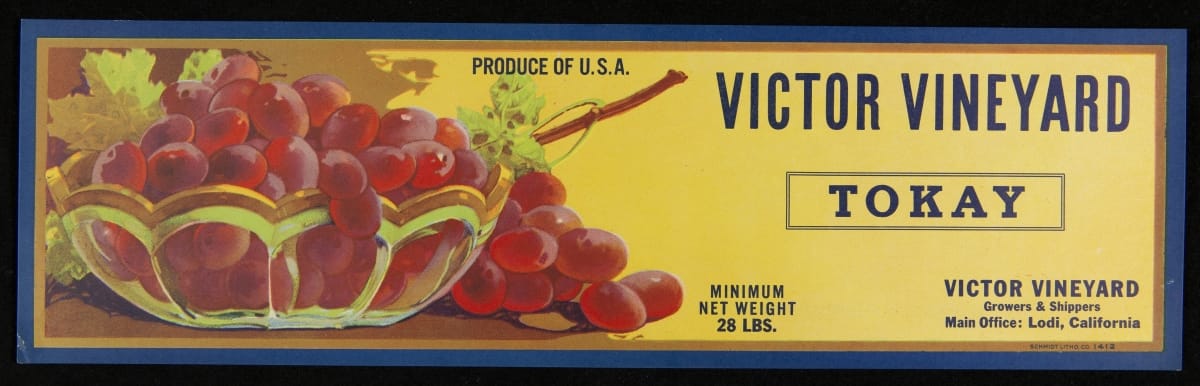
- Crate Label, "Victor Vineyard Brand Tokay Grapes," 1920-1930 - In 1869, the transcontinental railroad opened eastern markets to the West Coast produce industry for the first time. As produce companies shipped crates of fruits and vegetables across the country, they needed a way to distinguish their goods from their competitors'. Colorful, eye-catching labels, like this one for Victor Vineyard Brand Tokay Grapes, were created to attract grocers purchasing goods from wholesale markets.
- 1920-1930
- Collections - Artifact
Crate Label, "Victor Vineyard Brand Tokay Grapes," 1920-1930
In 1869, the transcontinental railroad opened eastern markets to the West Coast produce industry for the first time. As produce companies shipped crates of fruits and vegetables across the country, they needed a way to distinguish their goods from their competitors'. Colorful, eye-catching labels, like this one for Victor Vineyard Brand Tokay Grapes, were created to attract grocers purchasing goods from wholesale markets.
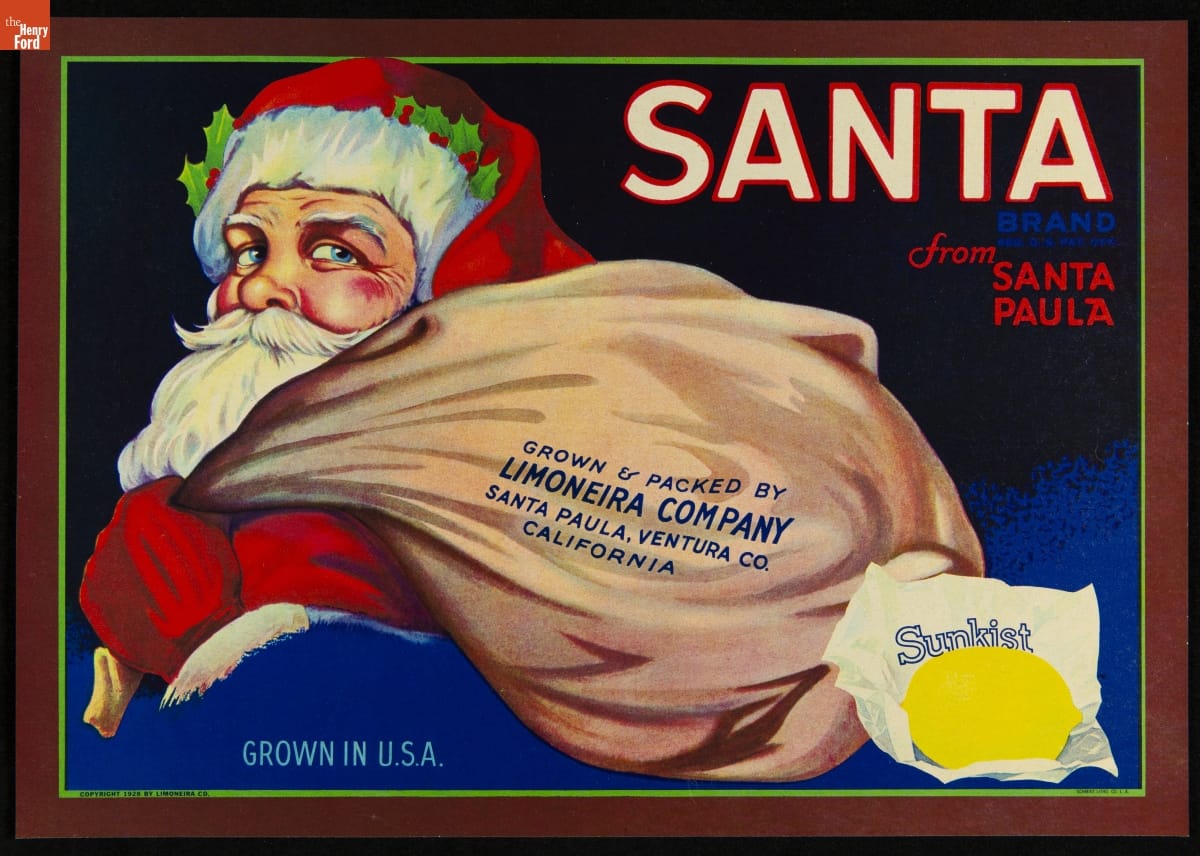
- Crate Label, "Santa Brand Fruits," 1928 - As produce companies shipped crates of fruits and vegetables across the country, they needed a way to distinguish their goods from their competitors'. Colorful, eye-catching labels were created to attract the attention of grocers purchasing goods from wholesale markets. The Sunkist Growers cooperative featured an orange or lemon on the corner of its labels-- a logo that consumers came to associate with high-quality citrus.
- 1928
- Collections - Artifact
Crate Label, "Santa Brand Fruits," 1928
As produce companies shipped crates of fruits and vegetables across the country, they needed a way to distinguish their goods from their competitors'. Colorful, eye-catching labels were created to attract the attention of grocers purchasing goods from wholesale markets. The Sunkist Growers cooperative featured an orange or lemon on the corner of its labels-- a logo that consumers came to associate with high-quality citrus.
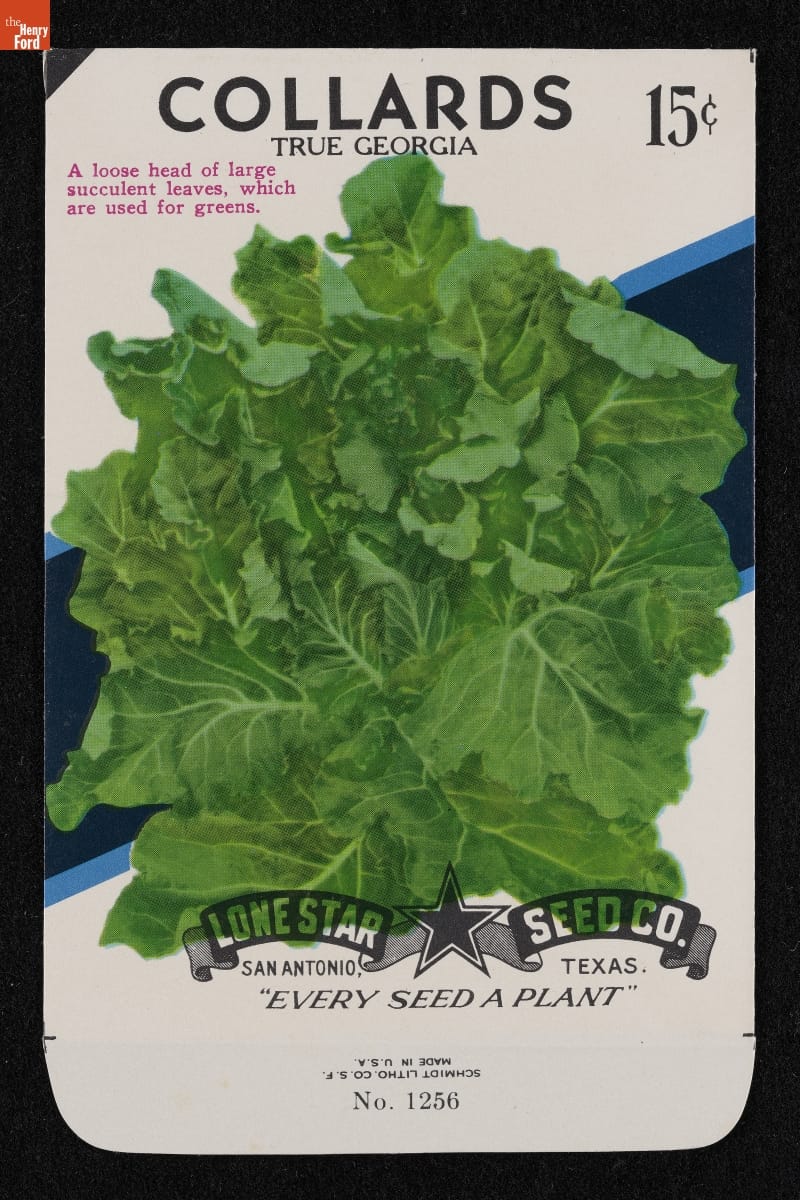
- Lone Star Seed Co. "Collards: True Georgia" Seed Packet, 1972 - The Lone Star Seed Company was founded by brothers Paul and Roland Roberts in San Antonio, Texas, in the early 1920s. The company sold flower and vegetable seeds throughout Texas, Louisiana, Oklahoma, and New Mexico -- many from racks in feed, grocery, hardware, and department stores. The packets often contained information printed in English and Spanish, reflecting the company's market area.
- 1972
- Collections - Artifact
Lone Star Seed Co. "Collards: True Georgia" Seed Packet, 1972
The Lone Star Seed Company was founded by brothers Paul and Roland Roberts in San Antonio, Texas, in the early 1920s. The company sold flower and vegetable seeds throughout Texas, Louisiana, Oklahoma, and New Mexico -- many from racks in feed, grocery, hardware, and department stores. The packets often contained information printed in English and Spanish, reflecting the company's market area.
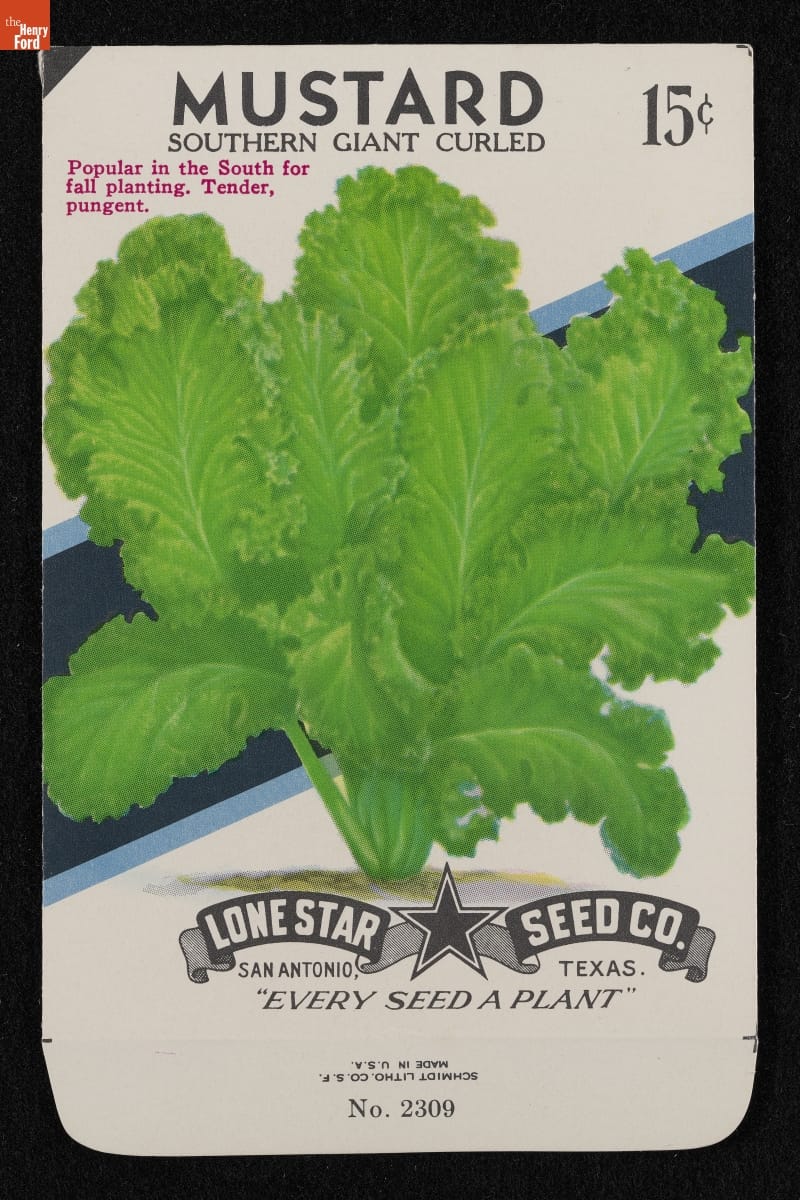
- Lone Star Seed Co. "Mustard: Southern Giant Curled" Seed Packet, 1971 - The Lone Star Seed Company was founded by brothers Paul and Roland Roberts in San Antonio, Texas, in the early 1920s. The company sold flower and vegetable seeds throughout Texas, Louisiana, Oklahoma, and New Mexico -- many from racks in feed, grocery, hardware, and department stores. The packets often contained information printed in English and Spanish, reflecting the company's market area.
- 1971
- Collections - Artifact
Lone Star Seed Co. "Mustard: Southern Giant Curled" Seed Packet, 1971
The Lone Star Seed Company was founded by brothers Paul and Roland Roberts in San Antonio, Texas, in the early 1920s. The company sold flower and vegetable seeds throughout Texas, Louisiana, Oklahoma, and New Mexico -- many from racks in feed, grocery, hardware, and department stores. The packets often contained information printed in English and Spanish, reflecting the company's market area.
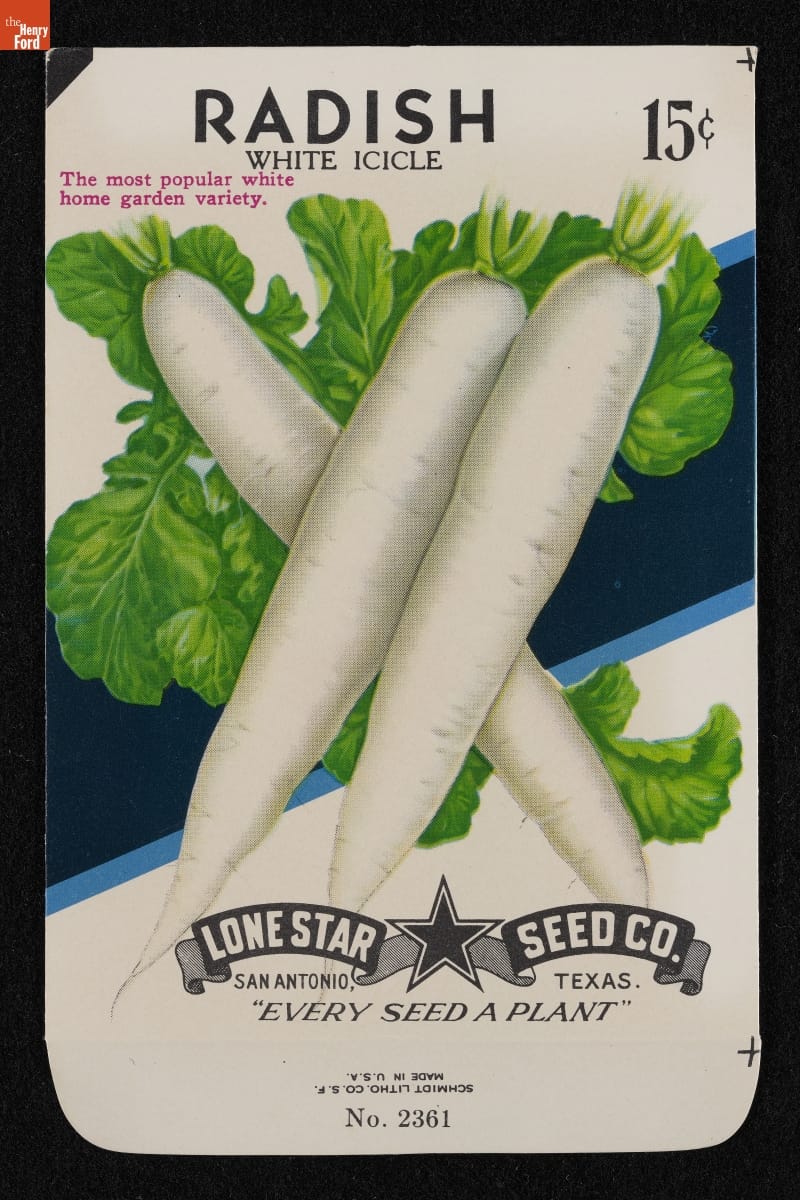
- Lone Star Seed Co. "Radish: White Icicle" Seed Packet, 1972 - The Lone Star Seed Company was founded by brothers Paul and Roland Roberts in San Antonio, Texas, in the early 1920s. The company sold flower and vegetable seeds throughout Texas, Louisiana, Oklahoma, and New Mexico -- many from racks in feed, grocery, hardware, and department stores. The packets often contained information printed in English and Spanish, reflecting the company's market area.
- 1972
- Collections - Artifact
Lone Star Seed Co. "Radish: White Icicle" Seed Packet, 1972
The Lone Star Seed Company was founded by brothers Paul and Roland Roberts in San Antonio, Texas, in the early 1920s. The company sold flower and vegetable seeds throughout Texas, Louisiana, Oklahoma, and New Mexico -- many from racks in feed, grocery, hardware, and department stores. The packets often contained information printed in English and Spanish, reflecting the company's market area.
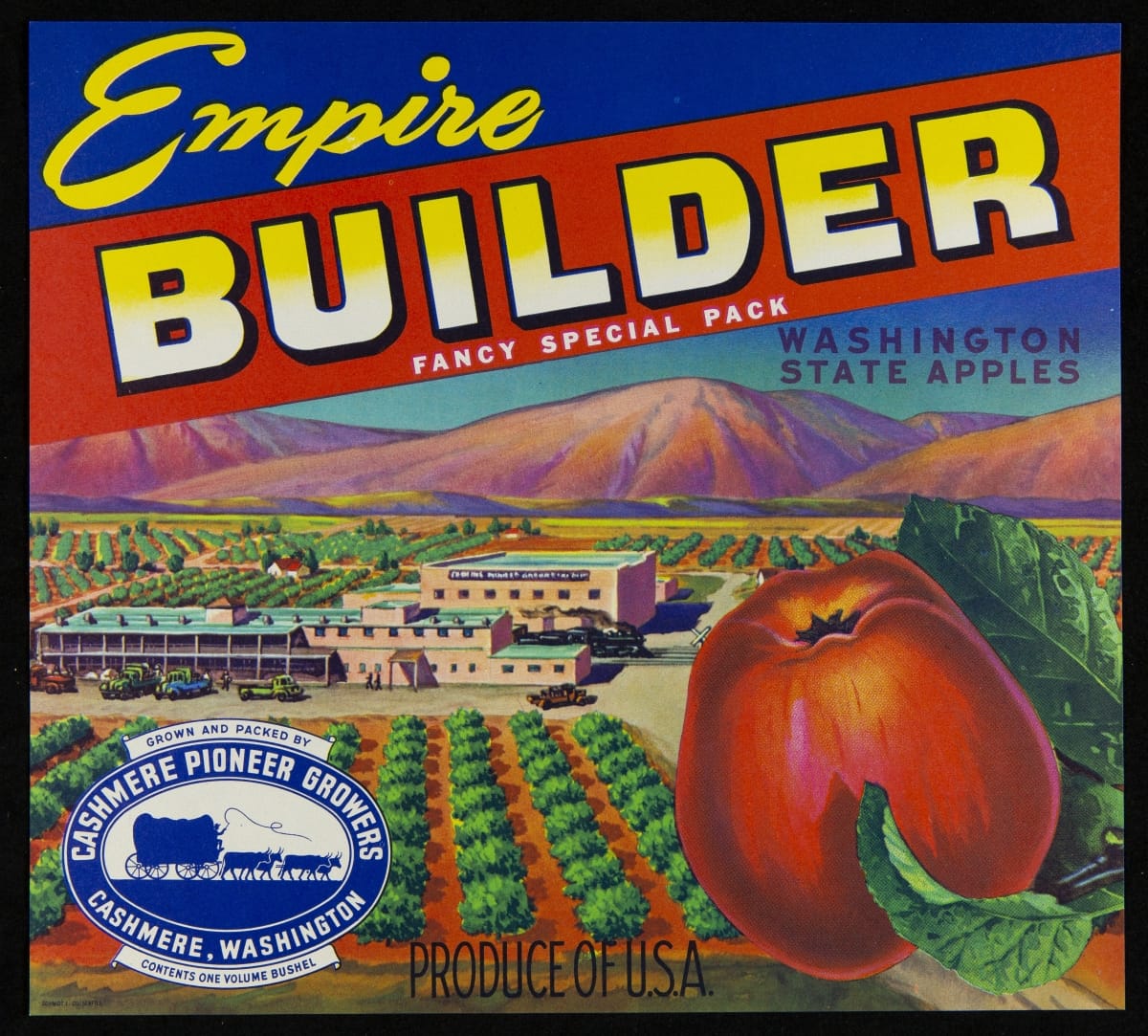
- Crate Label, "Empire Builder Brand Washington Apples," circa 1950 - In 1869, the transcontinental railroad opened eastern markets to the West Coast produce industry for the first time. As produce companies shipped crates of fruits and vegetables across the country, they needed a way to distinguish their goods from their competitors'. Colorful, eye-catching labels, like this one for Empire Builder Brand Washington Apples, were created to attract grocers purchasing goods from wholesale markets.
- circa 1950
- Collections - Artifact
Crate Label, "Empire Builder Brand Washington Apples," circa 1950
In 1869, the transcontinental railroad opened eastern markets to the West Coast produce industry for the first time. As produce companies shipped crates of fruits and vegetables across the country, they needed a way to distinguish their goods from their competitors'. Colorful, eye-catching labels, like this one for Empire Builder Brand Washington Apples, were created to attract grocers purchasing goods from wholesale markets.
- Wood & Company, "Snapdragon" Seed Packet, 1966-1990 -
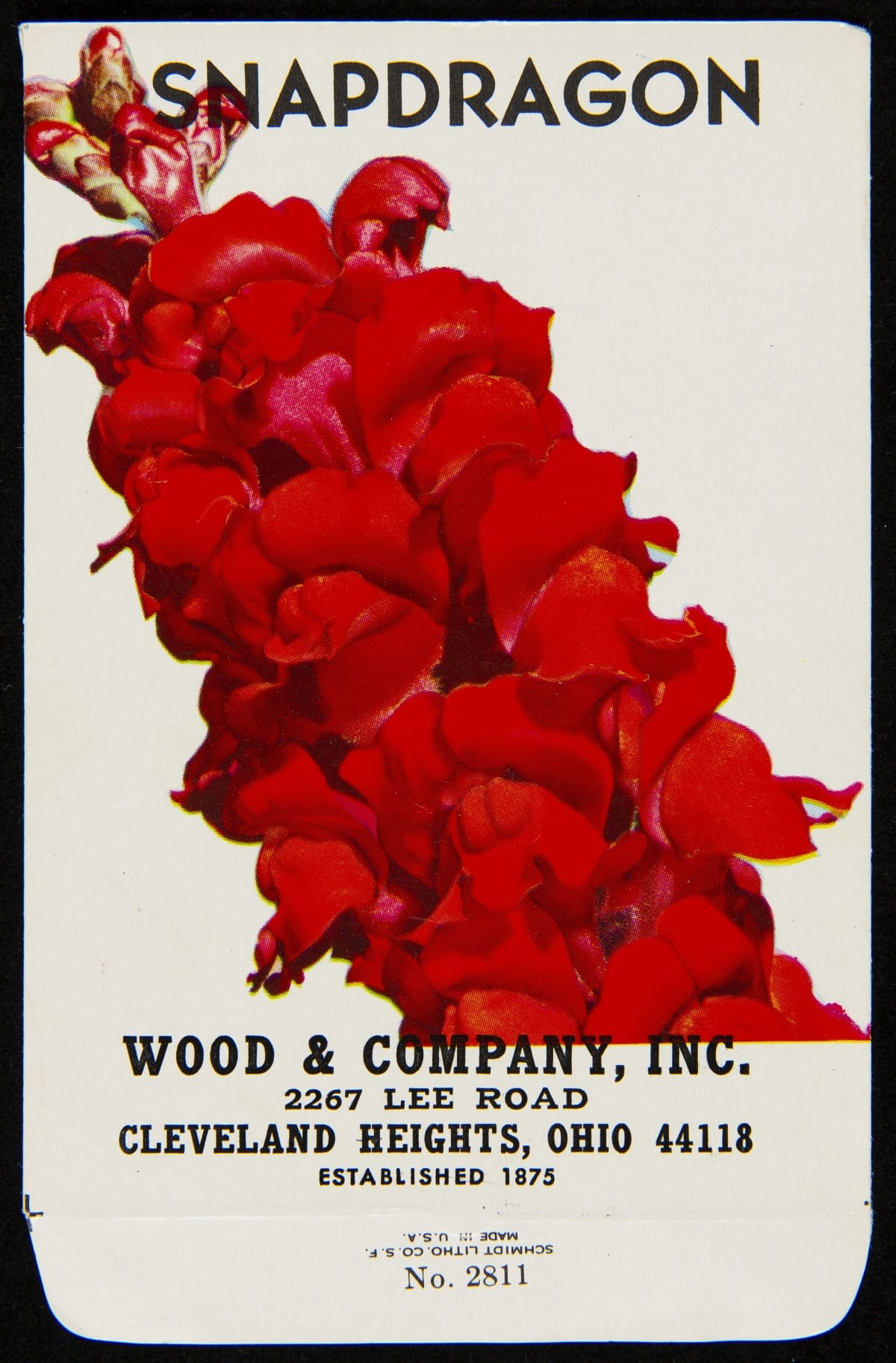
- 1966-1990
- Collections - Artifact
Wood & Company, "Snapdragon" Seed Packet, 1966-1990
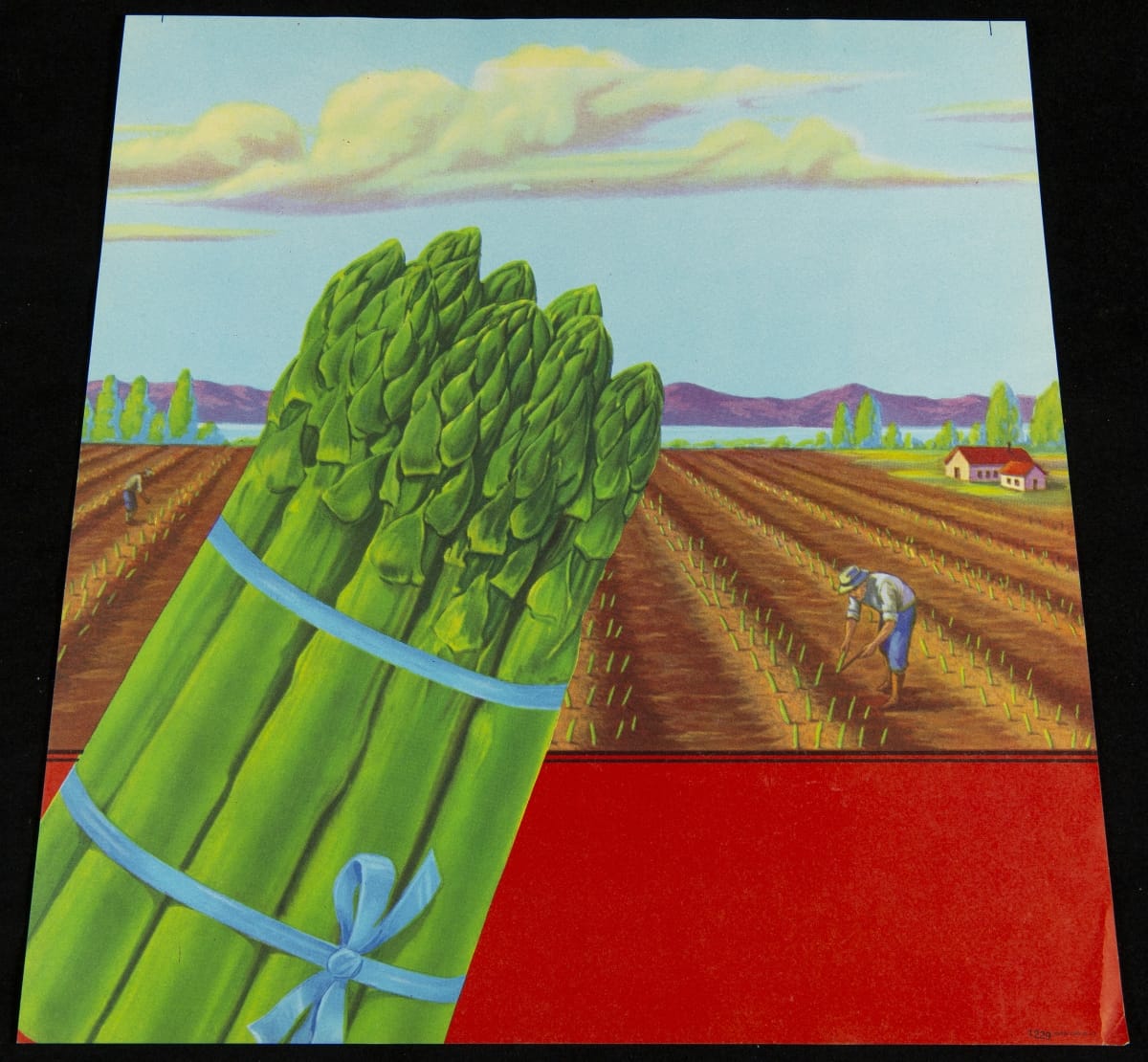
- Stock Crate Label for an Unknown Brand of Asparagus, 1906-1966 - While many lithography firms of the-late 19th to early 20th-centuries created custom labels for companies, they also created stock labels devoid of product or company identification. A cheaper alternative to custom designs, stock labels allowed a generic image to be selected and the brand name to be incorporated into the design. This stock image for asparagus was created by the Schmidt Lithograph Company.
- 1906-1966
- Collections - Artifact
Stock Crate Label for an Unknown Brand of Asparagus, 1906-1966
While many lithography firms of the-late 19th to early 20th-centuries created custom labels for companies, they also created stock labels devoid of product or company identification. A cheaper alternative to custom designs, stock labels allowed a generic image to be selected and the brand name to be incorporated into the design. This stock image for asparagus was created by the Schmidt Lithograph Company.