
Search
- Cautery Kit, circa 1910 -
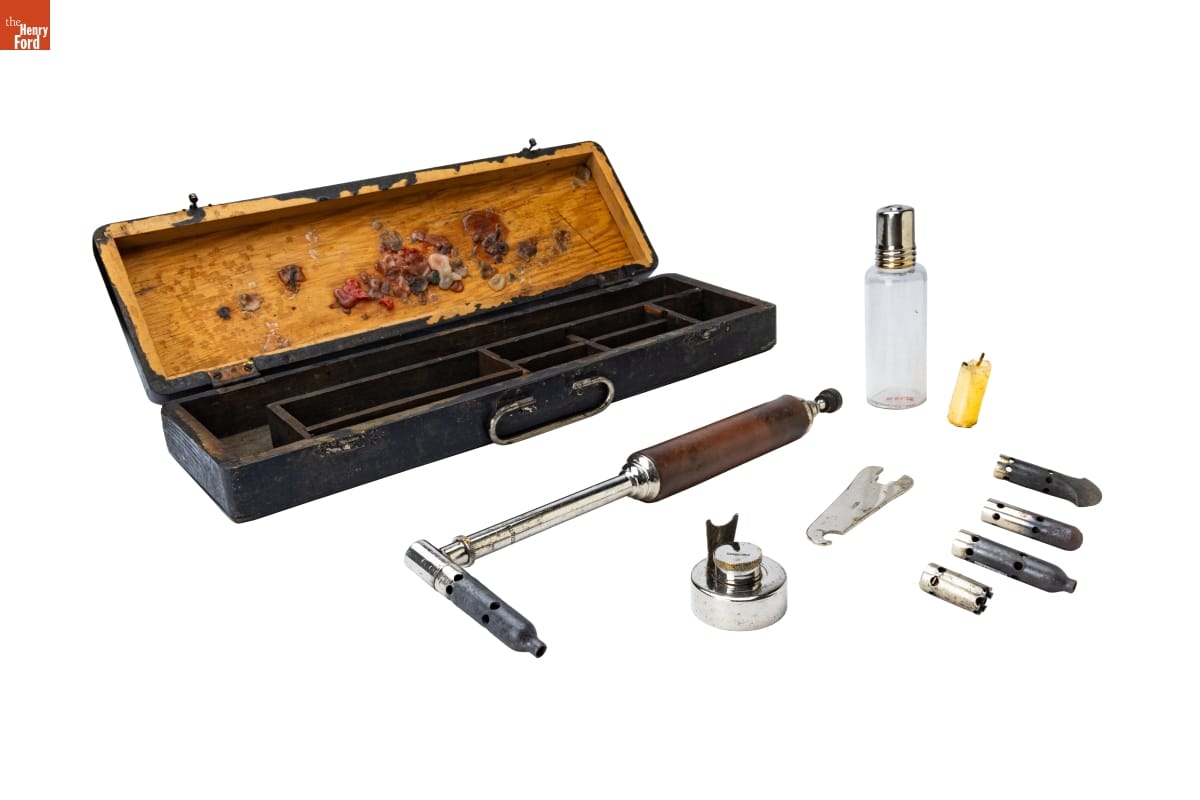
- circa 1910
- Collections - Artifact
Cautery Kit, circa 1910
- Open Molar Cutter, circa 1915 -
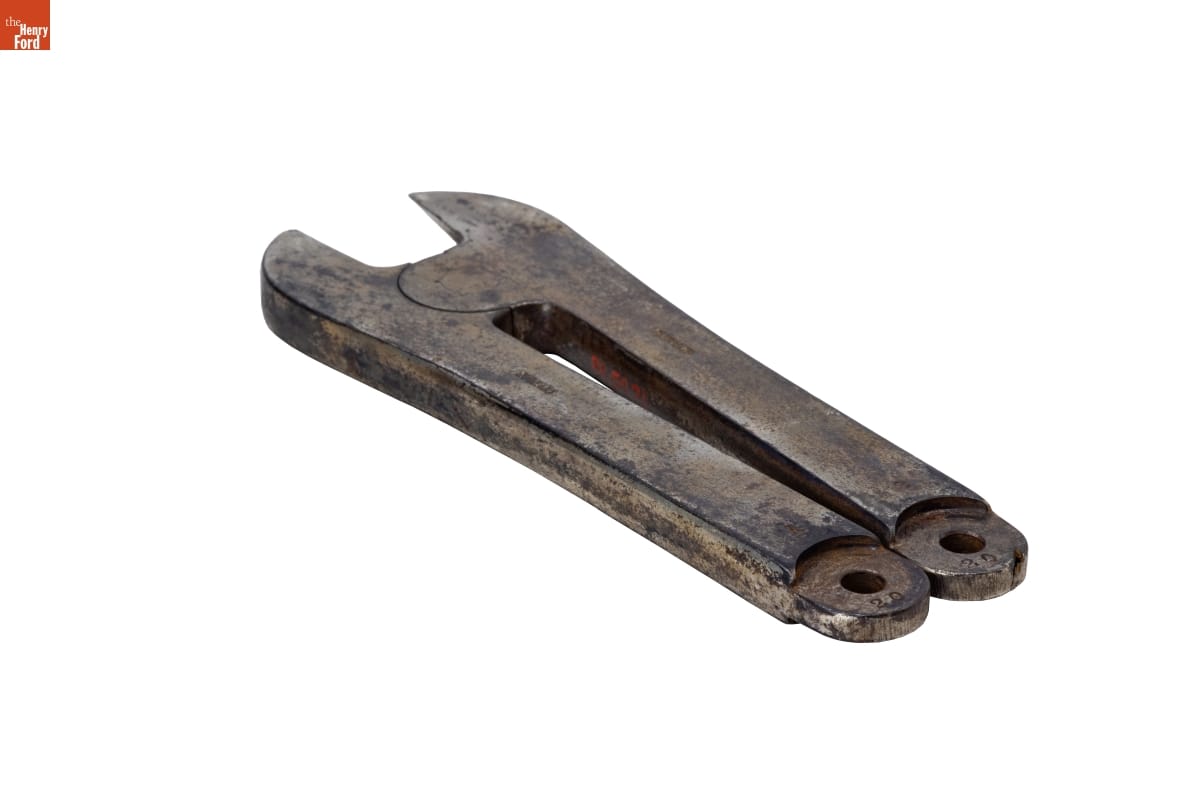
- circa 1915
- Collections - Artifact
Open Molar Cutter, circa 1915
- Tracheotomy Tube, circa 1920 -
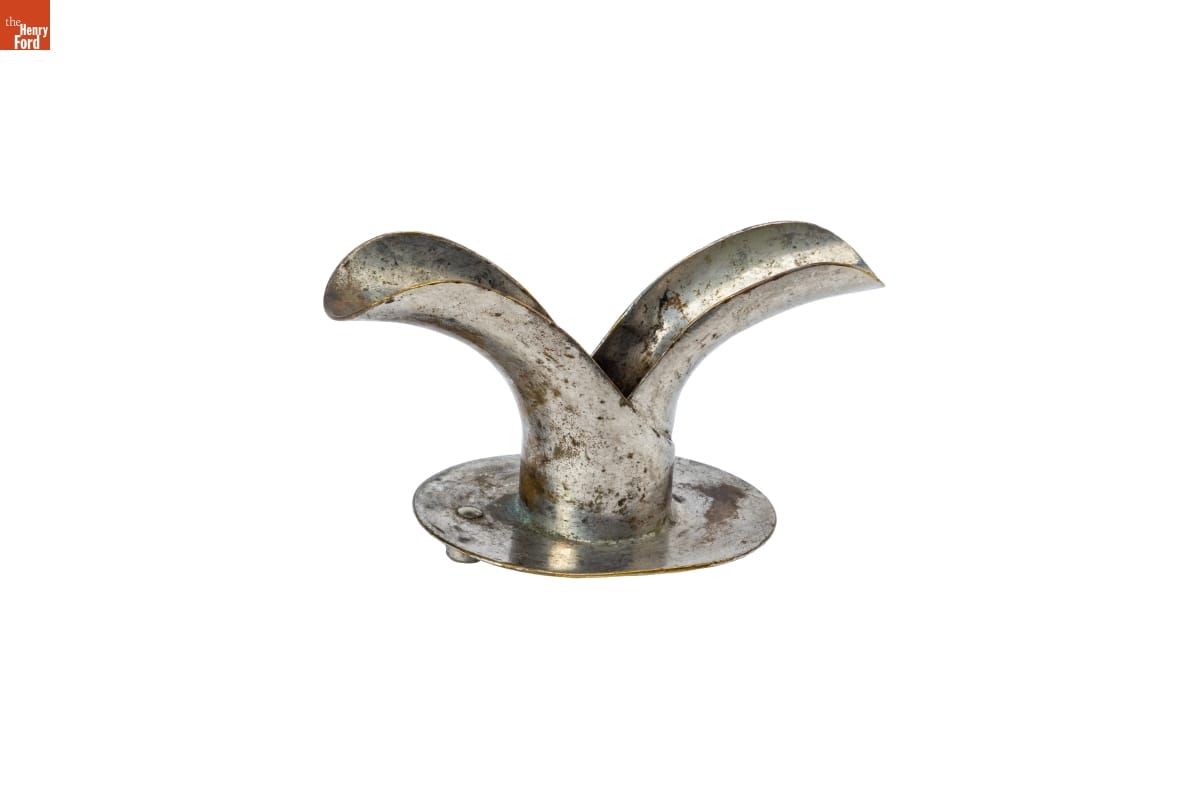
- circa 1920
- Collections - Artifact
Tracheotomy Tube, circa 1920
- Closed Molar Extractor, circa 1900 - Veterinarians remove loose or damaged teeth from animals before they become too painful or infected. They use dental forceps or extractors to grip the tooth below the gum and rock it back and forth to loosen and remove it. This procedure requires patience because pulling the tooth before it is fully loose could harm the animal.
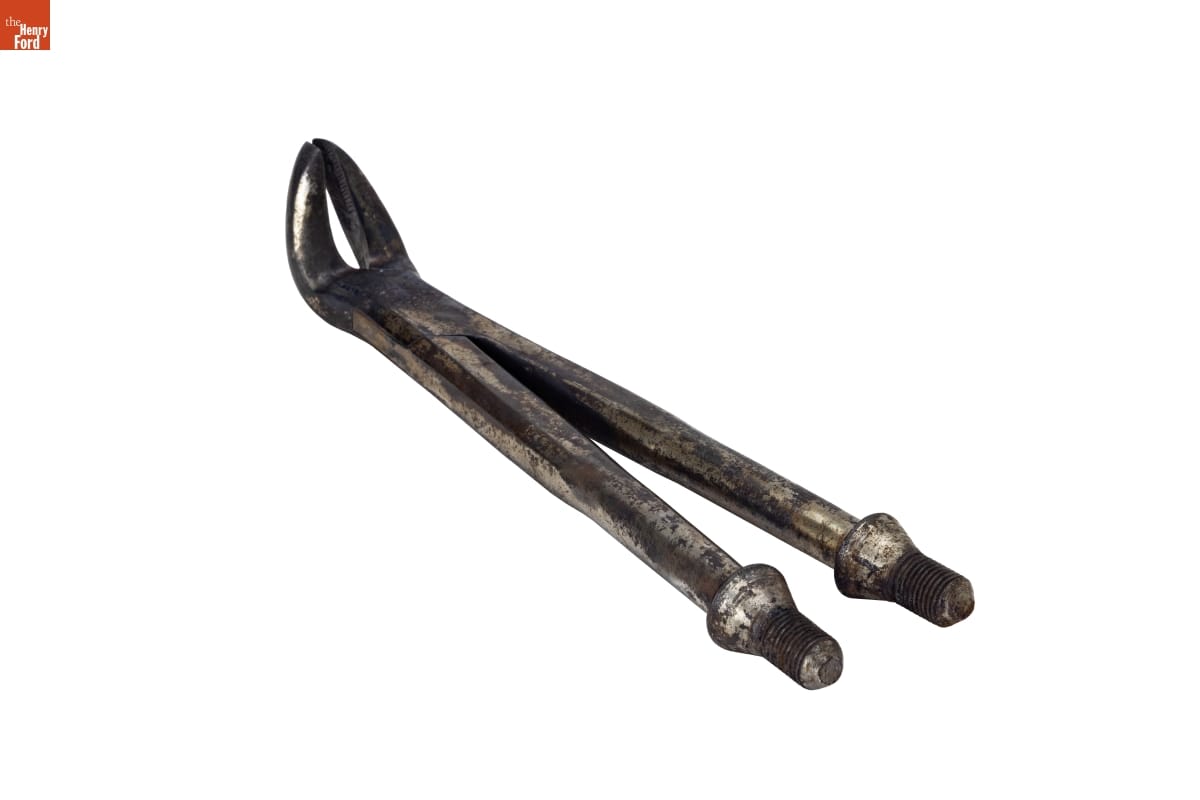
- circa 1900
- Collections - Artifact
Closed Molar Extractor, circa 1900
Veterinarians remove loose or damaged teeth from animals before they become too painful or infected. They use dental forceps or extractors to grip the tooth below the gum and rock it back and forth to loosen and remove it. This procedure requires patience because pulling the tooth before it is fully loose could harm the animal.
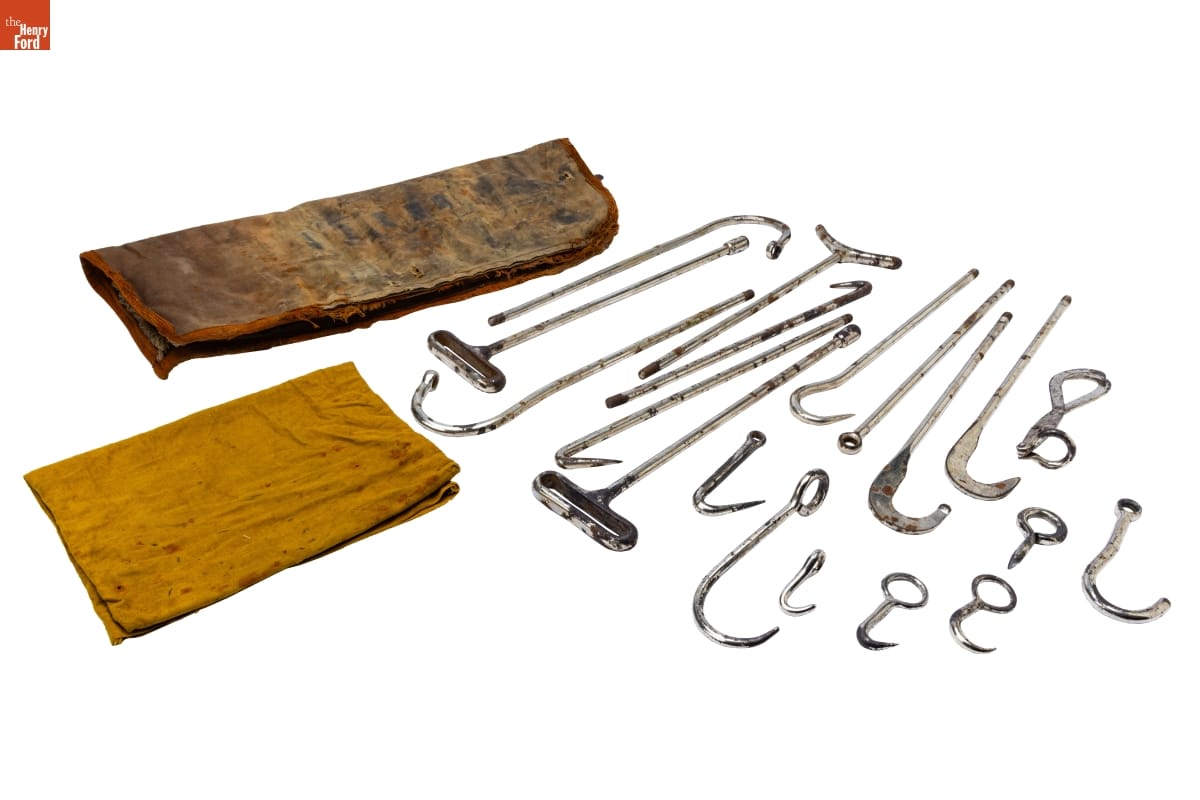
- Bovine Obstetrical Kit, circa 1920 - Veterinarians sometimes must perform unpleasant work to care for animals. Stillborn or deformed fetuses in large, domesticated animals, like horses and cows, must be removed to save the mother. This obstetrical kit contains tools that veterinarians might need during the procedure.
- circa 1920
- Collections - Artifact
Bovine Obstetrical Kit, circa 1920
Veterinarians sometimes must perform unpleasant work to care for animals. Stillborn or deformed fetuses in large, domesticated animals, like horses and cows, must be removed to save the mother. This obstetrical kit contains tools that veterinarians might need during the procedure.
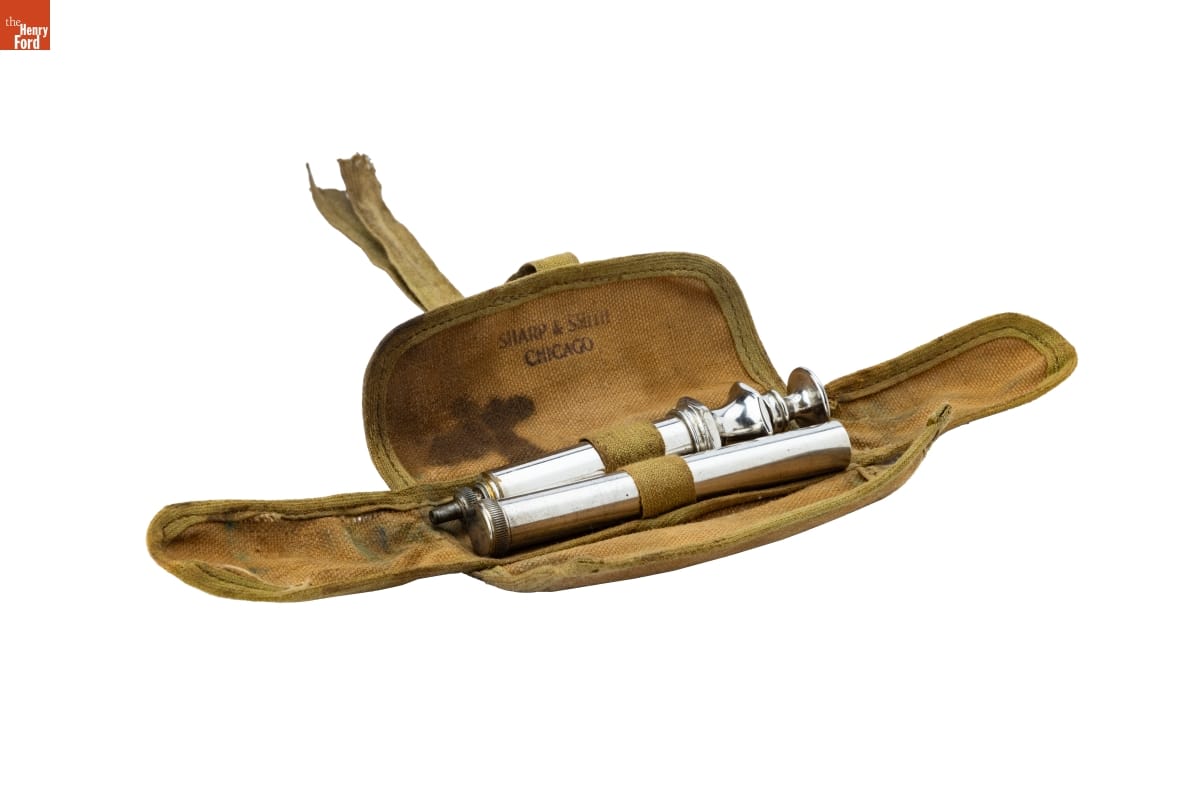
- Syringe, circa 1900 -
- circa 1900
- Collections - Artifact
Syringe, circa 1900
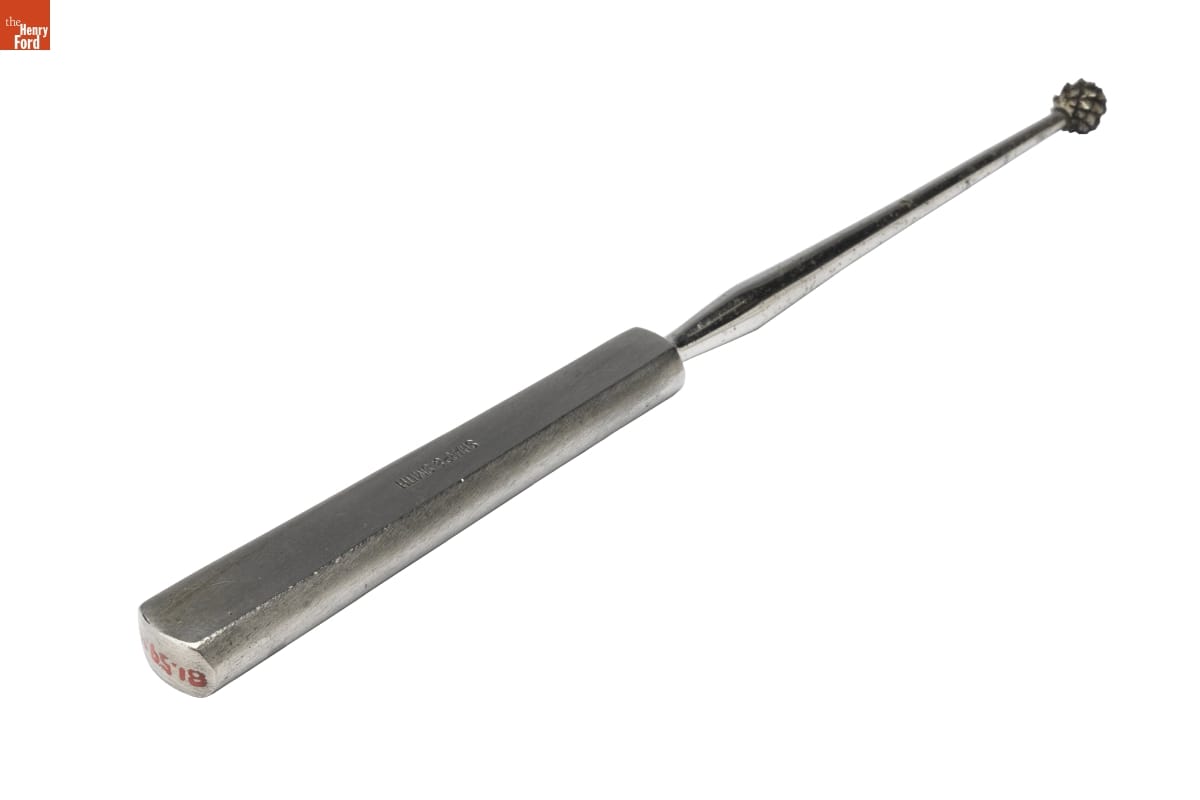
- Roaring Burr - "Roaring" in horses is caused by damage to part of the larynx that reduces the amount of air the animal takes in during work or exercise. The condition gets its name from the loud rasping or roar-like sound made. Tools like this roaring burr allow veterinarians to remove damaged tissue to increase airflow.
- Collections - Artifact
Roaring Burr
"Roaring" in horses is caused by damage to part of the larynx that reduces the amount of air the animal takes in during work or exercise. The condition gets its name from the loud rasping or roar-like sound made. Tools like this roaring burr allow veterinarians to remove damaged tissue to increase airflow.
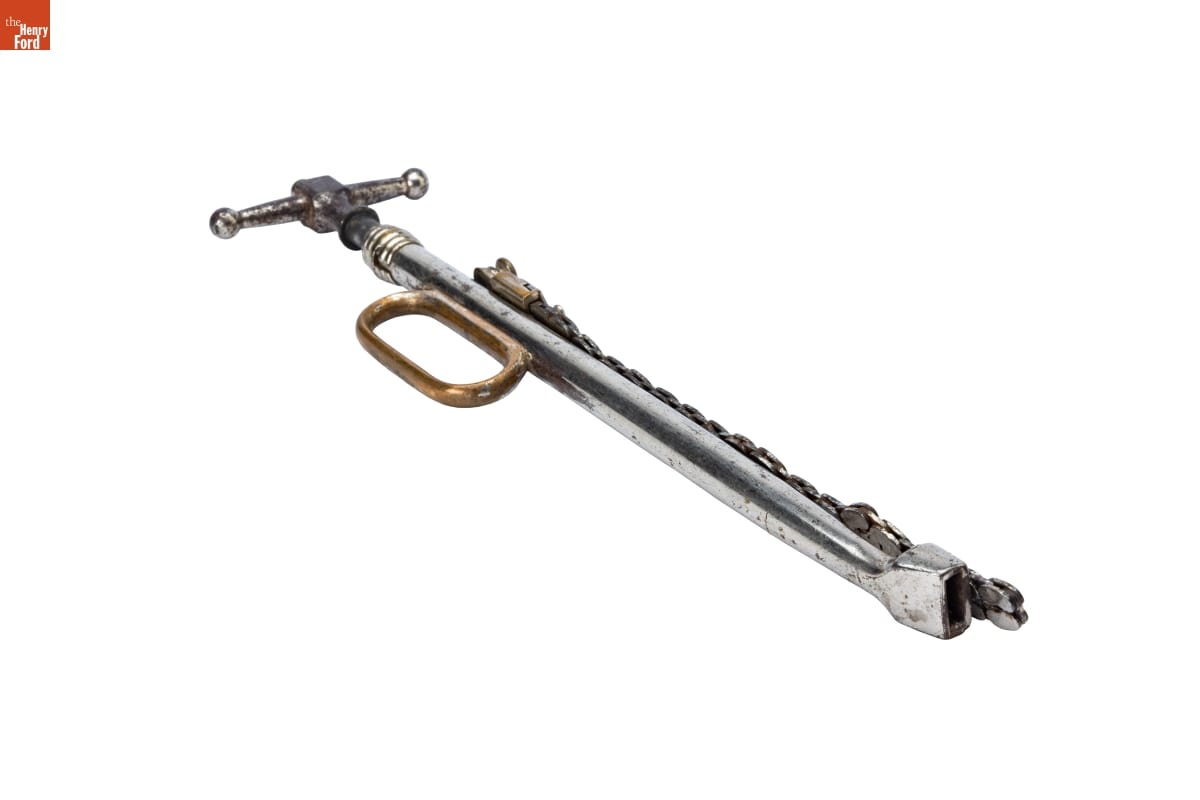
- Ecraseur, circa 1900 -
- circa 1900
- Collections - Artifact
Ecraseur, circa 1900
- Open Molar Extractor, circa 1900 - Veterinarians remove loose or damaged teeth from animals before they become too painful or infected. They use dental forceps or extractors to grip the tooth below the gum and rock it back and forth to loosen and remove it. This procedure requires patience because pulling the tooth before it is fully loose could harm the animal.
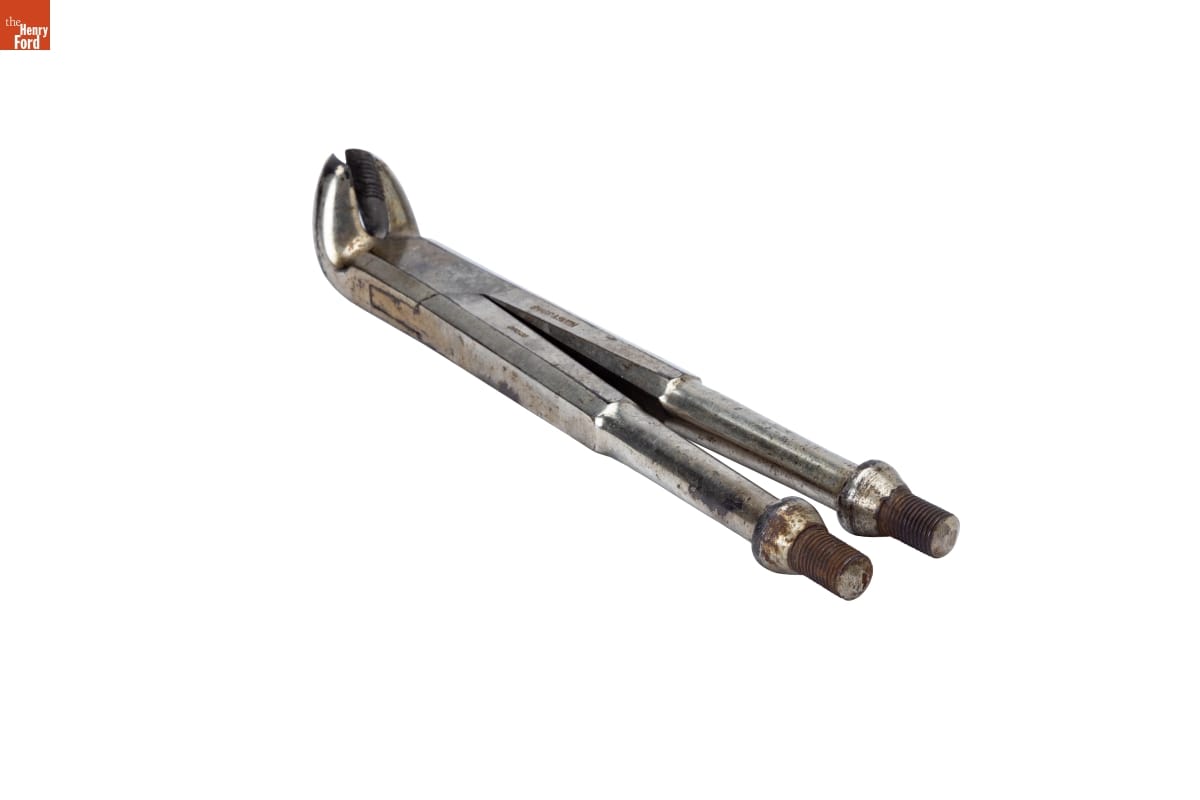
- circa 1900
- Collections - Artifact
Open Molar Extractor, circa 1900
Veterinarians remove loose or damaged teeth from animals before they become too painful or infected. They use dental forceps or extractors to grip the tooth below the gum and rock it back and forth to loosen and remove it. This procedure requires patience because pulling the tooth before it is fully loose could harm the animal.
- Roaring Burr, circa 1920 - "Roaring" in horses is caused by damage to part of the larynx that reduces the amount of air the animal takes in during work or exercise. The condition gets its name from the loud rasping or roar-like sound made. Tools like this roaring burr allow veterinarians to remove damaged tissue to increase airflow.
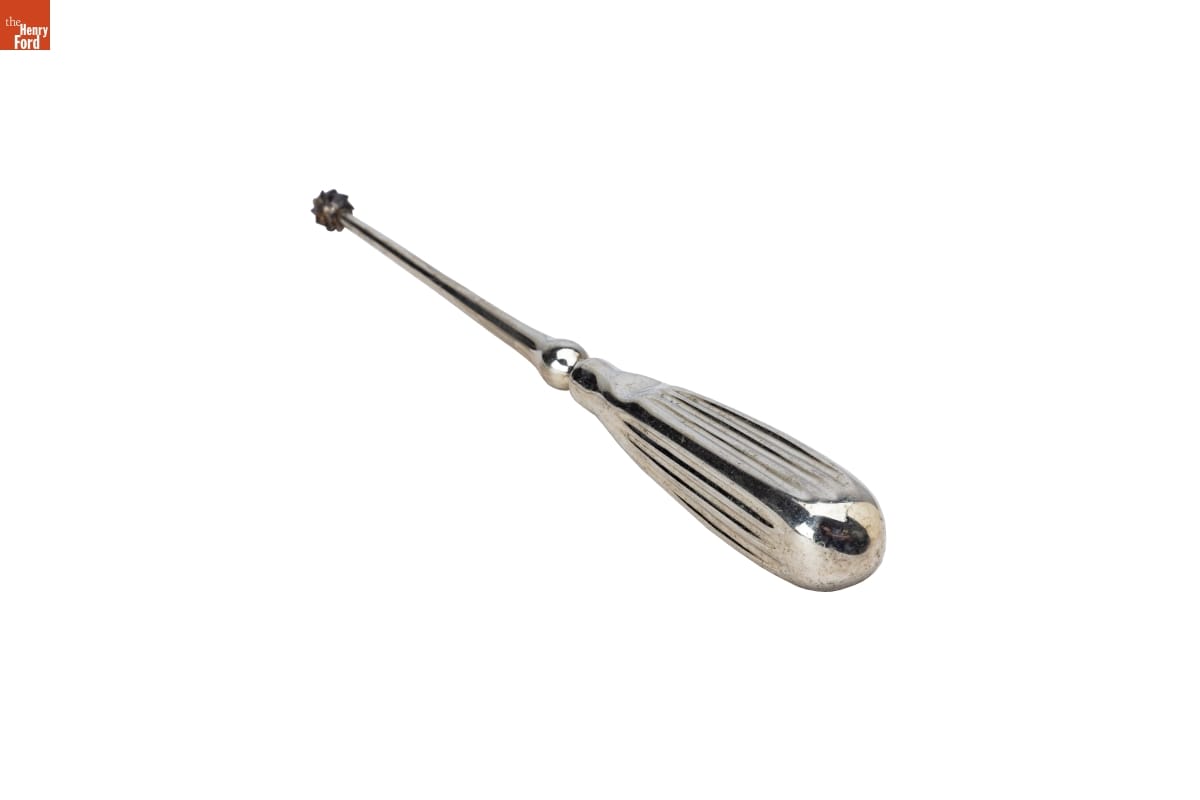
- circa 1920
- Collections - Artifact
Roaring Burr, circa 1920
"Roaring" in horses is caused by damage to part of the larynx that reduces the amount of air the animal takes in during work or exercise. The condition gets its name from the loud rasping or roar-like sound made. Tools like this roaring burr allow veterinarians to remove damaged tissue to increase airflow.