
Search
- Tape Recording Featuring Works of Various Artists, 1977-1982 - The transformative effects of magnetic tape upon sound, broadcast, and computing history cannot be overstated. In 1930, German companies AEG and BASF revised wire recording technology by using a new material: plastic tape coated with magnetic iron pigment. Its proposed applications were varied, idealistic and practical: recording music and radio, factory automation, data storage, media lending libraries, and many others.
- 1977-1982
- Collections - Artifact
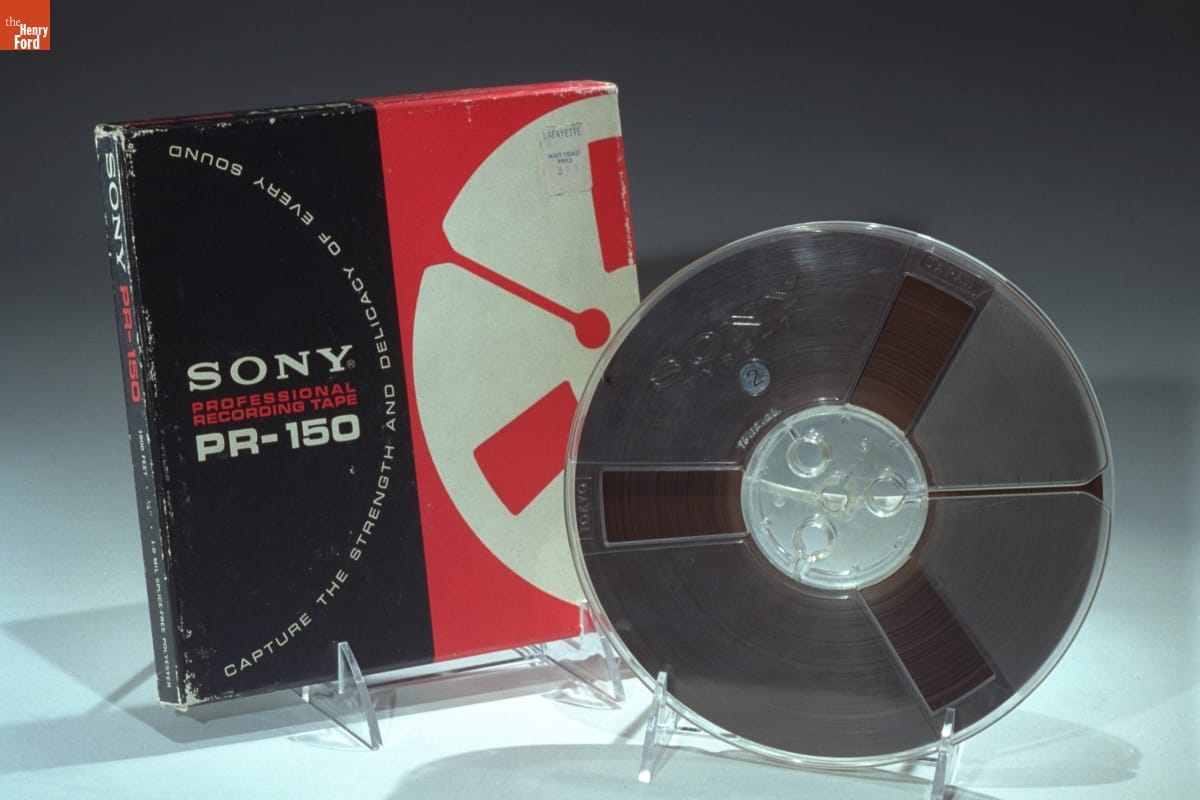
Tape Recording Featuring Works of Various Artists, 1977-1982
The transformative effects of magnetic tape upon sound, broadcast, and computing history cannot be overstated. In 1930, German companies AEG and BASF revised wire recording technology by using a new material: plastic tape coated with magnetic iron pigment. Its proposed applications were varied, idealistic and practical: recording music and radio, factory automation, data storage, media lending libraries, and many others.
- Tape Recording Featuring "Switched on Bach" and "Beethoven's Symphony No. 4," 1977-1982 - The transformative effects of magnetic tape upon sound, broadcast, and computing history cannot be overstated. In 1930, German companies AEG and BASF revised wire recording technology by using a new material: plastic tape coated with magnetic iron pigment. Its proposed applications were varied, idealistic and practical: recording music and radio, factory automation, data storage, media lending libraries, and many others.
- 1977-1982
- Collections - Artifact
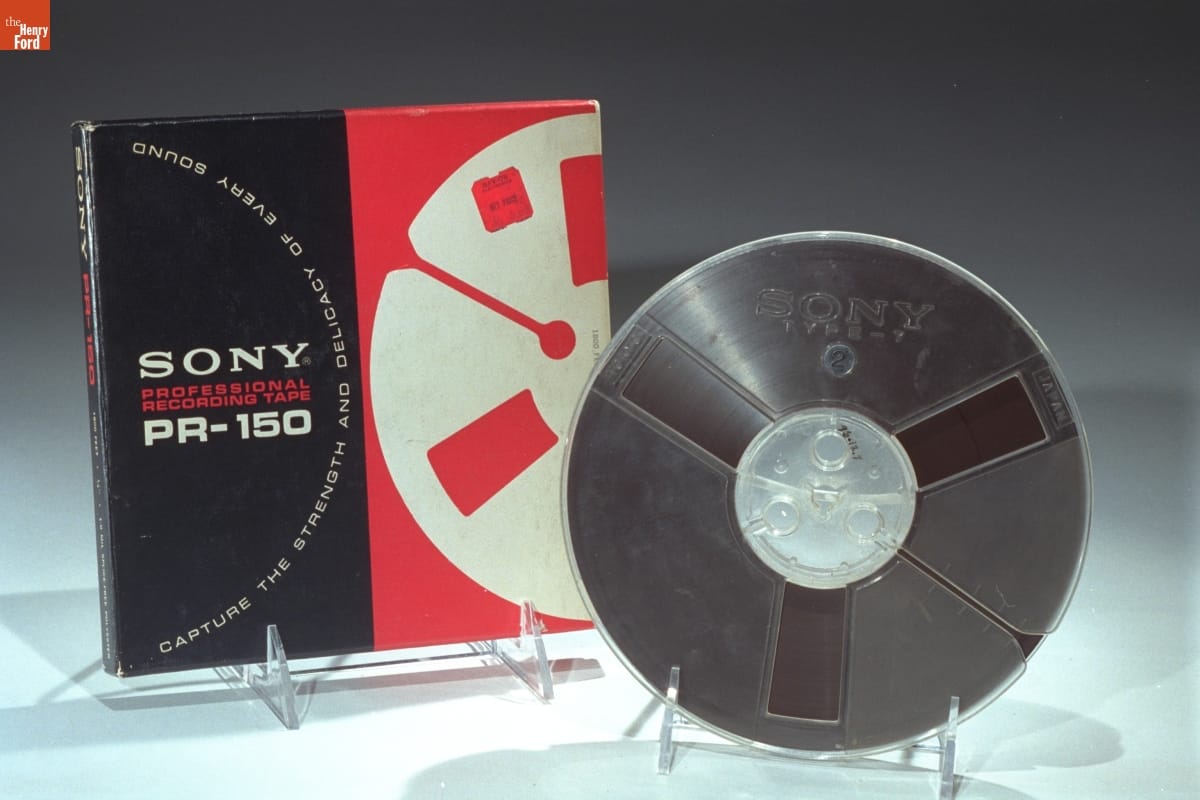
Tape Recording Featuring "Switched on Bach" and "Beethoven's Symphony No. 4," 1977-1982
The transformative effects of magnetic tape upon sound, broadcast, and computing history cannot be overstated. In 1930, German companies AEG and BASF revised wire recording technology by using a new material: plastic tape coated with magnetic iron pigment. Its proposed applications were varied, idealistic and practical: recording music and radio, factory automation, data storage, media lending libraries, and many others.
- Tape Recording Featuring Works of Scott Joplin and Joan Baez, 1977-1982 - The transformative effects of magnetic tape upon sound, broadcast, and computing history cannot be overstated. In 1930, German companies AEG and BASF revised wire recording technology by using a new material: plastic tape coated with magnetic iron pigment. Its proposed applications were varied, idealistic and practical: recording music and radio, factory automation, data storage, media lending libraries, and many others.
- 1977-1982
- Collections - Artifact
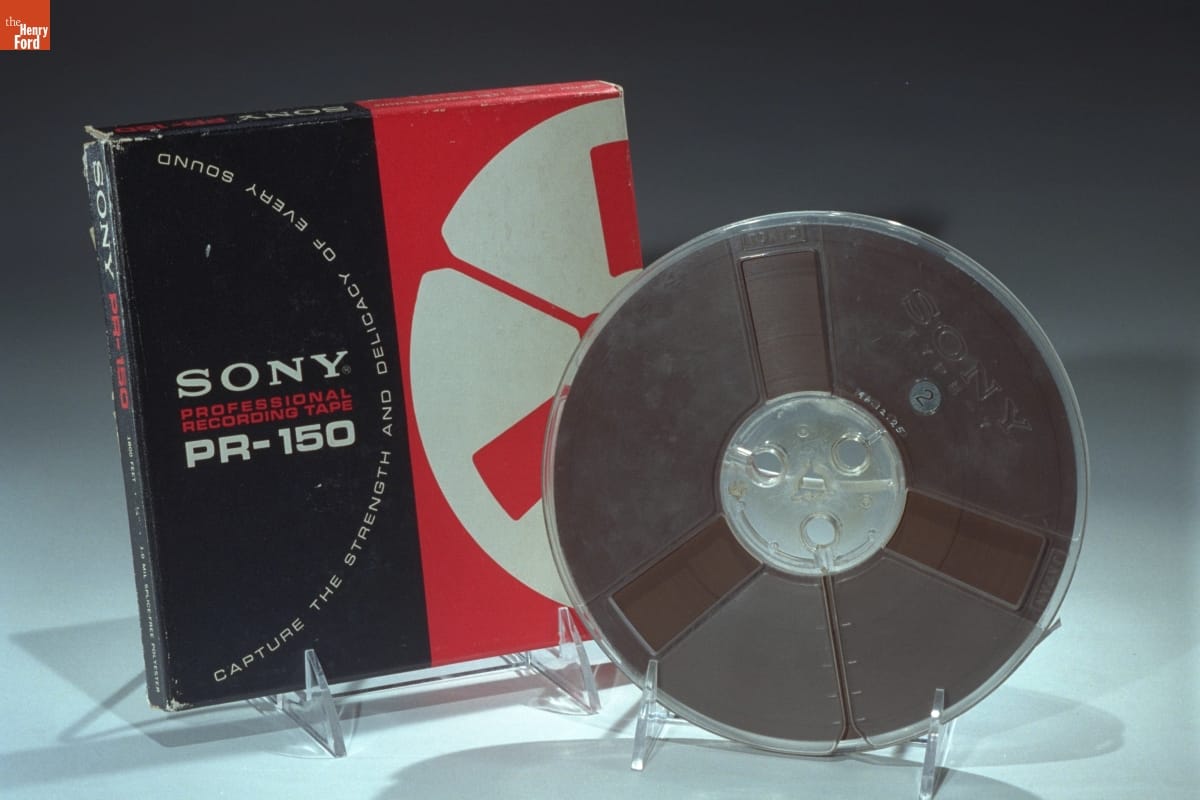
Tape Recording Featuring Works of Scott Joplin and Joan Baez, 1977-1982
The transformative effects of magnetic tape upon sound, broadcast, and computing history cannot be overstated. In 1930, German companies AEG and BASF revised wire recording technology by using a new material: plastic tape coated with magnetic iron pigment. Its proposed applications were varied, idealistic and practical: recording music and radio, factory automation, data storage, media lending libraries, and many others.
- Sony Reel to Reel Stereo Tape Recorder, Model TC-350, circa 1968 - In 1930, a new material--plastic tape coated with magnetic pigment--opened worlds of possibility for sound recording and data storage. Professionals used open-reel magnetic tape recorders to pre-record radio shows; consumer models were used for home recording and music playback. The format was sonically superior to compact cassettes introduced in 1963, but shifted to niche use by the 1980s.
- circa 1968
- Collections - Artifact
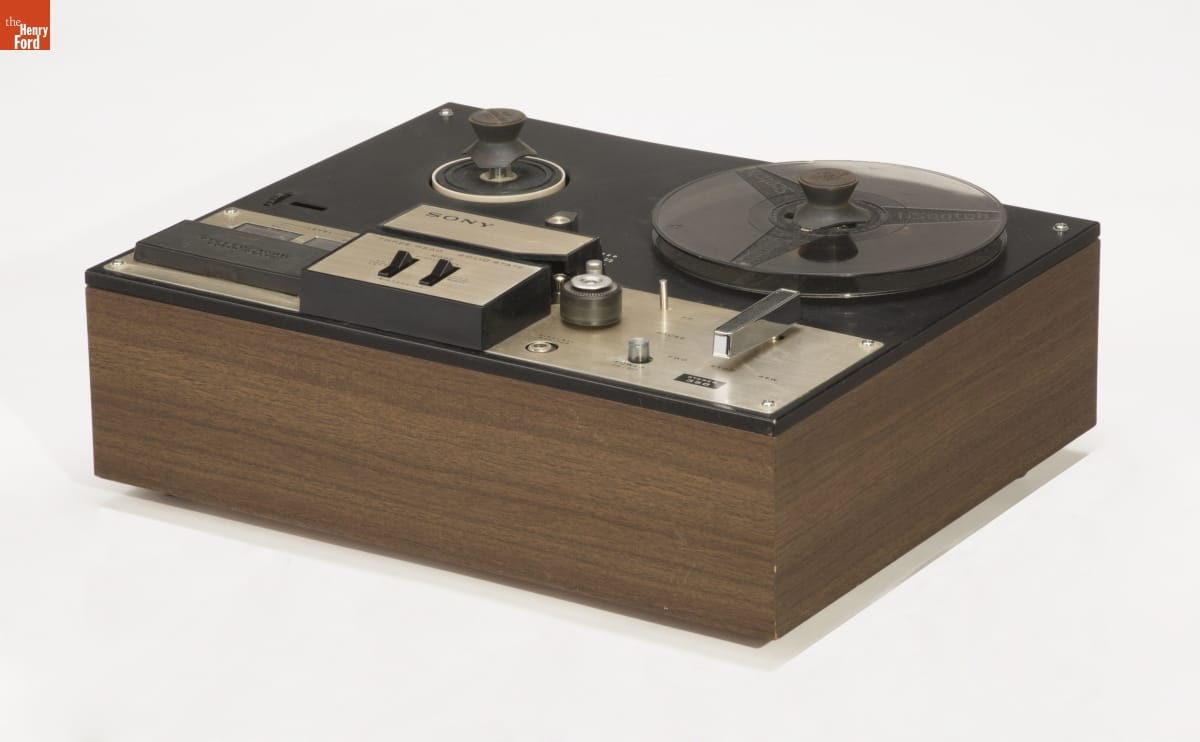
Sony Reel to Reel Stereo Tape Recorder, Model TC-350, circa 1968
In 1930, a new material--plastic tape coated with magnetic pigment--opened worlds of possibility for sound recording and data storage. Professionals used open-reel magnetic tape recorders to pre-record radio shows; consumer models were used for home recording and music playback. The format was sonically superior to compact cassettes introduced in 1963, but shifted to niche use by the 1980s.