
Search
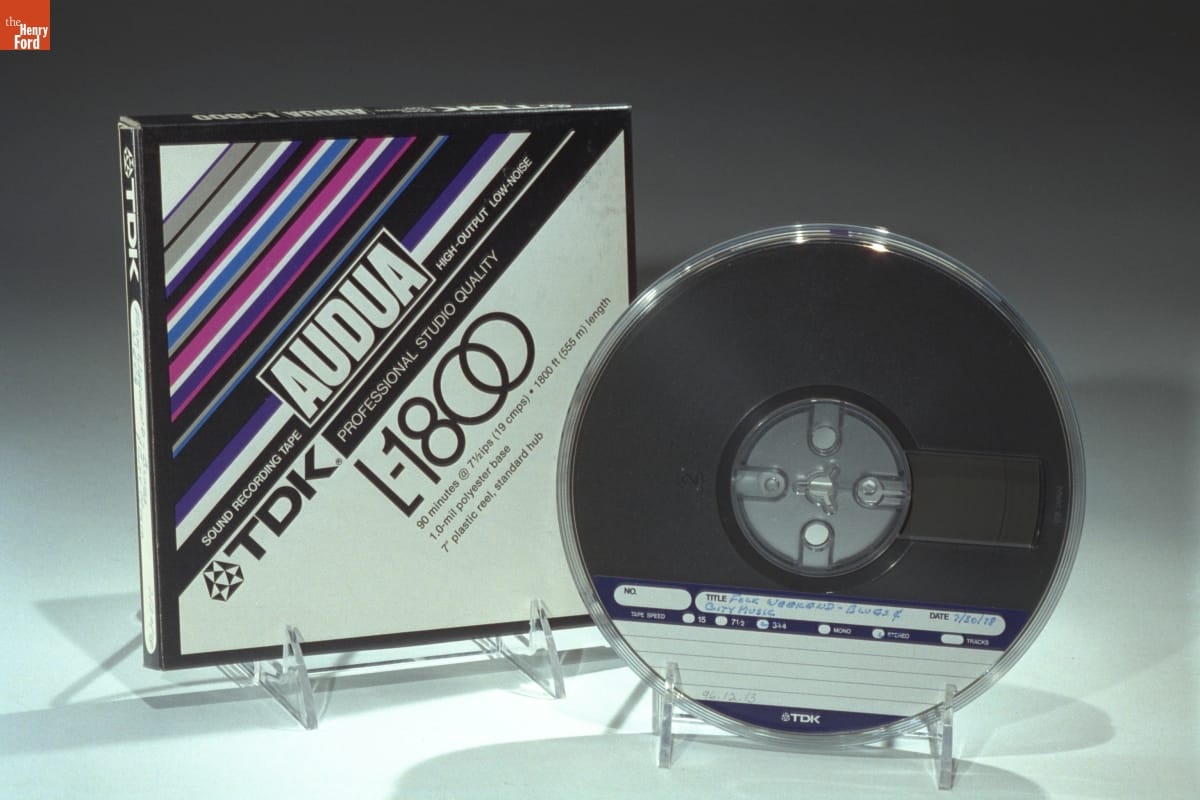
- Tape Recording Featuring Radio Programs "Folk Weekend" (WETA) and "Blues & City Music," 1978 - The transformative effects of magnetic tape upon sound, broadcast, and computing history cannot be overstated. In 1930, German companies AEG and BASF revised wire recording technology by using a new material: plastic tape coated with magnetic iron pigment. Its proposed applications were varied, idealistic and practical: recording music and radio, factory automation, data storage, media lending libraries, and many others.
- July 30, 1978
- Collections - Artifact
Tape Recording Featuring Radio Programs "Folk Weekend" (WETA) and "Blues & City Music," 1978
The transformative effects of magnetic tape upon sound, broadcast, and computing history cannot be overstated. In 1930, German companies AEG and BASF revised wire recording technology by using a new material: plastic tape coated with magnetic iron pigment. Its proposed applications were varied, idealistic and practical: recording music and radio, factory automation, data storage, media lending libraries, and many others.
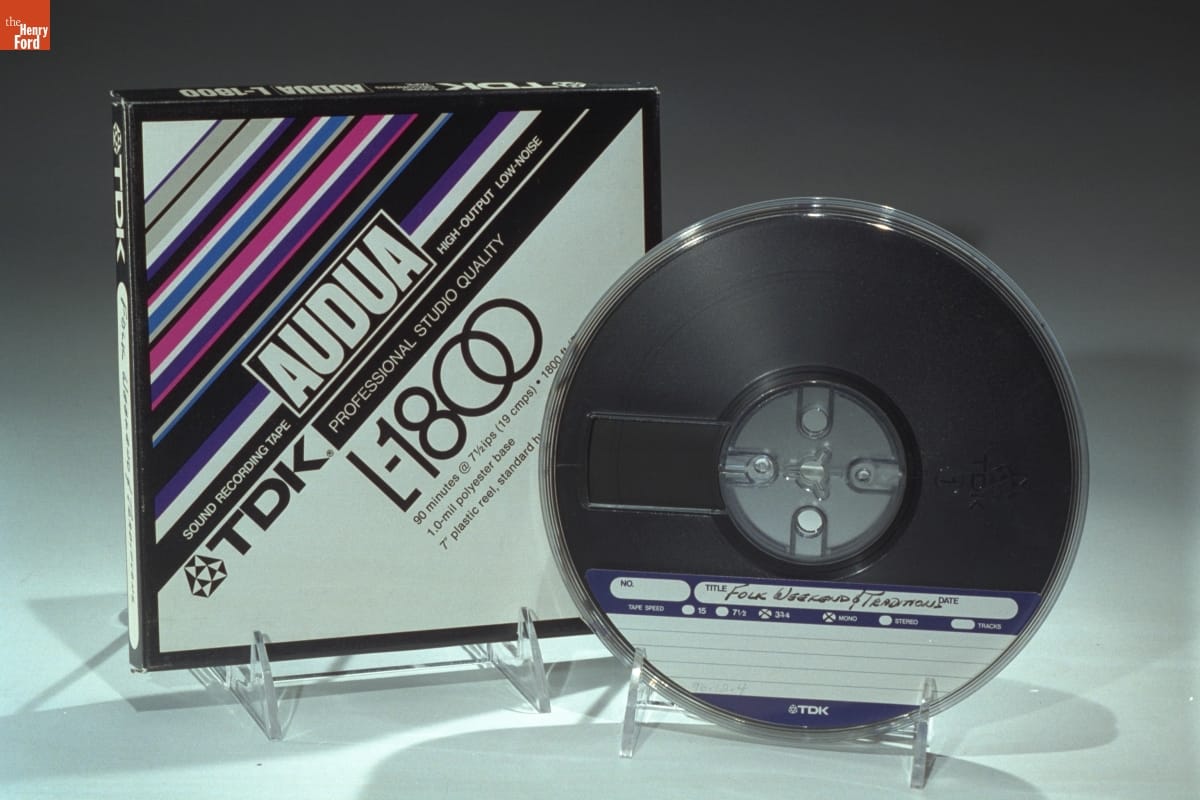
- Tape Recording Featuring Radio Programs "Folk Weekend" and "Traditions" (WETA), 1977-1982 - The transformative effects of magnetic tape upon sound, broadcast, and computing history cannot be overstated. In 1930, German companies AEG and BASF revised wire recording technology by using a new material: plastic tape coated with magnetic iron pigment. Its proposed applications were varied, idealistic and practical: recording music and radio, factory automation, data storage, media lending libraries, and many others.
- 1977-1982
- Collections - Artifact
Tape Recording Featuring Radio Programs "Folk Weekend" and "Traditions" (WETA), 1977-1982
The transformative effects of magnetic tape upon sound, broadcast, and computing history cannot be overstated. In 1930, German companies AEG and BASF revised wire recording technology by using a new material: plastic tape coated with magnetic iron pigment. Its proposed applications were varied, idealistic and practical: recording music and radio, factory automation, data storage, media lending libraries, and many others.
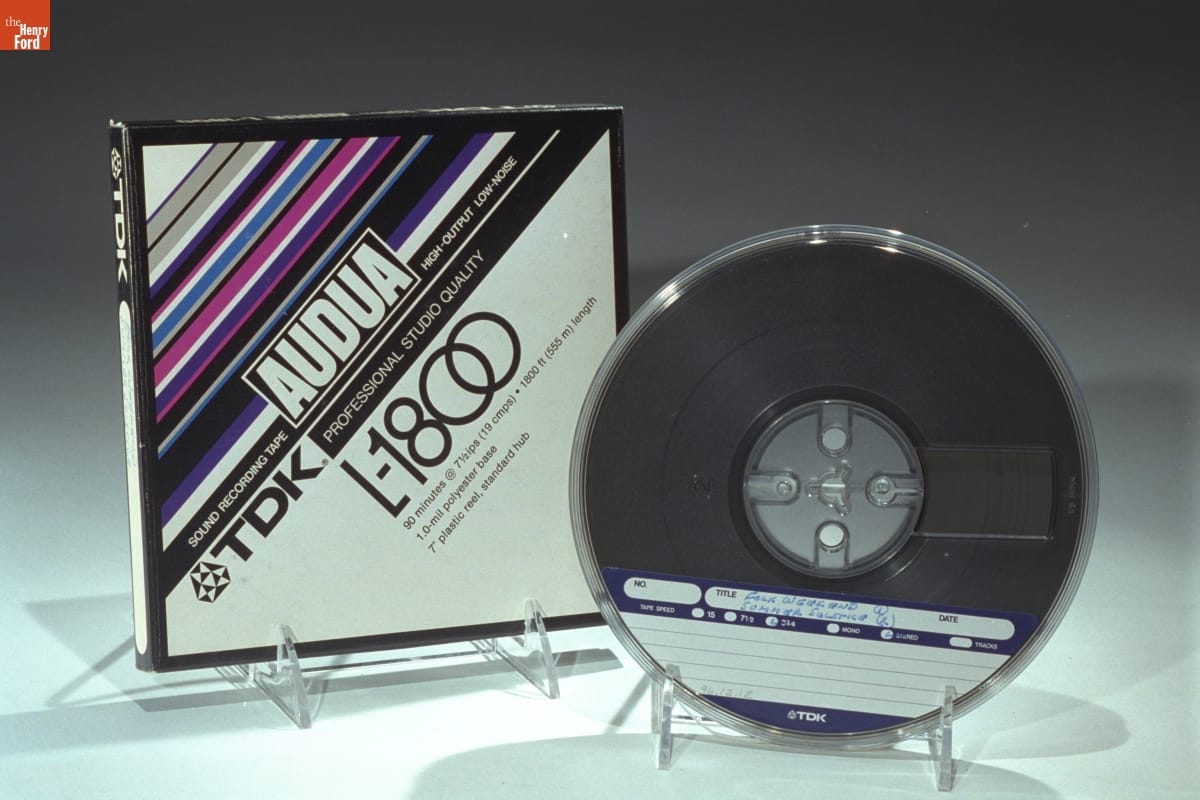
- Tape Recording Featuring Radio Programs "Folk Weekend" (WETA) and "Summer Solstice," 1977-1982 - The transformative effects of magnetic tape upon sound, broadcast, and computing history cannot be overstated. In 1930, German companies AEG and BASF revised wire recording technology by using a new material: plastic tape coated with magnetic iron pigment. Its proposed applications were varied, idealistic and practical: recording music and radio, factory automation, data storage, media lending libraries, and many others.
- 1977-1982
- Collections - Artifact
Tape Recording Featuring Radio Programs "Folk Weekend" (WETA) and "Summer Solstice," 1977-1982
The transformative effects of magnetic tape upon sound, broadcast, and computing history cannot be overstated. In 1930, German companies AEG and BASF revised wire recording technology by using a new material: plastic tape coated with magnetic iron pigment. Its proposed applications were varied, idealistic and practical: recording music and radio, factory automation, data storage, media lending libraries, and many others.
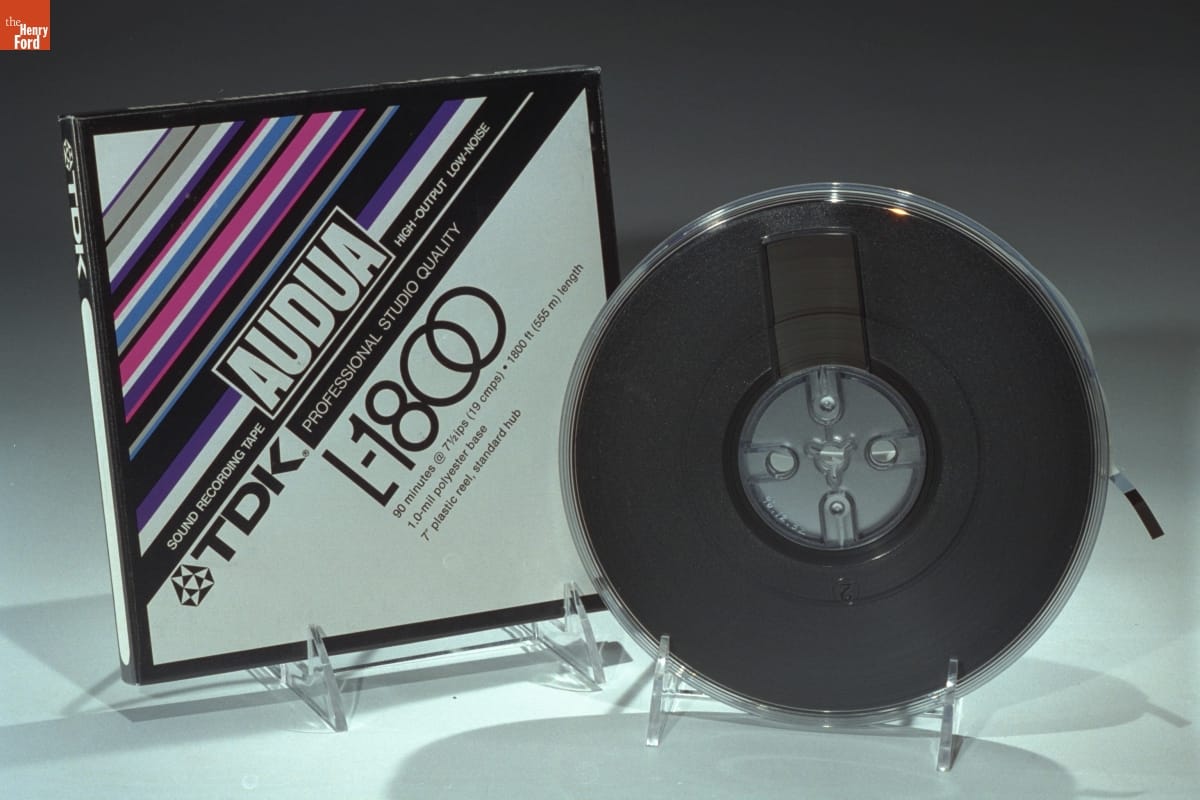
- TDK Recording Audiotape, 1977-1982 - The transformative effects of magnetic tape upon sound, broadcast, and computing history cannot be overstated. In 1930, German companies AEG and BASF revised wire recording technology by using a new material: plastic tape coated with magnetic iron pigment. Its proposed applications were varied, idealistic and practical: recording music and radio, factory automation, data storage, media lending libraries, and many others.
- 1977-1982
- Collections - Artifact
TDK Recording Audiotape, 1977-1982
The transformative effects of magnetic tape upon sound, broadcast, and computing history cannot be overstated. In 1930, German companies AEG and BASF revised wire recording technology by using a new material: plastic tape coated with magnetic iron pigment. Its proposed applications were varied, idealistic and practical: recording music and radio, factory automation, data storage, media lending libraries, and many others.
- TDK Recording Audiotape, 1978-1982 - The transformative effects of magnetic tape upon sound, broadcast, and computing history cannot be overstated. In 1930, German companies AEG and BASF revised wire recording technology by using a new material: plastic tape coated with magnetic iron pigment. Its proposed applications were varied, idealistic and practical: recording music and radio, factory automation, data storage, media lending libraries, and many others.
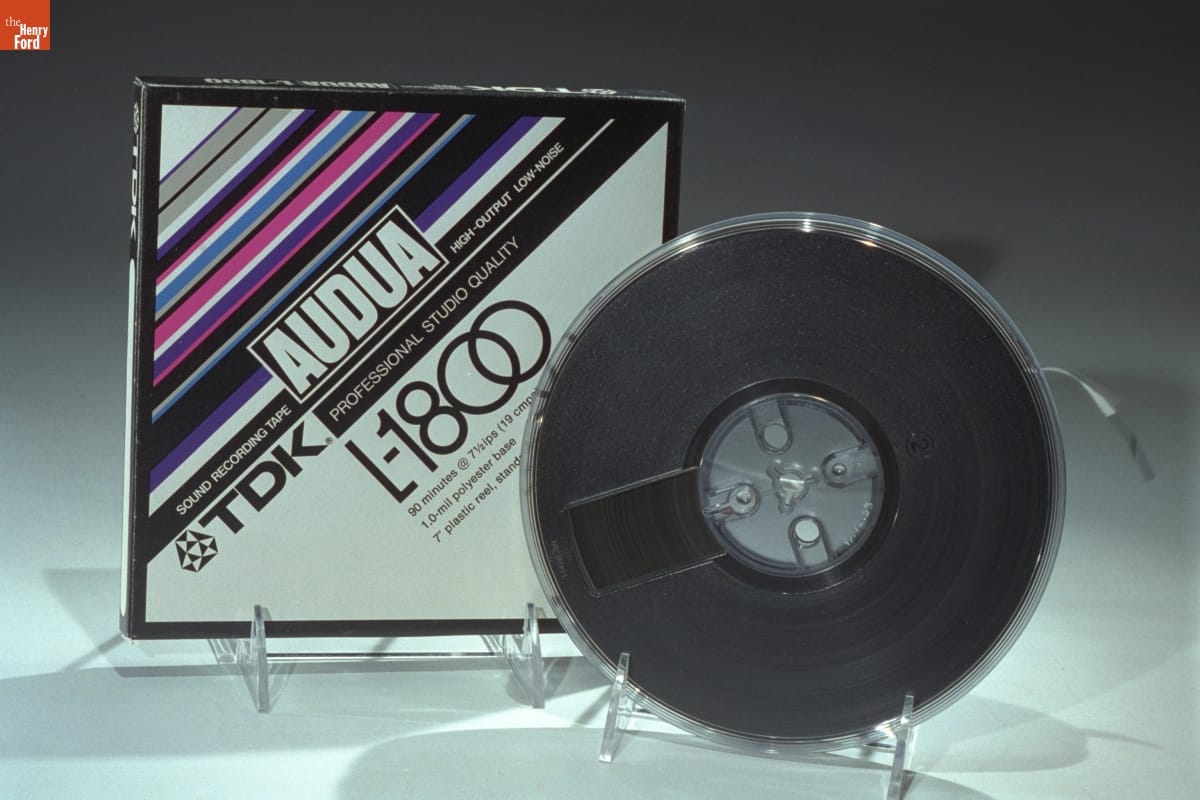
- 1977-1982
- Collections - Artifact
TDK Recording Audiotape, 1978-1982
The transformative effects of magnetic tape upon sound, broadcast, and computing history cannot be overstated. In 1930, German companies AEG and BASF revised wire recording technology by using a new material: plastic tape coated with magnetic iron pigment. Its proposed applications were varied, idealistic and practical: recording music and radio, factory automation, data storage, media lending libraries, and many others.
- Tape Recording Featuring Radio Programs "Traditions" (WETA) and "Prairie Home Companion," 1977-1982 - The transformative effects of magnetic tape upon sound, broadcast, and computing history cannot be overstated. In 1930, German companies AEG and BASF revised wire recording technology by using a new material: plastic tape coated with magnetic iron pigment. Its proposed applications were varied, idealistic and practical: recording music and radio, factory automation, data storage, media lending libraries, and many others.
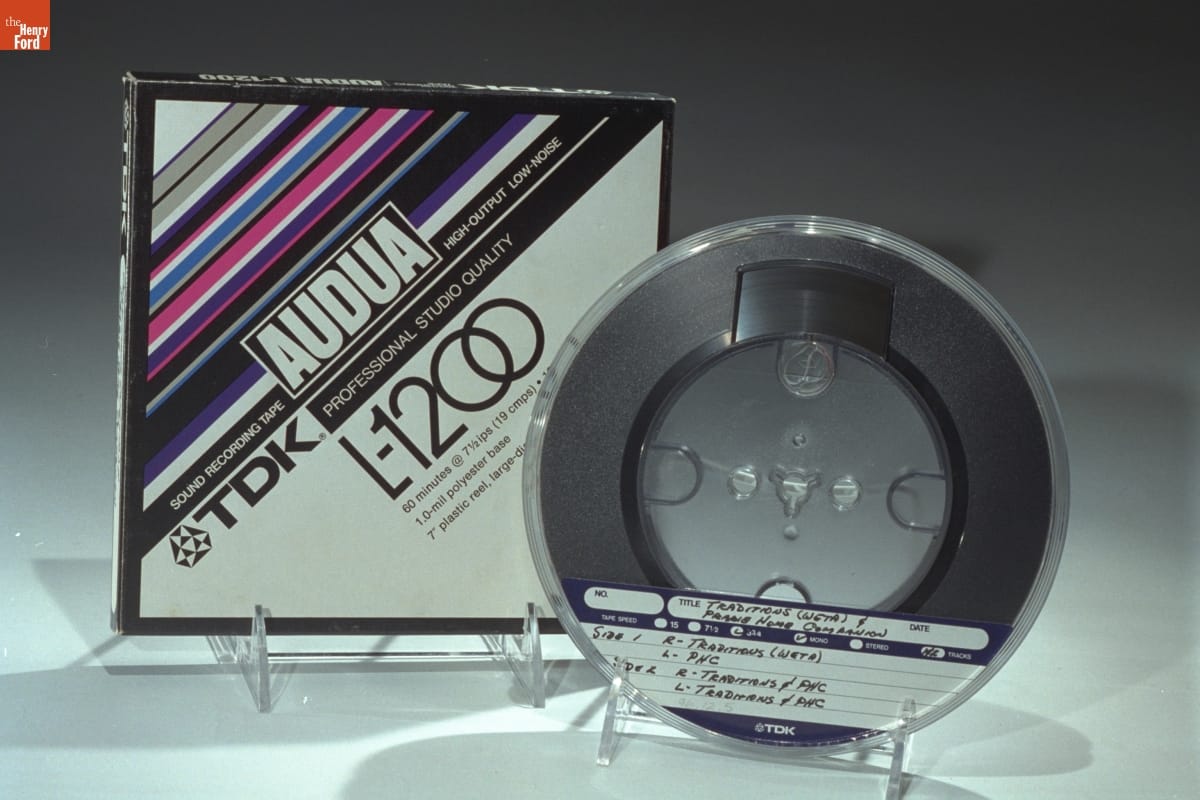
- 1977-1982
- Collections - Artifact
Tape Recording Featuring Radio Programs "Traditions" (WETA) and "Prairie Home Companion," 1977-1982
The transformative effects of magnetic tape upon sound, broadcast, and computing history cannot be overstated. In 1930, German companies AEG and BASF revised wire recording technology by using a new material: plastic tape coated with magnetic iron pigment. Its proposed applications were varied, idealistic and practical: recording music and radio, factory automation, data storage, media lending libraries, and many others.