
Search
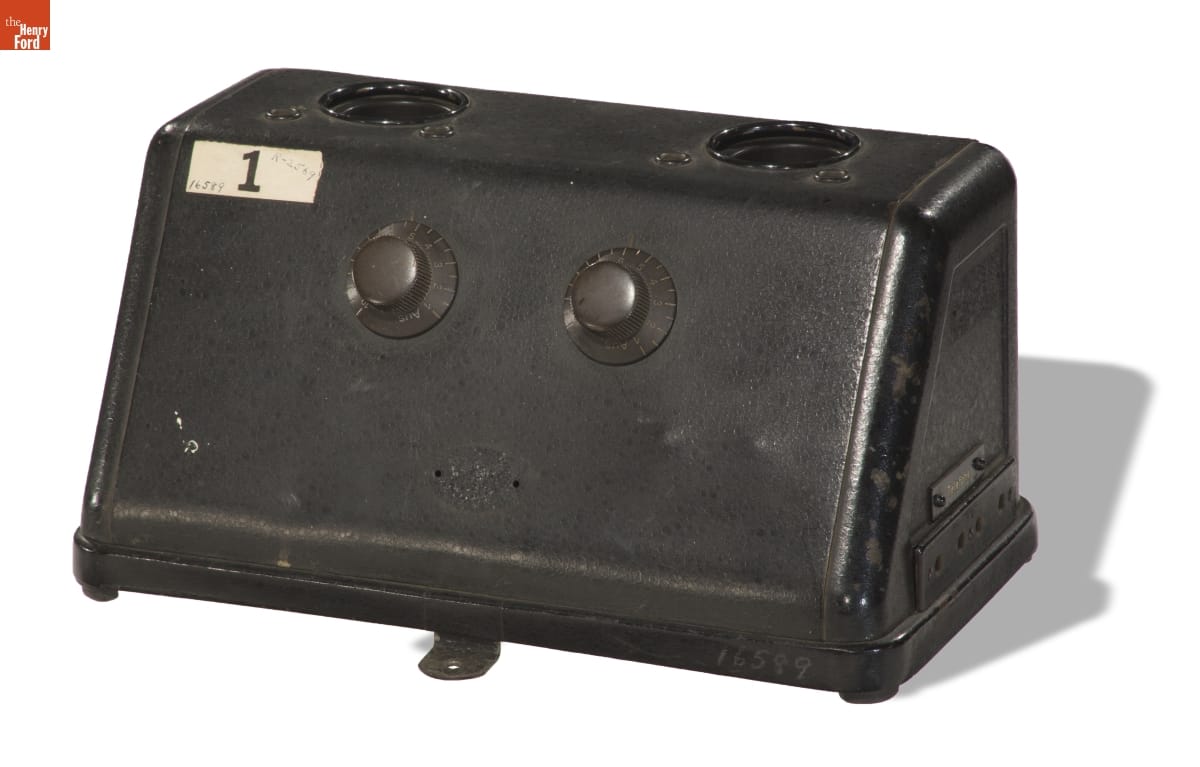
- Telefunken Audio Frequency Amplifier, circa 1920 - This radio equipment was used at the German-built Tuckerton Wireless Station in New Jersey. A powerful 820-foot antenna communicated with an identical station in Germany. National security concerns during WWI led to the seizure of Tuckerton by the U.S. government in 1917. It is cited to be the origin of information leaks leading to the RMS <em>Lusitania</em> disaster through U-boat attack.
- circa 1920
- Collections - Artifact
Telefunken Audio Frequency Amplifier, circa 1920
This radio equipment was used at the German-built Tuckerton Wireless Station in New Jersey. A powerful 820-foot antenna communicated with an identical station in Germany. National security concerns during WWI led to the seizure of Tuckerton by the U.S. government in 1917. It is cited to be the origin of information leaks leading to the RMS Lusitania disaster through U-boat attack.
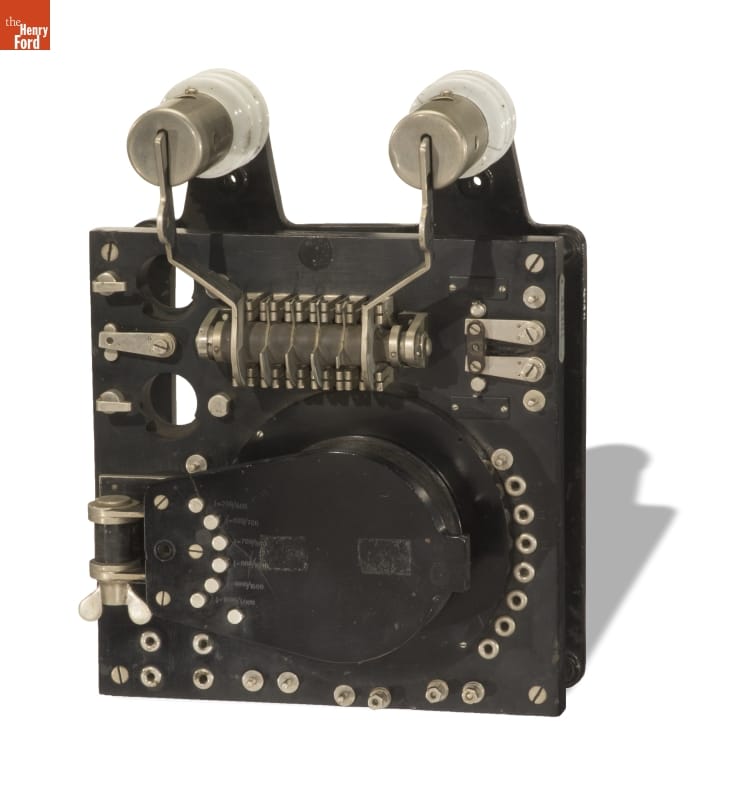
- Telefunken Wireless Radio Receiver with Crystal Detector, 1912-1917 - This radio equipment was used at the German-built Tuckerton Wireless Station in New Jersey. A powerful 820-foot antenna communicated with an identical station in Germany. National security concerns during WWI led to the seizure of Tuckerton by the U.S. government in 1917. It is cited to be the origin of information leaks leading to the RMS <em>Lusitania</em> disaster through U-boat attack.
- 1912-1917
- Collections - Artifact
Telefunken Wireless Radio Receiver with Crystal Detector, 1912-1917
This radio equipment was used at the German-built Tuckerton Wireless Station in New Jersey. A powerful 820-foot antenna communicated with an identical station in Germany. National security concerns during WWI led to the seizure of Tuckerton by the U.S. government in 1917. It is cited to be the origin of information leaks leading to the RMS Lusitania disaster through U-boat attack.
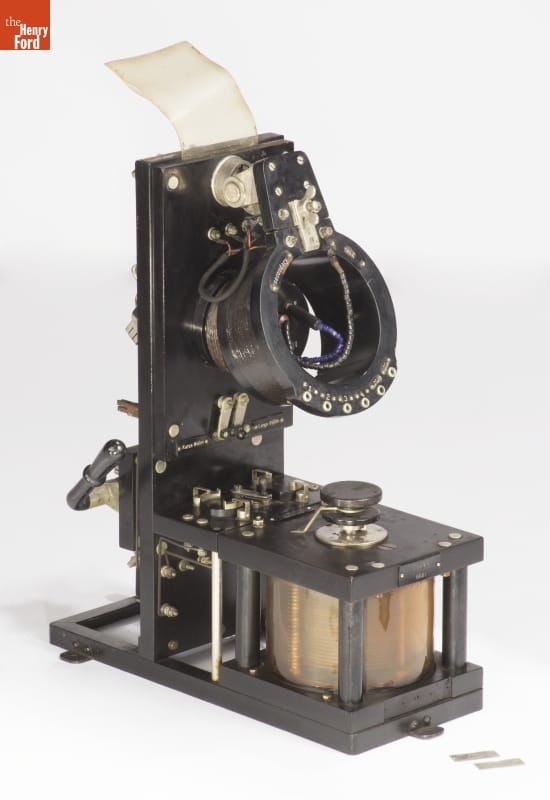
- Telefunken Radio Receiver, 1912 - This is an early radio receiver with a crystal detector, manufactured by the German Telefunken company. This company's equipment was used in commercial radio installations in the US, including Tuckerton Station, NJ. These stations, and the equipment contained within, were seized by the US military during WWI. This object was not designed for passive entertainment use, but for trained communications experts.
- 1912
- Collections - Artifact
Telefunken Radio Receiver, 1912
This is an early radio receiver with a crystal detector, manufactured by the German Telefunken company. This company's equipment was used in commercial radio installations in the US, including Tuckerton Station, NJ. These stations, and the equipment contained within, were seized by the US military during WWI. This object was not designed for passive entertainment use, but for trained communications experts.
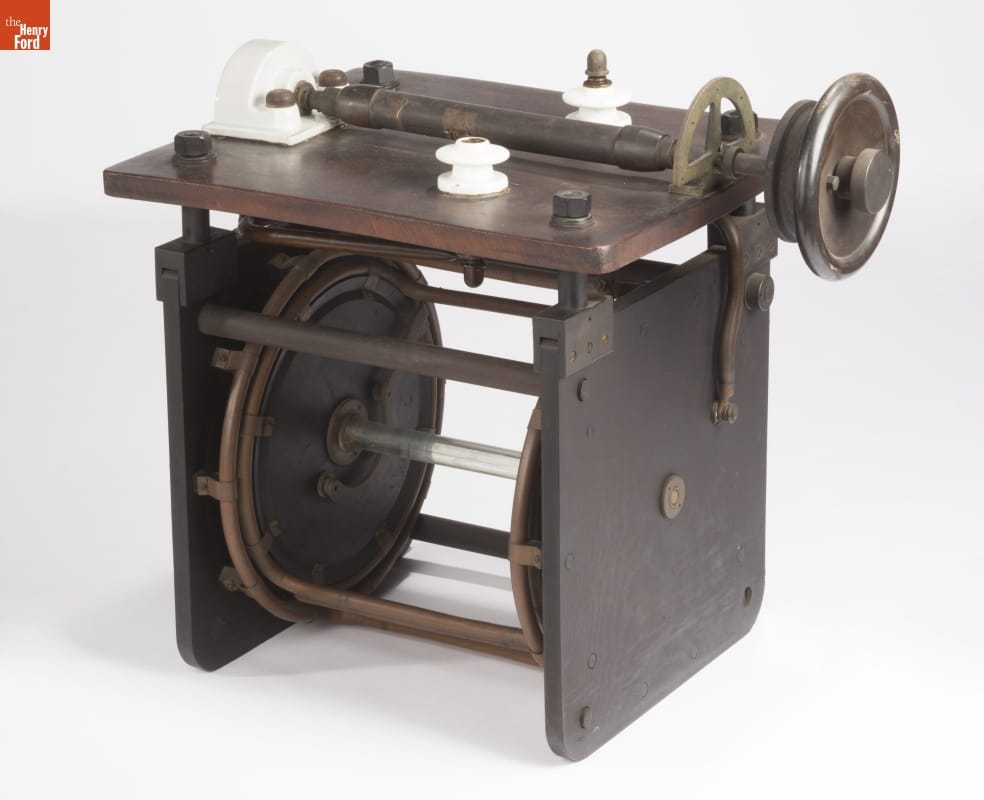
- Telefunken Variometer, Used at Tuckerton Wireless Station, 1912-1916 - This radio equipment was used at the German-built Tuckerton Wireless Station in New Jersey. A powerful 820-foot antenna communicated with an identical station in Germany. National security concerns during WWI led to the seizure of Tuckerton by the U.S. government in 1917. It is cited to be the origin of information leaks leading to the RMS <em>Lusitania</em> disaster through U-boat attack.
- 1912-1916
- Collections - Artifact
Telefunken Variometer, Used at Tuckerton Wireless Station, 1912-1916
This radio equipment was used at the German-built Tuckerton Wireless Station in New Jersey. A powerful 820-foot antenna communicated with an identical station in Germany. National security concerns during WWI led to the seizure of Tuckerton by the U.S. government in 1917. It is cited to be the origin of information leaks leading to the RMS Lusitania disaster through U-boat attack.
- Telefunken Radio Wavemeter, Model KKW3, circa 1916 -
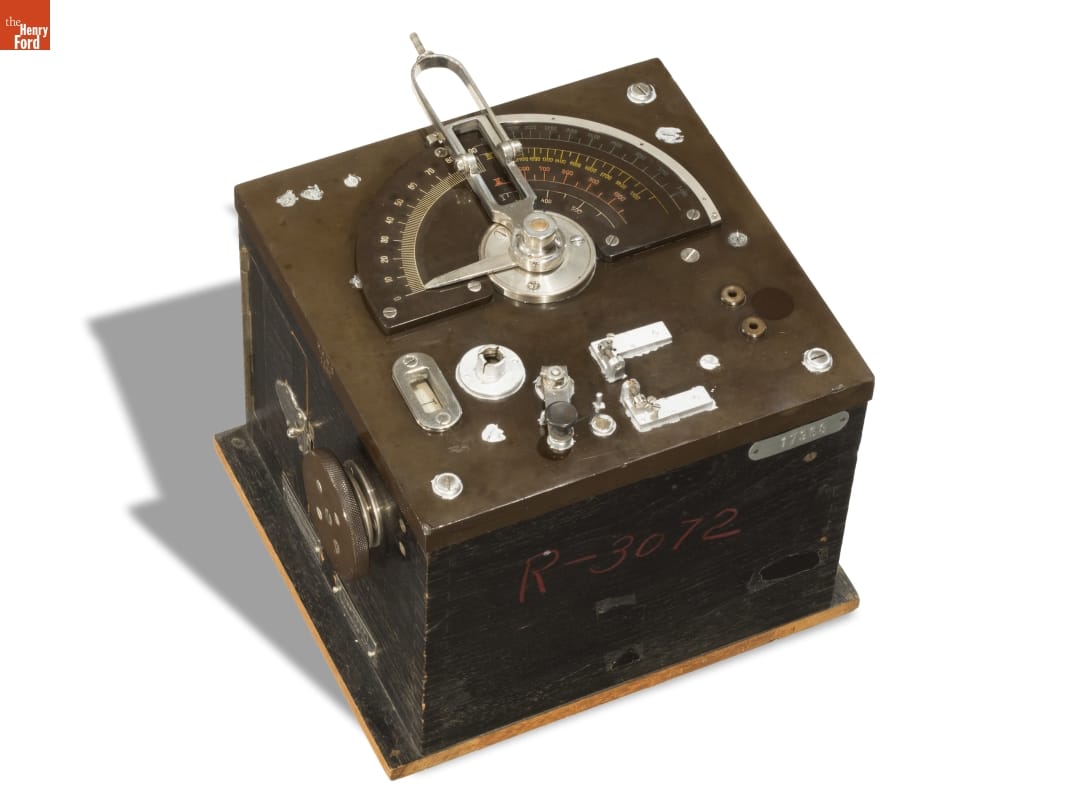
- circa 1916
- Collections - Artifact
Telefunken Radio Wavemeter, Model KKW3, circa 1916
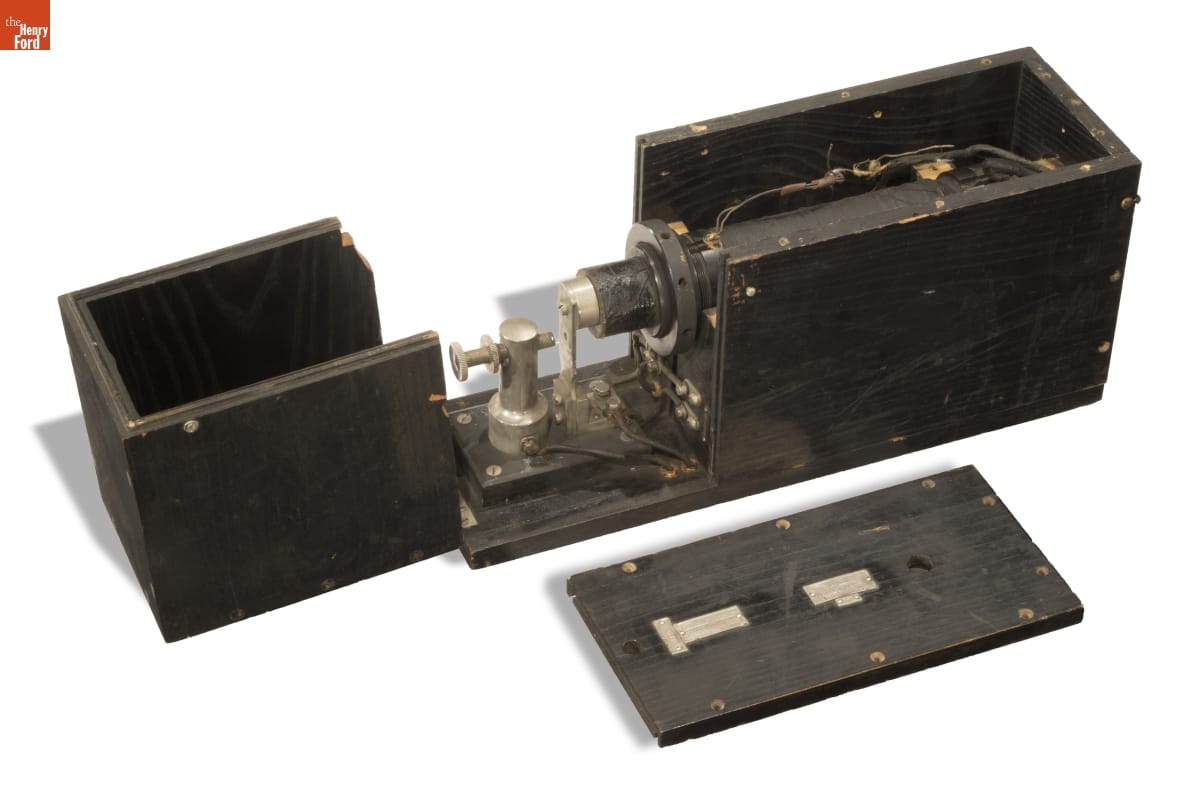
- Telefunken Spark Coil, Type T-05-JH, circa 1910 - This spark coil operated as part of a spark gap transmitter, an early design of transmitter that used sparks to create radio waves. The spark coil creates these electric sparks. German Telefunken equipment was used in commercial radio installations in the US, including Tuckerton Station, NJ. These stations, and the equipment contained within, were seized by the US military during WWI.
- circa 1910
- Collections - Artifact
Telefunken Spark Coil, Type T-05-JH, circa 1910
This spark coil operated as part of a spark gap transmitter, an early design of transmitter that used sparks to create radio waves. The spark coil creates these electric sparks. German Telefunken equipment was used in commercial radio installations in the US, including Tuckerton Station, NJ. These stations, and the equipment contained within, were seized by the US military during WWI.
- Crystal Detector, 1915-1917 -
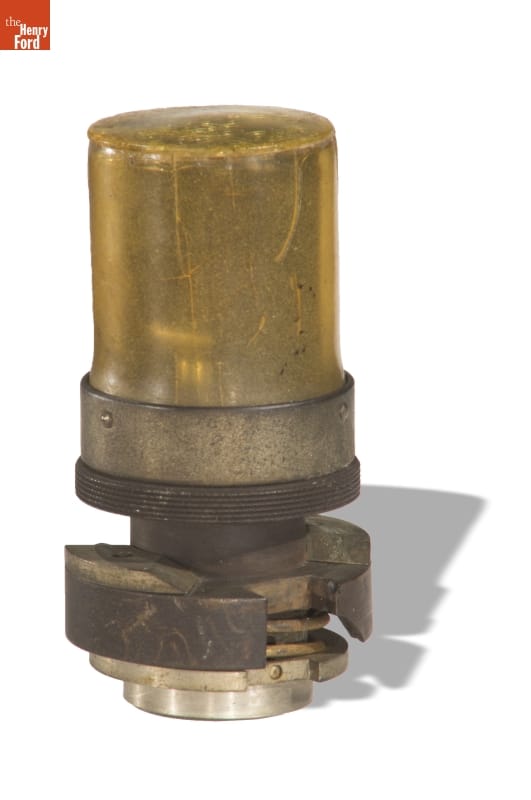
- 1915-1917
- Collections - Artifact
Crystal Detector, 1915-1917
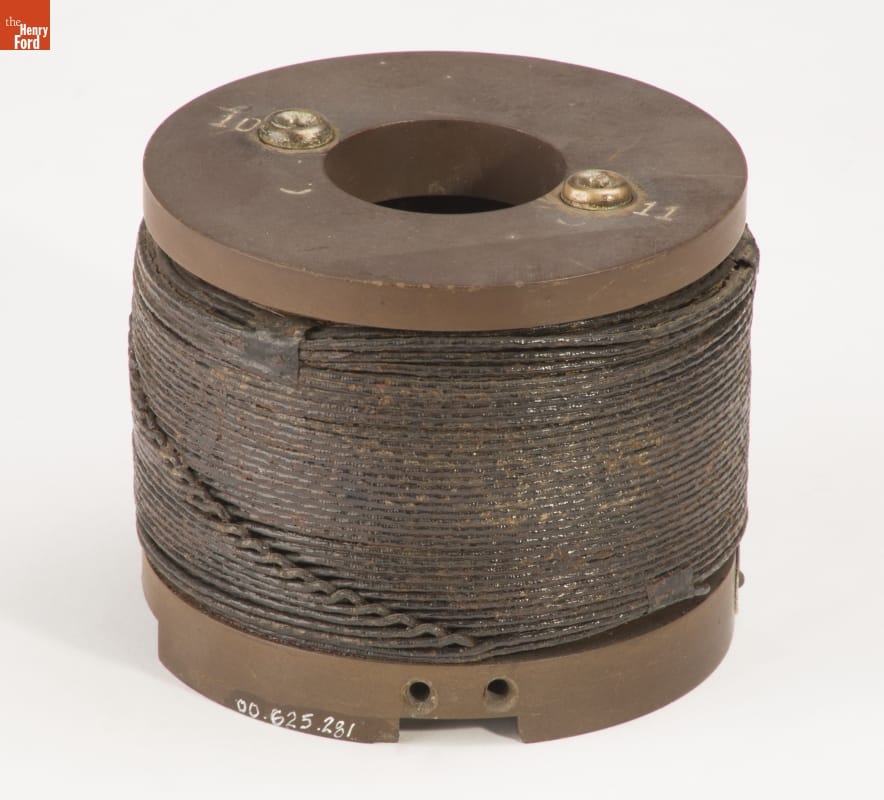
- Telefunken Induction Coil, 1912-1914 - An induction coil creates a high-voltage, pulsating current which arcs across a "spark gap." The spark creates electromagnetic waves, which can then be detected by a radio receiver. Induction coils were essential to the first decades of wireless and radio. Used from the late 1880s until the 1920s, spark gap powered radios were replaced as vacuum tube transmitters became available.
- 1912-1914
- Collections - Artifact
Telefunken Induction Coil, 1912-1914
An induction coil creates a high-voltage, pulsating current which arcs across a "spark gap." The spark creates electromagnetic waves, which can then be detected by a radio receiver. Induction coils were essential to the first decades of wireless and radio. Used from the late 1880s until the 1920s, spark gap powered radios were replaced as vacuum tube transmitters became available.
- Insulator and Bracket from Telefunken Antenna Variometer, 1915-1925 -
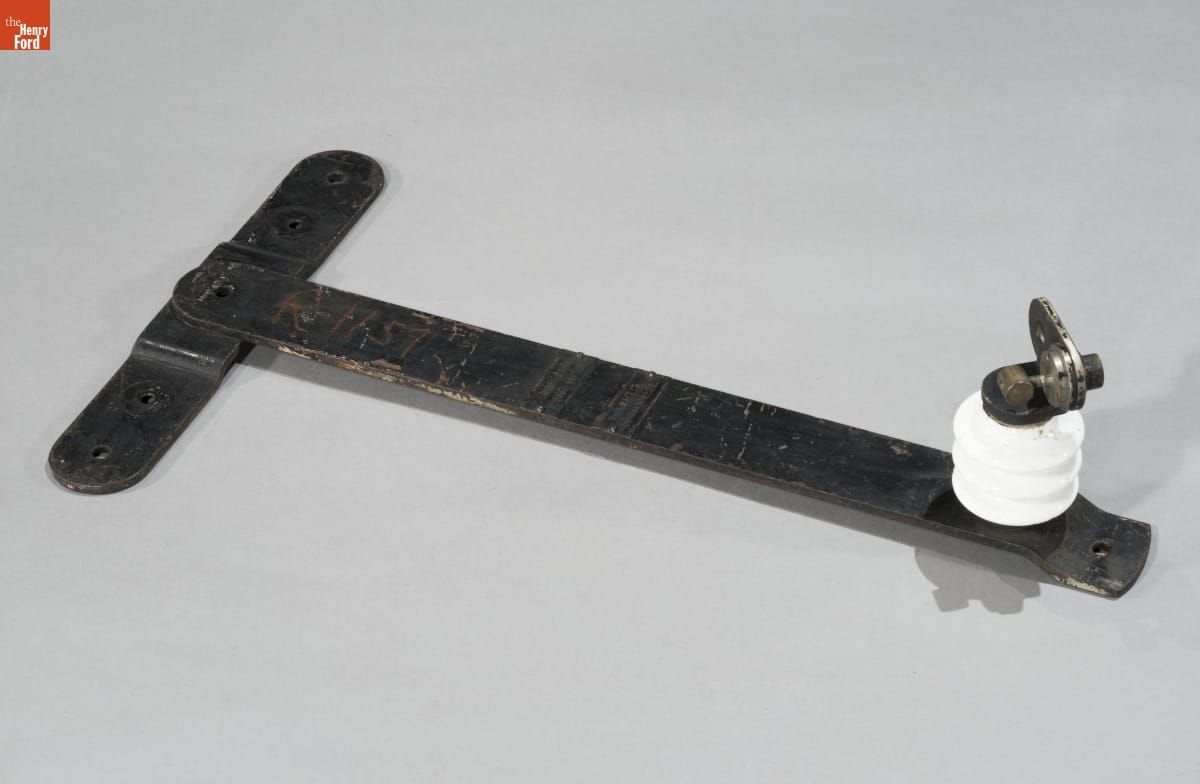
- 1915-1925
- Collections - Artifact
Insulator and Bracket from Telefunken Antenna Variometer, 1915-1925
- Telefunken Variometer, Used at Tuckerton Wireless Station, 1912-1916 - This radio equipment was used at the German-built Tuckerton Wireless Station in New Jersey. A powerful 820-foot antenna communicated with an identical station in Germany. National security concerns during WWI led to the seizure of Tuckerton by the U.S. government in 1917. It is cited to be the origin of information leaks leading to the RMS <em>Lusitania</em> disaster through U-boat attack.
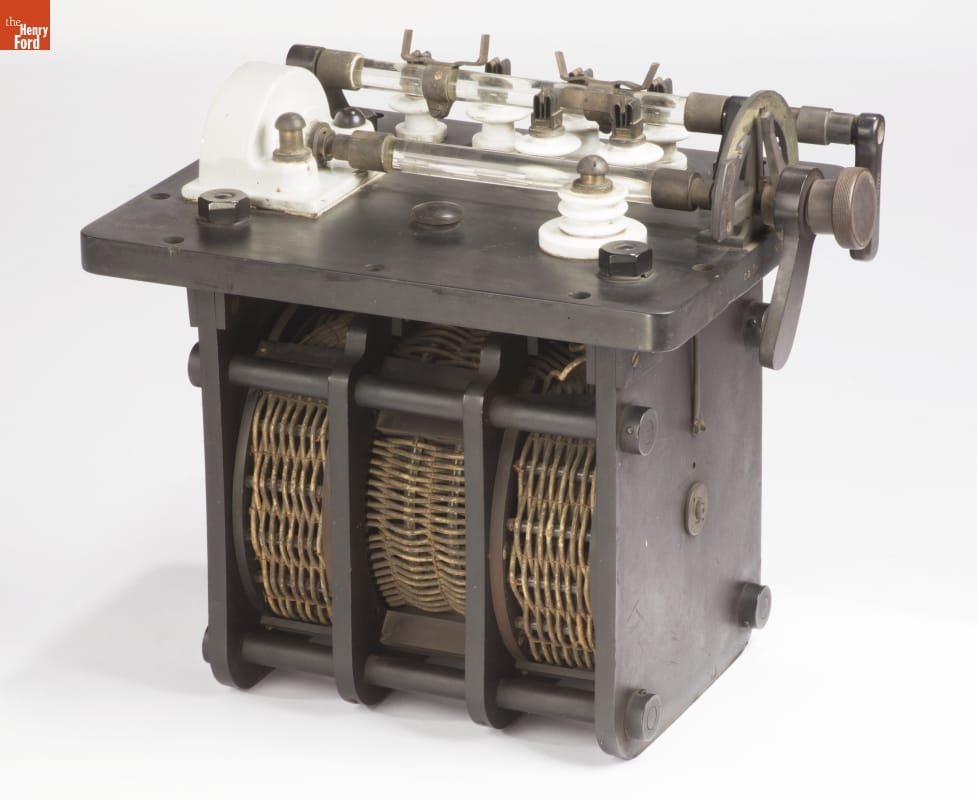
- 1912-1916
- Collections - Artifact
Telefunken Variometer, Used at Tuckerton Wireless Station, 1912-1916
This radio equipment was used at the German-built Tuckerton Wireless Station in New Jersey. A powerful 820-foot antenna communicated with an identical station in Germany. National security concerns during WWI led to the seizure of Tuckerton by the U.S. government in 1917. It is cited to be the origin of information leaks leading to the RMS Lusitania disaster through U-boat attack.