
Search
- Van Depoele Motor, circa 1885 -
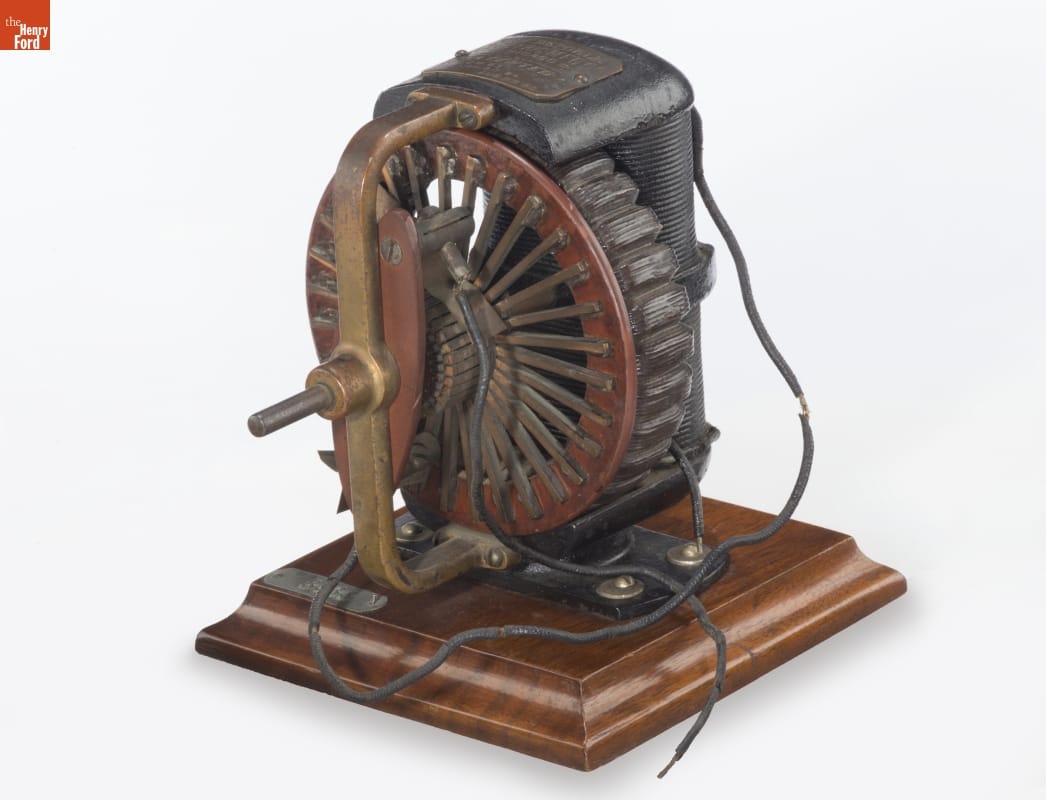
- circa 1885
- Collections - Artifact
Van Depoele Motor, circa 1885
- Van Depoele System Component, circa 1885 -
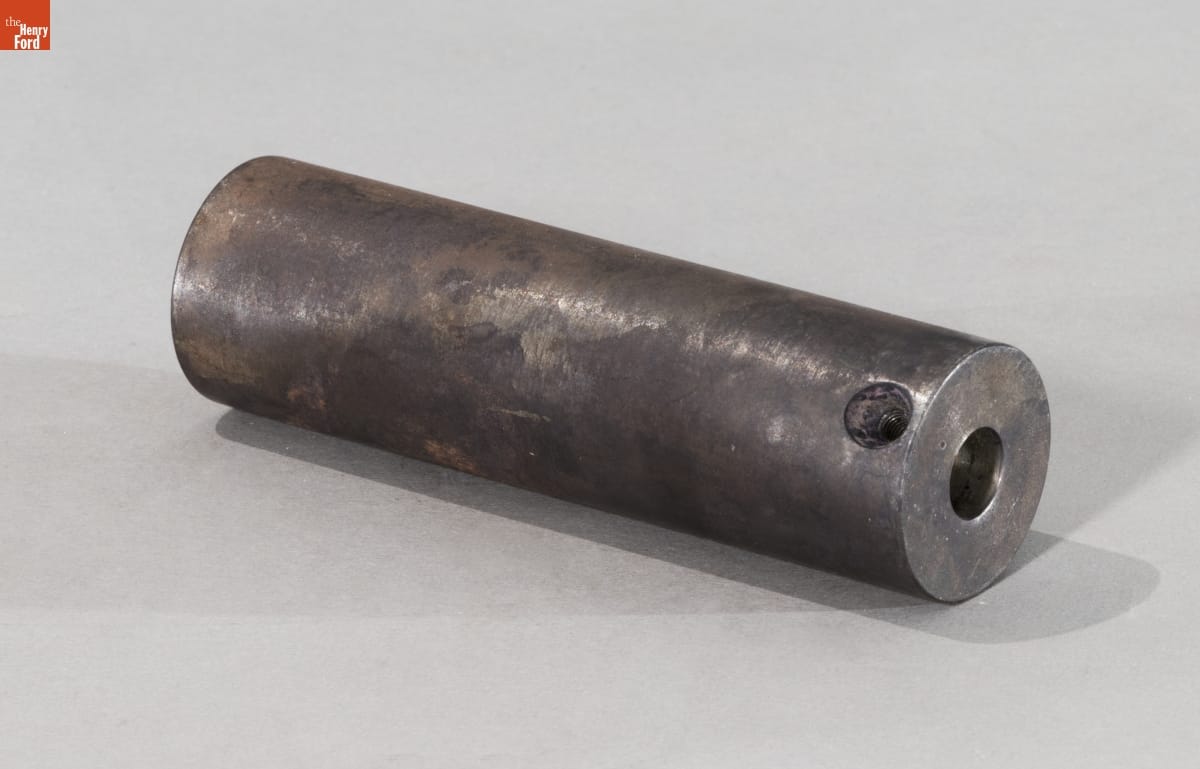
- circa 1885
- Collections - Artifact
Van Depoele System Component, circa 1885
- Van Depoele System Component, circa 1885 -
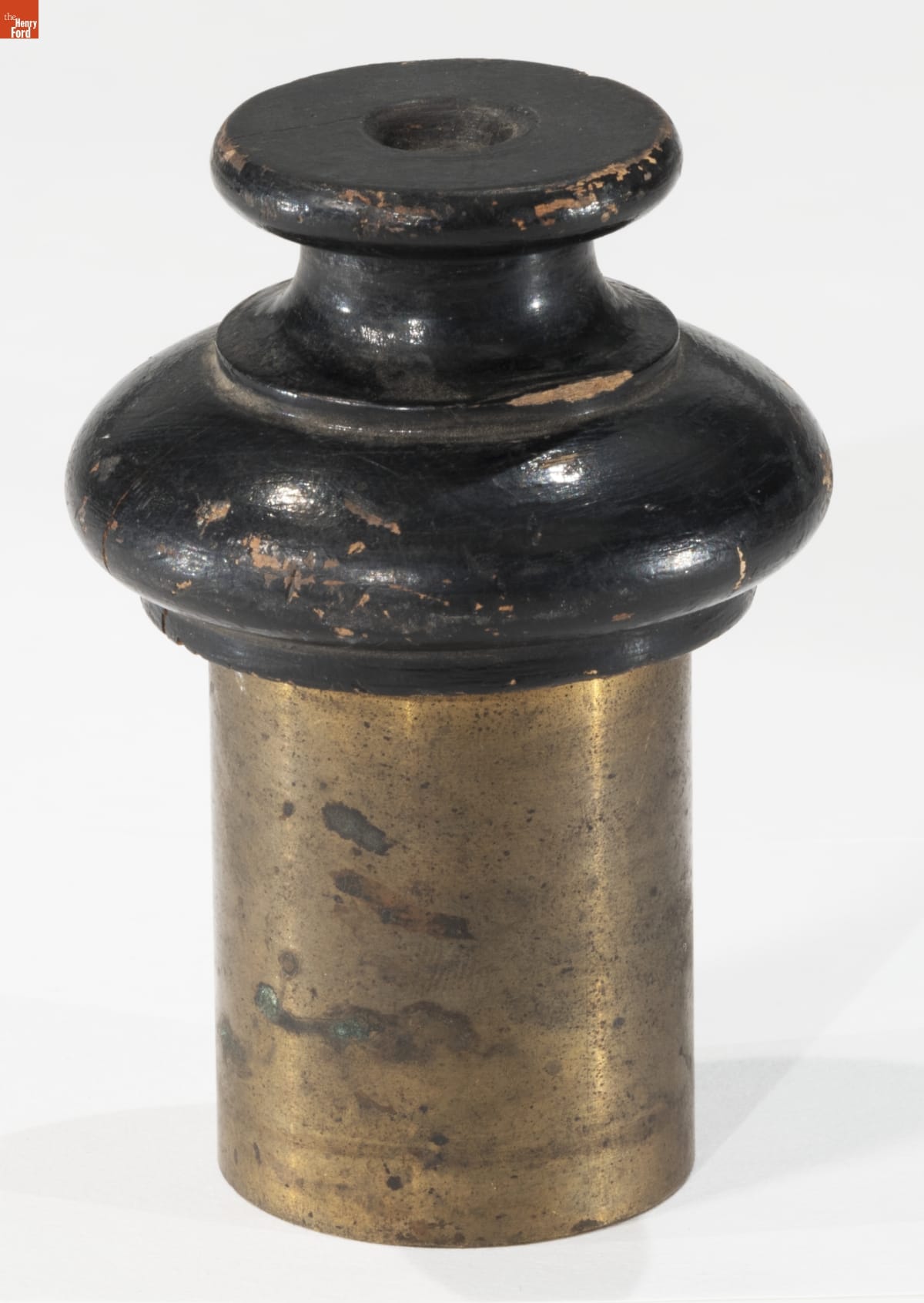
- circa 1885
- Collections - Artifact
Van Depoele System Component, circa 1885
- Van Depoele Railway Motor, Used in Appleton, Wisconsin, 1886 - In 1885, Charles Van Depoele demonstrated an electric streetcar line in Toronto, with current collected via a pole running against an overhead wire -- the prototype for what became the industry-standard trolley pole. Within two years, Van Depoele streetcar lines operated in 13 cities throughout North America. This six-horsepower, 500-volt streetcar motor was used on Van Depoele's line in Appleton, Wisconsin.

- 1886
- Collections - Artifact
Van Depoele Railway Motor, Used in Appleton, Wisconsin, 1886
In 1885, Charles Van Depoele demonstrated an electric streetcar line in Toronto, with current collected via a pole running against an overhead wire -- the prototype for what became the industry-standard trolley pole. Within two years, Van Depoele streetcar lines operated in 13 cities throughout North America. This six-horsepower, 500-volt streetcar motor was used on Van Depoele's line in Appleton, Wisconsin.
- Van Depoele Motor, circa 1887 -
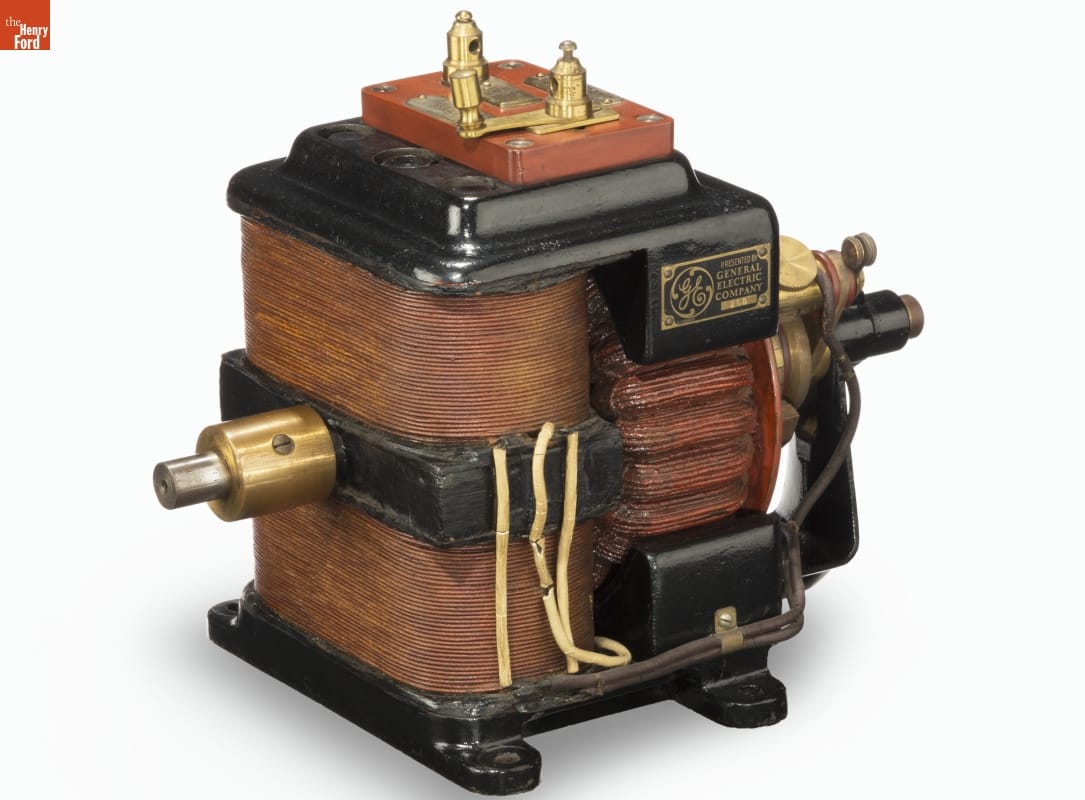
- circa 1887
- Collections - Artifact
Van Depoele Motor, circa 1887
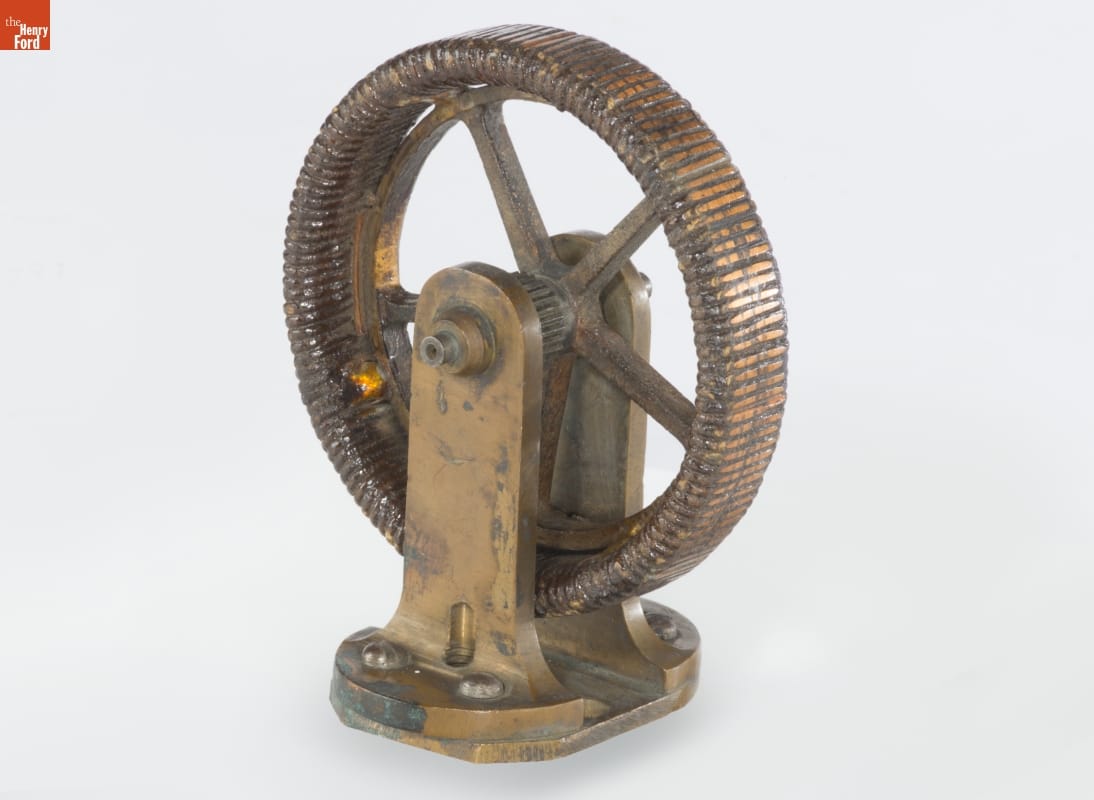
- Model of a Component of the Van Depoele Railway System, circa 1883 -
- circa 1883
- Collections - Artifact
Model of a Component of the Van Depoele Railway System, circa 1883
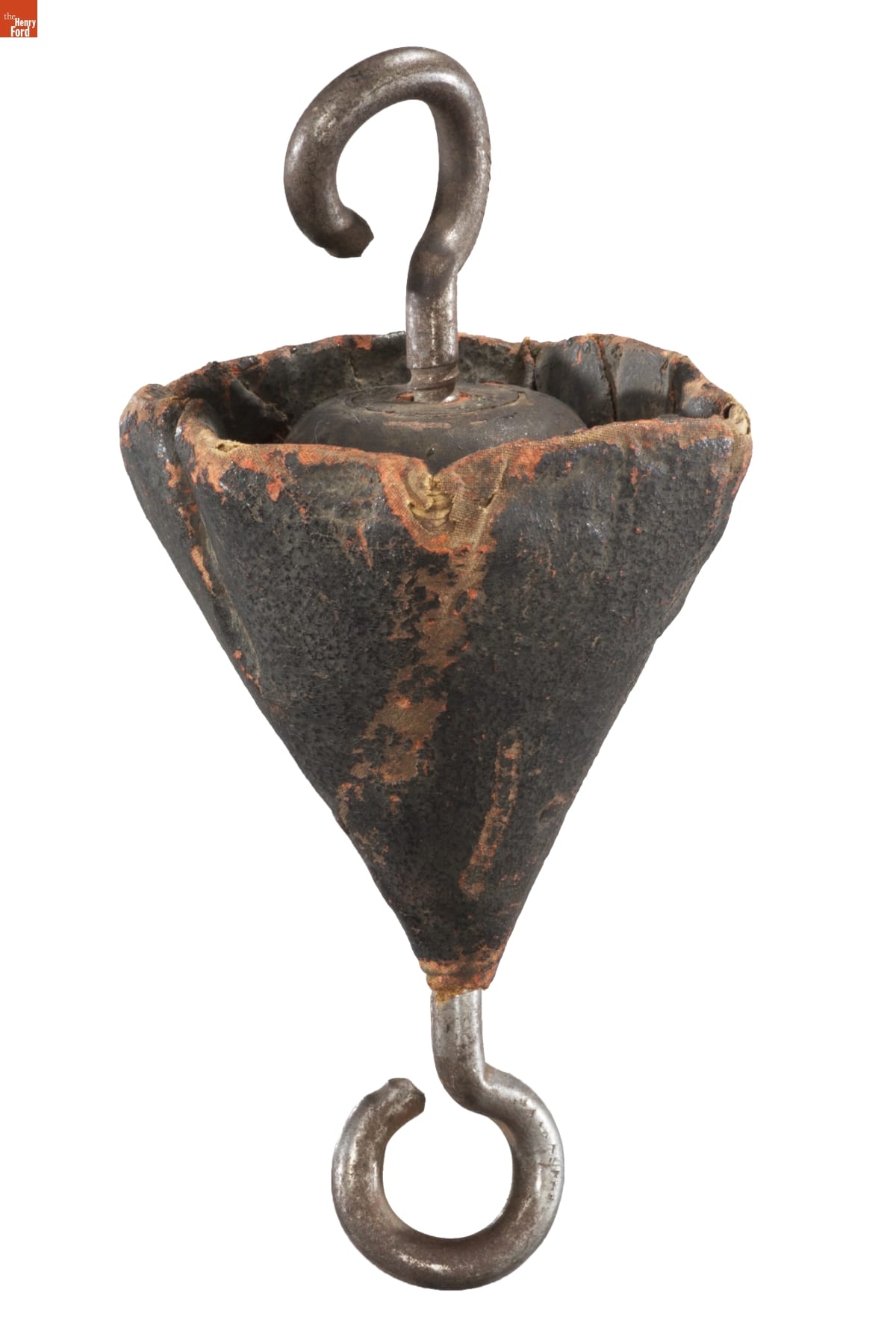
- Van Depoele Electric Manufacturing Company Trolley Line Insulator, Used in Lynn, Massachusetts,1888 - Most electric streetcars took their power from an overhead wire. A trolley wheel, at the end of a spring-loaded pole, contacted the wire and collected electric current. Insulators made from non-conductive materials -- like glass, porcelain, rubber, or wood -- isolated the electrified contact wire from its supports.
- 1888
- Collections - Artifact
Van Depoele Electric Manufacturing Company Trolley Line Insulator, Used in Lynn, Massachusetts,1888
Most electric streetcars took their power from an overhead wire. A trolley wheel, at the end of a spring-loaded pole, contacted the wire and collected electric current. Insulators made from non-conductive materials -- like glass, porcelain, rubber, or wood -- isolated the electrified contact wire from its supports.