
Search
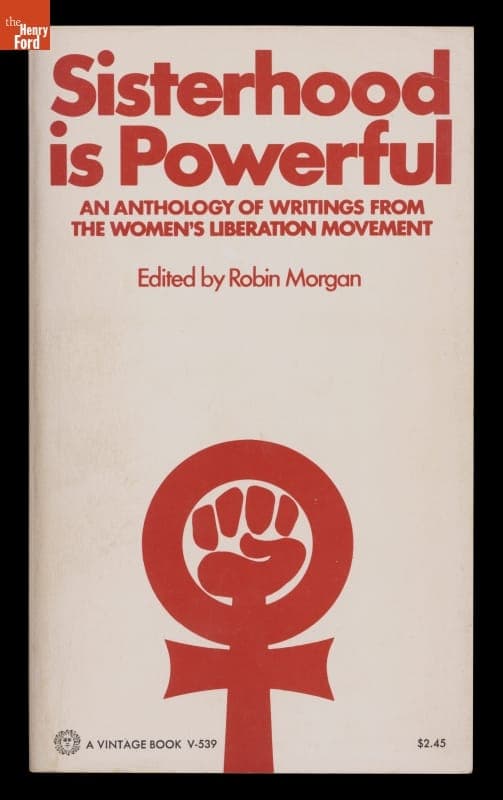
- "Sisterhood is Powerful. An Anthology of Writings From the Women's Liberation Movement," 1970 - Robin Morgan, writer, poet, and activist, edited this anthology of feminist writing in 1970. It was an influential book at the start of the modern Women's Movement in the United States. The anthology contains historical documents and works by well-known feminists of the time.
- 1970
- Collections - Artifact
"Sisterhood is Powerful. An Anthology of Writings From the Women's Liberation Movement," 1970
Robin Morgan, writer, poet, and activist, edited this anthology of feminist writing in 1970. It was an influential book at the start of the modern Women's Movement in the United States. The anthology contains historical documents and works by well-known feminists of the time.
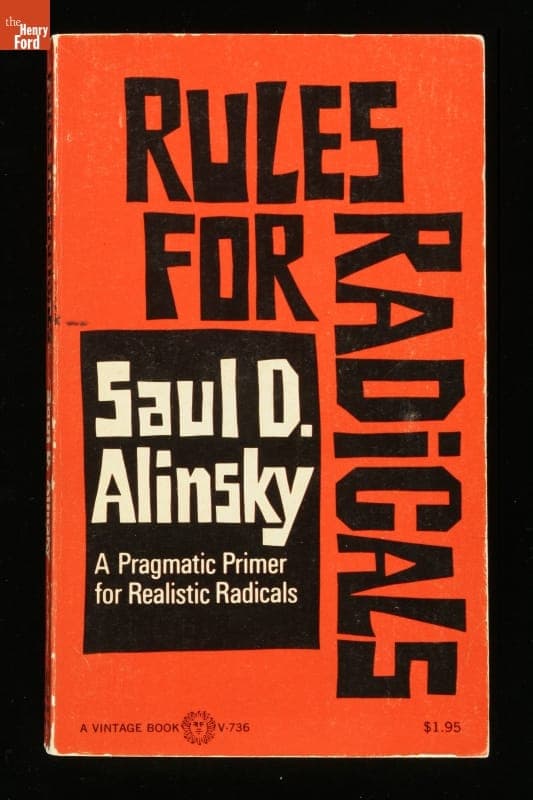
- Book, "Rules for Radicals," 1972 - <em>Rules for Radicals</em>, written by Saul Alinsky a community organizer from Chicago, Illinois, instructs local activists on how to agitate for social change. The book became the Bible for community organizers and influenced other groups -- many who would not be considered radical -- on how to mobilize public opinion.
- 1972
- Collections - Artifact
Book, "Rules for Radicals," 1972
Rules for Radicals, written by Saul Alinsky a community organizer from Chicago, Illinois, instructs local activists on how to agitate for social change. The book became the Bible for community organizers and influenced other groups -- many who would not be considered radical -- on how to mobilize public opinion.
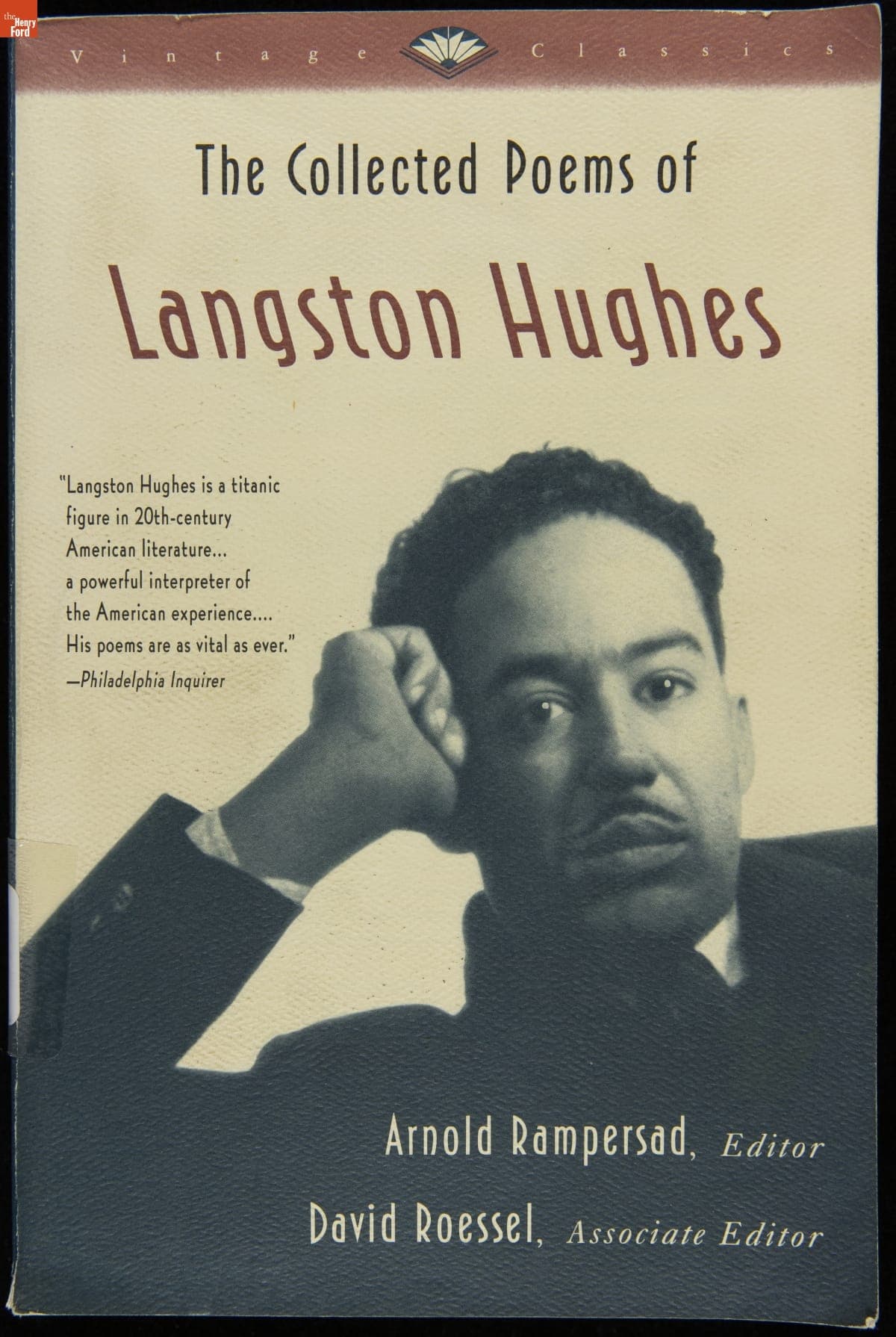
- The Collected Poems of Langston Hughes, 1995 - Langston Hughes (1901 or 1902-1967) was a 20th-century writer and social activist, mostly known for his poetry. Hughes rose to prominence during the Harlem Renaissance, the 1920s Black American cultural and artistic movement. Unlike some contemporaries, Hughes continued to publish new, well-received works beyond that period. This book of Hughes' collected poetry demonstrates the longevity of his career.
- 1995
- Collections - Artifact
The Collected Poems of Langston Hughes, 1995
Langston Hughes (1901 or 1902-1967) was a 20th-century writer and social activist, mostly known for his poetry. Hughes rose to prominence during the Harlem Renaissance, the 1920s Black American cultural and artistic movement. Unlike some contemporaries, Hughes continued to publish new, well-received works beyond that period. This book of Hughes' collected poetry demonstrates the longevity of his career.
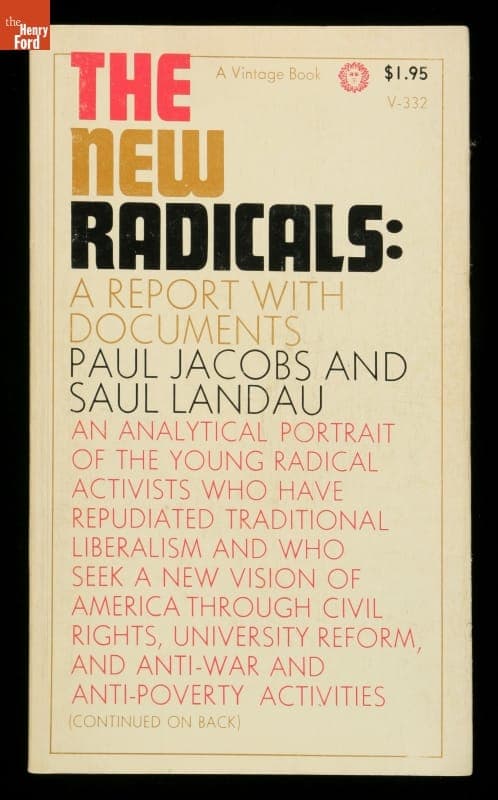
- Book, "The New Radicals," 1966 - Paul Jacobs and Saul Landau gathered representative documents from groups involved in civil rights, university reform, anti-war protests, and anti-poverty activities. The editors compiled these primary sources into this anthology. The book, with an introduction written by the editors, provides insight into these "new radical's" vision of America during the mid-1960s.
- 1966
- Collections - Artifact
Book, "The New Radicals," 1966
Paul Jacobs and Saul Landau gathered representative documents from groups involved in civil rights, university reform, anti-war protests, and anti-poverty activities. The editors compiled these primary sources into this anthology. The book, with an introduction written by the editors, provides insight into these "new radical's" vision of America during the mid-1960s.
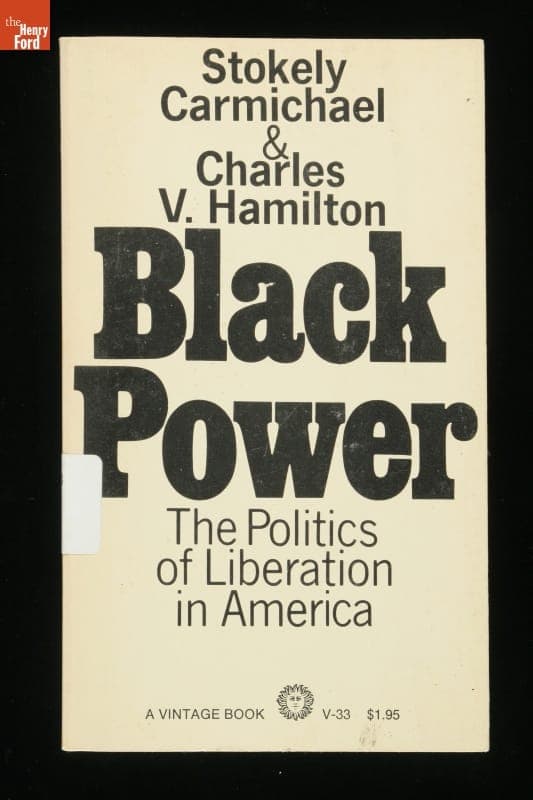
- "Black Power. The Politics of Liberation in America," 1967 - By the late-1960s, some young African Americans became frustrated with continued discrimination and the slow pace of economic gains. Stokely Carmichael and Charles Hamilton tapped into this frustration and promoted "Black Power" -- the call for African Americans to establish their own place in society, using force if necessary. This book outlines the systematic racism at the heart of this dissatisfaction.
- 1967
- Collections - Artifact
"Black Power. The Politics of Liberation in America," 1967
By the late-1960s, some young African Americans became frustrated with continued discrimination and the slow pace of economic gains. Stokely Carmichael and Charles Hamilton tapped into this frustration and promoted "Black Power" -- the call for African Americans to establish their own place in society, using force if necessary. This book outlines the systematic racism at the heart of this dissatisfaction.
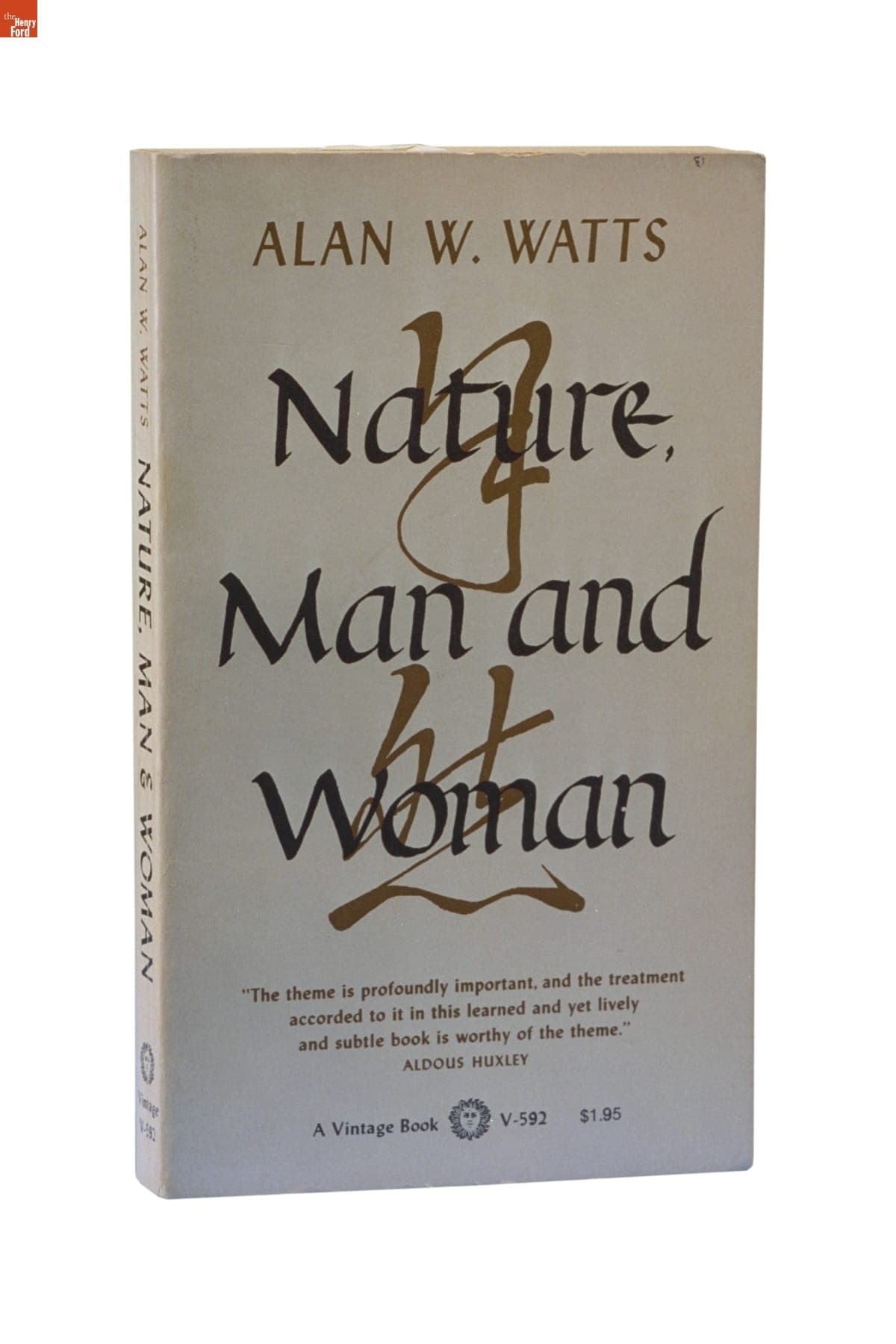
- Nature, Man and Woman, 1970 -
- 1970
- Collections - Artifact
Nature, Man and Woman, 1970
- "Black Power, The Politics of Liberation in America," 1967 - By the late-1960s, some young African Americans became frustrated with continued discrimination and the slow pace of economic gains. Stokely Carmichael and Charles Hamilton tapped into this frustration and promoted "Black Power" -- the call for African Americans to establish their own place in society, using force if necessary. This book outlines the systematic racism at the heart of this dissatisfaction.

- 1967
- Collections - Artifact
"Black Power, The Politics of Liberation in America," 1967
By the late-1960s, some young African Americans became frustrated with continued discrimination and the slow pace of economic gains. Stokely Carmichael and Charles Hamilton tapped into this frustration and promoted "Black Power" -- the call for African Americans to establish their own place in society, using force if necessary. This book outlines the systematic racism at the heart of this dissatisfaction.