
Search
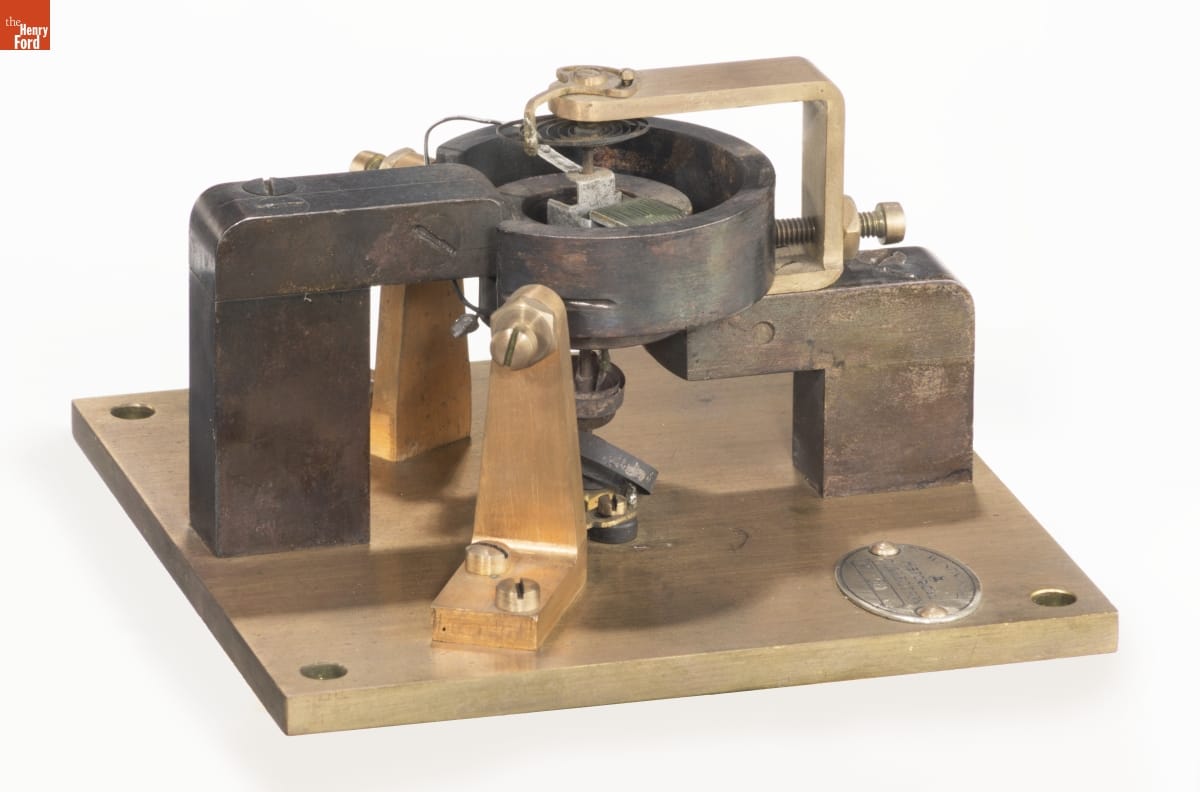
- Westinghouse Shallenberger Voltmeter Works, 1886-1893 -
- 1886-1893
- Collections - Artifact
Westinghouse Shallenberger Voltmeter Works, 1886-1893
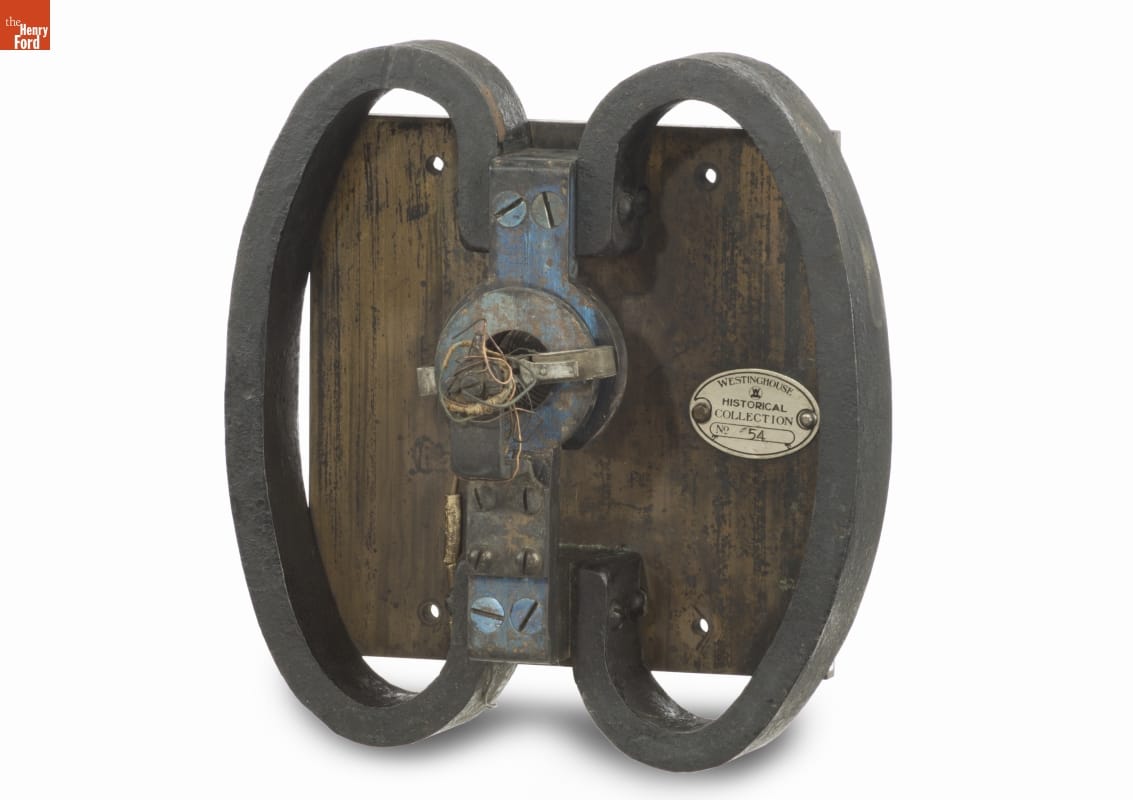
- Westinghouse Shallenberger Permanent Magnet Voltmeter of Ammeter, 1886-1893 -
- 1886-1893
- Collections - Artifact
Westinghouse Shallenberger Permanent Magnet Voltmeter of Ammeter, 1886-1893
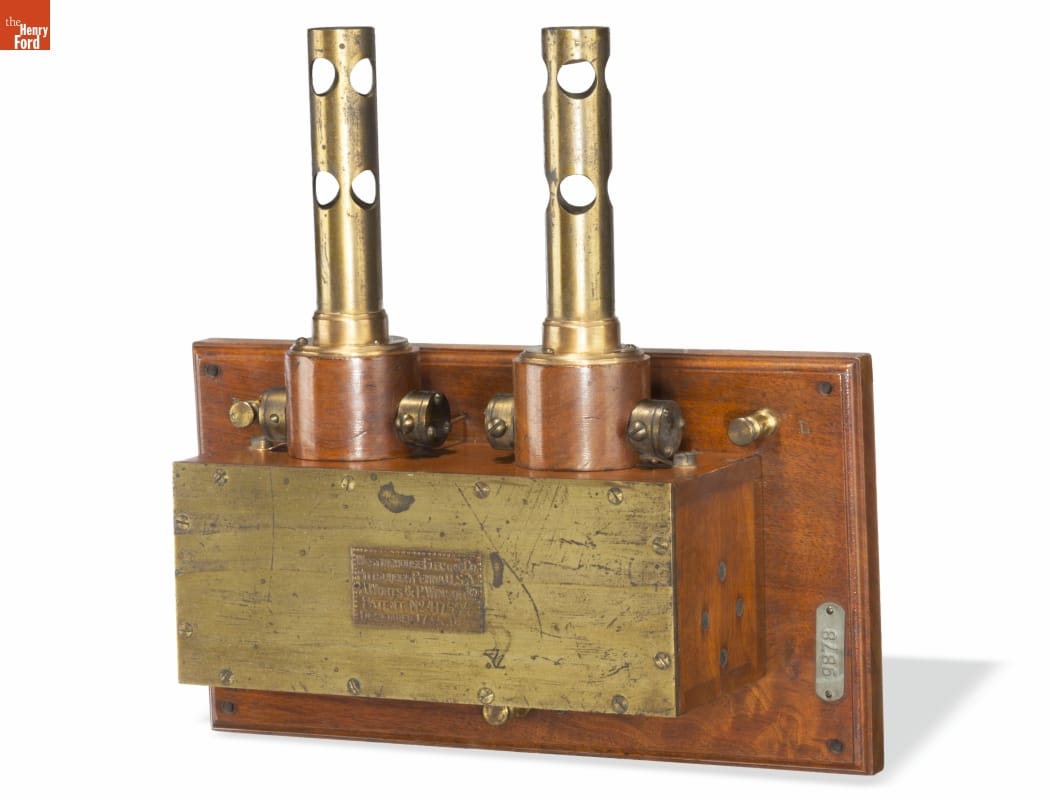
- Westinghouse Lightning Arrester, circa 1889 - Lightning and other large surges of electricity can damage power systems and electrical apparatus. A lightning arrester diverts these surges and protects equipment. This lightning arrester made by Westinghouse Electric Company was patterned after one patented by Paul Winsor and Alexander Wurts in 1889. Wurts was one of the leaders in lightning arrester development.
- circa 1889
- Collections - Artifact
Westinghouse Lightning Arrester, circa 1889
Lightning and other large surges of electricity can damage power systems and electrical apparatus. A lightning arrester diverts these surges and protects equipment. This lightning arrester made by Westinghouse Electric Company was patterned after one patented by Paul Winsor and Alexander Wurts in 1889. Wurts was one of the leaders in lightning arrester development.
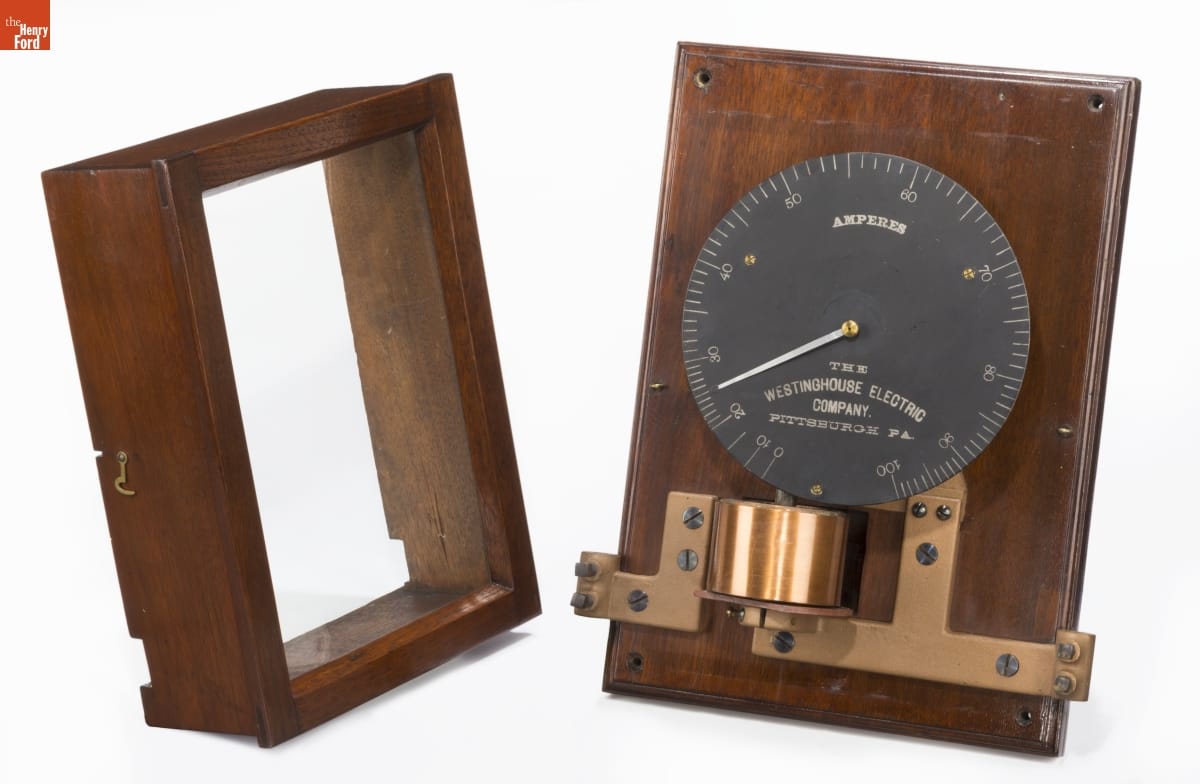
- Westinghouse Ammeter, 1886-1889 - In the late 1800s and early 1900s, companies that supplied electricity to consumers needed a variety of instruments to regulate and monitor electrical output. These instruments were vital to the operation of power stations and needed to be accurate and rugged. Ammeters--used to measure the current in a circuit--could be found on switchboards or connected to motors and generators.
- 1886-1889
- Collections - Artifact
Westinghouse Ammeter, 1886-1889
In the late 1800s and early 1900s, companies that supplied electricity to consumers needed a variety of instruments to regulate and monitor electrical output. These instruments were vital to the operation of power stations and needed to be accurate and rugged. Ammeters--used to measure the current in a circuit--could be found on switchboards or connected to motors and generators.
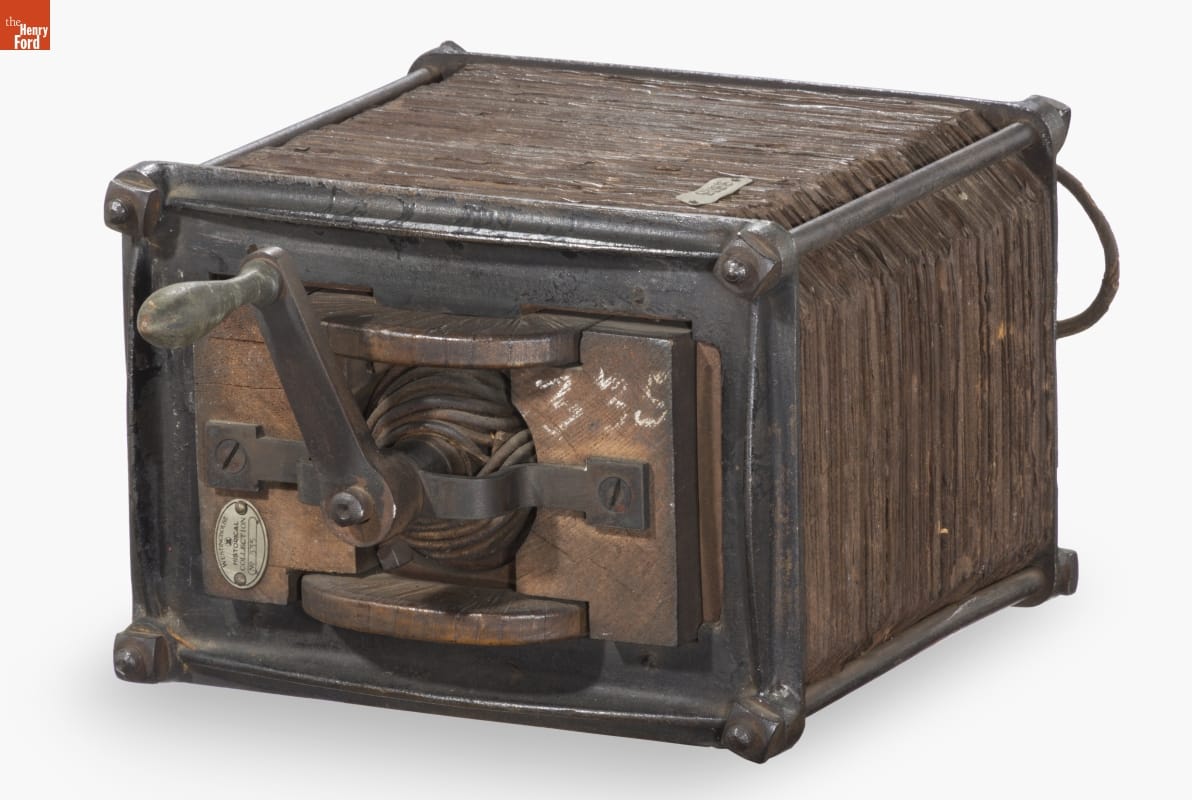
- Westinghouse Induction Regulator, 1888 -
- 1888
- Collections - Artifact
Westinghouse Induction Regulator, 1888
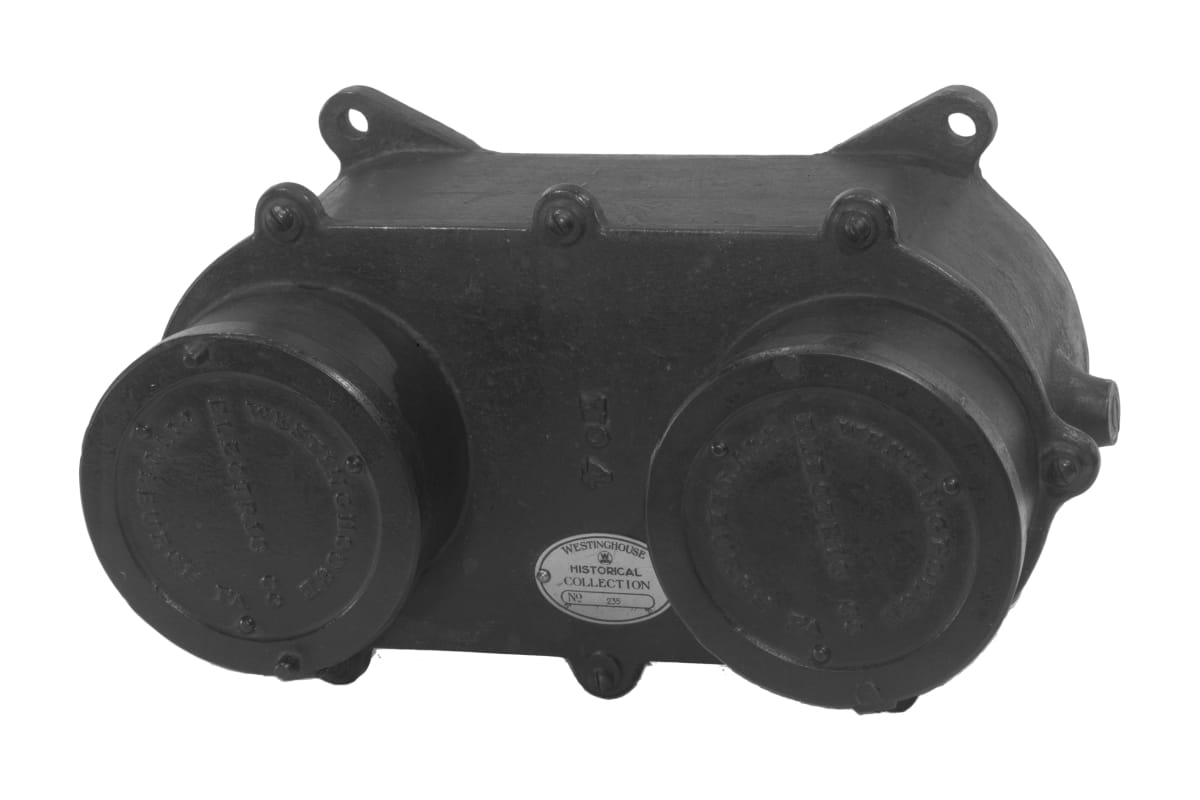
- Westinghouse Transformer, Used by Rensselaer Polytechnical Institute, 1886-1889 - Transformers increase or decrease voltage and are essential to alternating current (AC) power systems. In the late 1800s, with the help of transformers, AC power systems proved more efficient and economical than their direct current competitors. Transformers helped convert electricity to high voltage for transmission across long distances, then reduced it to lower, safer voltages for use in homes and factories.
- 1886-1889
- Collections - Artifact
Westinghouse Transformer, Used by Rensselaer Polytechnical Institute, 1886-1889
Transformers increase or decrease voltage and are essential to alternating current (AC) power systems. In the late 1800s, with the help of transformers, AC power systems proved more efficient and economical than their direct current competitors. Transformers helped convert electricity to high voltage for transmission across long distances, then reduced it to lower, safer voltages for use in homes and factories.
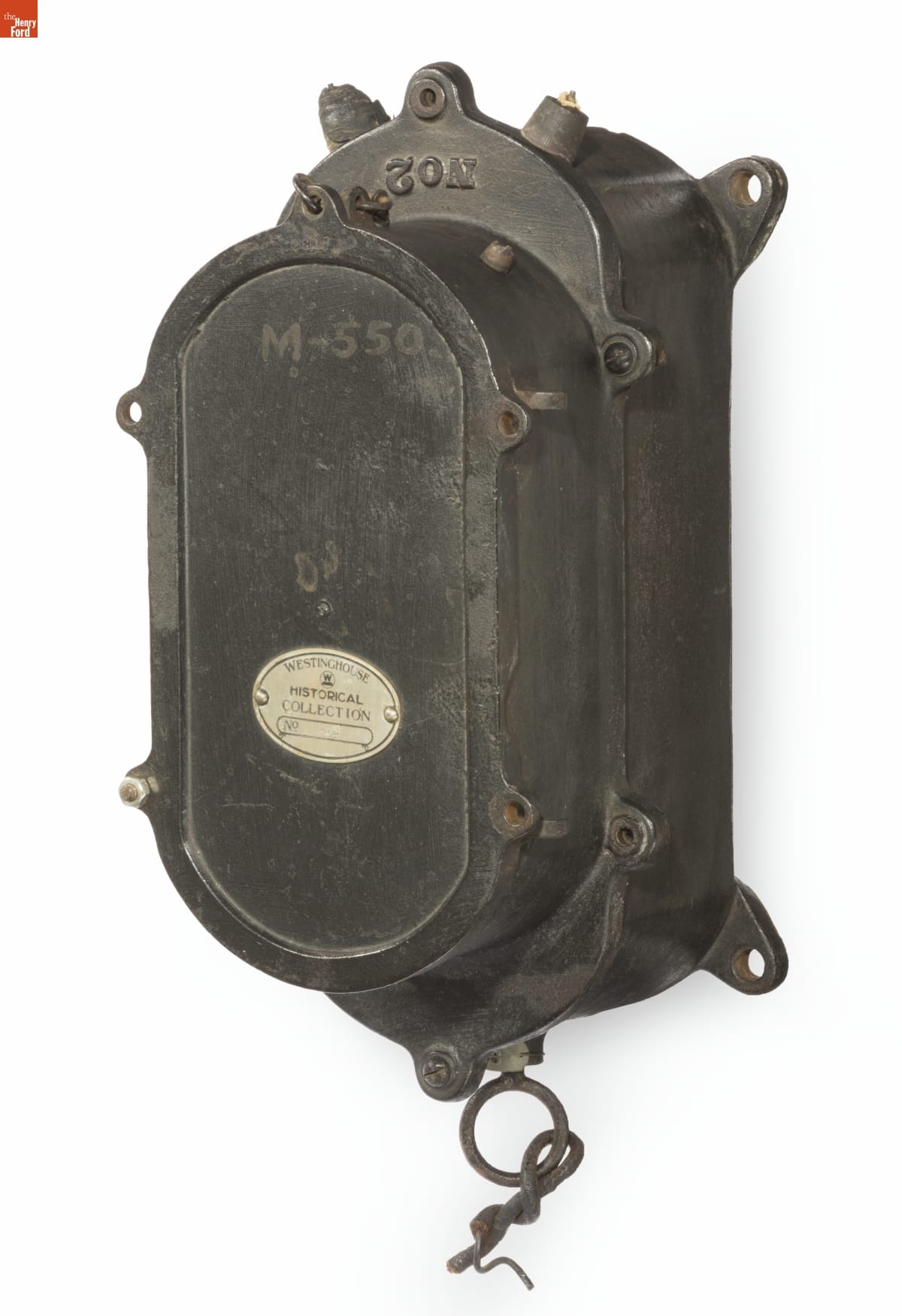
- Westinghouse Type E Transformer, 1886-1889 - Transformers increase or decrease voltage and are essential to alternating current (AC) power systems. In the late 1800s, with the help of transformers, AC power systems proved more efficient and economical than their direct current competitors. Transformers helped convert electricity to high voltage for transmission across long distances, then reduced it to lower, safer voltages for use in homes and factories.
- 1886-1889
- Collections - Artifact
Westinghouse Type E Transformer, 1886-1889
Transformers increase or decrease voltage and are essential to alternating current (AC) power systems. In the late 1800s, with the help of transformers, AC power systems proved more efficient and economical than their direct current competitors. Transformers helped convert electricity to high voltage for transmission across long distances, then reduced it to lower, safer voltages for use in homes and factories.
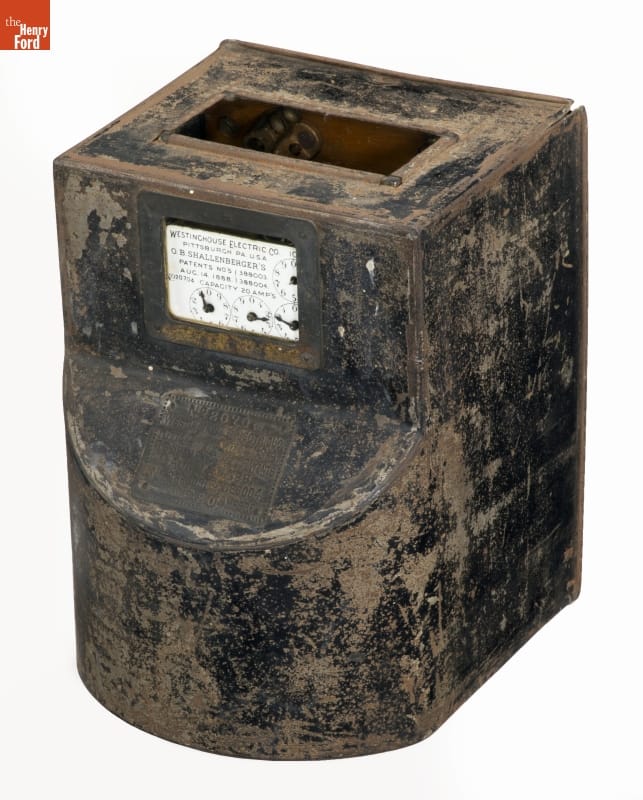
- Westinghouse Shallenberger Ampere-hour Meter, 1888-1890 - Oliver B. Shallenberger, chief electrician at Westinghouse, invented the first successful AC ampere-hour meter in 1888. This meter measures the flow of electric current through a circuit. Early meters like this helped companies that supplied electricity to customers monitor usage and charge appropriate rates. Shallenberger's meter also paved the way for the acceptance of AC power distribution.
- 1888-1890
- Collections - Artifact
Westinghouse Shallenberger Ampere-hour Meter, 1888-1890
Oliver B. Shallenberger, chief electrician at Westinghouse, invented the first successful AC ampere-hour meter in 1888. This meter measures the flow of electric current through a circuit. Early meters like this helped companies that supplied electricity to customers monitor usage and charge appropriate rates. Shallenberger's meter also paved the way for the acceptance of AC power distribution.
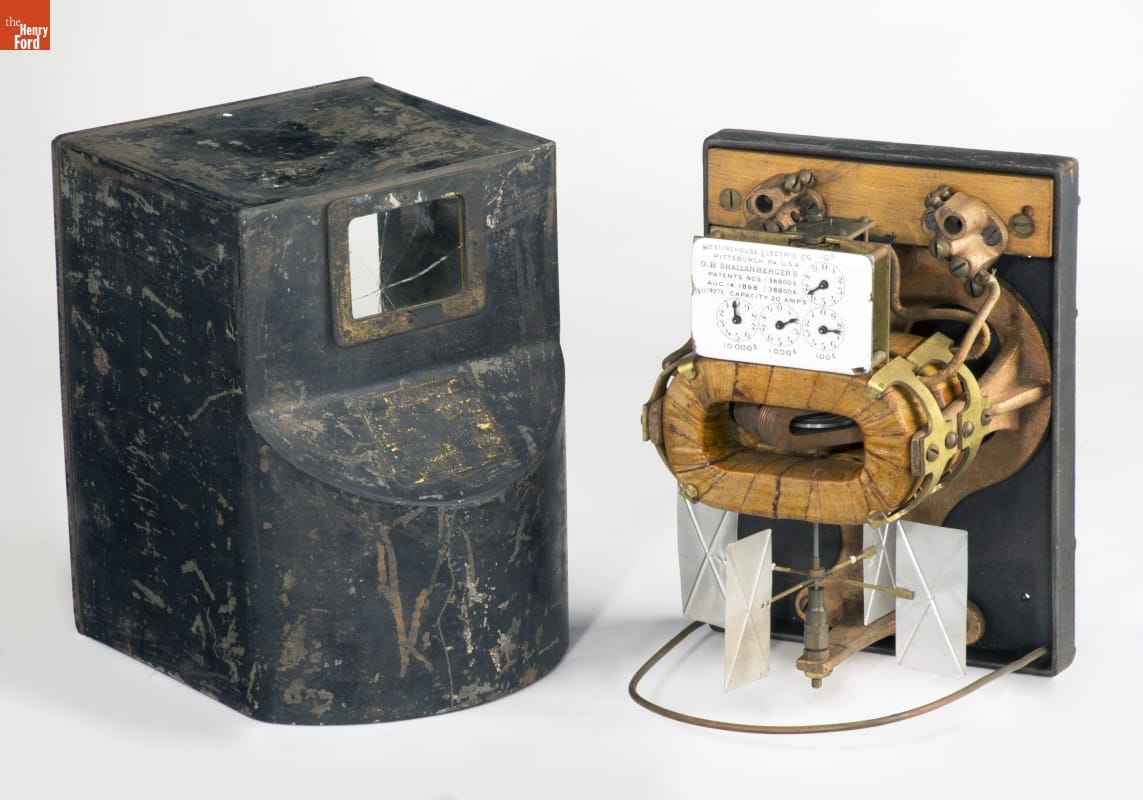
- Westinghouse Shallenberger Ampere-hour Meter, 1888-1890 - Oliver B. Shallenberger, chief electrician at Westinghouse, invented the first successful AC ampere-hour meter in 1888. This meter measures the flow of electric current through a circuit. Early meters like this helped companies that supplied electricity to customers monitor usage and charge appropriate rates. Shallenberger's meter also paved the way for the acceptance of AC power distribution.
- 1888-1890
- Collections - Artifact
Westinghouse Shallenberger Ampere-hour Meter, 1888-1890
Oliver B. Shallenberger, chief electrician at Westinghouse, invented the first successful AC ampere-hour meter in 1888. This meter measures the flow of electric current through a circuit. Early meters like this helped companies that supplied electricity to customers monitor usage and charge appropriate rates. Shallenberger's meter also paved the way for the acceptance of AC power distribution.
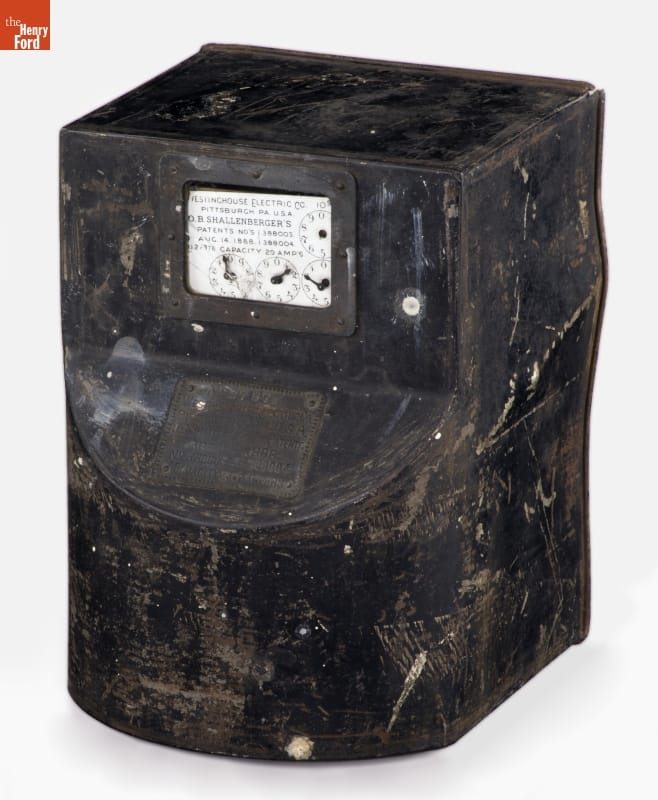
- Westinghouse Shallenberger Ampere-hour Meter, 1888-1890 - Oliver B. Shallenberger, chief electrician at Westinghouse, invented the first successful AC ampere-hour meter in 1888. This meter measures the flow of electric current through a circuit. Early meters like this helped companies that supplied electricity to customers monitor usage and charge appropriate rates. Shallenberger's meter also paved the way for the acceptance of AC power distribution.
- 1888-1890
- Collections - Artifact
Westinghouse Shallenberger Ampere-hour Meter, 1888-1890
Oliver B. Shallenberger, chief electrician at Westinghouse, invented the first successful AC ampere-hour meter in 1888. This meter measures the flow of electric current through a circuit. Early meters like this helped companies that supplied electricity to customers monitor usage and charge appropriate rates. Shallenberger's meter also paved the way for the acceptance of AC power distribution.