
Search
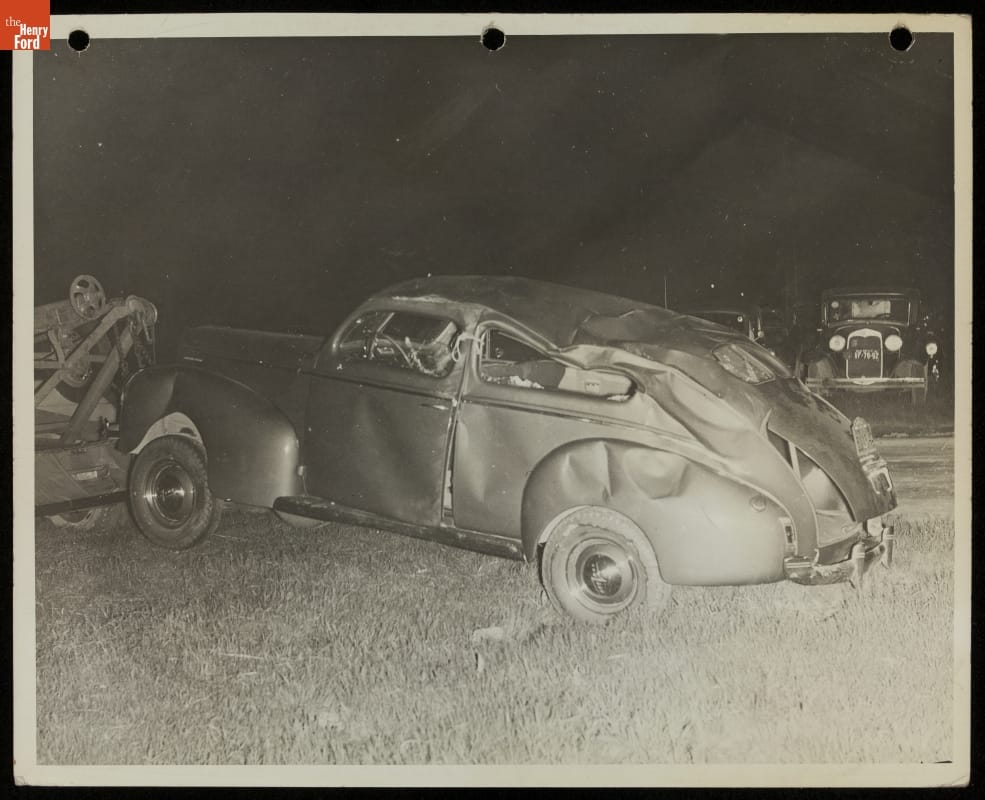
- Damaged Car Hooked up to a Tow Truck, 1939 - Automobiles are fast, powerful, and potentially dangerous. Damage to wrecked vehicles -- which was sometimes beyond repair -- became more commonplace as automotive speeds and the number of drivers on American roads rapidly increased in the 20th century. Eventually, manufacturers, governments, and drivers themselves were compelled to improve automotive safety.
- 1939
- Collections - Artifact
Damaged Car Hooked up to a Tow Truck, 1939
Automobiles are fast, powerful, and potentially dangerous. Damage to wrecked vehicles -- which was sometimes beyond repair -- became more commonplace as automotive speeds and the number of drivers on American roads rapidly increased in the 20th century. Eventually, manufacturers, governments, and drivers themselves were compelled to improve automotive safety.
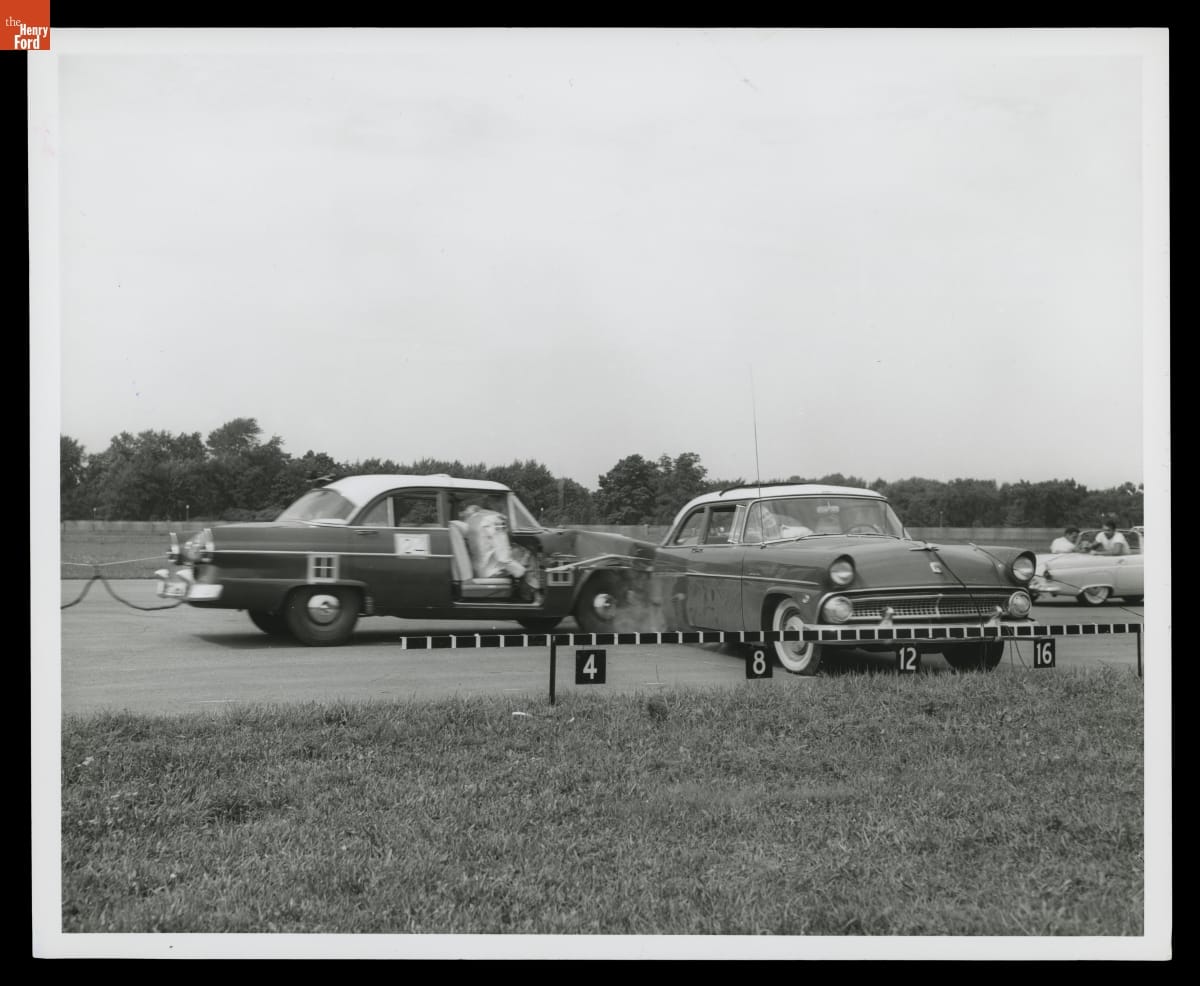
- Crash Testing at Ford Test Track, Dearborn, Michigan, 1955 - As automobiles grew larger and faster, dangers from accidents increased. Automakers began testing their vehicles in controlled collisions. In the 1950s, anthropomorphic dummies were added to the tests, to observe a crash's impact on the human body. More recently, dummies were equipped with highly sensitive instruments measuring the precise speeds and forces involved in a collision.
- August 16, 1955
- Collections - Artifact
Crash Testing at Ford Test Track, Dearborn, Michigan, 1955
As automobiles grew larger and faster, dangers from accidents increased. Automakers began testing their vehicles in controlled collisions. In the 1950s, anthropomorphic dummies were added to the tests, to observe a crash's impact on the human body. More recently, dummies were equipped with highly sensitive instruments measuring the precise speeds and forces involved in a collision.
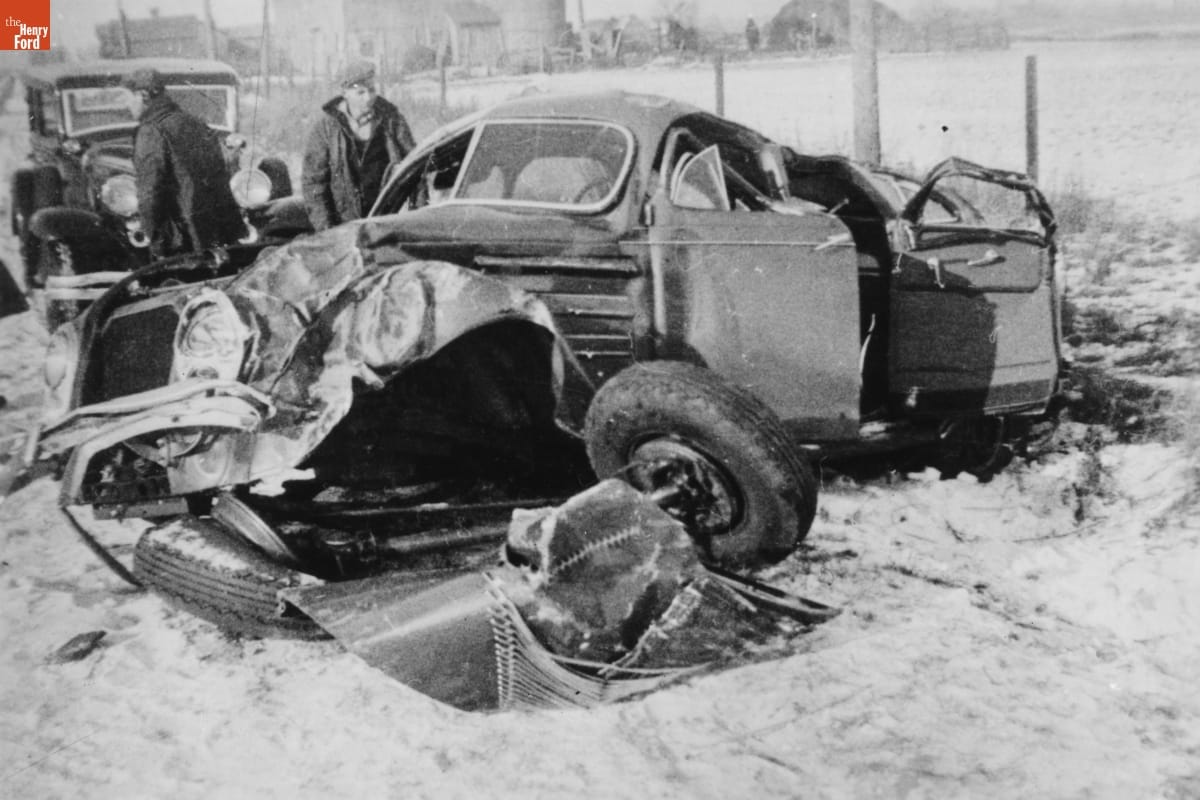
- Wreckage of a Chrysler Airflow Car at the Accident Scene, 1934 - Here, two men inspect the wreckage of a Chrysler Airflow on a wintry day in 1934. Until the 1950s, car manufacturers and buyers were more focused on styling and horsepower than reducing drivers' and passengers' risks. Since the late 1960s, Americans have generally accepted increasing regulation of cars and drivers, and gradually become more willing to pay for safety features.
- March 21, 1934
- Collections - Artifact
Wreckage of a Chrysler Airflow Car at the Accident Scene, 1934
Here, two men inspect the wreckage of a Chrysler Airflow on a wintry day in 1934. Until the 1950s, car manufacturers and buyers were more focused on styling and horsepower than reducing drivers' and passengers' risks. Since the late 1960s, Americans have generally accepted increasing regulation of cars and drivers, and gradually become more willing to pay for safety features.
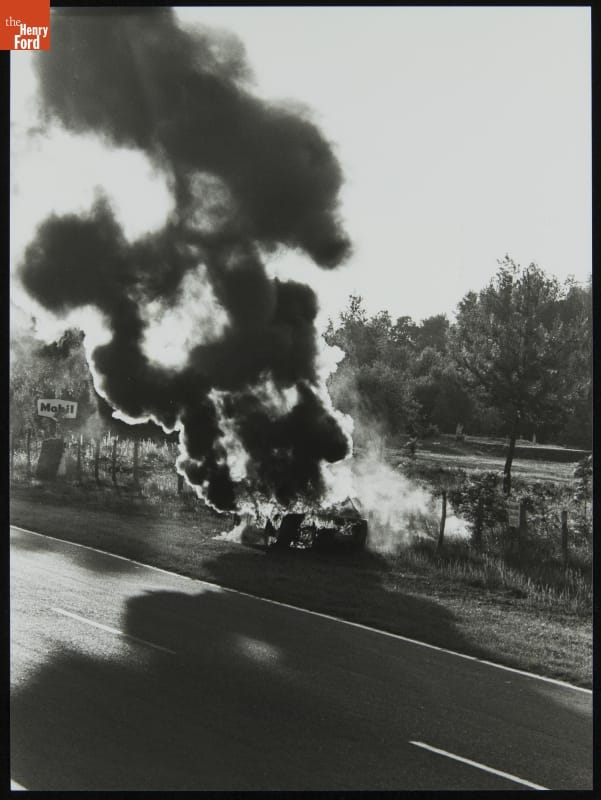
- Ford GT40 on Fire during 24 Hours of Le Mans Race, June 1964 - Ford Motor Company's hopes of winning Le Mans in 1964 went up in smoke when GT40 #12, driven by Briton Richard Attwood and Frenchman Jo Schlesser, burst into flames due to a faulty fuel hose. Attwood -- driving at the time -- escaped but the car was destroyed. Ford's two other entries in the race also failed to finish.
- June 20, 1964
- Collections - Artifact
Ford GT40 on Fire during 24 Hours of Le Mans Race, June 1964
Ford Motor Company's hopes of winning Le Mans in 1964 went up in smoke when GT40 #12, driven by Briton Richard Attwood and Frenchman Jo Schlesser, burst into flames due to a faulty fuel hose. Attwood -- driving at the time -- escaped but the car was destroyed. Ford's two other entries in the race also failed to finish.
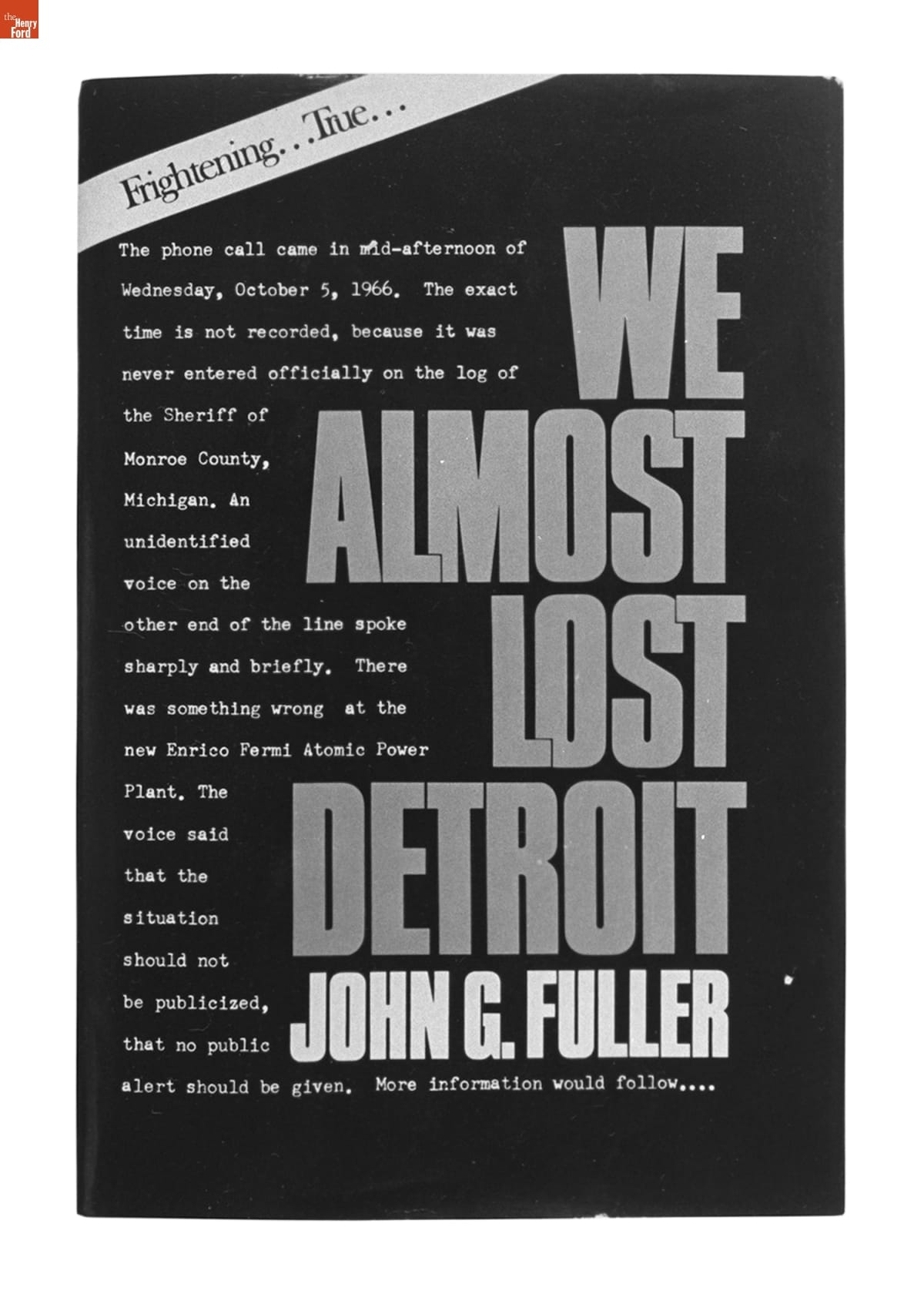
- We Almost Lost Detroit, 1975 -
- 1966
- Collections - Artifact
We Almost Lost Detroit, 1975
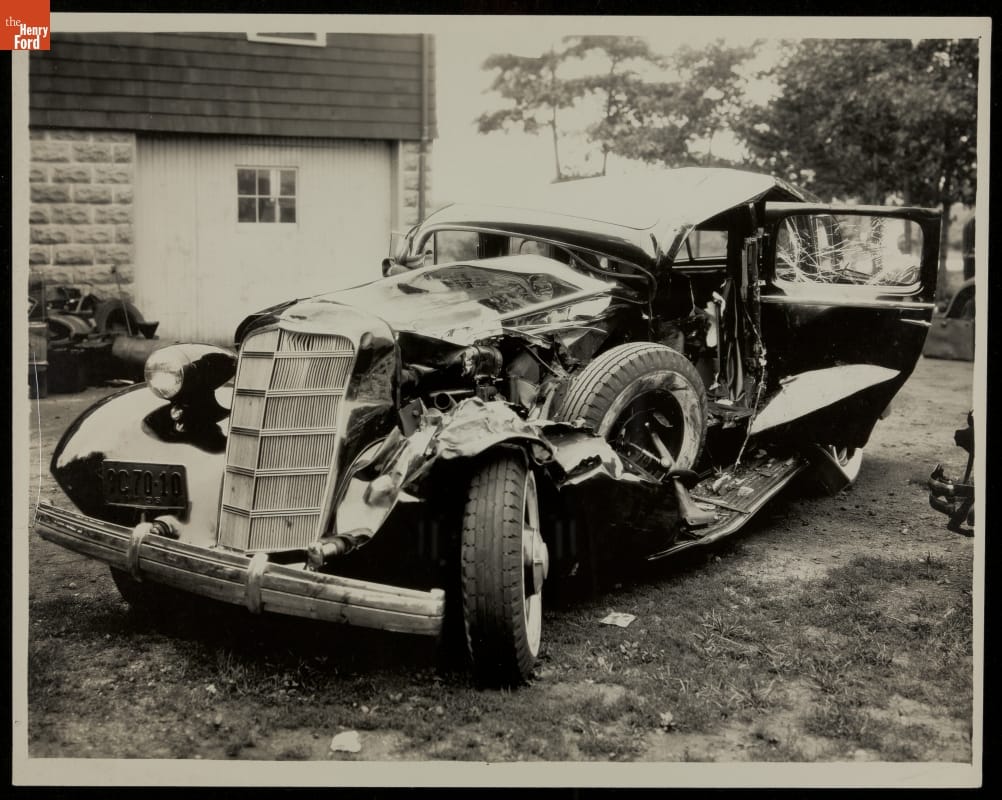
- Automobile, Wrecked on Driver's Side, Long Island, New York, 1935 - Automobiles are fast, powerful, and potentially dangerous. Accidents like the wreck pictured here became more commonplace as automotive speeds and the number of drivers on American roads rapidly increased in the 20th century. Eventually, manufacturers, governments, and drivers themselves were compelled to improve automotive safety.
- 1935
- Collections - Artifact
Automobile, Wrecked on Driver's Side, Long Island, New York, 1935
Automobiles are fast, powerful, and potentially dangerous. Accidents like the wreck pictured here became more commonplace as automotive speeds and the number of drivers on American roads rapidly increased in the 20th century. Eventually, manufacturers, governments, and drivers themselves were compelled to improve automotive safety.
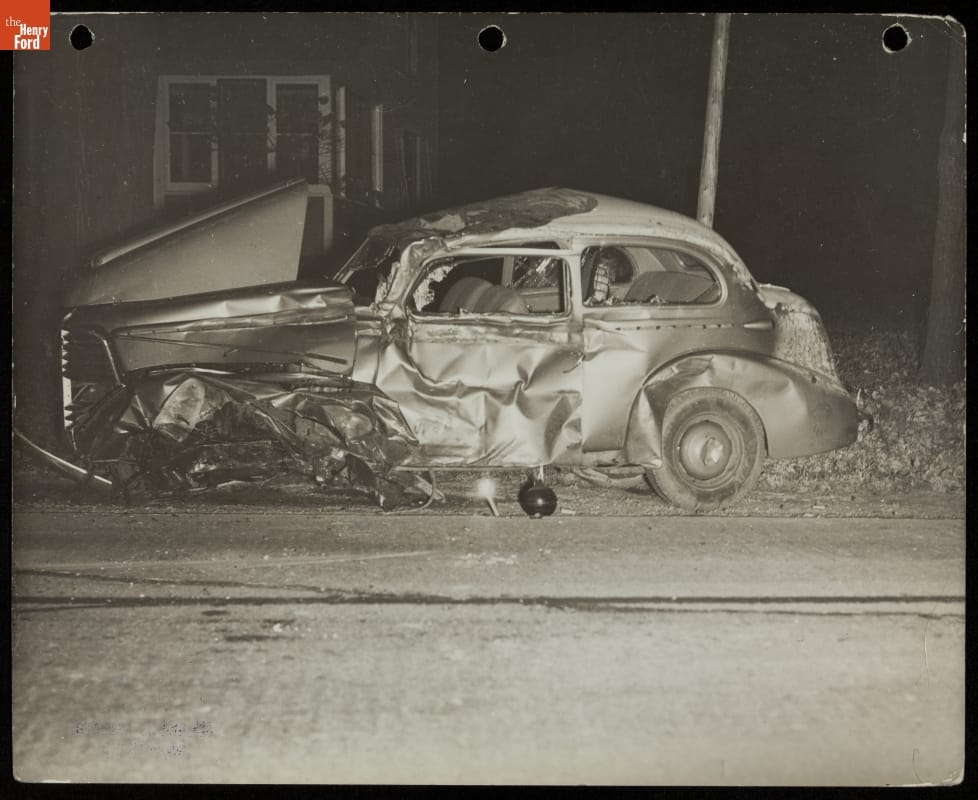
- Damaged Car Following a Traffic Accident in Chicago, Illinois, 1930-1945 - Automobiles are fast, powerful, and potentially dangerous. Accidents like the wreck pictured here became more commonplace as automotive speeds and the number of drivers on American roads rapidly increased in the 20th century. Eventually, manufacturers, governments, and drivers themselves were compelled to improve automotive safety.
- 1930-1945
- Collections - Artifact
Damaged Car Following a Traffic Accident in Chicago, Illinois, 1930-1945
Automobiles are fast, powerful, and potentially dangerous. Accidents like the wreck pictured here became more commonplace as automotive speeds and the number of drivers on American roads rapidly increased in the 20th century. Eventually, manufacturers, governments, and drivers themselves were compelled to improve automotive safety.
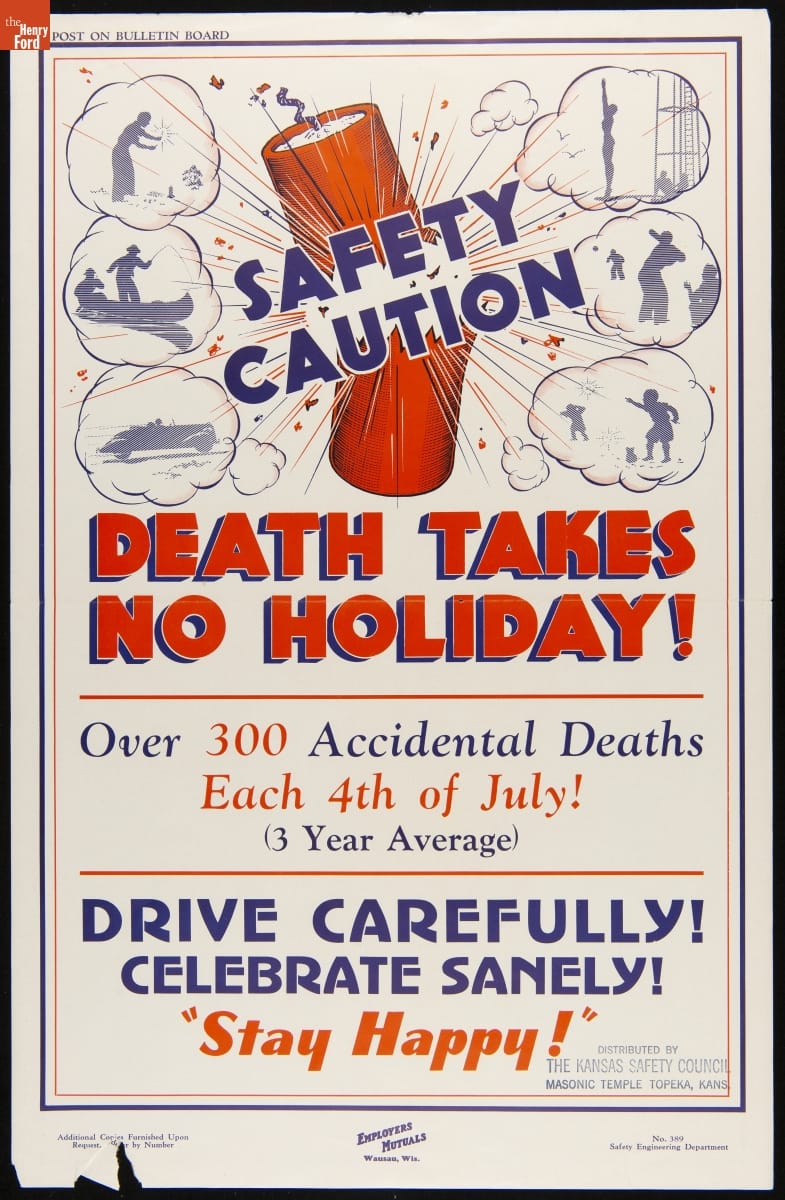
- Safety, Caution, Death Takes No Holiday!, 1940-1942 - Employers Mutuals, the first workers compensation insurance company in the U.S., produced this poster encouraging people to have a safe Fourth of July. Fireworks, careless driving, and other accidents caused hundreds of deaths during the holiday. The company reminded people to drive safely and celebrate sanely to "Stay Happy!"
- 1940-1942
- Collections - Artifact
Safety, Caution, Death Takes No Holiday!, 1940-1942
Employers Mutuals, the first workers compensation insurance company in the U.S., produced this poster encouraging people to have a safe Fourth of July. Fireworks, careless driving, and other accidents caused hundreds of deaths during the holiday. The company reminded people to drive safely and celebrate sanely to "Stay Happy!"
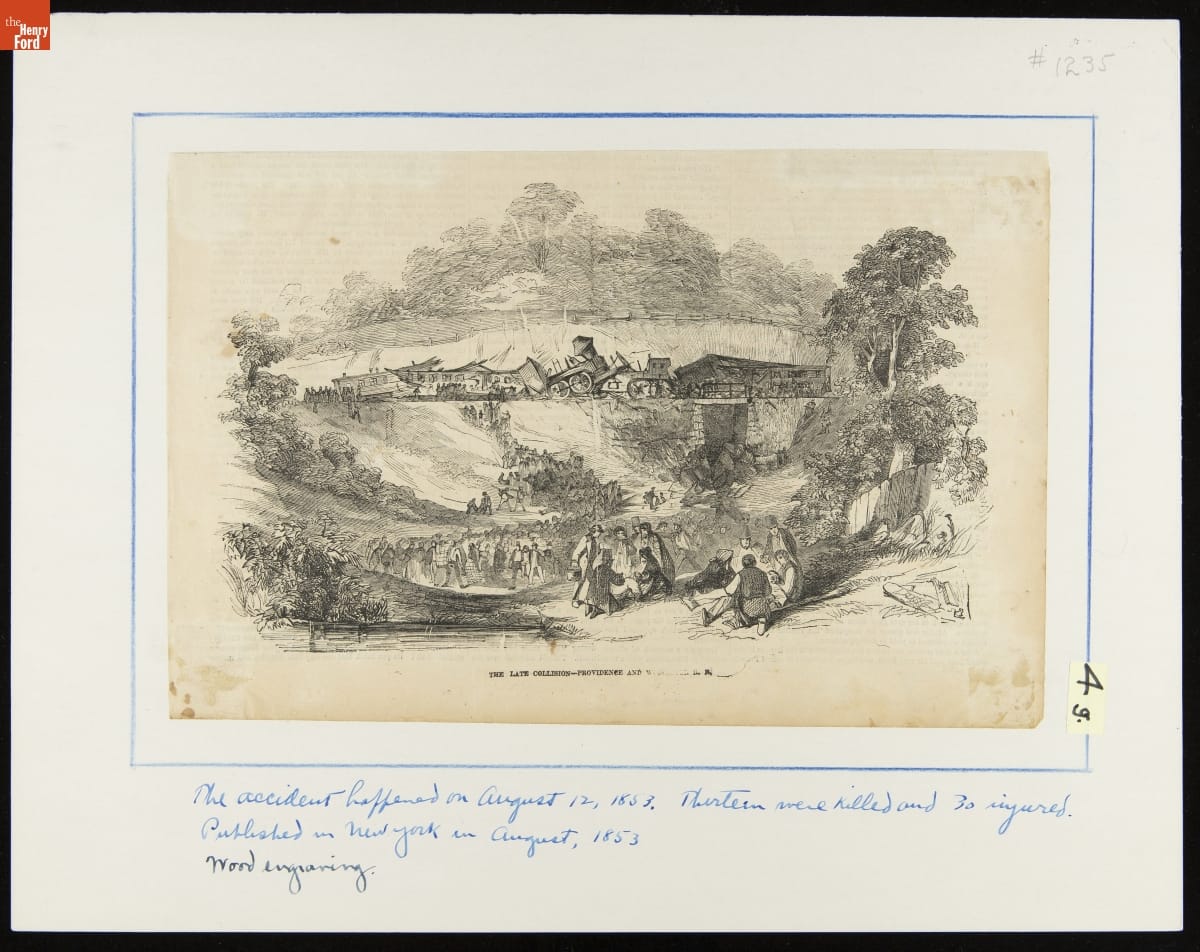
- The Late Collision - Providence & Worcester R.R., August 12, 1853 - Accidents were frightfully common on American railroads in the mid-19th century. Cheap construction, crude equipment, poor signaling, and uncoordinated timekeeping all contributed to the problem. This illustration shows a wreck on the Providence & Worcester Railroad in 1853. Two passenger trains failed to meet at a passing siding as scheduled. They collided head-on, killing 13 and seriously injuring 30 more.
- August 12, 1853
- Collections - Artifact
The Late Collision - Providence & Worcester R.R., August 12, 1853
Accidents were frightfully common on American railroads in the mid-19th century. Cheap construction, crude equipment, poor signaling, and uncoordinated timekeeping all contributed to the problem. This illustration shows a wreck on the Providence & Worcester Railroad in 1853. Two passenger trains failed to meet at a passing siding as scheduled. They collided head-on, killing 13 and seriously injuring 30 more.
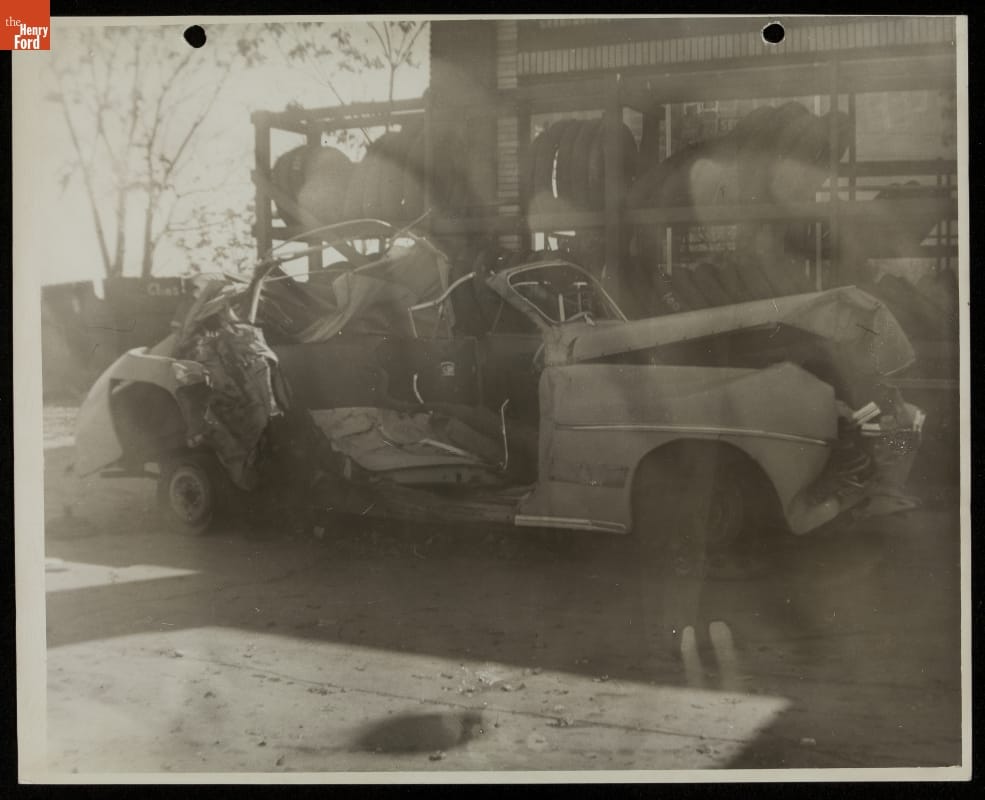
- Car Damaged in an Accident, 1930-1945 - Automobiles are fast, powerful, and potentially dangerous. Damage to wrecked vehicles -- which was sometimes beyond repair -- became more commonplace as automotive speeds and the number of drivers on American roads rapidly increased in the 20th century. Eventually, manufacturers, governments, and drivers themselves were compelled to improve automotive safety.
- 1930-1945
- Collections - Artifact
Car Damaged in an Accident, 1930-1945
Automobiles are fast, powerful, and potentially dangerous. Damage to wrecked vehicles -- which was sometimes beyond repair -- became more commonplace as automotive speeds and the number of drivers on American roads rapidly increased in the 20th century. Eventually, manufacturers, governments, and drivers themselves were compelled to improve automotive safety.