
Search
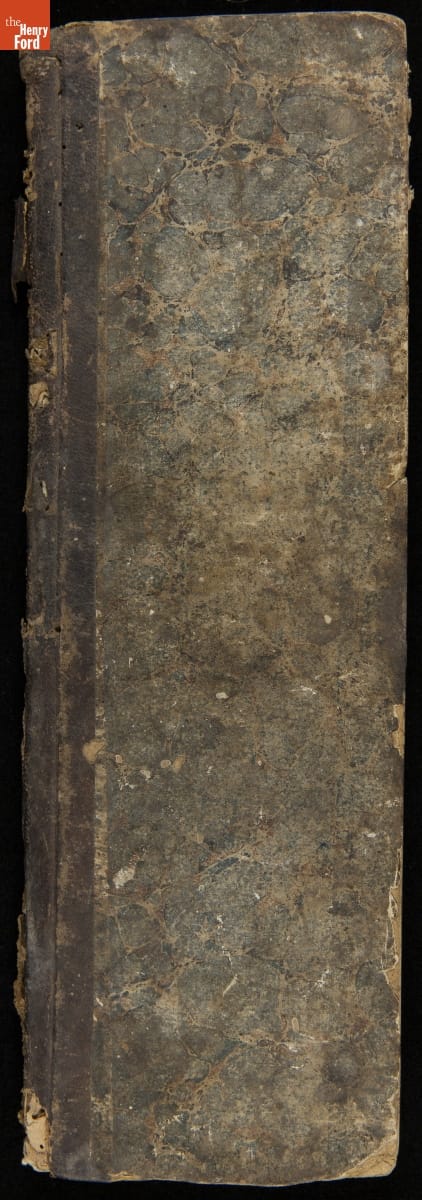
- Dr. Howard's Accounts, 1849-1853 - Dr. Alonson Howard, Jr., set up a medical practice in Tekonsha Township, Michigan, in the early 1850s. During his more than thirty years as a practicing physician he kept a series of account books. In these books, Dr. Howard recorded visits to or from his patients, the illnesses he encountered, the treatments he prescribed, and what he charged for his services.
- 1849-1853
- Collections - Artifact
Dr. Howard's Accounts, 1849-1853
Dr. Alonson Howard, Jr., set up a medical practice in Tekonsha Township, Michigan, in the early 1850s. During his more than thirty years as a practicing physician he kept a series of account books. In these books, Dr. Howard recorded visits to or from his patients, the illnesses he encountered, the treatments he prescribed, and what he charged for his services.
- Ford Motor Company Stock Certificate Ledger, 1909-1926 -

- 01 April 1909-05 April 1926
- Collections - Artifact
Ford Motor Company Stock Certificate Ledger, 1909-1926
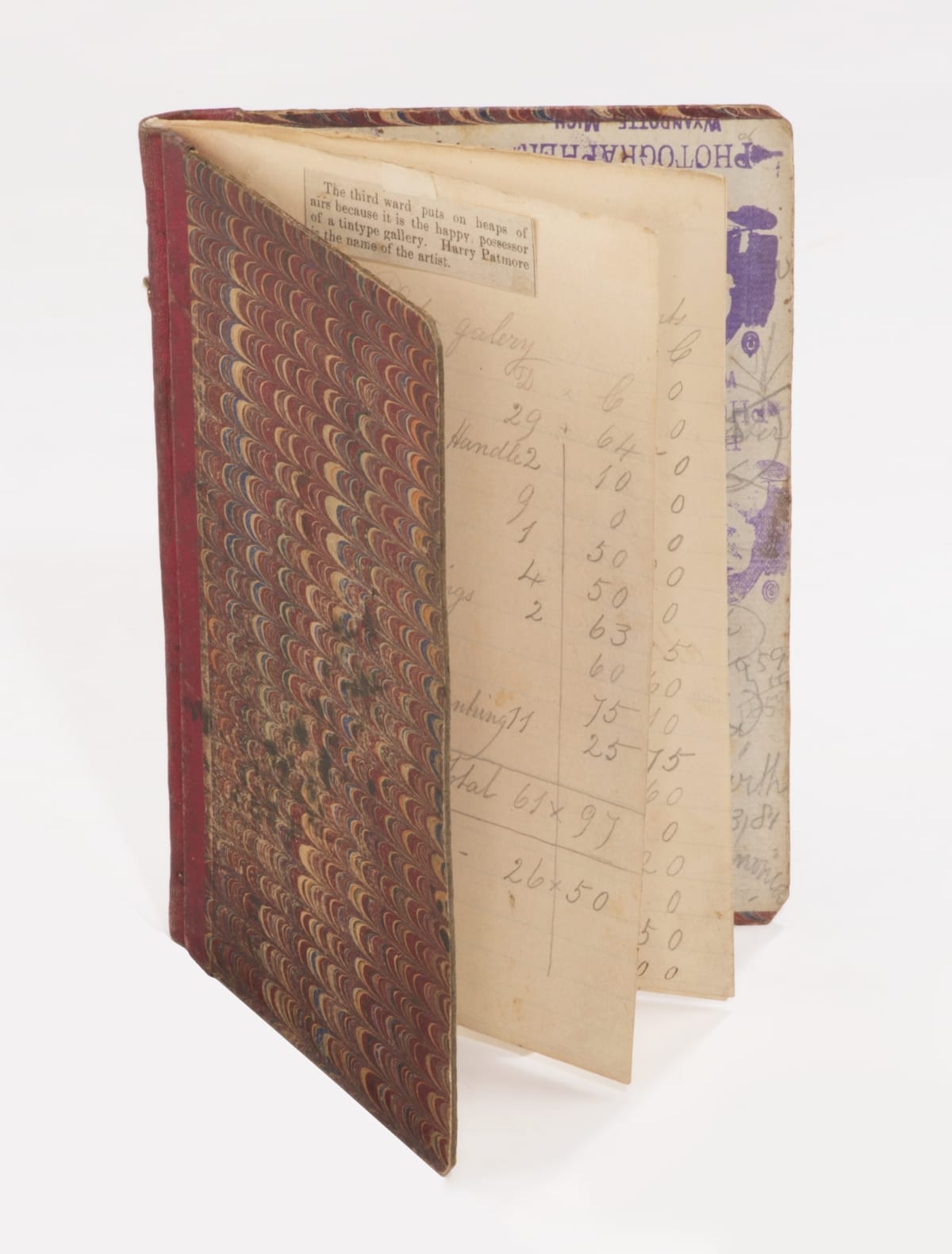
- Account Book of the Items Purchased for Harry Patmore's Photographic Studio, 1880-1882 -
- 1880-1882
- Collections - Artifact
Account Book of the Items Purchased for Harry Patmore's Photographic Studio, 1880-1882
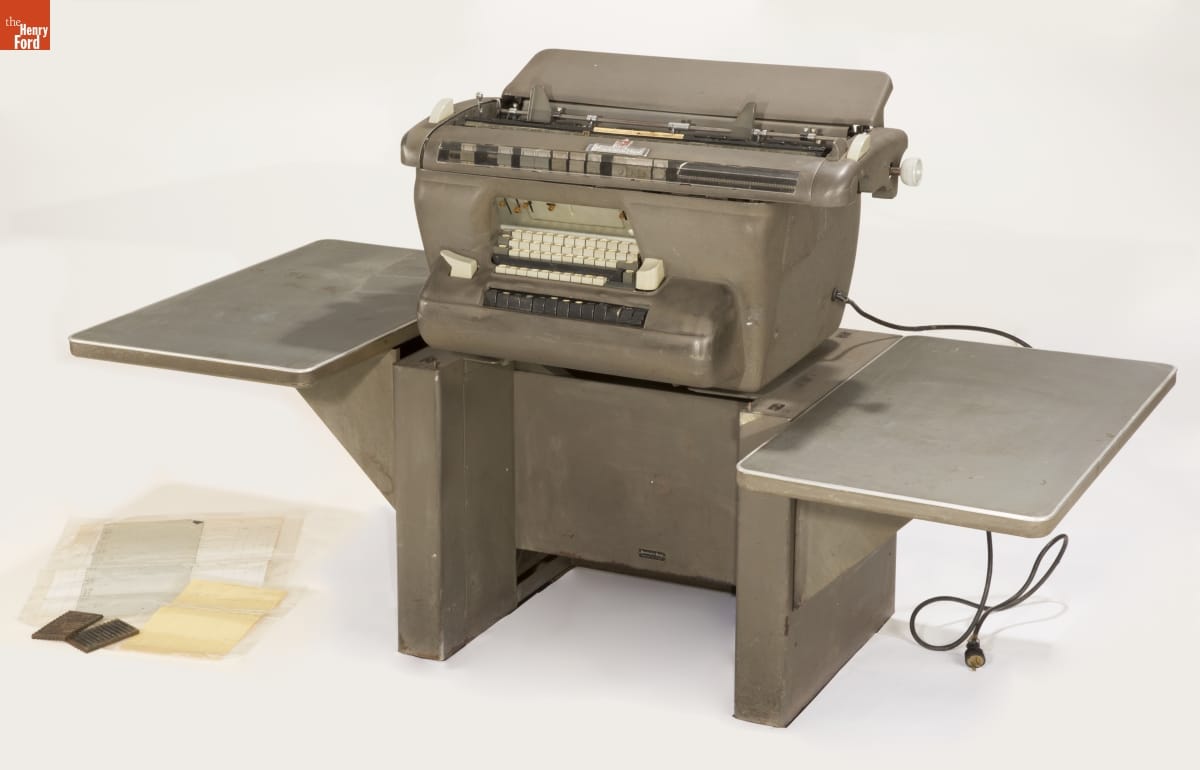
- Remington Rand Bookkeeping Machine and Stand, Model 685, 1945-1955 - Bookkeeping machines were the precursors to the computer -- they processed and moved complex numeric and alphabetic data. Combining elements of typewriters, adding machines, and calculators, bookkeeping machines processed payroll, taxes, and recorded payments and billing. Efficient and reliable, these devices eased the workload of office workers. They were also used as vote tabulators and for complex calculation of scientific data.
- 1945-1955
- Collections - Artifact
Remington Rand Bookkeeping Machine and Stand, Model 685, 1945-1955
Bookkeeping machines were the precursors to the computer -- they processed and moved complex numeric and alphabetic data. Combining elements of typewriters, adding machines, and calculators, bookkeeping machines processed payroll, taxes, and recorded payments and billing. Efficient and reliable, these devices eased the workload of office workers. They were also used as vote tabulators and for complex calculation of scientific data.
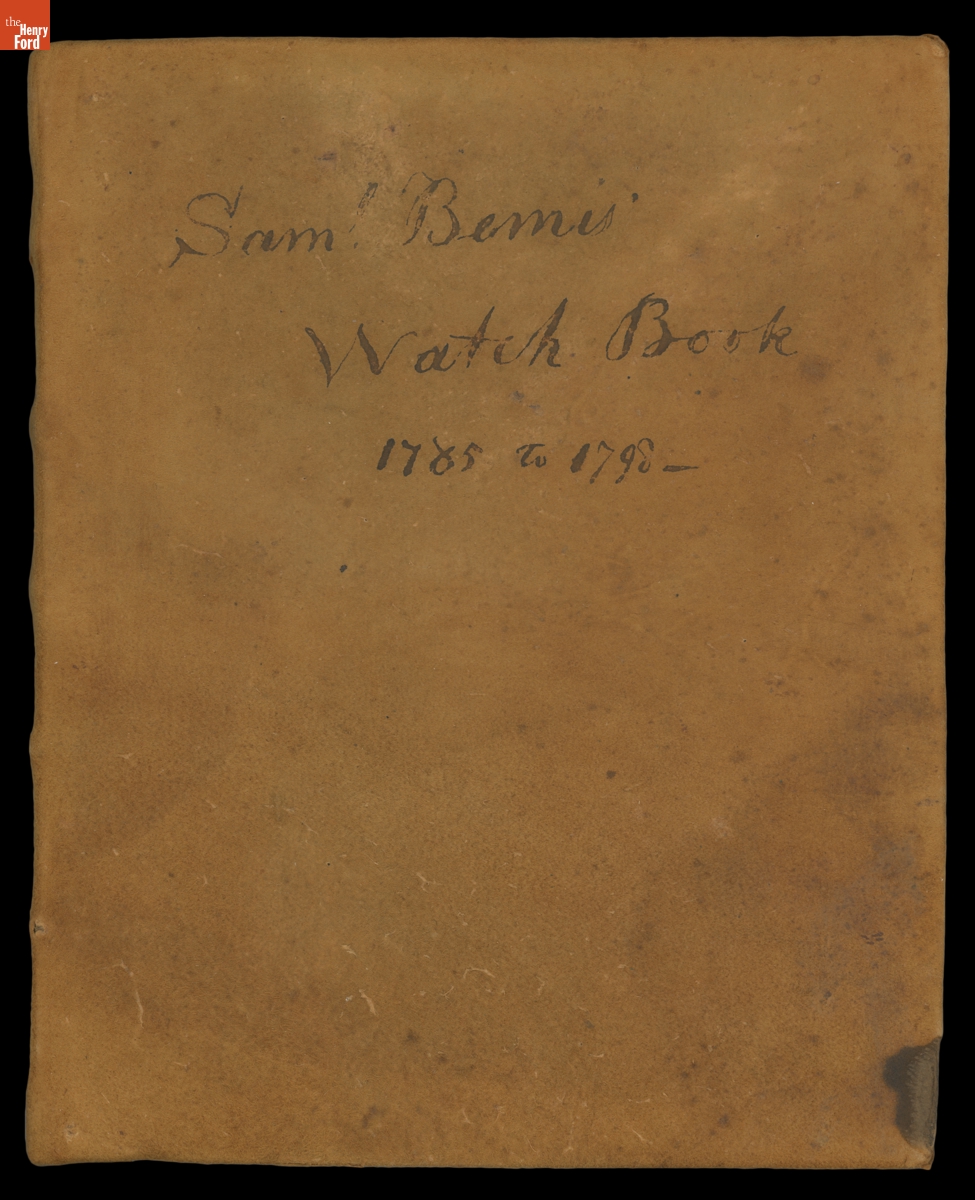
- Samuel Bemis Watch Book, 1785-1798 -
- 1785-1798
- Collections - Artifact
Samuel Bemis Watch Book, 1785-1798
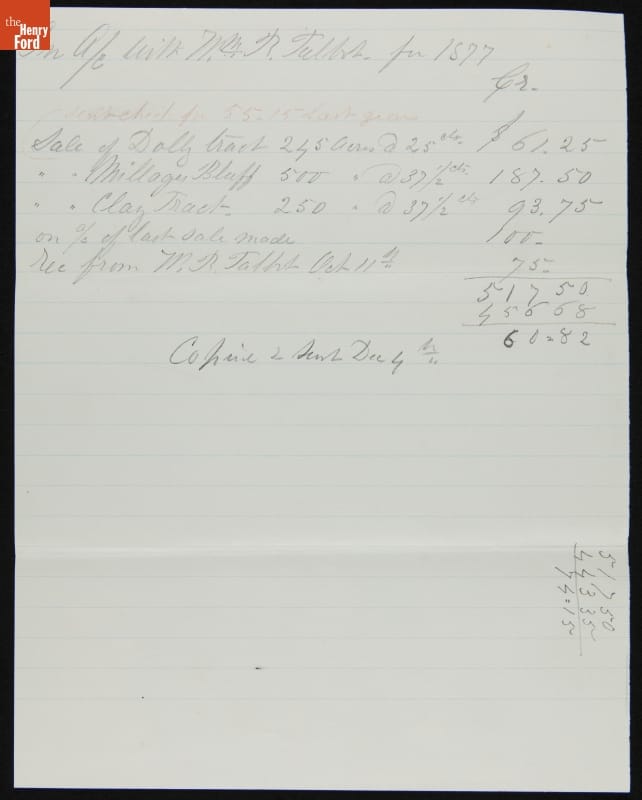
- Record of George Appleton's Financial Dealings with William Talbot, 1877 -
- 1877
- Collections - Artifact
Record of George Appleton's Financial Dealings with William Talbot, 1877
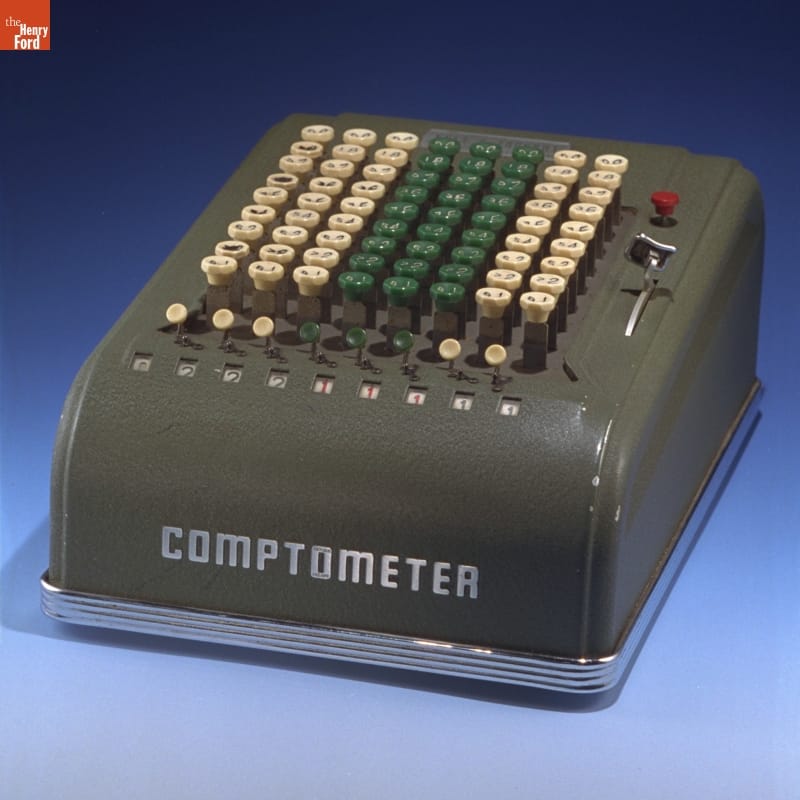
- Felt & Tarrant Comptometer, 1951 - Mechanical adding machines like this Comptometer were indispensable--and almost indestructible--office equipment until the computer era. Dorr Felt's 1884 invention of a key-driven mechanical adding machine had become big business by the 1950s, when this Comptometer was made. This particular Comptometer was used in the accounting department of an eyewear manufacturing company from 1951-1967, when its operator retired.
- 1951
- Collections - Artifact
Felt & Tarrant Comptometer, 1951
Mechanical adding machines like this Comptometer were indispensable--and almost indestructible--office equipment until the computer era. Dorr Felt's 1884 invention of a key-driven mechanical adding machine had become big business by the 1950s, when this Comptometer was made. This particular Comptometer was used in the accounting department of an eyewear manufacturing company from 1951-1967, when its operator retired.
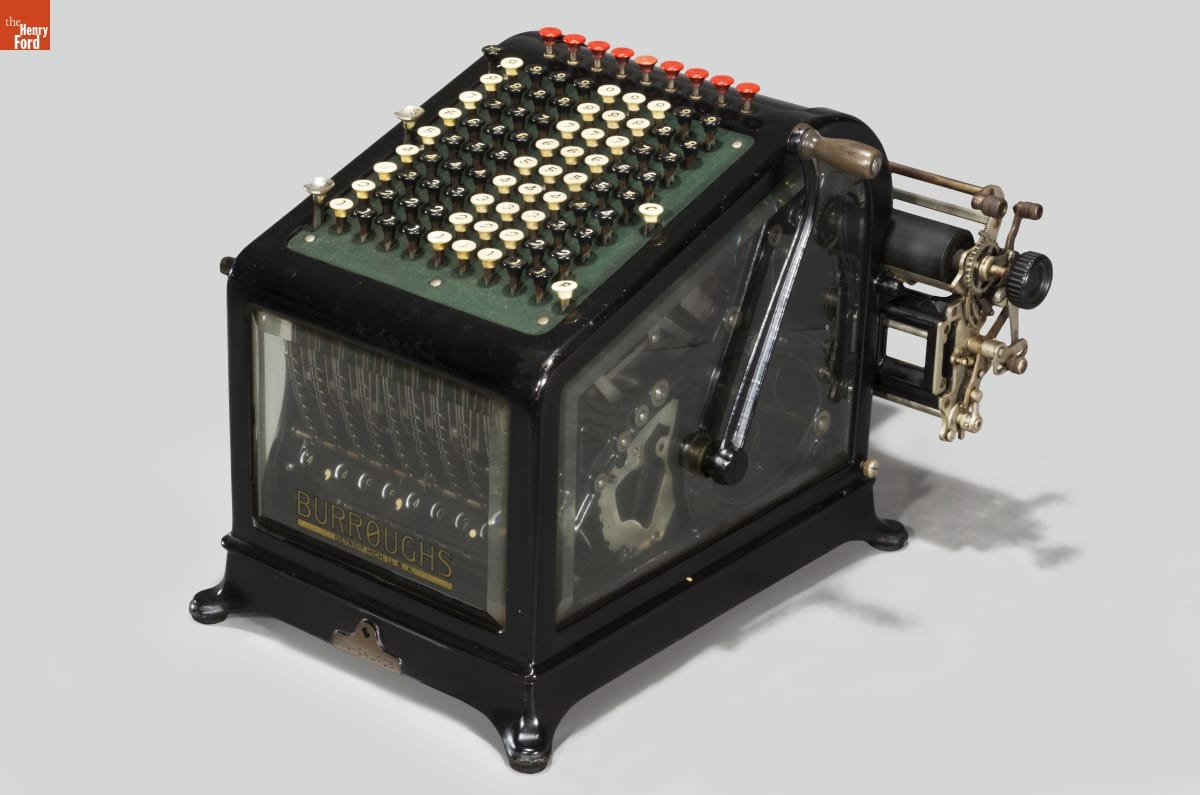
- Burroughs Class I / Model 9 Adding Machine, 1910 - Mechanical adding machines were indispensable office equipment used before the computer era. These devices were perfected by the American Arithmometer Company in 1886, spurred on by William Seward Burrough's desire to reduce drudgery in clerical arithmetic work. Transistors and electronic desktop calculators displaced adding machines in the 1950s; by the 1970s, microchips reduced calculators to the size of a shirt pocket.
- 1910
- Collections - Artifact
Burroughs Class I / Model 9 Adding Machine, 1910
Mechanical adding machines were indispensable office equipment used before the computer era. These devices were perfected by the American Arithmometer Company in 1886, spurred on by William Seward Burrough's desire to reduce drudgery in clerical arithmetic work. Transistors and electronic desktop calculators displaced adding machines in the 1950s; by the 1970s, microchips reduced calculators to the size of a shirt pocket.
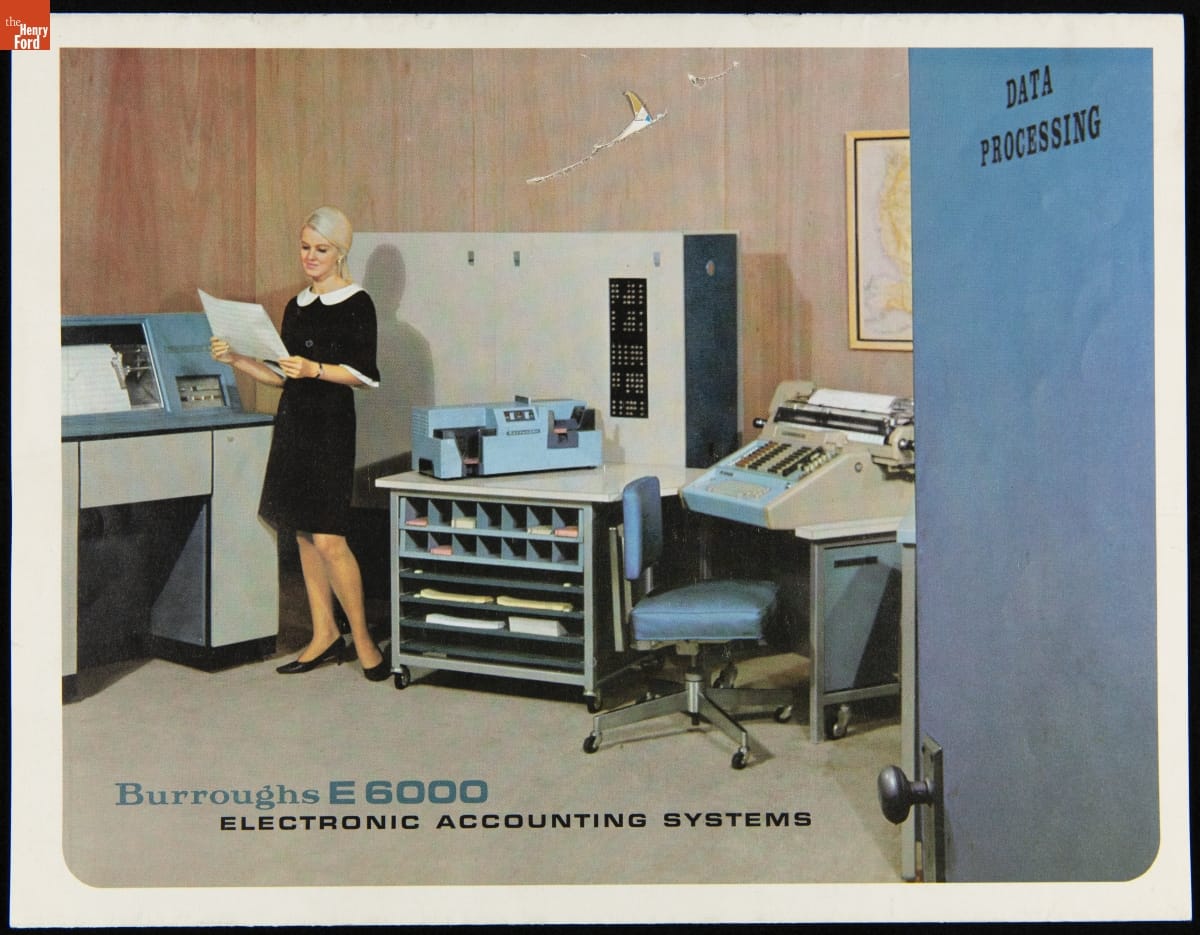
- Burroughs E6000 Electronic Accounting System, 1967 - William Seward Burroughs and three other co-founders established the American Arithmometer Company in 1886 to produce simple addition and subtraction machines. Over the years, the company--later known as the Burroughs Corporation--innovated and expanded. Mergers with companies such as Moon-Hopkins and Sperry in the 20th century helped Burroughs become a leader in the calculating--and later computing--industry.
- October 01, 1967
- Collections - Artifact
Burroughs E6000 Electronic Accounting System, 1967
William Seward Burroughs and three other co-founders established the American Arithmometer Company in 1886 to produce simple addition and subtraction machines. Over the years, the company--later known as the Burroughs Corporation--innovated and expanded. Mergers with companies such as Moon-Hopkins and Sperry in the 20th century helped Burroughs become a leader in the calculating--and later computing--industry.
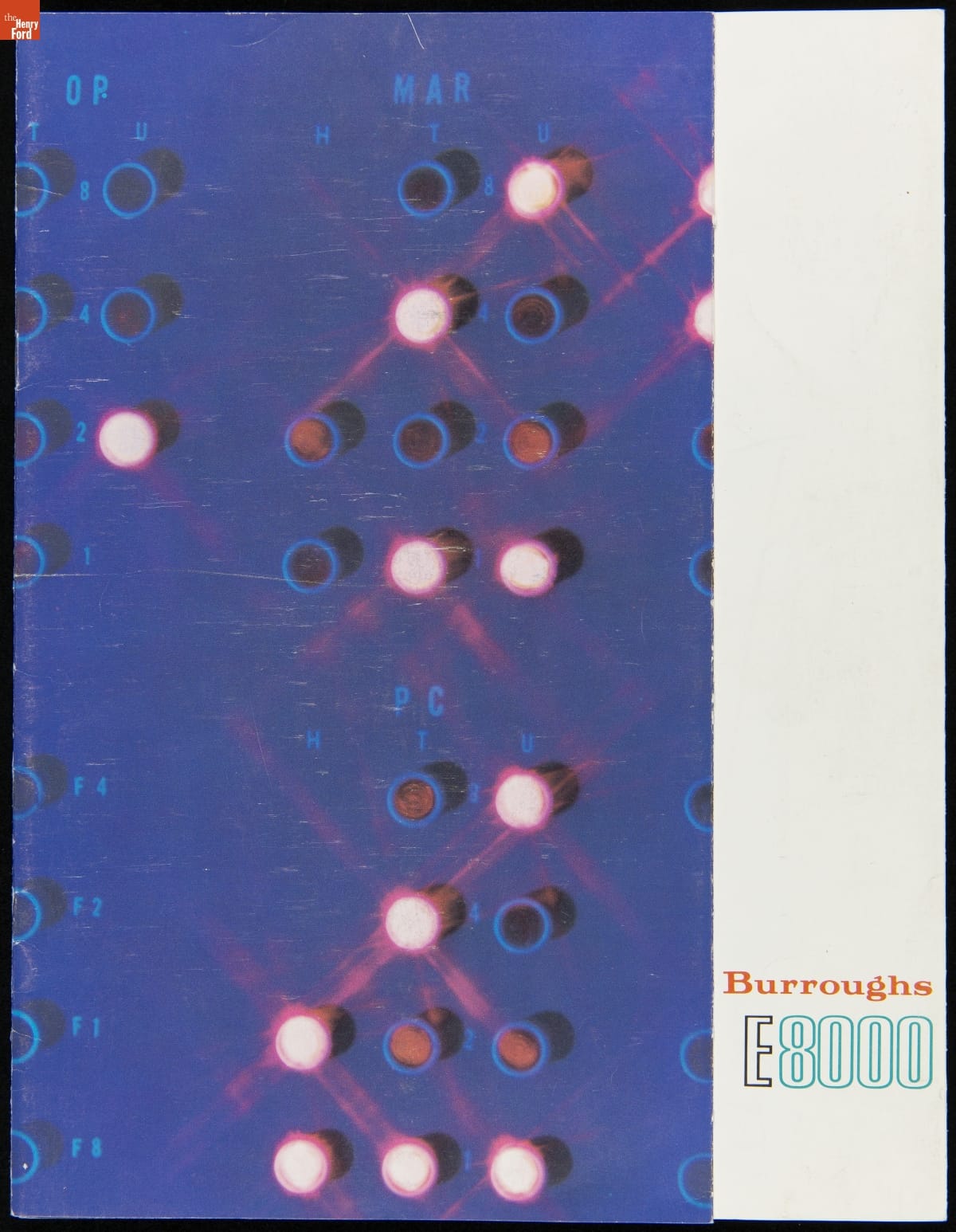
- Burroughs E8000, circa 1965 - William Seward Burroughs and three other co-founders established the American Arithmometer Company in 1886 to produce simple addition and subtraction machines. Over the years, the company--later known as the Burroughs Corporation--innovated and expanded. Mergers with companies such as Moon-Hopkins and Sperry in the 20th century helped Burroughs become a leader in the calculating--and later computing--industry.
- circa 1965
- Collections - Artifact
Burroughs E8000, circa 1965
William Seward Burroughs and three other co-founders established the American Arithmometer Company in 1886 to produce simple addition and subtraction machines. Over the years, the company--later known as the Burroughs Corporation--innovated and expanded. Mergers with companies such as Moon-Hopkins and Sperry in the 20th century helped Burroughs become a leader in the calculating--and later computing--industry.